REVIEW · FLORENCE
Florence: Art of Pasta Cooking Workshop with Food and Wine
Book on GetYourGuide →Operated by PastaClassFlorence · Bookable on GetYourGuide
Hands-on pasta in Florence feels personal. This handmade pasta workshop pairs you with Michelin-trained chefs in central Florence, and you get 1-1 coaching from cooks like Simone and Marco.
In a 3-hour session, you’re not just watching. You’re shaping dough, learning traditional techniques, and then sitting down to eat what you make with wine.
I love the finish: a full meal with three pasta dishes and unlimited Tuscan wine throughout. One drawback to consider is pace: it’s a compact class, so if you want tons of repetition and extra practice time, you might crave a second session after.
In This Review
- Key Points You’ll Actually Care About
- Where This Florence Pasta Class Fits in Real Life
- Meeting Your Chef at PastaClassFlorence and Getting Started
- Shaping Fresh Pasta: Tortelli, Tagliatelle, and Fettuccine
- Tortelli: learning the shape that wants patience
- Tagliatelle: ribbons that teach thickness control
- Fettuccine: wider noodles with a clean finish
- Sauces and Local Ingredients: The Flavor Logic Behind Ragù
- Wine Pairing That Actually Tracks the Meal
- The 3-Dish Meal: What You Eat After You Cook
- What You Take Home: E-Book Recipes and an Apron
- English Instruction and Chef Interaction: Getting Help When It Counts
- Price and Value: Is $129 Worth It in Florence?
- Who Should Book This Florence Workshop
- Quick Tips Before You Go
- Should You Book It? My Practical Take
- FAQ
- How long is the Florence pasta cooking workshop?
- Is the class taught in English?
- What types of pasta will I learn to make?
- Is wine included, and is it unlimited?
- Will I eat during the workshop?
- Are vegetarian options available?
- What do I receive to take home?
Key Points You’ll Actually Care About
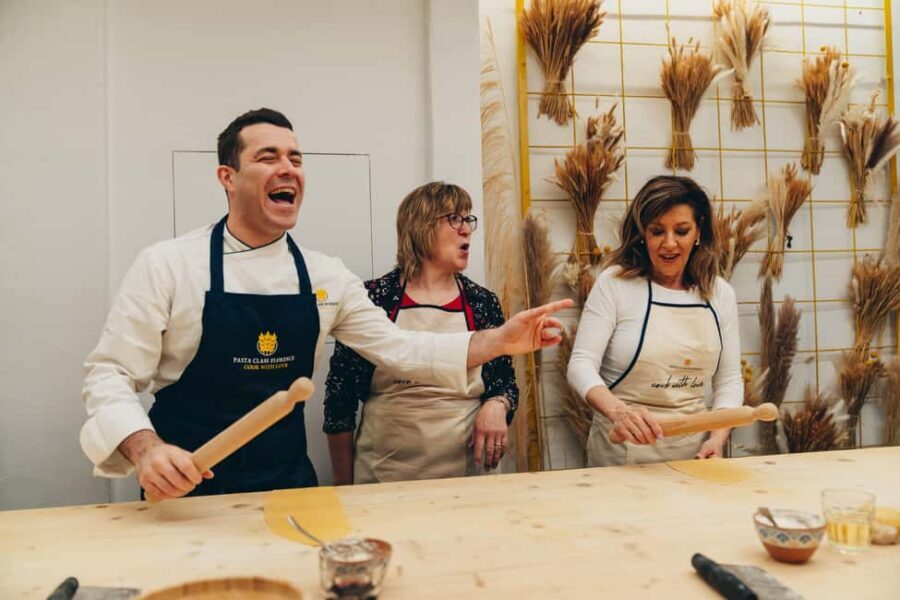
- Michelin-trained chef-led teaching with hands-on guidance (you can get stuck, and a chef helps you fix it)
- Small group setup aimed at real attention, not just a demo
- You learn multiple shapes: tortelli, tagliatelle, and fettuccine
- A full 3-dish meal at the end, paired with unlimited Tuscan wine
- Typical local products used for the sauces and flavors, with vegetarian options available
- Take-home help via an e-book recipe and an apron gift
Where This Florence Pasta Class Fits in Real Life
Florence is great for art and long walks. But when you add a hands-on food class, your trip turns into more than scenery. This workshop is built around one simple goal: help you make fresh Italian pasta at home level, not just tourist-level pictures.
The timing matters too. You’re in and out in about 3 hours, which makes it an easy match for evenings when you want something social and food-focused. It’s also taught in English, so you won’t lose the thread when techniques get hands-on.
You can also read our reviews of more food & drink experiences in Florence
Meeting Your Chef at PastaClassFlorence and Getting Started
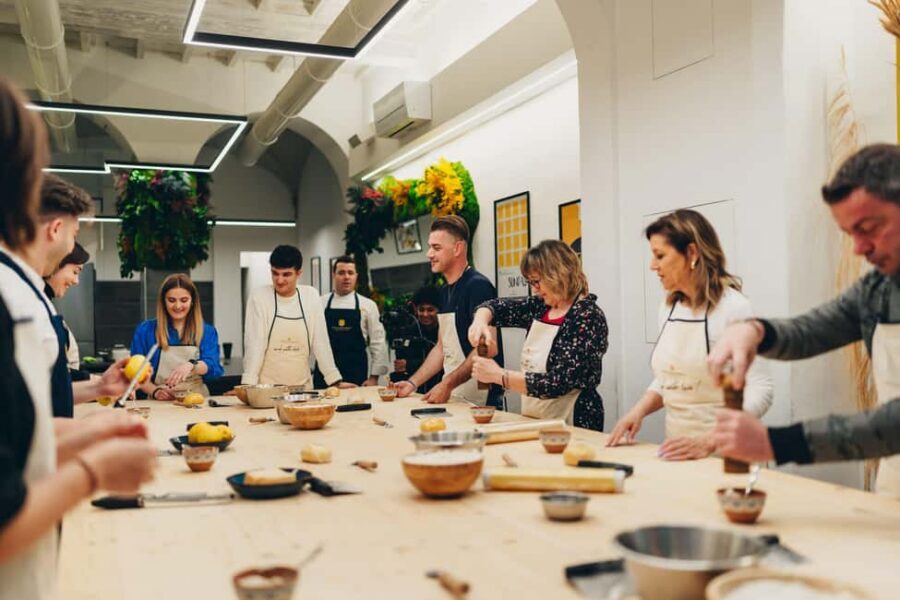
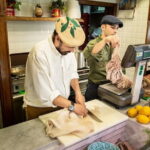
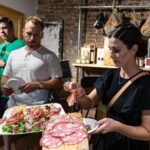
You meet your chef at PastaClassFlorence in central Florence. The format is practical from the first minute: aprons, ingredients, equipment, and a quick orientation so you’re not standing around guessing.
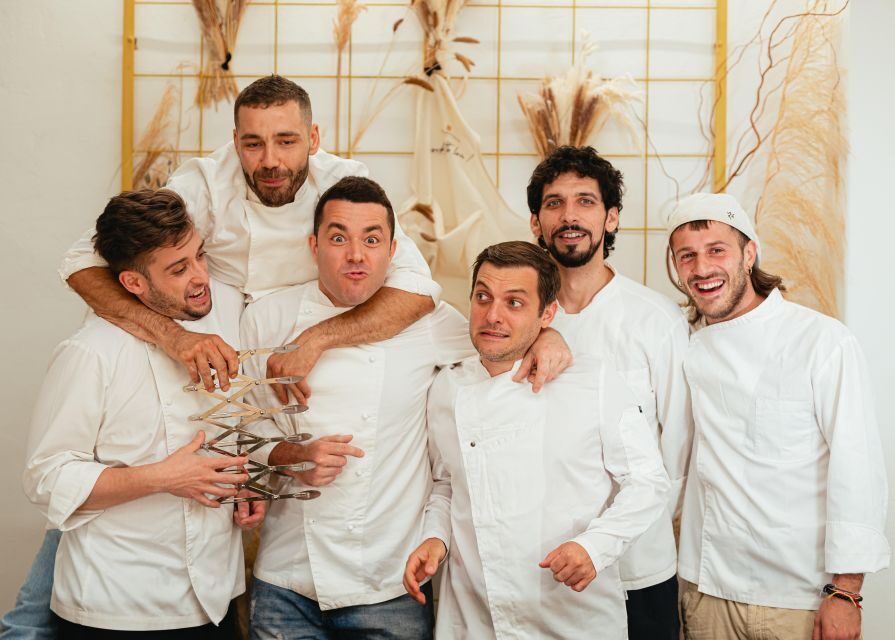
What I like about this start is the tone. Multiple chefs have strong teaching energy (Simone, Davide, Andrea, Thomas, Marco show up in real classes), and the instruction style comes through in a consistent way: you get step-by-step help while your hands are actually doing the work. That matters, because pasta making is mostly feel—dough texture, rolling thickness, and how the pasta behaves when you shape it.
If you’re a little nervous at the beginning, don’t worry. The class is designed for normal humans with normal skill levels. The chef’s job here is to break down the process into manageable moves so you can follow along without needing Italian cooking swagger.
Shaping Fresh Pasta: Tortelli, Tagliatelle, and Fettuccine
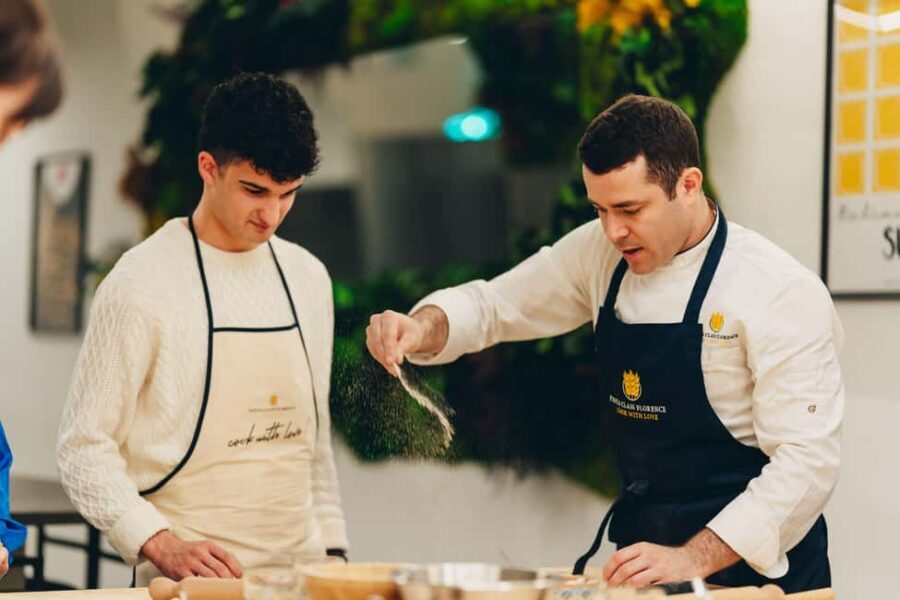
This is the heart of the experience. You learn to make and shape tortelli, tagliatelle, and fettuccine—three shapes that teach you different pasta skills.
Tortelli: learning the shape that wants patience
Tortelli are all about folding and forming. Even if you’ve made pasta at home before, the technique here helps you understand how to keep the pasta smooth and how not to fight the dough. This part is where many people realize pasta isn’t just a recipe; it’s a set of coordinated motions.
Tagliatelle: ribbons that teach thickness control
Tagliatelle are narrow ribbons. They teach you to control thickness and consistency. If your rolling is too thick, you’ll feel it in cooking time and texture. Too thin and you risk uneven results. The chef coaching is useful here because small adjustments make a big difference.
You can also read our reviews of more tours and experiences in Florence
Fettuccine: wider noodles with a clean finish
Fettuccine are like tagliatelle’s bigger sibling. The skill is similar, but the dough behaves differently at a wider width. This is a nice progression because it lets you apply what you learned moments earlier, then adapt.
One real advantage of learning multiple shapes in one sitting is muscle memory. You don’t just memorize steps—you get repeated practice with different outcomes, which helps you recreate it later.
Sauces and Local Ingredients: The Flavor Logic Behind Ragù
Pasta is only half the equation. The other half is what you put on it.
In this workshop, you work with typical local products and learn traditional sauces that match the pasta you shaped. You’ll also see ragù and traditional sauce techniques woven into the meal planning, so the flavors make sense together: sauce thickness, how it clings, and why certain sauces work better with certain pasta forms.
Here’s the practical takeaway for you: you’re not only learning dough. You’re learning how Italians think about balancing sauce and pasta. That means when you’re back home, you’re less likely to dump sauce randomly and more likely to build a “match” that tastes right.
And yes, vegetarian options are available. That’s important because a pasta class can easily become meat-centered. Here, you can still cook and eat without feeling like you’re missing the real point.
Wine Pairing That Actually Tracks the Meal
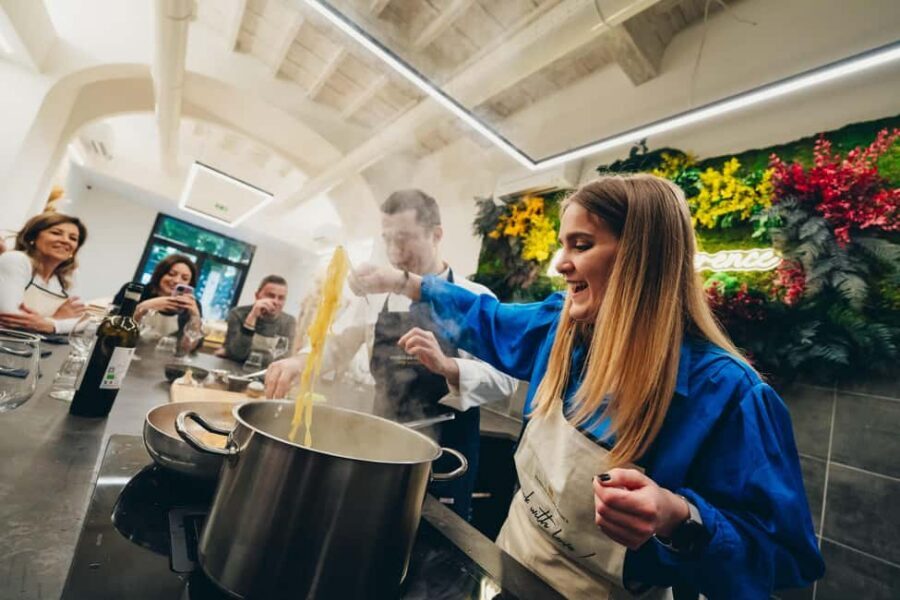
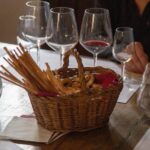
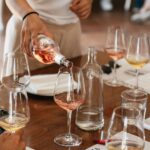
This class doesn’t treat wine like an afterthought. There’s unlimited wine throughout the experience, along with soft drinks. You also get a curated selection of local red and white Tuscan wines that are paired with the dishes you make.
For me, the value of this is simple: the wine timing is tied to the meal structure. You’re not just sipping while you wait for pasta to cook. You’re tasting in sync with what’s on the table. It turns the workshop into a full evening out, not a rushed cooking chore.
If you’re the designated driver type or you’re not drinking, the class still includes soft drinks, so you won’t be left out of the flow.
The 3-Dish Meal: What You Eat After You Cook
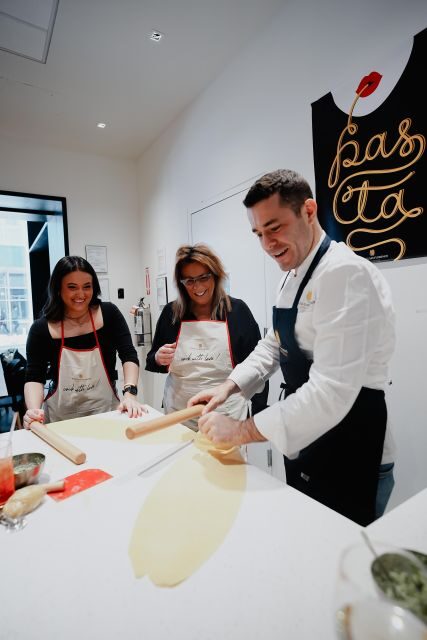
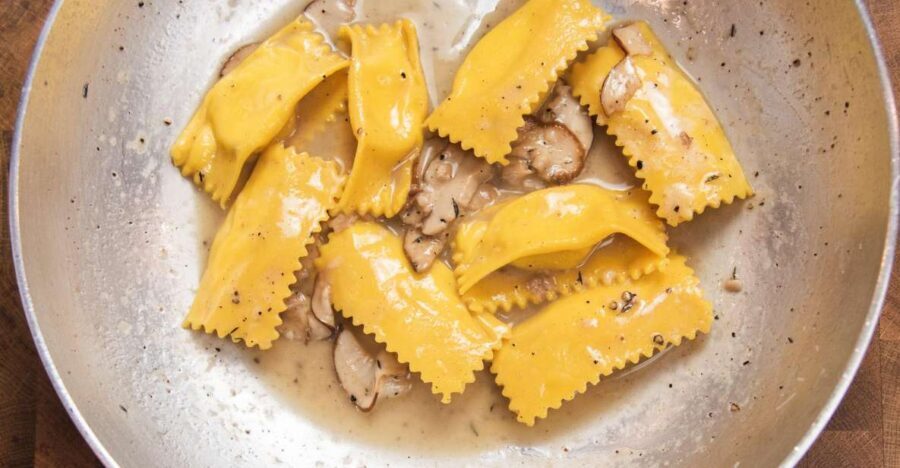
The best part of most cooking classes is the moment you sit down. Here, you get a full meal made from your work: three different pasta dishes plus wine.
This matters more than it sounds. Cooking classes sometimes end with “watch the rest happen.” Here, you’re preparing and shaping the components, and then you eat them as a real meal, not a token tasting.
Expect the three pasta plates to connect back to what you learned—tortelli, tagliatelle, and fettuccine—plus the sauces you made. It’s a satisfying loop: make it, cook it, taste it, and understand what “right” feels like on the fork.
And because wine is unlimited, the meal feels like a proper Tuscan night rather than a strict classroom. Just keep in mind that you might feel happily tired afterward. Three hours of kneading and shaping adds up fast.
What You Take Home: E-Book Recipes and an Apron
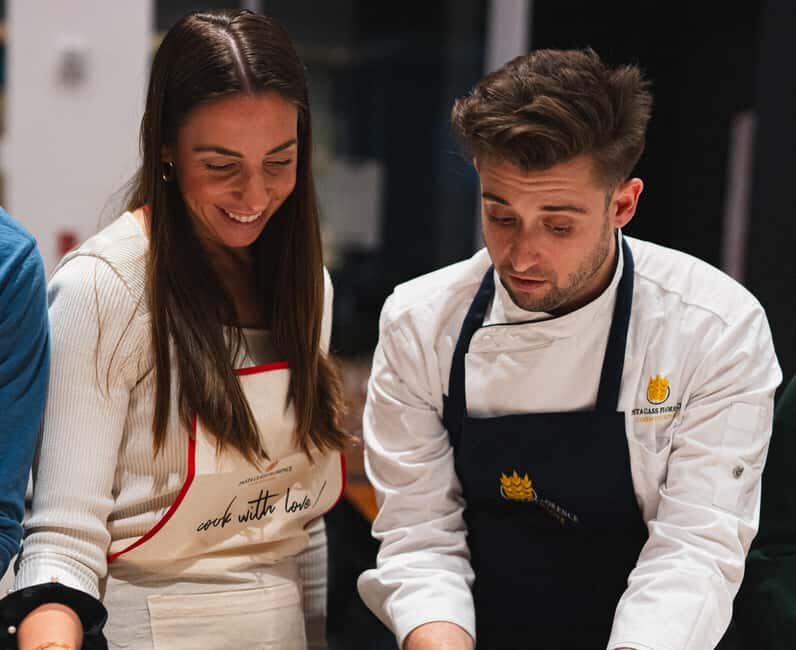
You leave with more than memories. You get an e-book recipe so you can recreate what you made, plus an apron as a gift.
Why that matters for your real-life cooking: pasta-making advice is hard to hold in your head after the class ends. An e-book keeps your notes in one place—ingredients, method, and the order of steps you practiced in class. It also helps if you want to re-run the session at home with friends, when you’ll appreciate having a reference you trust.
There’s also an option to keep going by shopping for artisan-made pasta tools, which can be shipped to you. That’s not required, but if you realize you’re serious about making pasta more than once a year, it’s a logical next step.
English Instruction and Chef Interaction: Getting Help When It Counts
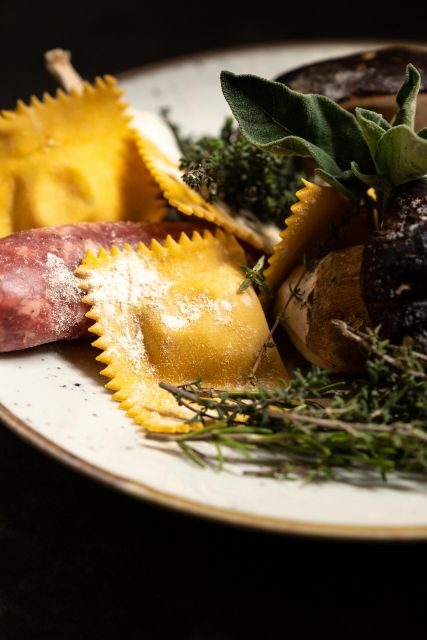
This class runs in English, and the chef interaction is a major part of why the experience gets consistently strong feedback.
The teaching approach is hands-on, and that makes a difference if you’re not a kitchen “natural.” You learn best with corrections in real time: dough too dry, too sticky, rolling inconsistent, shaping uneven—those are the issues that determine whether pasta comes out good or frustrating.
Instructors like Simone, Davide, Thomas, Andrea, and Marco have been noted for making the steps easy to understand, giving useful tips, and staying patient as people learn. The goal is confidence: you should be able to walk away with a process you can actually repeat.
Price and Value: Is $129 Worth It in Florence?
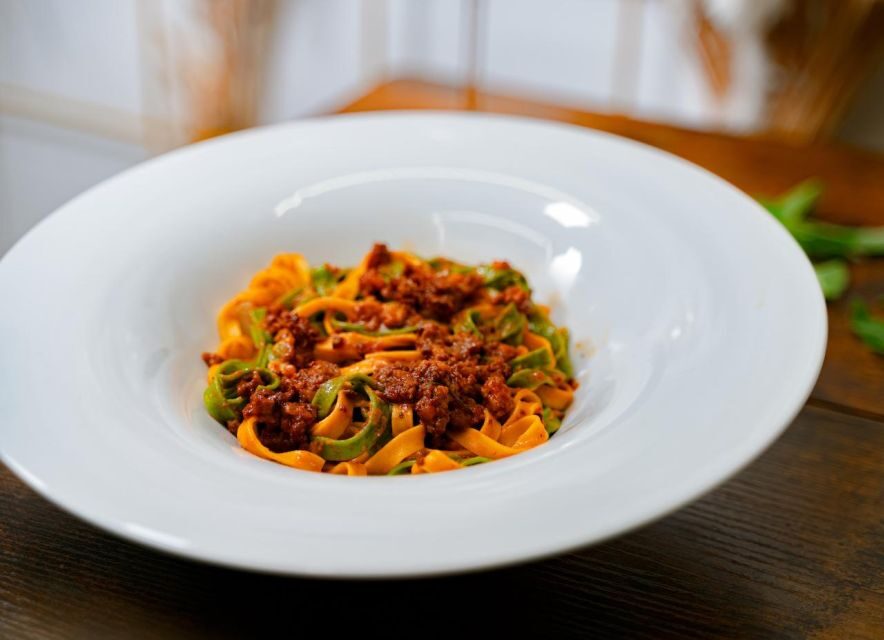
At $129 per person, you’re paying for a focused, chef-led workshop that includes a lot in one package:
- a hands-on class with equipment and ingredients
- the chef’s time and instruction
- wine with the meal (unlimited during the experience)
- soft drinks
- a full meal with three pasta dishes
- an e-book recipe plus an apron gift
So the value question isn’t just “Is it cheaper than grocery shopping?” It’s more like this: you’re paying for learning plus an evening meal plus wine, in a format that’s hard to reproduce on your own without time and trial-and-error.
Where it’s especially good value is if you’re the type who likes structured lessons. If you love cooking but hate guessing, you’ll get more out of three hours than you would from trying pasta on your own with YouTube and hope.
If you’re traveling on a super tight budget or you rarely drink wine, the unlimited wine piece might not matter as much. Still, the class includes your full meal and guidance, so it doesn’t collapse into a wine-only experience.
Who Should Book This Florence Workshop
This fits best if you want food and culture at the same time.
You’ll like it if you’re:
- traveling as a couple and want a shared activity with a payoff meal
- cooking-curious solo travelers who want a social table without a long night out
- families looking for an interactive, hands-on experience that ends with eating
- groups who want everyone participating rather than watching someone else cook
It also helps if you care about technique. The workshop is built around shaping multiple pasta types and learning how sauces connect to pasta forms.
If you’re only interested in a quick snack, this may feel like more time than you want. But if you want a true Florence evening experience with a skill you keep, it’s a strong match.
Quick Tips Before You Go
- Plan to eat after class. This isn’t a light tasting.
- Wear comfortable clothing you don’t mind getting flour on.
- If you drink wine, pace yourself. You’ll be working with your hands, then sitting for a meal, and the time passes quickly.
- Bring curiosity. Pasta making rewards attention more than talent.
Should You Book It? My Practical Take
I’d book this if you want a chef-led pasta skill in Florence, not just a meal out. The mix of hands-on shaping (tortelli, tagliatelle, fettuccine), traditional local sauce work (including ragù), and a sit-down finish with three dishes plus unlimited Tuscan wine makes it feel like you got a real experience, not a rushed checklist.
Skip it if your priority is sightseeing over all else or you hate structured classes. Also, if you need more time for practice than a 3-hour window allows, you might want another food workshop after.
If you’re on the fence, the easiest way to decide is this: do you want to leave Florence able to make pasta at home with confidence? If yes, this one is worth your time.
FAQ
How long is the Florence pasta cooking workshop?
The workshop lasts about 3 hours.
Is the class taught in English?
Yes, the instructor is English-speaking.
What types of pasta will I learn to make?
You’ll learn to shape multiple pasta types, including tortelli, tagliatelle, and fettuccine.
Is wine included, and is it unlimited?
Yes. Unlimited wine is included throughout the experience, along with soft drinks.
Will I eat during the workshop?
Yes. The class includes a full meal featuring three different pasta dishes.
Are vegetarian options available?
Vegetarian options are available.
What do I receive to take home?
You’ll receive an e-book recipe and an apron as a gift.
You Might Also Enjoy

More Food Experiences in Florence
More Food & Drink Experiences in Florence
- San Gimignano, Siena, Monteriggioni, Chianti Day Trip with Lunch & Wine Tasting
★ 4.5 · 4,432 reviews
More Tour Reviews in Florence
- Tuscany Day Trip from Florence: Siena, San Gimignano, Pisa and Lunch at a Winery
★ 5.0 · 21,634 reviews - The Best tour in Florence: Renaissance & Medici Tales – guided by a STORYTELLER
★ 5.0 · 12,316 reviews