REVIEW · FLORENCE
Florence Jewish Quarter History Private Walking Tour
Book on GetYourGuide →Operated by Roso Travel · Bookable on GetYourGuide
I love the way this tour turns Florence’s famous sights into a clear map of Jewish life. You’ll walk from Florence Cathedral to civic landmarks like Piazza della Repubblica and Piazza della Signoria, spotting Jewish references tucked into the city’s stonework along the way. Two things I especially like: the guide-led focus on what Jewish people experienced across centuries, and the practical payoff of optional skip-the-line entry to the Great Synagogue and Jewish Museum. One thing to think about: the 2-hour option won’t include interior time inside the Great Synagogue and Jewish Museum—so if you want that museum visit, choose the 3-hour version.
This is a private walking tour built for understanding, not speed. You follow the thread of Jewish presence in Florence from a first arrival in the 14th century, through the terrible events of arrests, deportations, and the Holocaust, and into the traces that are still visible today. Along the way, you’ll hear stories that connect Jewish commerce and community life to major Florentine power, including the Medici family.
If you choose the longer option, you also get time at the Great Synagogue—an active place of worship—plus the museum exhibits, including commemorations related to Holocaust victims. You start near the Florence Cathedral, and the pace works well for Old Town walking over about 2–3 hours, depending on the option.
In This Review
- Key highlights at a glance
- A Jewish lens on Florence’s most famous stops
- Piazza della Repubblica to Palazzo Vecchio: where commerce met power
- Florence Cathedral and Santa Croce: spotting Jewish marks in plain sight
- From the Old Ghetto to the Jewish Quarter: what changed and why
- The 2-hour vs 3-hour choice: Great Synagogue access and what you gain
- 2-hour option: Old Town Jewish heritage focus
- 3-hour option: Great Synagogue and Jewish Museum with skip-the-line
- Inside the synagogue: respectful details that make the visit smoother
- Your guide matters: the Daniela factor and the “real Florence” feeling
- Where to eat after: kosher options and a guide’s local recommendation
- Practical value: why this is worth your time in Florence
- When this tour fits best (and when it doesn’t)
- Should you book the Florence Jewish Quarter History Private Walking Tour?
- FAQ
- Where is the meeting point?
- How long is the tour?
- Is the Great Synagogue and Jewish Museum included?
- Are skip-the-line tickets included?
- Is the Great Synagogue an active place of worship?
- What should I wear or bring for the synagogue visit?
- What languages are available for the guide?
Key highlights at a glance

- Jewish symbolism in major landmarks like Florence Cathedral and Santa Croce Basilica
- A 5-star history expert guide who keeps the story human, not textbook
- A clear timeline from medieval arrival to WWII and modern-day remnants
- Skip-the-line entry (3 hours only) for the Great Synagogue and Jewish Museum
- Kosher food recommendations at the end, including Balagan Café
- Respectful synagogue etiquette with yarmulkes available free on site
A Jewish lens on Florence’s most famous stops
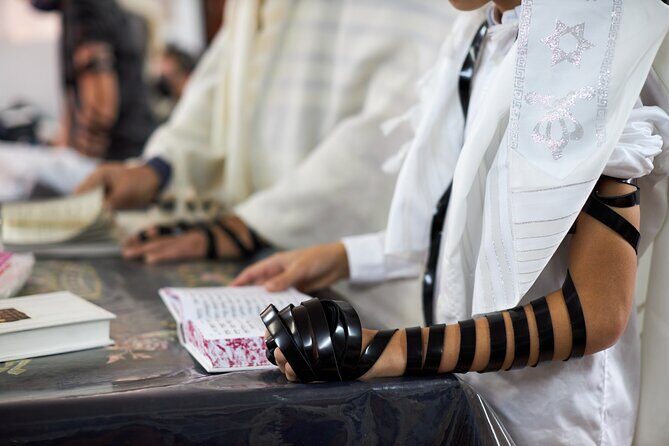
Florence pulls you in with art and architecture, and this tour uses that same energy to tell a different story. Instead of treating Jewish history as a footnote, it treats it as part of how the city worked—economically, socially, and politically. You’ll move through the Old Town with a guide who connects small details on buildings to much bigger events.
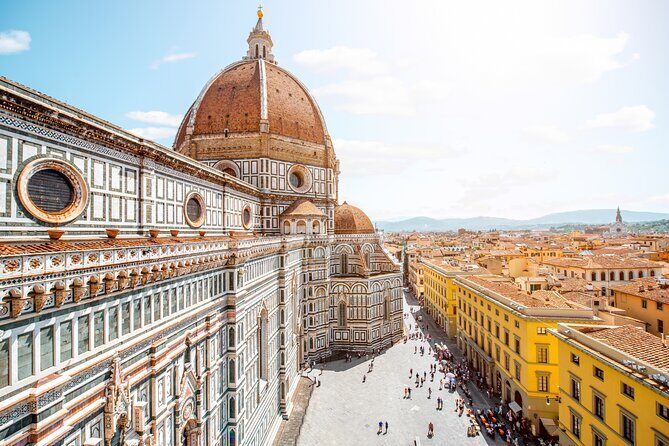
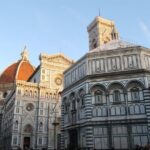
The tour starts next to Florence Cathedral, so your first impressions are instant. The idea is simple: the most famous monument in town also carries Jewish traces. You’ll learn about a Jewish inscription of the 10 Commandments connected to the cathedral, which is the kind of detail that changes how you look at a place you thought you already knew.
Then the route shifts from stone symbolism to civic history. You’ll spend time around key squares used for public life and trade, including Piazza della Repubblica, where the Old Market once operated and where Florence’s Jewish Ghetto was established. From there you walk toward Piazza della Signoria and Palazzo Vecchio—centers of Medici-era influence—while your guide explains the role Jewish people played in commerce and their links to powerful political networks.
You can also read our reviews of more walking tours in Florence
Piazza della Repubblica to Palazzo Vecchio: where commerce met power
Squares in Florence aren’t just scenic. They’re where business happened and where rules were enforced. This tour uses that reality to make the history feel practical.
Around Piazza della Repubblica, you’ll hear how the location of the Old Market became tied to the establishment of the Jewish Ghetto. That matters because it explains why Jewish community life wasn’t separate from the rest of the city—it was shaped by urban planning, commerce needs, and political control.
As you walk toward Piazza della Signoria, you’re moving into the orbit of Florentine governance. The guide connects Jewish commercial life to the Medici family, showing how economic roles could bring both opportunity and tension. Even if you don’t consider yourself a “history person,” this part works because the route is tied directly to real locations you’re seeing in front of you.
One of the best things about a private format here is pacing. Your guide can slow down when a building detail catches your eye, and keep going when you’re eager to press onward to the next square.
Florence Cathedral and Santa Croce: spotting Jewish marks in plain sight
This tour rewards people who like seeing what’s usually overlooked. Two landmarks are singled out for their Jewish connections.
First is Florence Cathedral. You’ll be told about a Jewish inscription connected to the 10 Commandments. Second is Santa Croce Basilica, where your guide points out a hidden Star of David on the facade. The point isn’t to hunt for secret symbols like a scavenger game. It’s to learn the context for why those references appear where they do, and what that says about how communities left traces in a changing city.
If you’ve ever looked at Renaissance facades and wondered what you’re missing, this is the kind of explanation that turns “I think that’s just decoration” into “wait, that symbol has meaning.” Even when you’re short on time in Florence, these are high-value stops because they’re inside the normal tourist orbit—just seen differently.
From the Old Ghetto to the Jewish Quarter: what changed and why
A major theme of the tour is movement—how and where people lived as conditions changed. You’ll visit the former Jewish Quarter and learn about what happened after the ghetto was demolished, including that many Jews moved nearby into other parts of the Old Town.
That “after” part is important. It’s easy for history tours to stop at the past’s darkest moments. This one keeps going into how the community reshaped its life afterward, and how you can still read that story into the streets.
As you walk, expect a mix of cultural context and grim historical realities. You’ll learn about arrests, deportations, and the Holocaust, and the guide will connect those events to the Jewish community’s experience in Florence, rather than treating WWII as an abstract European timeline.
This isn’t meant to be sensational. The tone is practical: where people were, what they endured, and what traces survived.
The 2-hour vs 3-hour choice: Great Synagogue access and what you gain
Your tour depends heavily on the option you book.
You can also read our reviews of more private tours in Florence


2-hour option: Old Town Jewish heritage focus
In the shorter version, you’ll explore the Jewish Quarter history points without going inside the Great Synagogue and Jewish Museum. The emphasis stays on outdoor sites, major squares, and the kind of visible heritage that you can’t easily recreate on your own.
This is a good fit if:
- You want a strong orientation to Florence’s Jewish story in a tight time window
- You prefer outdoor walking with interpretive stops
- You plan to visit the synagogue/museum later on your own schedule
3-hour option: Great Synagogue and Jewish Museum with skip-the-line
Choose the 3-hour tour and you get skip-the-line tickets included for immediate entry at your booked time to the Great Synagogue and Jewish Museum. That’s a meaningful advantage in Florence, where lines can eat into even a well-planned afternoon.
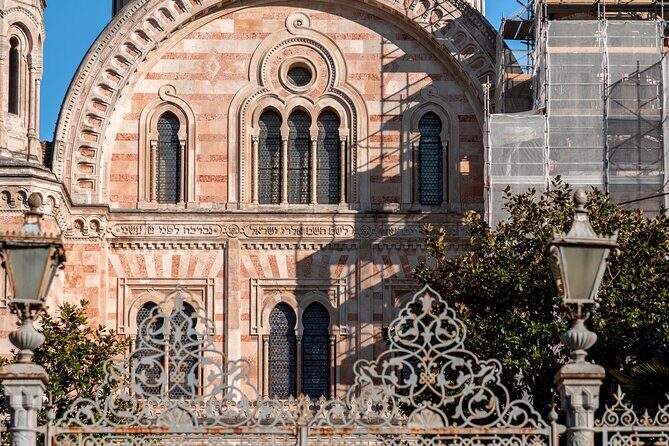
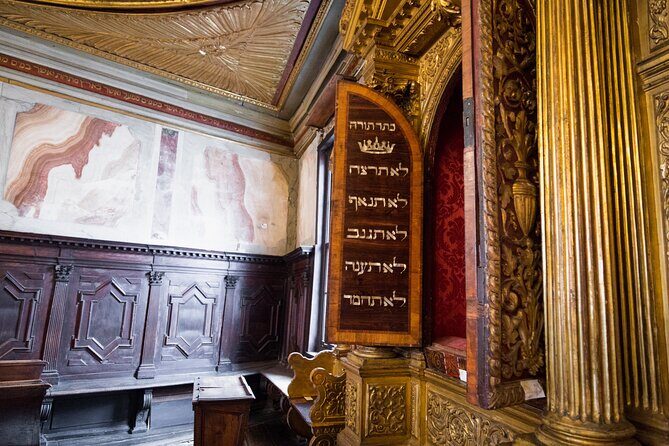
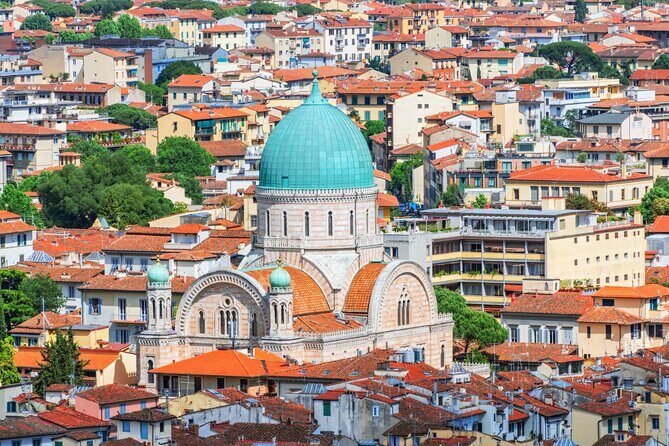
The Great Synagogue is described as one of the most important synagogues built in Europe during the age of Jewish emancipation. You’ll also see the Jewish Museum, with displays that include religious items and clothing. There are also exhibits that commemorate Holocaust victims.
There’s one practical note you should take seriously: the Great Synagogue is an active place of worship. Interior tours can be limited during scheduled events like Sabbath, prayer times, concerts, and similar activities. Plan for the fact that the synagogue experience may depend on the day’s schedule.
Inside the synagogue: respectful details that make the visit smoother
If you do the 3-hour option, you’ll want to be ready for the reality of visiting a working religious site, not just a museum.
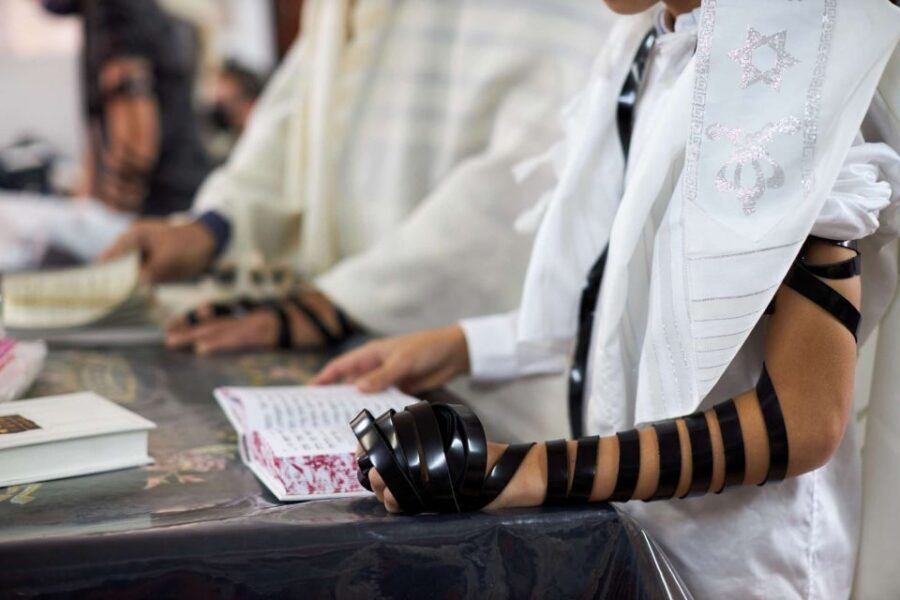
Your guide will explain that dress and behavior should be appropriate. Yarmulkes (head coverings) are available free of charge on site, which helps you avoid the common last-minute scramble.
What I like about including this information upfront is that it protects the experience for everyone. It also helps you feel less anxious. You show up knowing there’s a normal, respectful way to enter and move through the space.
Your guide matters: the Daniela factor and the “real Florence” feeling
A recurring name connected to this tour is Daniela. In the feedback, she’s described as very knowledgeable about Jewish history in Florence, and the tour experience includes time for questions and spotlights on lesser-noticed points around the city center.
That matters because Jewish history in Florence can feel easy to miss if you only skim the headlines or rely on general museum visits. A strong guide ties the story to what you’re literally standing next to—then you start seeing the city as a text you can read.
Also, since this is a private group, you’re not forced into a one-size-fits-all pace. And the small-group control is built in: the tour targets 1 licensed guide per max 25 guests, or 2 guides if the group is bigger, so people can hear and ask questions without shouting across the square.
Where to eat after: kosher options and a guide’s local recommendation
At the end of the tour, you can visit Balagan Café or another kosher restaurant recommended personally by your private guide.
That’s a practical perk. Florence is full of excellent food, but a kosher meal can add a layer of planning. Having a local recommendation from the guide helps you turn the tour’s history lesson into a real evening plan—without wasting time searching.
If you’re traveling with family or friends who care about meal options, this ending adds real value. It’s not a random finish; it’s a bridge to how you’ll spend the rest of your night in Florence.
Practical value: why this is worth your time in Florence
Florence has many walking tours. This one earns its spot because it uses the city’s famous sights while focusing on Jewish heritage that most standard tours don’t handle with this level of specificity.
Here’s the value in plain terms:
- You see Florence Cathedral and Santa Croce with context you can’t get from quick guidebooks
- You learn what happened in major civic spaces like Piazza della Repubblica and Piazza della Signoria
- You get real historical stakes—arrests, deportations, and the Holocaust—tied to place, not just dates
- If you choose 3 hours, you gain museum time with skip-the-line entry, plus the synagogue’s key role in Europe’s emancipation era
And because it’s designed to be wheelchair accessible and offered in multiple languages, it’s also a more flexible option for mixed groups.
When this tour fits best (and when it doesn’t)
I think this works especially well if you:
- Want a guided walk that connects major landmarks to a specific historical story
- Prefer a structured timeline from medieval Florence through WWII
- Like symbolic details that change how you view churches, facades, and squares
- Are interested in a synagogue + museum visit and want to reduce waiting time (3-hour option)
It may not be ideal if you:
- Only have time for a shorter orientation and don’t care about synagogue or museum interiors (then the 2-hour option is fine)
- Expect a tour focused purely on art history or Renaissance style with zero WWII content
The upside is that the tour is clear about what’s included and what’s not, depending on your time choice.
Should you book the Florence Jewish Quarter History Private Walking Tour?
If you want a Florence experience that feels both authentic and organized, book it. The tour’s biggest strength is that it takes Jewish heritage seriously and shows you where it lives in the city, from visible symbols to the realities of WWII. You’ll also get the convenience of skip-the-line access for the Great Synagogue and Jewish Museum if you choose the 3-hour option.
My only caution is timing: decide early whether synagogue and museum time matters to you. If it does, don’t settle for the 2-hour version. If your goal is a strong Old Town orientation with outdoor stops and city context, the 2-hour tour is a smart way to fit it in.
FAQ
Where is the meeting point?
The meeting point may vary depending on the option booked, but it’s set at a convenient location next to Florence Cathedral.
How long is the tour?
It runs about 2–3 hours, depending on the option you choose.
Is the Great Synagogue and Jewish Museum included?
The interior visit to the Great Synagogue and Jewish Museum is included only in the 3-hour option. It’s not included in the 2-hour option.
Are skip-the-line tickets included?
Yes. Skip-the-line tickets are included for the Great Synagogue and Jewish Museum (3-hour option) to allow immediate entry at your booked time without waiting at the ticket office.
Is the Great Synagogue an active place of worship?
Yes. Because it’s active, interior tours during scheduled events like Sabbath, prayer times, and concerts can be limited.
What should I wear or bring for the synagogue visit?
Dress and act appropriately. Yarmulkes are available on site free of charge.
What languages are available for the guide?
The live guide is available in English, French, Italian, Polish, Russian, and Spanish.
You Might Also Enjoy

More Walking Tours in Florence
More Tours in Florence
- The Best tour in Florence: Renaissance & Medici Tales – guided by a STORYTELLER
★ 5.0 · 12,316 reviews

More Tour Reviews in Florence
- Tuscany Day Trip from Florence: Siena, San Gimignano, Pisa and Lunch at a Winery
★ 5.0 · 21,634 reviews - The Best tour in Florence: Renaissance & Medici Tales – guided by a STORYTELLER
★ 5.0 · 12,316 reviews