REVIEW · FLORENCE
The Best tour in Florence: Renaissance & Medici Tales – guided by a STORYTELLER
Book on Viator →Operated by Florence Tour-Tale · Bookable on Viator
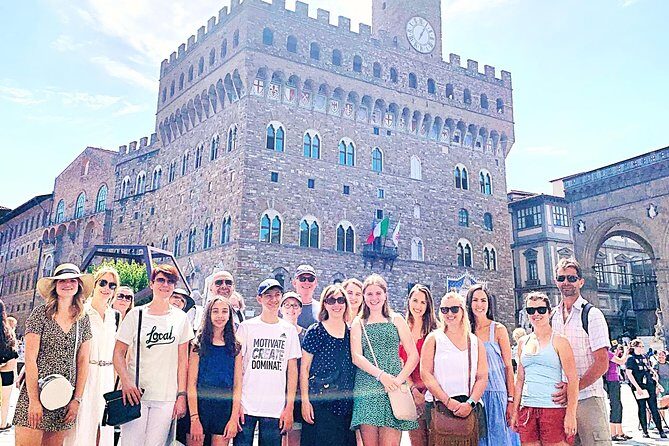
Florence clicks when someone tells the story first. This Renaissance & Medici Tales walk uses a storyteller guide to connect street corners to power plays, church wealth, and art patronage. You move through key spots with clear explanations, so first-timers get their bearings and return visitors spot details they would’ve missed.
Two things I especially like: the storytelling approach. Guides such as Michele, Riccardo, Glenda, and Chiara are consistently praised for turning facts into something you can remember. The other big win is how much you cover without feeling rushed: you tick off a smart loop from San Lorenzo to the Arno area in about 2 hours 15 minutes.
One consideration: parts of the route involve places where admission tickets are not included. Add in the usual pay-what-you-want tipping style, and your total spend can be higher than the headline price.
In This Review
- Key highlights worth your attention
- Renaissance & Medici Tales: What you get in 2 hours 15 minutes
- Where the tour starts and where it ends near the Arno
- Basilica di San Lorenzo: the Medici story starts with a church
- Palazzo Medici Riccardi: where wealth turns into political theater
- Piazza del Duomo: a major square with a bigger meaning
- Museo Casa di Dante neighborhood: a short outdoor burst
- Piazza della Repubblica: a classic square for pauses and perspective
- Piazza della Signoria: art, politics, and open-air drama
- Ponte Vecchio finish: the final Arno moment (free)
- Price and ticket reality: what the $3.62 headline won’t cover
- Group size, pacing, and English narration
- Which guide style fits you best
- Who should book Renaissance & Medici Tales in Florence
- Should you book this tour?
- FAQ
- How long is Renaissance & Medici Tales in Florence?
- What language is the tour offered in?
- Where do I meet the guide?
- Where does the tour end?
- How big is the group?
- Is admission included for the stops?
- What’s included in the tour price?
- Do I need to tip?
- What happens if I need to cancel?
- Is weather a factor?
Key highlights worth your attention
- Medici-centered storytelling that explains why each stop mattered, not just what it is
- Tight, time-friendly route for getting oriented through Florence’s Renaissance heart
- Licensed guide + small-group feel with a maximum of 30 travelers
- A mix of famous squares and meaningful architecture (San Lorenzo, Medici Riccardi, Piazza della Signoria)
- Outdoor stops included where you can sightsee without paying for every entrance (Dante area, Ponte Vecchio)
- Pay-what-you-want guidance that many guests say is best handled with cash
Renaissance & Medici Tales: What you get in 2 hours 15 minutes

This is a practical Florence starter tour, built for people who want their time to count. You’ll walk a lot, but it’s a smart walk: you’re not wandering. You’re moving from Medici roots to the city’s most recognizable public spaces, with a guide narrating the whys behind the whats.
The “storyteller” part matters. Florence history can feel like a list of names. Here, you’re meant to follow a thread, especially around the Medici. That’s why guides like Manuel and Angela are often singled out: they manage to connect the dots so your brain doesn’t feel like it’s reading a textbook on the move.
Also, the tour is in English and designed for most people. It’s a max-30 group, so you get the energy of a group experience without losing the ability to ask questions when something sparks your curiosity.
You can also read our reviews of more guided tours in Florence
- The Best tour in Florence: Renaissance & Medici Tales – guided by a STORYTELLER
★ 5.0 · 12,316 reviews

Where the tour starts and where it ends near the Arno
You begin at Florence Free Tour-TalePiazza di San Lorenzo, 50123 Firenze FI, Italy. That’s a good anchor point because you’re starting near a major church complex and right where the Medici story can begin in an actual, walkable way.
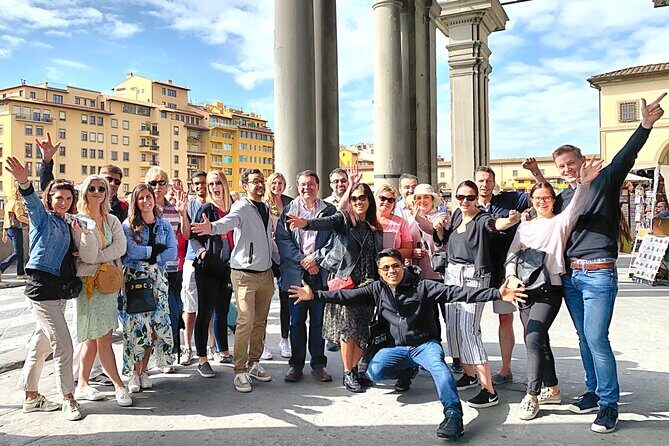
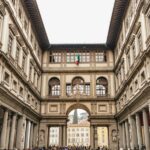
The tour ends at Uffizi Galleries, Piazzale degli Uffizi, 6, 50122 Firenze FI, Italy, and the experience wraps up by looking toward Ponte Vecchio. In plain terms: you don’t finish in some random alley. You end near the postcard stretch of the Arno, so you can keep going on your own right after the tour.
One small practical tip: several guests mention clear messaging close to departure time (some even cite WhatsApp). Still, I’d rather you plan to arrive a few minutes early. In a city like Florence, two minutes can be the difference between relaxed and flustered.
Basilica di San Lorenzo: the Medici story starts with a church
Your first stop is Basilica di San Lorenzo, with about 20 minutes of guide explanation. Admission is not included here, which is important to know upfront. Even if you’re only spending part of your time inside, it helps to treat this as a paid-entrance stop unless you see different guidance on the day.
Why this start works: it gives you context fast. The Medici weren’t just financiers. They were power in a religious setting too, and that shows in what gets built, supported, and emphasized. You’ll get the foundational thread here, so when you hit later squares and palaces, you’ll understand what’s being referenced instead of just admiring facades.
Drawback: because this is an early anchor, it can set your pace. If you’re late, you’ll feel it quickly. Try to arrive on time, because the tour is structured like a chain—miss a link and the story won’t fit as cleanly.
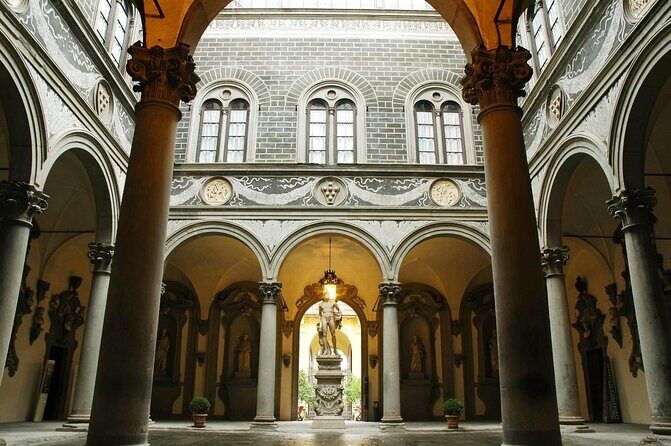
Palazzo Medici Riccardi: where wealth turns into political theater
Next up is Palazzo Medici Riccardi for another 20 minutes, again with admission not included. This is one of those Florence buildings you’ll recognize in photos, but the “Medici Tales” angle is what makes it click. You’re not just looking at stone. You’re hearing how such residences functioned as messaging: family status, influence, and the ability to shape what the city becomes.
This stop is also a reminder that Florence’s Renaissance wasn’t only about artists in studios. It was about patrons who controlled the stage. The guide’s explanation is what helps you see the building as a symbol, not just an impressive exterior.
Consideration: plan for time and budget here. If you’re keeping costs tight, this is one of the spots where the “ticket not included” line becomes real in your wallet.
Piazza del Duomo: a major square with a bigger meaning
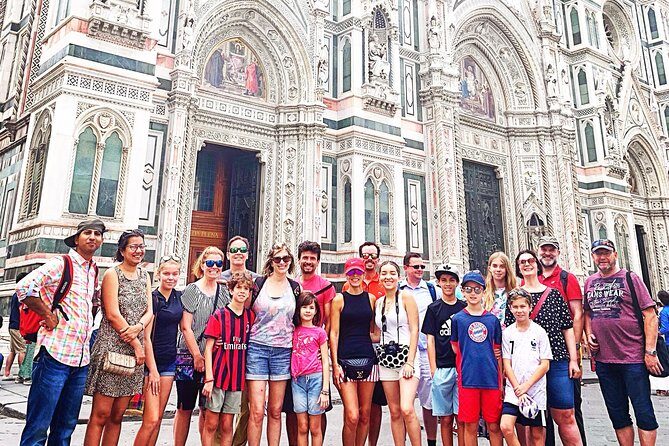
You move next to Piazza Del Duomo for about 20 minutes of storytelling, with admission ticket not included (because you’re in the public space). This is a strong orientation stop. Even if you plan to do the Duomo complex later, it helps to hear how the area functions as Florence’s civic and religious core.
A good guide will connect what you see—major architectural cues, street geometry, and sightline logic—to the Renaissance mindset. That’s what I’d watch for during this part: are you getting meaning, or just a list? From the strong ratings and repeat praise of guides like Michele and Riccardo, the expectation is that the guide will keep the information human and story-driven.
Potential drawback: this is a square visit, so if you’re hoping for lots of hands-on art moments, you won’t get that here. Think of it as a narrative stop that sets you up for future exploration.
- Tuscany Day Trip from Florence: Siena, San Gimignano, Pisa and Lunch at a Winery
★ 5.0 · 21,634 reviews



Museo Casa di Dante neighborhood: a short outdoor burst
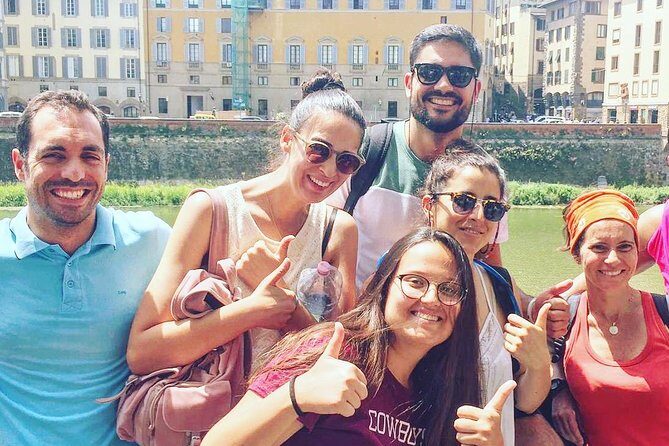
After the big-name squares, the tour shifts to Museo Casa di Dante area with an outdoor look and about 5 minutes of explanation. Admission is listed as free, and that matches the feel of this segment: a quick neighborhood taste rather than a long museum visit.
This short stop can be a nice reset. It’s easy to overload on churches and palaces in one day. A brief Dante context helps you broaden the Renaissance beyond just Medici power into literature and cultural identity.
The downside is obvious: it’s short. If Dante is your main mission, you’ll likely want an additional visit later on your own schedule.
Piazza della Repubblica: a classic square for pauses and perspective
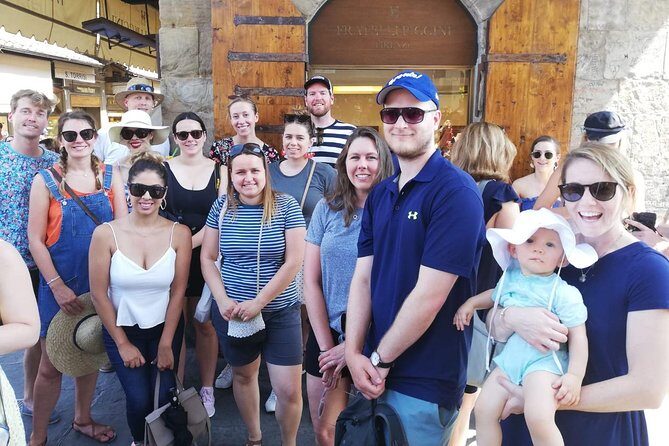
You’ll spend about 20 minutes at Piazza Della Repubblica, again guided, with admission not included. This stop is useful because it acts like a mental waypoint. After San Lorenzo and the Medici setting, the tour helps you widen the frame back out to how people actually moved and gathered in Florence.
If the guide is good (and many of them are, based on consistent praise for story skill), you’ll learn how public spaces carry political weight too. Florence squares often feel like backdrops, but they’re stage seats.
Drawback: like Piazza del Duomo, you’re mostly in an outdoor public area. If you want inside access for art collections, you’ll need to plan that separately.
Piazza della Signoria: art, politics, and open-air drama
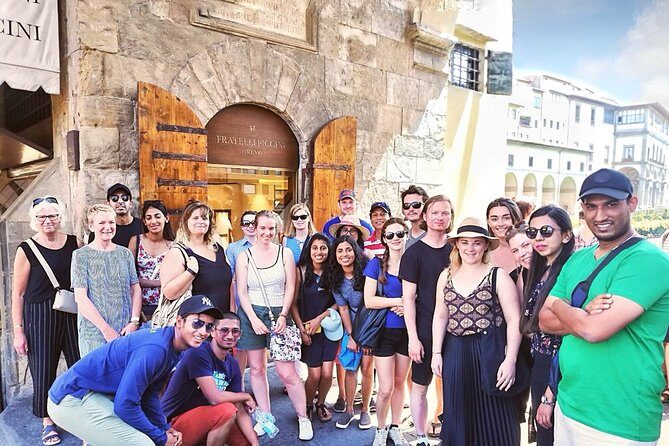
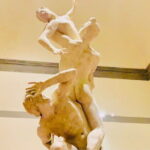
Next is Piazza della Signoria for around 20 minutes, with admission not included. This is one of the most rewarding squares to walk because it’s packed with visual cues. You’re seeing Renaissance power made visible in public art and civic symbolism.
For me, this stop is where the storytelling style pays off most. When a guide explains what you’re looking at—why it’s placed, what it signals, how it connects to the Medici thread—you start reading the square like a text.
Possible consideration: this is a popular area. Even if you’re not doing museum entry, you may still want to be ready for crowds. That can affect photo time and walking flow.
Ponte Vecchio finish: the final Arno moment (free)
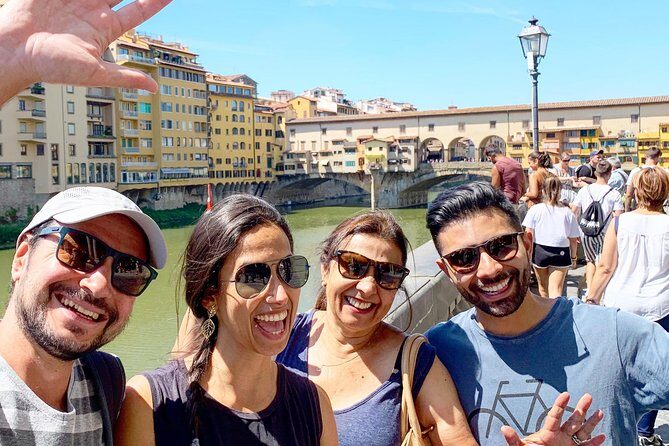
The walk ends with Ponte Vecchio for about 10 minutes, and admission is free. This is a perfect closer because it’s iconic, and you can process the story thread as you take in the river and bridge views.
The Medici connection works here too, even if you’re not buying tickets for extra interiors. You’re ending where Florence’s layers show in a single glance: wealth, commerce, and a city shaped by who had influence.
If you’re the type who wants lingering time, Ponte Vecchio is where you can naturally stretch your evening. The tour ends near the Uffizi area, so you can keep exploring nearby sights on your own.
Price and ticket reality: what the $3.62 headline won’t cover
The listed price is $3.62 per person, and the structure is also described as pay as you are able through tips. In other words, this is the kind of tour where your guide’s effort is rewarded directly.
Here’s how I’d think about value:
- You’re paying less for the seat and more for the explanation.
- You get a licensed guide and a very focused route that helps you orient quickly.
- Most of the time you’re outdoors, which often means less time stuck in long museum-only logistics.
Now the part you should not ignore: admission tickets are not included for multiple stops (San Lorenzo, Medici Riccardi, Duomo area, Repubblica, Signoria). Some stops are free, including the Dante neighborhood outdoors and Ponte Vecchio.
One extra real-world note from guest comments: people report an additional fee for entry tickets tied to the paid stops, with one mention of about €20 per person. I can’t promise the exact amount for your day, but I’d budget extra for paid entrances so you’re not surprised on the spot.
Tipping: reviews often suggest carrying cash and tipping on the order of €10 to €50 depending on satisfaction and group size. So bring cash if you can. It’s one less stress moment in a tour that’s otherwise easy.
Group size, pacing, and English narration
The tour runs with a maximum of 30 travelers, which is large enough to feel lively but small enough that a guide can still steer the conversation. A key difference you’ll feel versus an audio-only stroll: the guide adjusts the pacing based on questions and attention.
The pacing is built for quick knowledge. Each stop is roughly 5 to 20 minutes with guide explanation. That’s why the tour tends to work well for first-timers. You get the “why it matters” stories without needing half a day to absorb it.
If you want a deeper museum day after this walk, that’s normal. This tour is the spark. It helps you choose what’s worth your ticket time later.
Which guide style fits you best
This tour is sold as a “storyteller” experience, and the names mentioned in feedback point to a consistent teaching style: clear narration, good humor, and linking Medici influence to street-level sights. Michele, Riccardo, Glenda, and Chiara come up often as strong examples.
How you’ll recognize a great guide on this tour:
- They explain what you’re looking at in plain language.
- They connect one stop to the next with a common thread.
- They give you practical next steps for your remaining time in Florence.
If you like city walks that teach through stories, this is the format to choose. If you only want museum tickets and long indoor time, you may find the stop-by-stop approach too short.
Who should book Renaissance & Medici Tales in Florence
I think this is a great fit if:
- You’re visiting for the first time and want a quick orientation that makes later wandering easier.
- You want the Florence story shaped around the Medici, not just a generic highlight list.
- You like learning through narrative, jokes, and “why this matters” explanations.
I’d think twice if:
- You dislike walking between multiple stops (it’s a city route).
- You’re expecting a fully ticketed, museum-heavy itinerary with paid entry included.
- You want long, quiet time inside buildings rather than structured outdoor viewing.
Should you book this tour?
Yes, if you want a fast, guided story route that helps you understand Florence’s Renaissance centers without spending your whole day in queues. The big value here is the storytelling and the way the tour is designed to help you connect Medici influence to real places—San Lorenzo, Medici Riccardi, major squares, and the Ponte Vecchio finish.
Just go in with two budgets in mind: entrance tickets for the stops marked as not included, and a thoughtful tip for a guide who spends the day building the story for you.
FAQ
How long is Renaissance & Medici Tales in Florence?
It runs for about 2 hours 15 minutes.
What language is the tour offered in?
The tour is offered in English.
Where do I meet the guide?
You meet at Piazza di San Lorenzo, 50123 Firenze FI, Italy (Florence Free Tour-Tale).
Where does the tour end?
The tour ends at Uffizi Galleries, Piazzale degli Uffizi, 6, 50122 Firenze FI, Italy, with the experience ending by looking at Ponte Vecchio.
How big is the group?
The tour has a maximum of 30 travelers.
Is admission included for the stops?
No. Admission tickets are not included for several stops, though some parts are listed as free, including the outdoor Dante-area stop and Ponte Vecchio.
What’s included in the tour price?
Included items are a licensed guide plus valuable city information (what to visit, what to do, what to eat, and other tips).
Do I need to tip?
Tips are not included. The tour uses a pay-what-you-want approach, and some guests recommend tipping in cash (for example, in the €10 to €50 range).
What happens if I need to cancel?
You can cancel for a full refund if you cancel up to 24 hours in advance. Within 24 hours, the amount paid is not refunded.
Is weather a factor?
Yes. The experience requires good weather. If it’s canceled due to poor weather, you’ll be offered a different date or a full refund.
You Might Also Enjoy

More Guided Tours in Florence



More Tours in Florence

More Tour Reviews in Florence
- Tuscany Day Trip from Florence: Siena, San Gimignano, Pisa and Lunch at a Winery
★ 5.0 · 21,634 reviews