REVIEW · FLORENCE
Florence: Wine-tasting Experience in Front of Ponte Vecchio
Book on GetYourGuide →Operated by FIRST GLASS · Bookable on GetYourGuide
Wine tasting near Ponte Vecchio makes it feel special. I like the Ponte Vecchio location and the simple sight-smell-taste method that turns wine into something you can actually figure out. One possible catch: the pours are small (100 ml bottles), so this is more about learning and sampling than a full dinner-style session.
At First Glass, guides such as Joanna and Stefano (and hosts like Pietro and Elena) keep the mood upbeat and the explanations practical. You get an English, Spanish, Italian, or French instructor, plus a tasting kit and manual that help you follow along without getting stuck on jargon.
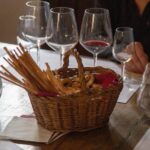
You’ll sit around a shared table, compare notes, and snack on olives, taralli, peanuts, and either still or sparkling water. And if you want to keep the good part going, you can order extra bottles afterward through their historic wine window.
In This Review
- Key highlights to know before you go
- First Glass by Ponte Vecchio: the location that changes the vibe
- The 60-minute flow: what happens from hello to the last sip
- 1) Meet at First Glass and get oriented
- 2) A short guided introduction you can actually use
- 3) Independent tasting at your own pace
- 4) Snacks and water to keep it comfortable
- 5) Wrap-up, then the option to order more
- What you taste in Florence: Chianti and Vermentino, chosen by Francesca Vigo
- The tasting method (sight, smell, taste) breaks the wine mystery
- Snacks, water, and that friendly social table
- Price and value: is $33 per person worth it?
- Who this wine tasting suits best (and who might skip it)
- Should you book this Florence wine tasting?
- FAQ
- How long is the wine tasting experience?
- How many wines will I taste?
- Where does the tasting take place in Florence?
- Is the tasting suitable for beginners?
- What’s included for snacks and drinks?
- Can I order more wine after the one-hour tasting?
Key highlights to know before you go
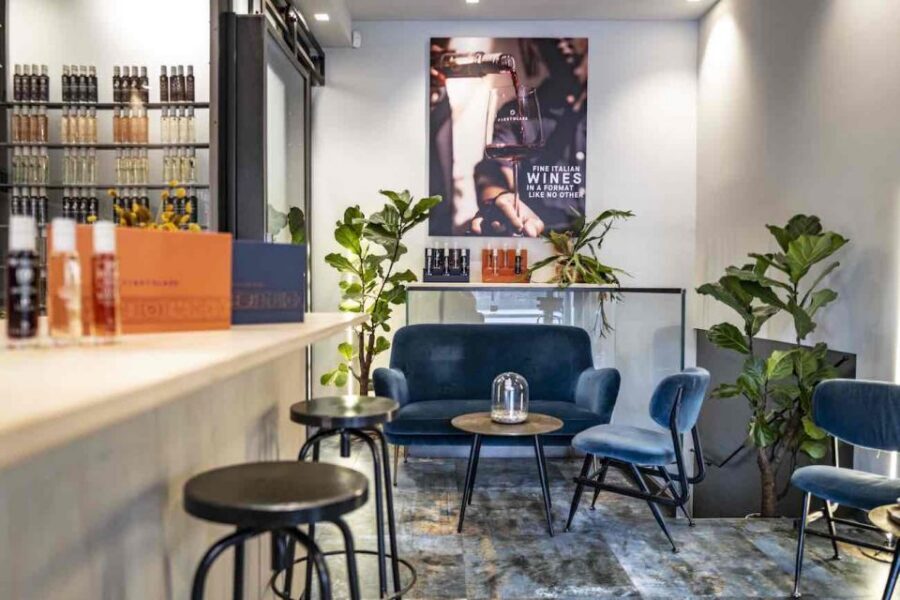
- Steps-from-Ponte-Vecchio setting: you’re tasting in the center of Florence, not in some far-off back room
- Two wines, guided and then independent: you start with a short lesson, then taste at your own pace
- Simple tasting method: sight, smell, and taste using a provided kit—no wine degree required
- Tuscan staples: commonly includes Chianti and Vermentino, selected by winemaker Francesca Vigo
- Social but not stiff: snacks and water make it feel relaxed, even if your group is small
- Optional add-on wine: after the tasting, you can order more from the wine window
First Glass by Ponte Vecchio: the location that changes the vibe
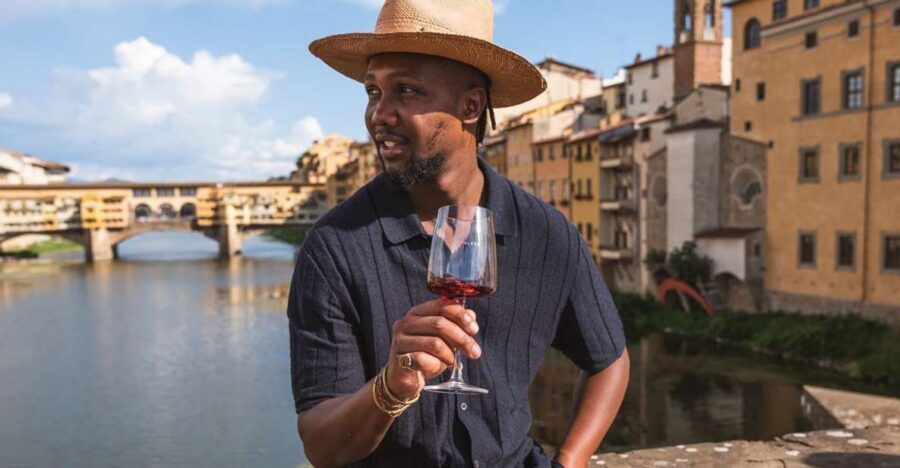
This tasting is staged just steps from Ponte Vecchio, which matters more than you’d think. You don’t just see Florence from the outside—you’re actually in the thick of it, with a view of one of the city’s most iconic spots while you sip.
The setup at First Glass is also an important part of the experience. Instead of a formal class atmosphere, it feels like a friendly stop you can drop into between sightseeing moments. The shared table style nudges you to talk, compare, and ask questions without turning it into a lecture.
That’s where the best value shows up. You’re paying for a guided hour in a prime location, not for travel time to a winery. If you want a Florence activity that feels distinctly local and not just another ticketed stop, this one makes sense.
You can also read our reviews of more food & drink experiences in Florence
The 60-minute flow: what happens from hello to the last sip
The total time is one hour, so the schedule is designed to stay focused. Here’s the rhythm you can expect.
1) Meet at First Glass and get oriented
You’ll meet your guide at Firstglass (the shop where the tasting happens). From the start, they’re aiming to keep things easy: short explanation, quick practice, then tasting on your own.
This matters for real-world travelers because Florence sightseeing can drain your brain. You don’t want a three-hour deep class where you forget everything by the time you’re done. This format is built to keep you engaged.
2) A short guided introduction you can actually use
Before you taste on your own, you’ll get a quick guided lesson on how to analyze wine using sight, smell, and taste. The key point is that they teach you how to do it using plain language, not complicated terms.
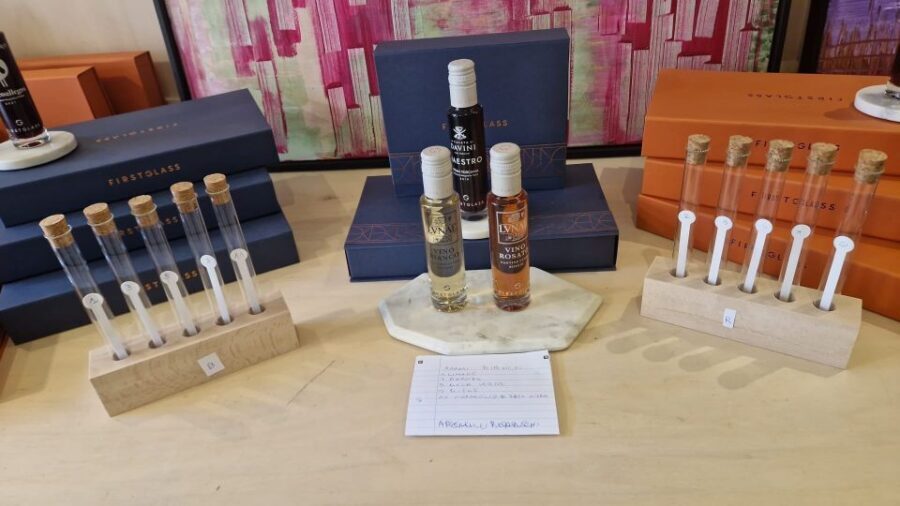
You’ll learn what to look for in the glass, including things like how the color reads and how aromas show up. You also get instructions on how to use the tasting kit and tasting manual, so you’re not just handed a bottle and told to figure it out.
Guides such as Joanna and Stefano were praised for making the process feel clear and fun. That’s exactly what you want from a tasting: confident guidance with room for your own reactions.
3) Independent tasting at your own pace
After the introduction, you switch gears. You continue tasting the two selected wines at your own pace, using the technique you just learned. This is the part where you can slow down, re-smell, and compare without feeling rushed.
You can also play the group game of guessing aromas and sharing impressions. It’s structured enough to teach you something, but flexible enough that you can move at your speed.
You can also read our reviews of more wine tours in Florence
- Tuscany Day Trip from Florence: Siena, San Gimignano, Pisa and Lunch at a Winery
★ 5.0 · 21,634 reviews
4) Snacks and water to keep it comfortable
Tasting wine can get intense fast if you go in on an empty stomach. Here, you’ll have light snacks—olives, taralli, and peanuts—plus still or sparkling water. That little boost makes the hour feel more like a relaxed social experience than a test.
If you’re the kind of person who likes to keep your energy up while walking Florence streets, this is a smart pairing. It also helps you keep tasting without your palate feeling tired.
5) Wrap-up, then the option to order more
When the hour ends, you’re not forced to stop. You can order additional wines after the tasting, including more exclusive labels available through their historic wine window.
This is a nice touch if you discover you genuinely like one style and want to keep experimenting. It turns the tasting into a starting point instead of a one-and-done activity.
What you taste in Florence: Chianti and Vermentino, chosen by Francesca Vigo
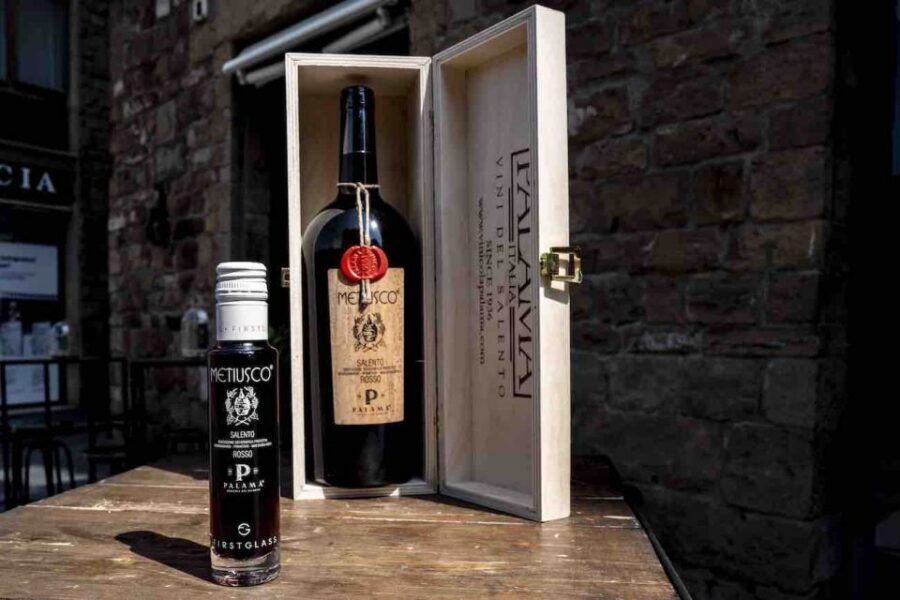
The tasting is built around two wines, and the selection is chosen to represent classic Tuscan identities. The experience often features iconic varieties such as Chianti and Vermentino, selected by winemaker Francesca Vigo.
Why this matters: tasting two wines gives you an actual comparison. Instead of drinking random samples, you learn how different styles can feel and smell different, even when you’re doing the same tasting technique.
The wines are served in small 100 ml bottles. That’s great for learning because it keeps the tasting controlled. You can smell, taste, pause, and compare without feeling like you’re stuck in a “finish the pour” mode.
Just keep your expectations realistic. If you want a lot of alcohol volume, this is not designed as a heavy-drinking party. It’s designed as a structured tasting experience that also happens to sit in a fantastic Florence location.
The tasting method (sight, smell, taste) breaks the wine mystery
If you’ve ever felt awkward at wine bars—like you don’t know what you’re supposed to notice—this activity is made for you.
The guide’s job is to show you what to look for in a practical order. You start with sight, then you move to smell, and finally taste. Each step trains you to notice something specific, which means you’re building a skill, not just collecting impressions.
The tasting kit and manual add value because they give you something to reference while you’re tasting. You’re not relying on memory or trying to interpret things on the fly.
I also like that the lesson avoids complicated terminology. You don’t need a vocabulary list. You just need a way to pay attention, and then time to practice.
If you’re a beginner, this format is a confidence-builder. If you already know wine basics, it still works because you’re tasting in a guided “compare and explain” environment with two well-chosen Tuscan styles.
Snacks, water, and that friendly social table
This tasting includes light food: olives, taralli, and peanuts, plus still or sparkling water. It sounds simple, and that’s the point. This is the kind of snack pairing that keeps the experience comfortable so you can focus on the wine.
The shared table format supports the social side. You’ll be tasting with other people, and the whole experience encourages conversation and comparison. You can swap ideas, challenge your friends about aromas, and get a little playful with it.
This matters because wine tasting can go two ways. It can be stiff and silent, or it can be approachable and fun. Here, the atmosphere is designed to stay relaxed while still being educational.
Price and value: is $33 per person worth it?
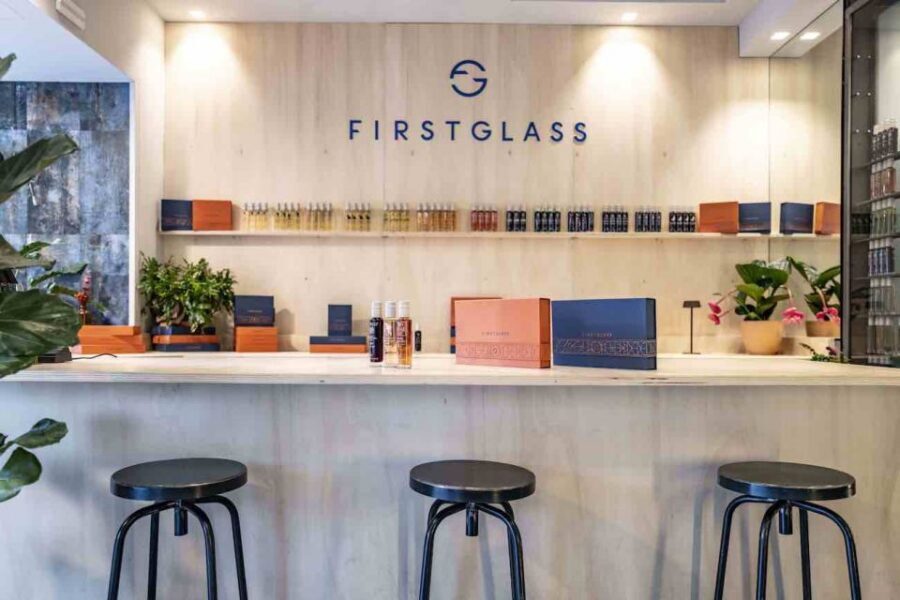
At $33 per person for one hour, the value comes from three things: location, instruction, and what’s included.
First, the location. Sitting steps from Ponte Vecchio during an organized tasting is not the cheapest kind of setting in Florence. You’re paying for prime central real estate plus a guided experience.
Second, you’re not just tasting two wines—you’re getting a structured intro on how to taste. For a beginner, that’s the difference between drinking and learning. The tasting kit and manual are small details, but they help the experience stay usable after you leave.
Third, you get everything you need to enjoy the hour: two wines, snacks, and water. That prevents the common problem where a wine activity feels like you’re paying for wine but still hungry and thirsty.
One more practical point: the event uses small 100 ml servings, so the focus stays on comparison and technique. If you’re expecting big pours, you might feel shorted. If you want an hour that teaches you how to taste and helps you spot what you like, the price starts to feel fair quickly.
Who this wine tasting suits best (and who might skip it)
This experience fits best if you want:
- A beginner-friendly way to learn wine basics without feeling lost
- A quick, social activity that fits into a sightseeing day
- A tasting near major sights like Ponte Vecchio (so you don’t waste time crossing town)
- A structured comparison of two Tuscan styles
It might be less ideal if you want:
- A long winery-style session
- Big wine volumes
- A purely quiet, private tasting focused only on tasting and not conversation
The format is also described as wheelchair accessible and offered as a private group, which is useful for planning. If you prefer a calmer, more tailored experience, a private group version may feel like a sweet spot.
Should you book this Florence wine tasting?
I’d book it if you want a smart, friendly way to experience Tuscan wine right where Florence is busiest. The big win is the combination of easy instruction and a stunning center-city setting. You’ll leave with a clearer sense of what you like, plus a method you can use again at wine bars.
Skip it if you’re the type who needs a full-length tasting or expects generous pours. This is more about learning and sampling than a heavy drinking session.
If your trip schedule is tight, the one-hour length keeps it manageable, and the setup makes it simple to fit between walks over bridges, through markets, and past the big sights.
FAQ
How long is the wine tasting experience?
The experience lasts 1 hour.
How many wines will I taste?
You’ll taste two wines as part of the tasting.
Where does the tasting take place in Florence?
The meeting point is Firstglass, and the activity is located just steps from Ponte Vecchio.
Is the tasting suitable for beginners?
Yes. The guide provides a short introduction that teaches you how to analyze wine using sight, smell, and taste with simple, practical tips.
What’s included for snacks and drinks?
The tasting includes still or sparkling water and light snacks such as olives, taralli, and peanuts.
Can I order more wine after the one-hour tasting?
Yes. After the tasting, you can order additional wines, including some exclusive labels available through the historic wine window.
You Might Also Enjoy
More Wine Tours in Florence
- Tuscany Day Trip from Florence: Siena, San Gimignano, Pisa and Lunch at a Winery
★ 5.0 · 21,634 reviews
More Food & Drink Experiences in Florence
- San Gimignano, Siena, Monteriggioni, Chianti Day Trip with Lunch & Wine Tasting
★ 4.5 · 4,432 reviews
More Tour Reviews in Florence
- Tuscany Day Trip from Florence: Siena, San Gimignano, Pisa and Lunch at a Winery
★ 5.0 · 21,634 reviews - The Best tour in Florence: Renaissance & Medici Tales – guided by a STORYTELLER
★ 5.0 · 12,316 reviews