REVIEW · FLORENCE
Florence: Pasta Cooking Class with Unlimited Wine
Book on GetYourGuide →Operated by Florence with Elvis · Bookable on GetYourGuide
Three pasta shapes, one medieval tower. In Florence, you’ll learn to make fresh pasta just steps from Brunelleschi’s Dome inside a medieval tower from the 1200s, with a live English-speaking chef guiding each step. You also pick up local context tied to the people who lived around this part of town long before you arrived.
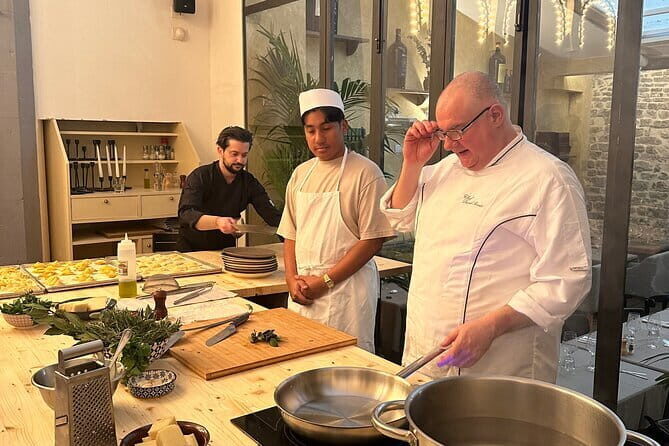
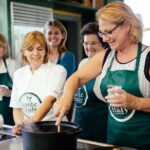
What I like most is how hands-on the lesson feels, not a passive demo. You work the dough, shape the pasta, and the chef moves around to help with technique, like Andrea and Victoria did in recent sessions. I also love that you get unlimited Tuscan wine and soft drinks and you eat everything you cook, so you leave full and satisfied.
One possible drawback: the class can feel a bit fast-paced, so if you want extra time with a tricky step, ask the chef early.
In This Review
- Key Highlights You Should Care About
- Why This Florence Pasta Class Feels Different Than a Food Show
- Your 3-Hour Flow: From Flour to Dinner
- The Medieval Tower Setting: A Kitchen With Real Atmosphere
- Chef Guidance in English: How the Lesson Stays Practical
- Making Fresh Pasta From Scratch: The Part That Builds Real Skill
- Ravioli, Tortelli, and Pappardelle: Three Shapes, Three Techniques
- Sauces You Actually Want to Eat: Butter Sage, Arrabbiata, Ragù
- Eating Everything You Cook: The Built-In Payoff
- Price and Value Check: Why About $21 Works Here
- What to Consider Before You Book
- Who This Pasta Class Is Best For
- Should You Book This Pasta Class?
- FAQ
- How long is the pasta cooking class in Florence?
- Where is the meeting point?
- What types of fresh pasta will I make?
- What sauces are included in the class?
- Is wine included, and is it unlimited?
- Do I need to bring ingredients or kitchen equipment?
- Will I eat what I cook?
- Are there dietary options like vegetarian?
- Is there a live guide and is it taught in English?
- Can I cancel for a refund and pay later?
Key Highlights You Should Care About
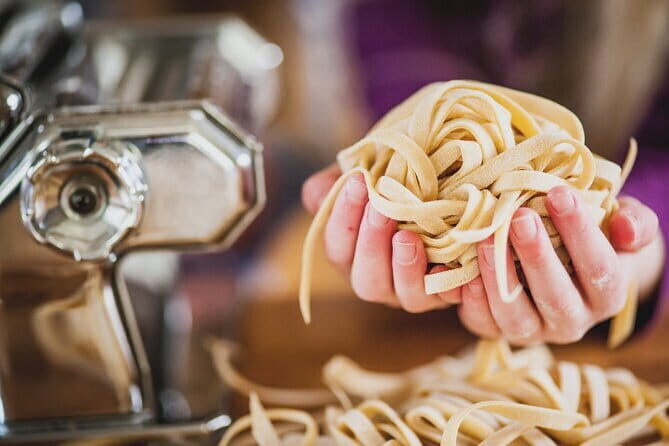
- A real medieval-tower kitchen: You cook inside a stone structure from the 1200s, near Brunelleschi’s Dome.
- Three pasta types in one go: Make ravioli, tortelli, and pappardelle during the 3-hour session.
- Chef guidance at your station: You’re not just watching. The instructor stands by and offers tips as you work.
- Classic Tuscan sauces included: Expect pairings like butter and sage, arrabbiata, and Tuscan ragù.
- Unlimited drinks while you eat: Tuscan wine plus unlimited soft drinks, paired with what you cook.
- Value for money at $21: Ingredients and equipment are handled for you, and the meal is part of the price.
Why This Florence Pasta Class Feels Different Than a Food Show
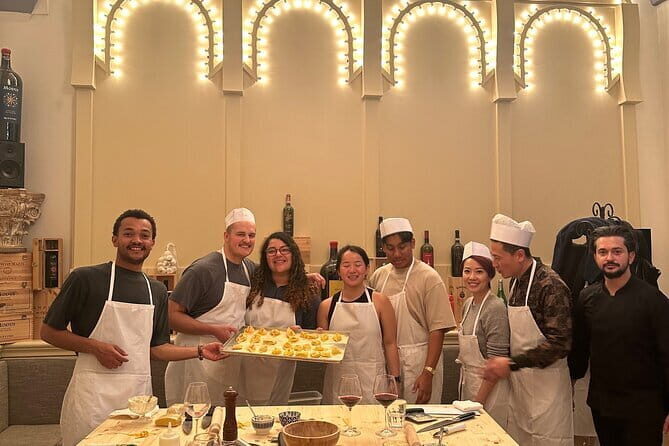
Florence can drown you in history. This class gives you a different angle: hands-on food history. You’re not just seeing the city’s famous sights; you’re making the kind of pasta Italians still make at home, with a chef translating technique into simple steps.
The location matters more than you might think. Cooking inside a medieval tower from the 1200s adds a strong sense of place. You feel it in the stone walls and the tight, focused kitchen setup. It’s also very close to Brunelleschi’s Dome, which is convenient if you want to pair this with sightseeing before or after.
The best part is that it’s not a one-off “taste and leave” situation. You learn process, you shape three different pasta styles, and you eat the results. That turns the class into a real meal, not a souvenir activity.
You can also read our reviews of more cooking classes in Florence

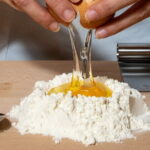
Your 3-Hour Flow: From Flour to Dinner
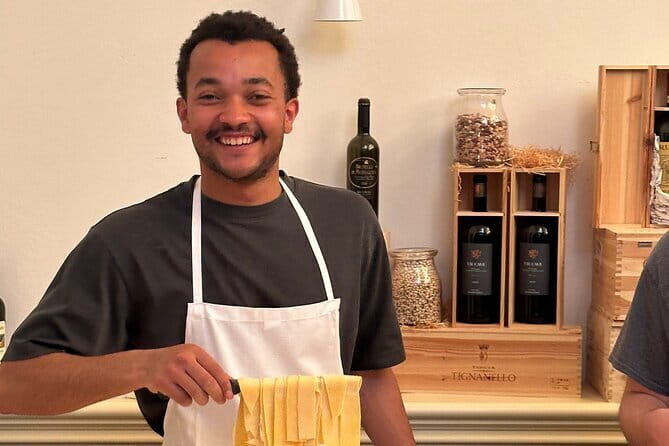
The timing is straightforward: plan for about 3 hours from start to finish. During that window, you’ll do two big things—make pasta and then sit down to eat it with the sauces you practiced.
Here’s how the experience typically unfolds:
You start with fresh pasta basics. Then you move through the process for multiple shapes, learning what changes from one style to the next. While the pasta work is going on, you’ll also prepare sauce pairings so the tasting at the end isn’t generic. You’ll finish by eating everything you’ve made, with wine and unlimited soft drinks available during the experience.
This structure is practical. It also means you’re learning by doing, not by waiting around for someone else to finish. If you learn best while working with your hands, this format fits you well.
The Medieval Tower Setting: A Kitchen With Real Atmosphere
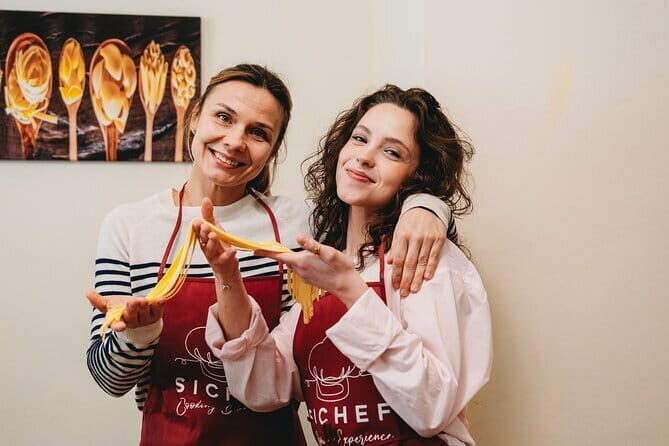
The school is located inside a medieval tower from the 1200s, in a spot described as a stone’s throw from Brunelleschi’s Dome. That puts you in the center of Florence’s old-world architecture while you’re learning something very old-world.
And the storytelling has a purpose. The class ties the tower to Dante Alighieri’s circle—specifically, it mentions that the tower belonged to his wife’s family. You’re not asked to memorize a biography. You just get a feel for why cooking in this area has such deep roots.
What you should expect from a setup like this: a close working space. It’s likely more “station-based” than “big show stage,” which is good news if you want the chef to actually help you correct technique.
Chef Guidance in English: How the Lesson Stays Practical
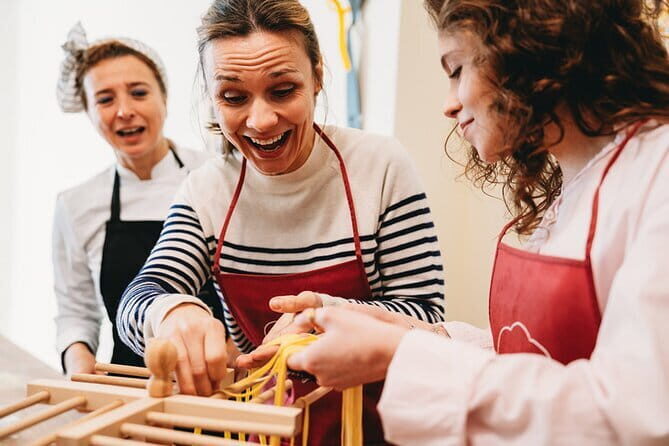
The class has a live guide in English, and it’s led by a chef instructor with experience in Italian cuisines. What matters for you: you get direct help with your pasta, not vague advice.
In recent sessions, chefs like Andrea, Antonio, Victoria, and Valentino were mentioned for keeping groups engaged and offering personal tips. That lines up with what you want from a cooking class: you want someone to notice what you’re doing wrong before you lock in the mistake.
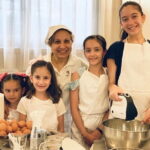
This is also why the class tends to work for mixed groups, including kids and adults. When the chef walks through steps and checks your progress, you don’t need prior cooking skill. You need curiosity and a willingness to try.
Making Fresh Pasta From Scratch: The Part That Builds Real Skill

You’re taught the full process “from the basics,” and that’s the real value. If you only learn one thing, learn this: pasta dough is mostly technique—mixing, resting, rolling, and shaping—then timing. Once you understand that rhythm, you can repeat it at home.
The class emphasizes fresh pasta made “from flour to sauce,” which means you’re not just rolling dough and calling it done. You build the pasta and then you match it with sauces that actually work for the shape you made.
You also don’t need to bring anything. All ingredients and equipment are provided. That matters because it removes friction. You avoid the “buy tools, buy flour, learn the gear” part and instead focus on the method.
If you’ve ever watched an Italian grandmother make pasta and thought it looks effortless, this class helps you spot the small moves that make it easier: consistent thickness, good sealing, and shaping that matches sauce behavior.
You can also read our reviews of more wine tours in Florence
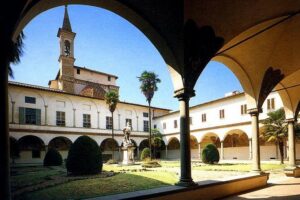
- Tuscany Day Trip from Florence: Siena, San Gimignano, Pisa and Lunch at a Winery
★ 5.0 · 21,634 reviews
Ravioli, Tortelli, and Pappardelle: Three Shapes, Three Techniques
This is the core of the experience. You’ll prepare three types of fresh pasta, including ravioli, tortelli, and pappardelle.
Here’s what that means in practice:
- Ravioli: Typically about filling and sealing. You’ll learn how to portion, shape, and close the pasta so it holds together.
- Tortelli: Similar dough work, but the shaping and finished form differ. You get repetition, which is how technique sticks.
- Pappardelle: More about cutting and handling wide ribbons. It’s a different feel from stuffed pasta, so you learn range, not just one trick.
What I like about making multiple styles in one class is that it changes what you pay attention to. With stuffed pasta, you’re focused on sealing and structure. With ribbons, you’re focused on thickness and texture.
So by the end, you’re not leaving with a single recipe. You’re leaving with a sense of how shape affects sauce and eating.
Sauces You Actually Want to Eat: Butter Sage, Arrabbiata, Ragù
The sauces aren’t an afterthought. They’re built to match the pasta types you’re learning, including:
- Butter and sage
- Arrabbiata
- Old-fashioned Tuscan ragù (the class mentions a Tuscan ragù pairing)
This is a smart approach. Different sauces teach you different pasta skills. A simple sauce like butter and sage rewards texture. A bold tomato sauce like arrabbiata helps you learn timing and how sauce clings. A ragù is slower and richer, and it changes how you perceive portion size and bite.
And because you’re preparing the sauces yourself, you’re not just tasting someone else’s cooking. You’re connecting the pasta shape you made to the sauce you chose—exactly what you’ll want to replicate later.
Eating Everything You Cook: The Built-In Payoff
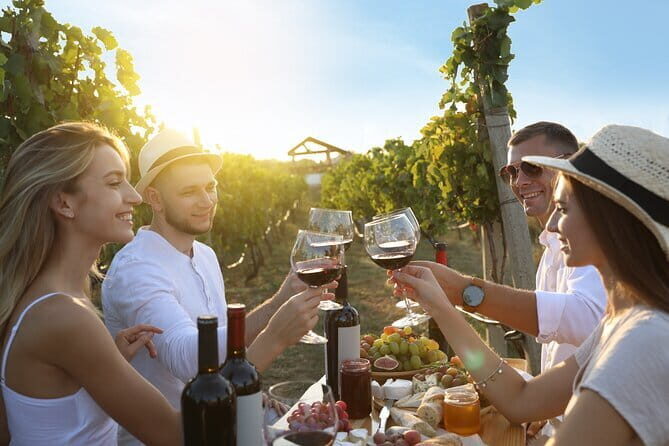
At the end, you eat everything you cook. That’s not just nice. It changes how the class feels.
Instead of “work for two hours, then maybe taste later,” you’re working with the knowledge that you’ll taste the results right away. It makes you pay attention. It also gives you instant feedback: if your dough felt thick, you’ll feel it. If your ravioli didn’t seal well, you’ll notice.
This is also where the drinks fit in. You’ll have Tuscan wine and unlimited soft drinks during the experience. You’re not being sent away after cooking; you’re finishing like you would with a family meal.
Yes, the presence of wine means the vibe can be lively. That can be a plus if you want fun and conversation. If you’re very focused and prefer quiet, go in with the mindset that cooking classes often run energetic.
Price and Value Check: Why About $21 Works Here
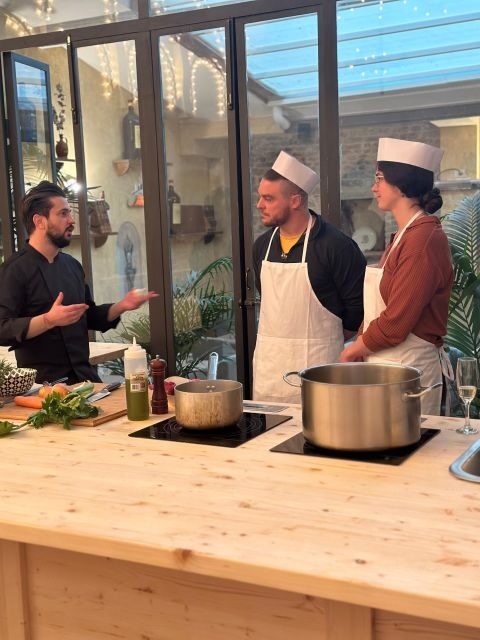
At $21 per person, the value is surprisingly strong for what you get: three pasta types, ingredients, equipment, chef guidance, and an included meal with wine and unlimited soft drinks. Many cooking experiences cost far more and still feel like you paid mainly for the setting.
Here, you’re paying for skill plus food. You’re not responsible for supplies. You’re not responsible for cleanup. And your payoff includes both lunch/dinner value and the satisfaction of eating something you made with your own hands.
So if your priorities are:
- learning real technique,
- eating a proper sit-down meal,
- and keeping costs reasonable,
this looks like a good deal.
What to Consider Before You Book
Two things to keep in mind.
First, the class can run at a brisk pace. One mention was that it can feel fast, even if instructions are clear. If you’re the type who learns best slowly, arrive ready to ask questions early and take it step by step.
Second, the setting is described as a medieval tower. That’s part of the charm, but it often means you’re dealing with older building constraints. Still, the activity is listed as wheelchair accessible, and dietary options are supported—so it’s designed to work for more than just one type of traveler.
Who This Pasta Class Is Best For
You’ll probably love it if you:
- want a hands-on Florence activity that isn’t just walking and looking,
- enjoy cooking and want technique you can repeat later,
- like social energy, especially with shared meal vibes,
- want good value without spending half a day on logistics.
You might think twice if you:
- hate energetic group settings,
- want slow, one-on-one coaching time,
- or prefer tasting without working (this is a working class, not just a sampler).
Should You Book This Pasta Class?
Yes—if you want a memorable Florence experience that turns into dinner in the same afternoon. It’s one of those activities that gives you both craft and comfort: you learn ravioli, tortelli, and pappardelle, then you eat the results with classic Tuscan sauces and unlimited wine.
Book it especially if you’re balancing your itinerary. Three hours is long enough to learn something real, but short enough that you can still see the big sights around Brunelleschi’s Dome.
If you’re on the fence, check two things when you reserve: your dietary needs (vegetarian and other diets are supported) and the class start time you want. Then go in with a simple goal: ask questions early, work carefully on the first pasta steps, and treat the final meal as part of the lesson—because that’s what makes the price feel fair.
FAQ
How long is the pasta cooking class in Florence?
The experience lasts about 3 hours.
Where is the meeting point?
The meeting point may vary depending on the option you book.
What types of fresh pasta will I make?
You will prepare 3 types of fresh pasta, such as ravioli, tortelli, and pappardelle.
What sauces are included in the class?
The class mentions sauces like butter and sage, arrabbiata, and an old-fashioned Tuscan ragù.
Is wine included, and is it unlimited?
Yes. Tuscan wine is included, and there are unlimited drinks during the experience, along with unlimited soft drinks.
Do I need to bring ingredients or kitchen equipment?
No. All ingredients and all equipment are provided.
Will I eat what I cook?
Yes. You will eat everything you prepare.
Are there dietary options like vegetarian?
Yes. Vegetarian and other diets are supported, and you should inform the activity provider of your dietary needs when booking.
Is there a live guide and is it taught in English?
Yes. There is a live tour guide, and the class is available in English.
Can I cancel for a refund and pay later?
You can cancel up to 24 hours in advance for a full refund. You can also reserve now and pay later.
You Might Also Enjoy
More Wine Tours in Florence
- Tuscany Day Trip from Florence: Siena, San Gimignano, Pisa and Lunch at a Winery
★ 5.0 · 21,634 reviews
More Cooking Classes in Florence
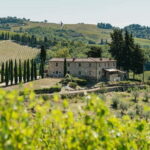
- Cooking Class and Lunch at a Tuscan Farmhouse with Local Market Tour from Florence
★ 5.0 · 4,831 reviews
More Tour Reviews in Florence
- Tuscany Day Trip from Florence: Siena, San Gimignano, Pisa and Lunch at a Winery
★ 5.0 · 21,634 reviews - The Best tour in Florence: Renaissance & Medici Tales – guided by a STORYTELLER
★ 5.0 · 12,316 reviews