REVIEW · FLORENCE
4-Course Cooking Experience in Florence
Book on GetYourGuide →Operated by Hidden Experiences · Bookable on GetYourGuide
Your dinner plan starts with four courses in Florence. I love the hands-on format with professional chefs, and you’ll get a real menu you can repeat at home. One heads-up: your level of active cooking can vary a bit depending on how the kitchen staff manages bigger groups.
The setting matters too. You meet at Chefactory Academy, and the whole class is built around teamwork in a proper working kitchen, not a demo show. By the end, you receive recipes for everything you made, so the experience doesn’t vanish the moment you walk back outside.
This is also a nice deal for what you get. For $93 per person over about 4 hours, you’re cooking multiple courses, drinking included with your meal, and tasting your results. If you’re very sensitive to food portions, do know that a few people felt the meal and wine portions could be light.
In This Review
- Key things to know before you go
- Where the class starts: Chefactory Academy and the 4-hour flow
- Timing reality
- The four-course Tuscan menu: what you’ll cook (and why it works)
- Appetiser: learn the flavor baseline
- Pasta course: the skills you’ll actually use again
- Second course: translating technique into a full meal
- Dessert: finish with an Italian classic
- Hands-on vs chef takeover: how the class really feels
- Drinks and the moment you finally taste your work
- Take-home recipes: how this turns into real cooking at home
- Price and value: is $93 per person fair in Florence?
- Who this cooking class suits best
- Practical tips so your night goes smoothly
- Should you book this 4-course class?
- FAQ
- How long is the 4-course cooking class in Florence?
- How much does the cooking experience cost?
- Where do I meet for the class?
- Is hotel pickup or drop-off included?
- What four courses will I cook?
- Are vegetarian options available?
- What languages are offered for the class?
- What’s included to drink and taste?
- Will I receive recipes to take home?
- Is it wheelchair accessible, and do they accept late arrivals?
Key things to know before you go
- Chefactory Academy location in central Florence, with clear “be on time” rules
- Four traditional Tuscan courses: appetizer, pasta, second course, dessert
- Chefs in your language (German, English, Italian, Spanish) and lots of practical tips
- You eat what you cook, often shared family-style at the table
- Take-home recipes at the end, including guidance for making it again later
- Vegetarian options are available if you tell the provider ahead of time
Where the class starts: Chefactory Academy and the 4-hour flow
The experience is designed to feel like a real evening dinner, even though it’s a structured 4-hour class. You’ll meet at Chefactory Academy in the city center, and the instructions are simple: push the door before calling. Latecomers aren’t accepted, so plan to arrive early, not “right on time.”
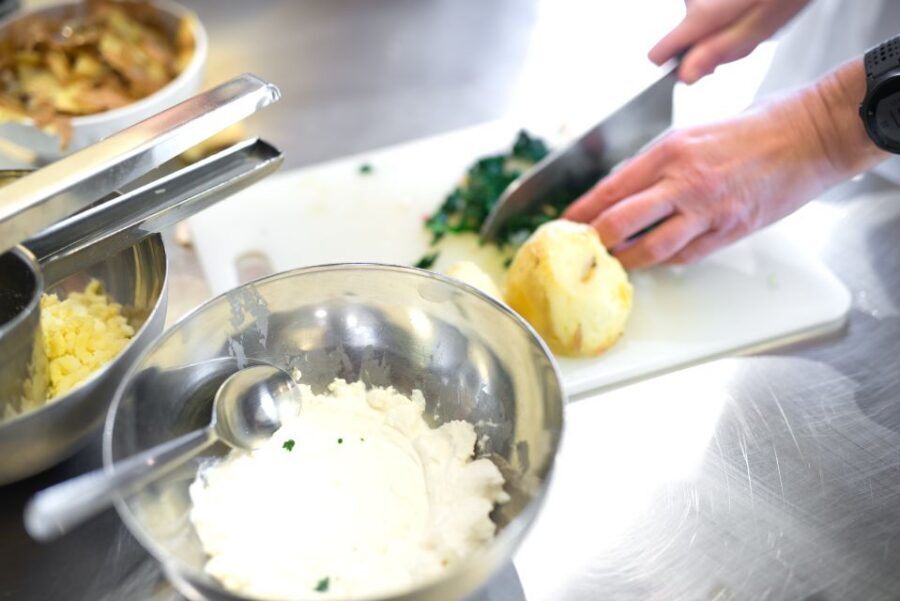
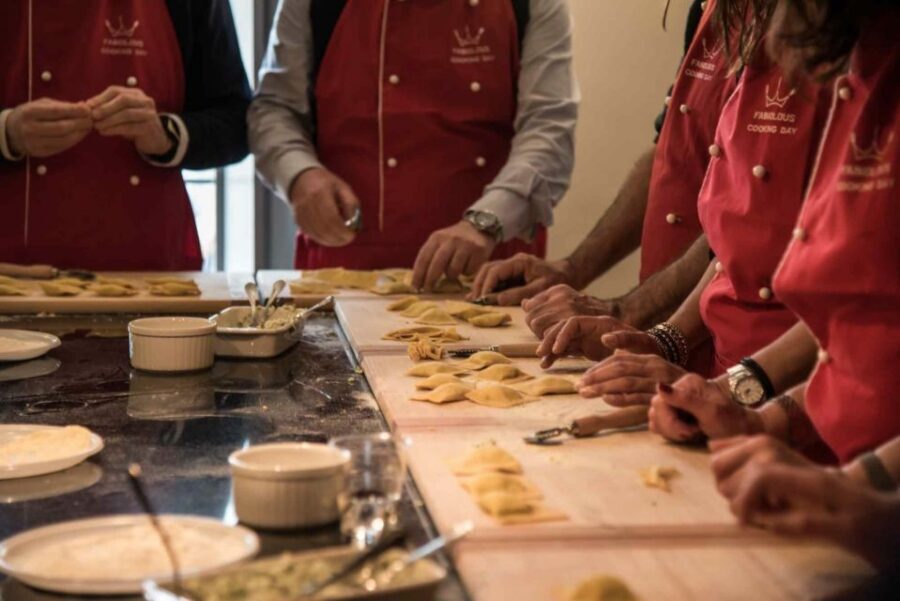
Inside, the pace is steady. You’ll learn, you’ll do, and you’ll taste. The best part is that it’s not just watching someone cook—you’re hands-on for chopping, mixing, rolling, filling, and assembling, depending on the course.
A lot of recent sessions have been led by chefs who are specifically praised for making cooking understandable and fun. Names that pop up include Francesco, Greta, and Stefano—chefs who keep things moving while still giving attention to people’s questions.
You can also read our reviews of more cooking classes in Florence

Timing reality
You may not spend exactly the same amount of time cooking each dish. Some kitchen teams break it down so instructors demonstrate each step, then you repeat the process in your group. If you want maximum personal control—like cooking every component start-to-finish—go in with the mindset that you’re learning technique, not running the entire restaurant kitchen alone.
The four-course Tuscan menu: what you’ll cook (and why it works)

This class is built around a classic structure: appetiser → pasta → second course → dessert. That order is smart. It teaches you how Italians think about a meal: start light, build with pasta, add the main dish, then end sweet.
Your exact dishes can vary, but the categories are consistent. Based on what people have made in recent sessions, you might see options like ravioli or fettuccine for the pasta course, chicken-based second courses with vegetables, and desserts such as tiramisu or even soufflé.
Here’s how that menu helps you when you cook at home later:
Appetiser: learn the flavor baseline
The appetizer is where you learn to build flavor without overcomplicating things. Even when the course is shared, you’ll still get the idea of seasoning, texture, and timing. For many people, this is the first moment when cooking clicks—because you’re practicing core skills like chopping correctly and balancing ingredients.
Pasta course: the skills you’ll actually use again
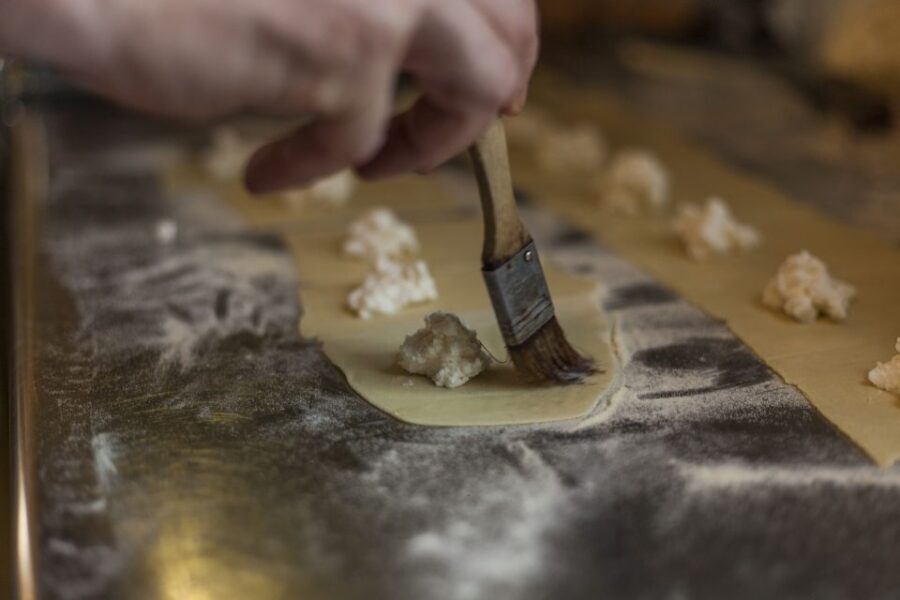
The pasta portion is usually the highlight, mainly because it’s hands-on and visual. You’ll practice steps that don’t disappear after one night—rolling, portioning, shaping, and understanding how dough should feel. People specifically mention enjoying the pasta-making most, and that makes sense: pasta is where technique turns into confidence fast.
In recent classes, pasta themes included things like ravioli and gnocchi, plus fettuccine-style preparations. If you’ve ever been intimidated by homemade pasta, this is the course where the chef tips can demystify it.
- Tuscany Day Trip from Florence: Siena, San Gimignano, Pisa and Lunch at a Winery
★ 5.0 · 21,634 reviews





Second course: translating technique into a full meal
The second course takes what you learned and turns it into something that looks like dinner, not just ingredients on a cutting board. Recent examples include chicken with vegetables, where you get practice with heat control and finishing touches.
If your group does a main that’s less about assembly and more about cooking, the chefs may take over certain steps to keep the whole class on track. That’s not a deal-breaker—it actually prevents the common home-cooking mistake of trying to rush a pan and ending up with uneven results.
Dessert: finish with an Italian classic
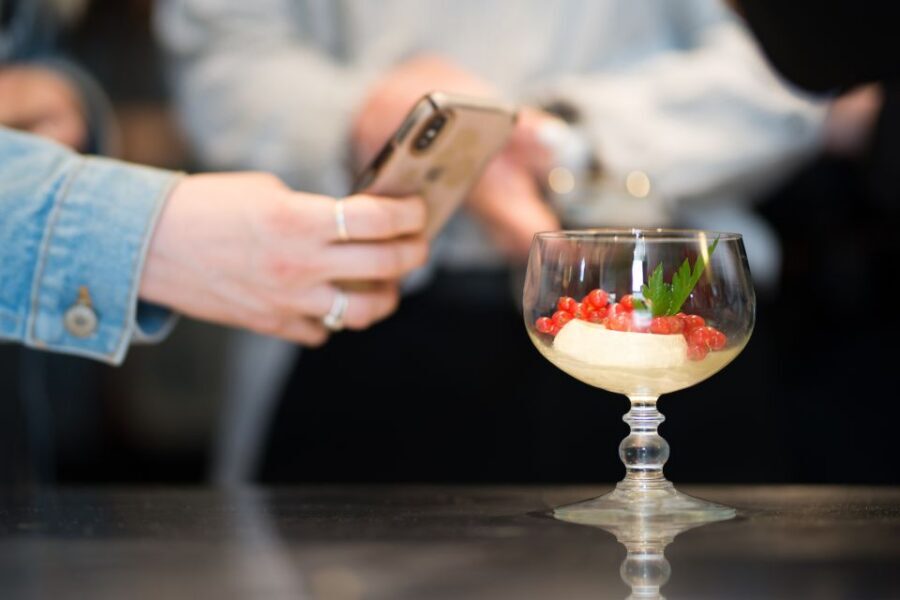
Dessert is where the class becomes celebration. Tiramisu shows up often in real sessions, and it’s a great example of learnable steps: timing, assembly, and the little details that make it taste right.
The dessert course also matters because it gives you a full end-to-end meal cycle. You’re not just learning how to cook one component—you’re learning how to finish the whole dinner.
Hands-on vs chef takeover: how the class really feels
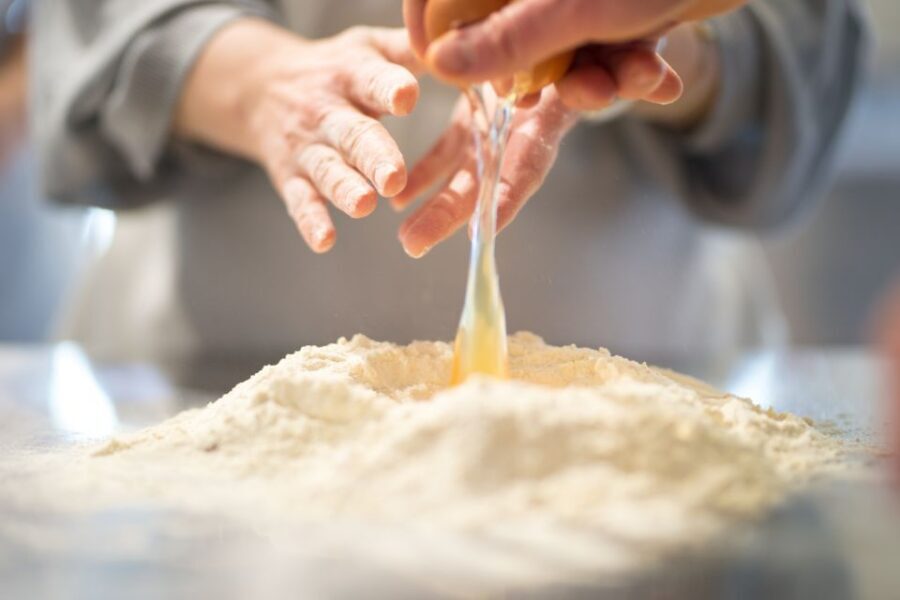
This class is hands-on, but it’s not a free-for-all. It’s more like cooking in a well-run studio: instructions first, then practice, then corrections.
The most common praise is about chefs being friendly, patient, and detail-oriented. People mention that chefs take time to explain tips for home cooking, and they also demonstrate steps before letting you do them. One person loved how the chef built confidence by showing each stage, then letting the group try independently.
There are also a couple of practical complaints worth taking seriously:
- In some sessions, the chefs handled more of the final cooking or plating because the group had a lot of people.
- A few people felt the meal and wine portions were lighter than expected.
If you’re someone who really wants to control every minute at the stove, you can still get a lot out of this class—you just need the right expectations. Think of it as learning workflow and technique under supervision, not running the pass by yourself.
Drinks and the moment you finally taste your work
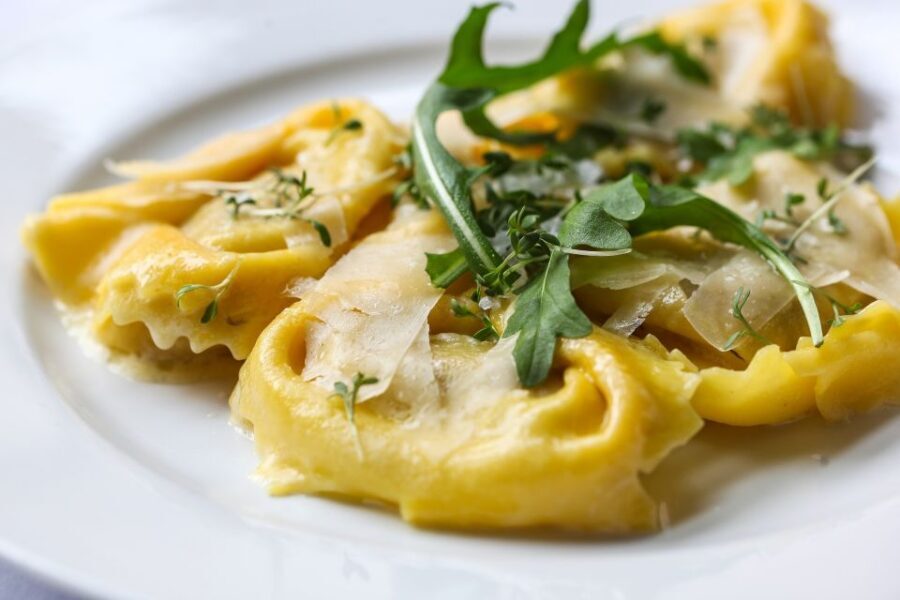
Water and beverages are included. Wine is part of the experience too, and in multiple write-ups the meal is served with wine.
What you’ll do at the end is the fun part: you taste what you cooked. In some sessions, dishes are shared among the table, and in others you may eat your own portions depending on how the course is prepared and served.
Also, the class finishes like a real meal, not a lecture wrap-up. That matters because it’s one thing to make something in a kitchen. It’s another to eat it immediately and connect the taste to the steps you just did.
Take-home recipes: how this turns into real cooking at home

The class doesn’t end when you wipe down your station. At the end, you’ll receive the recipes for the dishes you made. That’s a huge value piece, because you can recreate the evening without guessing measurements and steps.
One small note from feedback: a couple of people felt the recipes could be improved, like missing some proportions. That doesn’t ruin the concept, but it’s worth knowing if you’re the kind of cook who wants exact grams and nothing left to interpretation.
Still, the overall direction is clear: you leave with a menu plan and instructions that match what you just cooked. That’s exactly what makes cooking classes worth it.
Price and value: is $93 per person fair in Florence?
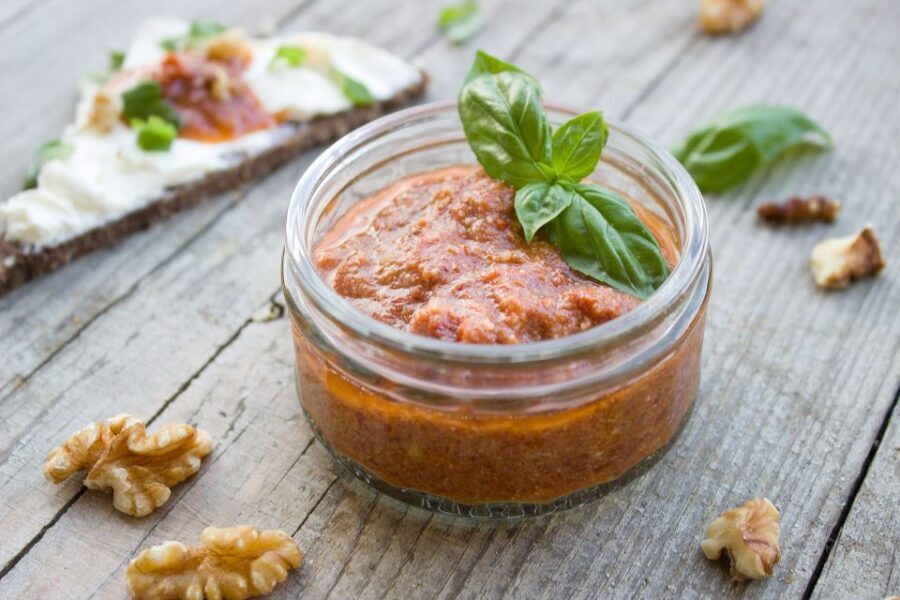
At $93 per person for about 4 hours, you’re paying for more than ingredients. You’re paying for:
- a professional chef and kitchen team
- a multi-course menu structure (not a single dish)
- included beverages during the meal
- and the recipes afterward
If you compare this to buying your own ingredients and spending a few weekends trying to recreate homemade pasta and Italian desserts without guidance, the price starts looking sensible. You’re also getting a concentrated evening experience in a working academy kitchen, which is hard to replicate on your own.
The only “watch-out” on value is that portion size and how much is actively cooked can vary a bit. If you go expecting a huge feast and full chef-style control over every dish, you may find it a little less than your fantasy. If you go expecting training, technique, and a menu you can cook again, it fits the bill.
Who this cooking class suits best
This is a great pick if you want:
- a hands-on Florence activity that’s not just sightseeing
- an Italian meal format you can repeat at home
- practical cooking tips with a chef who explains steps clearly
It also suits groups well. People mention meeting new people from different places, cooking together, and then eating as a group afterward.
Where it may not fit as well:
- If you’re very focused on accessibility needs, note that the information provided says it is not suitable for wheelchair users.
- If you want a very quiet, private experience, the class can feel social since you’ll be working in a shared kitchen environment.
Practical tips so your night goes smoothly
Here are the details that matter on the ground:
- Arrive early. Latecomers aren’t accepted, and the meeting point instructions are specific.
- Tell them your dietary needs for vegetarian options ahead of time.
- Choose the language option that helps you ask questions comfortably: German, English, Italian, or Spanish.
- Wear something you don’t mind getting kitchen-splashed. Even a clean academy kitchen can mean small spills.
- If you’re sensitive to portions, consider pairing this with a lighter plan before class. The class ends with tasting, and some people felt it ran a bit light on wine and food.
Should you book this 4-course class?
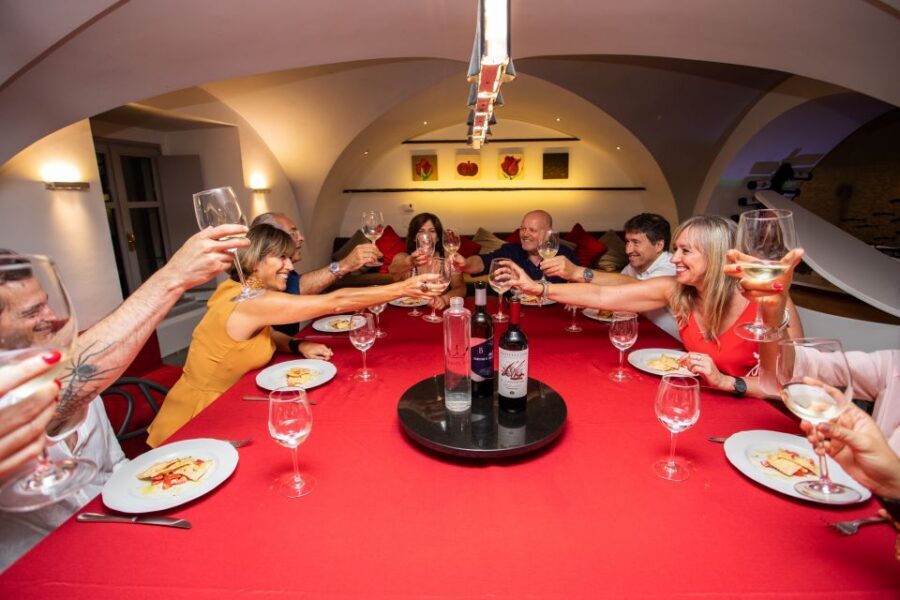
I’d book it if you want a structured, hands-on Florence evening where you learn a full Tuscan menu and actually take the recipes home. The mix of praised chefs, the clear four-course format, and the fact you eat your results right after cooking makes it feel like a real experience rather than a one-and-done demo.
I’d think twice if your top priority is maximum personal cooking time at every step, or if you’re expecting a big, generous feast with heavy wine pours. Also, check accessibility carefully: the information says not suitable for wheelchair users even though another line mentions wheelchair access.
If your goal is to leave Florence with better cooking skills and a dinner you can recreate, this is a strong choice at $93 for about 4 hours.
FAQ
How long is the 4-course cooking class in Florence?
The class lasts about 4 hours.
How much does the cooking experience cost?
It costs $93 per person.
Where do I meet for the class?
You meet at Chefactory Academy. You’re instructed to push the door before calling.
Is hotel pickup or drop-off included?
No, hotel pickup and drop-off are not included.
What four courses will I cook?
You’ll prepare four traditional Tuscan courses: an appetiser, a pasta course, a second course, and a dessert.
Are vegetarian options available?
Yes. Vegetarian options are available—just inform the supplier about your dietary requirements.
What languages are offered for the class?
The class is offered in German, English, Italian, and Spanish.
What’s included to drink and taste?
Water and beverages are included, and at the end you taste what you cooked. Wine is part of the included experience.
Will I receive recipes to take home?
Yes. After the class, you receive the recipes for the dishes you made.
Is it wheelchair accessible, and do they accept late arrivals?
The information says it is not suitable for wheelchair users. Also, latecomers will not be accepted, so be sharp on time. Free cancellation is available up to 24 hours in advance for a full refund.
You Might Also Enjoy

More Cooking Classes in Florence
- Cooking Class and Lunch at a Tuscan Farmhouse with Local Market Tour from Florence
★ 5.0 · 4,831 reviews

More Tour Reviews in Florence
- Tuscany Day Trip from Florence: Siena, San Gimignano, Pisa and Lunch at a Winery
★ 5.0 · 21,634 reviews - The Best tour in Florence: Renaissance & Medici Tales – guided by a STORYTELLER
★ 5.0 · 12,316 reviews