REVIEW · FLORENCE
Accademia Gallery: Michelangelo’s David, A Symbol of Strength.
Book on Viator →Operated by Star Florence · Bookable on Viator
Michelangelo’s David, without the line headache. This skip-the-line guided visit to Florence’s Accademia Gallery is designed for people who want the big hits in about an hour, with a guide talking you through what you’re seeing. You also get radio headsets, so the story stays in focus even in loud, crowded rooms.
I especially like that the tour doesn’t stop at David. You’ll be guided through major areas that explain the Renaissance behind the statue, including works tied to sculptor Giambologna and the unfinished figures Michelangelo left behind in the Hall of the Prisoners.
The main trade-off is time. In roughly 1 hour, you’ll hit the highlights, not every corner, and if you show up late you won’t be able to join or get a refund.
In This Review
- Key things to know before you go
- Skip-the-line Accademia access and why the headsets matter
- Meeting at Via Ricasoli: the fastest way to avoid a scramble
- Galleria dell’Accademia in 60 minutes: the David route you’ll remember
- Hall of the Colossus: Giambologna, Cassone Adimari, and St. Stephen
- The Hall of the Prisoners: unfinished Slaves and Michelangelo’s working mind
- Tribune time: David’s Statue and Allori’s Coronation
- Gipsoteca Bartolini: plaster casts that change how you see sculpture
- Price and value: what $55.63 gets you (and why it can be worth it)
- The guide experience: names you might hear and what to look for
- Who should book this Accademia tour?
- Should you book Accademia Gallery: Michelangelo’s David, A Symbol of Strength?
- FAQ
- How long is the Accademia Gallery tour?
- How much does the tour cost?
- What is included in the tour price?
- Does this tour include skip-the-line access?
- Where do I meet the tour?
- Can I cancel for a full refund?
Key things to know before you go
- Skip-the-line access means you spend more time looking and less time waiting
- Radio headsets help you catch every detail from your certified guide
- A tight highlight route covers David and several other major rooms
- Hall of the Prisoners includes the Slaves and the unfinished-work story
- Gipsoteca Bartolini plaster casts add a smart perspective after the marble
- Small-group feel with a maximum of 19 people keeps the pace manageable
Skip-the-line Accademia access and why the headsets matter
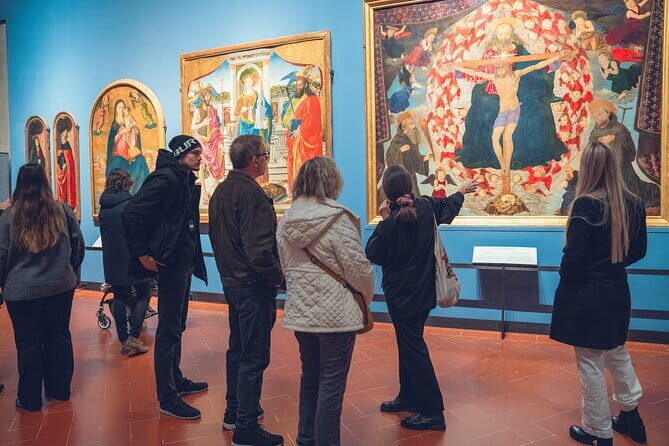
If you’ve ever queued for Florence museums, you know the real expense is time, not money. This tour comes with an entrance ticket reservation to the Accademia Gallery, and that skip-the-line access is guaranteed even during peak season, with exceptions only if the museum management runs into delays or strikes.
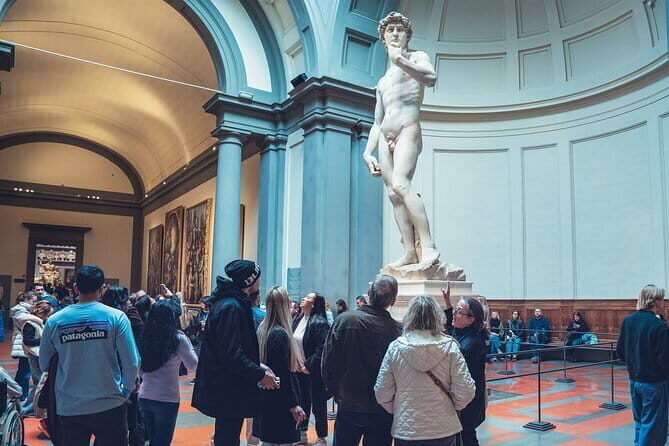
Inside, the experience gets better because you don’t have to guess what your guide is saying from across a room. You’ll wear a radio system so you can hear your guide clearly as you move from hall to hall. That matters at Accademia, where you can end up pressed shoulder-to-shoulder with other visitors, and reading small plaques while walking is a losing game.
The tour lasts about one hour. That’s short enough to keep your attention from wandering, but long enough to hear context that you’d miss if you just walked in on your own.
You can also read our reviews of more museum experiences in Florence
Meeting at Via Ricasoli: the fastest way to avoid a scramble
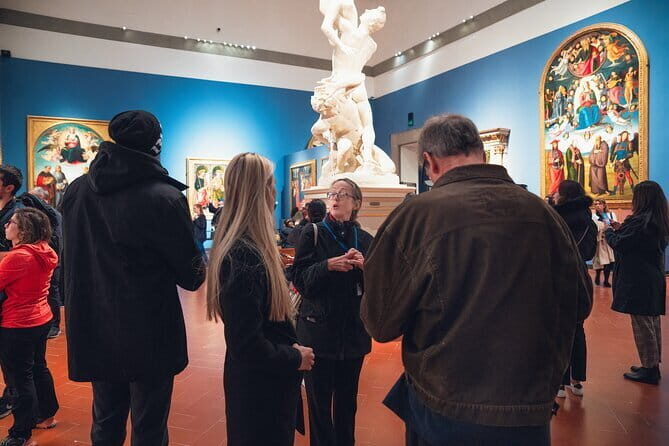
Your meeting point is Via Ricasoli, 57, 50121 Firenze. The tour ends back at the same meeting point, so it’s a clean loop without extra transfers.
Punctuality is the key. If you arrive after the tour start time, you can’t join and you won’t be refunded or rescheduled. This is one of those small details that turns into a big deal when you’re navigating a new neighborhood.
A practical tip: give yourself buffer time and scan for your group rather than trying to match a face from far away. The meeting location is specific, and it can be easy to miss if you’re arriving while it’s already underway. If you like an easy start, show up a little early and keep your confirmation handy.
Galleria dell’Accademia in 60 minutes: the David route you’ll remember
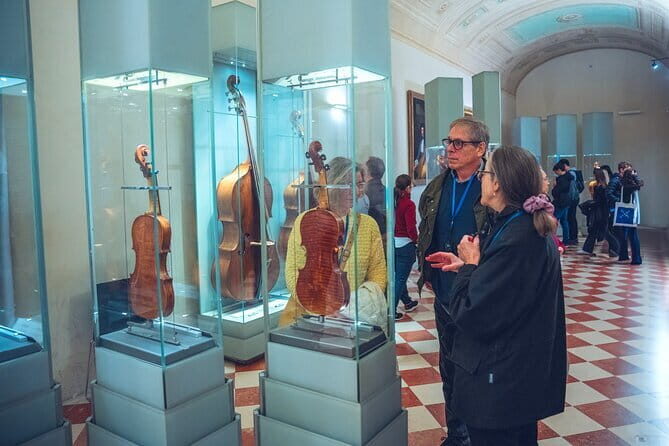
The core experience is a guided walk through the Accademia Gallery, focused on Michelangelo’s David and the sculptures and paintings that help explain why David matters. The approach is structured: you don’t wander. You move through a sequence of spaces, with your guide stopping at the pieces that change how you see the statue.
A big value here is that you’re not only seeing the object. You’re learning the “how and why” behind it—like how the museum’s layout connects David with other works and with Michelangelo’s broader circle.
Another thoughtful feature: after the tour ends, you can return to revisit highlights, including David. That’s useful because the statue is one of those things you’ll want to look at again once you’ve heard the story.
Hall of the Colossus: Giambologna, Cassone Adimari, and St. Stephen
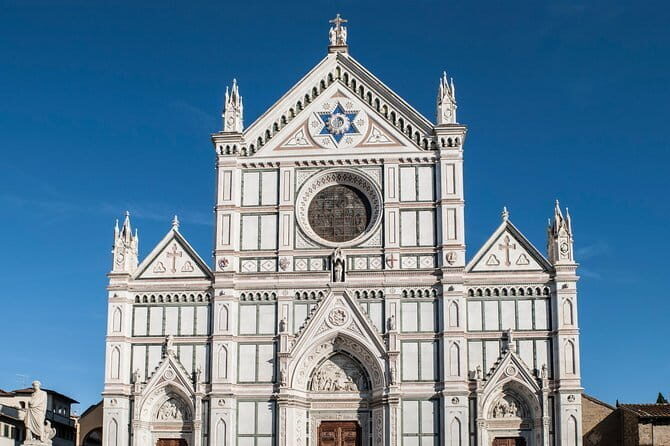
Your first major museum segment starts with a guide-led introduction to the gallery and its secrets about David, then a quick detour into the Hall of the Colossus. This stop is a smart warm-up because it gets you thinking about scale, posture, and drama before you reach the statue that steals the show.
In this hall, you’ll be directed toward key works including Giambologna’s Rape of the Sabines, Cassone Adimari, and Domenico Ghirlandaio’s St. Stephen between St. James and St. Peter. The guide uses these pieces to set up the Renaissance context around sculpture and storytelling.
What to do with this stop: don’t rush past it like a corridor. Stand still for a minute where your guide stops. If you take just one “pause” in this museum, it should be here, because it frames the kind of emotion and craft Michelangelo is responding to.
A downside to keep in mind: because it’s a highlight route, you won’t spend equal time on every artwork listed. This is best for people who want a guided overview and then decide what deserves more attention.
The Hall of the Prisoners: unfinished Slaves and Michelangelo’s working mind
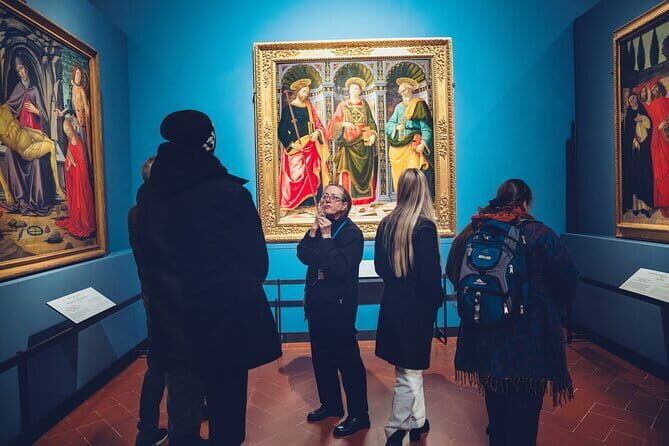
Next comes the main Hall of the Prisoners, and this is where the tour adds real depth. Instead of treating Michelangelo’s genius like a finished product, you’ll be shown the unfinished statues known as Slaves.
That matters. The story isn’t only about the final masterpieces; it’s about process. Seeing unfinished work makes Michelangelo’s choices feel human: you start noticing carving decisions, proportions, and the way motion is planned before it’s polished.
Your guide also connects these figures to Michelangelo’s friendship and mutual influence with artists such as Fra’ Bartolomeo, Pontormo, Granacci, and others. The tour doesn’t just name names. It uses them to explain how ideas moved through the workshop world, which helps David feel less like an isolated miracle.
If you’re the type who loves craft details, this hall is the stop where you’ll likely slow down most—even in a timed tour.
- Tuscany Day Trip from Florence: Siena, San Gimignano, Pisa and Lunch at a Winery
★ 5.0 · 21,634 reviews

Tribune time: David’s Statue and Allori’s Coronation

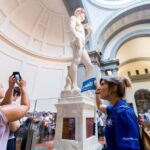
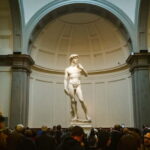
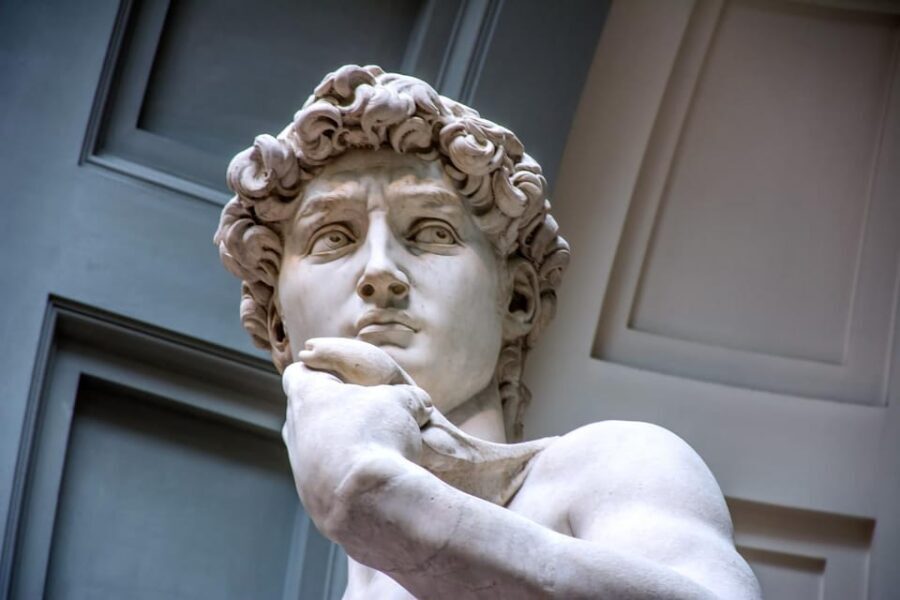
After the broader sculpture story, you reach the Tribune, where David’s Statue dominates the space. This is the moment most people came for, and the guided lead-in helps you see why David isn’t just “a big statue.”
Your guide also covers the Tribune Left Wing, Allori’s Coronation of the Virgin Mary. Even though this isn’t Michelangelo’s work, it’s placed to shape your understanding of how the museum presents Renaissance drama and devotion side by side.
For your viewing strategy: don’t only stare at the obvious. Take in David’s pose first, then let your eyes travel to surface details. With the guide’s context fresh in your mind, the statue starts to feel like a culmination of earlier artistic ideas you just saw across different rooms.
If you’re short on time in Florence, this sequence is efficient. It also works well if you want a guided “aha” moment before exploring the rest of the museum at your own pace.
Gipsoteca Bartolini: plaster casts that change how you see sculpture
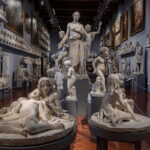
The tour finishes with the Gipsoteca Bartolini, where you’ll see plaster casts and a documentation center. This part is a great reset after marble and painted drama, because it shows another side of how artists worked and how ideas were preserved.
You’ll encounter casts including Reclining Venus, and casts tied to Arnolfo, Brunelleschi, and Lorenzo Monaco. Even without turning this into a deep technical lesson, you’ll come away with a better sense for how Renaissance sculpture could be studied, taught, and compared.
What I like about adding this stop: it makes the museum feel more “whole.” David is the headline, but the casts help explain the supporting world around it—the measurement, replication, and study that sit behind famous art.
In a one-hour format, this is exactly the kind of add-on that gives you a second takeaway besides the obvious.
Price and value: what $55.63 gets you (and why it can be worth it)
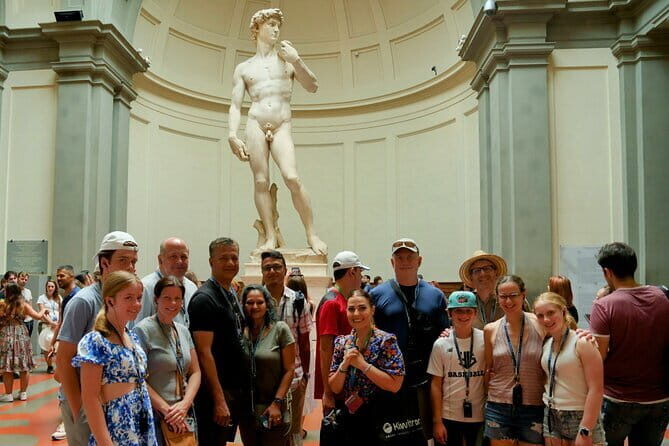
At $55.63 per person, this isn’t the cheapest way into the museum. The value comes from three practical things you’re getting together:
- Officially certified guide who organizes what you’ll see in one efficient path
- Reserved entry ticket with skip-the-line access
- Radio system so the guide’s details are actually audible
If you’re visiting during busy periods, the time you save by avoiding long lines can be more valuable than the difference in price. It also helps you spend your limited hours in Florence on viewing, not waiting.
The tour’s length is also part of the pricing logic. About an hour is enough to cover the key David-related highlights without draining your energy. That makes it a strong fit for people who also want time to do other things the same day.
The guide experience: names you might hear and what to look for
The tour is only as good as the guide, and this one has a consistent focus on clarity and engagement. You might get a guide such as Matteo, Rosie, Pamela, Francesco, Gayla, Hilaria, or Gabriella. Different personalities, similar goal: help you make sense of what you’re looking at.
In particular, look for guides who:
- keep the pace moving so you’re not stuck in dead zones
- explain the David story in a way that changes your viewing, not just your trivia list
- give you quick context across multiple rooms so the statue connects to bigger artistic themes
Also pay attention if your guide takes questions. That’s where the tour becomes personal, especially if you’re traveling with kids or someone who doesn’t want to read every placard.
One small practical note: the radio headsets make a big difference if you’re standing far from the guide. If you skip using them, you may find yourself leaning in at points.
Who should book this Accademia tour?
This tour is a good match if you:
- want to see Michelangelo’s David up close without burning time in lines
- like structured museum visits with a clear route and a defined time limit
- are visiting with kids and want a guide who can keep attention moving
- are a first-timer in Florence and want the museum’s top stops explained in plain terms
It’s less ideal if you’re the type who needs to read every placard slowly, take long breaks in every gallery, and wander without a plan. In that case, you’ll probably wish you had more time inside.
Should you book Accademia Gallery: Michelangelo’s David, A Symbol of Strength?
Yes, if your goal is a high-impact, well-led David visit that respects your time. The combination of skip-the-line access, a certified guide, and clear audio through headsets makes this feel efficient without becoming rushed.
Before you book, do two things for peace of mind: plan to arrive a bit early at Via Ricasoli, 57, and decide whether one hour is enough for your style. If you want a fast hit of highlights with context—and then a chance to return afterward—this tour is a strong bet.
If, on the other hand, you want a museum marathon or you’re prone to arriving late, you’ll probably get more from a slower, flexible self-guided day.
FAQ
How long is the Accademia Gallery tour?
It runs for about 1 hour.
How much does the tour cost?
The price is $55.63 per person.
What is included in the tour price?
You get an officially certified guide, a radio system to hear the guide, and an entrance ticket with reservation to the Accademia Gallery.
Does this tour include skip-the-line access?
Yes. Skip-the-line access is guaranteed, including during peak season, except if the museum experiences delays or strikes.
Where do I meet the tour?
The meeting point is Via Ricasoli, 57, 50121 Firenze FI, Italy.
Can I cancel for a full refund?
You can cancel for a full refund up to 24 hours in advance of the experience start time.
You Might Also Enjoy




More Museum Experiences in Florence
More Tour Reviews in Florence
- Tuscany Day Trip from Florence: Siena, San Gimignano, Pisa and Lunch at a Winery
★ 5.0 · 21,634 reviews - The Best tour in Florence: Renaissance & Medici Tales – guided by a STORYTELLER
★ 5.0 · 12,316 reviews