REVIEW · FLORENCE
Fiesole : Florentine Hills, Roman Theater & Tuscan Farm Experience
Book on Viator →Operated by Marcello · Bookable on Viator
Fiesole packs big views into little time. I love how this route mixes Florence-at-a-glance viewpoints with authentic Roman-era remains instead of just photo stops. You’ll also get a smooth, private pace that helps you see more without feeling rushed.
One possible drawback: the overall timing is tight, so if you want to linger long over photos or add extra time at the archaeological area, you may want to adjust expectations. A quick look is what the schedule is designed for.
If this is your first time in the region, you’re also setting yourself up for an easier rest of the trip. You’ll leave with a clearer mental map of where things sit on both sides of the Arno, plus a sense of how old Faesulae became modern Fiesole.
In This Review
- Key Highlights You’ll Notice Right Away
- Where Fiesole Fits In: Viewpoints Plus Ancient Layers
- Meeting at Caffè Lietta and the Private, Small-Group Feel
- Stop 1: Porta San Gallo and Florence’s Ancient Wall Line
- Piazza Savonarola: A Quiet Square With a Different Side of Florence
- Via San Domenico and the Convent of Beato Angelico Views
- Piazza Mino and Faesulae’s Civic Center
- Area Archeologica: Roman Theater, Baths, and Etruscan-Roman Temple
- Convento di San Francesco: Quiet Museum Time and Florence From Above
- Fattoria di Maiano: Organic Olive Oil, Gardens, and a Real Rural Break
- Stadio Artemio Franchi and the Arch in Liberty Square
- The Guide Experience: Marcello’s Local Detail and Easy Flow
- Who This Tour Is Best For (and Who Might Want Something Else)
- Price and Value: What $86.89 Buys
- Should You Book This Fiesole Tour?
- FAQ
- How long is the tour?
- What does the tour cost?
- Is the tour private?
- What language is the tour offered in?
- Do I get a mobile ticket?
- Which stops have free admission?
- Is Area Archeologica included?
- Where do we meet the guide?
- Is there free cancellation?
- Is the tour accessible for service animals?
Key Highlights You’ll Notice Right Away
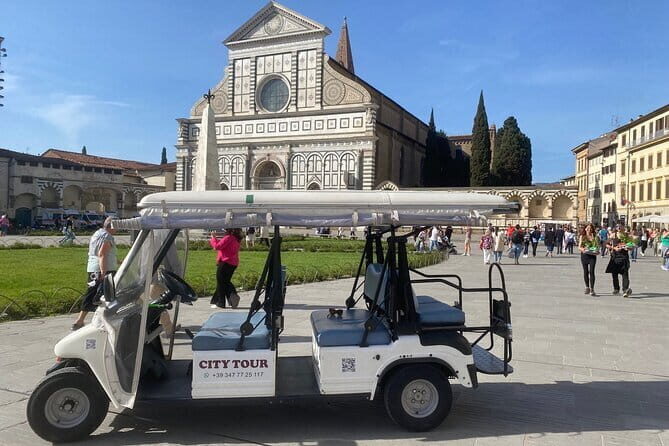
- Hilltop panoramic stops that give Florence’s layout a real sense of scale
- Roman Theater and Roman baths ruins tied to the ancient city of Faesulae
- A real working organic farm visit at Fattoria di Maiano, focused on olive oil and gardens
- Art-and-views combo at the Convent of Beato Angelico in San Domenico di Fiesole
- Rationalist architecture photo moment at Stadio Artemio Franchi by Pier Luigi Nervi
- Mostly free admission stops, with only the Area Archeologica requiring extra entry
Where Fiesole Fits In: Viewpoints Plus Ancient Layers
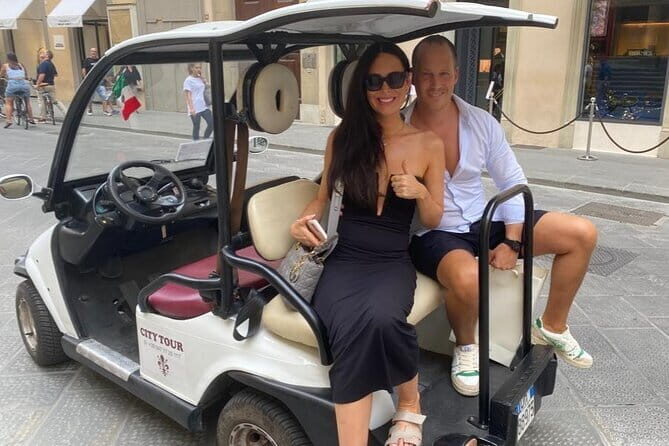
Fiesole is one of those places that helps Florence click. It’s not just a pretty hill above the city. It’s a place where you can see the layers: old city walls and gates, medieval religious life, Roman planning, and modern neighborhoods all stacking into one view.
This experience is built around that idea. You start in Florence’s older urban fabric, then climb into Fiesole, moving from civic squares to convent terraces and down into a working farm atmosphere. The big win is that you get both kinds of payoff: you’ll understand what you’re looking at, and you’ll also feel like you stepped into Tuscany rather than staying only in the museum-and-cathedral loop.
At the price point, the value comes from the structure: many stops are free to enter, and you’re not paying to sit on a bus for the whole time. The time you do pay for is mainly guide time plus the route between places.
You can also read our reviews of more tours and experiences in Florence



Meeting at Caffè Lietta and the Private, Small-Group Feel
You meet at Caffè Lietta, Piazza della Libertà, 6/7/8 Rosso, 50129 Firenze. The tour ends back at the same meeting point, so you don’t have to solve transportation at the end of a hill day.
The experience is private, meaning it’s just your group. That matters in Florence, where shared tours can feel like a game of tug-of-war over sidewalks. Here, you can ask questions, stop for photos, and keep moving at a pace that fits your group.
It’s also offered in English, with mobile tickets. Confirmation arrives at booking. Service animals are allowed, and it’s near public transportation, which is useful if you’re mixing this with other plans.
One practical tip: if you’re serious about photos, wear shoes that work on uneven ground. Even when the ride is easy, some stops are outdoors and you’ll want to position yourself comfortably.
Stop 1: Porta San Gallo and Florence’s Ancient Wall Line
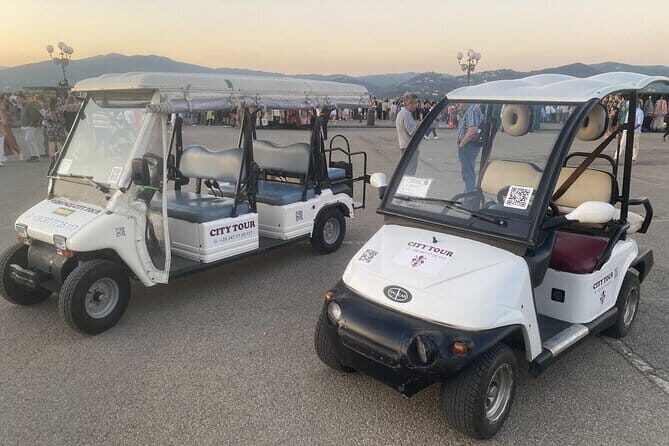
Your first big moment is Porta San Gallo, one of Florence’s monumental gates, built around 1285 as part of the sixth circle of city walls. This isn’t a random decorative stop. A gate like this is how medieval Florence thought about security, entry points, and the direction of growth.
At this point in the day you’re still on flatter ground near the historic center. That helps you settle in, get your bearings, and start seeing Florence as a network of routes rather than a single crowded core. Even if you’re not a big wall-history person, you’ll likely find it gives context fast.
Admission here is free, and the stop is short. It’s more about orientation than lingering, which is exactly what a good start should do.
Piazza Savonarola: A Quiet Square With a Different Side of Florence
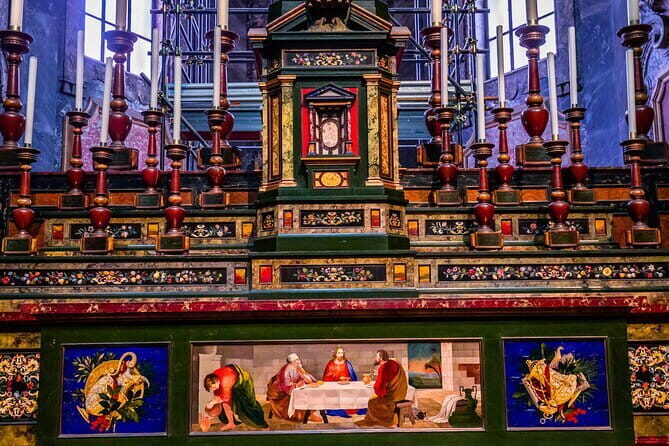
Next comes Piazza Savonarola, an elegant residential square outside the historic center, lined by grand late-19th-century palaces in the Umbertine style. The atmosphere is airy and bourgeois, a nice contrast to Florence’s medieval and Renaissance center-busy feeling.
This stop works well because it breaks the pattern. You’re not jumping straight from one tourist landmark to another. Instead, you get a sense of where Florentines live and how the city expanded beyond the medieval core.
The key practical point: use this stop to notice street rhythms—where the bigger streets open, where side streets narrow, and what that means for getting around later on your own.
Via San Domenico and the Convent of Beato Angelico Views
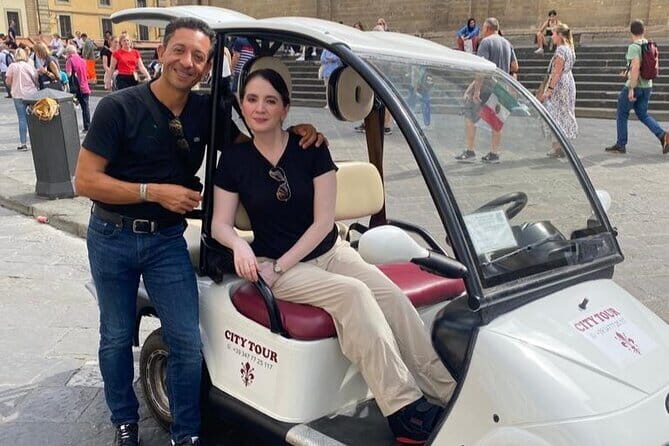
Climbing continues toward San Domenico di Fiesole, a hillside hamlet with the 15th-century Convent of Beato Angelico. The convent is special for two reasons: art history and the way the setting functions like a terrace.
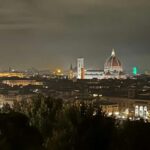
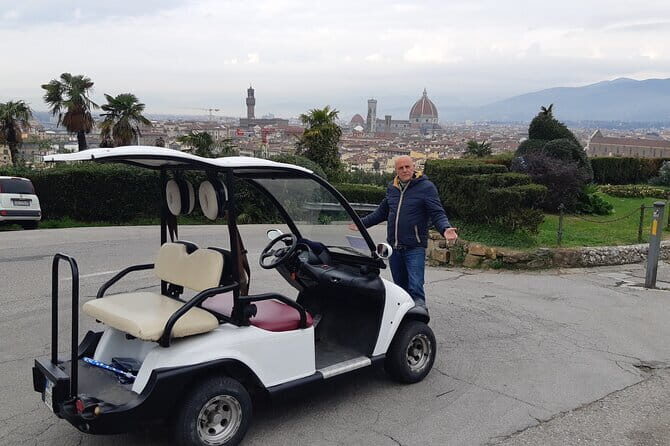
The description of the terrace matters. You’re not just looking at Florence from a distance. You’re seeing how the city sits below you, with the Arno valley extending into the horizon. This is the part that usually turns people from I’ve seen the photos into Oh, that’s what it looks like in real life.
Admission is free here, and the stop is brief. So aim for one or two good views rather than trying to cover everything.
- Tuscany Day Trip from Florence: Siena, San Gimignano, Pisa and Lunch at a Winery
★ 5.0 · 21,634 reviews

Piazza Mino and Faesulae’s Civic Center
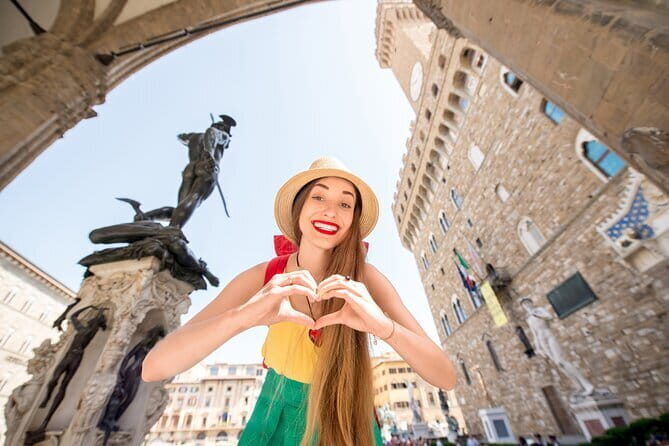
At Piazza Mino, you’re in the vital historic center of Fiesole. This square is built on the ancient Roman forum site, known as Faesulae. That means you’re standing in the civic and religious heart of a city that existed long before modern Florence became the magnet it is today.
The square is dominated by two anchors: St. Romulus Cathedral (Duomo di San Romolo) and the Palazzo Pretorio (town hall). That civic-and-sacred pairing is what you want to notice. It’s a Roman-root idea that keeps echoing through later centuries.
From here, you can choose whether to head to the archaeological area or to the convent area. That flexibility is part of why this stop is useful. If you’re more into ruins, go one direction. If you want peace and views, the next section still delivers.
Admission at Piazza Mino itself is free, and the stop is designed to keep you moving.
Area Archeologica: Roman Theater, Baths, and Etruscan-Roman Temple
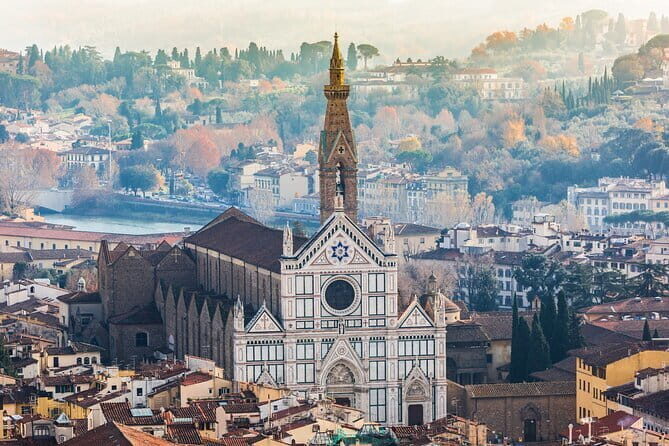
This is the most important add-on in the whole plan. The Area Archeologica includes Roman Theater remains (still used in summer), Roman baths, and an Etruscan-Roman temple. You’re looking at historical layering, from Etruscan roots to Roman structure and later Lombard presence.
Admission here is not included, so you’ll want to decide based on your interest level. If you like architecture and chronology, this is worth budgeting for. If you’re mostly chasing views, you might choose to skip it and focus on the convent and farm.
A practical way to enjoy the ruins without getting lost: pick a focus. For example, spend time orienting yourself to the theater curve first, then glance toward the baths, then scan for the temple traces. That way you don’t spend your limited time bouncing around.
Even with a limited visit window, this stop gives you that rare moment where Florence isn’t just Renaissance. It becomes a place with older bones.
Convento di San Francesco: Quiet Museum Time and Florence From Above
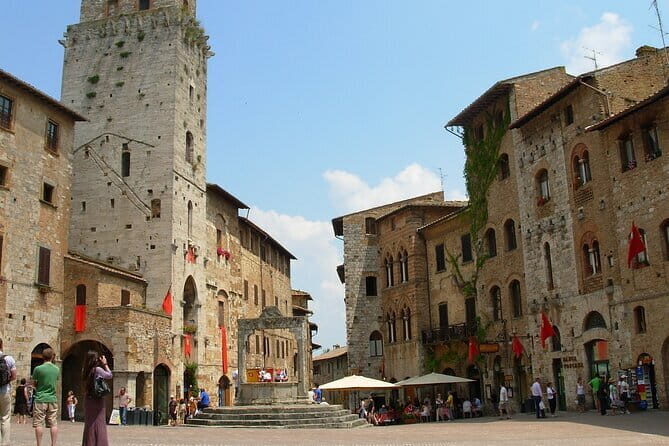
Next is Convento di San Francesco, on top of the hill. It’s described as a humble and tranquil Franciscan complex, and it includes a Missionary Museum. The big payoff though is the view: it’s one of the best and widest panoramic overlooks across Florence and the Arno valley.
This stop is free, and it’s a great counterbalance after the archaeology. Ruins tell you what used to be here. The convent view tells you what you can still feel here—distance, direction, and the sheer scale of the city.
If you’re the type who likes to write quick notes or mark what you’ll visit next, this is an excellent pause point. You can look down, spot major clusters, and make better choices for where to go later.
Fattoria di Maiano: Organic Olive Oil, Gardens, and a Real Rural Break
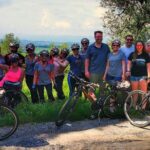
Then you move into something different: Fattoria di Maiano, a centuries-old farm in the Fiesole hills. It’s an organic oasis near Florence, producing award-winning olive oil and offering a blend of botanical gardens, a historic villa, and countryside views.
This is where the tour shifts from sightseeing to a taste of Tuscany as a working place. Even if you don’t have time for a long meal, you’ll get that change of pace—less city geometry, more plant life and gentle slopes.
Admission is free for the stop, which helps value. The main thing to do here is slow down just a bit. Walk the garden paths, look at how the farm structures the land, and take in the olive oil connection. If you’re the kind of traveler who buys one edible souvenir, this sort of stop gives you a story behind it.
Stadio Artemio Franchi and the Arch in Liberty Square
The final stretch returns toward Florence highlights, including Stadio Artemio Franchi, the historic home of ACF Fiorentina. It’s famous for Italian Rationalist architecture: designed by engineer Pier Luigi Nervi, inaugurated in 1931, and known for reinforced concrete forms like the Maratona Tower and cantilever roofs.
This stop is short, but it’s a good reminder that Florence isn’t only stone churches. It also has 20th-century design you can spot from the street.
You’ll also pass by the Arch of Triumph in Liberty Square, built in 1737 to celebrate the arrival of the Habsburg-Lorraine dynasty in Florence, replacing the Medici. It’s an 18th-century symbol filled with celebratory reliefs.
These two architecture moments work together: one is Rationalist structure, the other is dynastic celebration. In a single outing, you see two completely different eras using buildings as messaging.
The Guide Experience: Marcello’s Local Detail and Easy Flow
The experience provider is Marcello, and the guidance style shows up in how the day runs. The pattern is clear: punctual meet-ups, clear explanations, and patience with questions and photo stops.
In the same orbit of guides connected to this kind of tour, I’ve seen examples of people like Marcello, Sophia, and Stefano being praised for adapting the schedule to the group, keeping things comfortable, and making sure you know what you’re looking at. You may also find your guide happy to recommend extra ideas nearby, such as stopping for a drink at a local wine window if the timing allows.
That flexibility is more than nice-to-have. It’s often what separates a fun drive from a useful introduction to the city.
Who This Tour Is Best For (and Who Might Want Something Else)
This works especially well if you’re:
- On your first day in Florence and want a clean orientation
- Interested in Roman-era traces plus hilltop views
- Curious about Tuscany beyond vineyards, with an actual farm stop
- Traveling as a small group who prefers private pacing over crowd logistics
It may be less ideal if you:
- Want long, museum-style time at multiple indoor sites
- Plan to do a very slow, deep exploration of the archaeological area
- Need fully unhurried time at every stop for long photo sessions
The schedule is built for “see it, understand it, move on.” That’s not bad. It’s just a style choice.
Price and Value: What $86.89 Buys
At $86.89 per person for about 2 hours 15 minutes, you’re paying for a guided route that connects a lot of different environments: city gate, residential square, convent terraces, an optional archaeological paid entry, a farm stop, and architecture passes.
Value is best when you take advantage of the free admissions included with many stops. Only the Area Archeologica requires extra payment. That means you can decide to pay for the ruins if you want the deeper dive into Roman and Etruscan layers, while still keeping the rest of the day efficient.
Also, being private helps here. Even when a shared tour might cost less, you lose the ability to stop when your group needs to stop and to ask the exact questions that come up while you’re looking at the view.
Should You Book This Fiesole Tour?
If you want an efficient first taste of the Fiesole hills with real ancient remains and a working farm break, I think this is a strong choice. It’s especially good when you want both perspectives: the Florence city overview and the Faesulae-to-Fiesole story that sits right beneath your feet.
Book it if you like guided context and photo breaks without heavy walking. Skip or adjust your expectations if you need lots of time at the archaeological area or you prefer strictly museum-only pacing.
Either way, this route is a smart way to see why Florence’s skyline has such a strong connection to its hill towns.
FAQ
How long is the tour?
It runs about 2 hours 15 minutes.
What does the tour cost?
The price is $86.89 per person.
Is the tour private?
Yes. It’s a private tour/activity with only your group.
What language is the tour offered in?
The tour is offered in English.
Do I get a mobile ticket?
Yes. Mobile ticket is included.
Which stops have free admission?
The itinerary lists free admission at Porta San Gallo, Via San Domenico, Piazza Mino, Convento di San Francesco, Fattoria di Maiano, and the stadium and Liberty Square stops.
Is Area Archeologica included?
No. Admission to the Area Archeologica is not included.
Where do we meet the guide?
You meet at Caffè Lietta, Piazza della Libertà, 6/7/8 Rosso, 50129 Firenze FI, Italy.
Is there free cancellation?
Yes. You can cancel for a full refund up to 24 hours in advance.
Is the tour accessible for service animals?
Service animals are allowed.
You Might Also Enjoy
More Farms in Florence

More Tour Reviews in Florence
- Tuscany Day Trip from Florence: Siena, San Gimignano, Pisa and Lunch at a Winery
★ 5.0 · 21,634 reviews - The Best tour in Florence: Renaissance & Medici Tales – guided by a STORYTELLER
★ 5.0 · 12,316 reviews