REVIEW · FLORENCE
Florence: Market to Table Cooking Lesson
Book on GetYourGuide →Operated by My Tour in Italy · Bookable on GetYourGuide
A market lesson turns into real cooking quickly. You’ll shop Florence’s central food market with a chef, then make homemade pasta and Tuscan sauces like ragù, bolognese, or pesto. The best part is seeing how meat, fish, and produce get chosen and used in everyday Italian cooking, guided by chefs such as Julio and Emanuele.
One watch-out: this class isn’t for everyone. It’s not suitable for gluten intolerance, and you’ll need to climb and descend stairs during the cooking portion.
In This Review
- Key Things That Make This Class Worth Your Time
- Start at Via Panicale: Where the Class Begins
- Florence Central Market: Learning What to Buy (and Why)
- What you’ll do at the market
- A real-world consideration
- From Market to Kitchen: The 4.5-Hour Rhythm
- Handmade Pasta and Tuscan Sauces: What You’ll Actually Recreate
- The pasta part
- The sauce part: Tuscan-style simplicity, executed well
- Why this section is valuable for you
- Bruschetta, Tagliatelle, and the Kind of Cooking That Feels Fair
- Meat and Fish Courses: The Technique Boost
- Dessert: Tiramisu and the Sweet Finish
- Lunch With Wine: Eating While It’s Still Fresh (Literally)
- The Graduation Certificate: A Small Souvenir With Real Motivation
- What Could Be Annoying on the Day
- Who This Class Is Best For (and Who Might Prefer Something Else)
- Should You Book This Florence Market-to-Table Cooking Lesson?
- FAQ
- How long is the Florence market-to-table cooking lesson?
- Where do I meet for the class?
- Do you visit the central market on Sundays and bank holidays?
- What language is the guide?
- Is this cooking class suitable for gluten intolerance?
- What happens after the market visit?
- Is wine included with lunch?
Key Things That Make This Class Worth Your Time
- Central market first: you learn what to buy by meeting sellers, not just reading labels.
- Hands-on pasta: you’ll roll and work the dough, not only watch it happen.
- Sauce variety: expect Tuscan-style tomato sauces, ragù/bolognese options, and pesto-style flavor building.
- Meat and fish tips: the chef breaks down how to handle proteins for a less-fussy result.
- Wine with lunch: your meal lands right after cooking, paired with Italian wine.
- Graduation certificate: a fun keepsake for home cooks and gift-givers.
Start at Via Panicale: Where the Class Begins
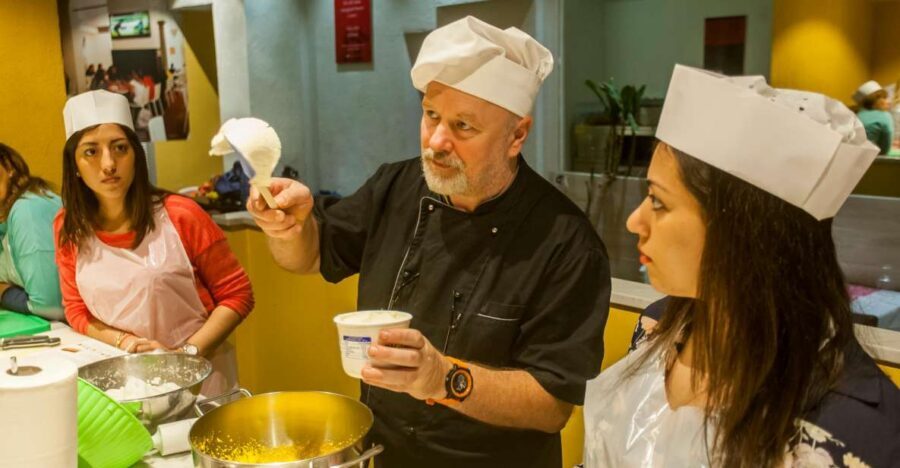
Your experience meets at Via Panicale, 43/r, in central Florence (50123 Firenze). It’s an easy area to orient yourself to after a morning walk, and you’ll be ready to get serious about food fast.
You’ll meet your chef and group before anything gets cooked. From there, the day runs like a mini food mission: shop, learn, cook, eat. It’s a nice change from Florence tours that feel like lots of looking and not much doing.
You can also read our reviews of more shopping tours in Florence
- Cooking Class and Lunch at a Tuscan Farmhouse with Local Market Tour from Florence
★ 5.0 · 4,831 reviews
Florence Central Market: Learning What to Buy (and Why)
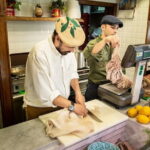
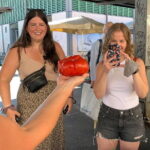
The heart of this experience is the trip to Florence’s central food market. You go with your chef to “shop like locals,” which means you’re not just picking ingredients—you’re learning how Italians think about quality and seasonality.
You’ll get explanations tied to the market’s food world: bakers, butchers, and farmers. That matters because Italian cooking isn’t about fancy techniques—it’s about starting with the right ingredients and respecting them.
What you’ll do at the market
Expect to:
- Walk through the market with your chef
- Get pointed toward typical Tuscan choices (especially for pasta sauces and proteins)
- Often include some tasting along the way, like truffle products (oils, pastes, and cheeses) that can show you how “simple” ingredients create big flavor
A real-world consideration
On Sundays and bank holidays, the central market is closed. In that case, you’ll skip the market visit, so the cooking lesson becomes the main event. If your dates fall on a Sunday, I’d plan to enjoy this more as a cooking class than a marketplace adventure.
From Market to Kitchen: The 4.5-Hour Rhythm
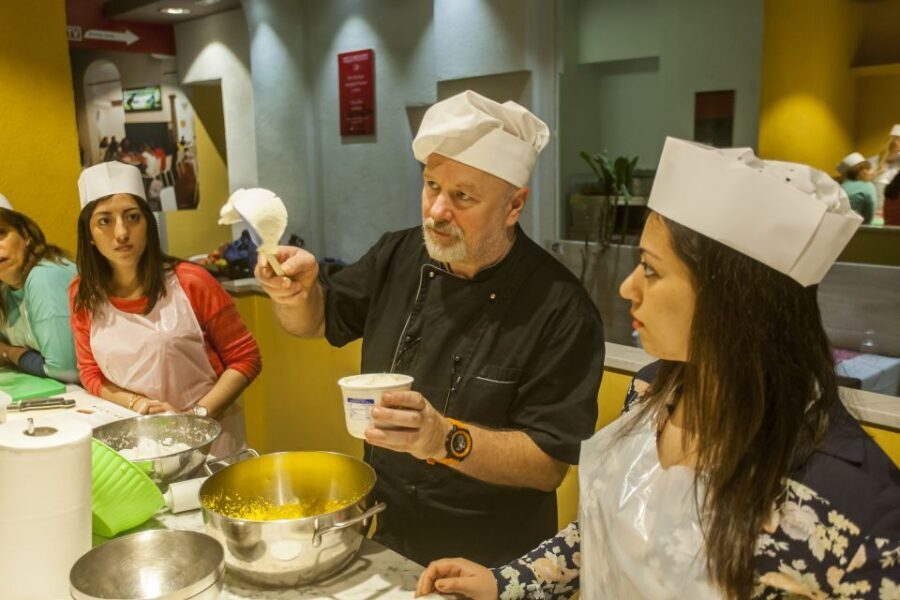
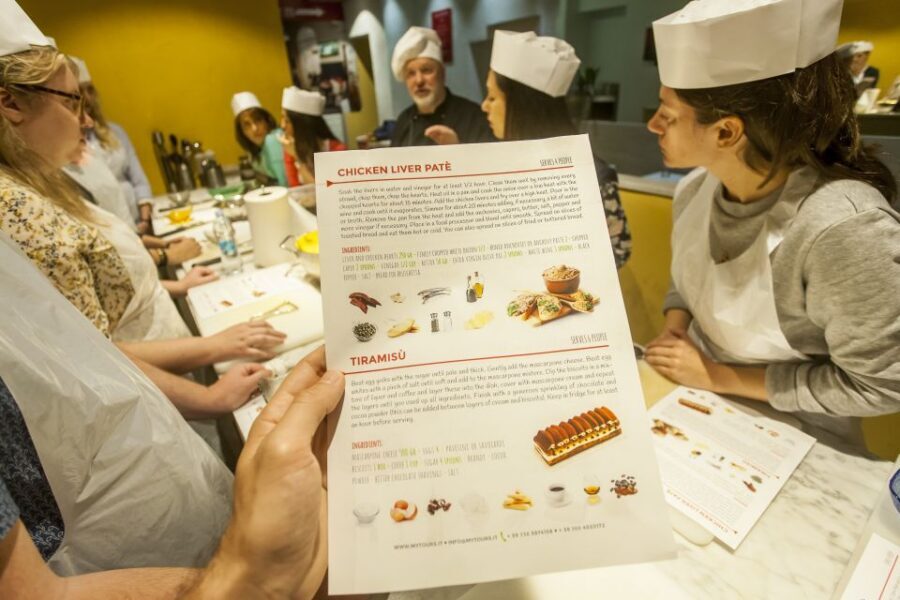
After the market, you’ll ride by minivan to the cookery school. That short transfer is helpful: it keeps the day moving without turning into a long slog around town.
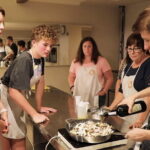
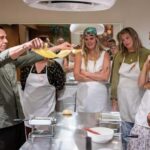
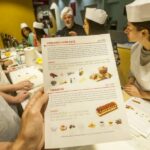
Once in the kitchen, your chef leads you through a sequence that’s designed to feel manageable in about four and a half hours. You’ll do multiple parts of the meal, so you don’t spend the whole time standing around.
In classes led by chefs like Thomas or Antonio, the energy tends to be practical and interactive: you cut, stir, shape, and assemble. The teaching style matters here—when it works, you feel like the kitchen is a classroom, not a stage.
You can also read our reviews of more tours and experiences in Florence
Handmade Pasta and Tuscan Sauces: What You’ll Actually Recreate
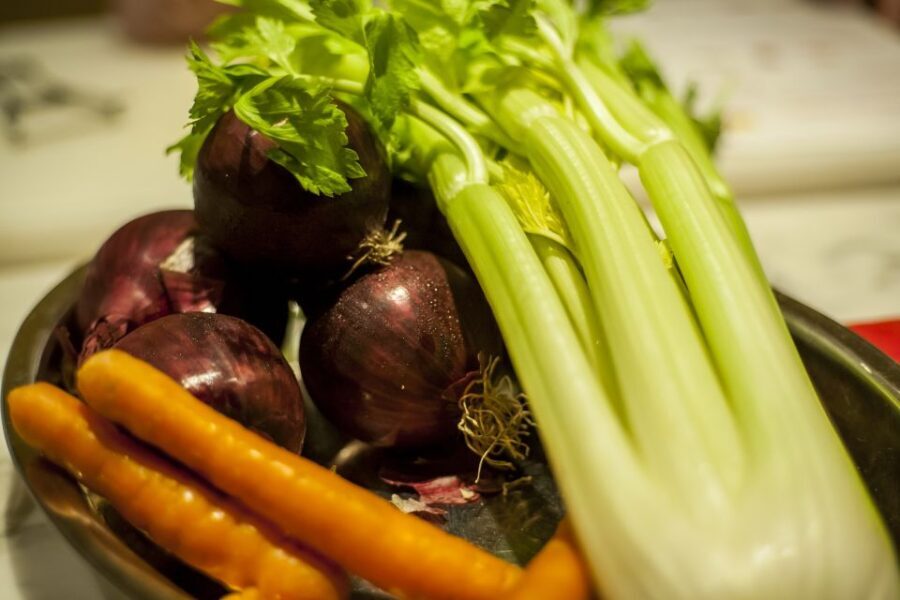
The cooking section is where this class earns its keep. You’re not just tasting Italian food—you’re building it from scratch, with help on the steps that usually trip people up at home.
The pasta part
You’ll make fresh pasta by hand. Even if you’ve cooked before, this is a confidence builder because you learn dough feel and handling basics—how to work it, what “right” looks and feels like, and how to avoid common mistakes.
Some instructors also let each person roll their own pasta dough. That’s a big deal. Rolling and shaping gives you muscle memory, so later you’re not guessing.
The sauce part: Tuscan-style simplicity, executed well
You’ll learn to make Italian sauces using seasonal, fresh ingredients. Typical options include:
- Tomato-based sauces (the kind that taste better because you start with real tomatoes)
- Ragù and bolognese-style meat sauces
- Pesto-style sauce building, where balance matters more than showmanship
The key teaching moment is how the chef links technique to flavor. You’ll hear guidance on timing, texture, and how to adjust while cooking, so your sauce doesn’t just follow a recipe—it responds like a living thing.
Why this section is valuable for you
At home, the hardest part of Italian cooking isn’t having ingredients. It’s knowing the “why” behind a step—when to cook longer, when to stop, and how to recognize the right consistency.
This class gives you that. You leave with not only dishes you can name, but also methods you can reuse.
Bruschetta, Tagliatelle, and the Kind of Cooking That Feels Fair
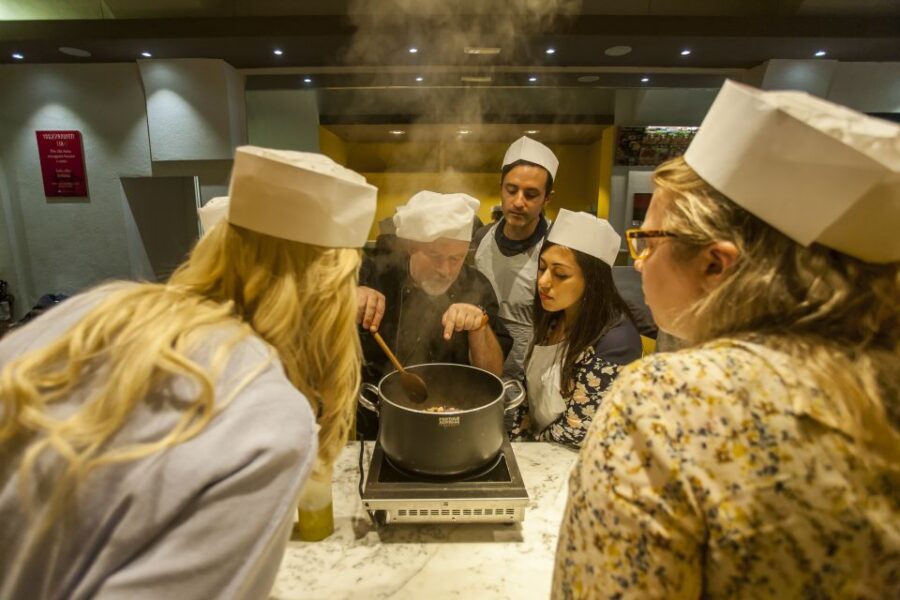
Many versions of this menu include classic starters and pasta shapes—bruschetta is a common example, and tagliatelle shows up as well.
What I like about this structure is that it avoids an all-day marathon. In a few focused steps, you go from prep to finish:
- prep ingredients
- cook a key component (pasta sauce or pasta)
- assemble something you can eat right away
And if your chef teaches with patience (as some, like Julio, have been noted for), you’ll likely get time on hands-on tasks even if you’re slower or newer. That’s how you actually learn instead of just observing.
Meat and Fish Courses: The Technique Boost
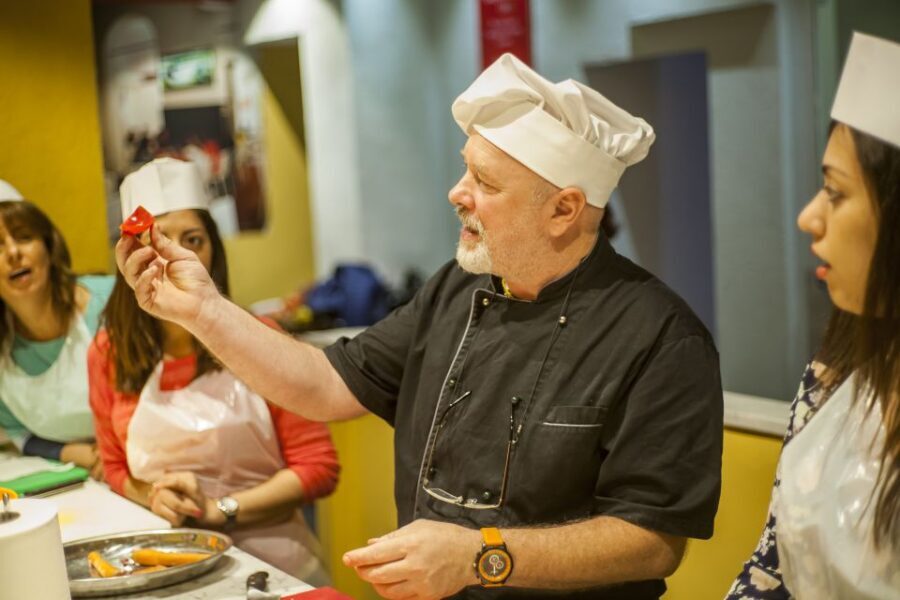
After pasta and sauce, you’ll tackle a meat or fish course. This part is where you learn practical handling tips—things like how to treat the protein so it stays flavorful and doesn’t turn into the usual home-cooking disappointments.
One reason people love these classes is that the chef talks about proteins in the context of Italian choices, not generic “how to cook meat” advice. You get guidance that connects market buying to the kitchen outcome.
If you’re used to recipes that feel too technical, you’ll likely appreciate the simplified approach. Italian cooking here is more about smart steps than complicated equipment.
Dessert: Tiramisu and the Sweet Finish
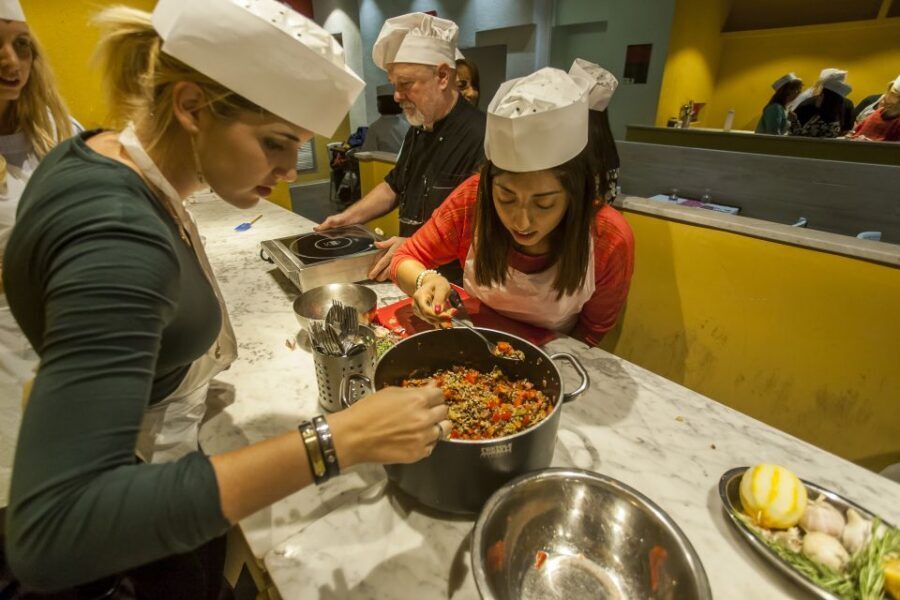
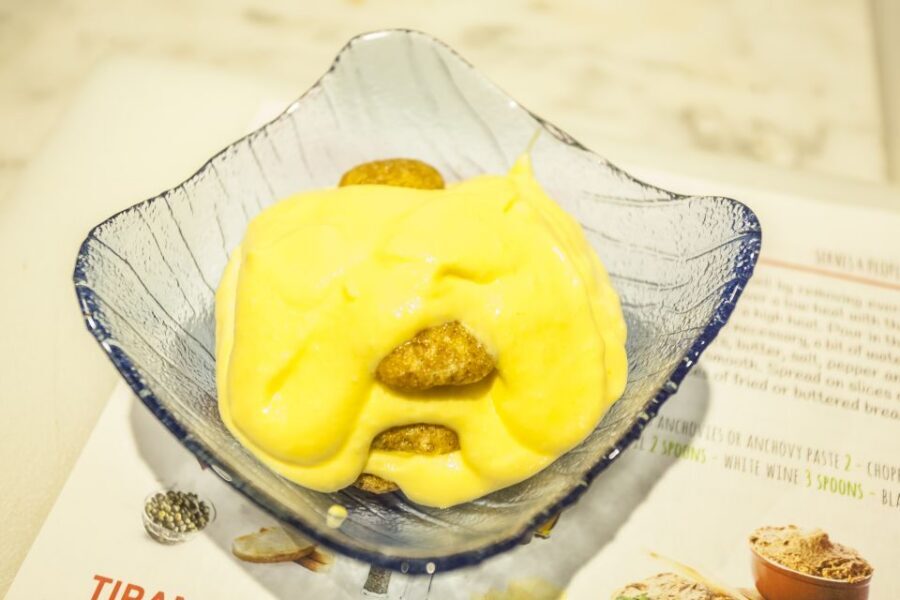
Dessert is usually part of the same tightly planned lesson. Tiramisu is a frequent highlight, and you’ll follow the steps with the chef’s support.
The learning payoff is big because tiramisu isn’t hard in theory, but it demands timing and texture awareness. Watching how your chef handles the assembly—how it’s built and when it’s ready—can save you from the “why did this go wrong” moment later at home.
This is also where the day feels like a full meal, not a cooking demo.
Lunch With Wine: Eating While It’s Still Fresh (Literally)
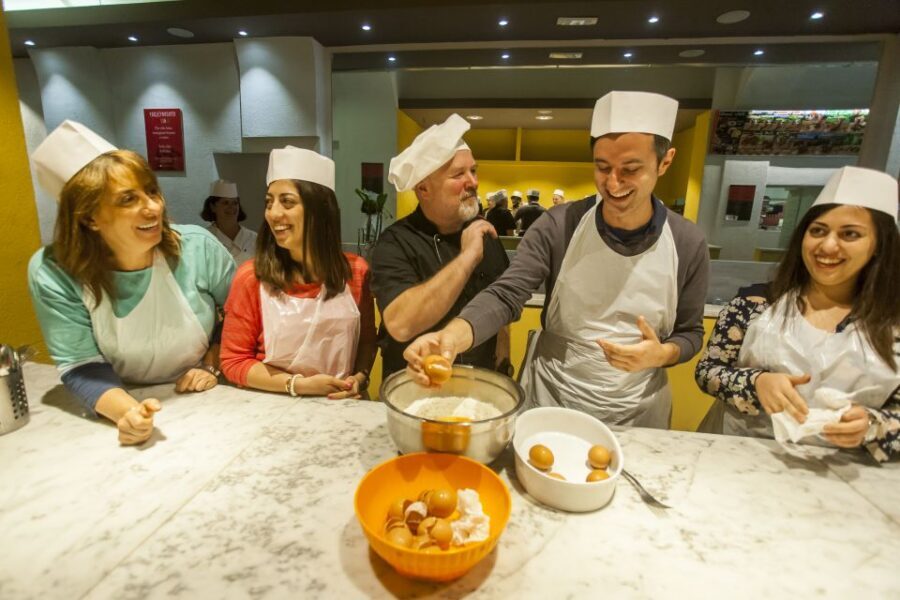
When the cooking finishes, you sit down and eat the dishes you made. Your lunch includes wine—Italian wines paired with what you cooked.
That pairing matters more than it seems. When you taste the food immediately after making it, you connect flavor to choices you just made in the pot. It’s how you learn faster than by reading recipes later.
Also, the communal lunch format helps the experience stick. You’ll talk with your group about what they struggled with and what clicked. It turns learning into a shared win.
The Graduation Certificate: A Small Souvenir With Real Motivation
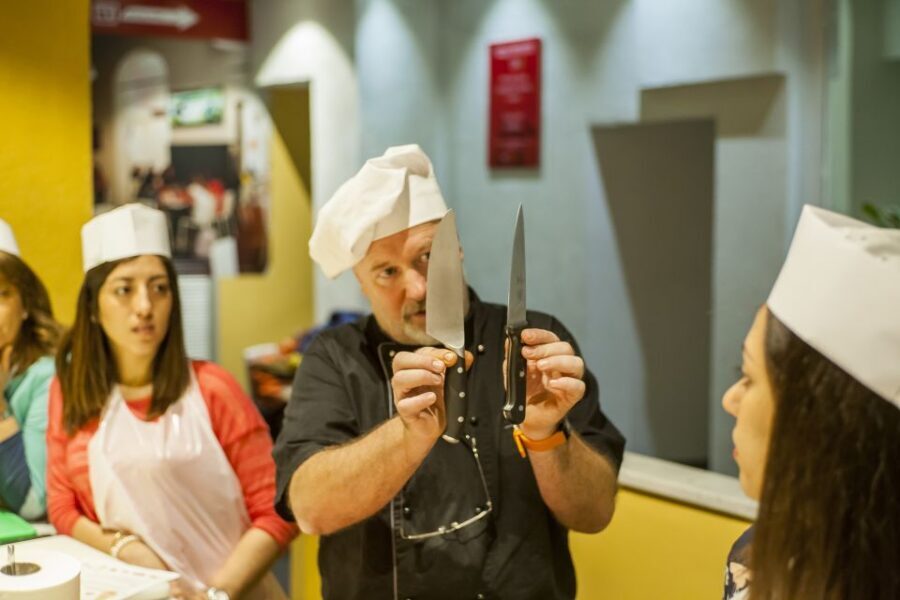
Before you leave, you’ll collect a graduation certificate. It sounds like a gimmick until you remember that many cooking classes end with nothing but a full stomach and maybe a few scribbled notes.
This certificate gives the day a “done” feeling. It’s a fun prompt to cook again at home and show off your new skills.
Then you’ll ride back by minivan to the departure point in the center of Florence.
What Could Be Annoying on the Day
This class is built around a kitchen and a market walk, so it can come with a few friction points. Most are easy to plan around.
Here are the practical ones I’d consider:
- Gluten intolerance: not suitable, so don’t count on substitutions.
- Stairs: you must be able to climb and descend stairs.
- Standing time: some kitchens are set up with plenty of standing space. If you want stools, ask in advance.
- Recipe delivery: a few past participants reported that promised recipes didn’t show up. It’s worth asking whether recipes and any certificate details are provided right away or later.
None of these are deal-breakers for the right person, but they can matter if you’re picky about comfort or you have dietary needs.
Who This Class Is Best For (and Who Might Prefer Something Else)
You’ll probably love this if:
- you want a hands-on Florence experience, not just photo stops
- you care about learning how to shop for ingredients, especially produce and proteins
- you want to take home repeatable skills (fresh pasta, Tuscan sauces, and classic dessert techniques)
- you enjoy small-group, chef-led teaching styles
You might choose something else if:
- you need gluten-free cooking (this one isn’t suitable)
- you’re looking for a deep dive into restaurant history rather than cooking fundamentals
- stairs and standing for parts of the session would be tough for you
Should You Book This Florence Market-to-Table Cooking Lesson?
I’d book it if your goal is to leave Florence able to cook an Italian meal from your own kitchen, with real technique—not just a souvenir recipe card.
The best value here is the blend of market-to-kitchen logic: you learn what makes ingredients work, then you turn that knowledge into pasta, sauces, a protein dish, and dessert. Add in the wine lunch and the fact that many chefs keep the group engaged (with hands-on work like rolling dough), and you get a day that feels both educational and genuinely fun.
If you’re gluten intolerant or stairs are a problem, skip it. Otherwise, for a half-day in Florence, this is one of the more practical ways to spend your time—and one of the few that feeds you twice: first with learning, then with lunch.
FAQ
How long is the Florence market-to-table cooking lesson?
The duration is 4.5 hours.
Where do I meet for the class?
You’ll meet at Via Panicale, 43/r, 50123 Firenze (coordinates: 43.77748489379883, 11.253640174865723).
Do you visit the central market on Sundays and bank holidays?
No. On Sundays and bank holidays, when the central market is closed, the market visit is skipped.
What language is the guide?
The class includes a live tour guide in English.
Is this cooking class suitable for gluten intolerance?
No. It is not suitable for people with gluten intolerance.
What happens after the market visit?
After the market, you’re driven by minivan to the cookery school for the hands-on cooking lesson.
Is wine included with lunch?
Yes. The lunch you eat includes Italian wines.
You Might Also Enjoy
More Markets in Florence
- Cooking Class and Lunch at a Tuscan Farmhouse with Local Market Tour from Florence
★ 5.0 · 4,831 reviews
More Shopping Tours in Florence
- Cooking Class and Lunch at a Tuscan Farmhouse with Local Market Tour from Florence
★ 5.0 · 4,831 reviews
More Tour Reviews in Florence
- Tuscany Day Trip from Florence: Siena, San Gimignano, Pisa and Lunch at a Winery
★ 5.0 · 21,634 reviews - The Best tour in Florence: Renaissance & Medici Tales – guided by a STORYTELLER
★ 5.0 · 12,316 reviews