REVIEW · FLORENCE
Florence Central Market Food Tour with Eating Europe
Book on Viator →Operated by Florence Food Tours by Eating Europe · Bookable on Viator
Markets teach you fast. This Florence Central Market Food Tour turns San Lorenzo’s food streets into an easy lesson in Tuscan favorites, from cantucci with Vin Santo at Il Cantuccio di San Lorenzo to the wine-pairing stop at Enoteca Fratelli Zanobini. I love how the guide connects what you’re tasting to what makes Florence tick, including the Medici legacy inside San Lorenzo Church. One heads-up: you’ll be on your feet for a few hours, and the pacing is built around tastings and walking between crowded market spaces.
What makes this tour a smart use of your time is the tight route and small group size (max 10). It lasts about 3 hours, runs in English, and costs $113.72 per person—often a solid value when you factor in multiple food stops and drinks included with tastings (extra drinks aren’t). It’s also popular, with many people booking about 2 months ahead, so earlier planning helps.
In This Review
- Key Things I’d Plan Around
- Why This Tour Works: Markets, Medici Moments, and Food in One Line
- San Lorenzo Church to Il Cantuccio di San Lorenzo: The Medici Start You Can Taste
- The Leather Market and Central Market: Learning the Shape of Florence Shopping
- Marco Salumi e Formaggi: The Pecorino Window and Cured-Meat Logic
- Mercato Centrale Firenze and Le Lame: Olive Oil, Vinegar, Wine, and the Daily Treasures
- Caffè Del Mercato di Ermal Molla: Coffee, Gossip, and a More Local Kind of Break
- Bambi Trippa e Lampredotto: The Street Food Taste of Florence
- Enoteca Fratelli Zanobini: A Historic Wine Shop with a Serious Label Shelf
- Antica Gelateria Fiorentina: Spot Real Artisanal Gelato Before You Buy
- What You’ll Taste (and Why It’s Built That Way)
- Price and Logistics: Is $113.72 a Good Deal?
- Who This Tour Suits Best (and Who Might Want a Different Style)
- Should You Book This Florence Central Market Food Tour?
- FAQ
- How long is the Florence Central Market Food Tour?
- How much does the tour cost?
- Is the tour in English?
- How many people are in the group?
- What’s included in the tour?
- Are drinks included?
- Can the tour accommodate dietary requirements?
- What about children?
- What is the meeting point?
- Are tips required?
Key Things I’d Plan Around
- San Lorenzo Church first, food second: you start with the Medici connection before tasting begins.
- Old-school wine shops: one stop in a family-run Enoteca with 2,500 labels on hand.
- Real Florence street food: lampredotto and meatballs paired with Sangiovese.
- Small-group attention: with up to 10 people, you get time to ask about what you’re buying.
- Gelato skill check: you learn what makes artisanal gelato look and taste right.
- Vendor relationships matter: the tastings feel relaxed because the guide knows the stalls.
Why This Tour Works: Markets, Medici Moments, and Food in One Line
Florence can overwhelm you fast—stone streets, big sights, and a million “best gelato” opinions. This tour helps because it gives you a simple path: you focus on a few key market areas and get your bearings for where to shop (and what to shop for) afterward.
I like that the experience isn’t just eating. It starts with a sight tied to the Medici family—San Lorenzo Church—so the food stops feel grounded in the same Florence story you’ll see in churches, palaces, and old shops.
Also, the tour is designed for a group dynamic that stays friendly. When I read about guides like Tina, Alice, Kiara, Anto, Ely, Francesco, and Gaia, the pattern is the same: great energy, clear explanations, and comfortable vendor chats. That matters, because in markets, confidence beats confusion.
You can also read our reviews of more food & drink experiences in Florence
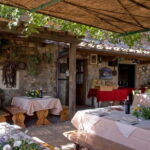
San Lorenzo Church to Il Cantuccio di San Lorenzo: The Medici Start You Can Taste
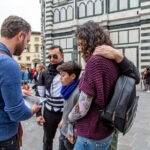
The opening stop is San Lorenzo Church, one of Florence’s oldest and most important churches, closely tied to the Medici family. Inside, you’ll see the Medici Chapels, including Michelangelo’s sculptures and the ornate Chapel of the Princes.
This part works even if you’re not a hardcore art person. It sets a context for why Florence’s elite families cared about culture and patronage—then the tour immediately turns that culture into food. The switch from stone and marble to a cookie-and-wine ritual keeps the pace from turning into a lecture.
Then you move to Il Cantuccio di San Lorenzo for freshly made cantucci (Tuscan biscotti) paired with Vin Santo. This is a classic local pairing, and the format is straightforward: you taste the biscuit first, then you pair it with the naturally sweet wine. If you’ve ever wondered why regional foods have rituals, this stop answers that in a few bites.
Potential drawback: this early section can feel a bit more “sight-first” than purely food-only tours. If you’re the type who wants maximum food ASAP, plan to treat this as a warm-up that pays off when the tastings start.
The Leather Market and Central Market: Learning the Shape of Florence Shopping
After the church, you get the San Lorenzo outdoor leather market. This is one of Florence’s liveliest open-air areas, filled with stalls selling leather goods, scarves, and souvenirs. It’s not just window-shopping. It’s your chance to watch how vendors display products and how shoppers move through the lanes.
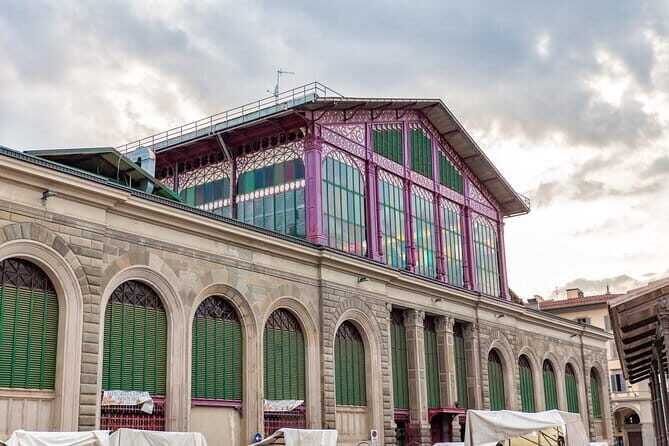
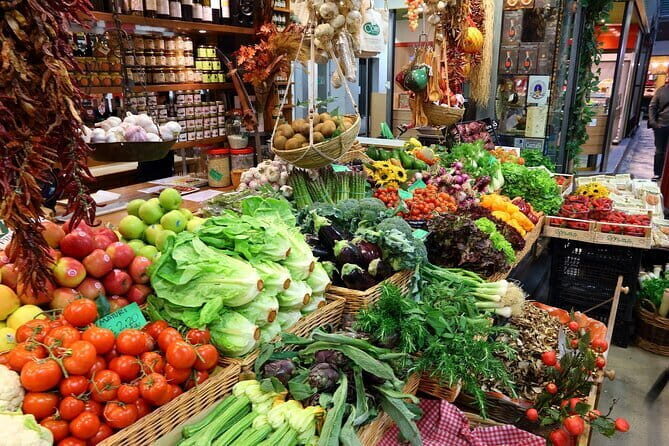
Next up is the Central Market area, the famous 19th-century iron-and-glass landmark that’s built for food. You’ll see traditional food stalls on the ground level and a food hall upstairs. This is useful because Florence’s best buying habits are partly visual—you learn what looks fresh, what gets stocked daily, and what people actually line up for.
A practical tip: arrive hungry, but don’t over-hunt snacks before your stops. Markets tempt you with tiny bites and quick buys. The tour tastings are timed so you don’t get too full too early, especially before the cheese-and-meat segment.
Marco Salumi e Formaggi: The Pecorino Window and Cured-Meat Logic
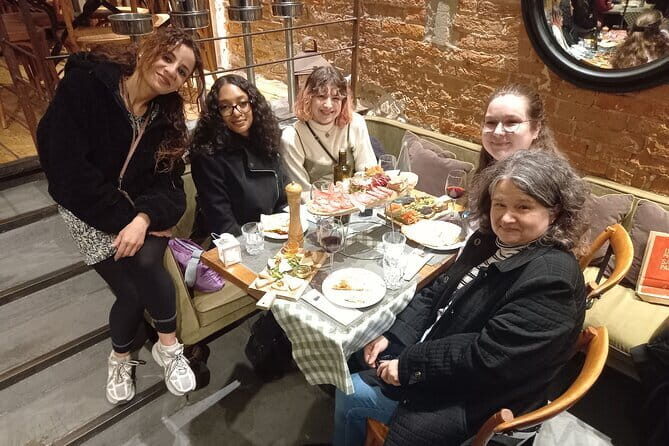
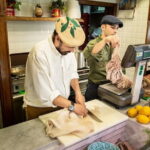
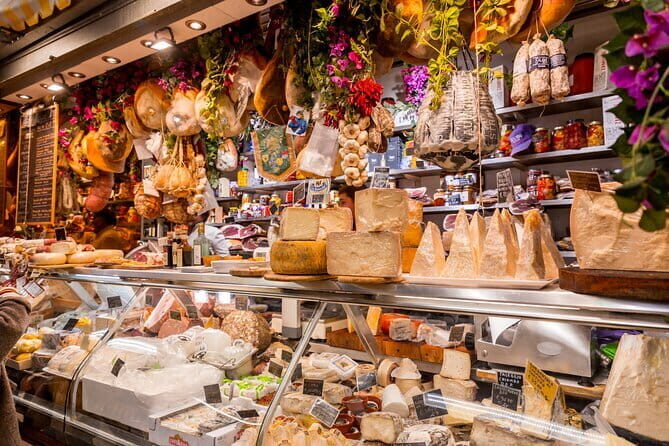
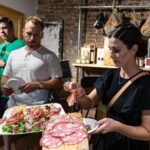
At Marco salumi e formaggi, you meet Marco, a market legend who’s been selling Tuscan cheeses and cured meats for 40 years. The standout here is the pecorino window with 46 varieties—yes, 46—and you’ll get to taste local favorites.
What I like about this stop is that it teaches you how to order later. If you walk into a cheese stall without a plan, you can end up buying something random that doesn’t travel well or doesn’t match how you eat. Here, you taste your way toward what makes sense for you, whether you’re into nutty, bold, or sharper flavors.
It’s also one of the stops where the guide’s job really shows. When you get a chance to ask what pairs well with what (and how to shop for truffle options without overpaying), you walk away smarter, not just stuffed. And if truffle cheese shows up in your “favorite” pile, don’t act surprised—this is Tuscany.
Mercato Centrale Firenze and Le Lame: Olive Oil, Vinegar, Wine, and the Daily Treasures
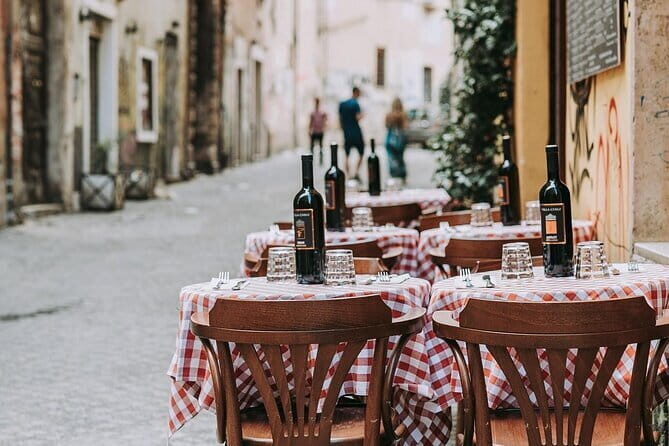
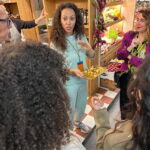
You’ll spend time at il Mercato Centrale Firenze, with a stop connected to the Le Lame stand run by the same family for generations. This is where the tour leans into Tuscan staples from the hills: olive oils, vinegars, wines, liqueurs, and traditional flavors.
The tastings focus on variety. You’ll try a selection of organic products, which makes this a great stop for anyone who wants to buy “real Florence pantry goods,” not just souvenirs. Olive oil and vinegar are also a smart budget move: a few bottles can feed you well for weeks.
One consideration: if you’re traveling with limited luggage or you’re flying with strict rules, buy planning matters. The best strategy is to taste first, then decide. Don’t commit to a whole cart because someone suggests a perfect bottle. Markets are persuasion machines.
You can also read our reviews of more tours and experiences in Florence

Caffè Del Mercato di Ermal Molla: Coffee, Gossip, and a More Local Kind of Break

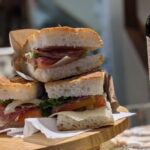
Next comes Caffè Del Mercato di Ermal Molla—specifically Bar del Mercato—where vendors gather for coffee, wine, and the kind of market conversation you don’t get from a brochure. You’ll stop here to enjoy one of Florence’s best coffees.
This is a welcome change of pace. After several food-focused stops, you get something lighter and social. It also helps you reset your palate before you jump into the heavier street-food tasting later.
Also, this pause is part of the value. You’re not only eating; you’re seeing how people actually take breaks in this neighborhood. That gives you better instincts for where to return on your own.
Bambi Trippa e Lampredotto: The Street Food Taste of Florence
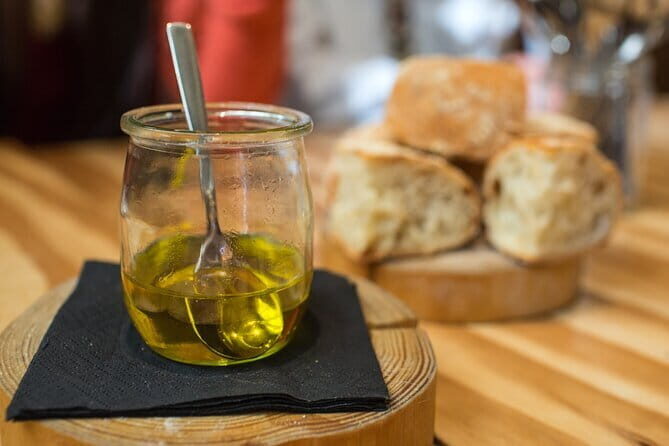
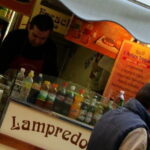
If there’s one stop that screams Florence in a way museums can’t, it’s Bambi Trippa e Lampredotto. This is tied to the Bambi family and their century-old recipe for lampredotto.
You’ll also taste Tuscan meatballs, and the pairing here is Sangiovese wine. This combination makes sense in practice: lampredotto is rich, and a bright local wine helps keep it from feeling heavy.
Practical advice: if you’re sensitive to adventurous offal dishes, you’ll want to check your comfort level before committing. The tour is built to experience “true Florentine street food,” not a safest-possible menu.
Why I think this stop matters: it gives you a story you can share later. You’re not just tasting a dish—you’re tasting a tradition tied to how people eat close to work and daily routines.
Enoteca Fratelli Zanobini: A Historic Wine Shop with a Serious Label Shelf
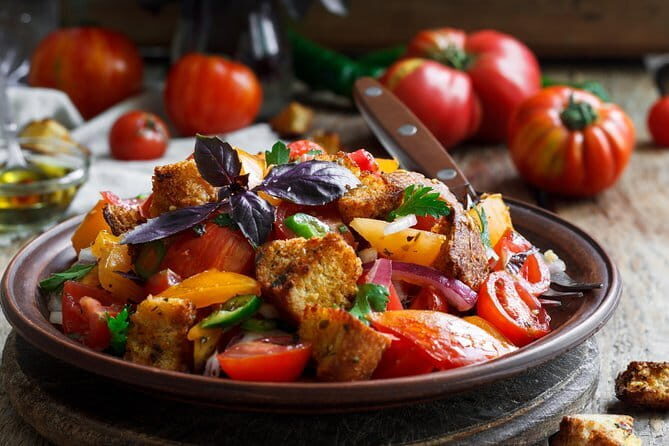
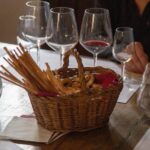
The tour’s wine side gets more traditional at Enoteca Fratelli Zanobini, a historic wine shop run by three generations of sommeliers since 1944. You’ll browse 2,500 labels, then enjoy two wines from the family’s own farm paired with a main course brought from the market.
This is one of those stops that’s hard to replicate on your own unless you already know where to look. You get guidance and pairing context, which turns wine shopping from guesswork into something you can actually act on later.
It also answers a common question: how do you choose a bottle you’ll enjoy at home? Taste, compare, and learn what the shop emphasizes. You’ll likely walk away with a “buy list” that fits your tastes, not someone else’s trend.
Antica Gelateria Fiorentina: Spot Real Artisanal Gelato Before You Buy
You end at Antica Gelateria Fiorentina, where you learn how to spot real artisanal gelato. The focus is on color, texture, and temperature—details that sound small until you’ve tasted the difference.
Then you taste two flavors, including the shop’s signature creations. This stop is the perfect wrap because it turns everything you learned into a final sensory “checkpoint.” If you take gelato seriously, this is the kind of advice you’ll use all trip.
My one note: gelato can be a little tricky right after wine and street food. So go slow. Small bites help you actually taste each flavor instead of forcing it through a sugar-and-salt pile.
What You’ll Taste (and Why It’s Built That Way)
This tour is structured so each stop teaches you something you can use later in Florence:
- Classic pairing rituals: cantucci with Vin Santo
- Cheese variety and selection logic: pecorino across many styles
- Tuscan pantry staples: olive oil, vinegar, and organic products
- Street-food realism: lampredotto and meatballs with Sangiovese
- Wine-shop tasting and pairing: farm wines with a market main course
- Gelato quality signals: how it should look and feel
You’ll also get plenty of “what to buy” insider tips, often the part that turns a food tour from fun into useful. Even if you don’t buy anything fancy, you’ll leave with a short list of flavors and products to hunt down in the right places.
Price and Logistics: Is $113.72 a Good Deal?
At $113.72 per person for about 3 hours, this tour can be good value if you like tastings and you’d otherwise spend money guessing where to eat and what to buy. The price isn’t just the walking. It includes a guided route, local English-speaking guide support, and a set of tastings across multiple vendors and shops.
Two cost-related details to keep in mind:
- Extra drinks aren’t included, so don’t assume everything is free-flow.
- Gratuities aren’t included, so you should budget a tip if you feel the guide earned it.
Also, the tour runs with a maximum of 10 travelers. That’s a big deal for value because it usually means fewer people competing for time with the guide and more chances to ask questions at each stop.
Logistically, it starts at Piazza di Madonna degli Aldobrandini and ends back at the meeting point. That’s helpful if you’re planning the rest of your day and don’t want a complicated transit puzzle afterward.
Who This Tour Suits Best (and Who Might Want a Different Style)
This tour is ideal if you want:
- a fast, guided way to understand Florence’s market culture
- multiple tasting stops instead of a single long sit-down meal
- practical buying ideas for cheese, cured meats, oils, vinegar, wine, and gelato
It’s also a nice fit for first-timers. The route covers two major market zones and a wine shop that you might not find on your own without specific research.
If you want a quiet, slow, fully seated experience, this may feel too active. Markets mean walking, standing, and some close-quarters crowd energy.
For dietary needs, you can usually request accommodations like vegetarian or gluten-free by emailing or adding a note at booking. The tour isn’t suitable for people with severe or life-threatening allergies to ingredients found on the tour, so if that’s your situation, check carefully.
Should You Book This Florence Central Market Food Tour?
I’d book it if you like the idea of learning Florence through what people eat every day—plus you want a guide who can connect tastings to where to buy and what to choose next. The route hits the big landmarks (San Lorenzo Church and Central Market) and then gets practical with cheese, street food, wine shop culture, and gelato quality checks.
Skip it only if you strongly prefer purely restaurant meals, want a totally seated format, or have allergy concerns that might make the tasting portion unsafe.
Bottom line: for many visitors, this is the kind of tour that gives you both full stomach and better decisions for the rest of your trip.
FAQ
How long is the Florence Central Market Food Tour?
It runs for about 3 hours.
How much does the tour cost?
The price is $113.72 per person.
Is the tour in English?
Yes. The tour is offered in English.
How many people are in the group?
This experience has a maximum of 10 travelers.
What’s included in the tour?
You explore San Lorenzo market areas and tastings of local specialties, you meet families connected to Tuscan culinary traditions, you receive local English-speaking guidance, and you get insider tips. Tastings mentioned can vary by day or season.
Are drinks included?
Some drinks are included as part of tastings, but extra drinks are not included.
Can the tour accommodate dietary requirements?
The tour tries to accommodate vegetarians, gluten-free guests, or other dietary needs if you email or add a note at booking. It is not suitable for those with severe or life-threatening food allergies to ingredients found on the tour.
What about children?
Children under 4 can join free, but food is not included. Tickets with food are available for ages 4 and up.
What is the meeting point?
The tour starts at Piazza di Madonna degli Aldobrandini, 50123 Firenze FI, Italy, and it ends back at the meeting point.
Are tips required?
Gratuities are not included, so you may want to plan a tip for your guide if you feel it’s deserved.
You Might Also Enjoy
More Food & Drink Experiences in Florence
- San Gimignano, Siena, Monteriggioni, Chianti Day Trip with Lunch & Wine Tasting
★ 4.5 · 4,432 reviews
More Tours in Florence
- The Best tour in Florence: Renaissance & Medici Tales – guided by a STORYTELLER
★ 5.0 · 12,316 reviews
More Tour Reviews in Florence
- Tuscany Day Trip from Florence: Siena, San Gimignano, Pisa and Lunch at a Winery
★ 5.0 · 21,634 reviews - The Best tour in Florence: Renaissance & Medici Tales – guided by a STORYTELLER
★ 5.0 · 12,316 reviews