REVIEW · FLORENCE
Florence Cooking Course with Historic Local Market Visit
Book on Viator →Operated by CAF Tour and Travel · Bookable on Viator
Florence food days don’t get much more real than this one: you shop Mercato Centrale like locals and then cook Tuscan dishes you’ll actually be able to repeat at home. I especially love the built-in tastings and product talk at the market, then the hands-on kitchen time where you make four courses and sit down together for lunch with wine. The main drawback to plan for is timing: you must show up right at check-in at Piazza di San Lorenzo or you can lose your spot.
This is also one of those experiences where your group size matters. With a maximum setup of 15 people per chef, the class feels more personal, and you get enough attention to move from chopping to plating without guessing. Still, the walk between the market area and the cooking school can be a lot for some feet—especially if you’re visiting during busy times.
In This Review
- Key Things To Know Before You Cook
- San Lorenzo Market Shopping: The Part That Makes It Worth It
- Walking to the Cooking School: Where the Pace Changes
- Your Tuscan Menu: Starter, Two Mains, and Dessert (Plus Wine)
- How “hands-on” typically feels in practice
- Lunch With Drinks: Sitting Down Is Part of the Lesson
- The Real Value: Recipes You Can Use Back Home
- Who This Cooking Course Fits Best
- Price and Value: Why This Sits in the Sweet Spot
- Practical Tips So Your Day Goes Smoothly
- Should You Book This Florence Market-and-Cook Class?
- FAQ
- Where does the experience start?
- What time does the class begin?
- How long is the experience?
- How much does it cost?
- Is it offered in English?
- How big is the group?
- Is it vegetarian-friendly?
- Are children allowed?
- Is it safe for celiacs?
- What’s included in the price?
- What is not included?
Key Things To Know Before You Cook
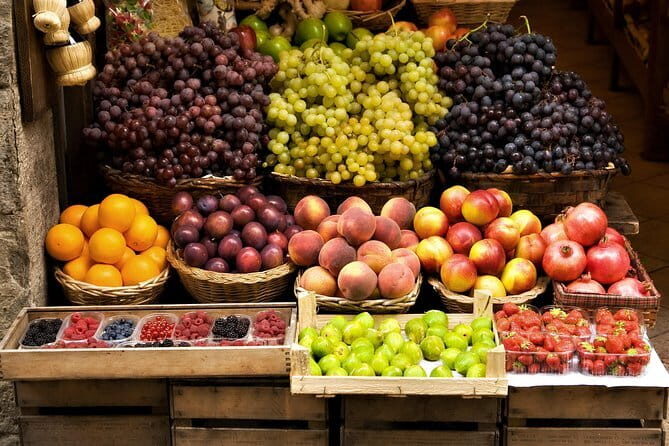
- Mercato Centrale shopping time feels like local life, not just a photo stop
- Hands-on cooking with multiple courses (starter, two mains, dessert) and a shared lunch
- Small-group format: up to 15 per chef, so questions don’t disappear
- Wine is part of the meal, with the food pacing the day
- You get recipes to take home, aimed at home cooking rather than showy techniques
- Go in with dietary info ready: vegetarian is supported if you tell them ahead
San Lorenzo Market Shopping: The Part That Makes It Worth It
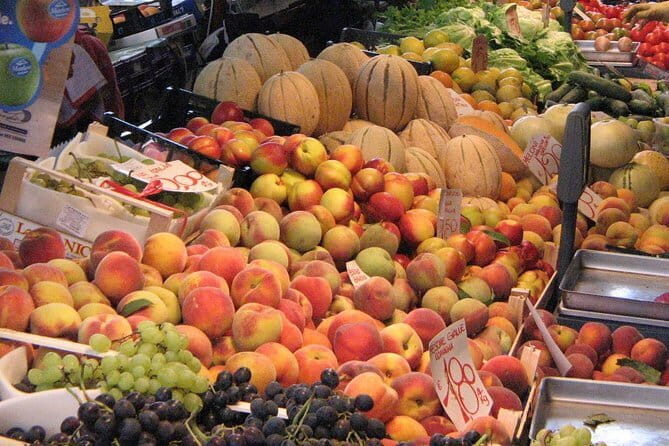
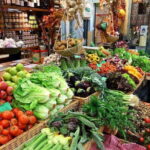
Your day starts in central Florence at Piazza di San Lorenzo, right in the thick of the city. From there, you head into the historic market setting at Mercato Centrale (often called the San Lorenzo market area). This is where the experience earns its keep: the market visit isn’t just shopping for ingredients. It’s a guided walk through how stall owners and regulars move, talk, taste, and negotiate.
What I like most is the way the chef/guide uses the market stalls as a classroom. You learn what real Tuscan pantry ingredients look like, and you pick up clues for how local flavors get built. In the menus people mention—think truffle, olive oil, balsamic vinegar, and cheeses—most of the interest comes from knowing what you’re buying and why it matters.
You also get that market rhythm where you’re not standing around. You’ll see producers, smell the foods, and usually get small tastings along the way. That helps a lot later in the kitchen, because the ingredients stop being abstract.
One small planning note: the market is a public space, so it’s busy and you’ll be walking. If you’re sensitive to crowds or standing time, wear comfortable shoes and expect to move.
You can also read our reviews of more historical tours in Florence
Walking to the Cooking School: Where the Pace Changes
After the market, you walk from the market area to the cooking school. The walk is usually short—often described as about 10 to 15 minutes—but it can still feel like a lot if you’re already on your feet from the morning shopping.
This transition is important. It’s where the day goes from exploration to execution. Your group regroups, and the chef resets expectations: what you’re cooking, how you’ll work, and how the courses fit together.
You’ll be in a kitchen setting with a professional chef running the class. In the feedback for this operator, names like Francesco, Caterina, Noemi, Greta, and Stefano show up as instructors, and the common thread is clear instruction plus a friendly vibe. Some classes lean more humorous, some more formal, but the goal stays consistent: make sure you can cook the menu, not just watch it.
Bottom line: if you want a cooking class that starts with context and ends with skills you can use, this market-to-school flow is a big part of why it works.
Your Tuscan Menu: Starter, Two Mains, and Dessert (Plus Wine)
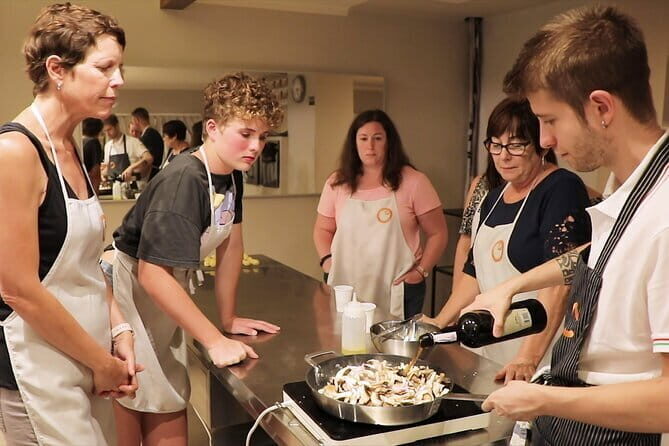
The class typically leads you through a full Tuscan meal in four parts. The exact menu can vary, but the structure stays the same: starter, two mains, and dessert—plus drinks and wine.
A sample menu you’ll often see includes:
- Starter: Croutons with black cabbage and beans
- Main 1: Pappardelle with truffle
- Main 2: Peposo beef stew
- Dessert: Cantucci with vin santo
That mix is smart for a few reasons. You don’t just make one “Italian thing.” You get practice across different styles:
- a starter that teaches texture and seasoning basics,
- fresh pasta (or at least pasta-focused technique),
- a slow-cooked meat stew style,
- and a dessert that fits Italian rhythm without requiring a pastry degree.
Even when people mention that the menu and hands-on time can vary by class size, the consistent takeaway is that the courses are built to be doable. Many guests highlight that the dishes feel replicable at home, which is the difference between a great show and a great class.
How “hands-on” typically feels in practice
In a well-run session with a chef and a maximum class setup, you should expect plenty of participation—stirring, chopping, assembling, shaping, and cooking steps you can explain later. Feedback often praises that you do a lot of the work, not just a few tasks.
Still, one reality check: kitchens have space, stoves have limited burners, and groups need to rotate. Some people report that with larger groups, instruction can feel a bit stretched and some steps lean more into prep than active cooking. The best way to prevent frustration is to go in expecting you’ll do a mix of hands-on work—prep plus cooking—rather than one uninterrupted “cook-only” experience.
Lunch With Drinks: Sitting Down Is Part of the Lesson
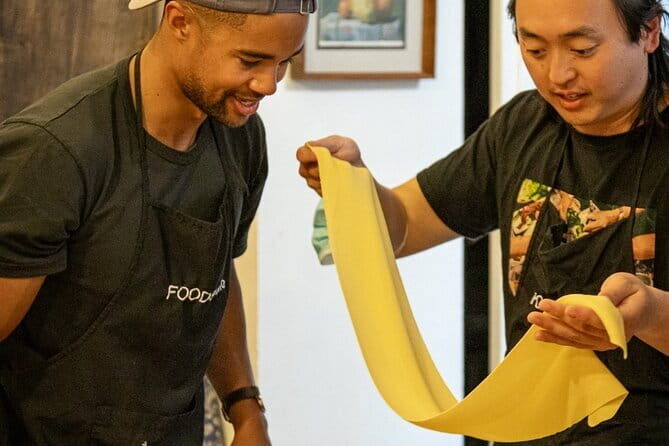
Once the cooking’s done, you eat the meal you made. This is where the day clicks into place, because food in Italy is social and you learn faster when you’re sharing a table.
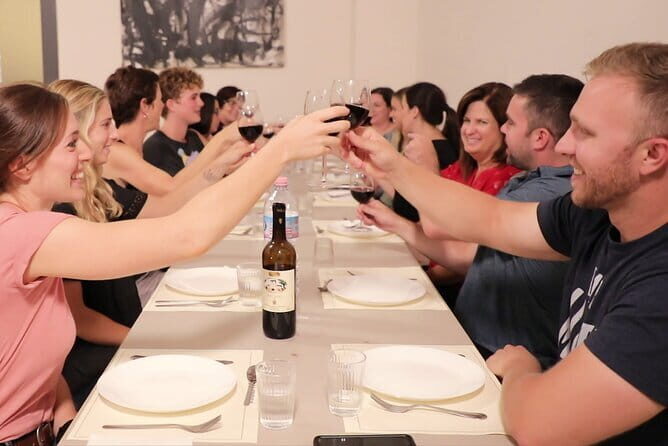
Most classes include lunch with drinks, and wine is poured to complement the meal. People mention wine pairing being a good match, and they also mention generous portions—so plan to pace yourself if you’re also walking afterward.
Sharing the finished dishes with the group matters more than it sounds. You taste what you made, notice what’s balanced, and hear quick conversations from other people—often about the ingredients you used at the market. It turns the morning market tastings into an actual meal memory, not a disconnected snack tour.
You can also read our reviews of more shopping tours in Florence
- Cooking Class and Lunch at a Tuscan Farmhouse with Local Market Tour from Florence
★ 5.0 · 4,831 reviews

The Real Value: Recipes You Can Use Back Home
After the class, you get Italian recipes to take home. This is one of the best ways to judge value: a good cooking course gives you a plan you can follow later, not just the satisfaction of a full stomach in Florence.
In feedback, people repeatedly mention that dishes are simple enough to recreate and that the recipes make the steps clearer. That’s exactly what you want if you’re buying this for skill-building.
My practical advice: when you get the recipes, also write down what you remember from the market shopping—things like which oil or flavor you chose, what the chef said about how to season, and any timing notes. Those are the details that turn “I cooked this before” into “I cooked this like Italy.”
Who This Cooking Course Fits Best
This is ideal if you want:
- a Florence experience that’s not only sightseeing,
- a market visit that teaches ingredients, not just shopping,
- a small-group kitchen day with a real chef,
- and a meal you didn’t just buy—you made it.
It’s also a solid choice if you like eating well and want your day to feel structured without being rigid. The pacing—market first, then kitchen, then lunch—keeps you moving and focused.
A few fit notes based on what’s clearly stated:
- Vegetarian is suitable if you inform them in advance.
- Kids under 10 aren’t admitted, so this is more of an adult-and-older-kid option.
- If you’re dealing with celiac disease, it’s important to know that severe/contact cases may not be able to attend due to probable contamination.
- Classes are offered in English only from November 1, 2024 through March 31, 2025.
If your travel style is “I want to learn something I can use,” this class usually delivers. If your travel style is “I want the maximum amount of cooking minutes,” you might want to pick a smaller group date or at least go in mentally prepared for rotations.
Price and Value: Why This Sits in the Sweet Spot
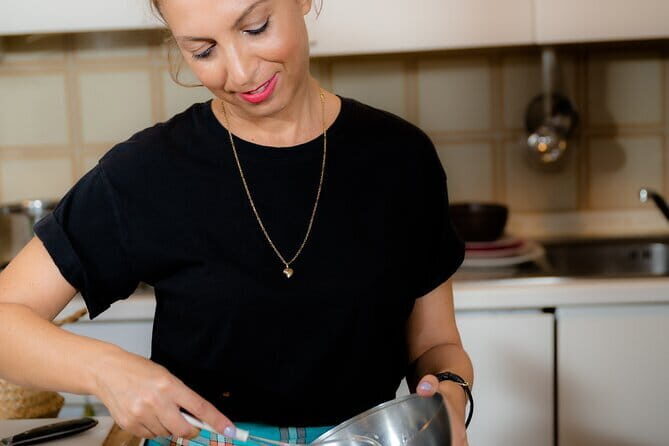
At $95.58 per person for around five hours, you’re paying for more than a kitchen lesson. You’re getting:
- a guided walk through the historic market area with product talk and tastings,
- ingredient shopping for a full meal,
- cooking instruction by professional chefs (small group size),
- lunch with drinks and wine,
- and recipes to take home.
Cooking classes in Europe can jump in price fast, especially when they include more than just the kitchen. Here, the market time is the differentiator. You’re paying for an instructor to translate what you’re seeing into what you’re cooking later.
So the value feels strongest if you want both halves: market context and kitchen execution. If you only want to cook and would skip the market, then you might consider a simpler cooking class. But if you like food as a system—ingredients first, then technique—this price makes sense.
Practical Tips So Your Day Goes Smoothly
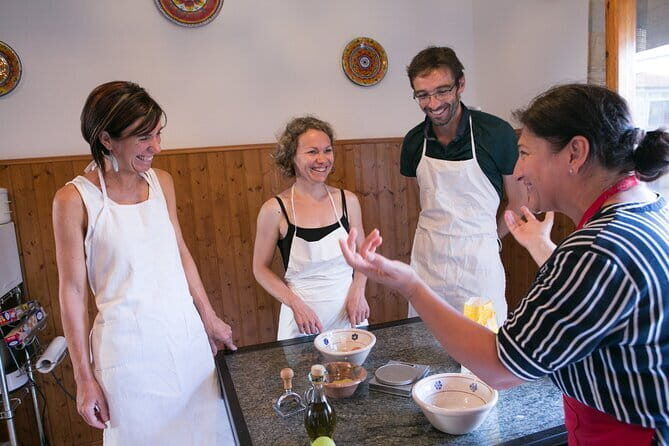
A few things will help you enjoy the experience without stress:
- Arrive early and at the exact meeting point on time. The start is 9:50 am and late arrivals can’t join once the group has moved on.
- Wear comfortable walking shoes for the market and the walk to the cooking school.
- If you have food intolerances or allergies, tell them in advance.
- If you’re planning your schedule, remember the day ends back at the meeting point, so it’s easiest if you don’t book another far-away activity right afterward.
- Bring curiosity. The best parts of this day are the ingredient conversations—like the ones people mention around truffle, olive oil, and balsamic.
Should You Book This Florence Market-and-Cook Class?
I’d book it if:
- you want a real Tuscan meal made with market ingredients,
- you like small group classes with a chef who explains as you go,
- you want recipes that help you cook again at home,
- and you enjoy the market experience as much as the cooking.
I’d think twice if:
- you’re worried about walking or standing for a market visit,
- you need very strict gluten-free accommodations (especially for severe/contact celiac),
- or you expect every minute to be high-intensity cooking. Some steps will be more prep and rotation than continuous stove time.
If your goal is a flavorful, structured Florence day that combines local food culture with hands-on cooking, this one hits the mark. Just show up ready, and let the market set up your kitchen success.
FAQ
Where does the experience start?
It starts at Piazza di San Lorenzo, 50123 Firenze FI, Italy, with a meeting point setup and assistance at the location.
What time does the class begin?
The start time is 9:50 am.
How long is the experience?
It runs for about 5 hours (approx.).
How much does it cost?
The price is $95.58 per person.
Is it offered in English?
From November 1, 2024 until March 31, 2025, the cooking class is available only in English.
How big is the group?
The cooking class has a maximum of 15 travelers per chef.
Is it vegetarian-friendly?
Yes, it is suitable for vegetarians if you inform them in advance.
Are children allowed?
Kids younger than 10 are not admitted.
Is it safe for celiacs?
Severe and contact celiacs may not attend due to probable contamination risk.
What’s included in the price?
Included are lunch with drinks, the cooking class with an expert chef, a walking tour through the local historic market, recipes to take home, and meeting point assistance.
What is not included?
Hotel pickup and drop-off are not included.
You Might Also Enjoy

More Shopping Tours in Florence
- Cooking Class and Lunch at a Tuscan Farmhouse with Local Market Tour from Florence
★ 5.0 · 4,831 reviews
More Historical Tours in Florence

More Tour Reviews in Florence
- Tuscany Day Trip from Florence: Siena, San Gimignano, Pisa and Lunch at a Winery
★ 5.0 · 21,634 reviews - The Best tour in Florence: Renaissance & Medici Tales – guided by a STORYTELLER
★ 5.0 · 12,316 reviews