REVIEW · CHIANTI HILLS
Florence: Tuscany Chianti Winery Private Day-Trip with Lunch
Book on GetYourGuide →Operated by SLOW TOUR TUSCANY · Bookable on GetYourGuide
Florence to Chianti in one smooth day. I love how this tour pairs big Tuscan views with hands-on food and wine time, not just photo stops. You also get 3 Chianti Classico tastings and an extra-virgin olive oil tasting at a family-run estate, which makes the day feel like more than sightseeing. One drawback to consider: you’ll do several short strolls (stone streets and hill viewpoints), so comfy shoes matter.
It starts from the center of Florence at Piazza dei Cavalleggeri and uses a private transfer with an English-speaking driver/guide. That means less hassle for you, but it also means the schedule is set—if you want maximum wandering time on your own, you may feel slightly guided.
In This Review
- Key Points Worth Knowing
- Leaving Florence for Chianti: Scenic Driving Plus Real Estate Time
- The Cassia Vetus Road and the Piazzale Michelangelo Photo Stop
- Greve in Chianti: Medieval Streets, Verrazzano Origins, and Coffee Breaks
- Montefioralle: A Hilltop Stone Hamlet and the Black Rooster Clues
- Inside a Family-Run Wine Estate: Medieval Cellars and Oak Barrels
- Olive Oil Lessons: How to Recognize Real Extra-Virgin
- Lunch at the Estate: Organic Ingredients, a Real Pairing, and Time to Slow Down
- Timing, Group Size, and What the Pacing Feels Like
- Who This Chianti Day Trip Is Best For
- Price and Value: Why $248.09 Can Make Sense
- Should You Book This Tuscany Chianti Winery Private Day-Trip?
- FAQ
- What’s the duration of the Florence to Chianti day trip?
- Where do I meet the tour?
- Is hotel pickup included?
- What’s included in the lunch?
- Do I get wine tastings on this tour?
- Do you include olive oil tasting and education?
- Which towns do you visit?
- What about dietary restrictions?
- Are pets allowed?
- What’s the cancellation policy?
Key Points Worth Knowing
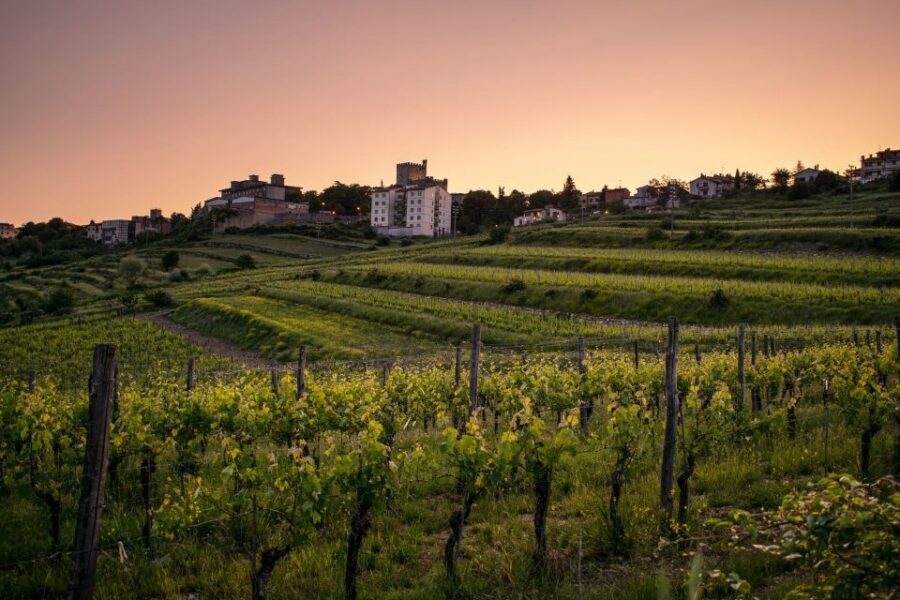
- Cassia Vetus drive: Roman-road vibes with vineyard and olive-grove views on the way out of Florence
- Greve in Chianti + Giovanni da Verrazzano: a medieval stop tied to a famous Florentine explorer
- Montefioralle stone hamlet: preserved alleys, hilltop panoramas, and Chianti Classico lore like the Black Rooster
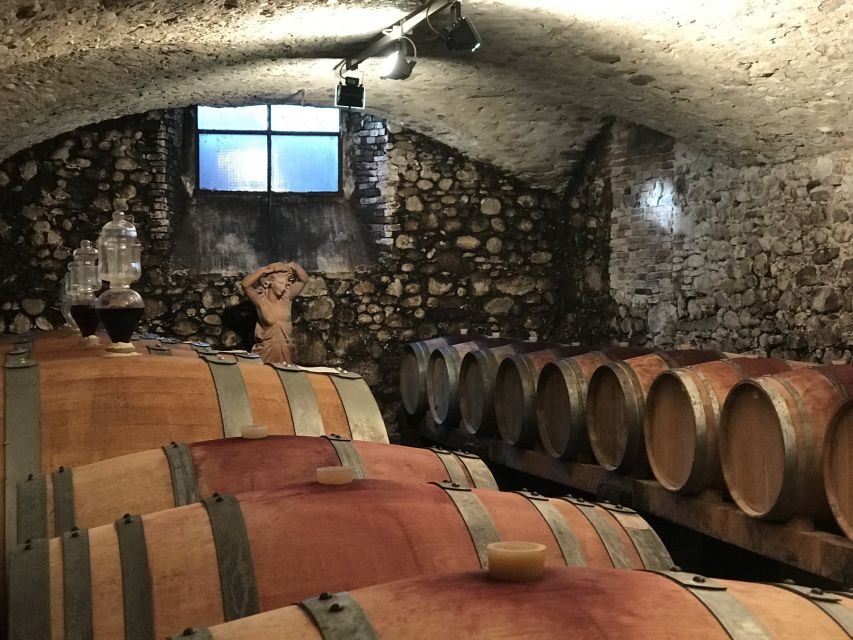
- Medieval cellars + oak barrels: real estate details, not just a quick showroom visit
- Organic estate lunch with tastings: your meal connects directly to what you learn about wine and olive oil
- Tour pacing: about 6 hours total, with built-in photo and walking segments
Leaving Florence for Chianti: Scenic Driving Plus Real Estate Time
This is a day trip built for people who like their Tuscany with context. Yes, you’re in the car and yes, you’ll see the countryside—but the best part is what happens after the views. The day is structured around a medieval-feeling wine estate, a careful olive oil lesson, and a lunch that actually matches the tastings you do.
I like that the experience feels balanced: you get the romance of the hills and villages, but the core focus stays practical—how wine is made, how olive oil should taste, and how to judge what you’re served. The guide time also helps you connect the dots, like why Chianti Classico has its own identity and symbol.
You can also read our reviews of more tours and experiences in Chianti Hills.

The Cassia Vetus Road and the Piazzale Michelangelo Photo Stop
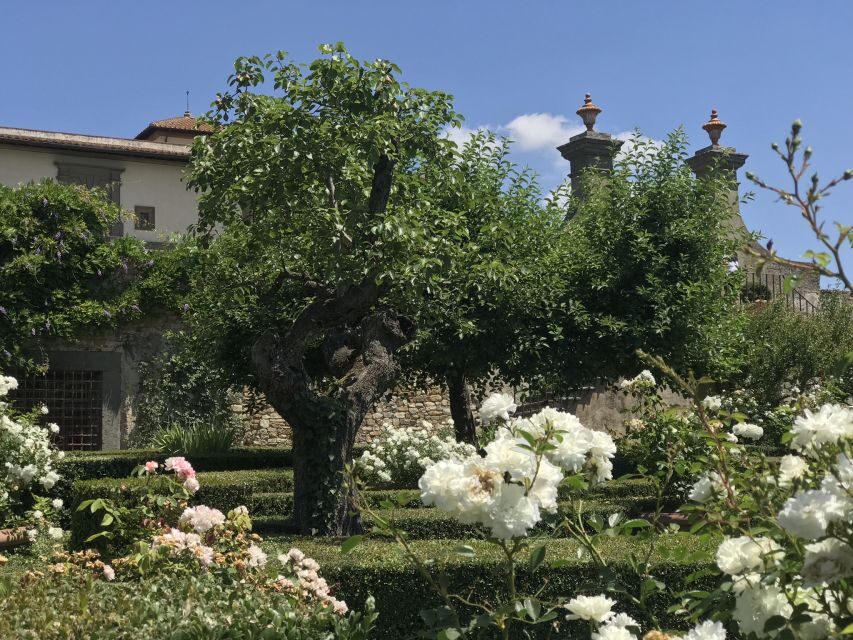
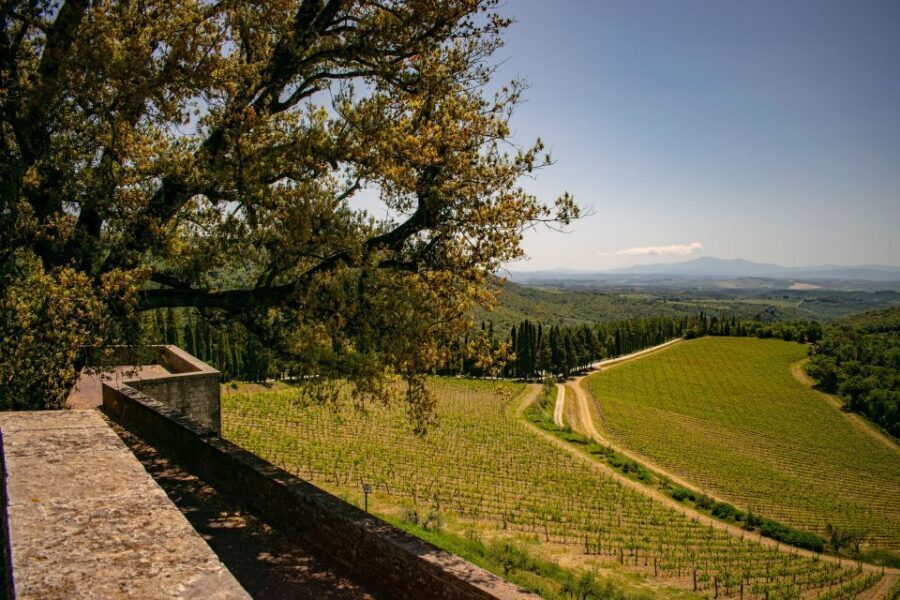
You meet at Piazza dei Cavalleggeri in Florence. From there, you head out by van with plenty of chances to look around during the drive, including a photo stop at Piazzale Michelangelo and scenic viewing time on the way out.
One thing I think you’ll appreciate: the route doesn’t feel like a rushed transfer. The schedule allows a short van ride, a quick photo break, then more driving into the heart of Chianti. If you like taking in Tuscany from the road, this part delivers.
Practical tip: if you get car-sick on curvy roads, plan ahead. The drive is a major part of the day, and you’ll likely spend time looking out instead of reading a map.
Greve in Chianti: Medieval Streets, Verrazzano Origins, and Coffee Breaks
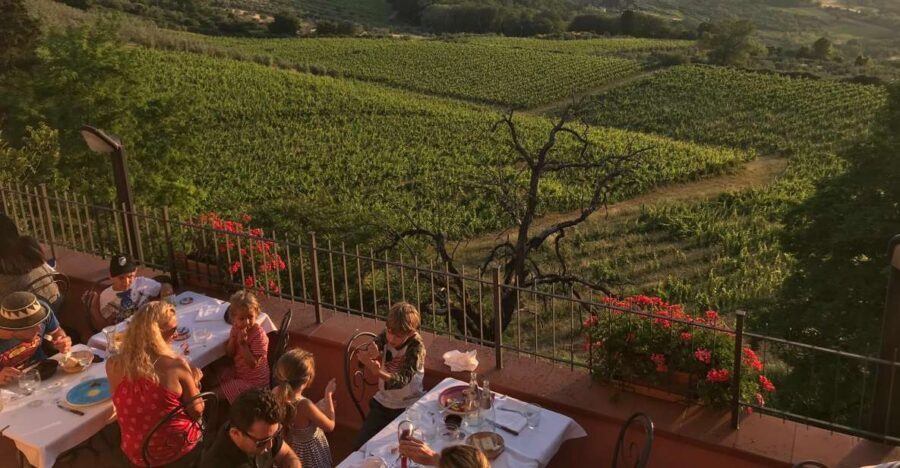
Your first village stop is Greve in Chianti, and it’s a smart choice. This town has the postcard look—stone buildings, narrow lanes, and that “you’re in the middle of the region” feeling—without turning into a theme park.
You’ll walk around and take in local rhythm, then you’ll have time for a coffee tasting. It’s short, but it gives you a reset before the next village and before you settle into the longer estate experience.
The interesting detail here is the connection to Giovanni da Verrazzano, the Florentine traveler tied to the discovery of Hudson Bay in the 15th century. It’s a reminder that Tuscany isn’t only vineyards. It’s also people, history, and stories that show up in everyday places.
Possible drawback: Greve is a walking stop. If your travel style is more “sit and people-watch,” you’ll still enjoy it, but you’ll want to pace yourself on the stone lanes.
Montefioralle: A Hilltop Stone Hamlet and the Black Rooster Clues
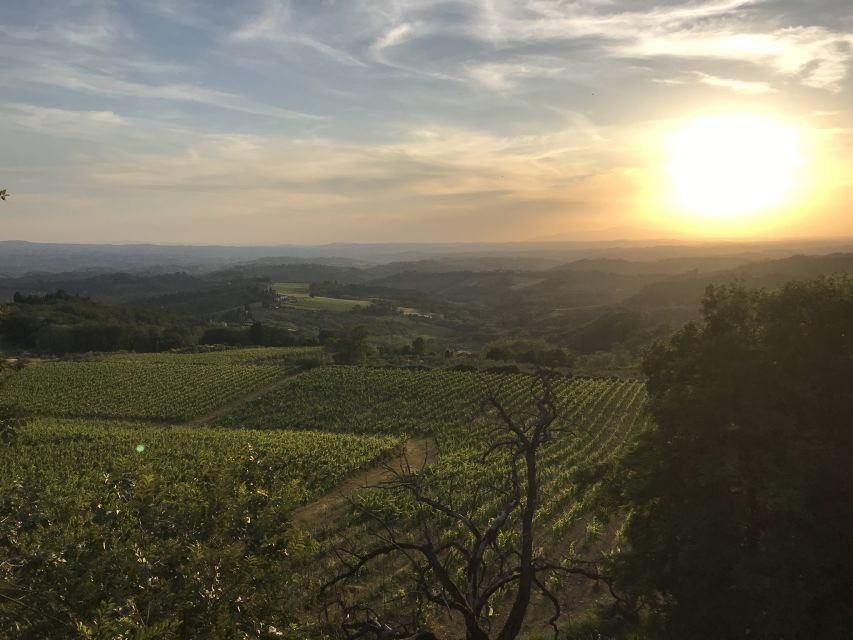
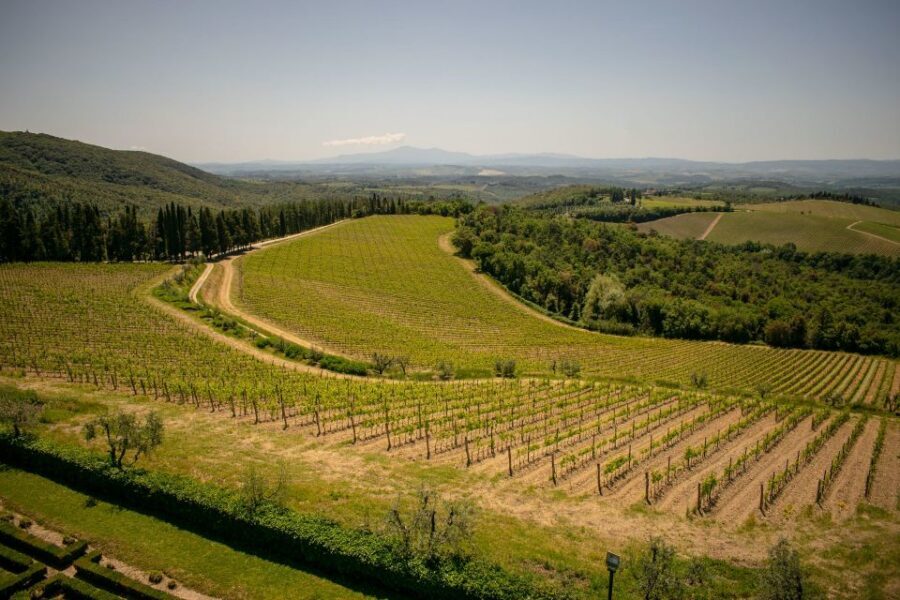
Next comes Montefioralle, a medieval hilltop hamlet that’s described as perfectly preserved since the 12th century. That checks out with what you’ll feel walking there: stone passages, compact alleys, and long sightlines over the surrounding hills.
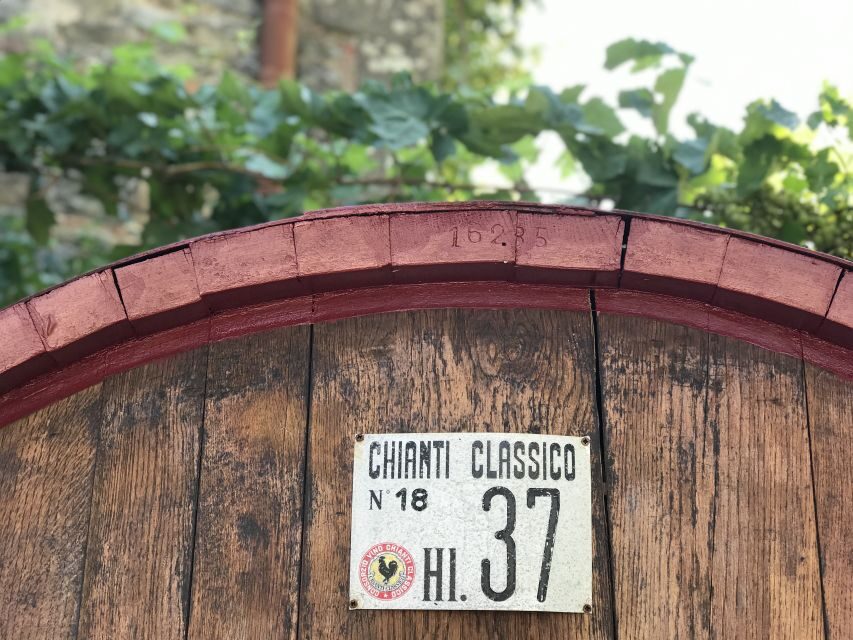
You’ll have time to explore on foot and take in the views. The tour also shares local anecdotes tied to Chianti Classico, including the emblem known as the Black Rooster. Even if you’re not a wine-nerd, symbols like this help you understand why one region’s wine identity is distinct from another.
This is one of those stops where your brain finally slows down. You stop thinking about logistics and start thinking about what you’re actually looking at: where the roads meet the hills, how vineyards spread out, and why hill towns were built where they are.
Tip: bring a layer for the viewpoints. Hilltop air can feel cooler, and you’ll be standing still to take photos.
Inside a Family-Run Wine Estate: Medieval Cellars and Oak Barrels
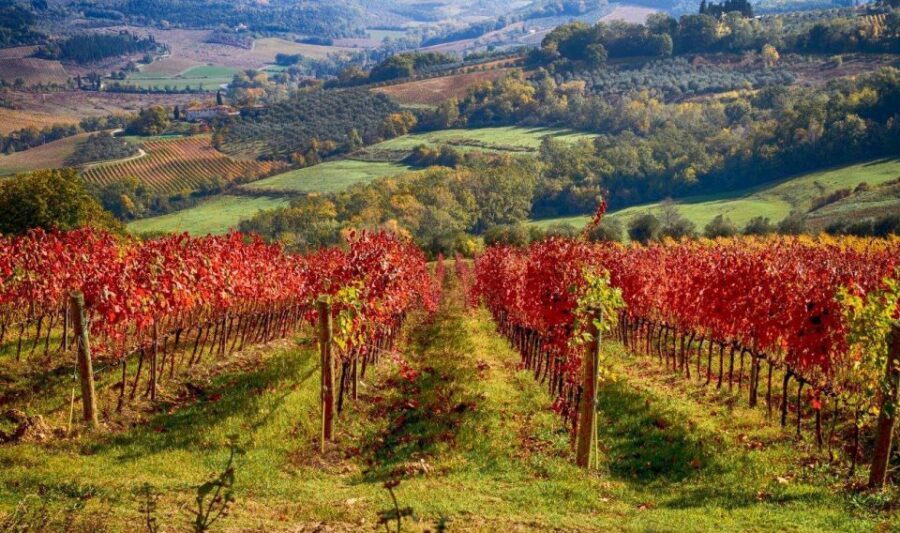
The heart of the tour is the visit to a family-run wine estate with medieval cellars. This is where the day shifts from scenery to craft.
You’ll learn how the wine is produced, and you’ll see details that matter, like original oak barrels used for aging the wine. That’s the difference between a quick tasting and a meaningful visit: you don’t just drink; you learn what you’re tasting.
If you care about quality, you’ll probably enjoy the way the guide connects production to flavor. You’ll also get a sense of how these estates operate in real life, not like a factory tour.
Small note for your expectations: this isn’t a formal winery lecture with worksheets. It’s more practical and conversation-driven, focused on what to notice when you taste.
You can also read our reviews of more wine tours in Chianti Hills

Olive Oil Lessons: How to Recognize Real Extra-Virgin
Then comes one of the most useful parts of the day: learning about extra-virgin olive oil. You’ll hear secrets about how it’s made and, importantly, you’ll get guidance on the best way to recognize a genuine extra-virgin product.
This is valuable even if you’re not planning to buy olive oil. Once you’ve tasted and compared in a structured way, you start to notice things you used to ignore—peppery finish, freshness, and what “good” tastes like compared with bland or processed versions.
You’ll also do an extra-virgin olive oil tasting, which helps turn the lesson into something you can use later when you’re shopping.
Practical tip: avoid tasting everything back-to-back without breaks. Your palate needs a moment to reset, especially when you’re moving between wine and olive oil.
Lunch at the Estate: Organic Ingredients, a Real Pairing, and Time to Slow Down
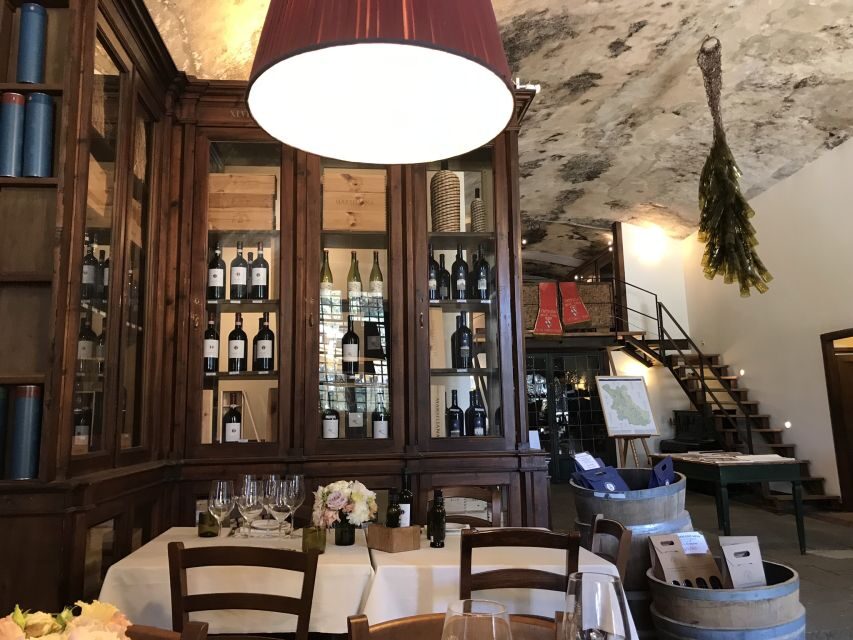
Your day ends with a typical Tuscan meal served on the private estate. The key detail is that the meal is prepared with organic ingredients grown on the property. That makes the lunch feel connected to the wine and oil lessons, not like an afterthought.
You’ll also get pairing time with 3 top Chianti Classico wines. This is one of the best-value elements of the tour because wine tastings can add up fast on your own, and pairing helps you learn what differences mean in your glass.
Finally, there’s regional food and a bit of shopping built into the estate time. That’s your chance to pick up bottles or local items if you want a souvenir that tastes like the day you had.
How long does lunch take? The schedule gives you around 2 hours on-site for lunch, tastings, and the estate experience. That’s enough time to eat properly and not feel rushed while still moving through the tasting lineup.
If you’re the kind of traveler who wants to maximize value, this is where you’ll feel it: transportation, estate access, tastings, and lunch are all bundled into one organized plan.
Timing, Group Size, and What the Pacing Feels Like
This tour runs about 6 hours total. You’re out of Florence, you stop in two villages, and you spend meaningful time at the estate. It’s a solid pace, not a slow countryside drift, so plan your expectations accordingly.
The tour also offers private or small groups. In practice, that’s helpful for two reasons:
- You’re more likely to get personal attention during tastings and questions.
- The guide can adjust the tempo if you want more time to look around Montefioralle or Greve.
One consideration: you’re starting from the city center and returning to the same meeting point. There’s no hotel pickup or drop-off included, so you’ll want to get to Piazza dei Cavalleggeri easily.
Also, pets aren’t allowed.
Who This Chianti Day Trip Is Best For
This is a great fit if you want:
- Wine and olive oil learning tied to tastings (not just sampling)
- A mix of village strolling and estate time
- A guided experience that helps you buy and taste with confidence later
It may be less ideal if you mainly want museums or long, unstructured walking. The tour is focused on food, wine, and specific stops, so it’s not designed as a free-roam day.
From the way guides are described, English communication is a highlight. Names that show up in feedback include Gianni and Mr Paolini, both praised for being welcoming, funny, and able to tailor the day to what people cared about. That kind of flexibility makes a big difference when you’re tasting and learning.
Price and Value: Why $248.09 Can Make Sense
At $248.09 per person, this is not a bargain-basement day trip. But it also isn’t just a ride to the countryside. You’re paying for:
- Private transfer from central Florence
- Two village experiences (Greve and Montefioralle) with walking time
- Estate access, including medieval cellars and tastings
- A lunch on the property plus pairing with 3 Chianti Classico wines
- An extra-virgin olive oil tasting
- Extra stops at panoramic viewpoints
When you price those items separately, the math often changes in the tour’s favor—especially for wine and food pairings that are difficult to reproduce casually without paying for guided access.
So here’s the practical rule: if you’re genuinely interested in wine and olive oil, this can feel like good value. If you’re only looking for views and don’t plan to taste or learn, you might want a simpler countryside option.
Should You Book This Tuscany Chianti Winery Private Day-Trip?
Book it if you want a Tuscany day that teaches you something you can actually use. The combo of Chianti Classico wine tastings, a structured extra-virgin olive oil lesson, and a lunch made from organic estate ingredients is exactly the kind of “do it once, do it right” experience that makes a trip feel complete.
Skip it (or consider a different format) if:
- You dislike tasting sessions
- You want lots of downtime with no schedule structure
- You’re set on hotel convenience, since meeting is at Piazza dei Cavalleggeri
If your travel style is curious, food-focused, and you like your countryside with a plan, you’ll probably love this day.
FAQ
What’s the duration of the Florence to Chianti day trip?
It lasts about 6 hours, with starting times that vary based on availability.
Where do I meet the tour?
You meet at Piazza dei Cavalleggeri. The guide will hold a sign with your name at the meeting address.
Is hotel pickup included?
No. Hotel pickup and drop-off are not included. You’ll meet at the stated meeting point in Florence.
What’s included in the lunch?
You’ll enjoy a typical Tuscan light lunch at the estate, using organic ingredients grown on the property.
Do I get wine tastings on this tour?
Yes. You’ll taste 3 top Chianti Classico wines during the estate experience.
Do you include olive oil tasting and education?
Yes. The tour includes a lesson on local extra-virgin olive oil and an extra-virgin olive oil tasting.
Which towns do you visit?
You visit Greve in Chianti and Montefioralle, both with time to walk and explore.
What about dietary restrictions?
You should inform the provider of any special dietary requests or restrictions in advance.
Are pets allowed?
No, pets are not allowed on this activity.
What’s the cancellation policy?
Free cancellation is available up to 24 hours in advance for a full refund.