REVIEW · FLORENCE
Handmade Pasta and Tiramisu class in Florence
Book on Viator →Operated by Cesarine: Cooking Class · Bookable on Viator
Florence tastes better from a home kitchen. This 3-hour, small-group lesson pairs fresh pasta technique with a hands-on tiramisu finish in a real local home, guided by a Cesarina who treats you like part of the table. It is the kind of class where you are not just watching cooking happen—you’re building the meal step by step.
I like the core value here: you learn by doing, then you sit down to eat what you made. One thing to keep in mind, though: because it is an in-home experience, you depend on clear meeting instructions and smooth communication with your host, and that can make or break the first 20 minutes of your day.
In This Review
- Key Things You’ll Notice Right Away
- How the Cesarina Home-Kitchen Classroom Works
- The 3-Hour Flow in Plain English
- Making Fresh Pasta by Hand: Gnudi, Pici, Pappardelle, or Potato Tortelli
- The Pasta Part That Feels Like Real Italian Cooking
- Tiramisu: Learning the Classic Assembly (Not Just the Ingredients)
- Eating Together: Why the Meal Matters as Much as the Lesson
- Price and Value: What $163.27 Buys You in Florence
- Getting There in Florence Without Losing Your Mind
- Sanitary Rules You’ll See in the Home Kitchen
- Who Should Book This Class (And Who Might Want a Different Style)
- Should You Book It?
- FAQ
- How long is the Handmade Pasta and Tiramisu class?
- Where does the class take place?
- Is the class taught in English?
- What’s the group size?
- What dishes will I make?
- Do I get a mobile ticket?
- How do I confirm my booking?
- Is it near public transportation?
- Are there health and sanitary measures in the home?
- What is the cancellation policy?
- Is there a minimum number of travelers needed?
Key Things You’ll Notice Right Away
- Cesarina-led teaching in a real Florence apartment kitchen, not a storefront studio
- Two iconic pasta preparations plus a classic tiramisu dessert, with techniques you can repeat at home
- Small group size (up to 12), which usually means more attention at the counter
- English instruction, with hosts encouraged to teach in a friendly, practical way
- Food-first hospitality, often including conversation and local culture at the table
- Health-minded hosting, with sanitary supplies provided and guidance on distance and PPE
How the Cesarina Home-Kitchen Classroom Works
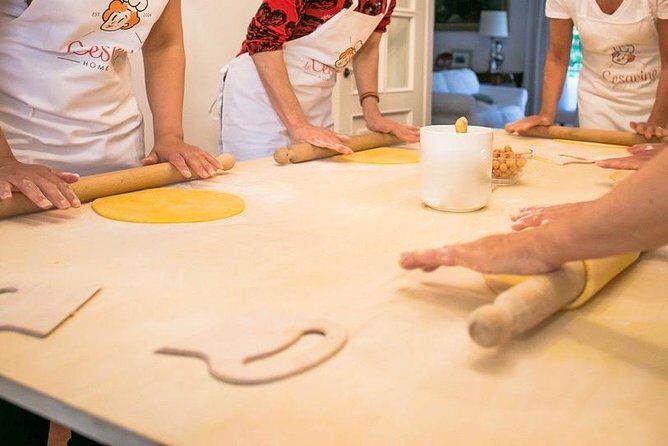
This class is run through a network of local home cooks called Cesarine. You are invited into their personal kitchens, where the setup feels more like dinner at a neighbor’s house than a ticketed attraction. In a city full of museums and lineups, that change of pace is a big part of the appeal.
The class is shared and capped at a maximum of 12 travelers. That matters in practical terms. With a smaller group, you get more chance to ask questions while dough is in your hands, not after it has already been cooked. Based on the tone of the feedback, the best hosts run the room like a dinner party: friendly, patient, and willing to slow down when someone needs help.
One more thing you’ll appreciate: this is taught as a real meal, not a demo. You end up eating what you make. Several hosts mentioned in reviews—people like Luca, Francesca, Donatella, Carlo, and Marina—earned praise for making the food taste genuinely homemade, not just produced for photos. If your goal is to leave Florence with both skills and a full stomach, this format fits.
You can also read our reviews of more cooking classes in Florence

The 3-Hour Flow in Plain English
Plan on about 3 hours from start to finish. The pace is usually straightforward: you arrive, meet your host, learn how the process should work, make the pasta, make the tiramisu, then eat together.
Here’s what the rhythm typically feels like:
- You start with pasta prep. You’ll handle dough and learn shaping and rolling methods.
- While your pasta cooks, you keep moving through the meal flow—sauce and pasta assembly are part of the day’s work.
- You shift to dessert and learn the structure of tiramisu, including how it comes together so it sets properly.
- You finish with a shared sit-down meal.
A small reality-check: because you’re in a home kitchen, you may not get every single moment of every technique in front of you at the same time. Some classes in this style can have a few components partly prepared so you stay on track. That doesn’t automatically mean it is bad, but it is worth knowing what to expect. The goal is to teach you the methods, not just hand you a finished plate.
Making Fresh Pasta by Hand: Gnudi, Pici, Pappardelle, or Potato Tortelli
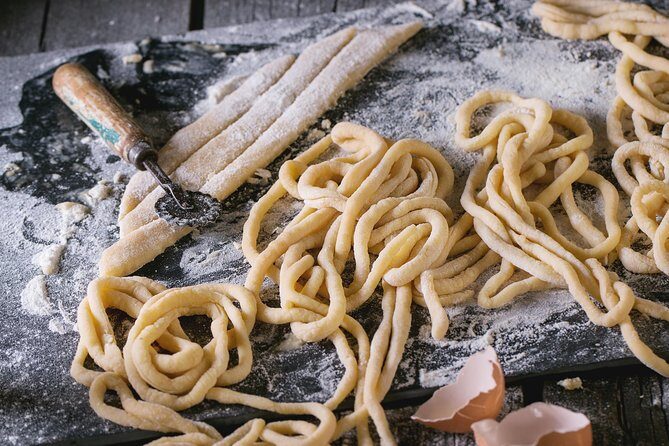
The headline promise is clear: you’ll prepare pasta dishes from scratch and learn to roll fresh pasta by hand. You are not doing this as a crafts project where everyone goes home with a pile of raw dough. You’re learning the work in a sequence that ends in dinner.
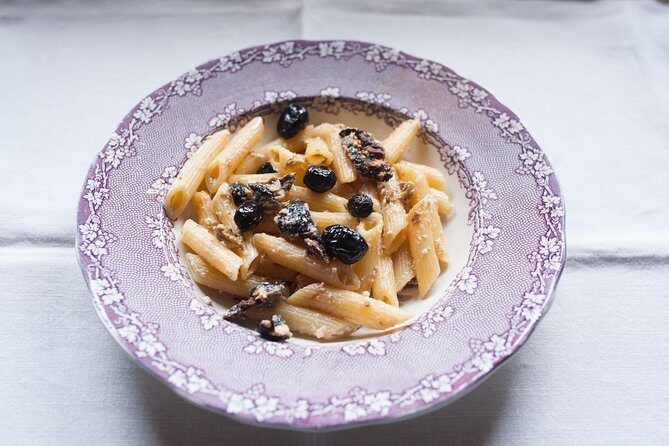
The specific pasta shapes you make can vary. The menu options include Gnudi, Pici, Pappardelle, or Potato Tortelli. If you are excited about a particular shape, you might want to check with the provider when you book which option is scheduled for your session.
What I like about learning hand-rolled pasta in a home kitchen is the feedback loop. Dough tells you what it needs. A good host can spot whether it is too dry, too sticky, or rolling unevenly. In reviews, many hosts got credit for teaching techniques and nuances, and for making the results feel repeatable. That is the real win: you want to go home and recreate the dish, not just remember what it tasted like.
If you’re a confident cook, you’ll still benefit from the guidance on consistency and handling. If you’re a beginner, this format tends to work well because the host is right there, and the group stays small enough for quick help.
The Pasta Part That Feels Like Real Italian Cooking
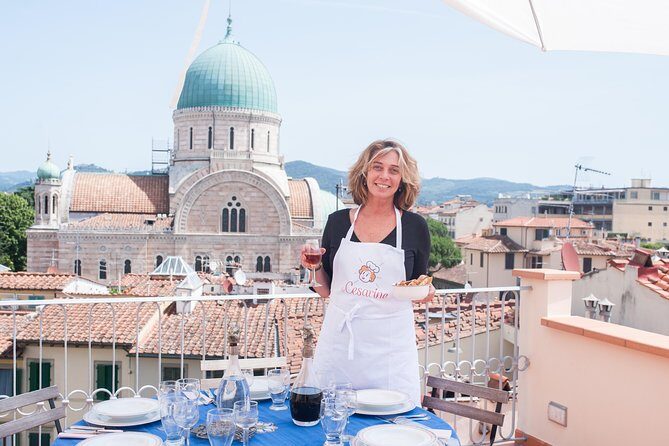
Beyond shaping, the practical magic is how the cooking process makes sense once you’re doing it yourself. You learn why certain steps happen in a specific order, and you start seeing how the kitchen runs.
From the class description, you are making two iconic pasta dishes. That gives you more than one technique to carry home. Even if the sauce base tastes simple, it is the combination of cooking timing and assembly that makes it feel Italian instead of merely Italian-flavored.
One thing to watch for is what you might consider the difference between hands-on and prepped. In the one negative review you shared, the person felt that many items were pre-prepared and that communication wasn’t smooth. I can’t generalize that as a standard, but it does highlight a key point for you: choose this experience for the chance to learn technique, and confirm that you expect active cooking time, not just observation.
A good sign is when the host teaches you, not just lets you assemble. In many positive reviews, hosts like Cristina, Chiara, and Tamara and Alfredo were praised for instruction and patience, and for helping families and mixed groups get on the same page.
Tiramisu: Learning the Classic Assembly (Not Just the Ingredients)
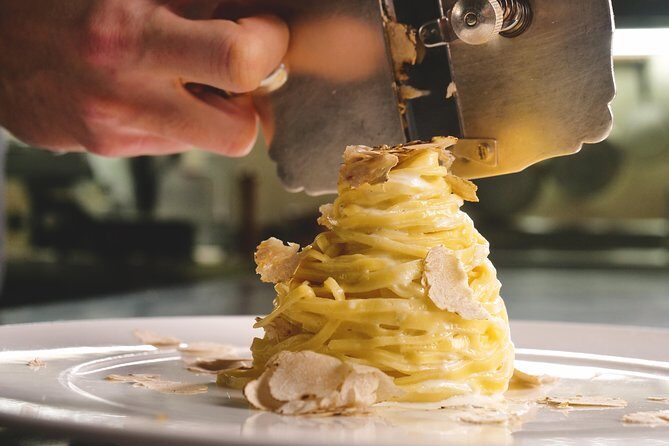
Tiramisu is the dessert that everyone thinks they know. Then you try making it and realize the details are what matter.
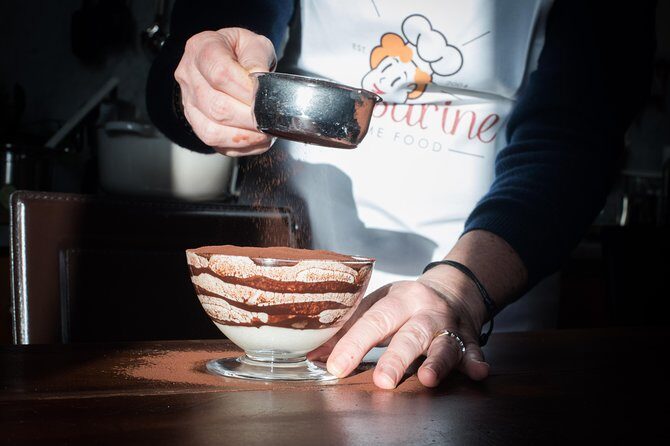
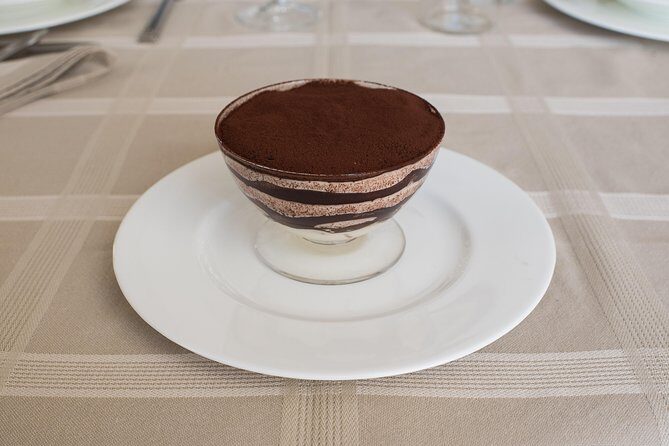
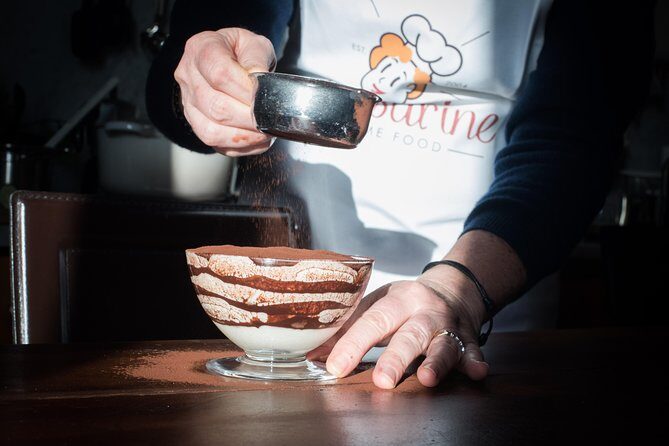
Here’s what the class aims for: you’ll learn how to make tiramisu and master the method of assembly. The dessert is described as a coffee-flavoured Italian classic, and you should expect hands-on work during the build—how you layer, how you handle the cream, and how you keep the texture right.
What I like about taking tiramisu in a class like this is that you get more than a recipe. You learn why the structure matters. For example:
- How wet elements interact with the layers
- How to prevent the dessert from turning runny
- How mixing and layering affect the final set
Hosts such as Donatella, Luca, and Francesca were praised for making tiramisu feel achievable, with recipes you can recreate at home. That is exactly what you want to hear. Not perfect-showcase tiramisu. Repeatable tiramisu.
And yes, this is the point where you get to relax. By the time dessert is in the fridge and your stomach is sending good signals, the day shifts from technique to tasting.
You can also read our reviews of more tours and experiences in Florence
- Cooking Class and Lunch at a Tuscan Farmhouse with Local Market Tour from Florence
★ 5.0 · 4,831 reviews


Eating Together: Why the Meal Matters as Much as the Lesson
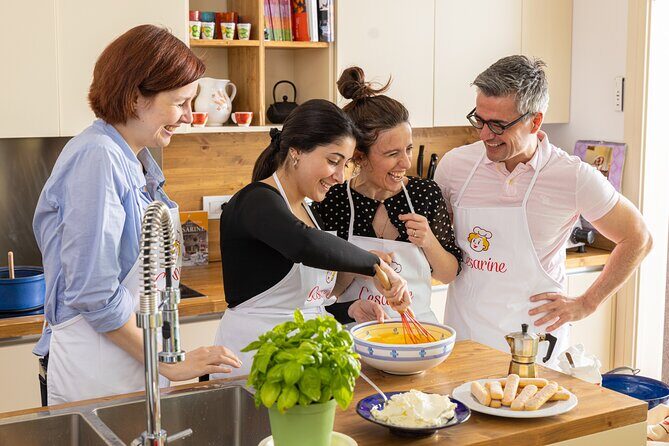
This is a cooking class, but it is also a meal shared in someone’s home. That social side is one of the most praised elements. Many reviews describe warm, family-style hospitality—hosts welcoming people like old friends, including conversation and local culture.
Some reviewers specifically mentioned experiences with children, and the hosts helped everyone feel comfortable. That tells me these hosts often know how to teach different energy levels in the kitchen without turning it into a school environment.
Also, you may get small touches that make the dinner feel connected to Tuscany. Even when the class focuses on Florence, the teaching often leans into regional culture. One review mentioned Tuscany culture and the host telling stories while teaching, which is a great sign of an instructor who understands that food is social, not just procedural.
In short: you’re not racing through a checklist. You’re building a meal, then enjoying it together.
Price and Value: What $163.27 Buys You in Florence
At about $163.27 per person for roughly 3 hours, this isn’t a budget activity. But it can still feel like good value if your priorities match what the class is designed to do.
Here’s where the money goes:
- Hands-on instruction in an actual home kitchen
- A small group cap, which supports one-on-one help
- Two pasta preparations and tiramisu, meaning you get full “learning-to-lunch/dinner” value
- A shared meal that ends your work with something tangible
- The Cesarina experience itself, which is hard to replicate with a generic cooking demo
If you compare this to big group cooking events, the price can look high. If you compare it to private instruction, it becomes much more reasonable. The key is to book it with the right expectations: you want to cook and eat in a home setting, not just watch a chef cook and then leave.
One practical move: if you care about active communication in English, read your own comfort level and plan accordingly. The data you provided includes at least one account where communication was difficult due to translation. Most hosts earn praise for teaching clearly, but your best outcome comes when you can interact, even with simple questions.
Getting There in Florence Without Losing Your Mind
This is near public transportation, which helps. Still, you’re going to someone’s home, so you should treat the meeting point as an important part of the plan, not a detail you can ignore.
Here’s the practical checklist I recommend:
- Arrive on time, but give yourself extra buffer in a walking-heavy city.
- Double-check the address and access instructions you receive before you go. In-home experiences can have building entry quirks.
- If you have any language questions, prepare a short list of topics you want to ask. Simple prompts work best in kitchens.
The negative feedback you shared isn’t about the food—it’s about logistics and communication. The lesson for you is straightforward: this class is worth it when you can find the home easily and you can engage with the host during the cooking process.
If you want the smoothest path with zero address hunting, you might prefer a cooking school with a fixed storefront meeting location. But if you’re excited by the idea of real apartment-kitchen Florence, this home setup is the point.
Sanitary Rules You’ll See in the Home Kitchen
The class notes that Cesarine provide essential sanitary equipment such as paper towels for washing hands and hand sanitizing gel. They also mention guidance around maintaining distance of 1 meter and wearing masks and gloves if distance can’t be kept.
This matters because kitchen space can get tight during rolling, shaping, and plating. The good hosts will manage the flow so everyone can participate without chaos.
So go in expecting basic health-conscious care, and also expect to follow the host’s direction while you work.
Who Should Book This Class (And Who Might Want a Different Style)
This is a great choice if you:
- Want hands-on pasta making you can repeat at home
- Like learning in a small group, with time to ask questions
- Care about eating a meal that feels genuinely homemade
- Enjoy the social side of food culture, not just the cooking steps
- Travel with family members who benefit from a patient host
It may be less ideal if you:
- Get stressed by finding an address in a residential building
- Need a very structured, school-like teaching format where every step is explained in detail from start to finish
- Expect guaranteed language matching beyond the general English offering
The good news is that many hosts in the feedback got strong marks for teaching, warmth, and making kids feel at ease. But the flip side is that home logistics vary. This experience can be wonderful when everything lines up.
Should You Book It?
Book it if you want an Italian cooking day that ends with dinner you made yourself. The class is built around practical skills: rolling fresh pasta by hand, shaping classic varieties like gnudi or pici or pappardelle or potato tortelli, and learning how to assemble coffee-flavoured tiramisu. With a maximum group size of 12, you’ll likely get the kind of help that makes the difference between trying it once and being able to repeat it later.
Don’t book it blindly if you hate address logistics. Treat meeting instructions as part of your homework. If you want a no-fuss location, a cooking school might suit you better. If you’re okay with residential Florence and you’re excited to cook in someone’s kitchen, this one is often a top highlight for the right kind of traveler.
FAQ
How long is the Handmade Pasta and Tiramisu class?
It runs for about 3 hours.
Where does the class take place?
It is held in a carefully selected local home in Florence.
Is the class taught in English?
Yes, it is offered in English.
What’s the group size?
The class has a maximum of 12 travelers.
What dishes will I make?
You will prepare pasta dishes from scratch, and the listed pasta options include Gnudi, Pici, Pappardelle, or Potato Tortelli. You will also make tiramisu.
Do I get a mobile ticket?
Yes, it includes a mobile ticket.
How do I confirm my booking?
You should receive confirmation at the time of booking.
Is it near public transportation?
Yes, it is near public transportation.
Are there health and sanitary measures in the home?
Yes. The homes provide sanitary equipment like paper towels and hand sanitizing gel, and there are notes about maintaining distance of 1 meter. If distance cannot be maintained, masks and gloves are mentioned.
What is the cancellation policy?
You can cancel for a full refund up to 24 hours in advance of the experience start time.
Is there a minimum number of travelers needed?
Yes. If the minimum isn’t met, you will be offered a different date/experience or a full refund.
You Might Also Enjoy




More Workshops & Classes in Florence
- Cooking Class and Lunch at a Tuscan Farmhouse with Local Market Tour from Florence
★ 5.0 · 4,831 reviews
More Cooking Classes in Florence
- Cooking Class and Lunch at a Tuscan Farmhouse with Local Market Tour from Florence
★ 5.0 · 4,831 reviews
More Tour Reviews in Florence
- Tuscany Day Trip from Florence: Siena, San Gimignano, Pisa and Lunch at a Winery
★ 5.0 · 21,634 reviews - The Best tour in Florence: Renaissance & Medici Tales – guided by a STORYTELLER
★ 5.0 · 12,316 reviews