REVIEW · CHIANTI
Homemade Pasta Class and Lunch in the Heart of Chianti
Book on Viator →Operated by eatwith · Bookable on Viator
Fresh pasta, family-style, in Chianti. In a Chianti farmhouse, you’ll roll dough with Francesco, Valentina, and Anna, then eat in their garden with Chianti wine.
I love how hands-on it is, from making pasta to seeing how the shapes change your sauce experience. I also love the full-feeling meal: a Tuscan starter spread, seasonal veggie sauce over fresh pasta, plus dessert and coffee outside.
The only real drawback to plan for is language. The hosts speak very little English, so you’ll likely rely on your phone’s translation tool, and a reliable connection can make that smoother.
In This Review
- Key things to know before you go
- Why a Chianti farmhouse pasta class feels different
- Getting there from Greve in Chianti without stress
- Francesco, Valentina, and Anna: a welcome that sets the tone
- The pasta-making session: what you’ll actually learn
- Starters set the table like a real Tuscan lunch
- Seasonal vegetable sauce, then the pasta you shaped
- Dessert and coffee: the sweet finish in the Tuscan style
- Lunch in the garden: what makes the setting matter
- Price and value: does $201.64 make sense?
- Who this suits best (and who should think twice)
- Should you book this homemade pasta class in Chianti?
- FAQ
- What is the duration of the Chianti homemade pasta class and lunch?
- What time does the experience start?
- Where is the meeting point?
- What’s the group size limit?
- Is the experience offered in English?
- What’s included in the meal?
- How do food restrictions work?
Key things to know before you go
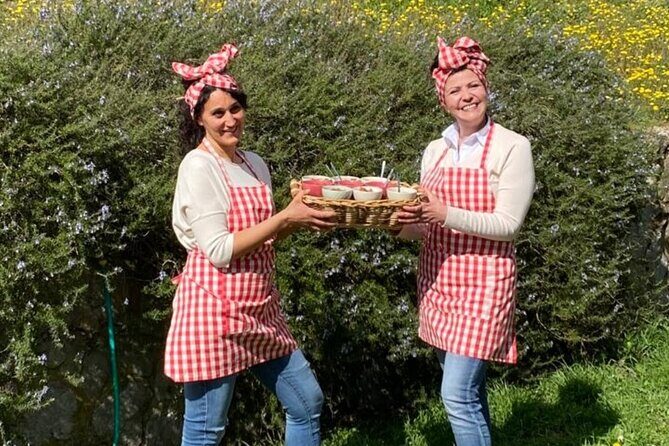
- Small group of up to 8 means you get real attention while you shape pasta.
- Family-farm ingredients are part of the deal, including quality products from their land.
- You learn multiple pasta shapes (tagliatelle, fusilli, or orecchiette options) and cook them for lunch.
- Wine with lunch is included, which makes the whole meal feel like a proper Tuscan day.
- Garden lunch among olive trees and cypress turns the class into an outdoor picnic mood.
- Translation app helps if you don’t speak Italian, and it’s usually enough.
Why a Chianti farmhouse pasta class feels different
This isn’t a rushed “watch and snack” cooking show. The whole point is that you work with your hands while the family cooks beside you and around you. In Chianti, where wine and food are serious family business, that matters.
You get the best of both worlds. It’s structured enough that you’ll leave knowing what to do next time. But it also feels personal, because the hosts aren’t trying to perform for a crowd. They’re just hosting you in their world for a few hours—olive trees, garden tables, and a kitchen that smells like fresh dough.
If you’re the kind of traveler who likes your food experiences to be practical (not just pretty), this one fits. You’ll learn methods you can actually repeat at home. And you’ll understand why Tuscan cooking is so focused on simple ingredients done well.
You can also read our reviews of more cooking classes in Chianti
Getting there from Greve in Chianti without stress
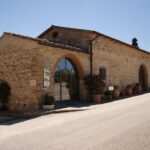
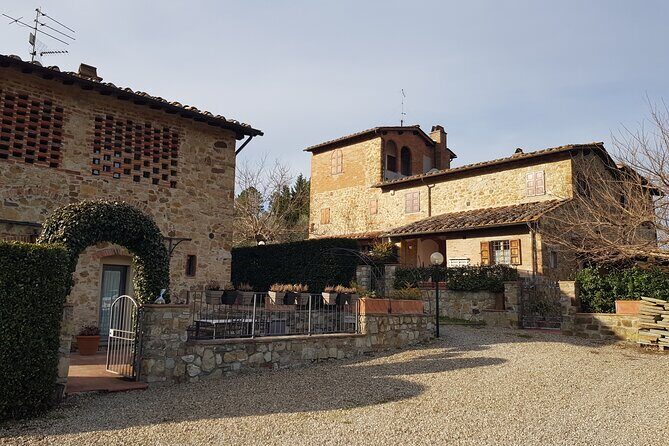
The meeting point is listed at Palagione, 50027 Greve in Chianti (with a full address sent on your confirmation voucher under the before you go section). The good news: it’s near public transportation, so you’re not locked into a car.
Start time is 11:30 am, and the experience runs about 4 hours. That timing is smart in Chianti. You’re not arriving at the height of lunch chaos, but you’re also not waiting forever to eat. You’ll be busy enough cooking that the food part doesn’t feel like a long wait.
Also, bring a practical mindset. This is a farmhouse setting. You’ll likely be moving between kitchen space and the garden. Wear shoes you don’t mind getting flour-dusted and step over anything uneven.
Lastly: you’ll have a mobile ticket. Keep it handy on your phone, but also make sure your battery is topped up. You want your map app, translation app, and payment ready if anything takes a detour.
Francesco, Valentina, and Anna: a welcome that sets the tone
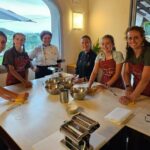
You’re greeted by Francesco, who owns the farmhouse on the Chianti hills. He’s described as warm and big on conviviality—meaning you’re not treated like a customer. You’re treated like someone joining the table for the day.
Then Valentina and Anna join in. They’re the cooks and teachers, and they focus on making the experience feel familiar and relaxed. Even when English is limited, the vibe stays clear: show, explain, help, laugh.
One thing I appreciate in this kind of setup is that the hosts seem comfortable adjusting to different cooking levels. Fresh pasta can intimidate you if you’ve only had store-bought noodles. Here, the method is taught step by step, and the group size helps. With a maximum of 8 people, it’s easier for them to slow down where you need it.
If you’re traveling with kids, this setup also tends to work well. Several people said it was interactive and fun, with enough guidance that you’re not just standing around.
And yes, you might meet their dogs (Muso and Cuba were mentioned in past experiences). That’s not required for the class, but it adds to the farm-atmosphere charm.
The pasta-making session: what you’ll actually learn
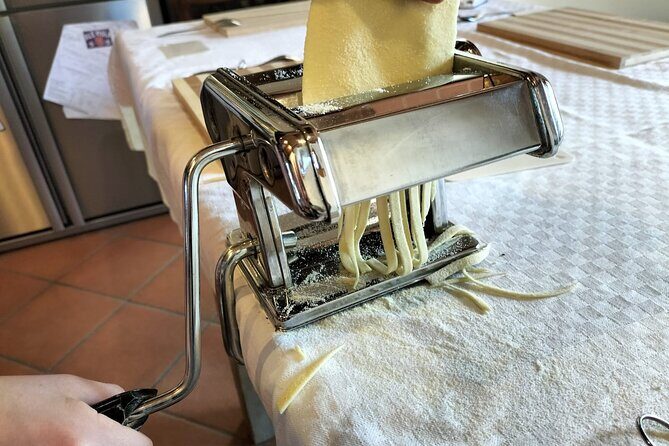
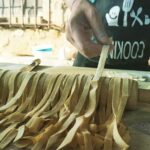
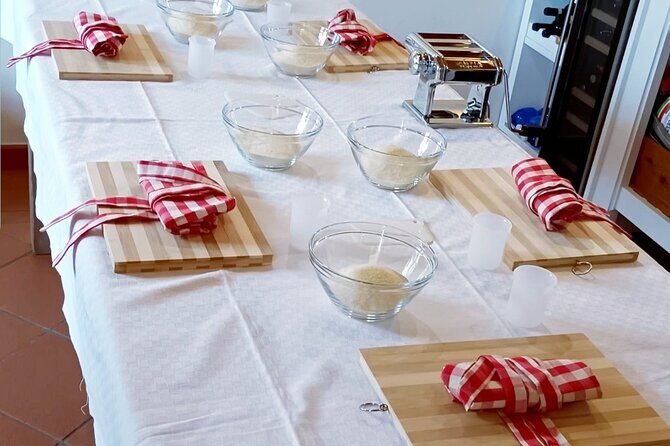
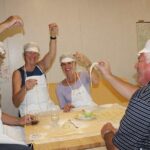
The heart of the day is making pasta together. Expect an active cooking class where you’re working the dough, shaping noodles, and getting feedback as you go.
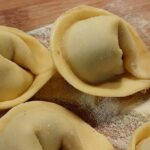
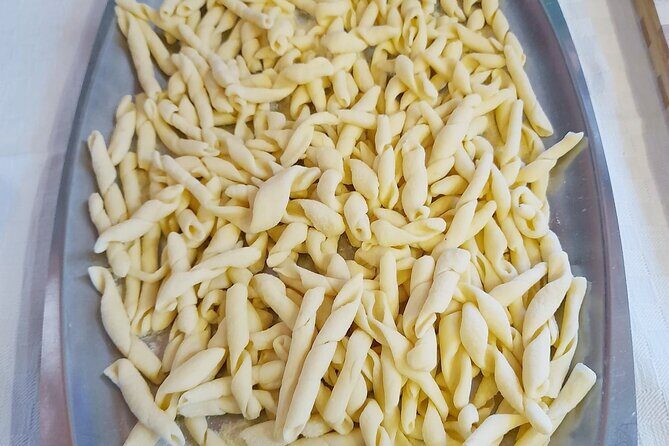
You’ll learn fresh pasta techniques and end up with at least two pasta preparations that make it onto the lunch table. The menu indicates choices such as tagliatelle, fusilli, or orecchiette with a sauce based on seasonal vegetables.
Here’s what this teaches you in a way a restaurant meal won’t:
- Shape affects sauce: tagliatelle clings differently than curled shapes like fusilli or nubbier forms like orecchiette.
- Fresh dough behaves differently: it’s softer and more forgiving than dried pasta, which changes how you handle it.
- Timing matters: fresh pasta needs attention and coordination, especially once it’s time to cook and serve.
You’ll also get a sense of the Tuscan approach: keep the ingredients quality-focused and let technique do the heavy lifting. That shows up again later with the starters and desserts.
Because the group is small, you’re more likely to get individual help. That’s a big deal with pasta shaping. If you’re worried you’ll mess it up, don’t. The hosts are there to guide you, not grade you.
Starters set the table like a real Tuscan lunch

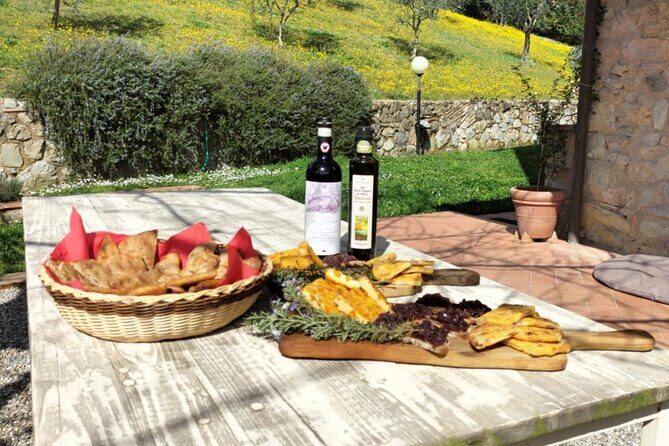
Before the main pasta, you start with Tuscan comfort flavors. The sample menu includes:
- Board with croutons
- Pappa al pomodoro
- Fettunta
You’ll likely get more than just a single small tasting. Past participants described the appetizer spread as generous and beautiful. Think of it as a warm-up course that explains the local flavor logic: tomatoes, bread, and simple seasonings done with confidence.
A few reasons this first course is worth paying attention to:
- Pappa al pomodoro is a tomato-and-bread dish that shows how Tuscan cooking uses pantry basics in a smart way.
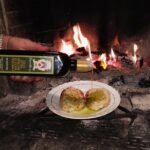
- Fettunta connects bread and olive oil to the region’s daily rhythms. It’s not fancy; it’s right.
- The crouton board style makes it easy to sample without overthinking.
If you’re trying to eat like a local in Chianti, this is a good foundation. You’ll leave knowing what to order later—or what to look for in local markets.
You can also read our reviews of more tours and experiences in Chianti

Seasonal vegetable sauce, then the pasta you shaped
Once your pasta is ready, it’s time for the part that feels most satisfying: you eat what you made.
The main course is fresh pasta (tagliatelle, fusilli, or orecchiette) paired with a sauce based on seasonal vegetables. This is where the class becomes more than a lesson. The flavors land because they’re matched to the season instead of being stuck in a one-size-fits-all menu.
Also, with fresh pasta, you can taste the difference right away. It’s tender, and the sauce interaction is clearer than with dried noodles. That’s the reason the class sticks with you.
And don’t assume you’ll only eat the pasta you shaped. One of the best value signals from past experiences is that lunch can include additional traditional dishes beyond the pasta class output. Plan for a full stomach. This isn’t a light snack between activities.
Dessert and coffee: the sweet finish in the Tuscan style
Dessert comes after the main. The sample menu calls for two different types of desserts and coffee.
Past experiences mentioned variety like a zucchini dessert, which fits the Tuscan habit of turning everyday produce into something comforting and lightly sweet rather than overly complicated. With two desserts, you get a chance to taste different textures and flavors without feeling like you have to pick a single winner.
Coffee rounds it out, and it matters because it makes the meal feel complete. In Italy, dessert is often part of an ending ritual, not just a post-meal add-on.
If you have a sweet tooth, this course is a highlight. If you don’t, it still helps you close the day on a relaxed note while you compare what you made with what you enjoyed most.
Lunch in the garden: what makes the setting matter
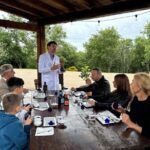
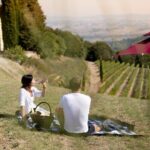
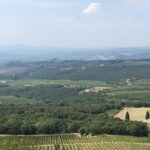
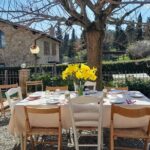
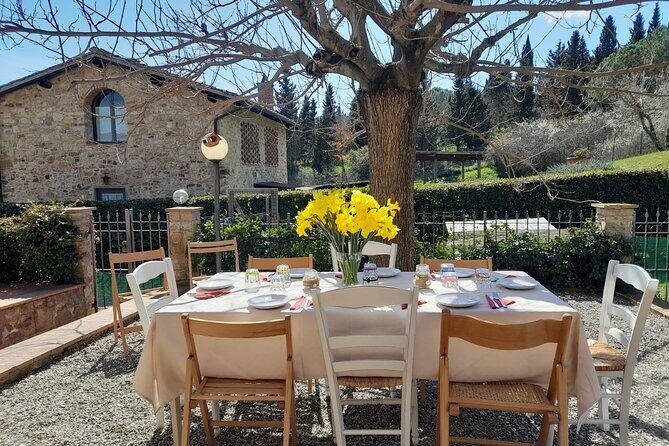
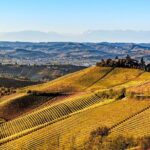
The lunch happens in the farmhouse garden. You’re surrounded by olive trees, cypresses, and mulberry trees, which makes the meal feel like you’re spending the day with a Tuscan family, not attending a scripted workshop.
This is more than decoration. Outdoor dining changes the pace. Conversation runs longer. You taste slower. Wine can feel less like a pairing event and more like a natural part of the day.
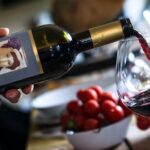
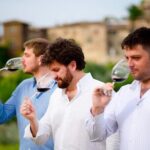
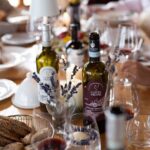
Chianti wine is included with lunch, and that addition turns pasta-from-scratch into a full culinary chapter. You get to connect flavor with region. If you’re planning a wine-focused trip in Tuscany, this kind of built-in tasting rhythm makes the rest of your visits make more sense.
One practical tip: because you may use a translation tool, try to have a plan if the connection is weak. One participant specifically wished for working Wi‑Fi to support translation. If you depend on online tools, download what you can ahead of time, or use offline translation features.
Price and value: does $201.64 make sense?
Let’s talk value in plain terms. At $201.64 per person for about 4 hours, you’re paying for a small-group, hands-on meal experience that includes:
- Teaching time for fresh pasta (not just watching)
- A Tuscan starter spread (including dishes named on the menu)
- A main course with fresh pasta you helped make
- Seasonal vegetable sauce
- Dessert (two kinds) plus coffee
- Chianti wine with lunch
A big part of the value is that this isn’t a “class then leave” model. Lunch is integrated into the experience, and the day is designed so you sit down as a group after cooking. Also, the max group size of 8 helps you actually learn, rather than being shuffled along.
If you’re the type who enjoys food learning and doesn’t want to just take photos, the price can feel fair. If you’re only looking for a quick bite or you hate cooking, you might be better off with a simpler meal or a wine tasting only. This one is best when you want your hands involved.
Who this suits best (and who should think twice)
This experience is a strong match for:
- Food lovers who want practical technique, not just a tasting
- People who like small groups and personal attention
- Travelers visiting Chianti who want more than scenic stops
- Couples and families who enjoy shared cooking and a relaxed meal
It can be less ideal if:
- You strongly dislike any hands-on cooking activity
- You need lots of English instruction and can’t use translation tools at all
- You want a highly structured, lecture-style class with lots of written materials (this is more cooking-and-conversation than textbook)
For most people, language turns out not to be a dealbreaker. Even when English is limited, cooking is visual. Still, plan to bring your phone translation app and use it confidently.
Should you book this homemade pasta class in Chianti?
Yes, if you want an authentic Tuscan day that mixes fresh pasta making with a real lunch in a farmhouse garden. The small group size, the named dishes on the menu, and the fact that Chianti wine is included all point to value that feels more like being hosted than being processed.
Book it especially if you’ll remember meals you cooked yourself more than meals you only watched being served. And if you’re traveling with family or friends, the interactive feel makes it easier to enjoy together.
If you’re on the fence, decide based on one question: do you want to learn how to make pasta, or do you just want to eat? This experience is built for the first answer.
FAQ
What is the duration of the Chianti homemade pasta class and lunch?
It lasts about 4 hours.
What time does the experience start?
The start time is 11:30 am.
Where is the meeting point?
The meeting point is Palagione, 50027 Greve in Chianti. The full address is provided on your confirmation voucher under the before you go section.
What’s the group size limit?
The group is limited to a maximum of 8 travelers.
Is the experience offered in English?
Yes, it’s offered in English.
What’s included in the meal?
You’ll have a starter (including items like pappa al pomodoro and fettunta), fresh pasta with seasonal vegetable sauce, dessert (two types), coffee, and Chianti wine.
How do food restrictions work?
You need to communicate any food restrictions (allergies or special diets) when booking so the hosts can accommodate you.