REVIEW · FLORENCE
4-Courses Cooking Experience in Florence
Book on Viator →Operated by Hidden Experiences · Bookable on Viator
Florence smells like dinner in 4 hours. This hands-on class in the heart of Florence lets you make a 4-course Tuscan menu (antipasti, fresh pasta with ragù, a meat-and-vegetables main, and dessert), then you taste what you cooked with wine and water included. What I love most is how practical it is and how much you’re actually doing, not just watching. A possible drawback: if your ideal class is super step-by-step from minute one, you’ll want to stay alert early, because some sessions can feel more like a lecture before you get fully cooking.
You’ll be in a real cooking setup with small working groups (up to 20 total, and the class is designed so no more than 15 are actively cooking). The second thing I really like is that it’s offered in English, so you can follow the technique and ask questions without playing kitchen “guess the gesture.” One more consideration: the location is near public transportation, but if you’re staying far from the center, the walk to Via Camillo Cavour can feel like a hike, and the surrounding area can get noisy.
In This Review
- Key things to know before you cook in Florence
- A 4-course Tuscan menu in Florence, built for hands-on time
- Getting to Via Camillo Cavour Firenze without stress
- The pasta lesson: fresh dough, ragù logic, and real technique
- The meat-and-vegetables main: where timing matters
- Dessert and the tasting: the payoff you actually came for
- Price and group size: where the value really lands
- Quick practical guidance for your Florence cooking evening
- Should you book this 4-course cooking class in Florence?
- FAQ
- Is the cooking experience in English?
- How long is the cooking class?
- What time does the class start?
- Where do I meet for the class?
- How many people are in the group?
- Are vegetarian options available?
- What’s included in the meal?
- Is wine and water included?
- Is there a tasting at the end?
- What is the cancellation policy?
Key things to know before you cook in Florence
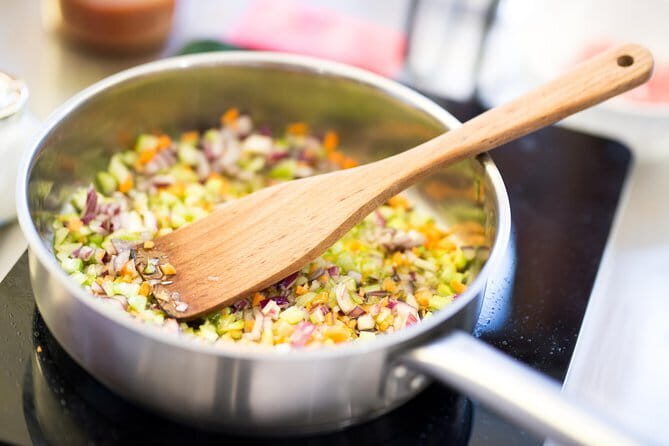
- You’ll cook multiple courses, including hand-made fresh pasta and a ragù-style sauce.
- Small-group style means more time at the stations and less time waiting.
- Wine and water are included, and there’s a sit-down tasting at the end.
- Vegetarian options are available on request, so you can still follow the flow of the menu.
- English instruction helps you connect the steps to what you’re tasting.
- A working-school kitchen, not a demo in someone’s living room.
A 4-course Tuscan menu in Florence, built for hands-on time
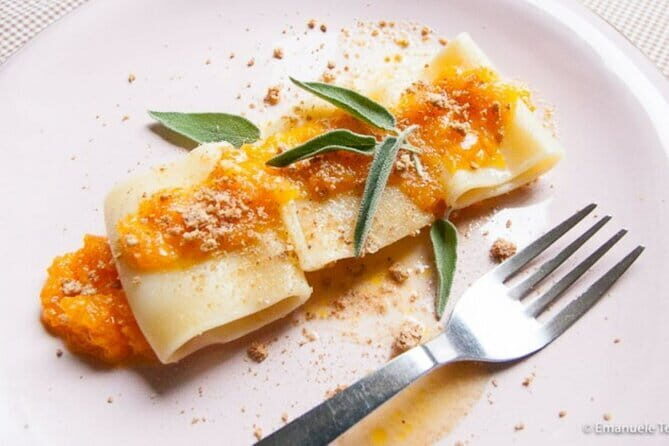
This is the kind of cooking class I recommend when you want more than a nice meal. The value here is that the night is structured like a mini Tuscan dinner, but you’re behind the pass. You start with an appetizer (often described simply as various antipasti), then move into the star: fresh pasta you make by hand, served with either a meat ragù or a vegetable ragù, depending on what you choose and what’s available.
After that comes the second main course, centered on meat with vegetables, plus dessert. Even though the menu sounds classic (and it is), the payoff is how the steps connect: dough to sauce to timing, then the rhythm of a second dish, then something sweet to close. If you’ve been eating your way through Florence, this gives you a way to understand what you’re tasting instead of only memorizing what’s on the plate.
I also like that the class includes a tasting at the end. It’s not just: cook, wipe counters, goodbye. You get to sit down and eat what you made, which is when you’ll notice the real differences—texture of pasta, balance of sauce, and how dessert finishes the meal.
You can also read our reviews of more cooking classes in Florence
Getting to Via Camillo Cavour Firenze without stress
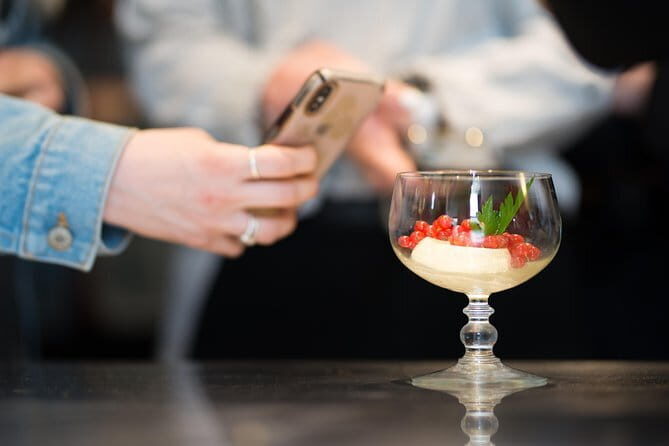
You meet at Via Camillo Cavour, 180 (50121 Firenze FI). The class starts at 5:00 pm and ends back at the meeting point. It’s near public transportation, which matters in Florence because walking can be either easy or a workout depending on where you’re staying.
From the central area, plan on a decent walk. Some people describe it as about a 20-minute trek from the main plaza area, so if your legs are already tired (or you’re traveling with someone who gets cranky on long walks), build in time. Still, the location is practical: you can usually reach it without special planning.
Once you arrive, expect a kitchen-school environment. One of the repeated themes is that the kitchen is clean and the teaching staff keep things moving. It’s less like a casual cooking party and more like a real class where you learn techniques you can use again at home.
The pasta lesson: fresh dough, ragù logic, and real technique
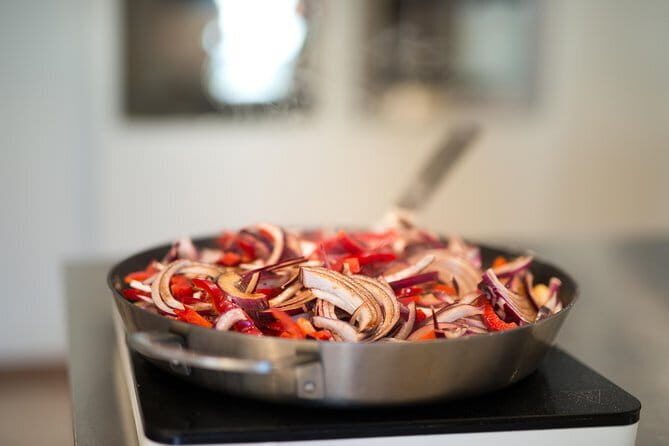
The first “wow” moment is making the pasta. You’ll work through a hand-made pasta process and then pair it with sauce—often described as fresh pasta with meat or vegetable ragù. This part is where the instruction quality matters, because pasta is fussy: thickness, timing, and how you handle the dough all affect the final bite.
What I like about this setup is that it teaches you how Italian cooking thinks. It’s not only about the ingredients—it’s about texture and coordination. You make the pasta, then you learn how the sauce should behave next to it. That’s why the class doesn’t just stop at dough. You also get guidance on the sauce style (ragù), which is a big deal because ragù is the comfort-engine behind so many Tuscan-style meals.
In some sessions, instructors like Stefano or Francesco have been mentioned for being engaging and patient, and that shows the class philosophy: you should feel included at your station. Caterina also pops up in the teaching stories, with praise for making people feel welcome. If you’re the type who learns by doing, this is the right kind of experience: you’ll be actively working, not just taking notes.
One caution to keep in mind: not every group runs like a perfectly choreographed, step-by-step tutorial every minute. Some participants have noted longer stretches of listening before cooking ramps up. If you’re the type who does best when you can follow actions immediately, come ready to focus during those early explanations, and don’t be shy about asking questions when you get a chance.
The meat-and-vegetables main: where timing matters
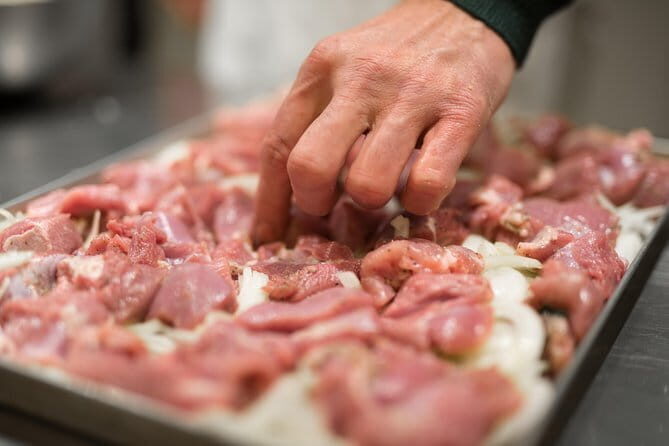
After pasta, you move into the second main: meat with vegetables. This course is where you get a second skill set—more than one cooking technique, more than one kind of seasoning, and the challenge of making it all feel cohesive with what’s already been cooking.
Even if you’re vegetarian (or you requested a vegetarian option), you still benefit from learning how the menu balances the different parts of a meal. The meat-and-vegetables course is built like real home cooking: it’s hearty, practical, and meant to stretch a meal into something satisfying.
What makes this portion valuable is the pacing. With multiple courses, you learn that good Italian cooking isn’t just one dish at a time—it’s how dishes share timing. You’ll see (and hopefully experience) how stations work together so the meal can land on the table warm, not lukewarm and apologetic.
Also, you’ll likely notice how ingredient prep affects final flavor. Even when the menu is “simple and delicious,” good prep is what keeps a class from feeling chaotic. The repeated praise for the instructors being fun and organized hints that this school-style setup keeps things under control, even with a mixed group of different skill levels.
Dessert and the tasting: the payoff you actually came for
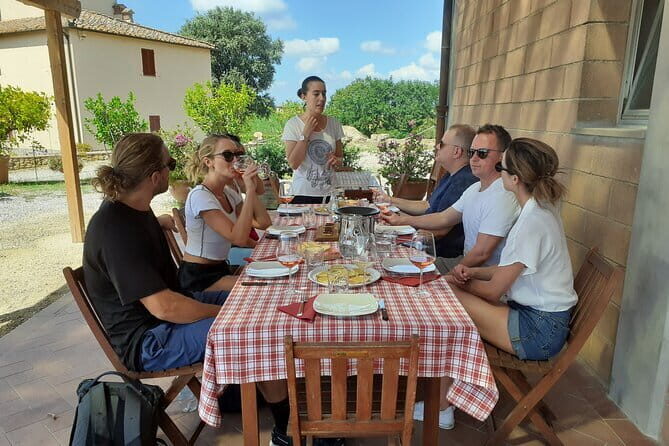
Dessert is the final course—described as a sweet finish. In a class like this, dessert can be easy to rush or treat as an afterthought. Here, it’s part of the structured 4-course flow, which is what you want if you booked for the full evening experience.
Then comes the tasting. This is one of those simple features that makes a big difference. You’re not waiting to eat until you’ve left the building. You taste what you cooked, so you can judge what worked, what you might change next time, and how the courses fit together as a meal.
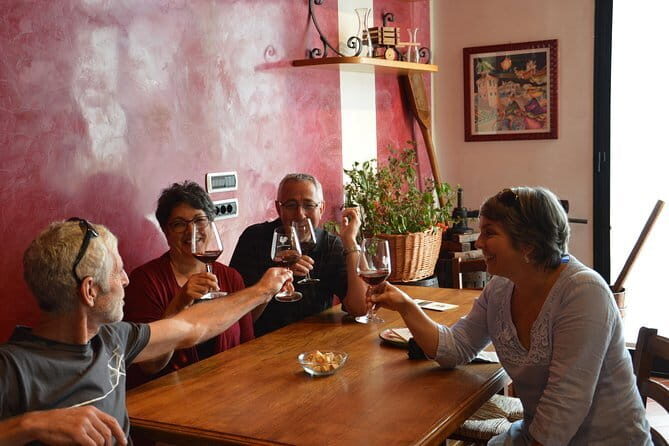
Wine and water are included, and it’s built into the experience rather than tacked on as a separate add-on. One detail to consider: in at least one account, wine was served at the end and not during the busiest prep times. That can still be fine—after all, you don’t need wine in the middle of pasta dough—but if you’re picturing a steady sip while everything cooks, set your expectations for a post-cook moment.
If you’re sensitive to noise, keep in mind that the setting can be loud for some people. One participant specifically mentioned noise levels as an issue. Kitchens can get lively, and Florence areas outside the kitchen can add to the sound—so if you prefer quiet, this is worth factoring in.
- Tuscany Day Trip from Florence: Siena, San Gimignano, Pisa and Lunch at a Winery
★ 5.0 · 21,634 reviews


Price and group size: where the value really lands
At $94.82 per person for about 4 hours, you’re paying for more than ingredients. You’re paying for:
- Time with an instructor in an actual school kitchen
- Multiple courses that become your meal
- Wine and water included
- A tasting so you don’t leave hungry or uncertain
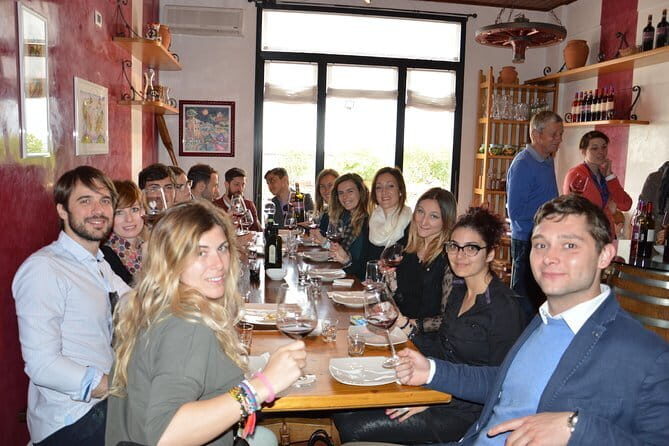
For me, the best way to judge value is to ask: are you mostly watching, or are you cooking? The class is designed so no more than 15 student chefs are actively working, even though the maximum group size is up to 20 travelers. That design detail matters. It means you should get hands-on time at the stations.
Still, not every class feels identical. Some people have said the group was larger than ideal for participation and that instructions weren’t always broken down in a super step-by-step way. If you’re a confident cook who wants total control, you might find you’re sharing a station. If you’re a beginner, that’s often a plus—shared work with instruction can keep you from getting lost.
Who should book this? I’d point you here if:
- you want a classic Tuscan menu you can actually make
- you like eating what you cook
- you want a social evening without it turning into a huge crowd
- you’re traveling with friends or family and want a shared activity
If you’re the type who hates walking across town after a long day, plan your route carefully. And if you need a very quiet, slow, strictly step-by-step pace, you may want to consider whether a school-style class fits your learning style.
Quick practical guidance for your Florence cooking evening
A 5:00 pm start is a sweet spot. It’s late enough to enjoy your morning and early afternoon, and it saves you from having to find an excellent last meal. You’ll likely be done around the end of the 4-hour window, and since it ends back at Via Camillo Cavour, you can roll right into dinner nearby afterward if you want.
Dress like you’re going to work a little: comfortable shoes help. Also, go hungry but not frantic. You’re building a full meal, and you’ll have a tasting at the end—so you don’t need to snack heavily before you arrive.
If you want the vegetarian route, make the request before you go. The class notes vegetarian options are available on request, and this matters because the menu flow is built around the ragù choice and the courses that follow.
Finally, if you enjoy learning from personality as much as technique, look for instructors who keep it friendly and inclusive. Names like Stefano, Francesco, Caterina show up as praised hosts, and that’s a strong hint the atmosphere is meant to be welcoming, not intimidating.
Should you book this 4-course cooking class in Florence?
Yes, if you want a true Florence food experience that turns into your dinner. The main reasons to book are the hand-made pasta, the structured 4-course flow, and the fact you taste what you make, with wine and water included. It’s also one of those activities that works well for mixed skill levels because it’s designed as a class, not a one-dish demo.
Skip it (or book with eyes open) if you need a super quiet space, want wine while you cook rather than mostly at the end, or you’re sensitive to noise and waiting time at the start.
FAQ
Is the cooking experience in English?
Yes. The experience is offered in English.
How long is the cooking class?
It runs for about 4 hours.
What time does the class start?
The start time is 5:00 pm.
Where do I meet for the class?
You meet at Via Camillo Cavour, 180, 50121 Firenze FI, Italy.
How many people are in the group?
The activity has a maximum of 20 travelers, and the class is designed so no more than 15 student chefs are cooking.
Are vegetarian options available?
Yes. Vegetarian options are available on request.
What’s included in the meal?
You prepare and then taste a 4-course meal: antipasti, fresh pasta with ragù (meat or vegetable), a meat with vegetables main course, and dessert.
Is wine and water included?
Yes. Water and wine are included.
Is there a tasting at the end?
Yes. After the cooking, there is a food tasting of what you prepared.
What is the cancellation policy?
Free cancellation is available up to 24 hours in advance for a full refund. If you cancel less than 24 hours before the start time, the amount paid won’t be refunded. If the minimum number of travelers isn’t met, you’ll be offered another date/experience or a full refund.
You Might Also Enjoy
More Cooking Classes in Florence
- Cooking Class and Lunch at a Tuscan Farmhouse with Local Market Tour from Florence
★ 5.0 · 4,831 reviews

More Tour Reviews in Florence
- Tuscany Day Trip from Florence: Siena, San Gimignano, Pisa and Lunch at a Winery
★ 5.0 · 21,634 reviews - The Best tour in Florence: Renaissance & Medici Tales – guided by a STORYTELLER
★ 5.0 · 12,316 reviews