REVIEW · CHIANTI
Cooking Class on a Family Farm in Chianti with Lunch
Book on Viator →Operated by Cofferi1242 - Camilla Romoli · Bookable on Viator
If you want Tuscany with your hands in the dough, this fits. It’s a small-group class on a working Chianti farm where you learn homemade pasta and bread, then eat what you make with farm olive oil and local wine. The view is hard to top, but the setting is rural—so the drive up and the farm spaces can feel rustic.
I especially loved how the teaching stays practical and calm, even when the group has kids or beginners. I also liked that you get a true farm-to-table feel: herbs from the garden, olive oil used in the cooking, and even a look at where key ingredients are grown. One thing to keep in mind: if you’re expecting a spotless, picture-perfect restaurant patio the whole time, you may be surprised. This is a real family farm, with real working areas.
In This Review
- Key highlights from a Chianti farm day
- A Hilltop Chianti Farm Where Olive Oil and Saffron Are Part of the Story
- From the Meeting Point to the Welcome: What the 10:30 Start Feels Like
- The Olive Grove and Saffron Field Stop That Makes the Cooking Click
- Homemade Pasta Session: From Dough to Tagliatelle, Ravioli, and Tortelloni
- Bread and Schiacciata: A Versatile Dough You Can Use Again
- Building the Menu: Herbs, Sage Butter, Olive Oil, and Local Wine
- Lunch Outdoors Over Vineyards: Where the Day Slows Down
- Price and Value: Is $175.43 Worth It?
- Getting There and What to Expect on the Property
- Who Should Book This Chianti Farm Class
- Should You Book This Chianti Farm Cooking Class?
- FAQ
- How long is the cooking class on the Chianti family farm?
- What dishes will I learn to make?
- What time does the class start?
- Is the class offered in English?
- Will there be lunch, and will it be outdoors?
- How large is the group?
- Is there free cancellation?
Key highlights from a Chianti farm day
- Small group, big attention: capped at 20 people, so you’re not lost in the shuffle.
- Farm tour before you cook: olive grove views and a saffron field are part of the welcome.
- Hands-on pasta class: you’ll learn dough and shape techniques like tagliatelle, ravioli, and tortelloni.
- Bread plus schiacciata from the same dough approach: learn how to work with a versatile base.
- A full meal you assemble: starters to dessert, paired with local wine (often Chianti).
- Al fresco lunch, weather permitting: you’ll eat outdoors when conditions allow, looking over vineyards and olive trees.
A Hilltop Chianti Farm Where Olive Oil and Saffron Are Part of the Story
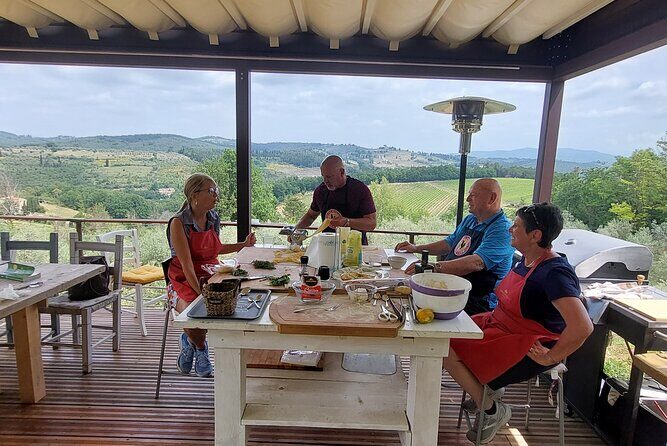
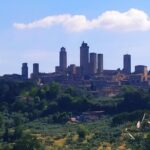
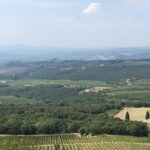
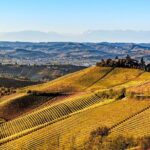
This cooking class happens on a family farm high on a hill in the Chianti area—surrounded by vineyards, olive trees, and wooded countryside. The setting matters because it changes the whole tone of the day. You’re not just learning recipes; you’re learning where the flavor comes from.
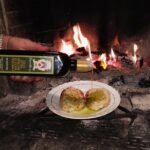
You start with the basics: the farm’s olive oil and garden herbs show up in the cooking, not just as a garnish. And yes, you’ll also hear about and see things like an olive grove and a saffron field. That saffron detail isn’t random. It’s the kind of ingredient that helps you understand why Tuscan cooking tastes the way it does—simple ingredients, treated with care.
Two things I think you’ll appreciate fast. First, the hosts (Camilla Romoli and family) keep the experience welcoming and hands-on, including for families and mixed ages. Second, the class is structured enough that you’re never wondering what happens next—you cook, then taste, then cook again.
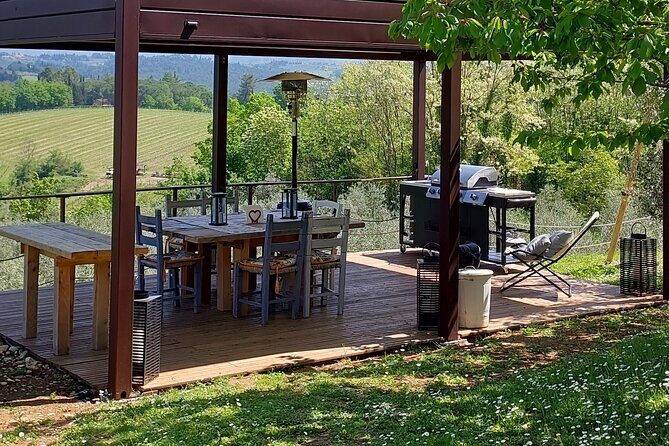
The only real “watch-out” is the farm vibe. It’s not a polished indoor studio. Expect a working property and rustic outdoor spaces. Some areas may not match the clean, lounge-like look you might imagine from promotional photos.
You can also read our reviews of more cooking classes in Chianti
From the Meeting Point to the Welcome: What the 10:30 Start Feels Like
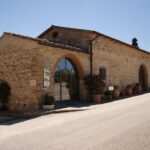
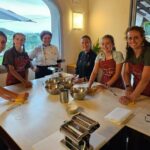
The class begins around 10:30 am, and you’ll meet at Cofferi 1242 in Il Ferrone (Via dei Cofferi, 12, 50026 Il Ferrone FI, Italy). You end back at the meeting point, so you don’t have to plan extra transit after lunch.
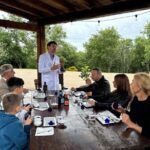
What’s nice is that the day doesn’t feel like a sprint. Before the real cooking starts, you get to meet your host and group, talk a bit, and take a short tour of the property. That early rhythm makes a difference: people relax, kids settle in, and even nervous first-timers end up comfortable with flour on their hands.
A practical note: getting to the farm can be tricky if you’re used to smooth city roads. The drive is often described as bumpy and sometimes rough. If you’re renting a car, plan for cautious driving and allow extra time. If you’re following directions, verify your route before you commit—some guests say they had trouble finding it at first.
The Olive Grove and Saffron Field Stop That Makes the Cooking Click
One of the smartest parts of the experience is that the farm tour happens before you’re cooking. You’ll see the olive grove and the field where saffron grows, and you’ll get a feel for the landscape you’re eating.
This matters because it explains the ingredients in plain terms. Olive oil in Tuscany isn’t just a product—it’s the backbone of the flavor style. Saffron, meanwhile, is the “why” behind richer, aromatic touches you’ll use later. Even if you don’t cook saffron at home all the time, knowing what you’re looking at helps you cook with more intention.
Also, you’re in the countryside. The air, the sightlines, the quiet. Even before you eat, the day works like a reset button.
Homemade Pasta Session: From Dough to Tagliatelle, Ravioli, and Tortelloni
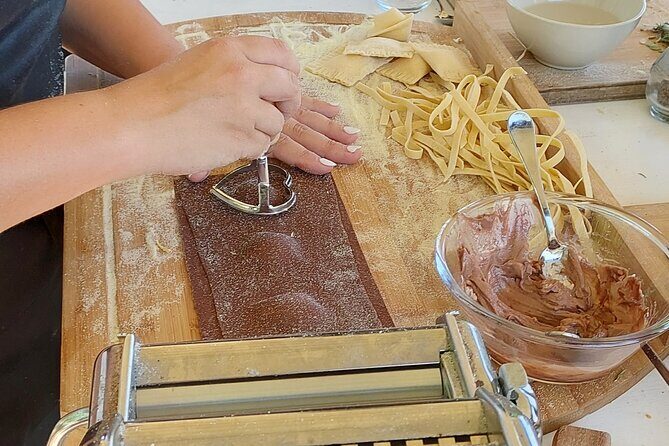
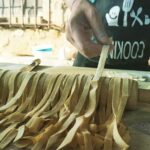
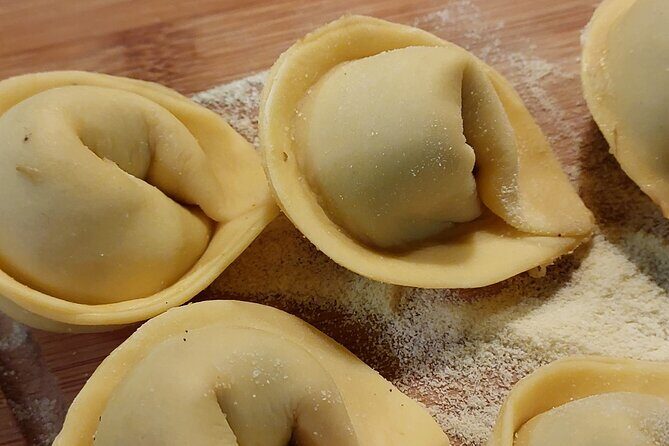
This is the heart of the class. You’ll learn to make homemade pasta dough and then shape it into different forms. The instruction is hands-on and step-by-step, and it’s paced so you can actually follow along without feeling rushed.
Your menu may include variations, but one clear sample includes:
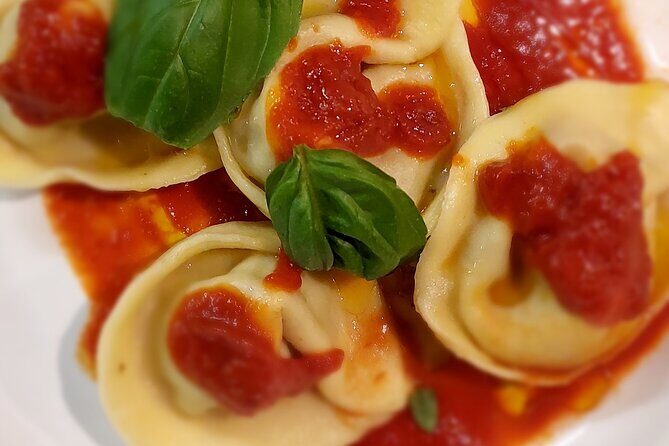
- Homemade ravioli and tortelloni with sage butter and parmesan
- Fresh ricotta–parmesan filling with lemon zest, seasoned with sage and pepper
- Homemade tagliatelle with either fresh tomato sauce or courgette (zucchini) pesto
The hosts also guide you through making different shapes—so it’s not just “mix and boil.” You’ll practice forming the pasta and work with the fillings and sauces that make each shape worth the effort. If you’ve ever tried pasta at home and felt like it always turns out uneven, this is where you’ll learn techniques you can repeat.
One thing I liked from the way the class is described: the hosts are patient. People mention being guided through dough and shaping even with kids in the group. That patience is gold if you’re traveling as a couple, family, or a group where some people like cooking and others would rather watch.
Bread and Schiacciata: A Versatile Dough You Can Use Again
After pasta, the class shifts to bread. You’ll learn dough prep to make bread and schiacciata, and you’ll get tips for using that versatile dough for different recipes.
If you’ve only ever bought focaccia or schiacciata, this changes the way you think about it. The lesson is meant to teach you how to handle dough—how it should feel, how to work it, and how you can reuse the method later at home. Many guests say the recipes are simple, which is exactly what you want after spending a day cooking in the Tuscan sun. You want the “I can do this again” feeling.
And yes, you’ll also bake enough to enjoy plenty on your lunch plate. This is not a tiny tasting workshop.
You can also read our reviews of more tours and experiences in Chianti

Building the Menu: Herbs, Sage Butter, Olive Oil, and Local Wine
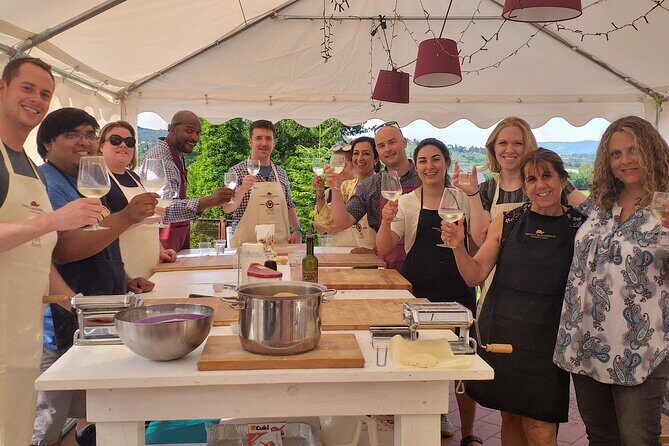
The class doesn’t stop at pasta and bread. You’ll create a complete meal that typically includes appetizers, first courses, second courses, side dishes, and dessert. Your exact dishes can vary, but the cooking style is consistent: farm ingredients, straightforward technique, and sauces that rely on real flavor—not complicated steps.
From the sample menu, you’ll see a strong Tuscan pattern:
- Sage shows up in butter-based sauce
- Parmesan plays a big role
- Ricotta is fresh in the filling
- Tomato sauce or courgette pesto gets paired with tagliatelle
- Dessert leans homey, like apple pie with crumble
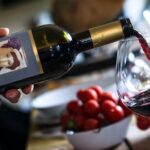
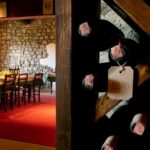
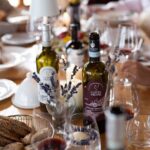
Then comes the wine. You’ll sip local wine during the meal, and there’s a good chance it includes Chianti from the area. Based on guest comments, the wine and olive oil are treated as part of the experience—not something you’re handed after the fact. If you’re the kind of traveler who likes to taste what’s actually produced nearby, this part will feel extra satisfying.
Lunch Outdoors Over Vineyards: Where the Day Slows Down
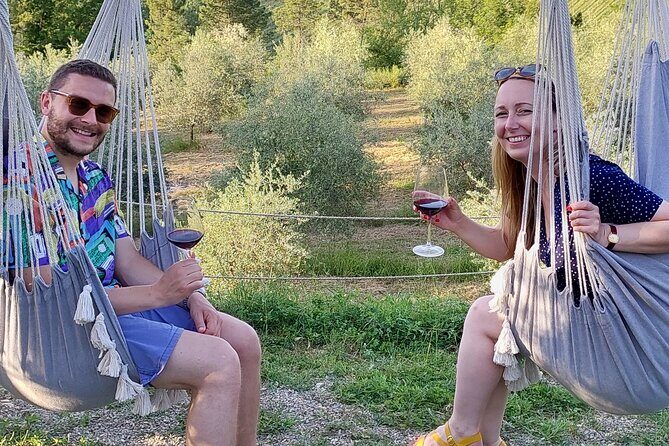
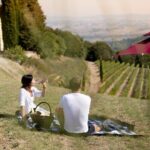
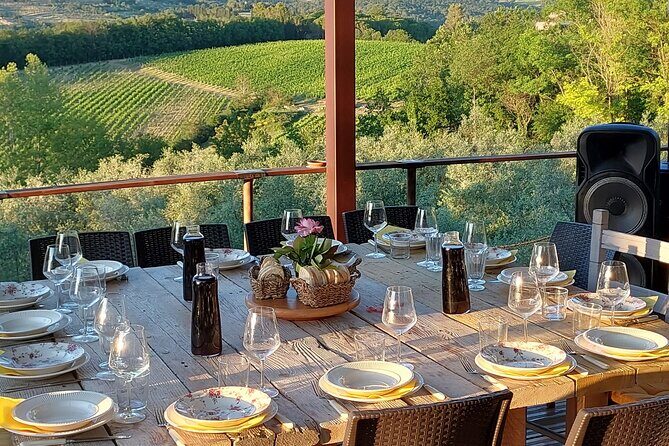
If weather permits, lunch is served outdoors in the garden with views over vineyards and olive trees. This is one of those “small detail, big impact” moments. You spend a few hours actively cooking, then you get to eat in a peaceful setting that feels unmistakably Tuscan.
Expect a relaxed pace after the cooking. You’re not rushing between stations or stacking plastic plates. Instead, you’re sitting down with the group, tasting your own work, and enjoying the countryside around you.
Weather does matter. If it’s not ideal outdoors, portions may be cooked or served inside. Either way, the goal stays the same: your meal is tied directly to what you made.
Price and Value: Is $175.43 Worth It?
At about $175.43 per person for roughly 4 hours, the price isn’t “cheap,” but it can be good value if you care about three things: instruction, ingredients, and eating what you cook.
Here’s why the math can work in your favor:
- You’re paying for hands-on teaching, not a demo. Pasta shapes and dough handling take real time.
- You’re eating a full meal (not just small tastings), including wine.
- You’re cooking with ingredients tied to the farm’s offerings—olive oil, garden herbs, and the broader farm setting.
Also, the group size cap at 20 helps. You’re more likely to get direct guidance and corrections, especially with pasta dough and shaping.
Could it feel overpriced for you? Possibly, if you mainly want a quick culinary souvenir and plan to eat at restaurants anyway. But if you want skills you can repeat at home—pasta, schiacciata, and bread methods—this class is the kind of experience that pays you back later.
Getting There and What to Expect on the Property
Most days are lovely, but the route and farm setup are worth planning for.
- Road conditions: expect a bumpy or rough drive up to a countryside property. Don’t plan to bring a low sports car if you’re worried about scraping or comfort.
- Finding the place: some guests mention difficulty locating the farm. Give yourself extra time and double-check directions before you leave.
- Working-farm feel: one review notes that certain areas didn’t match a polished outdoor patio look online. That doesn’t mean the class isn’t great—it just means you’re stepping into a real farm workflow, with areas that may look lived-in.
- Where cooking happens: some cooking happens outdoors (like the covered setup), but part of the work may be inside depending on the day.
If you come with the right expectations—rustic, real, hands-on—you’ll likely love it.
Who Should Book This Chianti Farm Class
This works best if you:
- Want a practical cooking lesson you can actually repeat at home
- Love Tuscany but prefer the farm side of the story, not just viewpoints and espresso stops
- Travel with a mix of ages and want an experience that can handle kids and adults without chaos
- Care about olive oil and wine as more than background
It may be less ideal if you:
- Need a very polished, modern setting for comfort
- Have limited patience for rural driving and directions
- Want a short class with only a small tasting
If you fall in the first group, you’re in the right place.
Should You Book This Chianti Farm Cooking Class?
If your goal is a memorable Tuscan day where you learn real techniques—making pasta shapes, working dough for bread and schiacciata, and putting together a full meal—then I think you should book it. The value comes from the combination of small group attention, hands-on cooking, and the farm-to-table setting: olive grove and saffron field views, garden herbs, olive oil in the cooking, and local wine at the table.
Go in expecting rustic charm, not hotel smoothness. Plan extra time to get there, and embrace the fact that you’re living inside a working farm experience for a few hours.
FAQ
How long is the cooking class on the Chianti family farm?
The experience is about 4 hours.
What dishes will I learn to make?
You’ll learn homemade pasta (including shapes such as tagliatelle, ravioli, and tortelloni) and you’ll also make bread and schiacciata dough. The sample menu includes ravioli/tortelloni with sage butter, tagliatelle with tomato sauce or courgette pesto, and apple pie with crumble.
What time does the class start?
The start time is 10:30 am.
Is the class offered in English?
Yes, it’s offered in English.
Will there be lunch, and will it be outdoors?
You’ll enjoy lunch as part of the experience. Lunch is served outdoors only if weather permits.
How large is the group?
The group size is capped at a maximum of 20 travelers.
Is there free cancellation?
Yes. You can cancel for a full refund up to 24 hours before the experience starts.