REVIEW · FLORENCE
Wine Tasting Experience with Three Types of Tuscan Wine
Book on GetYourGuide →Operated by Vino Tasting · Bookable on GetYourGuide
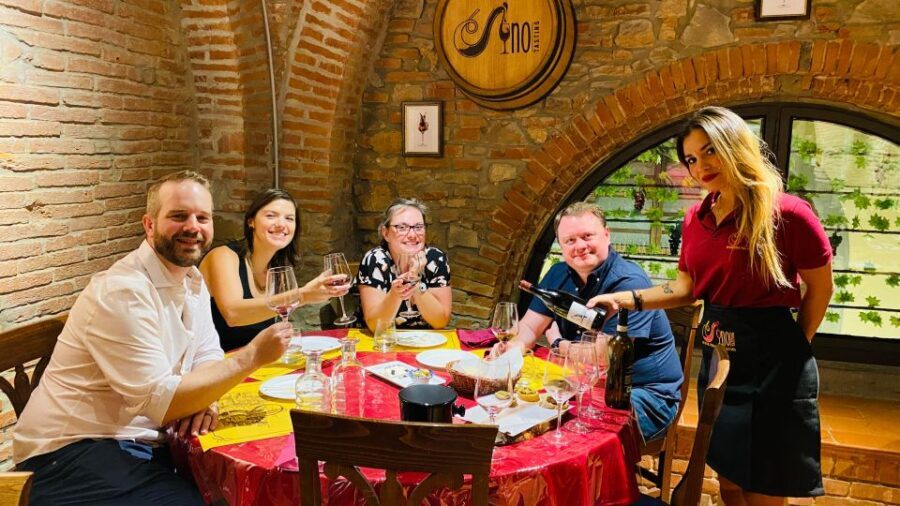
Three Tuscan wines, one smart hour in Florence. This wine crash course at Vino Tasting Global Srl is built for busy days, with a guide walking you through Vernaccia/Vermentino and two major reds—plus food—without needing a long day trip.
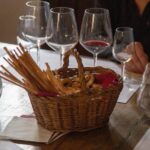
I especially like the way the tasting stays practical: you get a proper antipasto platter (olives, bruschetta, salami, prosciutto) so each sip connects to something you can taste right away.
One consideration: it’s not recommended for pregnant travelers and it isn’t suitable for people with food allergies, so make sure the menu can work for you before you book.
In This Review
- Key takeaways (quick, useful, and specific)
- Where This 1-Hour Tuscan Tasting Fits in Your Florence Day
- The Meet-Up Point and Start-Time Reality Check
- The Wine Lineup: What You Taste (and Why It Matters)
- White Wine Kickoff: Vernaccia or Vermentino’s Citrus-Mineral Feel
- Bolgheri Rosso: When Cabernet-Style Structure Shows Up
- Chianti Classico Riserva: The Aging Lesson You Can Taste
- Antipasto Pairings: The Food That Makes the Wines Click
- A quick heads-up on special menus
- The Guide Experience: From Questions to Real Pairing Talk
- Comfort and Location: A Break from the Heat, Not Another Chore
- Price and Value: Is $41 a Fair Trade in Florence?
- Who This Tasting Suits Best (and Who Might Want Something Else)
- Should You Book Sip Florence: Three Types of Tuscan Wine?
- FAQ
- How long is the wine tasting?
- Where does the tour meet?
- How much does it cost?
- What wines are included?
- What food is included with the wines?
- Are gluten-free or vegetarian options available?
- What language is the guide?
- Is hotel pickup included?
- Who can drink the alcoholic beverages?
- Is it refundable if I need to cancel?
Key takeaways (quick, useful, and specific)
- Three bottles, three styles: a white (Vernaccia or Vermentino), a Bolgheri Rosso, and a Chianti Classico Riserva.
- Food is part of the lesson: olives, bruschetta, salami, and prosciutto aren’t an afterthought.
- You’ll learn the why, not just the names: varietals, terroir, and pairing tips are part of the hour.
- Location matters for short stays: it’s conveniently placed right by Mercato Centrale, so you can pair the tasting with a foodie stop.
- Comfort perks in the middle of the day: the space has air conditioning, WiFi availability, and wheelchair access.
- Guides can tailor the flow: recent guests highlight hosts like Francesca, Jessica, and Vinci for answering lots of questions and adjusting pairings when needed.
Where This 1-Hour Tuscan Tasting Fits in Your Florence Day
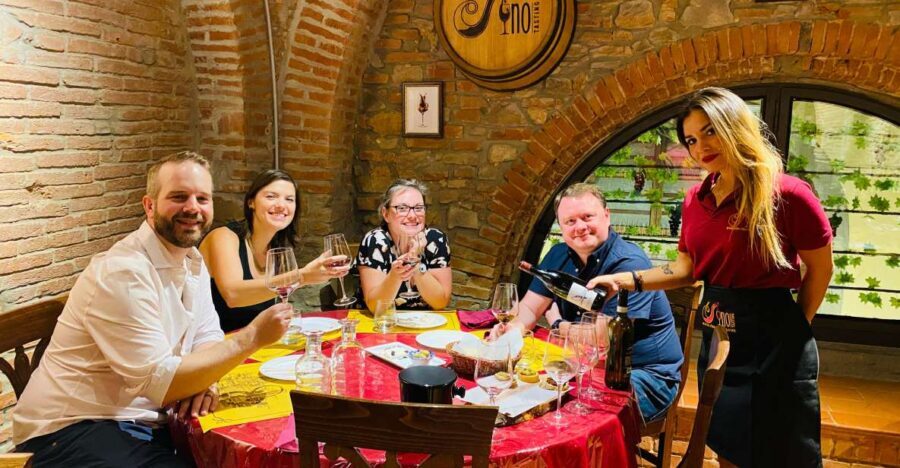
Florence can be intense. Even on a perfect itinerary, you hit heat, lines, and the kind of walking that makes your feet start negotiating. This experience is designed for the opposite of that: a contained, one-hour break with guided wine education and real food to keep things balanced.
The setting is Vino Tasting Global Srl at Via del Gomitolo dell’Oro, 11r (near Mercato Centrale). That neighborhood detail matters. You can do the tasting, then keep exploring without spending your whole afternoon commuting to the countryside.
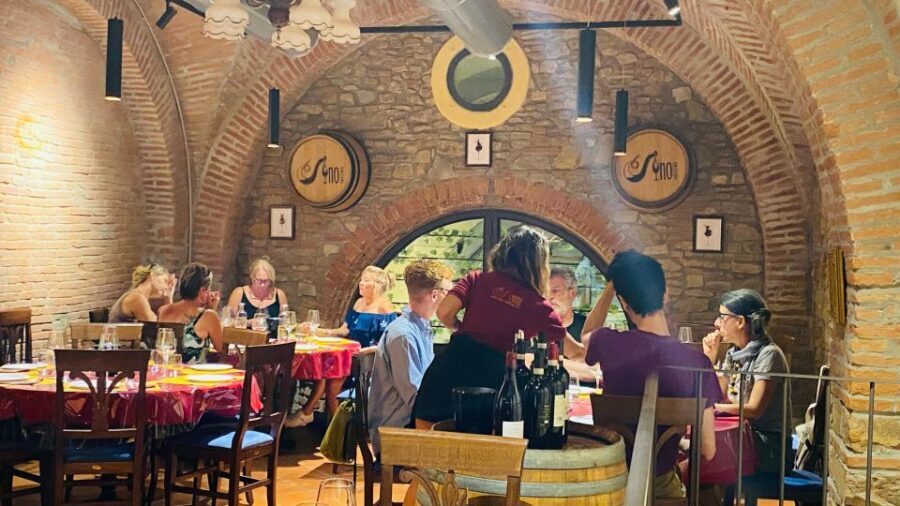
The vibe is also the right size for a “try it and get it” moment. The format isn’t a sprawling bus tour. Instead, you’re set at tables with an official certified guide, tasting three wines in sequence while the guide explains what you’re tasting and why it pairs well with what’s on your plate.
If you love wine, you’ll still get value. If you’re not a hardcore wine person, you’ll get enough structure to sound like you know what you’re talking about by the end of the hour.
You can also read our reviews of more food & drink experiences in Florence
The Meet-Up Point and Start-Time Reality Check
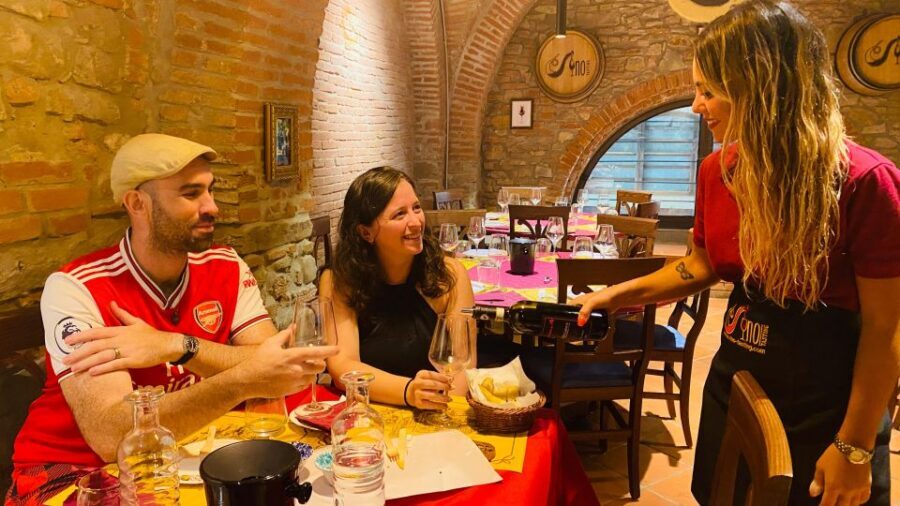
You’ll want to be at the meeting point: Vino Tasting Global Srl, Via del Gomitolo dell’Oro, 11r, 50123 Firenze FI, Italy. Plan to arrive a bit early. If you show up after the tour start time, you won’t be able to join and there’s no refund or rescheduling.
The tour runs about one hour, which is short enough to fit between other activities, but long enough for actual learning. You’re not just handed a glass and sent off. You’ll move through the tastings in order, with pairing explained along the way.
Also note the guide language is listed as Italian. Many visitors still manage with the pairing and the visual guidance, but if you rely on full English instruction, this is the one potential snag to consider.
The Wine Lineup: What You Taste (and Why It Matters)
The tasting focuses on three Tuscan classics, each chosen to show a different side of the region’s wine personality. You’ll taste:
- A white: Vernaccia or Vermentino, described as mineral and citrus-forward
- A red: Bolgheri Rosso, often featuring Cabernet Sauvignon for structure and punch
- A red highlight: Chianti Classico Riserva, known for complex flavors and smoother tannins from extended aging
What I like about this lineup is that it’s not random. It’s an education in contrasts. You start crisp and bright, then you move to a bolder style, then you finish with a more layered, aging-driven wine. By the end, you can usually tell the difference between acidity, tannin feel, and flavor depth—even if you didn’t know the vocabulary before.
White Wine Kickoff: Vernaccia or Vermentino’s Citrus-Mineral Feel
Your tour begins with a crisp white—Vernaccia or Vermentino—aimed at “wake up your palate” energy. The description calls out minerality and citrus notes, which is a helpful clue: you’re likely to taste something with tension, not something sweet or heavy.
This matters because it sets your baseline. A mineral, citrusy white gives you a clean stage to compare the next pours. Then, when the first red arrives, you can actually notice how the wine’s weight changes your mouthfeel.
This is also where pairings start to click. If your platter includes something like olives or bruschetta, the salt and acidity can make the wine feel sharper and more precise. That’s not just food fun; it’s real tasting technique.
Bolgheri Rosso: When Cabernet-Style Structure Shows Up
Next comes Bolgheri Rosso. The guide explains it as a blend often featuring Cabernet Sauvignon, which usually means you’re going to notice more body, more firm tannin structure, and flavors that can lean toward darker fruit and deeper spice rather than fresh, bright fruit alone.
The practical win here: Bolgheri is often discussed as a “modern” Tuscany reference point, compared to the more traditional identity people expect. Even if you’re not chasing trends, tasting it in an hour helps you get past stereotypes. Tuscany isn’t one flavor—it’s a range.
This is also where the guide’s method shows. A good sommelier won’t just say the wine is good. They point out what to look for, then connect it to what you’re eating. You’ll get tips on how to pair and what to pay attention to as the red opens.
You can also read our reviews of more wine tours in Florence
- Tuscany Day Trip from Florence: Siena, San Gimignano, Pisa and Lunch at a Winery
★ 5.0 · 21,634 reviews

Chianti Classico Riserva: The Aging Lesson You Can Taste
Last is Chianti Classico Riserva, the “crown jewel” style in this set. The description highlights complex flavors and smoother tannins from extended aging. This is an important signal for anyone new to wine: aging isn’t just about time. It changes texture and how tannins feel—less drying, more integrated.
For me, this ending is the best kind of finish: you start bright, you build intensity, then you close with a wine designed to show maturity. That’s how you learn. Your palate doesn’t just get tired—it gets trained.
And it’s a fitting Tuscany wrap. Chianti is the name most people recognize, but this version gives you the “why.” Once you compare it after the other two wines, you can usually pick up why a Riserva tastes fuller and rounder.
Antipasto Pairings: The Food That Makes the Wines Click
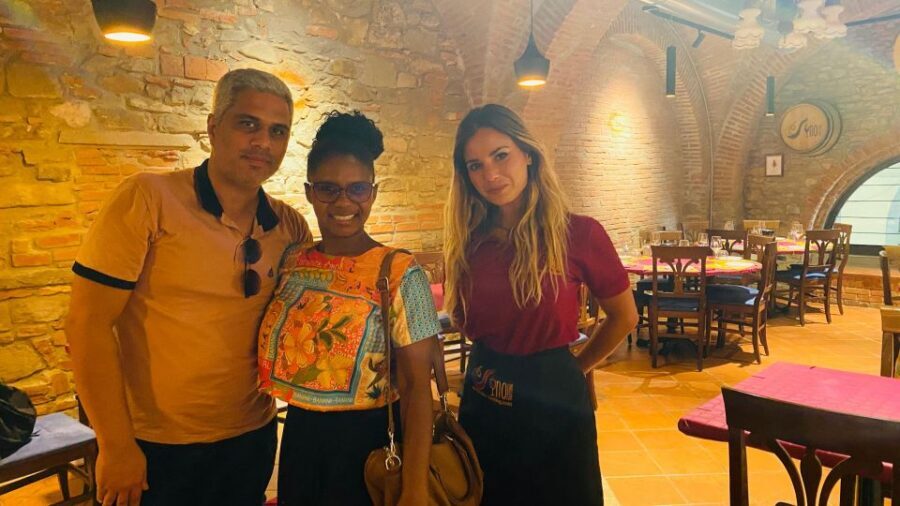
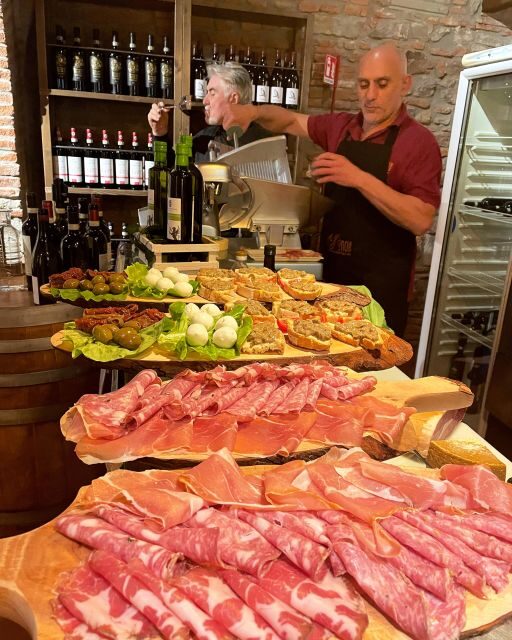
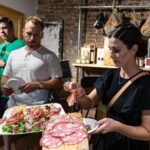
You don’t just sip here. You eat. The included platter includes:
- Italian olives
- Bruschetta
- Salami
- Prosciutto
That spread is smart for pairing because it gives you salt, fat, and texture. Olives add briny intensity. Bruschetta adds crunch and acidity (depending on how it’s prepared). The cured meats bring fat and salt that can soften the feel of tannins.
What’s especially helpful is the guide’s pairing guidance. Some hosts even adjust the flow based on preferences. Recent guests described hosts who offered more of favorites and corrected course when someone didn’t love a particular wine pairing—then recommended something better suited to their taste.
If you’re thinking, Will this be enough food? In a short one-hour format, it’s actually generous. More than a “snack,” it’s enough to keep you comfortable and make the tasting feel like a meal-adjacent experience.
A quick heads-up on special menus
Gluten-free or vegetarian menus are available on request. If you have any allergy concerns, don’t wing it—alert them when booking and before the tour. The experience is explicitly not suitable for people with food allergies, so only proceed if your needs match what they can safely accommodate.
The Guide Experience: From Questions to Real Pairing Talk
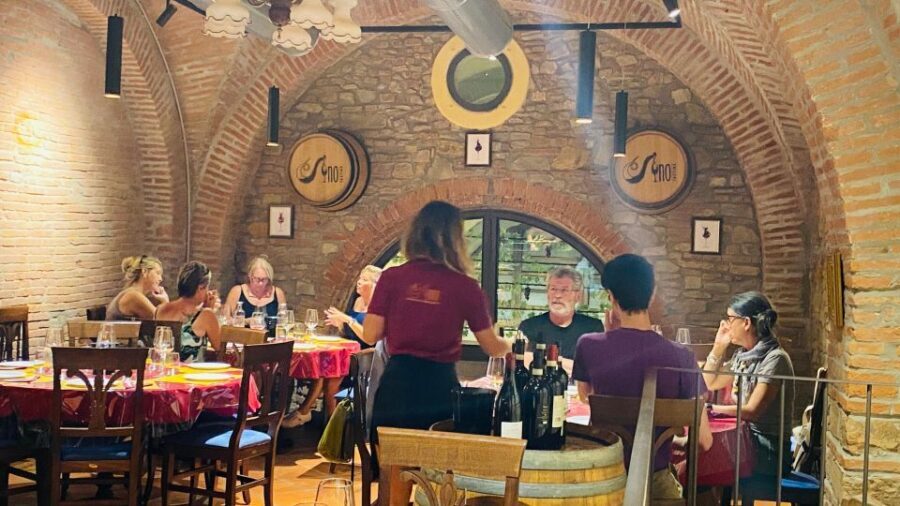
The heart of the tour is the guide. You’ll have an official certified guide and a structured tasting with pairing tips. The language is Italian, but the interaction is still hands-on.
From recent guest feedback, the guides stand out for:
- answering lots of questions without rushing you
- keeping explanations clear and not boring
- adjusting the pacing when someone has preferences
- adding extra pours of favorites when appropriate
Names that have come up in past tastings include Francesca, Jessica, and Vinci. Since this is a small-format tour, your experience often depends on who you get—so if you’re picky about wine talk versus quick sipping, you’ll want to be ready to ask questions early.
Also, if you’re traveling solo, you don’t have to worry about being “left out.” Guests described being treated like a priority when tasting alone. That’s what you want from a short activity—attention, not background noise.
Comfort and Location: A Break from the Heat, Not Another Chore
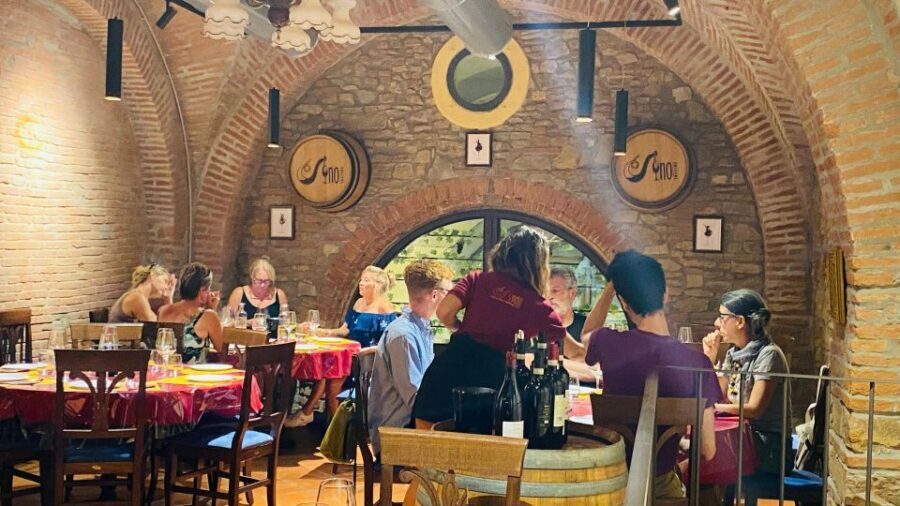
This is the type of activity I’d treat as a recharge button. The space has air conditioning and there’s WiFi availability. Recent guests also mentioned clean bathrooms, which sounds basic until you’re in Florence sweating through a day of sightseeing.
The location by Mercato Centrale is a major convenience. That means you can:
- stop for a quick browse or snack after the tasting
- return to the city center without planning a separate trip
- keep your day feeling flexible rather than boxed in
And because it’s one hour, you avoid the trap of “half your day spent getting there and waiting.” You get the core experience, then you move on.
Price and Value: Is $41 a Fair Trade in Florence?
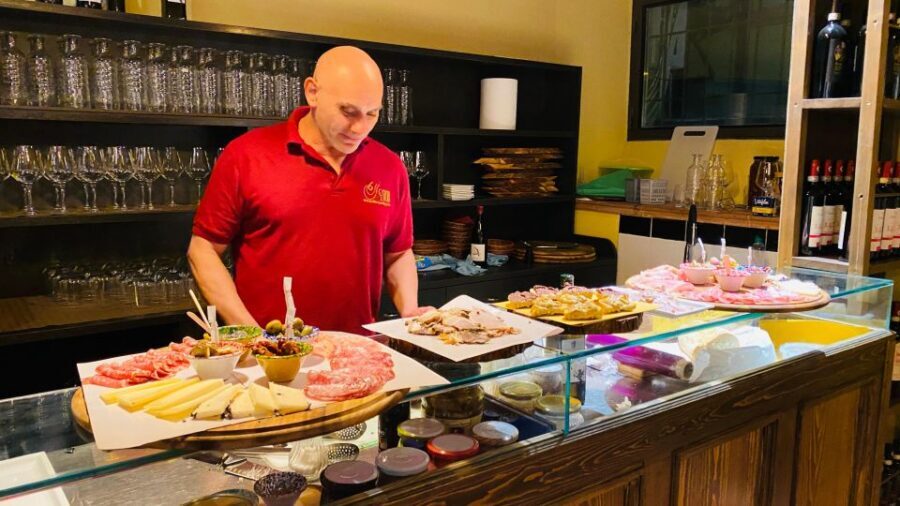
At $41 per person for a one-hour guided tasting, you’re paying for four main things:
1) instruction from a certified guide
2) three different wines
3) a food pairing platter
4) the convenience of a city-based stop with a tight schedule
Wine prices vary wildly, but what makes this feel like good value is the pairing structure. You aren’t just buying glasses; you’re getting a guided lesson that uses the food to teach you how flavor balance works. That’s why a single hour can feel worth it even if you don’t plan to become a wine student.
It’s also easier on a budget than the “big day” wine tour model. If your goal is to taste, learn a little, and still enjoy Florence, this is built for that sweet spot.
Who This Tasting Suits Best (and Who Might Want Something Else)
This works really well if:
- you want a quick Tuscany taste without a long drive
- you like wine enough to enjoy guided comparisons
- you want food included, not a bare minimum pour
- you prefer a smaller, less exhausting plan in the middle of the day
It might not be the best fit if:
- you need non-Italian instruction (the guide language is Italian)
- you’re very sensitive to allergy risk (it’s not suitable for food allergies)
- you’re pregnant (it’s not recommended)
- you’re hoping for a full vineyard visit or a deep dive into one estate (this is one hour, so it’s more “broad and practical” than “slow and academic”)
Also, alcoholic beverages are only available for participants 17 years and above. If you’re bringing kids, children drinks like Coca Cola, Fanta, or Sprite are included.
Should You Book Sip Florence: Three Types of Tuscan Wine?
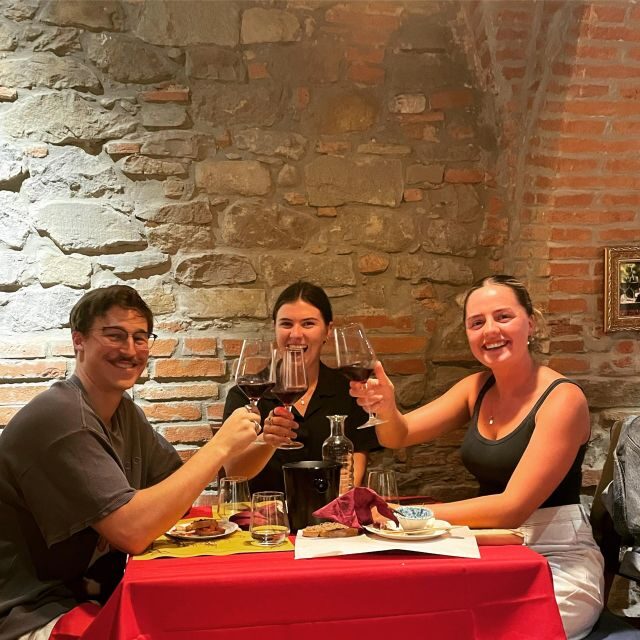
I’d book it if you want the classic Tuscany sampler—white to bold red to Riserva—with expert guidance and real antipasto pairings in a compact, air-conditioned break. The price feels fair because the hour includes both tasting and food, and the city location means you keep momentum in Florence instead of sacrificing your whole day.
I’d hesitate if you have food allergies, are pregnant, or if you strongly need English-led instruction. In those cases, you’ll be happier choosing a different format that better matches your needs.
FAQ
How long is the wine tasting?
The experience lasts 1 hour.
Where does the tour meet?
You meet at Vino Tasting Global Srl, Via del Gomitolo dell’Oro, 11r, 50123 Firenze FI, Italy.
How much does it cost?
The price is $41 per person.
What wines are included?
You taste three types of Tuscan wine: a white (Vernaccia or Vermentino), a Bolgheri Rosso, and a Chianti Classico Riserva.
What food is included with the wines?
The tasting includes a platter of Tuscan appetizers such as Italian olives, bruschetta, salami, and prosciutto.
Are gluten-free or vegetarian options available?
Yes. Gluten-free or vegetarian menus are available on request.
What language is the guide?
The live tour guide is listed as Italian.
Is hotel pickup included?
No. Hotel pickup and drop-off are not included.
Who can drink the alcoholic beverages?
Alcoholic beverages are available for participants 17 years and above.
Is it refundable if I need to cancel?
Yes. You can cancel up to 24 hours in advance for a full refund.
You Might Also Enjoy
More Wine Tours in Florence
- Tuscany Day Trip from Florence: Siena, San Gimignano, Pisa and Lunch at a Winery
★ 5.0 · 21,634 reviews
More Food & Drink Experiences in Florence
- San Gimignano, Siena, Monteriggioni, Chianti Day Trip with Lunch & Wine Tasting
★ 4.5 · 4,432 reviews
More Tour Reviews in Florence
- Tuscany Day Trip from Florence: Siena, San Gimignano, Pisa and Lunch at a Winery
★ 5.0 · 21,634 reviews - The Best tour in Florence: Renaissance & Medici Tales – guided by a STORYTELLER
★ 5.0 · 12,316 reviews