Bees in Volterra sound small. The experience is not. You start with a short walk to an educational apiary and you get a behind-the-scenes look at how a family farm works with hives in total safety, plus you finish with lab-time honey extraction and tastings that go well beyond just tasting honey. I also like how the visit turns bee facts into a story: you learn the three castes and hear a funny and sad take on drones, then watch beekeeping work both inside and outside the hive area.
One thing to keep in mind is getting there: the access road can be rough and bumpy, so if you’re car-sensitive, plan your ride accordingly.
In This Review
- Key highlights you’ll feel right away
- Bees, Tools, and a Short Walk from Volterra
- Entering the Apiario: Safe, Up-Close Bee Viewing
- The Three Castes Lesson: Queen, Workers, and Drones
- “Honey Isn’t the Whole Story” and Why That Matters
- Watching Beekeeping in Action Outside the House
- Honey Extraction in the Laboratory: From Hive Work to Your Cup
- What the Cast of Characters Can Look Like on the Day
- Price and Value: Why $24.10 Can Make Sense
- Getting There from Florence: Plan for the Final Road
- Weather, Timing, and What to Wear
- Who This Tour Is Best For
- Should You Book Discovering Bees in Volterra?
- FAQ
- Where is the meeting point for Discovering Bees in Volterra?
- How long does the experience last?
- Is the tour offered in English?
- What will I do during the apiary visit?
- Will I taste honey during the tour?
- Is this a private tour?
- Does the activity run in bad weather?
- What is the cancellation policy?
Key highlights you’ll feel right away
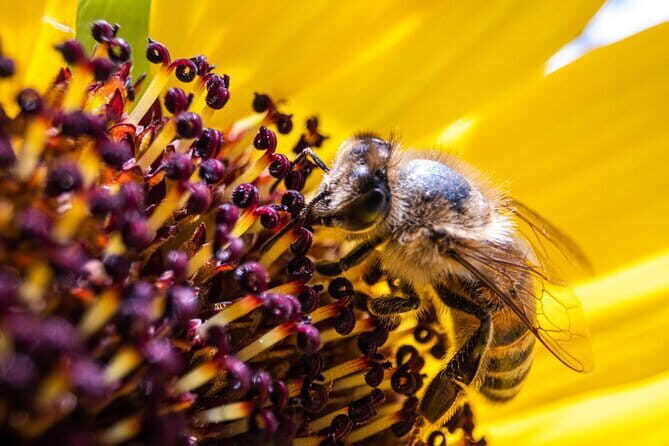
- A 500m walk to the apiary gives you context before the hives even come into view
- Inside-the-house viewing of bees’ duties is framed as safe and controlled
- Clear castes lesson: queen bee, worker bees, and drones, with an easy-to-follow story
- Honey and the hive outputs: propolis, pollen, and royal jelly are part of the explanation
- Beekeeper work outside the house lets you connect classroom info to real action
- Honey extraction + tastings back at the point of sale, with a chance to buy Km0 products
Bees, Tools, and a Short Walk from Volterra
This is a compact, family-run-style beekeeping experience based in Volterra, starting at Miele del FertiPodere Torricella 65, 56048 Volterra PI. The visit lasts about 1 hour 30 minutes, which is long enough to learn the basics and taste the results without eating your whole afternoon.
What I like right away is the pacing. You don’t jump straight to a hive and hope it makes sense. Instead, you walk about 500 meters to the educational apiary, and along the way you can see older agricultural tools still used until the 1970s. That little “how life used to run here” moment helps the beekeeping feel rooted, not staged.
You can also read our reviews of more tours and experiences in Florence.
- Tuscany Day Trip from Florence: Siena, San Gimignano, Pisa and Lunch at a Winery
★ 5.0 · 21,634 reviews
Entering the Apiario: Safe, Up-Close Bee Viewing
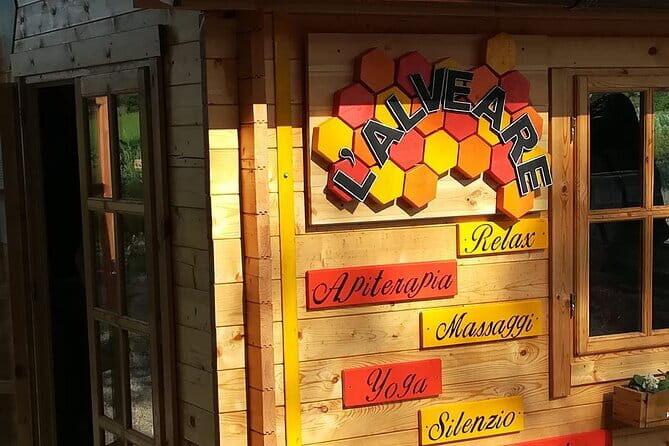
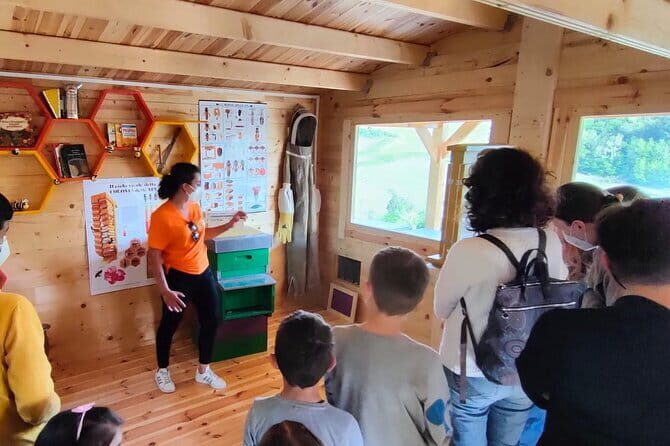
Your main visit happens in the apiary area with structured stops. First up is the time inside the house, where you can observe bees doing their duties from inside the viewing space. The key point is that the activity is described as in total safety, so you’re not left to guess how close you should get.
Inside, you’re guided through what you’re seeing rather than just looking at motion. The guide explains how bees function as a colony, and you’ll also hear the lesson broken into the three castes: queen bee, worker bees, and drones. The story element matters because it keeps you from treating this as a list. The “funny and sad story of the drone” also helps you remember the role without getting stuck in biology jargon.
If you’re doing this with kids, this is one of the better formats I’ve seen in Tuscany. The explanations are meant to match the pace of watching real behavior, so attention stays on what’s happening now.
The Three Castes Lesson: Queen, Workers, and Drones
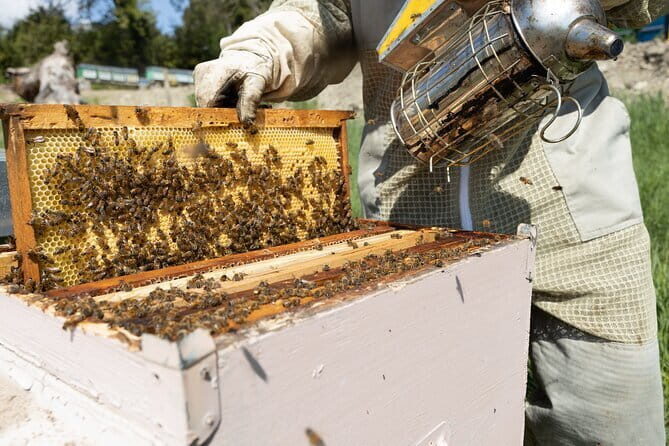
This part is more than trivia. Understanding castes changes how you read the hive. Instead of seeing “a bunch of bees,” you start to recognize patterns: who seems to move with purpose, who’s mostly doing tasks, and how the colony is organized around the queen.
Here’s what you should expect to cover:
- The queen bee’s role in the colony
- Worker bees and what they do as the colony runs
- Drones and why their role is short-lived compared to workers
Even if you only catch the big ideas, you’ll leave with a working mental model. And because the explanation is paired with live observation, the information sticks faster.
You might meet Valentina during the explanation. Multiple people describe her as engaging and passionate about the bees and the family work around them. In addition, other family members sometimes join the experience, such as her mother, and in some cases Biagio or Simone supporting different parts of the day. If you get a chance to chat, ask about how they interpret what you see inside the hive.
“Honey Isn’t the Whole Story” and Why That Matters
A common mistake in bee experiences is focusing only on honey. This one doesn’t. You’ll hear about what’s produced inside the hive beyond honey, including:
- Honey
- Propolis
- Pollen
- Royal jelly
That shift matters for your takeaway. When you understand that the hive produces multiple materials with different purposes, honey tasting stops being random. You start tasting within a broader system.
You’ll also get a sense of the hive as living labor. The guide ties production back to the bees’ work, and then later you’ll see the beekeeper do tasks outside the house, which reinforces the lesson.
Watching Beekeeping in Action Outside the House

After the indoor observation, you get live work outside the house. This is where the experience turns from viewing to understanding. The goal isn’t to make you perform tricky tasks. It’s to show you how the family manages and works with the hives in real conditions.
If you’ve ever wondered what beekeepers actually do day to day, this segment is the answer. It’s also practical if you’re curious about how knowledge turns into actions that protect both bees and people.
One small note: some people find the protective suits a little intimidating at first, even when everything is calm and controlled. The best approach is to treat it like a safety routine and just follow the guide’s instructions.
- Tuscany Day Trip from Florence: Siena, San Gimignano, Pisa and Lunch at a Winery
★ 5.0 · 21,634 reviews

Honey Extraction in the Laboratory: From Hive Work to Your Cup
After the apiary visit, you return to the point of sale area. This is where you move from “watching bees” to “handling what they produce.”
You can participate in the honey extraction in the laboratory, then you’ll taste freshly extracted honey. That matters because fresh honey is different from what you buy in a shop shelf. The flavor can feel more intense, and it’s a direct result of the extraction moment.
Then comes the broader tasting: you sample products from the farm, with the option to purchase Km0 items afterward. Km0 here is valuable because it signals local sourcing rather than mass-market consistency. If you’re the type who likes bringing food back that actually tastes like where you went, this part is worth your time.
What the Cast of Characters Can Look Like on the Day
This experience is private, meaning only your group participates. That can make a difference if you want to ask follow-up questions while you’re watching, tasting, or listening.
From the people who have done this, the energy sounds family-centered. Valentina is frequently mentioned as a clear, warm communicator. Other family members like her mother show up in conversation and welcome. In some situations, Simone appears as part of the group flow, sometimes adding additional entertainment after guided parts. Biagio is also mentioned in connection with the welcoming and activity dynamics.
Don’t assume every name will appear on every date, but you can expect a friendly, family-led format where people pay attention to what your group needs.
Price and Value: Why $24.10 Can Make Sense
At $24.10 per person for about 1 hour 30 minutes, this is priced like a focused, activity-based stop rather than a long sightseeing tour. The value comes from three buckets, not just one:
- Live, safe observation of bees and hive life
- Tasting that includes freshly extracted honey and multiple products
- Hands-on participation in the extraction lab step
If you only wanted a honey sample, you could probably find cheaper tastings elsewhere. But if you want the story behind the hive and the chance to see beekeeping work in context, the price starts to feel fair. It also helps that it’s private, so you’re not crushed into a huge crowd while you try to understand what you’re seeing.
Getting There from Florence: Plan for the Final Road
The tour is based around Volterra, and the meeting point is at the apiary-farm sales location: Miele del FertiPodere Torricella 65. How you get there is on you, since the experience details don’t spell out public transport or pickup.
One practical note from real experience: the access road can be unpaved and bumpy. If you’re traveling by rental car, drive slowly on approach. If you’re car-averse, consider timing so you’re not rushing and stressed on the last stretch.
Also, wear clothing you’re comfortable moving in. It’s not a steep hike, but it is a walk to the apiary first, so comfortable shoes help.
Weather, Timing, and What to Wear
This experience requires good weather. If it’s canceled due to poor weather, you should be offered a different date or a full refund. So if you’re building a day around it, keep a little flexibility.
In terms of clothing, you should expect to be close to bees while wearing protective suits (when provided). Dress for outdoor time during the walk and the apiary period, then plan to be fine indoors for the lab and tasting segments.
Who This Tour Is Best For
This fits best if you like:
- Hands-on food experiences
- Animal-based learning that’s practical, not just lecture
- A structured visit where you know what each stop will teach you
It also works for families since the experience is designed to explain things in a way that can engage both adults and kids. If you’re a bee skeptic who thinks honey tours are boring, this format is one of the better chances to change your mind—because you’re seeing colony roles and hive production, not just tasting sweetness.
Should You Book Discovering Bees in Volterra?
Yes, if you want a real working-farm beekeeping experience that includes safe live observation, a clear explanation of bee castes, and tasting that goes beyond the usual honey. The best sign is the shape of the day: walk in for context, observe inside, see the work outside, then finish with extraction and tasting you can actually evaluate with your own taste buds.
Only skip or reconsider if you know you’ll struggle with rough access roads, or if you’re uncomfortable with protective gear and being close to bees (even when safety is handled). If those are concerns, you’ll still hear the explanations, but your comfort might be the deciding factor.
If you’re visiting in peak season, book ahead. This activity is commonly booked about 55 days in advance, which tells me it’s a popular, limited-capacity farm experience.
FAQ
Where is the meeting point for Discovering Bees in Volterra?
The tour starts at Miele del FertiPodere Torricella, 65, 56048 Volterra PI, Italy.
How long does the experience last?
It lasts about 1 hour 30 minutes.
Is the tour offered in English?
Yes, the experience is offered in English.
What will I do during the apiary visit?
You’ll walk to the educational apiary, observe bees in the house in total safety, learn about the queen bee, worker bees, and drones, and watch the beekeeper’s work outside the house.
Will I taste honey during the tour?
Yes. After returning to the point of sale, you can participate in honey extraction in the laboratory and taste freshly extracted honey, followed by tasting the farm products with the option to purchase Km0 items.
Is this a private tour?
Yes. It’s private, so only your group participates.
Does the activity run in bad weather?
The experience requires good weather. If it’s canceled due to poor weather, you’ll be offered a different date or a full refund.
What is the cancellation policy?
You can cancel for free up to 24 hours in advance for a full refund. If you cancel less than 24 hours before the experience starts, the amount paid is not refunded.
You Might Also Enjoy
More Tour Reviews in Florence
- Tuscany Day Trip from Florence: Siena, San Gimignano, Pisa and Lunch at a Winery
★ 5.0 · 21,634 reviews - The Best tour in Florence: Renaissance & Medici Tales – guided by a STORYTELLER
★ 5.0 · 12,316 reviews