REVIEW · FLORENCE
Private and authentic cooking class experience with family
Book on Viator →Operated by Garden Cooking Class · Bookable on Viator
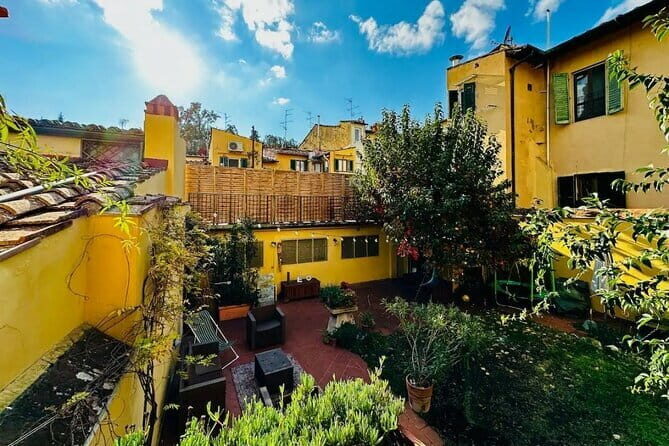
A Florence afternoon is better with flour on your hands. This family cooking class in the Oltrarno puts you inside a real Florentine house to make pasta from scratch and sauces with seasonal, often local ingredients, then sit down to taste it all together. I especially love the Oltrarno home setting and the garden-to-table feel (when the weather cooperates). One watch-out: if it rains, the garden part doesn’t happen the same way.
Camilla and Samuel teach the cooking step-by-step, with warm, patient energy that makes a private-feeling evening feel easy. You’ll also get a guided tasting of wine plus extra virgin olive oil, and if you want, you can learn how to make Spritz. (You’ll see how they do it, not just what to do.)
In This Review
- Key highlights at a glance
- Why this Florence cooking class feels different from the typical school
- The 3-hour flow: pasta, sauces, tastings, and the meal you make
- Arrival and getting oriented inside the house
- Homemade pasta: the hands-on part
- Sauces and starters: from simple starters to plated comfort
- Olive oil and wine tasting: how to taste like you mean it
- Desserts and coffee: the finishing course
- Garden-to-plate in Oltrarno: what you’re really paying for
- What about Spritz? Learn it if that sounds fun
- Vegetarian options and allergies: how to make this work for your needs
- Price and value: is $102.58 per person worth it?
- Group size reality check: private on paper, ask if you care
- Practical tips so you enjoy the whole evening
- Who should book this cooking class (and who might not love it)
- Should you book this Florence cooking class?
- FAQ
- What do we cook and eat during the class?
- Is the class private?
- Are drinks included?
- Are vegetarian meals and allergies handled?
- What happens if it rains?
- How long is it, and where does it start?
Key highlights at a glance

- Family kitchen instruction, right in an Oltrarno home—no classroom vibe.
- Homemade pasta work using simple recipes with seasonal, km0-style ingredients.
- Wine and olive oil tasting that’s built into the meal, not tacked on.
- Garden-grown herbs and vegetables when conditions allow, with garden-to-plate details.
- A sit-down dinner style meal together at the family table, with drinks included.
- Vegetarian and allergy options available if you tell them when you book.
Why this Florence cooking class feels different from the typical school
If you’ve done cooking classes before, you’ve probably seen the “tour group” formula: a shared space, a script, and plates that don’t feel connected to the people. This one is set up to feel personal from the start. You meet in the Oltrarno area and then step into a Florentine home where the work is practical and hands-on—mix, shape, sauce, taste, and then eat.
What makes it especially appealing in Florence is the pairing of food technique with everyday local living. You’re not just learning recipes; you’re learning how ingredients are treated—how pasta dough behaves, how sauces are built, and how tasting works. I like that the experience is rooted in typical products rather than fancy shortcuts. It gives you results you can actually reproduce later.
Still, it’s a real home setting. That means you should be ready for a casual flow and a weather-dependent garden experience. The class is designed for the garden, but the host notes that rain changes the plan.
You can also read our reviews of more private tours in Florence

The 3-hour flow: pasta, sauces, tastings, and the meal you make
This experience runs about 3 hours and ends back where you start. The schedule is flexible enough that the food can follow what’s freshest, but the rhythm stays consistent.
Arrival and getting oriented inside the house
When you arrive, you’re not treated like you’re “auditioning” for a cooking show. You’re treated like you’re helping make dinner. The setup includes the tools you need—so you’re not hunting for kitchen gadgets or improvising with random substitutes. That matters, because pasta is fussy: you want the right rolling and cutting tools for consistent results.
You’ll also get the framing of the day: typical Florentine products, seasonal choices, and a focus on homemade pasta processing. This helps you understand why the recipes might shift slightly depending on what’s available.
Homemade pasta: the hands-on part
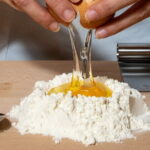
This is the heart of the class. You’ll start the processing of homemade pasta following simple recipes, and the instruction is built around doing the steps in front of you. Expect a practical mix of guidance and “go ahead, try it” moments—because pasta is the kind of thing you learn by shaping, not by watching.
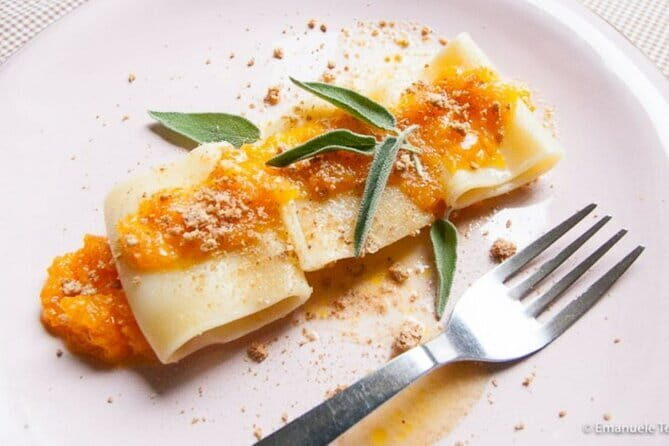
A key detail: the menu items can shift depending on what’s in season, but the method stays the same. Example pasta types include tagliatelle, ravioli, and lasagna. The saucing direction also rotates—tomato sauce, pesto, ragout, or pumpkin—so the flavor profile matches what they have fresh.
If you’re a first-timer, don’t stress. The class is set up for people who haven’t made pasta before. You get the chance to learn the correct way to work dough and then taste the results.
Sauces and starters: from simple starters to plated comfort
While pasta is cooking or resting, you’ll work through the rest of the meal. Example starters include fettunta, bruschetta, Tuscan crostini, or pinzimonio, often paired with home-produced olive oil.
That starter stage is useful because it teaches you a real Tuscan ingredient lesson: great bread plus great oil is not theory—it’s a direct flavor experience. It also sets you up for the olive oil tasting later, so when you taste, you understand what you’re comparing.
You can also read our reviews of more cooking classes in Florence
- Cooking Class and Lunch at a Tuscan Farmhouse with Local Market Tour from Florence
★ 5.0 · 4,831 reviews

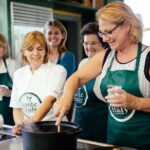

Olive oil and wine tasting: how to taste like you mean it
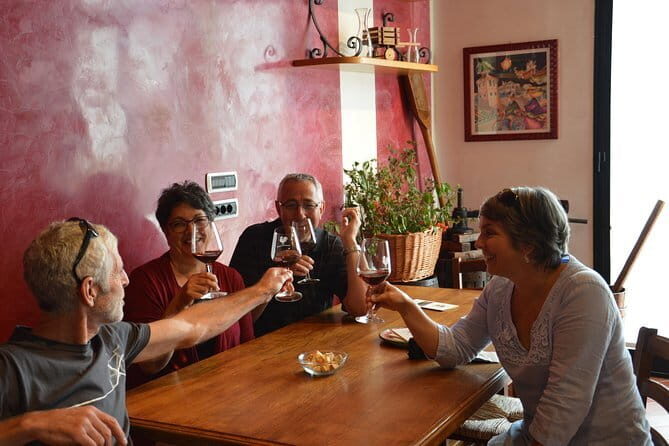
A lot of experiences toss in a sip of wine and call it tasting. Here, the tasting is part of the instruction. You’ll sample local products and wine, and you’ll learn how to taste extra virgin olive oil properly.
The olive oil is high quality, and you can purchase it if you want to take the flavors of the home with you. I love this because it turns a “nice moment” into something you can use at home—your next salad or bread dip will make sense with what you learned.
Desserts and coffee: the finishing course
Dessert examples include cantuccini, mousse, ice cream, and fresh seasonal fruit. In some menus, you may also get cantuccini paired with vin santo, with coffee to wrap things up.
Even if you’re not a dessert person, the key value here is texture and pairing. Cantuccini is meant to be eaten with a sweet wine, not just stared at. The class helps you learn what that combination is for.
Garden-to-plate in Oltrarno: what you’re really paying for
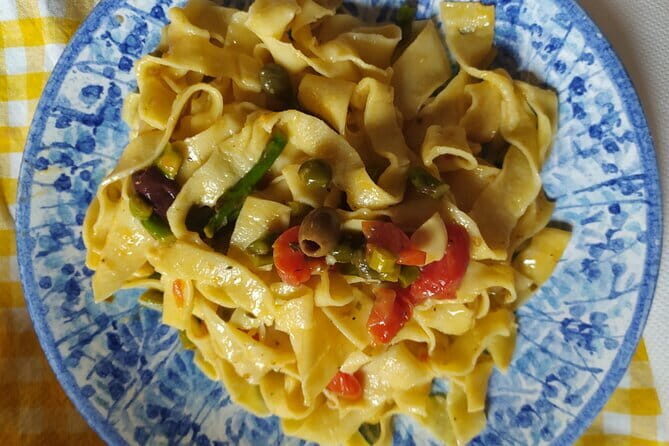
The listing promises a garden framing, and that’s not just a nice photo detail. In this kind of home kitchen, ingredients drive the flavor arc. When the weather is good, you’ll eat in a way that feels connected to the outdoor space where herbs and vegetables are grown.
A common theme in the experience is the “this is how we live” feeling. One of the most memorable parts for families and couples is picking or using garden-grown items as part of dinner preparation. In the real world, that means more than romance—it means the meal tastes like it has a point of origin.
Now the drawback: rain changes this. The host notes it won’t be possible to stay in the garden if it rains. So if you’re traveling during a wet week, you might want to plan a flexible attitude. The cooking and tasting still happen; the outdoor magic just won’t be the same.
What about Spritz? Learn it if that sounds fun
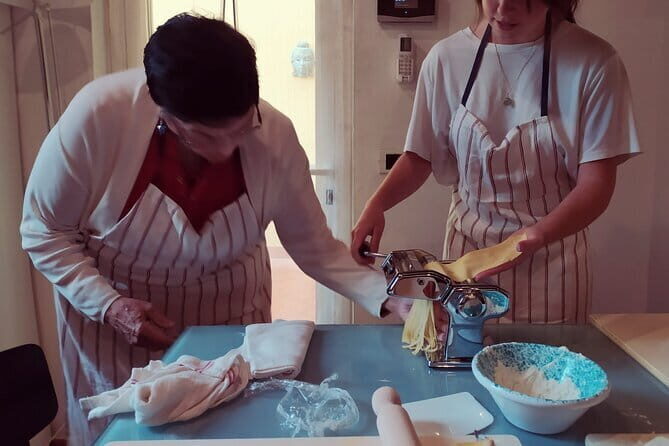
If you want to learn how to make Spritz, it’s offered as part of the experience. You won’t just get a drink placed in front of you; you get the method. That’s the kind of takeaway that makes a food class feel more like a skills class.
For Florence, Spritz also fits the pace. It’s an easy way to shift from the kitchen energy to aperitivo mode without turning the evening into a nightlife mission.
Vegetarian options and allergies: how to make this work for your needs
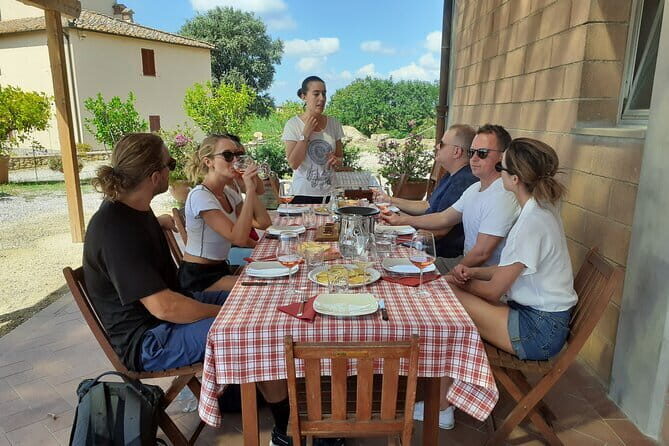
The experience can be customized for vegetarian options, and the host asks you to let them know about allergies when you book. That’s the right approach. Pasta dough, sauces, and even small ingredients (like what’s in a starter) can change.
If you have dietary restrictions, message clearly. Use plain language and list what you avoid. This is one situation where being specific helps you relax during the cooking portion, because the host can shape the menu and ingredient choices around what you need.
Price and value: is $102.58 per person worth it?
At $102.58 per person for about 3 hours, this isn’t the cheapest food experience in Florence. It’s also not trying to compete with mass-market group workshops. I’d think of it as paying for three things:
- A home-based setting with real family hospitality instead of a commercial kitchen.
- Hands-on pasta instruction plus a full meal that includes starters, main courses, dessert, and drinks.
- Wine and olive oil tasting that feels like part of the lesson, not just a perk.
For a couple, it can be great value because you’re not paying the same rate as a “cheaper” class where you end up watching more than you do. For families, the pacing also tends to fit better than factory-style tours, since the experience is built around people and conversation.
One more practical note: the experience requires a minimum number of travelers. That means if your travel dates are tight, double-check availability early.
Group size reality check: private on paper, ask if you care
The experience is described as private, meaning only your group participates. Most people likely get exactly that setup. Still, there’s a small mismatch in how privacy is handled day-to-day (one account indicated another small group joined at the same time, even though the setting stayed in a home).
If you’re booking for a special occasion or you strongly want a one-on-one feel, I’d send a short message before your class asking how strict the group size is on that date. It’s a simple question, and it helps you avoid surprises.
Practical tips so you enjoy the whole evening
- Wear comfortable shoes. You’re walking through a home and possibly moving between indoor spaces and the garden (when it’s dry).
- Come hungry. The meal is the point. You’ll work, taste, and then eat what you made.
- Be ready to get your hands involved. This is not a watch-and-snack class.
- Ask about olive oil purchases early. If you want to take a bottle home, ask when it makes sense so you’re not rushing at the end.
- If it’s raining, embrace the indoor version. You’ll still cook and eat; just treat the garden as weather-dependent.
Who should book this cooking class (and who might not love it)
I think this works best for:
- Couples and close friends who want Florence food culture without the tourist-bus feeling
- First-time pasta makers who want guidance and a high chance of success
- People who care about olive oil and want to taste with intention
- Families who want an evening that feels like dinner at someone’s home
It might be less ideal if:
- You want an ultra-formal, scheduled-by-the-minute class at a big cooking studio
- You’re extremely sensitive to noise or timing changes in a residential setting
- You need a strictly outdoor experience regardless of weather (rain shifts the garden plan)
Should you book this Florence cooking class?
Yes, if your idea of a great Florence day includes learning real technique, eating the results, and spending time in a local home. The biggest value here is the combination of hands-on pasta making with wine and olive oil tasting and a full family-style meal.
If you’re going in with the mindset of comfort—like you’re helping cook dinner with people who actually live this way—you’ll get the most out of it. If privacy is your top priority, send that quick message before booking so you’re confident about group size on your date.
FAQ
What do we cook and eat during the class?
You’ll make homemade pasta and choose from typical Florentine options such as tagliatelle, ravioli, or lasagna, plus sauces like tomato, pesto, ragout, or pumpkin. You’ll also have a starter such as fettunta or bruschetta (or similar Tuscan options) and dessert such as cantuccini, mousse, ice cream, or fresh seasonal fruit. The exact menu can change based on fresh seasonal products.
Is the class private?
The experience is listed as private, meaning only your group participates. If you’re booking for a special occasion and privacy matters a lot, it’s smart to confirm how group size works for your specific date.
Are drinks included?
Yes. Drinks are included, and the experience includes tasting wine. Coffee is also part of the dessert/coffee finish in the example menu.
Are vegetarian meals and allergies handled?
Vegetarian options and adjustments are possible. You should let the host know when you book, including any allergies, so the menu can be customized.
What happens if it rains?
The class is garden-centered, but if it rains it won’t be possible to stay in the garden. The cooking and tasting still happen, just without the outdoor garden portion.
How long is it, and where does it start?
It lasts about 3 hours and ends back at the meeting point. The start point is Via della Chiesa, 109, 50124 Firenze FI, Italy.
You Might Also Enjoy


More Cooking Classes in Florence
- Cooking Class and Lunch at a Tuscan Farmhouse with Local Market Tour from Florence
★ 5.0 · 4,831 reviews
More Private Tours in Florence

More Tour Reviews in Florence
- Tuscany Day Trip from Florence: Siena, San Gimignano, Pisa and Lunch at a Winery
★ 5.0 · 21,634 reviews - The Best tour in Florence: Renaissance & Medici Tales – guided by a STORYTELLER
★ 5.0 · 12,316 reviews