REVIEW · FLORENCE
Cooking Art Brunelleschi with Unlimited Wine
Book on Viator →Operated by I Love Tuscany Tours · Bookable on Viator
Fresh pasta in a medieval tower. I love the hands-on pasta making and the easy pairing of your meal with Tuscan wine. One heads-up: you’ll be on your feet for parts of the session, and the room can feel a bit tight.
This is the kind of Florence evening that turns food into a real skill. You work on dough and shape fresh pasta, while the chef has sauces like arrabbiata and ragù moving in the background. You may get a chef with names like Valentino, Andrea, Eduardo, or Giordano, and the overall vibe is patient and upbeat.
The value is hard to beat for the time: lunch is included, equipment and ingredients are provided, and you finish by eating what you made. The class runs in English, with a max group size of 19, so it tends to feel more personal than big food tours.
In This Review
- Key highlights you should care about
- A medieval-tower pasta lesson in Florence
- What you’ll make: ravioli, tortelli, and pappardelle plus three classic sauces
- From flour to ragù: how the chef keeps the workflow moving
- Unlimited Tuscan wine: fun perk or real factor?
- The lunch payoff: your pasta ends up on your plate
- Price and value: what you really get for about $35
- Logistics that matter: where to go, what to wear, and what to expect
- Who should book this pasta-and-wine class
- My booking call: should you book Cooking Art Brunelleschi with Unlimited Wine?
- FAQ
- Where is the cooking class meeting point?
- How long is Cooking Art Brunelleschi with Unlimited Wine?
- What time of day is it run?
- What pasta types will we learn to make?
- Which sauces are included in the class?
- Is lunch included, and do we eat what we make?
- Is wine included, and is it unlimited?
- Do I need to bring ingredients or cooking tools?
- Is transportation included?
- What’s the cancellation cutoff for a full refund?
- Is the class offered in English?
- How big is the group?
Key highlights you should care about
- Medieval tower setting: cooking happens inside a tower dating to the 1200s.
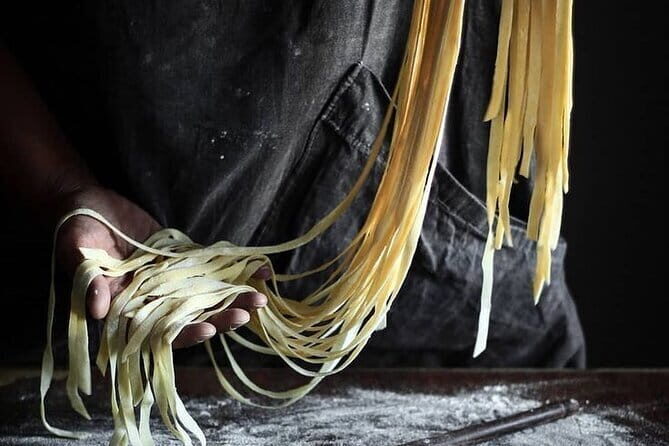
- Three fresh pastas, made by hand: ravioli, tortelli (tortellini-style), and pappardelle.
- Classic sauces you’ll recognize: butter and sage, arrabbiata, and Tuscan ragù.
- Eat what you prepare: lunch is the payoff, not an afterthought.
- Unlimited wine with your meal: Tuscan wine plus unlimited soft drinks during the experience.
A medieval-tower pasta lesson in Florence
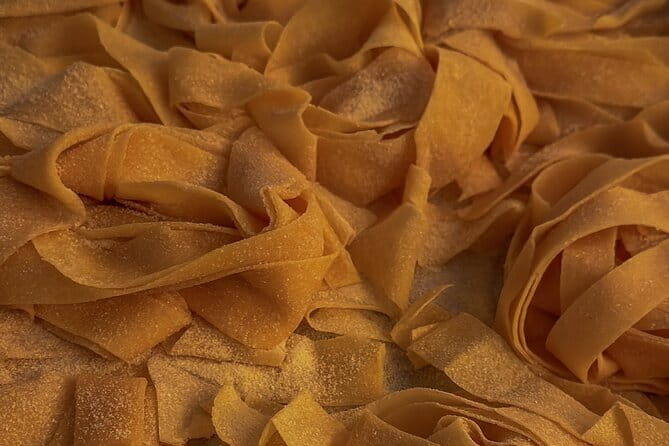
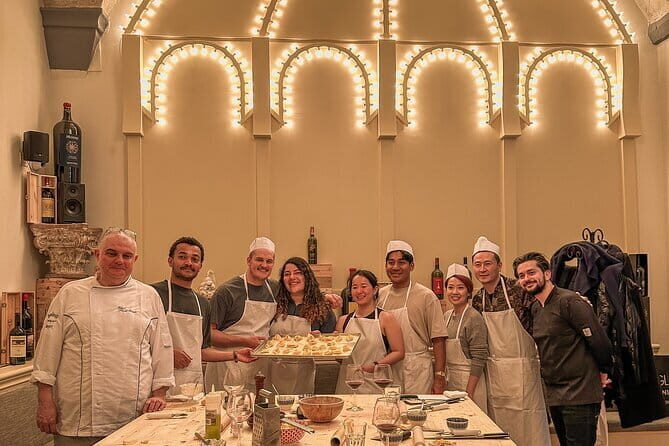
Florence can feel like museum mode nonstop. This class flips the script. You show up at Via de’ Bardi, 23 r, and spend the next couple hours doing something Italians do with confidence: turning flour, eggs, and technique into fresh pasta. The setting is a medieval tower from the 1200s, which makes the whole thing feel more grounded and less like a staged show.
Inside, the room is functional, not fancy. That matters because you’ll be focused on your station: rolling, cutting, shaping, and learning how dough behaves before it becomes dinner. One review noted the sound can be loud (music too high), and there were comments about the room being slightly crowded. So if you’re sensitive to noise or hate waiting for space, plan to lean into the group energy instead of expecting a quiet cooking studio.
Also, this is not framed as a walk-up-and-watch experience. You’re there to cook. The best part is that you don’t just taste; you build. You’ll be guided through the process step by step, and the chef’s role is both hands-on and organized, which is why so many people come away feeling they could reproduce it at home.
You can also read our reviews of more cooking classes in Florence

What you’ll make: ravioli, tortelli, and pappardelle plus three classic sauces
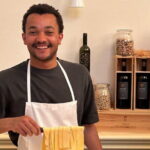
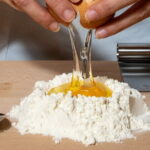
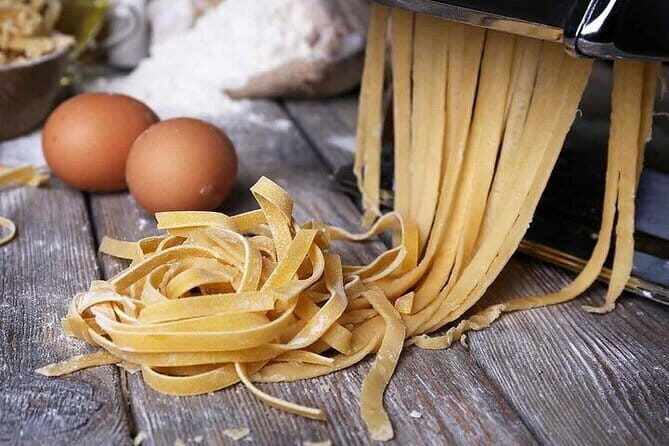
The menu here is built around skill progression. You start with fundamentals, then move into shaping, while sauces cook in parallel. The course specifically includes three types of fresh pasta: ravioli, tortelli (also described as tortello/tortellini-style), and pappardelle. You’ll also learn sauces to match the shapes and textures.
Here’s what you’re aiming for:
- Ravioli with butter and sage
- Tortello/Tortellini-style pasta with arrabbiata
- Pappardelle with Tuscan ragù
The important part is not just the name of each dish. It’s learning how sauce and pasta style work together. Butter and sage is lighter and lets the pasta’s flavor carry. Arrabbiata is punchy and spicy, so it clings and stands up to heat. Tuscan ragù is deeper and slower, which pairs naturally with wider ribbons like pappardelle.
The class also mentions selecting seasonal vegetables and using the best products the Italian territory offers. Translation: you’re cooking with ingredients that match the season, not generic shelf-stable substitutions. Even if you’re not a huge vegetable eater, this helps the sauce taste like it belongs to the region instead of tasting like a cooking demo.
From flour to ragù: how the chef keeps the workflow moving
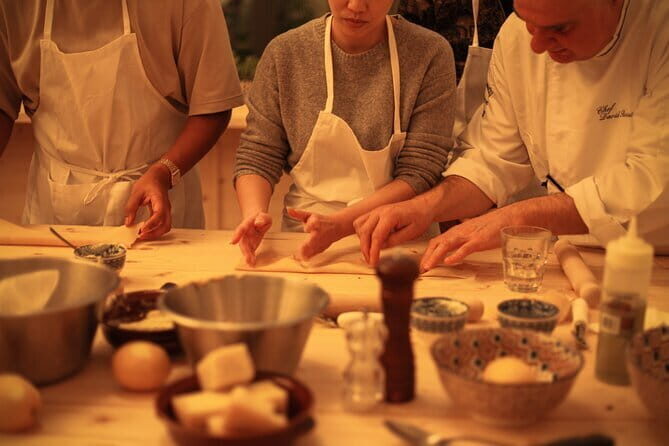
A good pasta class has one secret: timing. If sauces finish too early, they cool. If pasta takes too long, it gets heavy. This experience is designed around real workflow, where the chef is preparing sauces while you’re working your portion of the dough.
The session is described as a from-scratch process, “from flour to ragù,” and that’s exactly what you should expect. You start with dough prep and shaping your pasta types. At the same time, the chef works on sauces such as:
- butter and sage
- arrabbiata
- old-fashioned Tuscan ragù
In practice, this means you’re not standing around waiting for one dramatic moment. You’re always doing something: rolling, cutting, shaping, and watching how sauce consistency changes as it cooks. A few reviews highlighted that the instructors were funny and patient, and that they corrected technique without making people feel silly. That’s the right approach for beginners, because pasta dough forgives you only up to a point.
There’s also an element of pacing that you should mentally prepare for. One review mentioned a “slightly crowded” feeling and some time spent standing for dough preparation. So dress for activity, and don’t show up in shoes that you’d hate walking in for an hour.
Unlimited Tuscan wine: fun perk or real factor?
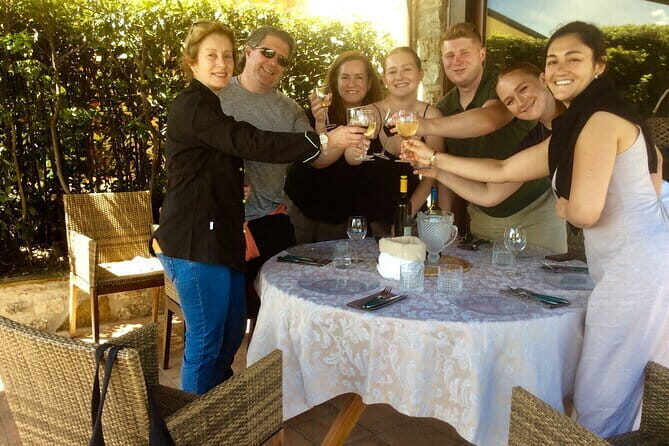
Wine here isn’t a token glass. The experience includes Tuscan wine and describes it as unlimited during the class. Unlimited soft drinks are also included. That’s a big part of the appeal, especially if you want an evening that feels like both learning and celebration.
The practical side: wine can change how quickly you notice details. When the dough is warm, when the sauce reduces, when the room gets busy, your focus matters. I’d treat the first sip like part of the atmosphere, then pay attention once you’re shaping pasta. You’ll enjoy the class more if you remember how the dough felt in your hands.
The other practical side is comfort and energy. If you’re aiming for a relaxed, slow evening, unlimited wine may not match your style. If you’re going for a social night with good food and lots of instruction, it fits perfectly. Just plan accordingly for afterward—don’t schedule your next big walk up hills the second you finish.
The lunch payoff: your pasta ends up on your plate
This is one of those rare food experiences where the meal is the product. You eat everything you prepare. That sounds obvious, but it’s a big deal because cooking classes sometimes turn into samples and leftovers.
Your sample menu is clearly laid out:
- Ravioli with butter and sage
- Tortello all’arrabbiata
- Pappardelle with Tuscan ragù
So you’ll taste the contrast between sauces: the gentle herbal finish of sage and butter, the heat and tang of arrabbiata, and the hearty comfort of ragù. The structure also helps you remember what you did. Even if you mess up one step in dough handling, you’ll still get to experience the final result and compare it to what you expected.
Because lunch is included, you’re not juggling meal plans around a ticket time. It’s also a nice option for your first or early night in Florence. You’ll leave with practical skills and a full stomach, plus recipes you can try later.
You can also read our reviews of more wine tours in Florence
- Tuscany Day Trip from Florence: Siena, San Gimignano, Pisa and Lunch at a Winery
★ 5.0 · 21,634 reviews
Price and value: what you really get for about $35
At $35.07 per person for roughly 3 hours, this is priced like a bargain if you compare it to the cost of dinner plus wine in Florence. What pushes the value higher is that you’re not just paying for a chef talking at you.
Included in the price:
- Lunch
- Professional chef
- All ingredients for fresh pasta
- All equipment
- Tuscan wine and unlimited soft drinks
That package is the key. In most cities, learning-based food experiences cost more because they’re lighter on food or they charge extra for drinks. Here, you’re doing a full hands-on pasta workflow and then eating the results with wine. It’s a smart use of time if your schedule is tight and you want a memorable first-night (or first-full-day) activity.
One more detail that helps the deal: the class has a maximum of 19 people. Smaller group sizes usually mean better correction and more room to work.
Also, this experience is often booked about 29 days in advance on average, which hints it can fill up. If you’re traveling in high season or you want a specific day of the week, book sooner rather than later.
Logistics that matter: where to go, what to wear, and what to expect
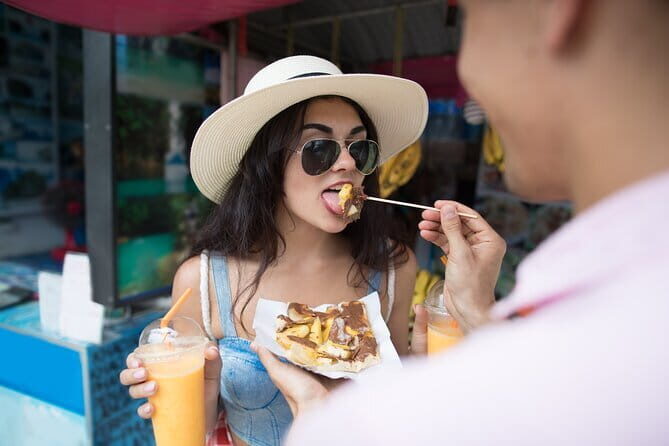
Meeting point is Via de’ Bardi, 23 r, 50100 Firenze FI, Italy. The activity ends back at the meeting point. It’s near public transportation, and you’ll use a mobile ticket.
Comfort tips that come from the reality of the class:
- Wear shoes you can stand in for stretches. Several mentions point to standing time during dough prep.
- Expect a room that may feel tight. One comment mentioned crowding.
- Plan for noise. There were complaints about music being too loud, so if you’re easily distracted, this is something to keep in mind.
On location: one review said it’s not the cute city-center spot people imagine. In other words, don’t assume it’s a five-minute walk from every major landmark. If you’re staying central, it’s still workable, but you may want to use a map and give yourself enough time to find it.
You do not need to bring anything, since equipment is provided. That removes a common headache with cooking classes.
Language-wise, it’s offered in English. If your group includes someone less comfortable with English, you might find the chef uses hands-on demonstrations to bridge the gap, but the official language is English.
Who should book this pasta-and-wine class
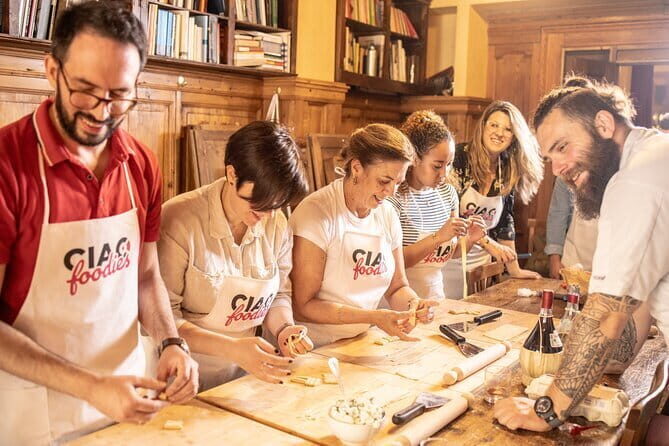
This class is ideal if you:
- Want a hands-on Florence experience that ends with a real meal
- Like learning a technique you can reproduce at home
- Enjoy Italian red wine with food while someone teaches you the “why” behind classic dishes
- Prefer smaller groups (max 19) over huge bus-style food tours
It can also work for families. One review even mentioned it suited a 16th birthday, and another noted accessibility for a wheelchair. Still, no dietary needs or meal adaptations are listed in the provided details, so if you have allergies or strict restrictions, you’ll want to ask before you go.
If you don’t enjoy cooking, you’ll still eat well, but the main value is the process. Go in ready to get your hands involved.
My booking call: should you book Cooking Art Brunelleschi with Unlimited Wine?
I’d book it if you want one evening in Florence that blends skill, fun, and food you fully control. For the price, getting three fresh pasta types, classic sauces, lunch, and unlimited drinks in a medieval tower setting is a strong deal. The repeated themes—patient teaching, a lively group vibe, and leaving with recipes—point to an experience that works whether you’re a first-timer or someone who cooks at home.
I’d think twice if:
- You hate standing and prefer seated activities
- You’re bothered by noise and crowding
- You want a quiet, low-energy meal (unlimited wine usually changes the mood)
If you’re in the sweet spot—curious, social, and hungry for an authentic Italian cooking night—this is the kind of class that pays you back on the plane ride home: not just with photos, but with actual pasta technique.
FAQ
Where is the cooking class meeting point?
The class starts at Via de’ Bardi, 23 r, 50100 Firenze FI, Italy.
How long is Cooking Art Brunelleschi with Unlimited Wine?
It lasts about 3 hours.
What time of day is it run?
The provided details don’t specify a start time. You’ll confirm details at booking.
What pasta types will we learn to make?
You will prepare three types of fresh pasta: ravioli, tortelli (tortello/tortellini-style), and pappardelle.
Which sauces are included in the class?
The class includes sauces such as butter and sage, arrabbiata, and old-fashioned Tuscan ragù.
Is lunch included, and do we eat what we make?
Yes. Lunch is included, and the experience ends with you eating everything you prepared.
Is wine included, and is it unlimited?
Yes. The class includes Tuscan wine, and it’s described as unlimited during the experience (soft drinks are included too).
Do I need to bring ingredients or cooking tools?
No. All ingredients for the fresh pasta course and all equipment are provided.
Is transportation included?
Private transportation is not included.
What’s the cancellation cutoff for a full refund?
You can cancel up to 24 hours in advance for a full refund.
Is the class offered in English?
Yes, it’s offered in English.
How big is the group?
The experience has a maximum of 19 travelers. One review also suggested the class may be broken into smaller groups once inside.
You Might Also Enjoy

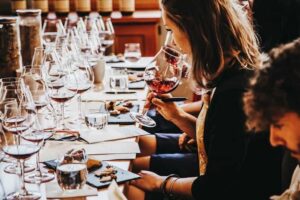
More Wine Tours in Florence
- Tuscany Day Trip from Florence: Siena, San Gimignano, Pisa and Lunch at a Winery
★ 5.0 · 21,634 reviews
More Cooking Classes in Florence
- Cooking Class and Lunch at a Tuscan Farmhouse with Local Market Tour from Florence
★ 5.0 · 4,831 reviews
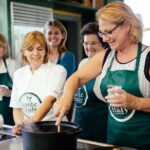
More Tour Reviews in Florence
- Tuscany Day Trip from Florence: Siena, San Gimignano, Pisa and Lunch at a Winery
★ 5.0 · 21,634 reviews - The Best tour in Florence: Renaissance & Medici Tales – guided by a STORYTELLER
★ 5.0 · 12,316 reviews