REVIEW · FLORENCE
Semi-Private Gluten-Free Cooking Class in Florence
Book on Viator →Operated by Chef Vary · Bookable on Viator
A small kitchen can change how you see Italian food. This gluten-free Florence class near the Boboli Gardens keeps things hands-on, personal, and very real.
What I like most is that you cook classic Tuscan dishes using natural gluten-free flours, not just a token adaptation. You also eat what you make with wine and craft beer, so the class ends in a proper meal, not a sad snack.
One thing to think about before you book: the info includes a note about minors under 16, but it also says children under 16 are allowed. Double-check the exact age guidance with the operator for your group, especially if kids are involved.
In This Review
- Key points before you go
- Why a Florence gluten-free pasta class near Boboli Gardens makes sense
- Meet Chef Vary: small group cooking with real chef attention
- The core dishes you’ll make (and how customization works)
- Stop and learn: from dough technique to sauce choices
- Celiac-safe gluten-free cooking: what matters most in practice
- Meal time in Florence: wine, craft beer, and the classic finishes
- Where you start and how to plan your day around it
- Price and value: what $114.65 buys in a 3-hour class
- Recipes after class: how you’ll keep cooking back home
- Who this class is best for (and where it may not fit)
- Should you book this gluten-free cooking class in Florence?
- FAQ
- Where does the class meet?
- How long is the semi-private gluten-free cooking class?
- Is it offered in English?
- What dietary situations is it designed for?
- Does the class include lunch or dinner?
- Are drinks included, and is there an age limit?
- How big are the groups?
Key points before you go
- Small group size (max 8 per booking, capped at 10) means more time at the counter and fewer hands-off lessons.
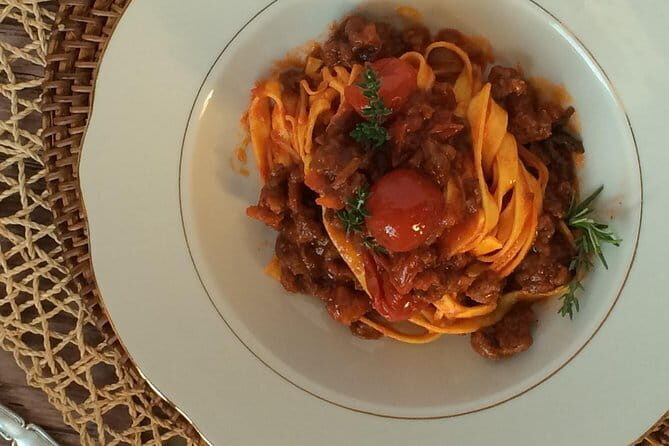
- Chef-led from-scratch gluten-free dough using natural gluten-free flours for dishes like tagliatelle and ravioli.
- You customize elements (sauces and even fillings) instead of being stuck with one fixed menu.
- Celiac-focused safety steps are part of the program, with special attention to cross-contamination.
- Lunch or dinner options let you fit this into your Florence rhythm.
- Recipes + online cookbook access help you rebuild the dishes at home after the trip.
Why a Florence gluten-free pasta class near Boboli Gardens makes sense
Florence is famous for food that’s heavy on wheat. So when you’re gluten-free, you often end up eating around the good stuff. This class tackles that problem directly by teaching you how to make gluten-free versions of classic Italian dishes.
The location also matters. Being near the Boboli Gardens puts you in an easy part of central Florence for sightseeing days. You can pair this with a morning walk through the gardens or a late afternoon plan, then come back for cooking and a full sit-down meal.
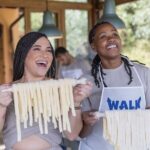
And because it’s semi-private, you’re not stuck watching someone else work. You’re at the bench, rolling, shaping, mixing, and learning the “why” behind the dough behavior.
You can also read our reviews of more private tours in Florence
Meet Chef Vary: small group cooking with real chef attention
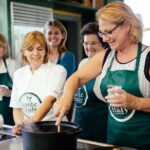
Your experience is supervised by Chef Vary in a compact professional kitchen setup. This is built for groups of ten or fewer, and you’ll see that reflected in how the class runs: it’s not a fast factory-style lesson.
In particular, the chef(s) you may work with are often referred to as Chef Vary, and some sessions are led by Chef Irene. Either way, the style is the same: hands-on instruction, ingredient guidance, and time for questions.
What you’ll notice quickly is how much the chef can adjust on the fly. Some classes involve swapping ingredients based on what the group wants to eat, and you’ll often get prompts to choose options before things start cooking. That’s a big deal when you have dietary needs, since “one-size-fits-none” doesn’t work for celiac situations.
The core dishes you’ll make (and how customization works)
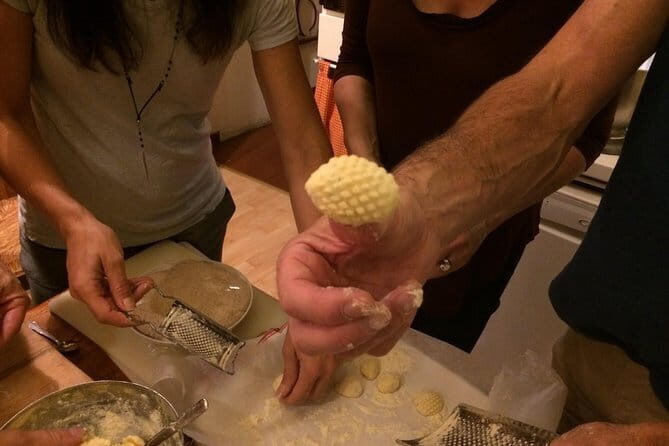
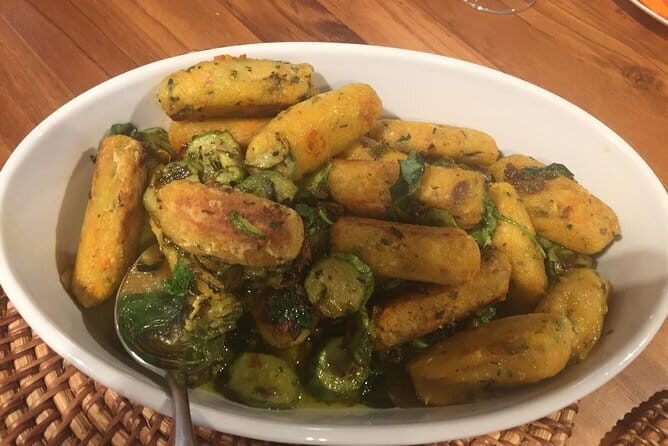
The heart of the class is gluten-free versions of Italian pasta and comfort food—made from scratch. The menu centers on classics, typically including fresh tagliatelle, ravioli, gnocchi, and other Italian favorites such as lasagne. Dessert can come into the mix too, with tiramisu listed as part of what you may experience.
Here’s what makes this menu more useful than a generic cooking class:
- You’re not just assembling. You’re learning gluten-free dough handling, shaping, and cooking.
- You’ll make choices. The class information specifies that you can request the sauce, and for at least one pasta component, you can also request the filling.
- You use natural gluten-free flours rather than relying on vague mixes. The goal is to understand the flour swaps and how they behave.
Based on how classes are described, the “shape” of your session is consistent even if the exact menu details shift by group needs:
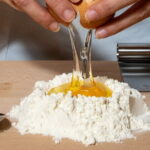
1) Prepare gluten-free pasta dough and components
2) Shape and portion (like tagliatelle and ravioli)
3) Cook gnocchi and finish sauces
4) Sit down and eat the results
If you have dairy limits too, it’s worth noting that some groups come with gluten-free and dairy-free needs and still end up with full, satisfying dishes. In other words, ask during booking if you have both issues—this class is set up to handle requests.
Stop and learn: from dough technique to sauce choices
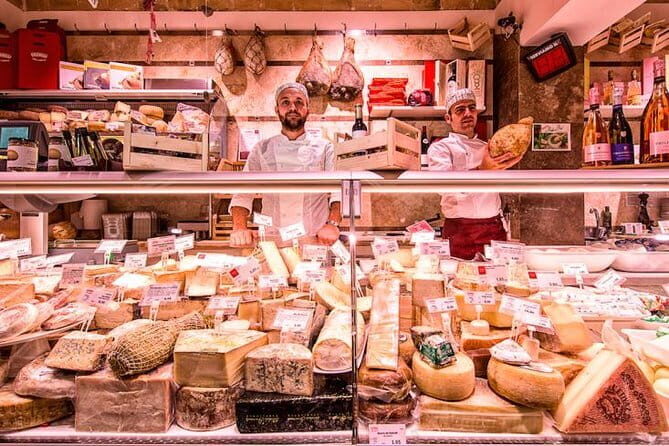
One of the most practical parts of this class is that it doesn’t treat sauce as an afterthought. Pasta tastes like sauce. So learning both makes your future at-home cooking more successful.
The class format is designed around technique. You’ll work dough from scratch, then pair it with sauce decisions you make during the process. That means you’ll leave knowing how to match a sauce style to the pasta shape—fresh tagliatelle wants certain textures, ravioli needs a complementary sauce choice, and gnocchi asks for something that clings without turning watery.
A useful extra: you also learn about timing and texture. Gluten-free pasta can be temperamental, and the chef’s guidance is where you pick up the “don’t panic” skills. From soft, creamy gnocchi to delicate fresh pasta, the emphasis is on handling the food with confidence.
Celiac-safe gluten-free cooking: what matters most in practice
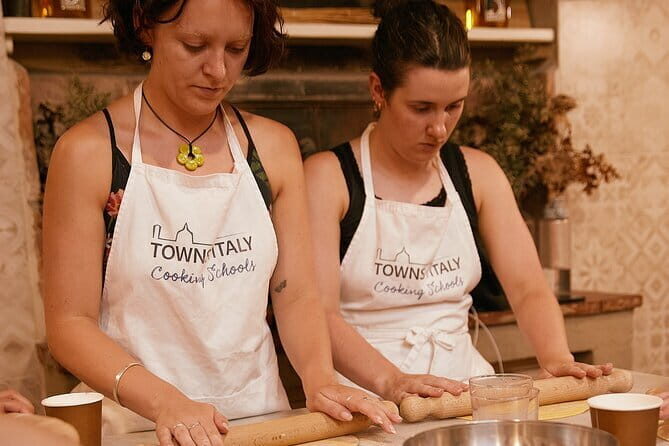
This class specifically says it complies with safety parameters for people with celiac symptoms. That’s the baseline you want to look for, because gluten-free cooking isn’t just about ingredients—it’s about cross-contamination prevention.
In a real celiac-friendly class, you should pay attention to:
- whether the kitchen practices are focused on preventing crumbs and residue
- whether the chef is clear about how ingredients are prepared and handled
- whether your dietary requirements are taken seriously before cooking starts
The class is designed around these points, and you’re also asked to advise dietary requirements at booking. If you’re celiac, send clear info early and be prepared to explain what cross-contact risks matter most to you.
Also, there’s a simple reality check: even with good procedures, a cooking class is still a working kitchen environment. The best approach is to communicate directly, confirm what precautions they follow for celiac-level needs, and trust the chef to guide you through the process.
You can also read our reviews of more cooking classes in Florence
- Cooking Class and Lunch at a Tuscan Farmhouse with Local Market Tour from Florence
★ 5.0 · 4,831 reviews

Meal time in Florence: wine, craft beer, and the classic finishes
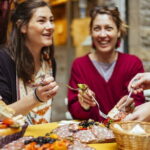
After cooking, you sit down and eat what you made. This part is more than a reward. It’s a built-in tasting lesson.
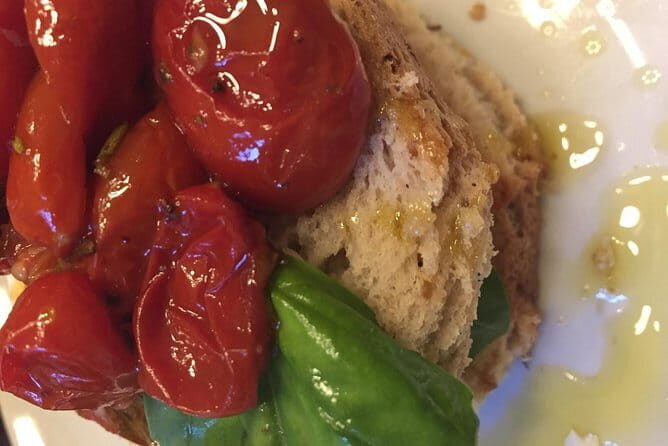
The meal includes wine and craft beer, plus ingredients like olive oil and balsamic vinegar. You’ll taste the dishes as a finished plate, then connect what you did at the bench to how the food comes together on a spoonful or forkful basis.
If you’re planning this for dinner, you’ll also like the pacing. The class runs about three hours, and there’s usually a dedicated eating window after cooking. In some sessions, people report around 45 minutes to eat everything they produced. That’s long enough to actually enjoy the meal, not just rush through it.
Important note: the minimum drinking age is 18. Alcohol is included, so if anyone in your group isn’t 18, you’ll want to clarify how they handle non-drinkers.
Where you start and how to plan your day around it
You meet at Via Romana, 41r, 50125 Firenze FI, Italy, and the activity ends back at the same meeting point. That “back to the start” setup is convenient when you’re building a day around other Florence sights.
The class is near public transportation, which helps if you don’t want to do a lot of walking after your lesson. You’ll also receive a mobile ticket, which is handy in Italy where last-minute confirmations are common.
Timing matters because you can choose lunch or dinner. If you’re the type who wants to cook earlier and sightsee later, go for lunch. If you prefer a slow Florence morning, then cook and end the day with a meal, dinner is a better match.
Practical strategy: book this on a day when you won’t be rushing between multiple tours. Three hours in a kitchen uses your energy. Plan a lighter evening after so you can digest the food—and the new cooking skills.
Price and value: what $114.65 buys in a 3-hour class
At $114.65 per person, this isn’t the cheapest activity in Florence. But the value is clearer when you look at what’s included.
You’re paying for:
- a professional chef-led, hands-on cooking class
- tools for cooking
- recipes and recipe access afterward
- a full lunch or dinner option (depending on your choice)
- alcoholic beverages
More importantly, you’re paying for transferable knowledge. Learning gluten-free pasta technique is hard to do from a cookbook alone. Here, you get guided, step-by-step practice—then you eat the results and can adjust your approach for next time.
Also, the class is semi-private. Small groups cost more than large ones, but they usually deliver better instruction and more personal attention. That matters a lot when you’re working with dough behavior that doesn’t behave the same as wheat.
If your goal is a one-time “learn something you’ll actually use” experience, this is a strong match for the price.
Recipes after class: how you’ll keep cooking back home
A good cooking class should leave you with a way to recreate the meal later. This one includes recipes and recipe access through an online cookbook.
You may also receive recipes via email instructions tied to the chef’s business card. In past communication described by participants, the chef provided a business card and asked for an email to receive recipe materials, since a printed booklet wasn’t always sent through the booking platform.
So here’s the practical move: when you finish the class, take a moment to follow the chef’s instruction for getting your recipes. If something feels unclear, ask before you leave the kitchen. Then you’ll be able to cook the same dishes again in your own kitchen without guessing.
Who this class is best for (and where it may not fit)
This is a clear win if:
- you’re gluten-free and want to eat Italian pasta in a way that doesn’t feel like compromise
- you need guidance for celiac-level safety steps and cross-contamination concerns
- you want a small group class where you can ask questions while you cook
- you’d enjoy learning dough handling and sauce matching, not just following steps
It may be less ideal if:
- you’re booking for very young kids, since the age guidance includes conflicting notes about under-16 rules
- you don’t want alcohol involved at all, because wine and craft beer are included (and the minimum drinking age is 18)
- you prefer sightseeing-focused tours where most of the time is outside
If you’re gluten-free and enjoy the idea of making fresh pasta and gnocchi rather than just eating them, this class fits your trip in a meaningful way.
Should you book this gluten-free cooking class in Florence?
I’d book it if you’re hungry for real Italian cooking skills and you want the confidence that comes from a chef-guided gluten-free kitchen session. The small group size, the from-scratch approach, and the meal you get to eat afterward are the combo that makes it feel like more than an activity.
I would hold off or at least double-check details if your group includes anyone under 16, or if you want strong clarity on how they handle alcohol for non-drinkers. For celiac needs, email your requirements early and ask direct questions about cross-contact prevention.
If you want Florence to taste like Italy—even with gluten-free limitations—this class is a smart, hands-on way to make that happen.
FAQ
Where does the class meet?
The meeting point is Via Romana, 41r, 50125 Firenze FI, Italy.
How long is the semi-private gluten-free cooking class?
It runs about 3 hours.
Is it offered in English?
Yes, the class is offered in English.
What dietary situations is it designed for?
It is gluten-free and includes information stating it complies with safety parameters for those with celiac symptoms. You’re also asked to advise dietary requirements at booking.
Does the class include lunch or dinner?
You can choose a lunch or dinner class, depending on the option you select.
Are drinks included, and is there an age limit?
Alcoholic beverages are included (wine and craft beer). The minimum drinking age is 18.
How big are the groups?
The class is capped at a maximum of 8 people per booking, with a maximum of 10 travelers for the activity.
You Might Also Enjoy
More Cooking Classes in Florence
- Cooking Class and Lunch at a Tuscan Farmhouse with Local Market Tour from Florence
★ 5.0 · 4,831 reviews
More Private Tours in Florence
More Tour Reviews in Florence
- Tuscany Day Trip from Florence: Siena, San Gimignano, Pisa and Lunch at a Winery
★ 5.0 · 21,634 reviews - The Best tour in Florence: Renaissance & Medici Tales – guided by a STORYTELLER
★ 5.0 · 12,316 reviews