REVIEW · FLORENCE
Spedale degli Innocenti: the first Orphanage ever built
Book on Viator →Operated by Florence Tours by Made of Tuscany · Bookable on Viator
Orphanage architecture is surprisingly beautiful. The Spedale degli Innocenti in Florence is one of the first fully Renaissance-style buildings, and a guide helps you read it like a living lesson in design and compassion. You’ll also spend time on the museum side where Ghirlandaio and Botticelli artworks are part of the story.
I like that the tour stays practical: you get a focused 90-minute look at the building, then you connect the art and layout to the people who lived there. And because it’s a private format, your guide can steer the commentary toward what you actually want to notice—columns, proportions, and the everyday reality of an orphanage.
One possible drawback: the experience depends heavily on your guide’s English and pacing. In at least one case, the guide’s English was hard to follow and the narration was a bit too loud for a shared viewing space.
In This Review
- Key Things To Notice on This Spedale degli Innocenti Tour
- Spedale degli Innocenti: Florence’s Renaissance orphanage you’ll remember
- Finding Piazza Santissima Annunziata and why the square matters
- Museo degli Innocenti: where you’ll see art and the orphanage’s purpose together
- Brunelleschi’s 1400s architecture: columns and proportions that do real work
- The children’s story, from Agata Esmeralda to today
- Tour logistics that affect your experience (and your photos)
- Price and value: is $169.98 for 90 minutes a smart buy?
- What you’ll do during the 90 minutes, in plain terms
- Who this tour fits best in your Florence plan
- Should you book the Spedale degli Innocenti private tour?
- FAQ
- How long is the Spedale degli Innocenti private tour?
- Where does the tour meet?
- Is the Museo degli Innocenti ticket included?
- Is this a private tour?
- What will I see in the museum?
- Who designed the orphanage building?
- Is hotel pickup included?
- Is a mobile ticket provided?
- Are service animals allowed?
- What is the cancellation policy?
Key Things To Notice on This Spedale degli Innocenti Tour
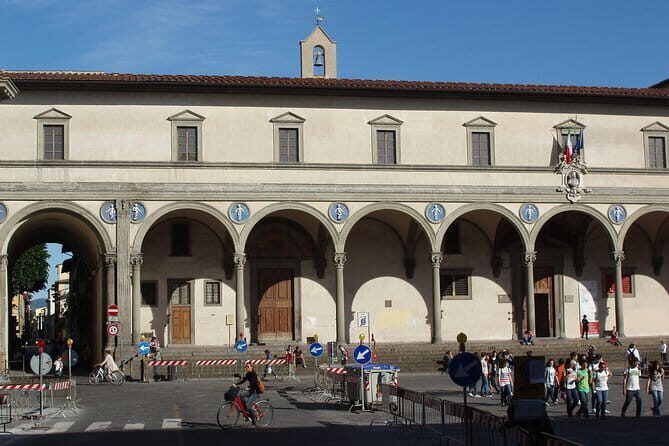
- Brunelleschi’s 1400s orphanage design: the building is treated as an early Renaissance milestone
- Renaissance proportions you can spot fast: your guide points out how the columns and layout work
- Art that anchors the visit: you’ll see works tied to Ghirlandaio and Botticelli in the museum
- A specific human start date: Agata Esmeralda was the first child hosted on 5 February 1445
- Still tied to child-focused service groups: the site remains active with children’s organizations
- Private touring pace: it’s only your group for about 1 hour 30 minutes
Spedale degli Innocenti: Florence’s Renaissance orphanage you’ll remember
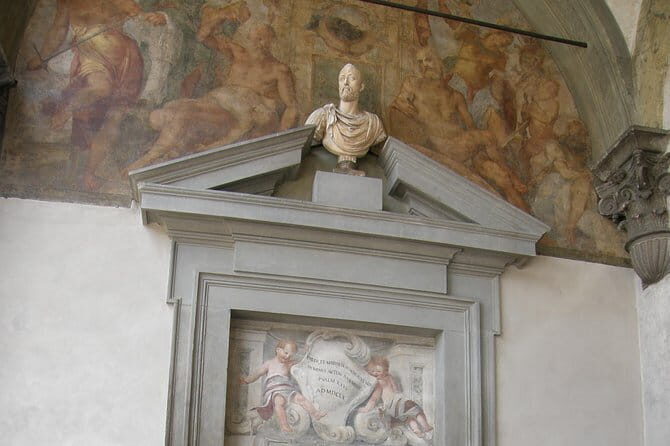
This is the kind of stop that sounds heavy on paper, then turns out to be light on your feet. The Spedale degli Innocenti is widely described as the first of the Renaissance period in Florence, and it’s not just famous because it’s old. It’s famous because someone tried to build dignity into a public institution.
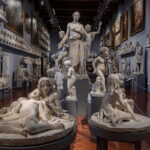
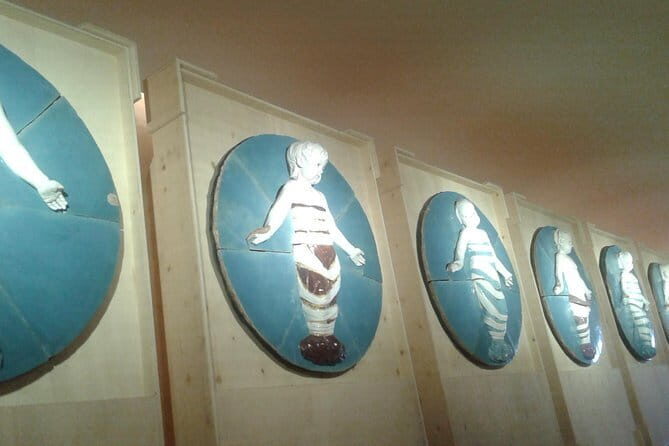
You’re visiting both the building and what’s now housed inside it. The onsite museum (the Museo degli Innocenti) includes art by well-known names like Ghirlandaio and Botticelli, plus displays about the children who passed through the orphanage. After the tour, you won’t just think, Oh yes, Renaissance. You’ll connect the look of the place to its purpose.
The experience also comes with a modern touch. The museum was renovated in 2016, so you’re walking into a space that’s been updated for visitors while still dealing with a 15th-century subject matter.
You can also read our reviews of more tours and experiences in Florence.
- Tuscany Day Trip from Florence: Siena, San Gimignano, Pisa and Lunch at a Winery
★ 5.0 · 21,634 reviews
Finding Piazza Santissima Annunziata and why the square matters
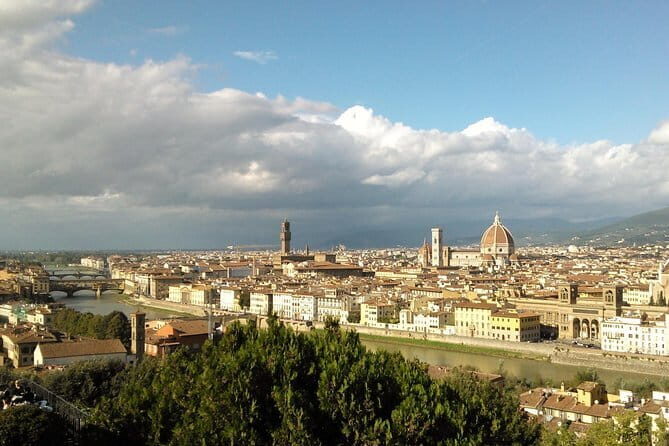
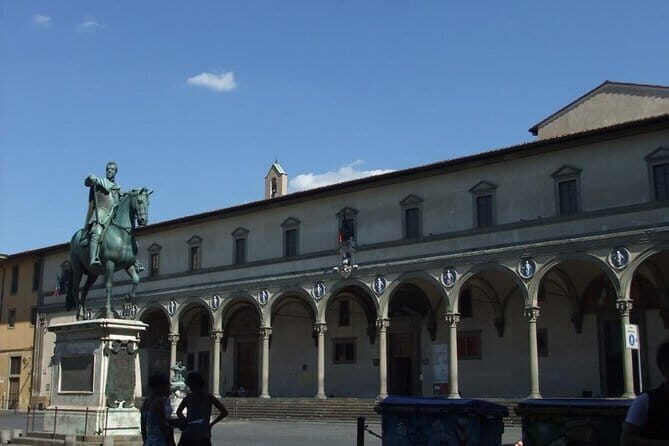
Your tour starts where Florence does so well: on a square that helps you orient yourself. You meet in Piazza della SS. Annunziata (P.za della SS. Annunziata, Firenze FI, Italy). The meeting point is right in the same area that frames the orphanage site, so you’re not scrambling across town before you even get context.
There’s also a short stop at Piazza Della Santissima Annunziata. It’s quick—about five minutes—but it helps you understand how the building sits in its urban setting. Even if you only catch a few angles, you’ll start seeing the site as part of Florence’s planning, not just as an isolated monument.
Practical tip: wear comfortable shoes. Florence squares are lovely, but they’re still stone, and you’ll be moving for a full 90-minute tour plus your walk from wherever you’re coming from.
Museo degli Innocenti: where you’ll see art and the orphanage’s purpose together
Most of your time—about 1 hour 30 minutes total for the tour—comes with the museum portion and guided exploration. The big value here is that you don’t treat the building like a shell. You treat it like a place that had rules, routines, and people.
In the museum, you’ll see artworks associated with Ghirlandaio and Botticelli. You’ll also hear about how these artists connect to larger Renaissance culture, including the fact that Ghirlandaio employed Michelangelo as an apprentice. That kind of detail turns museum labels from trivia into a map of relationships.
What I like most is the pairing: art is not presented as a separate activity. It’s shown alongside information about the children who lived there. So when you look at the art, you understand it as part of a wider Renaissance world that included institutions like this orphanage.
One small reality check: in this kind of museum space, sound travels. If you’re sensitive to noise, keep that in mind. The building is shared with other viewing, and how your guide controls volume can affect how enjoyable the museum part feels.
Brunelleschi’s 1400s architecture: columns and proportions that do real work
The heart of this tour is learning how to read Renaissance design. The Spedale degli Innocenti was designed in the 1400s by Filippo Brunelleschi, and the tour focuses on the elements that make it a landmark. This is where your guide earns their fee.
You’ll get pointed commentary about the architecture, including its columns and proportions. That sounds abstract, but it’s actually practical. Once you know what to look for, the building stops being just pretty and becomes understandable. You start seeing how the structure creates rhythm and order—exactly the kind of clarity Renaissance thinkers wanted in public buildings.
The building is also described as the first fully Renaissance-style building. You don’t need a degree in art history to appreciate that claim. Your guide helps you notice how the design moves away from older medieval forms and toward a new sense of balance, scale, and harmony.
And since this place is still used for children’s service organizations, the architecture isn’t only a museum exhibit. It’s an active shell for an ongoing mission. That makes the design feel less like a past performance and more like something built for human needs.
The children’s story, from Agata Esmeralda to today

Here’s the detail that makes this visit human instead of just scenic: Agata Esmeralda was the first child hosted on 5 February 1445. A specific date like that anchors everything. It keeps the story from floating around in vague terms.
Your guide also explains what it means for the site to be an orphanage in the 15th century and what that likely involved as a day-to-day reality. You’ll hear about the children who came through the orphanage and how the museum presentations frame that history.
Then there’s an important modern angle. The building is still home to several children’s service organizations. So you’re not only looking at a historical artifact. You’re seeing a site that continues to carry its original theme: supporting children who needed help.
If you like history that isn’t trapped behind glass, this is the kind of place that tends to land well. It’s not only about who built it. It’s about why it exists.
- Tuscany Day Trip from Florence: Siena, San Gimignano, Pisa and Lunch at a Winery
★ 5.0 · 21,634 reviews

Tour logistics that affect your experience (and your photos)
This is a private tour, meaning only your group participates. That matters more here than in some attractions, because good guiding is the difference between a meaningful walk-through and a rushed look at walls. With a private format, you can ask questions about architecture, art, or the children’s story without feeling like you’re interrupting a fast-moving group.
The tour includes entrance tickets and reservation, so you don’t need to worry about adding another line item for tickets. The tour also uses a mobile ticket, which is handy if you’re already juggling phone navigation and museum entries across Florence.
You’ll make your own way to the meeting point; there’s no hotel pickup or drop-off. That’s normal in central Florence, but it does change how you should plan your day. Give yourself a little buffer for walking time and getting oriented around Piazza Santissima Annunziata.
In terms of timing, the duration is about 1 hour 30 minutes. That’s a good sweet spot: long enough for architecture + museum + story, short enough to fit into a jam-packed Florence day.
Price and value: is $169.98 for 90 minutes a smart buy?
At $169.98 per person, this isn’t a budget stop. You’re paying for three things that are hard to replicate on your own:
First, you’re paying for a guide to interpret Brunelleschi’s design. Renaissance architecture becomes much more interesting when someone points out the exact cues: columns, proportions, and how the building reads as Renaissance.
Second, you’re paying for access to the museum experience with entrance tickets included. That’s not always the case with tours, so it helps your math.
Third, you’re paying for the private format. A private tour of a specific building and museum is most valuable when the guide’s explanations match your interests. If you’re mainly interested in the art, you’ll likely enjoy the museum portion more. If you care most about architecture, the building commentary is the engine.
So is it worth it? For me, it’s worth it if you want more than postcard sightseeing. If you’re the type who reads details on site rather than just taking photos and moving on, the cost starts to make sense.
One consideration: since at least one review flagged poor English and loud narration, it’s smart to book with your expectations set accordingly. If you’re relying on fluent explanations, look for a time slot or operator style that fits your comfort.
What you’ll do during the 90 minutes, in plain terms

Here’s the flow you should expect, without any fluff:
You meet in Piazza della SS. Annunziata and spend a short moment around Piazza Della Santissima Annunziata. It’s brief, but it sets the stage.
Then you move into the museum portion at the Museo degli Innocenti, where the bulk of the time is spent with your guide. You’ll cover the building’s Renaissance significance, focus on the architecture (including columns and proportions), and connect it to the orphanage’s mission.
You’ll also see the museum’s artworks, including pieces associated with Ghirlandaio and Botticelli, plus the displays that explain the children’s history. The story you take away should blend design, art, and a human timeline—starting with that first child, Agata Esmeralda, in 1445.
Finally, the tour ends back at the meeting point. So you can continue your Florence day without needing extra transport planning.
Who this tour fits best in your Florence plan
This is a strong fit if you’re traveling with one or two people and you want a guided, coherent story instead of a self-paced checklist.
You’ll likely enjoy it if you:
- care about Renaissance architecture and want help noticing the design logic
- like museum visits where art connects to a larger story
- want a more human perspective on Florence history rather than only famous monuments
- prefer private touring so you can ask questions and move at your group’s pace
You might think twice if:
- your group needs very strong English narration and you’re worried about guide variability
- you’re very sound-sensitive in museums and shared viewing spaces
Should you book the Spedale degli Innocenti private tour?
If your Florence day includes at least one serious architecture stop, I’d seriously consider booking this. The combination of Brunelleschi’s Renaissance landmark, art tied to Ghirlandaio and Botticelli, and the anchored child-history detail (Agata Esmeralda in 1445) makes it more than a quick museum photo moment.
Book it especially if you value guidance that tells you what you’re looking at. The architecture doesn’t explain itself, and the museum context helps you avoid the common mistake of treating the visit like a simple walk-through.
Just be aware of one thing: your enjoyment may hinge on the guide’s English and how they manage noise in a shared space. If that’s a concern, I’d plan your expectations around that risk—and if possible, choose a time when you can linger comfortably and ask questions.
FAQ
How long is the Spedale degli Innocenti private tour?
The tour lasts about 1 hour 30 minutes.
Where does the tour meet?
You meet at Piazza della SS. Annunziata (P.za della SS. Annunziata, Firenze FI, Italy).
Is the Museo degli Innocenti ticket included?
Yes. Entrance tickets and reservation are included.
Is this a private tour?
Yes. It’s private, and only your group participates.
What will I see in the museum?
You’ll see artwork by Ghirlandaio and Botticelli, along with displays about the children who came through the orphanage.
Who designed the orphanage building?
The building was designed in the 1400s by Filippo Brunelleschi.
Is hotel pickup included?
No. Hotel pickup and drop-off are not included.
Is a mobile ticket provided?
Yes. The tour uses a mobile ticket.
Are service animals allowed?
Yes, service animals are allowed.
What is the cancellation policy?
You can cancel for a full refund up to 24 hours before the experience’s start time. If you cancel less than 24 hours before, the amount paid is not refunded.
You Might Also Enjoy

More Tour Reviews in Florence
- Tuscany Day Trip from Florence: Siena, San Gimignano, Pisa and Lunch at a Winery
★ 5.0 · 21,634 reviews - The Best tour in Florence: Renaissance & Medici Tales – guided by a STORYTELLER
★ 5.0 · 12,316 reviews