REVIEW · FLORENCE
The convent of San Marco in Florence: Private Tour
Book on GetYourGuide →Operated by Florence Tours by Made of Tuscany · Bookable on GetYourGuide
San Marco turns Florence into a quiet classroom. On this private tour, you step into the world of the San Marco monastery, where art and faith were tightly linked in 15th-century Florence. You’ll also get a focused look at the San Marco complex, including the spaces tied to Fra Girolamo Savonarola and Fra Angelico.
I love how the guide connects the buildings to the people who shaped them, starting with Cosimo il Vecchio de’ Medici commissioning the architect Michelozzo. I also love the structure of the visit: you see the big parts that matter—church, facade, convent spaces, and the first and second cloisters—without the typical Florence “just wander and hope” feeling.
One possible drawback to consider is language nuance. The tour is offered in several languages, but if you go with one where the guide’s phrasing feels less polished, you may get fewer of the little context cues that make the visit sing.
In This Review
- San Marco in 6 key moments
- Why San Marco matters more than you’d expect
- Piazza San Marco: the 15-minute setup that saves you later
- Entering St. Mark’s Basilica: architecture with a human backstory
- What to watch for while you’re inside
- Cloisters and convent spaces: where the routine becomes meaningful
- The facade stop: quick, but it matters
- Museo di San Marco: art you understand because you were taught how
- The Savonarola details that make San Marco stick
- Price and value: is $209 per person worth it?
- Language choice: the one practical thing you should double-check
- Who should book this San Marco private tour?
- Should you book this San Marco private tour?
- FAQ
- How long is the San Marco private tour in Florence?
- What is the meeting point for the tour?
- What does the tour include?
- Does the tour skip the ticket line?
- What areas of San Marco will I see?
- What’s the tour language availability?
- Is hotel transfer included?
- How much does the tour cost?
- What should I bring with me?
- Can I get a refund if my plans change?
San Marco in 6 key moments
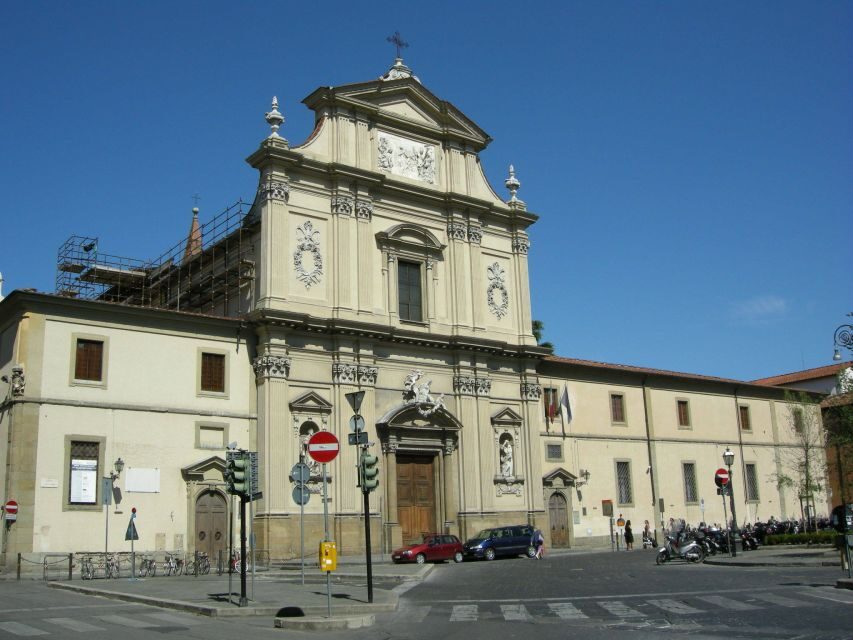
- Medici-to-monastery context: You hear how Florence’s power and spirituality sat in the same building.
- La Piagnona in the story: The bell tied to Savonarola’s death adds a real, memorable detail.
- Michelozzo’s role: Architecture isn’t treated like a postcard background—it’s explained.
- Five areas you’ll actually see: Church, facade, convent, first cloister, second cloister.
- Frescoes with interpretation: You’re guided to look, not just glance.
- A tight 2-hour plan: Long enough for meaning, short enough for your next Florence stop.
Why San Marco matters more than you’d expect
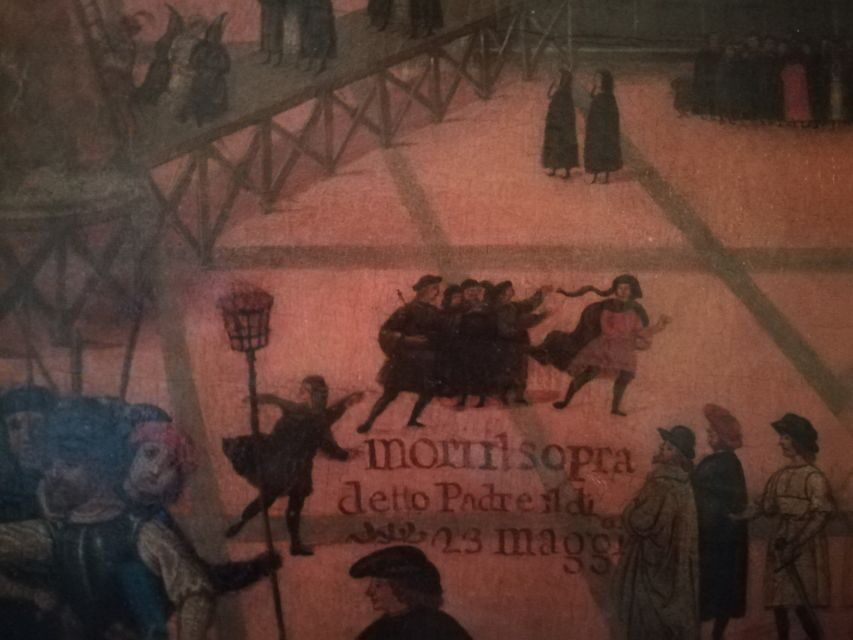
San Marco in Florence is the kind of place where the walls do the teaching. This wasn’t just a church sitting in the city; it was part of a larger monastery complex where key figures lived and worked.
As you tour, you’ll hear the names that anchor the building to the Renaissance mindset: Cosimo il Vecchio de’ Medici, St. Antonino, Fra Angelico, Fra Bartolomeo, and Fra Girolamo Savonarola. When you know those names, the frescoes and architectural choices stop feeling decorative and start feeling intentional.
And yes, Savonarola’s story lands in a very human way. The death of Savonarola was announced with the bell called La Piagnona, nicknamed the crying one, named after followers who were constantly complaining about the Florentines. It’s one of those details that makes a whole era feel less distant.
You can also read our reviews of more private tours in Florence

Piazza San Marco: the 15-minute setup that saves you later
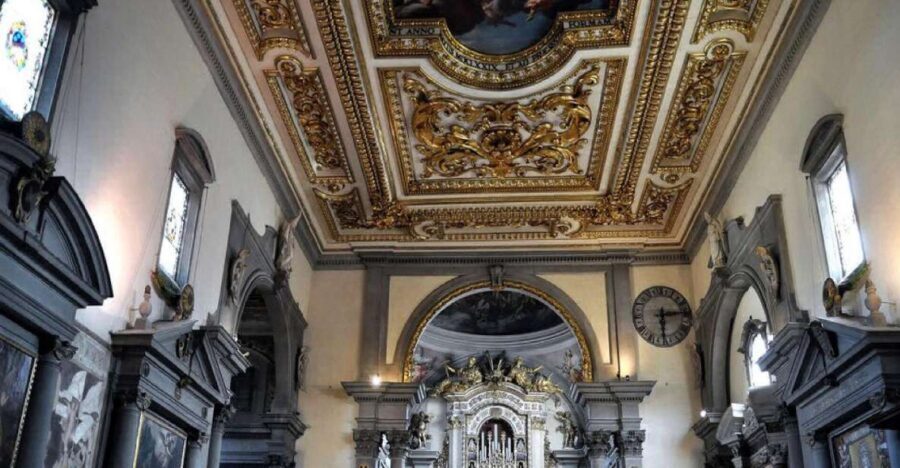
You start at the Museo di San Marco area and meet at the principal entrance of the church. Then you head to Piazza San Marco for a short guided orientation (about 15 minutes).
This is the “get your bearings fast” moment. You’re not wasting time here—you’re learning how the complex fits into the surrounding historic district of San Giovanni. That quick context helps when you later move between the church and the monastery spaces, because you’ll understand what you’re looking at and why it’s where it is.
If you like architecture, this stop is especially useful. Even without going inside yet, you’ll get language for what you see—so later, inside the church and cloisters, things make sense instead of turning into a blur.
Entering St. Mark’s Basilica: architecture with a human backstory
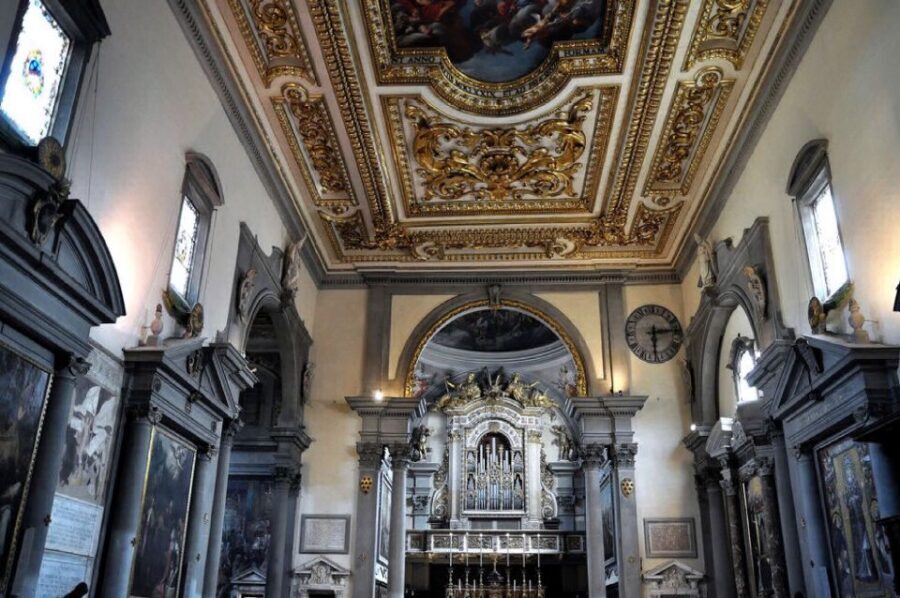
The core of your visit is the church, guided for about an hour. This is where San Marco feels most like a working spiritual site rather than a museum stop.
The convent complex was commissioned by Cosimo il Vecchio de’ Medici for the architect Michelozzo. When a guide explains that connection, you start seeing the church as part of a civic-and-religious project. That’s a big deal in Florence: patrons weren’t just buying art, they were shaping how people experienced devotion, learning, and authority.
You’ll also learn that the church was part of the larger monastery complex, where the major spiritual and cultural voices of 15th-century Florence lived. That includes Fra Angelico and Fra Bartolomeo, along with Savonarola. Put simply: the frescoes aren’t just “old pictures.” They’re part of a daily environment that mattered to real people.
What to watch for while you’re inside
I’d focus on the guided cues, not on trying to memorize everything. When the guide points out how the architecture and program connect to the people and ideas, you’ll get more out of the visit than if you treat it like a checklist.
Also, plan to look with patience. San Marco is not a loud spectacle. It rewards slower attention, especially when you’re hearing context that explains why a space exists the way it does.
Cloisters and convent spaces: where the routine becomes meaningful
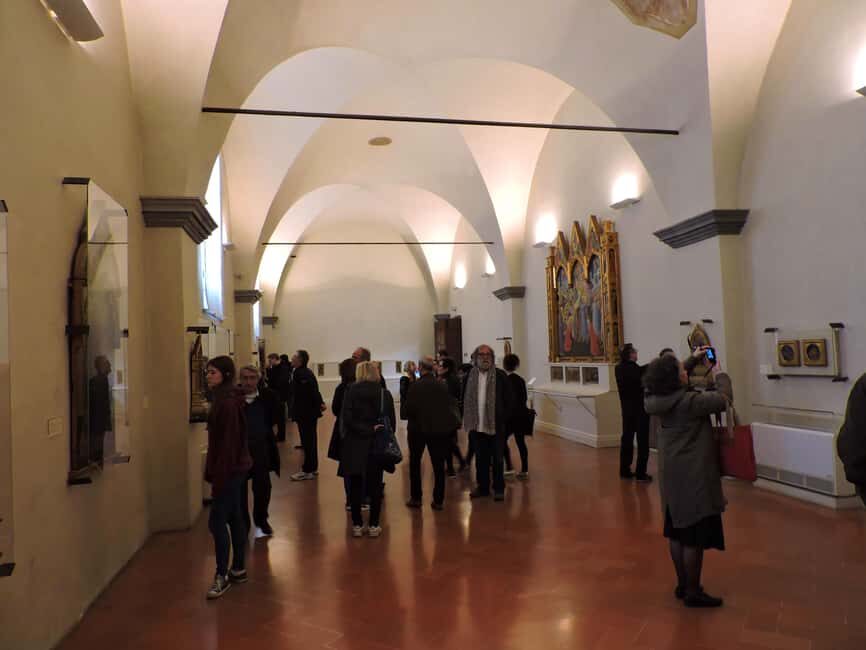
After the church, you move into the monastery spaces that complete the San Marco experience. Your tour is designed so you’ll cover five major areas: the church, the facade, the convent, and the first and second cloisters.
Cloisters sound simple until you stand in one and realize what they imply: a structured life of movement, prayer, and reflection. In San Marco, that feeling is stronger because you’re not just looking at stone—you’re hearing about the people who lived there and the role the complex played in Florence’s spiritual and cultural scene.
This is where I like the tour format. If you only visit the church, you still get beauty. If you only visit the museum, you still get art. But the guided sequence—church first, then convent/cloisters—helps you connect the two worlds: public worship and private monastic rhythm.
- Tuscany Day Trip from Florence: Siena, San Gimignano, Pisa and Lunch at a Winery
★ 5.0 · 21,634 reviews

The facade stop: quick, but it matters
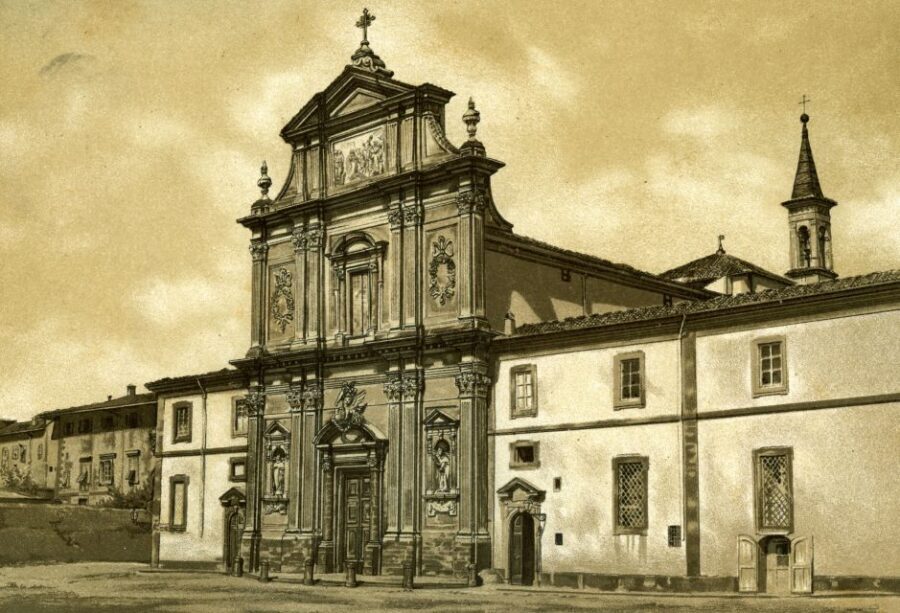
You’ll also see the facade as part of the experience. Even though it’s not the longest part of the visit, it sets expectations for the style of the complex and helps you read the building from outside to inside.
Think of it as a visual “title card.” It’s short, but it tunes your eyes before you step deeper into the monastery spaces.
Museo di San Marco: art you understand because you were taught how
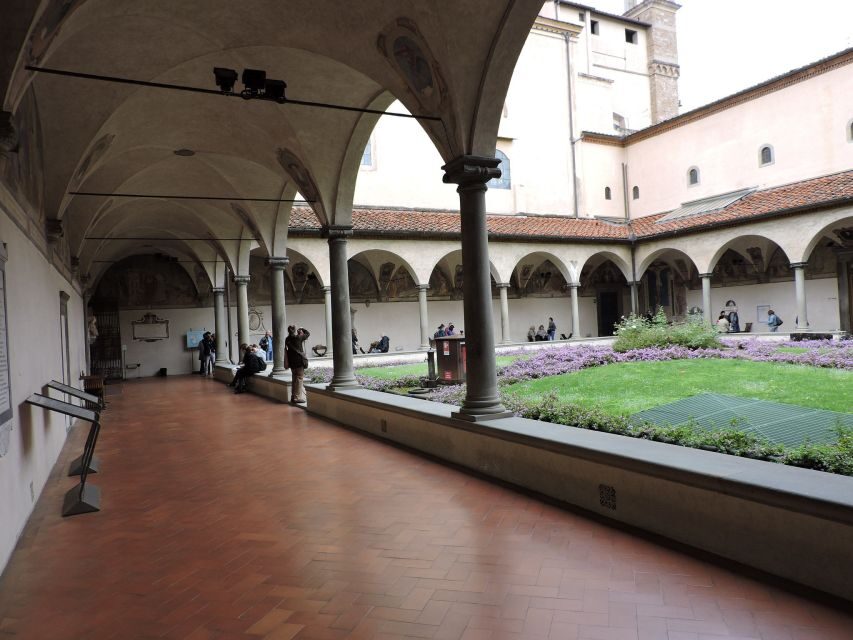
You’ll spend about 45 minutes at the Museo di San Marco. This is where the visit shifts from architectural appreciation to direct encounter with the monastery’s artistic legacy.
The convent of San Marco is known as a church with many frescoes, and this museum time helps you make sense of those works in relation to the space they were created for. In other words, you’re not just seeing what’s on the wall—you’re hearing why those works belong to this specific place.
This matters because frescoes can feel overwhelming if you approach them like a standalone gallery. The guide’s job is to give you a way to look: what to notice, how to connect it to the monastery setting, and how it relates to the wider 15th-century Florence culture tied to the figures who lived there.
I find that 45 minutes is the right length for a museum stop inside a historic complex. Long enough to learn, short enough that you don’t start half-watching your own tour.
The Savonarola details that make San Marco stick
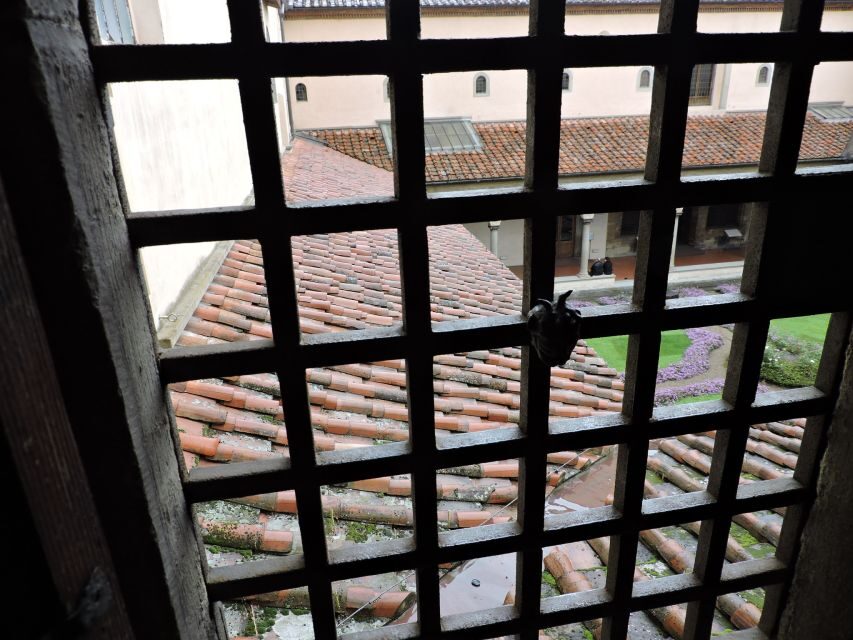
A few specifics from this kind of guided walkthrough are what you’ll remember later when you’re back in the streets of Florence.
You’ll hear how Savonarola’s death was announced by the bell La Piagnona, nicknamed the crying one. That bell name was connected to followers who were constantly complaining about the Florentines. It’s a reminder that monasteries weren’t isolated bubbles. They were plugged into politics, public debate, and the emotional climate of the city.
You’ll also hear the monastery was home to multiple major figures, including Fra Girolamo Savonarola, Fra Angelico, Fra Bartolomeo, and St. Antonino. When those names show up in conversation while you’re physically moving through the complex, the place becomes a story you can actually walk through.
And that’s where this tour earns its keep. Lots of Florence tours show you beautiful things. This one helps you connect the beauty to the people and ideas that created it.
Price and value: is $209 per person worth it?
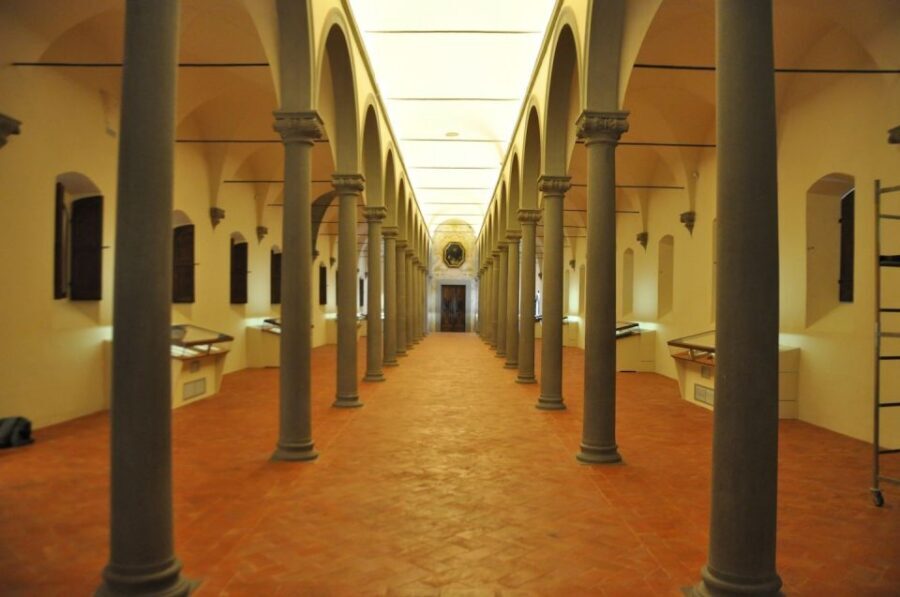
At $209 per person for a 2-hour private tour, you’re paying for three things: time, a live guide, and entrance access.
First, it’s private. That matters in a place like San Marco, where the best part isn’t volume—it’s explanation. With a private guide, you’re not competing with a group that wants to rush ahead, and you’re not stuck with only generic information.
Second, the guide isn’t just giving descriptions. The visit is built around context: Medici patronage, Michelozzo’s architectural role, and Savonarola’s story with La Piagnona. Those are the details that make the frescoes and cloisters feel like part of one coherent experience.
Third, your entrance tickets are included, and you skip the ticket line. That may sound small, but in Florence it can change the whole feel of your schedule.
Is it expensive? Yes, compared to group tours. But if you value meaningful interpretation and want to see the full complex without wasting time, the private format is where the value lives.
Language choice: the one practical thing you should double-check
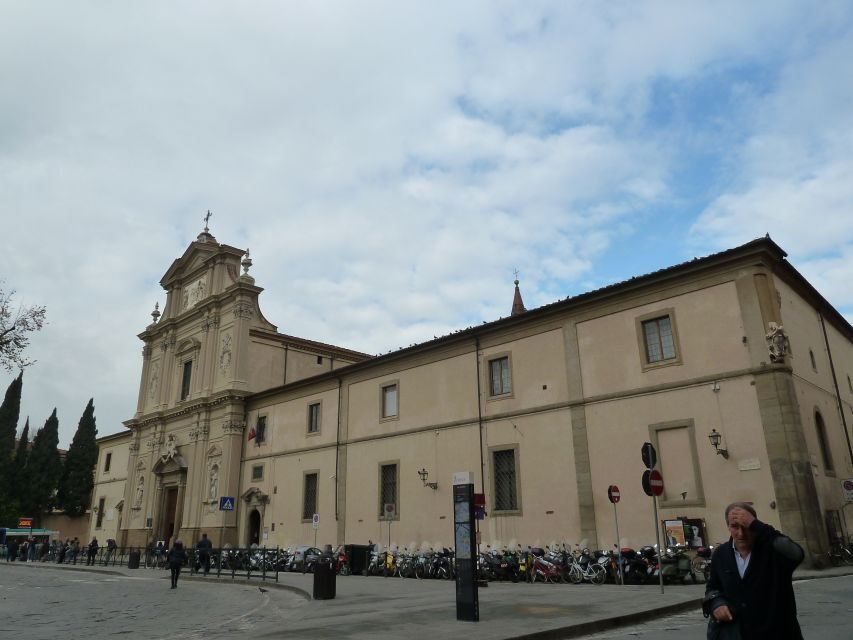
The live tour guide is available in Spanish, English, French, German, and Italian. That’s great—so you should also think about one thing before you lock in: your comfort level with nuance.
In fact, there’s been at least one case where a visitor found the French explanation more limited than expected. If you’re booking in French and it’s your second or third language, consider choosing a language where you’re confident you’ll catch the context threads.
For the rest of us, this is simple: pick the language you can truly listen in, not just the one you can “get by” in. In a story-rich place like San Marco, understanding matters.
Who should book this San Marco private tour?
This tour is a strong match if you want:
- A guided, context-focused visit rather than a fast stop
- The full San Marco complex experience, not only the church or only the museum
- A 2-hour plan that fits well into a Florence day without dragging on
It’s also a good choice for visitors who like art and architecture but want explanations that link the works to real people—Cosimo il Vecchio de’ Medici commissioning Michelozzo, Fra Angelico and Fra Bartolomeo associated with the monastery, and Savonarola’s public impact tied to La Piagnona.
If you prefer total independence and minimal talking, you might find a guided format less your style. But if you want to walk away understanding what you saw and why it mattered, this is the right approach.
Should you book this San Marco private tour?
I’d book it if you’re the type who enjoys learning while you walk—especially when the guide can connect architecture, frescoes, and monastery life to named historical figures. The combination of church plus convent/cloisters plus Museo di San Marco is built to give you the whole picture, and the private format helps that picture actually land.
Skip it if you’re trying to pack Florence purely on your own terms and you don’t want a live interpreter shaping what you notice. In that case, you could still enjoy San Marco, but you’d miss the connective tissue that turns the visit from pretty to meaningful.
If you do book, come ready to listen, wear comfortable shoes, and don’t rush your questions. San Marco is exactly the kind of place where one good explanation changes your entire day.
FAQ
How long is the San Marco private tour in Florence?
It lasts 2 hours.
What is the meeting point for the tour?
Meet at the Saint Marco Church principal entrance.
What does the tour include?
A private tour guide and entrance tickets.
Does the tour skip the ticket line?
Yes, it includes skip-the-ticket-line access.
What areas of San Marco will I see?
You’ll see the church, the facade, the convent, the first cloister, and the second cloister.
What’s the tour language availability?
The live guide is available in Spanish, English, French, German, and Italian.
Is hotel transfer included?
No, hotel transfer is not included.
How much does the tour cost?
The price is $209 per person.
What should I bring with me?
Bring a passport or ID card.
Can I get a refund if my plans change?
Yes. Free cancellation is available up to 24 hours in advance for a full refund.
You Might Also Enjoy
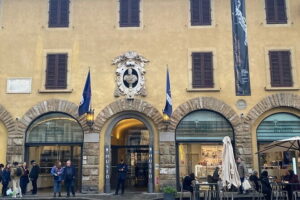
More Private Tours in Florence

More Tours in Florence
- The Best tour in Florence: Renaissance & Medici Tales – guided by a STORYTELLER
★ 5.0 · 12,316 reviews

More Tour Reviews in Florence
- Tuscany Day Trip from Florence: Siena, San Gimignano, Pisa and Lunch at a Winery
★ 5.0 · 21,634 reviews - The Best tour in Florence: Renaissance & Medici Tales – guided by a STORYTELLER
★ 5.0 · 12,316 reviews