REVIEW · FLORENCE
The places of the Medici family: the Palace and the Chapels
Book on GetYourGuide →Operated by Florence Tours by Made of Tuscany · Bookable on GetYourGuide
Medici power feels real in these rooms. You’ll see how a banking family shaped Florence for nearly three centuries, from the political center at the Palazzo Medici Riccardi to the final resting place in the Cappelle Medicee. Along the way, you’ll hit the Chapel of the Magi for that wow effect moment.
Two things I especially like: the tour focuses on cause and effect, so you connect Medici wealth with Renaissance patronage you can actually see. I also like that you get guided time in major spaces—one hour in the palace and one hour in the Medici Chapels—so it’s not just a quick photo walk.
One possible snag: the guide language can matter. One past guest flagged a heavy accent as a distraction, so if you’re sensitive to that, pick your preferred language carefully and don’t be shy about asking for clarity.
In This Review
- Key things you’ll notice on this tour
- Why the Medici story still works in Florence
- Palazzo Medici Riccardi: where political power meets everyday spectacle
- The Chapel of the Magi inside the palace: the wow moment you actually plan for
- Piazza San Lorenzo: a short photo stop that links the big sites
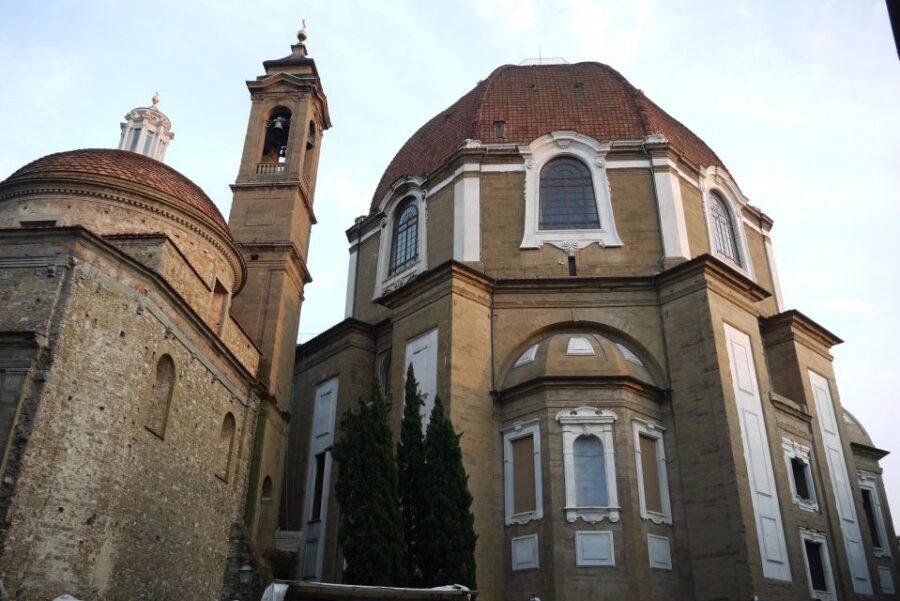
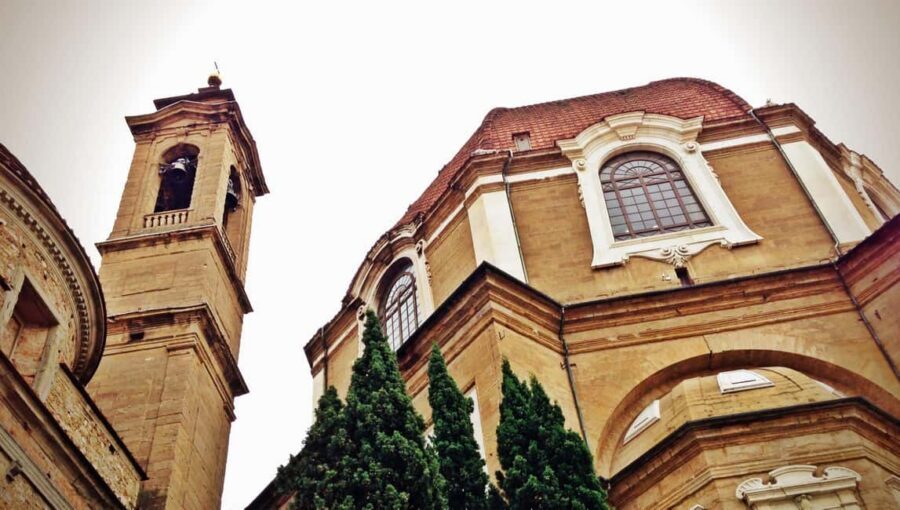
- Medici Chapels (Cappelle Medicee): New Sacristy, Princes’ Chapel, and the Crypt
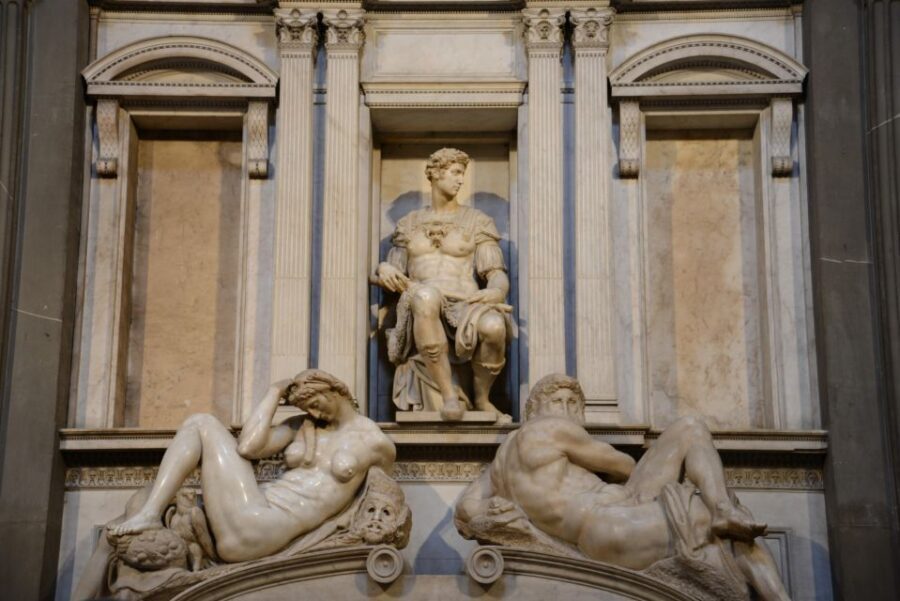
- The New Sacristy by Michelangelo
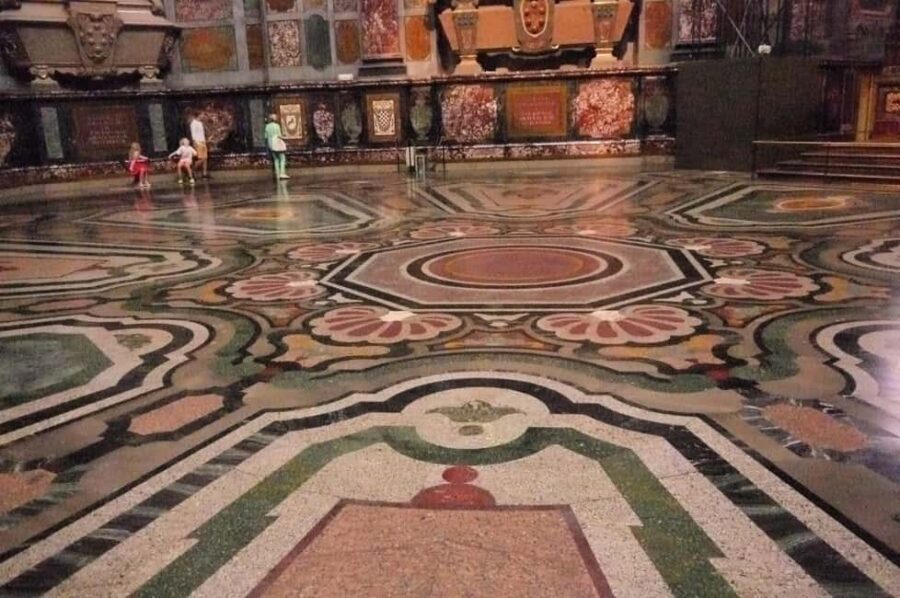
- The Chapel of the Princes with Florentine mosaic
- The solemn Crypt
- Pacing in 3 hours: how to fit it into your Florence plan
- Guides and language: private-group time is the real advantage
- Skip-the-line guidance: saving time for the parts you want
- Who this tour is perfect for (and who should think twice)
- Should you book this Medici power-and-legacy tour?
- FAQ
- Where does the tour start?
- How long is the tour?
- What are the main places you visit?
- Do you include a photo stop?
- How long is each major guided visit?
- Does the tour skip the ticket line?
- What languages are available?
- Is this a private group tour?
- What should I bring?
- Is it wheelchair accessible?
Key things you’ll notice on this tour
- Palazzo Medici Riccardi’s scale: huge rooms that explain how power looked in Renaissance Florence
- The Chapel of the Magi: a decorated interior moment you’ll remember for a long time
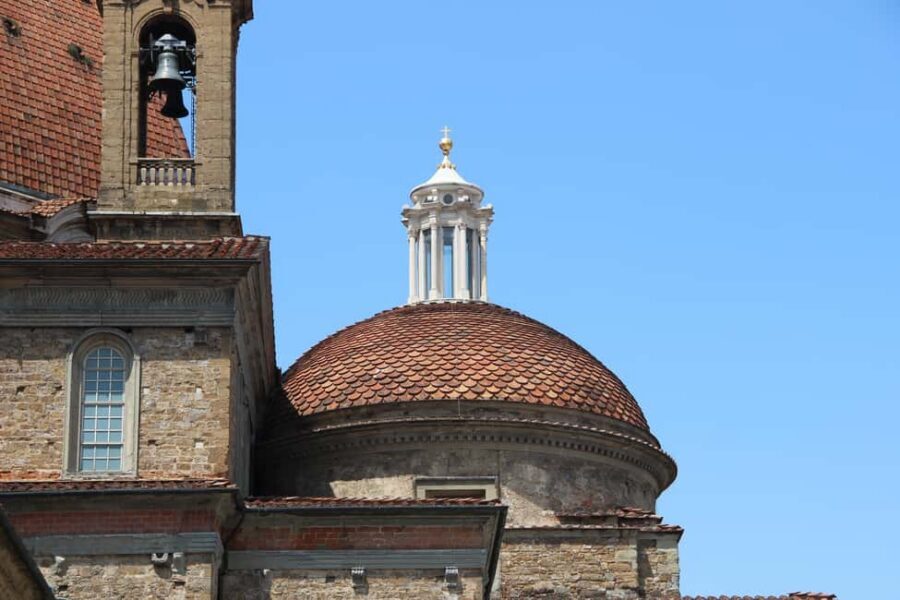
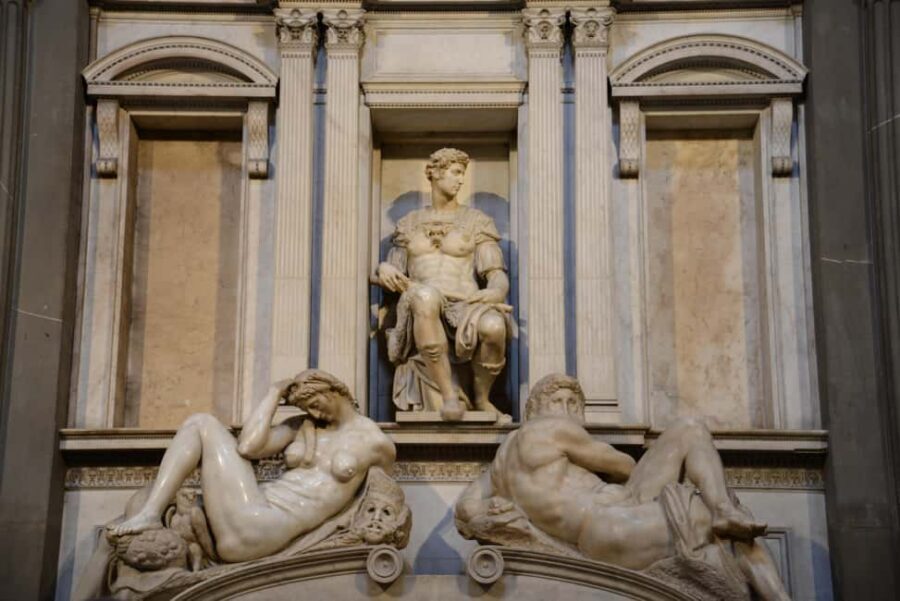
- Michelangelo in the New Sacristy: you’ll see his work where the family’s story turns solemn
- The Chapel of the Princes: Florentine mosaic in semi-precious stones, made to impress
- A planned photo pause in Piazza San Lorenzo: quick city context without eating into the art time
- Private-group guidance: a smaller setting means you can ask questions and move at human speed
Why the Medici story still works in Florence
The Medici governed the city for almost three hundred years. They started as bankers, but their real superpower was patronage: paying for art, sponsoring ideas, and backing the kind of talent that made Florence the Renaissance engine.
That’s why this tour makes sense. You’re not just looking at objects. You’re walking through spaces built to show status, negotiate influence, and signal long-term control. By the time you reach the chapels, the mood shifts from court life to legacy.
And if you’re the type who likes context while you travel, you’ll enjoy the way the guide ties it together: Medici money and connections helped bring artists like Botticelli, Brunelleschi, and Michelangelo into the spotlight, then the family’s collections and achievements still echo through Florence today.
You can also read our reviews of more tours and experiences in Florence.
- Tuscany Day Trip from Florence: Siena, San Gimignano, Pisa and Lunch at a Winery
★ 5.0 · 21,634 reviews
Palazzo Medici Riccardi: where political power meets everyday spectacle
Your tour begins at the Riccardi Medici Palace, the place that functioned like a statement in stone. Even if you’ve never studied Florentine politics, the guide makes it understandable fast: this was a setting for decisions, alliances, and visibility.
You’ll spend about an hour here on a guided visit. That’s a sweet spot. It’s enough time to let the architecture and rooms sink in, without rushing you through like a check-the-box stop.
What I like about this part is the way it sets up the rest of your day. The Medici didn’t just buy art. They used art and grand interiors to project authority. Once you get that, the later chapels hit harder, because you see how the family wanted to be remembered.
The Chapel of the Magi inside the palace: the wow moment you actually plan for
Inside the Palazzo, you’ll visit the Chapel of the Magi. This is the stop built for impact, and that matches the reaction it gets: people consistently point to it as the surprise highlight.
The wow effect here comes from how the palace’s public power suddenly turns into a more intimate, symbolic space. You’re in the same family complex, but the experience changes tone—more crafted, more decorative, and more focused on meaning than on display.
If you tend to enjoy religious art as “visual storytelling,” this is the moment to pay attention. Don’t treat it like a quick look. Let your guide explain what you’re seeing, then give yourself a few extra minutes to notice details before you move on.
Piazza San Lorenzo: a short photo stop that links the big sites
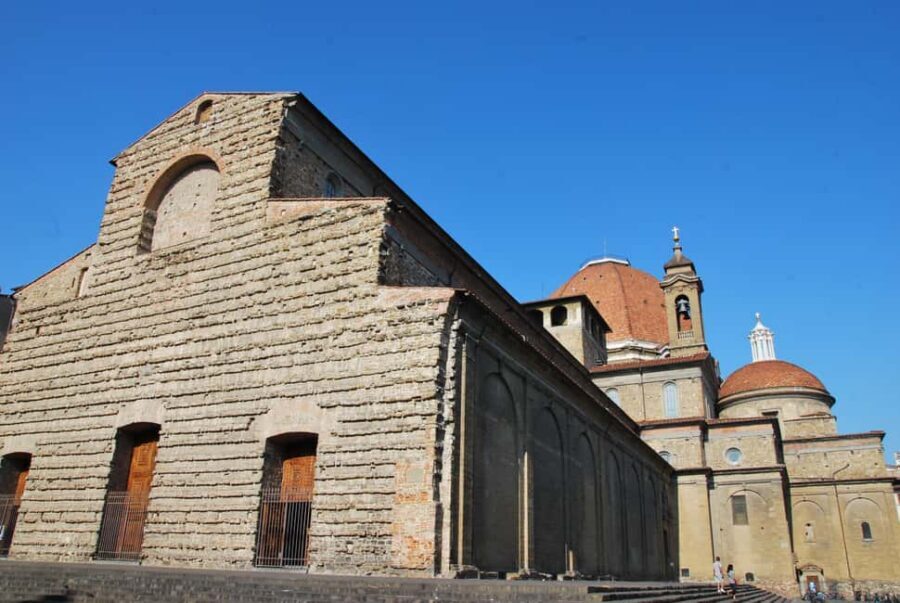
After the palace, you’ll head to Piazza San Lorenzo for a 15-minute break that’s mostly practical: photo time plus quick orientation.
This stop matters more than it sounds. It helps you recalibrate from interior grandeur to street-level Florence. You’ll get a chance to breathe, reset your eyes, and get oriented before the tour shifts toward the Medici’s burial spaces.
Keep your camera ready here, but don’t use the time to multitask. This is one of those short segments where staying present makes the later chapels feel more grounded in the city around them.
Medici Chapels (Cappelle Medicee): New Sacristy, Princes’ Chapel, and the Crypt
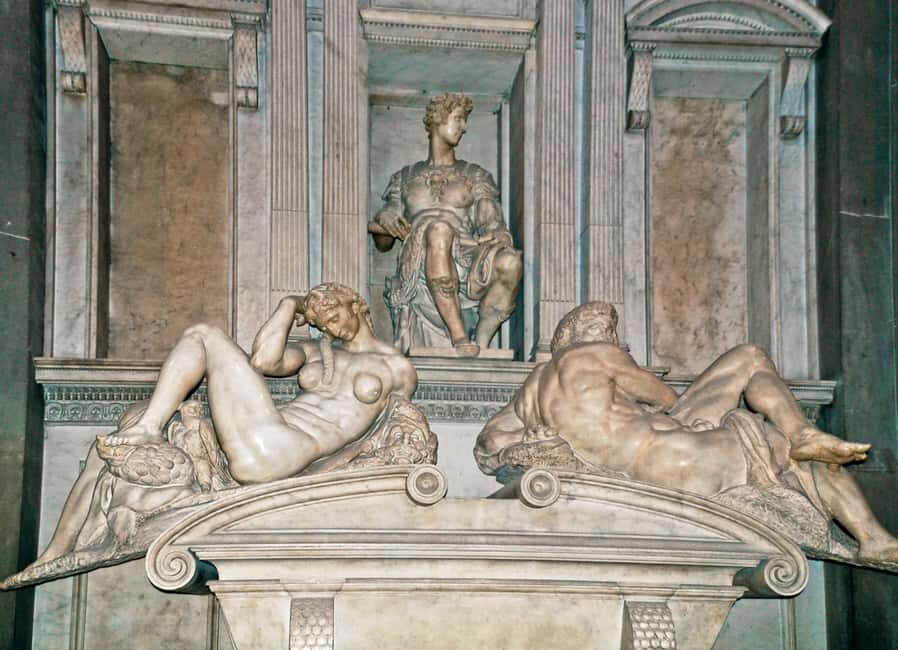
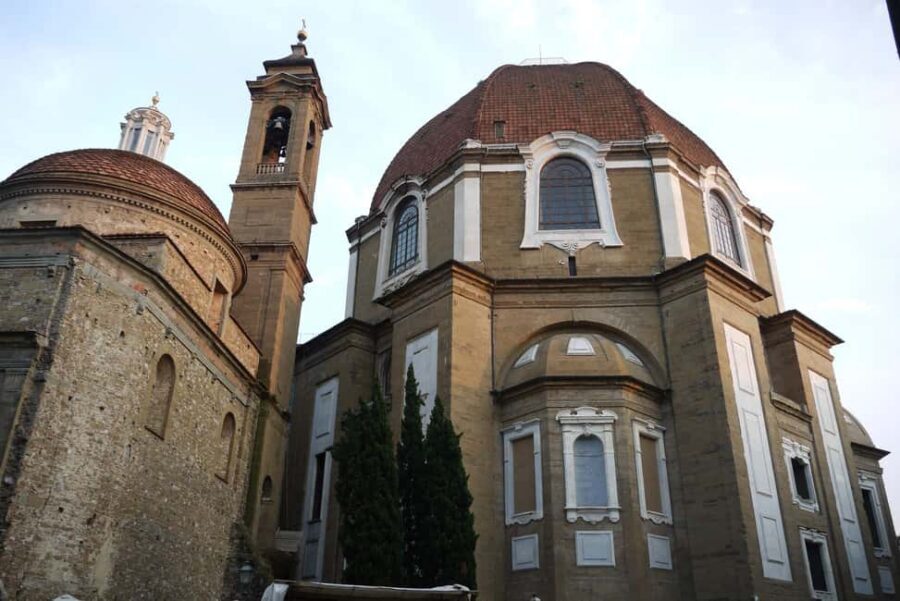
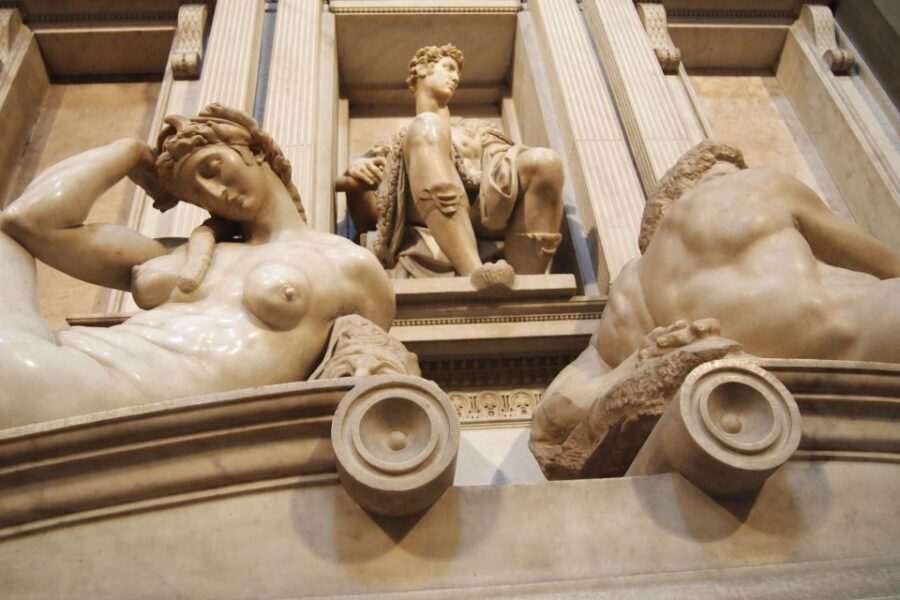
Now you’ll move into the Medici’s final story arc: Cappelle Medicee—the burial place of the Medici family. This is where the atmosphere turns solemn, and the art becomes more than decoration.
You’ll spend about one hour on the guided visit to the chapel areas, with the tour focusing on the major highlights. Here’s what you should look for as the guide walks you through.
- Tuscany Day Trip from Florence: Siena, San Gimignano, Pisa and Lunch at a Winery
★ 5.0 · 21,634 reviews

The New Sacristy by Michelangelo
The tour includes the New Sacristy, known for being the work of Michelangelo. Even if you’ve seen photos, seeing it in person tends to change how you read it. The forms and drama feel intentional—like sculpture designed for meditation, not for distance.
Your guide will help you connect it to the Medici mindset: this wasn’t simply burial space. It was legacy in physical form. It says, in stone and design, that the family’s influence should outlast politics.
The Chapel of the Princes with Florentine mosaic
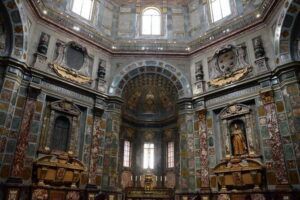
Next is the Chapel of the Princes, described as studded with Florentine mosaic in semi-precious stones. This is the opposite mood from Michelangelo’s more inward feeling. Here, the craft is meant to be seen and remembered.
If you like texture and workmanship, this is where you slow down. The mosaic isn’t just pretty; it’s a message about power and taste, made visible through labor and materials.
The solemn Crypt
Finally, you’ll see the Crypt, where members of the Medici family are buried. This is the emotional landing point of the tour.
I like ending here because it gives you closure. You start with political space, move through art-as-status, and end with family-as-memory. That arc makes Florence feel less like a random collection of sights and more like a single long story.
Pacing in 3 hours: how to fit it into your Florence plan
A 3-hour tour sounds tight until you see how it’s structured. You get two main guided blocks—palace and chapels—plus a short orientation photo stop.
To make the most of the day, I’d schedule this earlier if you can. One guide in the feedback I read explained how this tour helps you understand Florence from the Renaissance to today. That’s a practical tip: if you do it on day one, you’ll spot Medici influence everywhere else afterward.
Also, take note of your comfort level. The chapels can feel quieter and more formal than the palace interiors, so wear shoes you’re happy to stand in. This isn’t a marathon, but the key viewing spots ask for patience.
Guides and language: private-group time is the real advantage
This is a private group experience with a live guide. That matters because you’re not stuck listening to someone else’s pace. You can ask questions, get clarifications, and pause when you need a breather.
The guide quality looks strong across the board in the information provided. Names that come up include Rossana, Christina, Adriana, Catherina, and Susanna. The common thread: lots of enthusiasm, strong subject command, and a willingness to answer questions instead of racing past them.
One practical note: you can learn a lot even without perfect listening, but accent issues can cut comprehension. If you’re booking in a language you’re less fluent in, that’s the one risk to plan around. Choose your language option carefully and be ready to ask for repetition if needed.
Skip-the-line guidance: saving time for the parts you want
You’ll get skip the ticket line, which is valuable in Florence. It doesn’t just save minutes; it helps you keep your energy for the interiors.
The tour is also designed around guided time in the right places. That matters because these sites can be tempting to wander in and out of on your own. With a guide, you’re more likely to notice what the Medici are trying to communicate through space and art.
For value, I also like that the tour bundles multiple top-tier stops in one trip: Palazzo Medici Riccardi plus Medici Chapels, with the in-between city context at Piazza San Lorenzo. That reduces the stress of planning and prevents you from stitching together a half-day with uneven timing.
Who this tour is perfect for (and who should think twice)
This works best if you want Florence to make sense. If the Medici names mean something to you—or you want them to mean something—this tour gives you the story with real locations attached.
It’s also a good fit if you like art history that doesn’t feel locked in a textbook. You’ll connect artists and Renaissance patronage to the family that funded and promoted them.
If you hate guided tours and prefer to roam freely, you might feel a little boxed in. This experience is built around structured viewing and explanation. But if you enjoy learning while you look, the format is hard to beat.
And if you’re traveling with mobility needs, it’s listed as wheelchair accessible, which is worth checking directly when you book.
Should you book this Medici power-and-legacy tour?
I’d book it if your goal is understanding the Medici as more than a name. The palace gives you the politics and the mood of power, and the chapels give you the legacy—Michelangelo’s New Sacristy, the mosaic-rich Chapel of the Princes, and the Crypt’s solemn final chapter.
I’d think twice only if language comprehension is a big concern for you. Based on the information provided, most guides are praised for clarity and engagement, but one comment flagged difficulty with accent. If that’s your issue, pick the language you’re most comfortable with.
If you want Florence to feel connected—Renaissance art, civic power, and family memory—this is a smart use of 3 hours.
FAQ
Where does the tour start?
It starts at the Riccardi Medici Palace.
How long is the tour?
The tour lasts 3 hours.
What are the main places you visit?
You visit the Palazzo Medici Riccardi, then see the Medici Chapel areas, and you finish at the Cappelle Medicee.
Do you include a photo stop?
Yes. There’s a photo stop in Piazza San Lorenzo for about 15 minutes.
How long is each major guided visit?
You get about 1 hour at Palazzo Medici Riccardi and about 1 hour for the Medici Chapel portion.
Does the tour skip the ticket line?
Yes, the experience includes skip the ticket line.
What languages are available?
The live guide is available in English, Italian, Spanish, German, French, and Portuguese.
Is this a private group tour?
Yes, it’s listed as a private group.
What should I bring?
You should bring a passport or ID card. A copy is accepted.
Is it wheelchair accessible?
Yes, the tour is listed as wheelchair accessible.
You Might Also Enjoy

More Tour Reviews in Florence
- Tuscany Day Trip from Florence: Siena, San Gimignano, Pisa and Lunch at a Winery
★ 5.0 · 21,634 reviews - The Best tour in Florence: Renaissance & Medici Tales – guided by a STORYTELLER
★ 5.0 · 12,316 reviews