REVIEW · FLORENCE
Wine Tasting Experience with Seven Types of Tuscan Wine
Book on GetYourGuide →Operated by Vino Tasting · Bookable on GetYourGuide
Wine tasting in Florence, but make it fast. This 90-minute session walks you through 7 Tuscan wines with food pairings, and it is led by friendly experts like Vinci who explain what you are tasting. I like the structured flight from crisp whites to age-worthy reds, and I like how the pace feels relaxed and personal. One heads-up: it is an indoor tasting, so you will not get big vineyard sightseeing or a countryside drive.
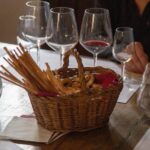
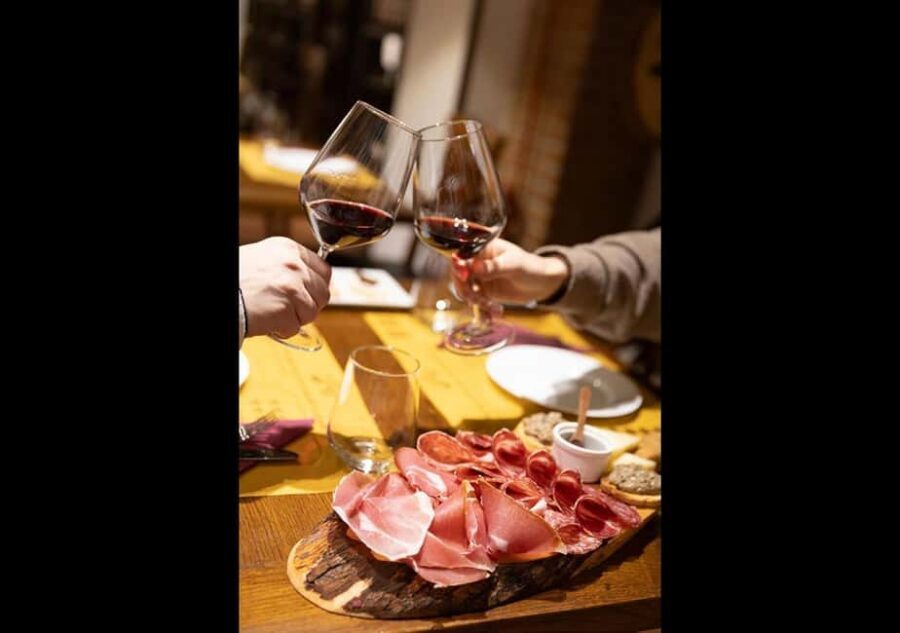
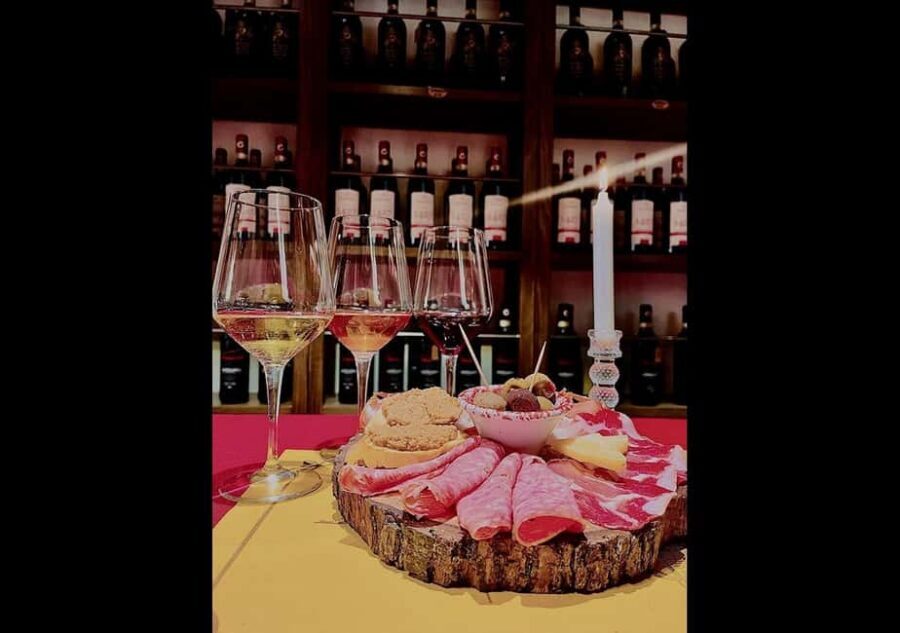
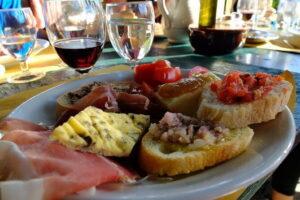
The setting is a proper enoteca stop, and the food is not an afterthought. You get a platter that includes Italian olives, bruschetta, salami, and prosciutto, with wine paired alongside. If you are traveling with kids, the included option is Coca Cola, Fanta, or Sprite.
The format is perfect if you want to understand Tuscany without blocking a whole day. You start with something crisp and mineral, then move through Chianti and Nobile, and finish with the heavyweights like Brunello di Montalcino and an age-worthy Tuscan wine called Miraia.
In This Review
- Key Points to Know Before You Go
- Where You Meet in Florence: The Vino Tasting Global Srl Setup
- The 90-Minute Format That Fits Real Travel Days
- Vernaccia to Miraia: The Wine Lineup and What It Teaches
- Vernaccia: the crisp, mineral opener
- Bolgheri Rosso: bold and opulent
- Chianti Classico base: cherry and earth
- Nobile di Montepulciano: smooth tannins, dark fruit
- Chianti Classico Riserva: aged nuance
- Brunello di Montalcino: structure and complexity
- Miraia: elegant, age-worthy finish
- Antipasto Pairings: Olives, Bruschetta, Salami, and Prosciutto
- The Guide Makes It: Style, Language, and Flexibility During Tastings
- $65 in Florence: Why the Value Feels Fair
- Who This Wine Tasting Is For (and Who Should Skip It)
- Should You Book This Tuscan Wine Tasting in Florence?
- FAQ
- How long is the wine tasting experience?
- Where is the meeting point in Florence?
- What kinds of Tuscan wines will I taste?
- Is the guide available in English?
- Can I request a gluten-free or vegetarian menu?
- Is the venue wheelchair accessible and air conditioned?
- Do I need ID, and is there a minimum age for alcohol?
Key Points to Know Before You Go
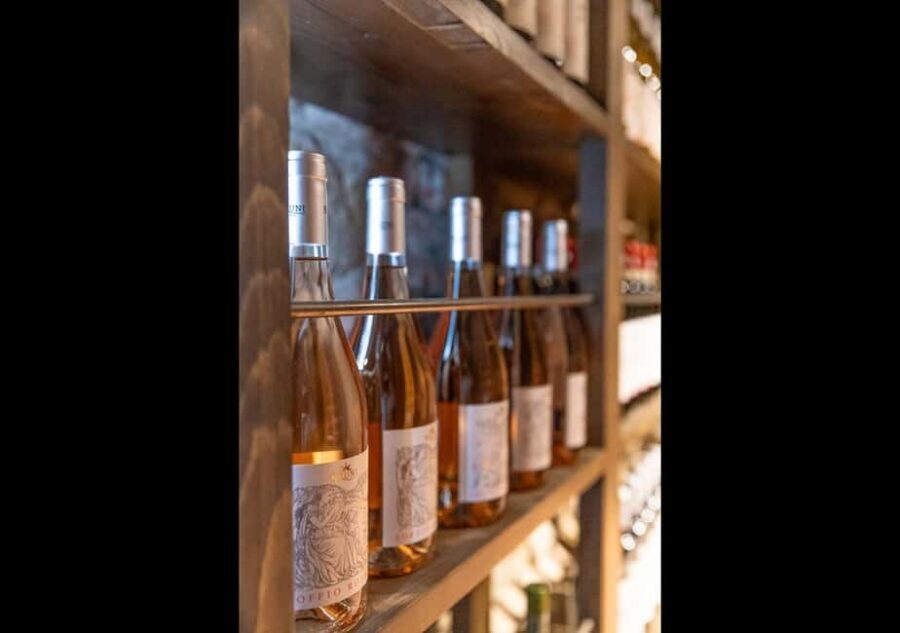
- Seven wines, one guided progression from Vernaccia to Miraia, so your palate learns as you go
- Pairings with local bites like olives, bruschetta, and cured meats that match the wine style
- A relaxed, preference-aware host who can adjust if a wine is not your thing
- Certified guide + pairing class included, not just uncorking and hoping
- English and Italian options, plus a wheelchair-accessible, air-conditioned space
- Clear value for $65 when you factor in the number of pours, instruction, and food
Where You Meet in Florence: The Vino Tasting Global Srl Setup
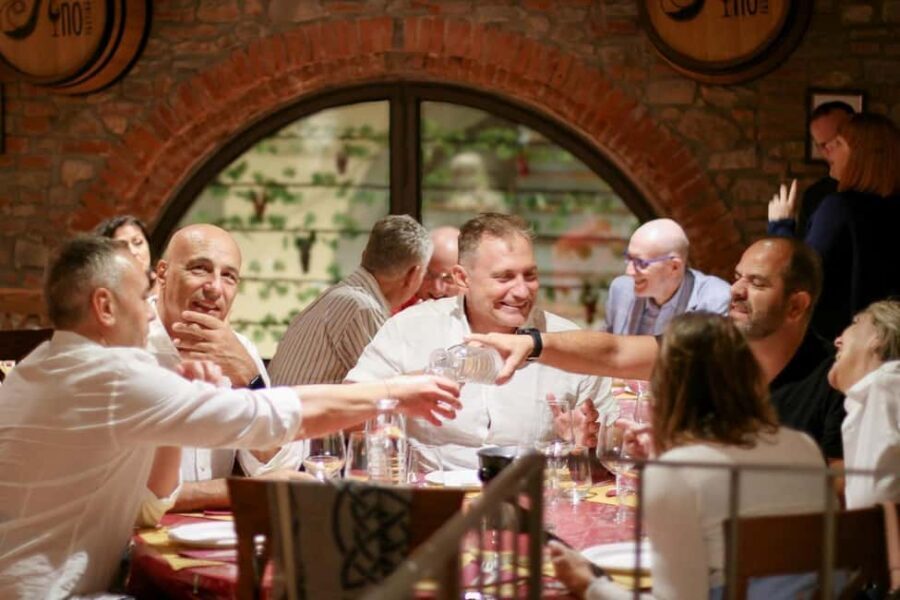
You meet at Vino Tasting Global Srl at Via del Gomitolo dell’Oro, 11r, 50123 Firenze FI. This matters because you can plan your day around a simple start point, without coordinating pickup times or getting dragged across town.
Inside, it is designed for comfort rather than standing around with a paper cup. The space is wheelchair accessible, air conditioned, and there is WiFi available, which is handy if you want to map the rest of your afternoon afterward. Bring your passport or ID card, since a valid identification document is required.
If you are the type who gets flustered by tight schedules, good news: this is a short, focused experience. You just show up on time and let the guide do the translating between the bottle label and what it tastes like in your glass.
You can also read our reviews of more food & drink experiences in Florence
The 90-Minute Format That Fits Real Travel Days
This is a 1.5-hour experience, so it is built for travelers who are short on time but still want something that feels worth it. Seven wines in 90 minutes is a lot of tasting, but the structure helps: you are not randomly sampling, you are following an order meant to train your palate.
Because the tour does not include hotel pickup and drop-off, you will likely be walking or taking a local transit option to reach the address. That is normal for central Florence, but it does mean you should give yourself a little buffer so you do not miss the start.
If you arrive after the tour start time, you will not be able to join and there is no refund or reschedule. I treat that as part of the deal: set a reminder, show up early enough to settle in, and you will enjoy the pace instead of rushing it.
Vernaccia to Miraia: The Wine Lineup and What It Teaches
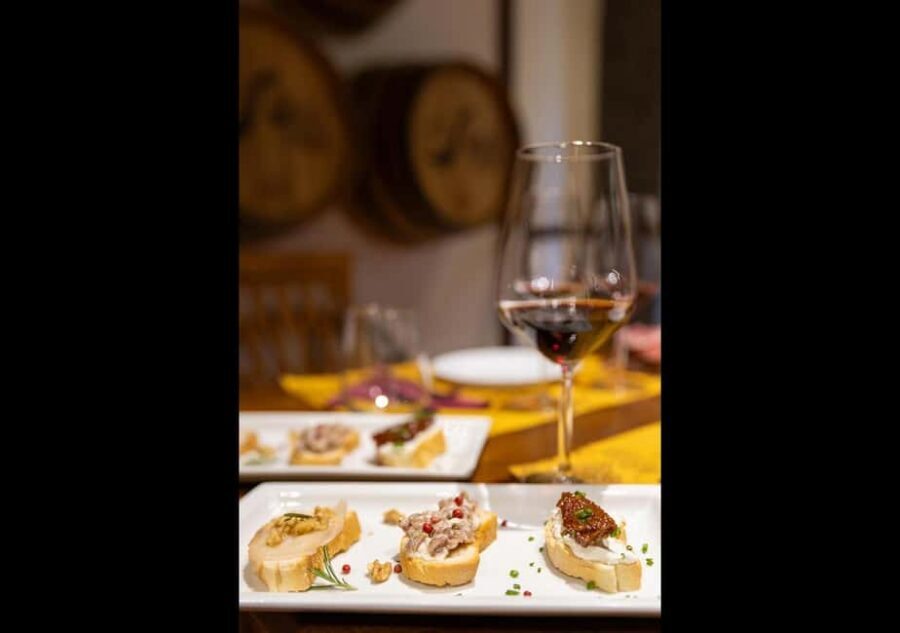
The tasting flight is your shortcut to Tuscany’s biggest ideas. You go from crisp and mineral to big and structured, so you start noticing patterns like acidity vs. tannin and fruit vs. earthiness.
Vernaccia: the crisp, mineral opener
You begin with Vernaccia, a white that starts the whole tasting with lift and clarity. Expect a style that makes your palate wake up, especially if you have been eating pasta and walking in the sun all morning.
This first pour is smart because it sets a baseline. You learn what Tuscany can taste like when it is bright and mineral rather than dark and brooding.
Bolgheri Rosso: bold and opulent
Next comes Bolgheri Rosso, which shifts you into richer red territory. It is a “pay attention” wine in the best way, with a fuller feel than the opening white.
When you move to this step, you start noticing how quickly your palate adapts when the wines change both style and weight.
You can also read our reviews of more wine tours in Florence
- Tuscany Day Trip from Florence: Siena, San Gimignano, Pisa and Lunch at a Winery
★ 5.0 · 21,634 reviews

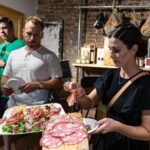
Chianti Classico base: cherry and earth
Then you taste a classic Chianti Classico base. This is where cherry and earth tones often show up, giving you that familiar Tuscan character that many people associate with the region.
I like this spot because it is not just about flavor. It is about learning how balance works in wine: fruit shows up, but it is not a sugar bomb, and the earth notes make the wine feel grounded.
Nobile di Montepulciano: smooth tannins, dark fruit
After that, the tasting moves to Nobile di Montepulciano. The big takeaway here is the smoother tannin profile paired with dark fruit.
This is an excellent “middle step” in the flight. It bridges the more accessible Chianti-style profile and the heavier, more structured bottles coming next.
Chianti Classico Riserva: aged nuance
Then you get Chianti Classico Riserva, which is essentially the aged expression of that same region-and-style idea. You are tasting what changes with time: more nuance, more depth, and a softer edge compared with the fresher version.
If you think all Chianti tastes the same, this step is the correction. Age is not magic, but it does change texture and how the flavors hang together.
Brunello di Montalcino: structure and complexity
Brunello di Montalcino comes next, and yes, it deserves the title people give it. This is the “structure and complexity” moment, where tannins and flavor layers come forward in a serious way.
I always find the best value in tasting a flagship like this right after you have already compared related styles. You can actually feel the differences instead of just hearing them.
Miraia: elegant, age-worthy finish
Finally, you end with Miraia, described as an elegant and age-worthy Tuscan wine. It is a fitting conclusion because you have already climbed the ladder in intensity.
By the end, you are not only tasting a wine. You are tasting the shape of Tuscany’s winemaking—how styles can shift while still staying recognizably Tuscan.
Antipasto Pairings: Olives, Bruschetta, Salami, and Prosciutto
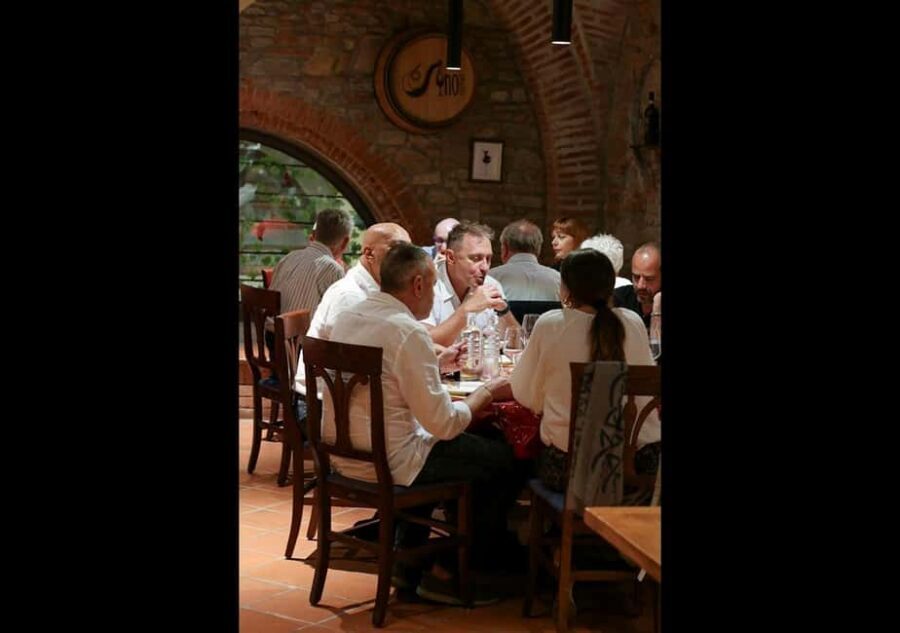
Wine pairings work best when the food hits the wine in the right way. The platter here includes Italian olives, bruschetta, salami, and prosciutto, which is a strong match for Tuscan reds.
The olives add salty, briny punch. That helps bring out fruit tones and keeps the tasting from feeling one-note.
Bruschetta adds crunch and acidity from the topping, which is useful when you move to higher-tannin wines. It also keeps you from palate fatigue.
Cured meats like salami and prosciutto contribute fat and savory depth. That is exactly what helps when tannins start showing up more clearly in the later pours.
One extra note: multiple people highlight olive oil as a standout element in the experience. Even if you think you already know olive oil, the tasting format can make you notice aroma and texture in a way that a quick tasting at a shop rarely does.
The Guide Makes It: Style, Language, and Flexibility During Tastings
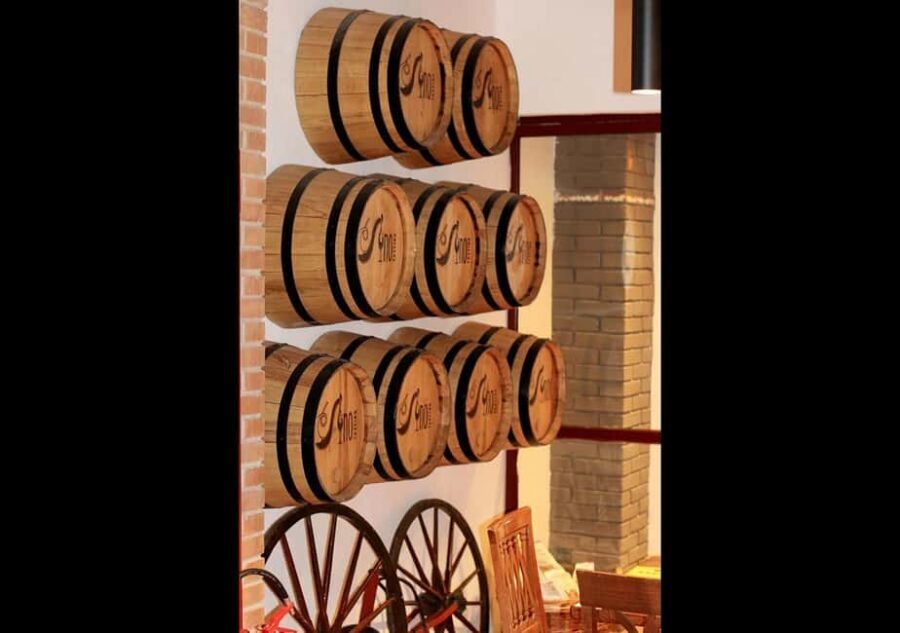
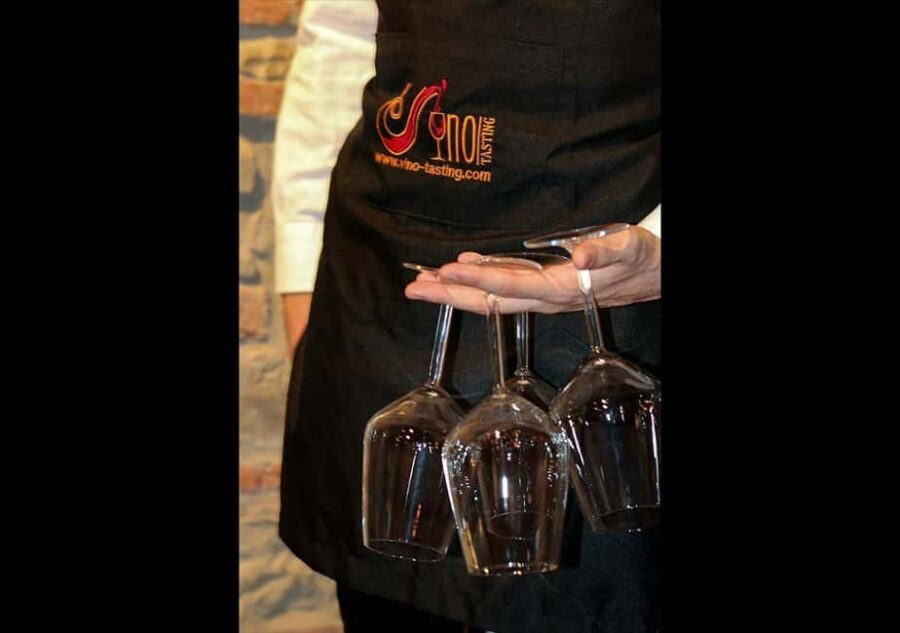
A certified guide runs the experience, and the vibe is very much learn while you sip. You get a wine tasting and wine pairing class, so you are not just handed glasses and left to interpret the labels like a mystery novel.
English and Italian are both supported, which makes the experience easier if your group has mixed language comfort. I also appreciate that this is practical instruction, not a lecture you tune out after the second glass.
The best part for me is the way the experience can adjust to you. If you do not like a specific wine, you are not stuck suffering through it. You can get alternative pours or similar recommendations, which keeps the tasting from turning into a forced march.
That flexibility also makes it work for different comfort levels. If you are new to wine, you get explanations. If you already have opinions, the guide can tailor the conversation instead of treating everyone like a beginner.
$65 in Florence: Why the Value Feels Fair
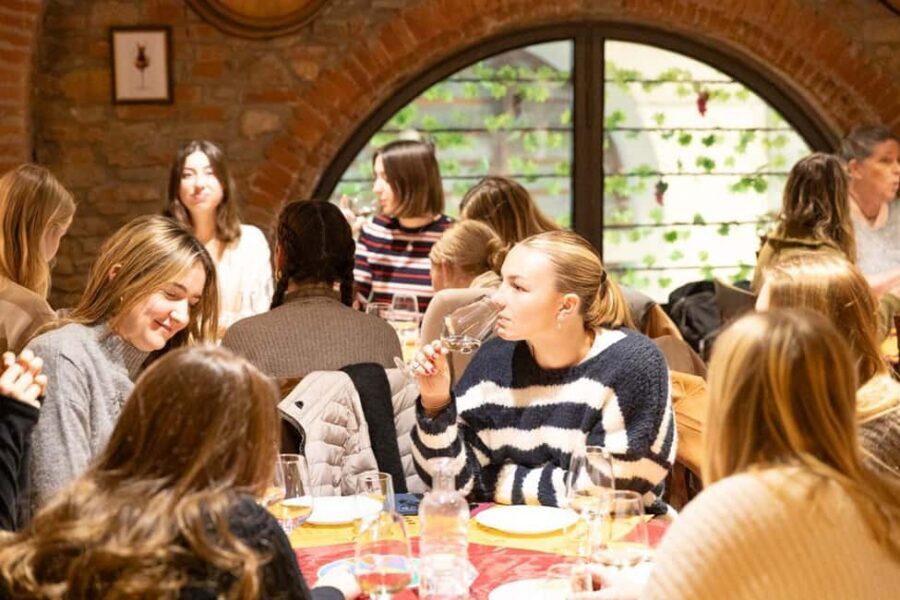
At $65 per person for 1.5 hours, the value comes from what you get bundled together. You are not only tasting seven wines; you are also getting a pairing class, a certified guide, and a real platter of Tuscan appetizers.
To think about value, I break it into three parts:
- The guide instruction you would normally pay for in a separate class
- The wine list itself, which covers multiple Tuscany styles rather than repeating the same bottle in different glasses
- The included food pairing, which keeps the tasting grounded and satisfying
You do not have to buy additional meals during the tour, since the platter is part of the included experience. That can matter a lot in Florence, where time and stomach space both run out fast.
The only real trade-off is what is not included: anything beyond the mentioned beverages and food, and hotel pickup or drop-off. If you plan your schedule and bring a little energy into the tasting, it is a straightforward use of time.
Who This Wine Tasting Is For (and Who Should Skip It)
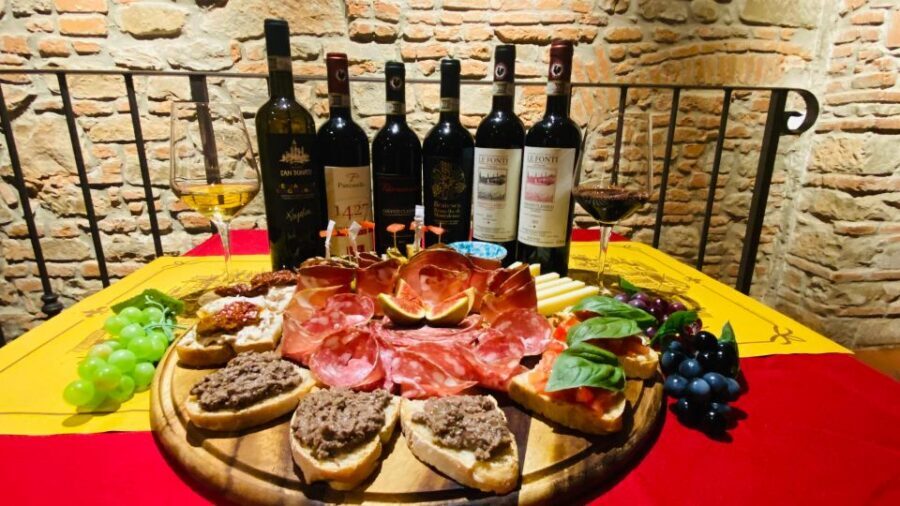
This tour is ideal if you want an introduction to Tuscan winemaking traditions without spending a full day on the road. It is also a good choice if your group has mixed tastes, because you get a range from crisp white through bold reds and up to structured Brunello.
It is also a strong fit for a low-key date night or a friend outing. The pace is not frantic, and you are seated in a comfortable space with time to ask questions.
On the other hand, it is not recommended for pregnant travelers. If anyone in your party cannot participate in alcohol tastings, you may want to plan around the adult wine portion.
There is also a minimum drinking age requirement for alcoholic beverages: 17 years and above. For kids, the included drink options are Coca Cola, Fanta, or Sprite, which keeps families from feeling totally locked out.
If you need dietary adjustments, gluten free or vegetarian menu options are available on request. If you have allergies or intolerances, tell the team when booking and before the tour so they can avoid problems.
Should You Book This Tuscan Wine Tasting in Florence?
If you want a structured taste of Tuscany in a short window, this is an easy yes. You get seven wines, clear guidance, and real pairing bites, all in central Florence with an air-conditioned, comfortable setup.
I would skip it only if your main goal is vineyard scenery and a full day of countryside stops. This is a tasting experience, not a driving tour. It is best when you want to learn the wines and enjoy the flavors without turning your day into a long transit project.
If you are ready for a practical, palate-focused introduction to Tuscan labels, book it. It is one of those experiences that feels like value because it is compact, guided, and genuinely tastable.
FAQ
How long is the wine tasting experience?
It lasts 1.5 hours.
Where is the meeting point in Florence?
You meet at Vino Tasting Global Srl, Via del Gomitolo dell’Oro, 11r, 50123 Firenze FI, Italy.
What kinds of Tuscan wines will I taste?
You taste seven Tuscan wines, including Vernaccia, Bolgheri Rosso, Chianti Classico, Nobile di Montepulciano, Chianti Classico Riserva, Brunello di Montalcino, and Miraia.
Is the guide available in English?
Yes. The live tour guide is available in English and Italian.
Can I request a gluten-free or vegetarian menu?
Yes. Gluten free or vegetarian menu options are available on request.
Is the venue wheelchair accessible and air conditioned?
Yes. The tour is wheelchair accessible, and the space is air conditioned.
Do I need ID, and is there a minimum age for alcohol?
Yes, you need a valid identification document. Alcoholic beverages are available only for participants 17 years and above.
You Might Also Enjoy
More Wine Tours in Florence
- Tuscany Day Trip from Florence: Siena, San Gimignano, Pisa and Lunch at a Winery
★ 5.0 · 21,634 reviews
More Food & Drink Experiences in Florence
- San Gimignano, Siena, Monteriggioni, Chianti Day Trip with Lunch & Wine Tasting
★ 4.5 · 4,432 reviews
More Tour Reviews in Florence
- Tuscany Day Trip from Florence: Siena, San Gimignano, Pisa and Lunch at a Winery
★ 5.0 · 21,634 reviews - The Best tour in Florence: Renaissance & Medici Tales – guided by a STORYTELLER
★ 5.0 · 12,316 reviews