REVIEW · TUSCANY
Cooking Class in a professional kitchen by a professional Chef
Book on Viator →Operated by Cooking Class with Chef Barbara · Bookable on Viator
Four hours of flour and sea air. This cooking class is a hands-on way to learn Tuscan food in a real restaurant kitchen, with views toward the Tirreno Sea and the kind of personal teaching you usually only get in someone’s home kitchen—though with professional tools and a chef who actually runs the place.
I especially like how practical it feels: you’re not just watching, you’re rolling, cutting, spreading, and tasting as you go, guided by Chef Barbara. The menu hits big Tuscan favorites—pici all’aglione, choices like lasagna/tortelli/tagliatelle, and cantuccini—so you leave with both skills and something to brag about. The one thing to consider is that this is truly hands-on; if you’re hoping for a mostly passive experience, you may find the pace and work a bit intense.
You’ll also get a quick orientation to Tuscan and Italian cuisine history while you cook, which helps the dishes click instead of feeling like random recipes. After class, you sit down to the lunch or dinner you made, so there’s no awkward scramble to find food afterward.
In This Review
- 5 key things that make this Tuscan cooking class worth your time
- Tuscany Cooking Class in Chef Barbara’s Restaurant Kitchen
- What the timing really means: class + meal, planned for about half a day
- Start Here at La Filanda: meet the kitchen and get your apron
- Tuscan starters: focaccia, pizza, or schiaccette and the olive-oil factor
- Handmade pasta: pici all’aglione and what makes it feel Tuscan
- The second main: lasagna, tortelli, or tagliatelle plus sauce skills
- Dessert: cantuccini and the vin santo pairing you can control
- Eat what you cook: lunch or dinner in the restaurant rhythm
- Wine and extra drinks: what’s included and what costs extra
- Price and value: is $213.03 per person fair for this kind of class?
- Who this Tuscan class fits best (and who might want a different style)
- The practical checklist I’d use before you go
- Should you book Chef Barbara’s Tuscan cooking class?
- FAQ
- Is the cooking class held in English?
- Where is the meeting point?
- What time does the class start?
- How long is the experience?
- What’s included in the price?
- Is wine included?
- Is this activity private?
5 key things that make this Tuscan cooking class worth your time
- Chef Barbara’s teaching style: stories, humor, and cooking tips that push you to try technique yourself
- Handmade pasta time: learn pici all’aglione and work the dough, not just sauce it
- A full traditional menu: starter + main pasta + dessert, so you taste the whole rhythm of a Tuscan meal
- Kitchen setting with sea views: you cook in a restaurant kitchen inside the town, with the Tirreno Sea in sight
- You eat what you make: lunch or dinner is served at your table, with room service included
Tuscany Cooking Class in Chef Barbara’s Restaurant Kitchen
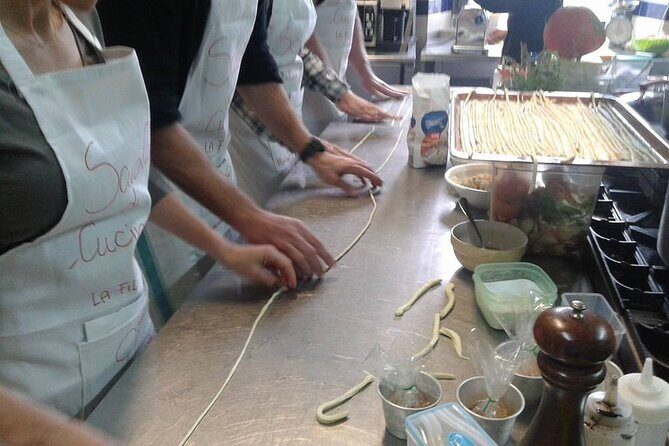
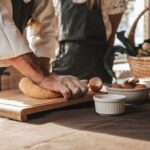
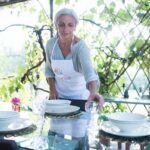
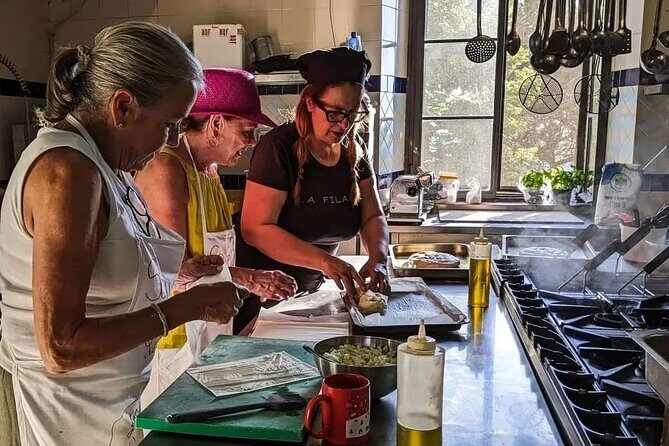
If you want Tuscan food that feels lived-in—not staged—you’ll like the setting. This class happens in Chef Barbara’s restaurant kitchen in the town of Manciano, and you’re not stuck in a bland classroom. You cook in a working kitchen, where the rhythm of service and real kitchen habits quietly shape the experience.
Chef Barbara leads the whole thing in English, and your group is private—only your party cooks together. That matters more than people think. In a private format, you get more of that in-the-moment coaching: when your dough needs a little extra pressure, when your sauce needs a quick correction, and when you’re unsure, you can ask without waiting for a crowd.
The menu is also very “Tuscany” in the best way: it covers the classics (handmade pasta, olive-oil bread, and cantuccini), and it links the dishes back to a brief history of Italian cuisine so it feels like more than memorizing steps.
You can also read our reviews of more cooking classes in Tuscany
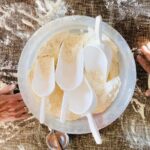
What the timing really means: class + meal, planned for about half a day
The listing says about 4 hours, but the experience itself runs about 3 hours. Either way, you’re looking at a tidy block of time that ends where you started.
You begin at 10:30 am and the activity ends back at the meeting point. After the cooking, you’re seated to eat the lunch or dinner you prepared. In practice, that means you’re not left with a tray of “almost edible” samples. You get to enjoy a full meal while everything is still fresh in your mind.
For your day planning, think of it as: arrive, cook, eat, leave. No extra sightseeing shuffle required.
Start Here at La Filanda: meet the kitchen and get your apron
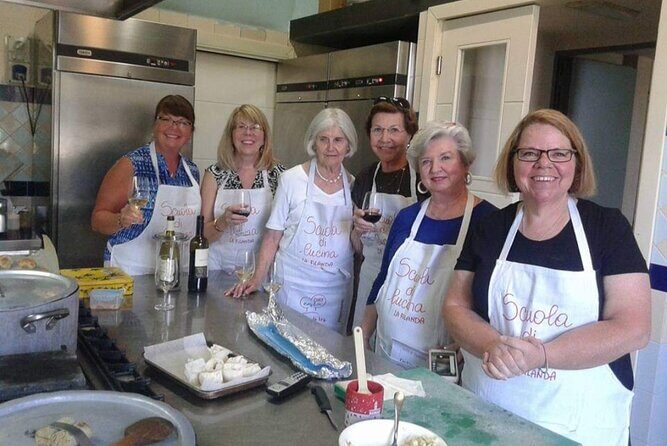
Your meeting point is La Filanda, Via Marsala 8, 58014 Manciano (GR), Italy. You’ll start at 10:30 am. When you arrive, you’ll be set up with an apron and basic materials so you can jump right in.
From there, the class flows like a guided kitchen session. You’ll learn what you’re making, why it matters in Tuscan tradition, and then you get moving. That “brief history” piece is built in while you cook—so you’re not stuck in lecture mode first, then cooking second.
A practical note: since you’ll be working with dough and hot pans, dress for comfort. Wear shoes you can stand in, and consider having sleeves that can handle a little mess.
Tuscan starters: focaccia, pizza, or schiaccette and the olive-oil factor
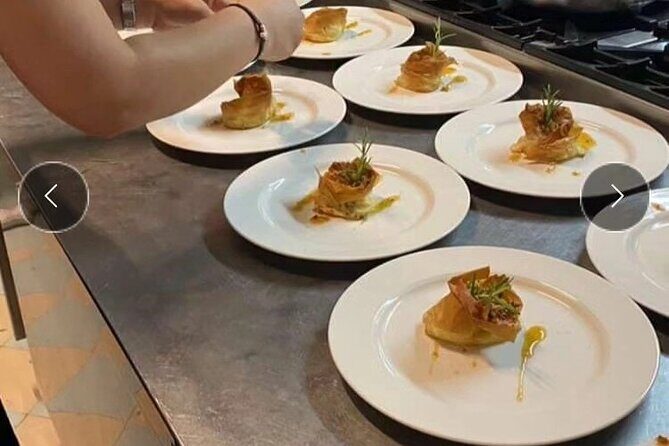
The starter part of the menu gives you an entry into Tuscan baking without making things too complicated. You’ll choose among focaccia/pizza/schiaccette, and the goal is simple: make a soft, fluffy bread with that signature olive-oil character.
What I like about this approach is that it teaches you texture. You’re not just following a recipe—you’re learning how dough behaves, how it stretches, and how it bakes into a golden top. Even if you’re a home cook with limited baking confidence, this starter usually gives fast feedback: the oven and timing tell you quickly whether your dough is right.
If you’re thinking about dietary needs, the menu includes meat sauces in the mains, but the starter is bread-based. Still, you should mention any restrictions when booking, since the exact sauce components and dinner plan aren’t specified in the details you receive here.
Handmade pasta: pici all’aglione and what makes it feel Tuscan
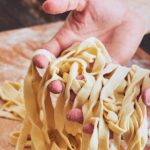
The first main is PICI all’aglione—an incredibly delicious, local hand made pasta served with garlic, oil, and tomato sauce. This is the kind of dish that tastes simple, but the technique matters.
In the class, you’ll work the pasta and then learn the sauce logic that makes it taste right. Pici is usually the kind of pasta that rewards your attention: shape and thickness affect how sauce clings. The garlic, oil, and tomato combination also teaches balance—how much garlic presence you want, how the oil carries flavor, and how tomato becomes the base rather than just an ingredient.
This is also where a strong instructor shows up. Chef Barbara’s style—sharing stories, adding humor, and offering cooking tips—matters most when you’re doing something hands-on. You’ll get encouragement to roll up your sleeves and actually try the technique yourself, not just copy her movements.
You can also read our reviews of more tours and experiences in Tuscany

The second main: lasagna, tortelli, or tagliatelle plus sauce skills
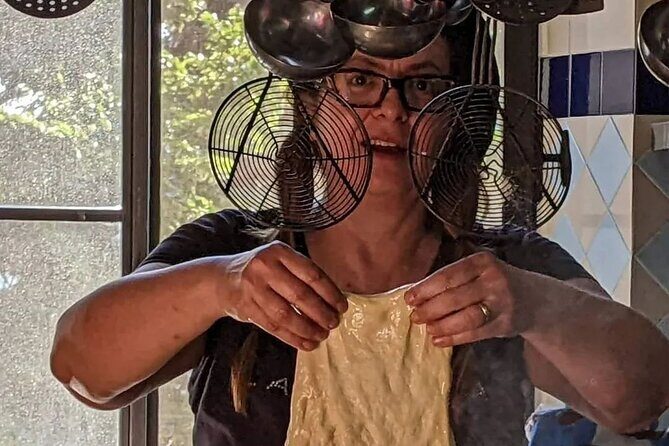
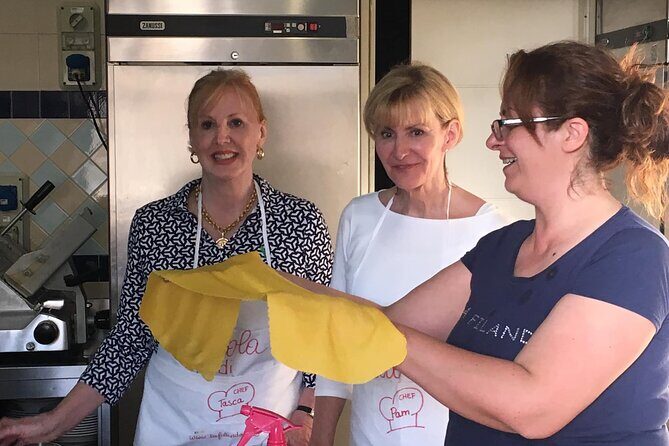
For the main-course pasta stage, you’ll work with dough and learn to cut and shape it for lasagna/tortelli/tagliatelle (the exact option offered can vary within that menu group). This is more than “make pasta.” You’ll also learn to prepare various sauces.
The class includes sauce work with meat and with first-of-the-season vegetables. That detail is a big part of why the menu feels authentic: Tuscan cooking often leans on what’s available and seasonal, not just what’s imported or standard-year-round.
From a value angle, this is one of the strongest parts of the experience. You’re learning multiple skills in one block:
- making and handling pasta dough
- cutting/spreading dough for different pasta forms
- preparing meat and vegetable-based sauces
If you’ve ever tried to make fresh pasta at home and felt overwhelmed, this structure helps you break the project into learnable steps.
Dessert: cantuccini and the vin santo pairing you can control
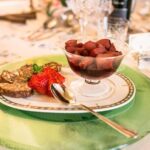
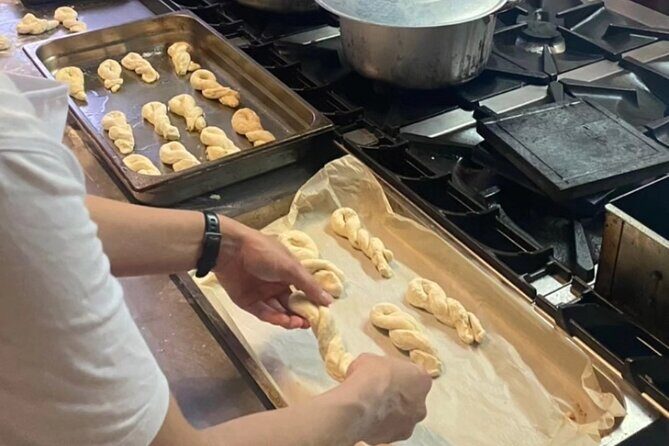
Dessert is cantuccini, a classic Tuscan cookie. The traditional pairing is with sweet vin santo, and the experience notes call this a must. But alcoholic beverages aren’t included, so treat any wine pairing as a choice you’ll make from the wine list.
Even without alcohol, cantuccini is a smart dessert lesson because it’s different from typical cake or gelato. It gives you a Tuscan bakery-style outcome: crisp cookie texture and a strong flavor profile that doesn’t rely on frosting.
I also like that dessert wraps the class emotionally. By the time you hit cantuccini, you’ve already built confidence through pasta and starter work, so the sweet finish feels like a reward rather than a second chore.
Eat what you cook: lunch or dinner in the restaurant rhythm
After cooking, you sit down to a table to enjoy the lunch or dinner you’ve made. This is one of the most practical parts of the whole experience. Instead of rushing through samples, you’re served the meal you cooked, and tasting is built in.
Food is included, and tasting of the food including room service is listed as part of what you get. Bottled water is included too. That means you’re set for your meal without having to think about what to order immediately after the class.
This also helps if your group has different cooking comfort levels. Even if one person is slower with dough shaping, the end result is still a shared meal, and everyone gets to enjoy the work.
Wine and extra drinks: what’s included and what costs extra
Your course includes food tasting and bottled water, plus the apron and a recipes book. Alcoholic beverages are not included.
That’s not a deal-breaker—just a heads-up for planning. If you want wine with dinner (and you may want it for a Tuscan-style pairing like vin santo with cantuccini), you’ll be choosing separately from the wine list. If you’re budgeting tightly, you can also skip alcohol and still leave with a complete meal.
Price and value: is $213.03 per person fair for this kind of class?
At $213.03 per person, you’re paying for a professional setup and a chef-led session that ends with an actual meal. You’re not just buying recipes; you’re paying for instruction in a working restaurant kitchen.
What you’re getting for that price, based on the included items:
- Hands-on training with Chef Barbara
- Apron
- Recipes book
- Bottled water
- Tasting and the lunch or dinner you cook, with room service noted
So the value isn’t just the food. It’s the coaching. Learning fresh pasta shapes and sauce basics in a real kitchen environment is hard to replicate without someone guiding your technique, especially when dough behavior changes with handling and temperature.
The main “watch-out” for value is your expectations. If you want a passive food tour, this might feel expensive for what’s essentially an active workshop. If you want a serious cooking lesson with food at the end, the pricing starts to look more reasonable.
Who this Tuscan class fits best (and who might want a different style)
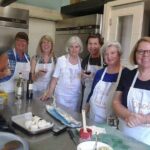
This experience is built to accommodate multiple group types: family groups through to corporate team-building. That tells you the class format is flexible and welcoming, not stiff or overly academic.
It’s a strong fit if you:
- like learning by doing
- want fresh pasta skills, not just eating pasta
- enjoy Tuscan classics and want recipes you can actually repeat at home
- travel with friends or a team and want everyone contributing
It may be less ideal if you:
- hate getting hands-on with dough and cooking steps
- prefer guided tasting only, with minimal kitchen work
- need a fully alcohol-included meal package (since alcohol is separate)
The practical checklist I’d use before you go
Here’s what I’d plan for so you get the best day possible:
- Arrive on time for the 10:30 am start at La Filanda, Via Marsala 8
- Wear comfortable shoes and sleeves you can move in
- Bring a basic appetite—you’ll cook, then sit down for lunch or dinner
- Think about whether you want wine from the list ahead of time, since alcohol isn’t included
- If you have dietary restrictions, mention them when booking, since the exact sauce and menu components (especially meat) aren’t detailed in the summary
And if you like instructors who coach with humor and real kitchen storytelling, Chef Barbara’s style is a big part of why this class gets such strong praise.
Should you book Chef Barbara’s Tuscan cooking class?
Yes, if you want a true Tuscany cooking experience where you learn, eat, and leave with skills you can repeat. The private, English-led format plus hands-on training in a working restaurant kitchen is the core advantage, and the menu is classic enough to feel authentic without being boring.
Book it if handmade pasta, Tuscan olive-oil bread, and cantuccini are on your food list—and if you’re willing to roll up your sleeves. If you’d rather observe than participate, or if your budget can’t stretch for a chef-led workshop, you might prefer a lighter tasting-focused option.
Either way, this is a meal-first day: you cook in Chef Barbara’s kitchen, you sit down afterward, and you go home with a recipes book and a better sense of how Tuscan dishes come together.
FAQ
Is the cooking class held in English?
Yes. The class is offered in English.
Where is the meeting point?
You meet at La Filanda, Via Marsala 8, 58014 Manciano GR, Italy.
What time does the class start?
The start time is 10:30 am.
How long is the experience?
The total experience lasts about 3 hours, though the overall duration is listed as approximately 4 hours.
What’s included in the price?
The class includes an apron, bottled water, and a recipes book, plus the tasting of the food including room service.
Is wine included?
No. Alcoholic beverages aren’t included, and you can choose wine separately from the wine list.
Is this activity private?
Yes. It’s private, so only your group participates.