REVIEW · TUSCANY
Corso di Pasta Fresca
Book on Viator →Operated by Agriturismo Biologico Diacceroni · Bookable on Viator
Three hours. Three shapes. One Tuscan table. This hands-on course in Volterra puts you at a workstation in a countryside agriturismo, learning to shape classic pasta while taking in views of unspoiled hills. I like that you cook, then eat what you make—served with traditional sauces and Diacceroni wine—not just sample a small bite.
I also appreciate that the teaching happens in Italian and English, so you can follow the how, not only the what. One practical consideration: the timing is compact. You’ll do prep, then service and eating, so the pace can feel a bit brisk, especially if you’re hoping for a long, slow sit-down.
In This Review
- Key Things That Make This Course Worth Your Time
- Fresh Pasta in Volterra: What This 3-Hour Course Feels Like
- Choosing the Three Classic Shapes: Stuffed Pasta and Two Egg Pastas
- From Workstations to the Table: How the Meal Comes Together
- Chef Instruction in Italian and English: Real Help, Real Names
- Where It Starts in Volterra (Via della Bonifica): Getting There Without Stress
- Price and Value: What $126.50 Buys You in Tuscany
- Who Should Book This Pasta Course (And Who Might Want a Different Option)
- Should You Book Corso di Pasta Fresca at Agriturismo Biologico Diacceroni?
- FAQ
- How long is the Corso di Pasta Fresca course?
- Where does the class meet in Volterra?
- Is the course offered in English?
- What pasta shapes will I make?
- Do I get to eat the pasta I make?
- Is lunch or dinner included?
- Is wine included?
- What if I have food allergies or intolerances?
- How large is the class group?
- What is the cancellation policy?
Key Things That Make This Course Worth Your Time
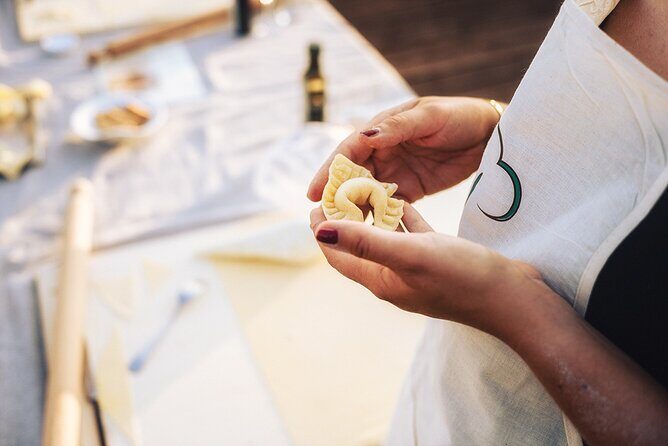
- You make 3 pasta shapes: one stuffed pasta plus two egg pasta varieties, all from scratch.
- Small-group energy (max 15): enough room for questions and real hands-on help.
- Chef instruction in Italian and English: helpful when you want technique, not just a demonstration.
- Your pasta gets cooked and served for lunch or dinner with traditional sauces (plus Diacceroni wine).
- Take-home apron and hat so you leave with more than a photo.
- A “family lunch” atmosphere where anecdotes about Tuscan food are part of the experience.
Fresh Pasta in Volterra: What This 3-Hour Course Feels Like
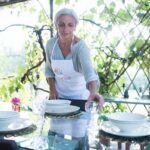
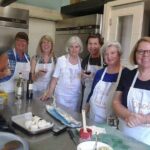
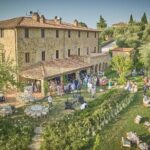
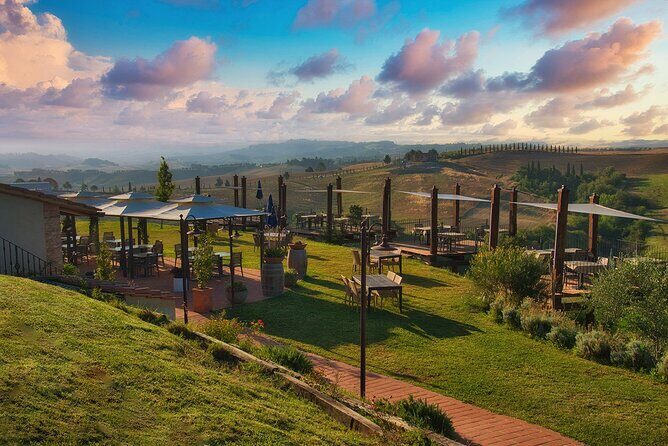
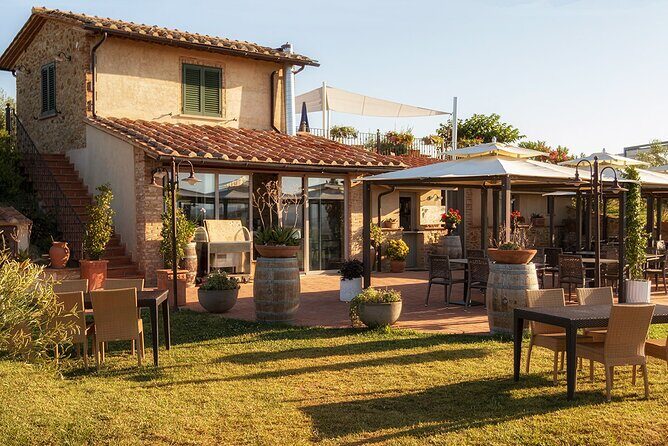
This class is built around a simple idea: when you shape dough yourself, Tuscan pasta stops being a concept and becomes a skill. You start in the countryside near Volterra, where you’re welcomed to your workstation and given the apron plus ingredients for the dishes you’ll prepare.
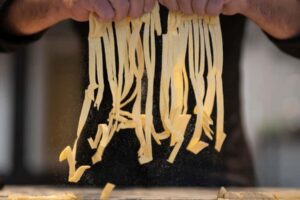
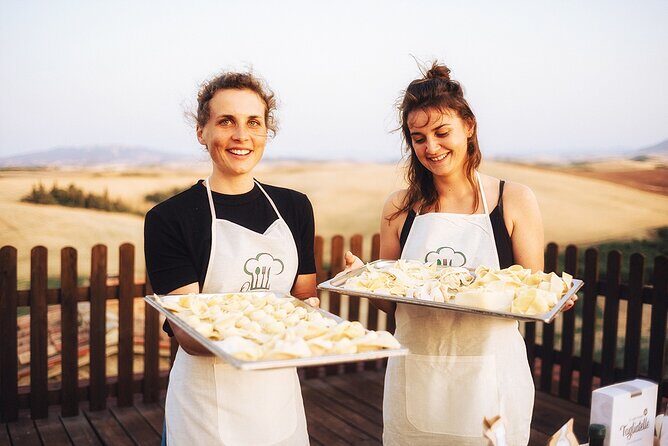
What I like most is the rhythm. You’re not only watching. You’re kneading, shaping, stuffing, and learning why certain steps matter. Then, your work becomes the meal—cooked and served with traditional sauces—so you can connect the technique to the finished dish right away.
The other big plus is the setting and pace in balance. It’s a few hours, not an all-day production. That means you can fit it into a Tuscany trip without burning half your vacation in a kitchen. Still, it’s busy enough that you should come ready to go: there’s cooking time, then meal time, and everything moves with purpose.
You can also read our reviews of more cooking classes in Tuscany
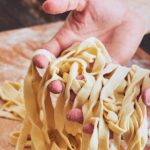
Choosing the Three Classic Shapes: Stuffed Pasta and Two Egg Pastas
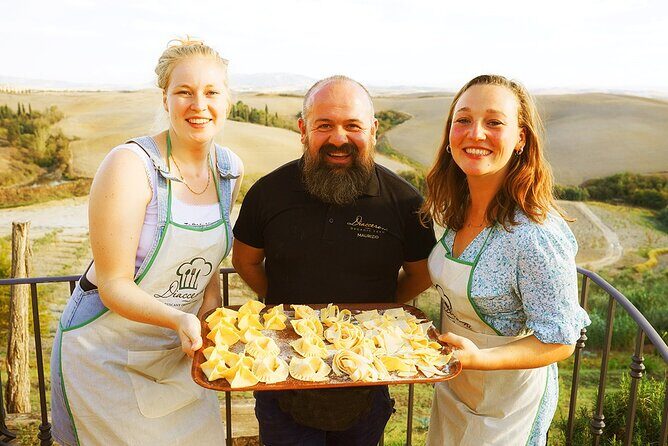
The course focuses on three traditional pasta shapes. You’ll prepare one stuffed pasta and two types of egg pasta—the kind of choices you’d actually expect around Tuscany, not a random mix of tourist-friendly forms.
One helpful detail: you get to choose from a selection of Tuscan classics. That’s the difference between learning pasta “theoretical style” versus making something you’re genuinely excited to eat. If you’re picky (or if you have pasta preferences), this is a chance to steer the experience toward what you’ll enjoy at the table.
Here’s how to think about the learning part. Stuffed pasta teaches structure—how to seal dough, portion, and handle filling without making a mess. Egg pasta is its own lesson: the egg changes the dough’s behavior, so timing and feel matter. Even if you don’t speak Italian (or your Italian is rusty), having steps explained in Italian and English helps you connect instructions to what your hands are doing.
A quick practical note before you book: the overall description promises a choice of dishes, but you should double-check what your specific session includes. If anything feels unclear when you reserve, ask for confirmation. The last thing you want is arriving expecting one set of pasta shapes and getting a different menu plan for that day.
From Workstations to the Table: How the Meal Comes Together
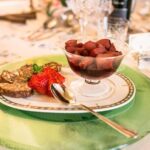
After you prepare the pasta, the class shifts into serving mode. Your pasta is cooked and then brought to your table with traditional sauces. This matters more than people expect. If you only learn dough-shaping, you can walk away impressed but unsure. Here, you taste the results immediately.
You also get lunch or dinner, depending on the class schedule. And the meal is enhanced by Diacceroni wine, which is a nice Tuscany touch: you’re not just learning technique, you’re pairing it with a local-style drinking moment that fits the food.
The atmosphere is described as cheerful and festive, like a typical Tuscan family lunch. That vibe usually shows up in small ways: how staff circulate, how the table is handled, and how the meal feels like part of the agriturismo experience rather than a separate “ticketed show.”
One more thing to expect: sauces and timing are part of the instruction experience. A class this size has to manage flow—ingredients, cooking, plating, serving—so the overall tempo can be brisk. If you’re the type who loves lingering, plan to enjoy the food and conversation, but understand the schedule moves forward.
Chef Instruction in Italian and English: Real Help, Real Names
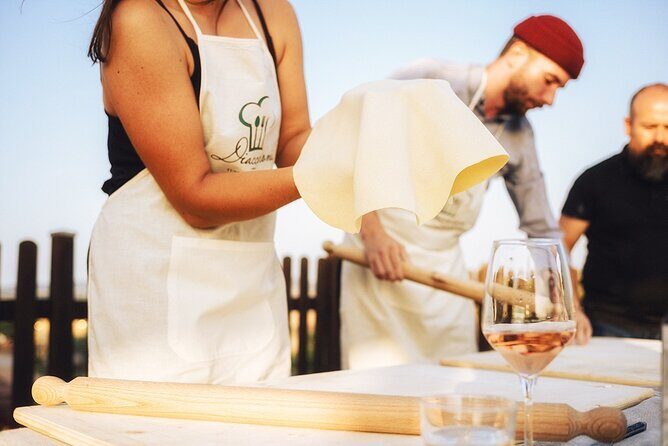
This course runs in Italian and English, which is a big deal if you want to understand technique. You’ll be guided as you participate in preparing the dishes, not kept at a distance.
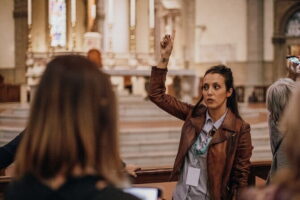
The instructor-led approach is where the value really shows. The class highlights chefs sharing anecdotes and curiosities about traditional Tuscan cuisine, and you’re encouraged to interact. That combination—doing plus context—turns it from a cooking demo into something closer to a guided skill lesson.
From the instructor names mentioned, you’ll see how seriously the team takes teaching:
- Naima is described as an expert who teaches pasta tricks.
- Lucia and Rosa are praised for patience and clear instruction.
- Ilenia is singled out as amazing.
- Mauricio and Ariel are also credited for excellent guidance.
Even without knowing the exact instructor ahead of time, this gives you a good signal: the staff’s role isn’t only to run the kitchen—it’s to coach you through the steps.
If you learn best by being shown the process in sequence, go in ready to focus for the whole time. A fast, hands-on format works great if you keep your attention on what’s happening right then.
Where It Starts in Volterra (Via della Bonifica): Getting There Without Stress
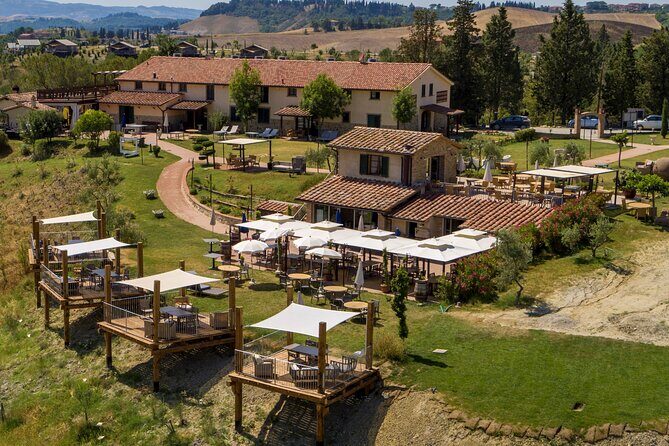
The meeting point is Via della Bonifica, 156, 56048 Volterra PI, Italy. The experience ends back at the meeting point, so you’re not juggling extra transport at the end.
Because this is in the countryside, getting your bearings early helps. One practical tip shared for this area: use GPS coordinates if you can, since they can be more accurate than relying only on the street address. If you’re driving, set your route before you leave your hotel and give yourself a little buffer.
Also, keep in mind the agriturismo setting. Country roads and signage can be simple, not fancy. You’ll feel much calmer if you handle navigation first, then focus on the class.
Price and Value: What $126.50 Buys You in Tuscany
At $126.50 per person for about 3 hours, you’re paying for more than instruction. You’re paying for:
- guided hands-on cooking (not a passive demo),
- ingredients and prep materials,
- three pasta shapes learned from scratch,
- cooking and serving your pasta afterward,
- a full lunch or dinner (with traditional sauces),
- Diacceroni wine as part of the meal,
- and a souvenir hat and apron to take home.
If you look at it in terms of output, this is strong value. You end up with a real meal you helped create, plus take-home gear that makes the memory stick. For a Tuscany trip, that’s usually better than paying for a short tasting that doesn’t teach technique.
The small-group limit (max 15) also matters for value. You’re not squeezed into a massive class where questions vanish. You should feel more comfortable raising concerns and asking how to fix a sticking issue—dough too dry, filling too loose, or any of the normal beginner moments.
If you have dietary needs, mention them when reserving. The course asks you to inform them of any food allergies or intolerances. That’s not just a polite formality; it helps make the cooking and serving experience safer and smoother for you.
Who Should Book This Pasta Course (And Who Might Want a Different Option)
This class is a great fit if you:
- want hands-on cooking in a small Tuscan setting,
- like learning by doing (especially dough handling and shaping),
- enjoy eating what you cook in a relaxed agriturismo meal,
- want something practical to bring home: an apron, a hat, and a repeatable pasta approach.
It’s also a solid choice for couples and small groups because the group size stays intimate. The experience is described as interactive and instructor-led, which tends to work well when you want more than a quick activity checkmark.
Who might consider another option? If your priority is a very slow, unhurried dining experience, the course is designed to fit cooking and service into a tight 3-hour window. You may still have a great meal, but the schedule is structured.
Also, if you’re booking strictly for specific pasta types and you’re concerned about menu clarity, confirm what shapes your session includes before you go.
Should You Book Corso di Pasta Fresca at Agriturismo Biologico Diacceroni?
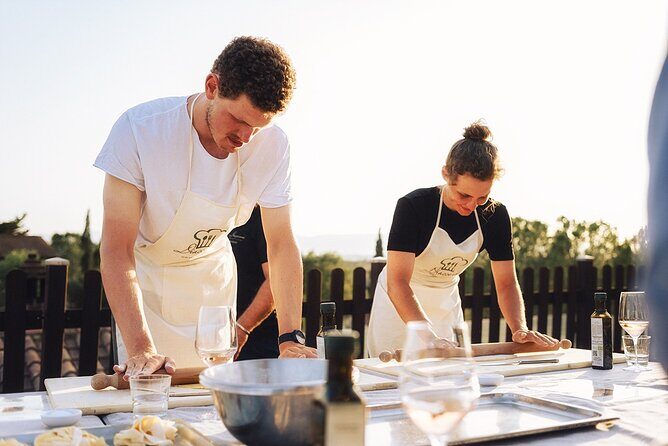
If you want a Tuscany experience that combines scenery, cooking skills, and a real sit-down meal, I think this one earns its place on your list. The combination of three pasta shapes, Italian-and-English coaching, and a lunch/dinner where you eat the results is exactly the kind of “do it, then taste it” value that sticks with you.
Book it if you’re excited to get your hands involved and you’ll enjoy a schedule that moves. Bring your appetite, ask questions when you need to, and double-check the pasta shapes offered in your session. Do that, and you’ll walk away with both a memorable agriturismo meal and a skill you can actually repeat later at home.
FAQ
How long is the Corso di Pasta Fresca course?
It lasts about 3 hours (approx.).
Where does the class meet in Volterra?
The meeting point is Via della Bonifica, 156, 56048 Volterra PI, Italy. The experience ends back at the same meeting point.
Is the course offered in English?
Yes. The experience is offered in English, and the course is conducted in both Italian and English.
What pasta shapes will I make?
You’ll prepare three traditional pasta shapes: one stuffed pasta and two types of egg pasta.
Do I get to eat the pasta I make?
Yes. After the course, your pasta is cooked and served with traditional sauces.
Is lunch or dinner included?
Lunch or dinner is served after the cooking session.
Is wine included?
The meal is enhanced by Diacceroni wine.
What if I have food allergies or intolerances?
You should inform the provider of any allergies or intolerances when making your reservation.
How large is the class group?
The activity has a maximum of 15 travelers.
What is the cancellation policy?
You can cancel for a full refund up to 24 hours before the experience starts. Free cancellation applies up to that window.