REVIEW · TUSCANY
Siena: Organic Cooking Class & Tastings
Book on GetYourGuide →Operated by Slow cooking experience · Bookable on GetYourGuide
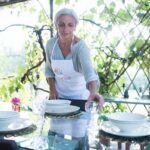
Pasta class in Tuscany, with wine pairings. In Località Dolciano, Alina guides you through organic pasta dough, shaping, and sauces, then connects it all to olive oil and wine pairings in a relaxed, small-group setting. It’s not just cooking for the sake of cooking—you learn the why behind the steps, so your meal tastes like it belongs in a Tuscan home.
Two things I really liked: first, the hands-on pasta from scratch part. You’re working the dough, cutting and shaping, and learning what texture and thickness actually mean. Second, I liked how the pairing tips aren’t random guesses—Alina’s background as an olive oil and wine sommelier turns the tastings into something you can use later, not just something you drink and move on from.
One practical consideration: the meeting point is very specific—Località Dolciano 3, at the gate just after the gate of Borgo Dolciano—so give yourself a little buffer to find it calmly.
In This Review
- Key Highlights You’ll Care About
- Where This Class Happens: Località Dolciano 3
- Organic Pasta in Real Steps, Not Guesswork
- The Alina Factor: Organic Cooking Meets Wine Sommelier Thinking
- Dough, Kneading, and Shaping: The Skills You Actually Keep
- Kneading for texture
- Shaping pasta and understanding why it matters
- Cooking it right
- Sauces Built for Balance, Not Just Flavor
- Wine and Olive Oil Tasting: How Pairing Tips Become Useful
- Lunch, Dessert, and Included Drinks: Real Value for One Price
- Itinerary Reality Check: What the Day Feels Like
- Price and What You’re Getting for $124.61
- Who Should Book This Pasta + Pairing Class
- Should You Book Siena: Organic Cooking Class & Tastings?
- FAQ
- FAQ
- Where is the meeting point?
- How early should I arrive?
- What language is the class taught in?
- What’s included in the price?
- What should I bring?
- How long is the experience?
- Is free cancellation available?
- Is reserve and pay later available?
Key Highlights You’ll Care About
- Organic, local-ingredient focus so your pasta flavors come from real sourcing choices, not shortcuts
- Pasta-making technique training (kneading, shaping, cooking) instead of watching from the sidelines
- Wine + olive oil tasting with pairing logic tied to what you’re cooking
- Sauce building that actually matches the pasta so the plate feels balanced
- Lunch with wines, plus dessert and liquors included for full dining value
Where This Class Happens: Località Dolciano 3
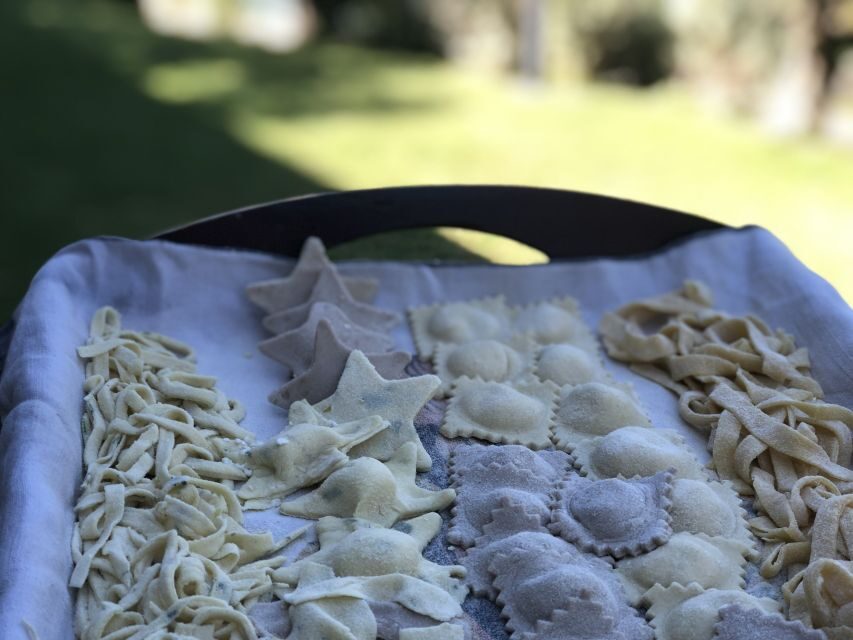
This experience starts and ends in the same spot: Località Dolciano 3. That matters more than you’d think. No “bus to the countryside,” no mystery transfers, and less time spent moving you from one part of Tuscany to another.
The meeting point is at the gate just after the gate of Borgo Dolciano. You’ll want to arrive about 5 minutes early, because the class flow depends on everyone being there when it’s time to start working the dough. If you’re the type who likes to take a long wander around medieval streets first, set that instinct aside for this one—you’ll want to get oriented fast so you can focus on learning.
Also, plan to walk a bit around the meeting area. The one “bring” item they call out is comfortable shoes, and I agree—pasta class or not, your feet will notice if you’re in the wrong footwear.
You can also read our reviews of more cooking classes in Tuscany
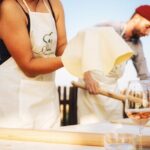
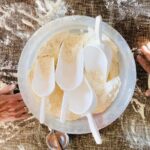
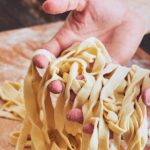
Organic Pasta in Real Steps, Not Guesswork
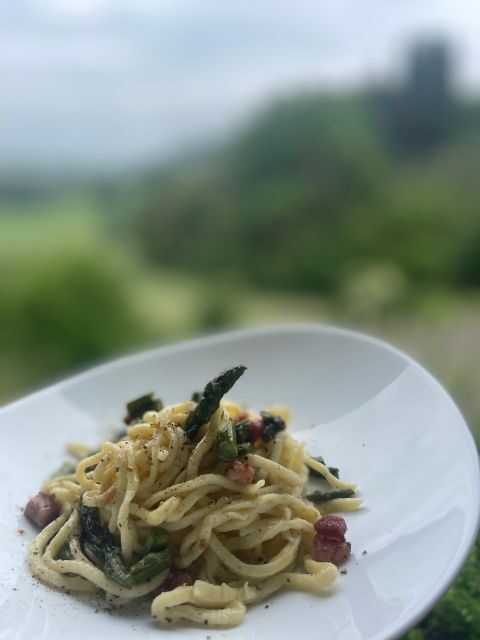
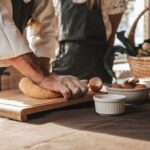
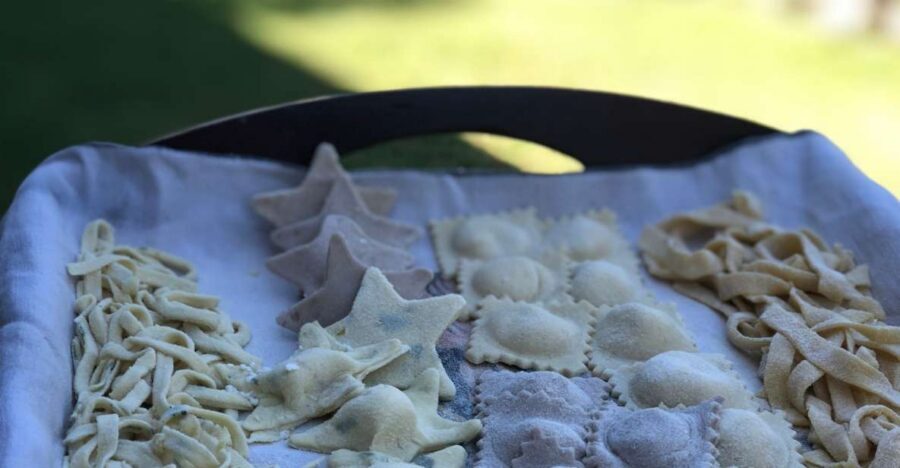
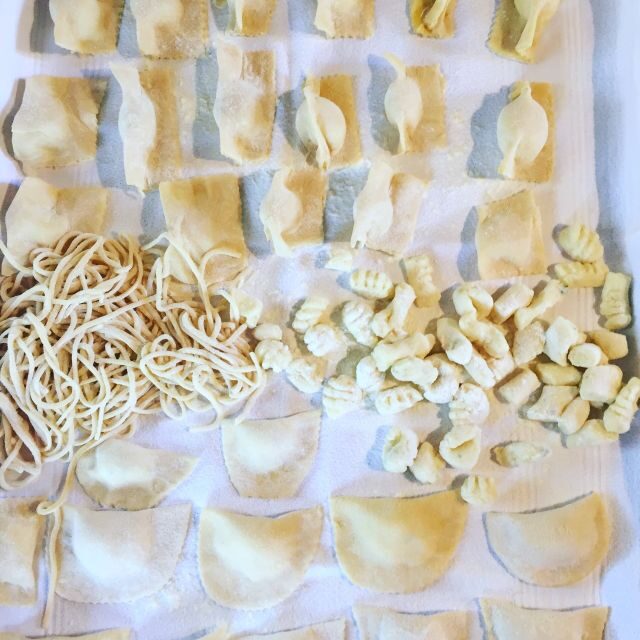
The heart of the day is a hands-on Italian pasta class that’s built around the techniques Italians actually use. You’re not just making one simple noodle. You’ll work the dough, shape it, and then learn how to cook it properly.
What I like about this approach is how it teaches control. Pasta is sensitive. Dough texture changes with kneading and timing. Thickness affects cooking. Shape affects how sauce clings. So instead of one recipe, you’re learning a system you can reuse at home.
Here’s the core flow you can expect:
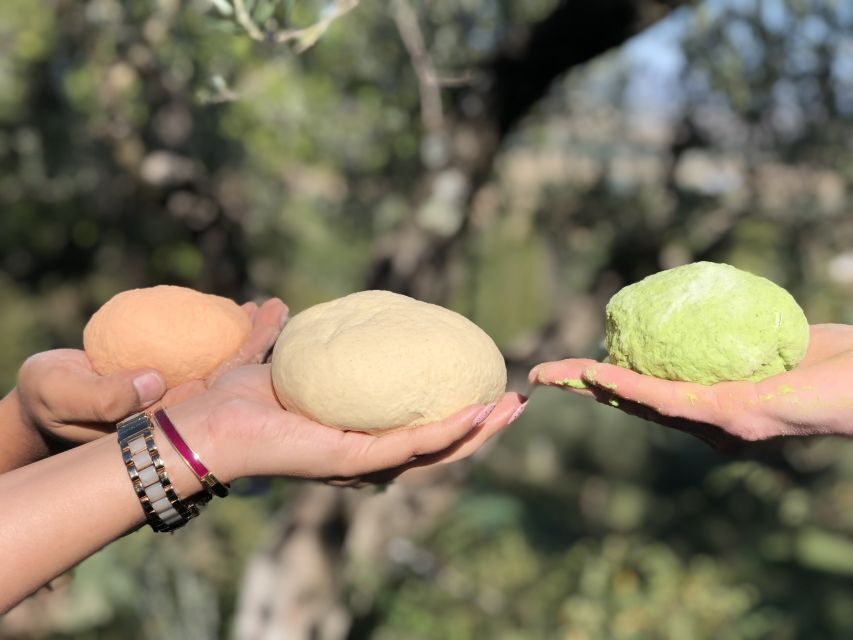
- You start by making the dough, with guidance on kneading until it reaches the right texture
- You then learn cutting and shaping steps for different pasta styles
- You move into cooking each style so you get the right result rather than guessing and hoping
- You finish by building sauces that complement what you made
Even if you’ve cooked before, this kind of coaching is useful. A lot of pasta mistakes come from tiny decisions. Too much flour, uneven thickness, sauce added too early, or cooking the pasta past the moment it should be perfect. A class like this helps you nail those details while someone is standing right there to adjust your hands and your timing.
The Alina Factor: Organic Cooking Meets Wine Sommelier Thinking
The instructor leading this experience is Alina, and that name matters because the vibe shows up in the feedback: she’s described as masterful, gracious, and deeply knowledgeable about organic Tuscan cooking and ingredient sources, plus how wine fits the plate.
As someone who teaches pasta, she also brings a different lens than a typical cooking instructor. During the class and tastings, you’ll hear pairing tips connected to the food you’re making—olive oil and wine aren’t treated like a separate event. They’re treated like part of the meal’s design.
That’s why this doesn’t feel like a “tour with a snack stop.” It feels more like a mini culinary education, with tastings that teach you how flavor compounds work. You’ll start thinking in pairings: what the olive oil brings, what the wine does next, and how pasta shapes and sauces interact with both.
If you care about food beyond the plate—ingredients, sourcing, and pairing logic—this is the sweet spot.
Dough, Kneading, and Shaping: The Skills You Actually Keep
A pasta class can be fun and still be forgettable if it’s mostly show-and-tell. This one stays practical. You learn to do the work: knead, shape, and cook.
Kneading for texture
The focus on kneading until the dough hits the right texture is a big deal. When dough texture is off, everything that follows can wobble. Too dry, too sticky, or too stiff means you’ll struggle with shaping and you won’t get the cooking result you want.
Alina’s instruction is built to help you correct on the spot. That’s valuable because home cooking is hard without real-time feedback.
You can also read our reviews of more tours and experiences in Tuscany

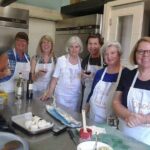
Shaping pasta and understanding why it matters
You’ll cut and shape multiple pasta styles. And you’ll learn how those shapes connect to sauces. Even if you don’t memorize every explanation, the next time you make pasta at home you’ll notice how certain shapes catch sauce better, and why the sauce choice isn’t random.
This is also where the class feels like Italian cooking culture, not just a recipe workshop. Italy treats pasta and sauce as a matching set, not a mixing-and-matching buffet.
Cooking it right
Cooking can ruin a dish even when the dough and shape are perfect. Here, you’ll be guided through steps to cook each pasta style properly. That reduces the usual home-cook frustration—no more boiling a batch, checking, and then realizing it’s either undercooked or overdone.
Sauces Built for Balance, Not Just Flavor
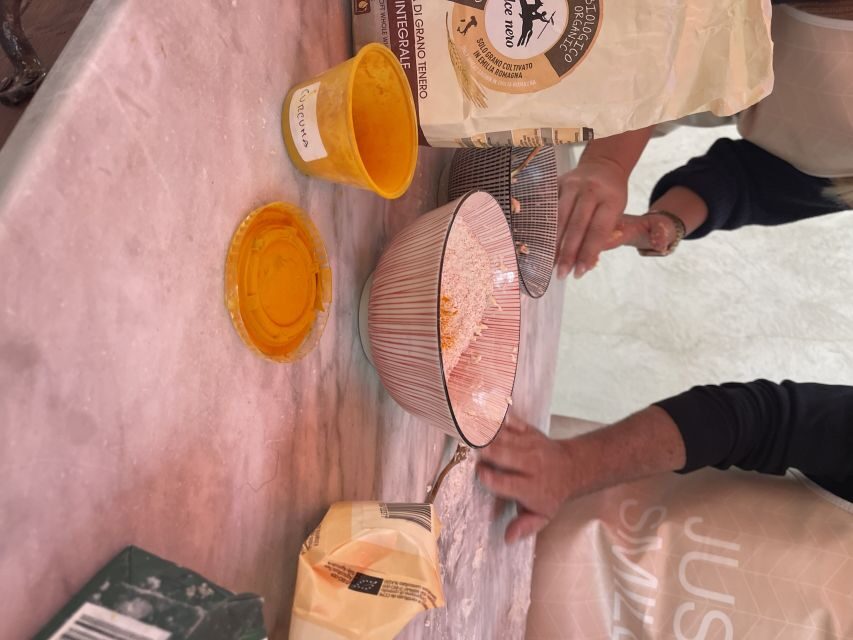
After the dough and shaping work, you’ll shift to sauces that complement each dish. This part is where the meal clicks together.
What you’re likely to notice is that sauce isn’t only about taste. It’s about balance—how it clings, how it coats, and how it holds up against the pasta’s texture.
Also, the class leans into healthy Italian dishes and the use of organic ingredients sourced from local producers. That doesn’t mean the food is “diet food.” It means the ingredients are the star and the preparation aims to respect what’s already good.
By the end, you shouldn’t just have eaten a nice lunch. You’ll have learned a workflow for building a coherent plate: pasta choice → sauce choice → pairing tips that match.
Wine and Olive Oil Tasting: How Pairing Tips Become Useful
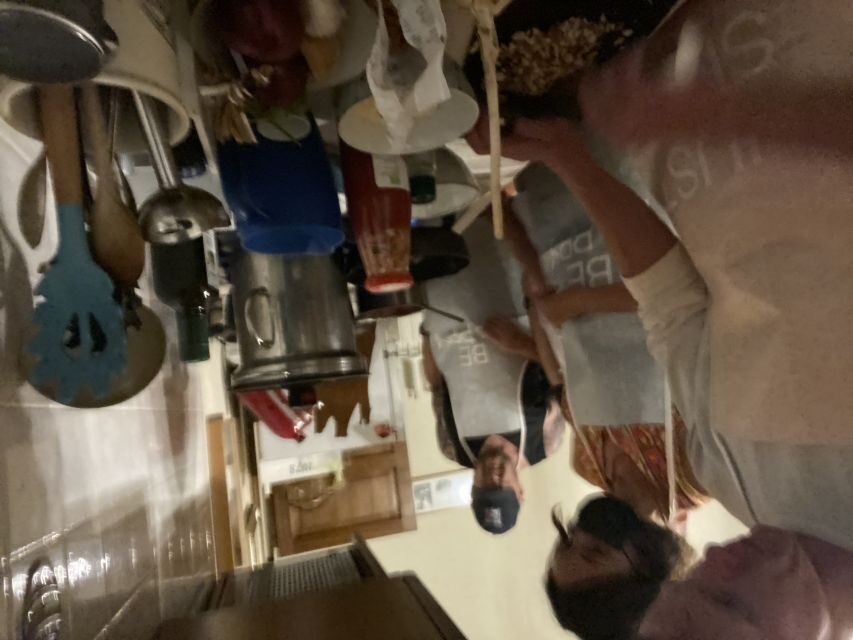
This experience includes a wine and olive oil tasting, and it’s not just there for atmosphere. Alina’s sommelier training turns the tasting into a practical skill you can carry home.
You’ll get pairing tips while you’re learning and cooking, so the tastings connect directly to what’s on your table. That’s the key difference. If you taste wine after the meal is done, you only remember if it tasted good. If you taste while learning, you start understanding why it works.
You’ll also connect olive oil to the pasta experience. Olive oil in Italy isn’t treated like a garnish that you drizzle at the end. It’s a flavor tool. When you learn how it behaves—especially alongside wine—you get a more confident approach to seasoning at home.
One more detail that adds value: the tasting is included as part of a broader meal day, not a rushed five-minute sip. That pacing helps you actually pay attention.
Lunch, Dessert, and Included Drinks: Real Value for One Price
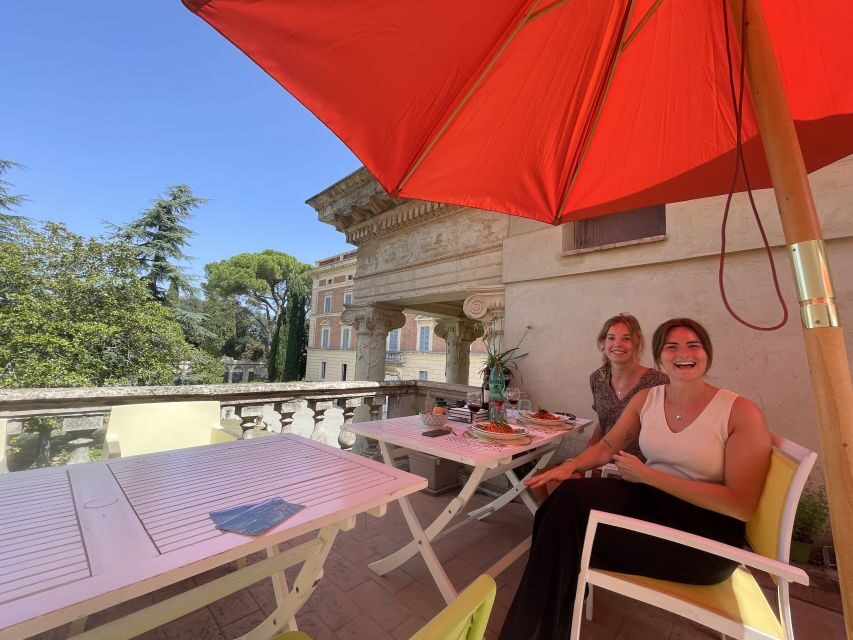
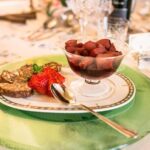
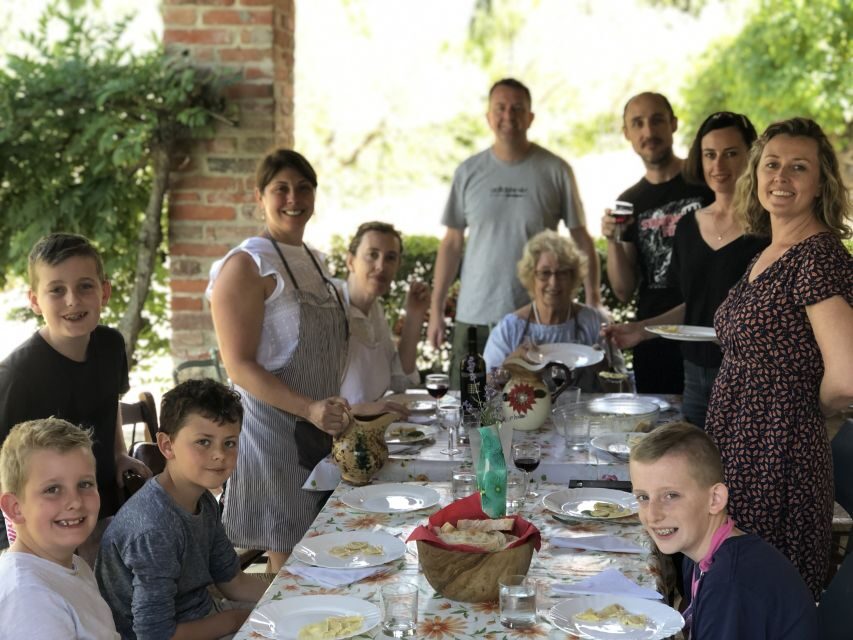
Food is included here in a way that makes the day feel complete. After the cooking portion, you’ll have lunch with wines, plus dessert and liquors. Coffee is also included.
That’s not just generosity; it’s a value calculation. A pasta class can be expensive when it includes only the teaching portion and then you’re left to cover lunch separately. Here, you’re paying for a full food-and-drink day tied to the cooking experience. If you’re the type who usually ends up spending extra just to feed yourself after a class, this package helps you avoid that.
Also, since the lunch includes wines, you get a chance to taste the pairing at the table—where food and drink meet naturally, not in theory.
Itinerary Reality Check: What the Day Feels Like
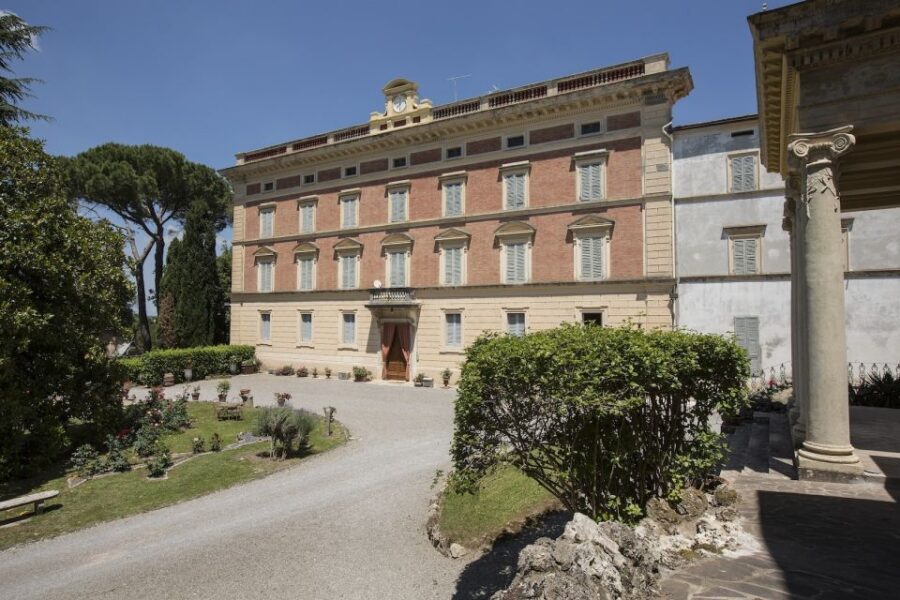
You’re starting at Località Dolciano 3 and ending there too, so the day centers around one anchored location. That usually means less logistical stress and more time to focus.
The schedule itself runs by starting times you’ll need to check for availability, since this is listed as valid 1 day with different start options. Plan for a full block of time rather than treating it like a quick stop.
Arrival timing matters, since you’re asked to be there 5 minutes early and you’ll meet at a specific gate point. Once you’re settled, you’ll move through dough prep, shaping, sauce making, tastings, and then lunch and dessert.
The pace is what you’re really buying: enough structure to teach you technique, and enough food and tastings to turn that technique into an actual meal you enjoy.
Price and What You’re Getting for $124.61
At $124.61 per person, this sits in the midrange for Tuscany cooking experiences. The question is whether you’re only paying for “a pasta class” or for the whole package.
Based on what’s included, you’re not just getting instruction. You’re also getting:
- Cooking class hands-on
- Wine and olive oil tasting
- Lunch with wines
- Dessert
- Liquors
- Coffee
That bundled meal value is the big part of the economics. If you’re someone who normally buys lunch and a couple drinks after a morning activity, it adds up fast. This price becomes easier to justify because the food and drink are part of the experience design, not add-ons.
So if you’re going to spend money on a cooking day in Tuscany, I’d call this a straightforward “pay once, eat well, learn properly” setup.
Who Should Book This Pasta + Pairing Class
This fits best if you’re:
- A food-focused traveler who likes the how and why, not just the what
- Interested in organic ingredients and how sourcing affects flavor
- Curious about pairing wine and olive oil with food, especially pasta
- Comfortable cooking and learning with an English-speaking instructor
It’s also a strong pick if you want a more intimate setting. Reviews highlight a small group cooking class, which usually means more hands-on time and more personal guidance during the kneading and shaping steps.
If you’re looking for a major sightseeing day with big-ticket monuments, this isn’t that. This is a food-first Tuscany experience.
Should You Book Siena: Organic Cooking Class & Tastings?
If you want a Tuscany class where you actually cook, learn technique, and then eat a full meal with wine and tastings that match the food, I think you’ll enjoy this. The organic ingredient emphasis and Alina’s mix of pasta instruction with sommelier-style pairing tips are what make it more than a basic cooking demo.
Book it if:
- You want to bring home practical skills for making pasta and pairing wine/olive oil
- You like ingredient sourcing and thoughtful flavor matching
- You’d rather pay for a complete food day than assemble it from separate parts
Skip it if:
- You only want a quick, informal taste experience and don’t care about technique
- You’re worried about finding the specific meeting point near Borgo Dolciano—if you don’t like meeting up at gates and landmarks, build extra time and consider asking your accommodation how to reach Località Dolciano 3
FAQ
FAQ
Where is the meeting point?
The meeting point is Località Dolciano 3. You’ll be met at the gate just after the gate of Borgo Dolciano.
How early should I arrive?
Arrive about 5 minutes before the activity starts so you can meet the instructor at the gate and get settled in.
What language is the class taught in?
The instructor teaches in English.
What’s included in the price?
Coffee, wine and olive oil tasting, the cooking class, lunch with wines, dessert, and liquors are included.
What should I bring?
Wear comfortable shoes.
How long is the experience?
It’s listed as valid for 1 day. Starting times vary, so you’ll need to check availability.
Is free cancellation available?
Yes. You can cancel up to 24 hours in advance for a full refund.
Is reserve and pay later available?
Yes. You can reserve now and pay later, meaning you can book your spot and pay nothing today.