REVIEW · TUSCANY
Tuscan Cooking Class
Book on Viator →Operated by La Chiusa Tuscany · Bookable on Viator
Cooking pasta with local women is a joy.
This 4-hour Tuscan class (about 2 hours of instruction) turns you from diner into maker: you’ll learn hands-on techniques for three typical Tuscan pasta preparations, plus a seasonal starter and cantucci, then finish with a group tasting guided by the women who carry the regional traditions. My favorite parts are the focused instruction on real dishes (not just watching) and the warm, English-friendly hosting style. The only real consideration is practical: it’s based in Montefollonico, so plan how you’ll get there and back.
In a small group (maximum 15), the pacing feels human. You’ll spend enough time at the workstations to actually cook, and you won’t feel squeezed through. If you want a cooking class that feels like family food, not a performance, this is a strong pick.
In This Review
- Key Things I’d Highlight Before You Book
- Tuscan Cooking Class in Montefollonico: What the 4 Hours Feel Like
- Meeting Point in Via della Madonnina: Simple Logistics, Smart Planning
- What You Make: Pici, Ravioli, and a Third Pasta Preparation
- The Seasonal Starter: Why This Part Isn’t Just an Add-On
- Cantucci with Almonds: The Sweet Skill You’ll Use Again
- Hands-On Cooking with Local Women: The Teaching Style That Matters
- The End Tasting: How the Class Translates Into a Meal
- Price and Value: Is $192.66 Fair for What You Get?
- Who Should Take This Tuscan Cooking Class (And Who Might Skip It)
- Quick FAQ
- FAQ
- What’s the duration of the Tuscan Cooking Class?
- What will I cook during the class?
- Is the class taught in English?
- Where is the meeting point?
- How many people are in the group?
- Can I cancel for a full refund?
- Should You Book This Tuscan Cooking Class?
Key Things I’d Highlight Before You Book
- Small group size (max 15) keeps you from feeling lost in the crowd
- Three pasta preparations plus garlic sauce gives you real variety for your skill set
- Led by local women who teach as tradition, not as a show
- Finish with tasting so you eat what you cooked, while it’s at its best
- Cantucci with almonds is the sweet takeaway you can recreate at home
Tuscan Cooking Class in Montefollonico: What the 4 Hours Feel Like
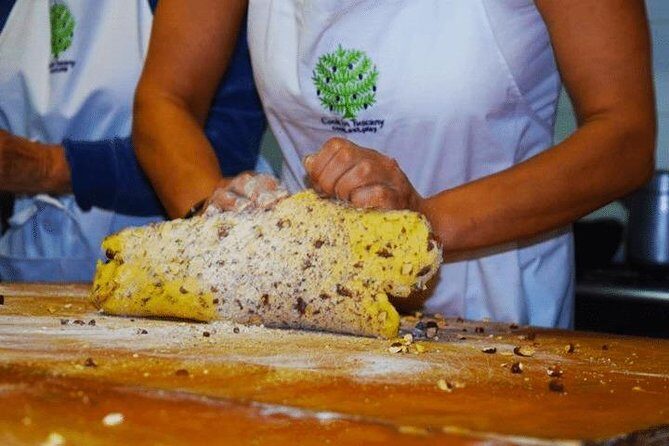
The biggest thing to know is how the time is structured. The whole experience runs about 4 hours, but the active teaching part is roughly 2 hours. That matters because cooking classes often get uncomfortable when you spend too long waiting—here, you’re busy enough to stay engaged, but not so rushed that you can’t get the hang of things.
You start with an orientation, then move into meal prep. You’re not just assembling a plate—you’re learning how Tuscan staples come together. Expect flour, basic technique work, and a clear sequence: pasta first, then the seasonal dish and cantucci, then tasting at the end.
Also, the class is offered in English, which is a comfort if your Italian is basic. The teaching style is designed for real participation, not passive watching.
You can also read our reviews of more cooking classes in Tuscany


Meeting Point in Via della Madonnina: Simple Logistics, Smart Planning
You meet at Via della Madonnina, 88, 53049 Montefollonico SI, Italy, and the activity ends back there. That round-trip setup is underrated. You don’t have to worry about getting across town at the end while you’re hungry and still thinking about dough.
You’ll use a mobile ticket, and you’ll get confirmation at booking time. Service animals are allowed, and most people can participate—so this isn’t marketed as a technical-only workshop.
The practical planning tip: Montefollonico is not a big-city base. If your lodging is outside the immediate area, build in extra time to reach the meeting point. Even when transport is available, short, winding routes can make schedules feel tighter than you expect.
What You Make: Pici, Ravioli, and a Third Pasta Preparation
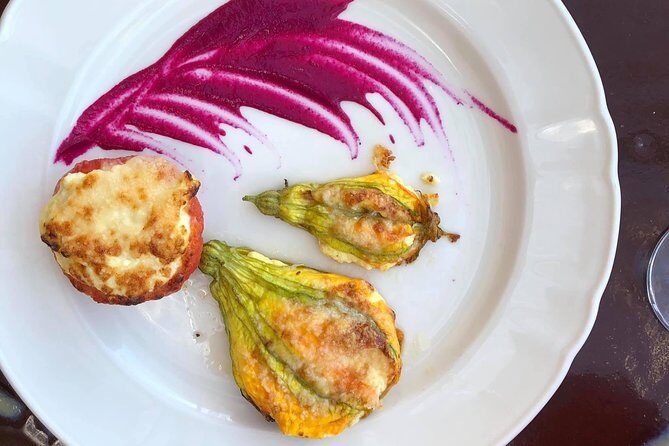
The menu format tells you a lot about the class. You’ll prepare 3 typical Tuscan pastas, plus garlic sauce, one typical seasonal dish, and cantucci (almond biscuits). Your sample menu highlights two of the pasta dishes clearly:
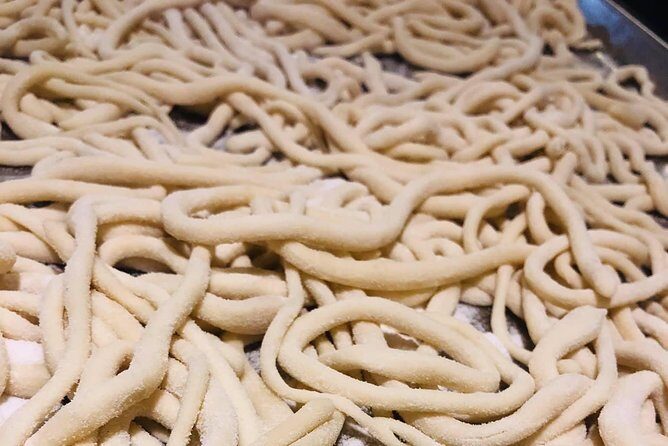
- Handmade pici with garlic sauce
- Ravioli
That’s already a solid mix. Pici is the kind of pasta that teaches you about shape and texture. Ravioli teaches you about filling and sealing—skills that make you feel more confident in your pasta-making ability at home.
The third pasta preparation is mentioned as part of the lesson, even though the sample menu only names two pasta mains. The smart way to think about it: plan for a full pasta-focused session, not a single-dish workshop.
And yes, garlic sauce is included as part of the pici course structure. That’s a win because garlic-forward Tuscan flavors are simple but powerful. You’ll learn how to balance it into something that coats pasta instead of overpowering it.
The Seasonal Starter: Why This Part Isn’t Just an Add-On
Many cooking classes toss in a starter as an afterthought. Here, the starter is a typical seasonal dish, which is exactly how real Italian meals behave. Seasonal cooking forces you to pay attention to ingredients that are actually at their best, and it keeps the class from becoming a one-note pasta factory.
Because it’s seasonal, you shouldn’t expect the same dish every time. But that’s also what makes it valuable: you’ll come away with an approach you can adapt rather than a single fixed recipe. It’s one of the reasons I like classes like this more than those that focus only on one iconic dish.
In practical terms, the starter helps break up the session. You get savory variety while pasta-making work continues in the background of the lesson plan.
Cantucci with Almonds: The Sweet Skill You’ll Use Again
Cantucci is a smart dessert to include because it teaches technique without being overly mysterious. You’re working with almond flavor and a cookie/biscuit style format that feels grounded in everyday Tuscan eating.
The key advantage: cantucci is something you can actually repeat later. You don’t need fancy equipment or advanced pastry experience to make a decent version. Even if your first batch isn’t perfect, this is one of those “practice makes better” items where improvement is obvious.
Also, because you’ll make it during the class and then taste what you made, you’ll know what the texture should feel like and how firm or crisp it should be. That feedback loop is worth a lot.
You can also read our reviews of more tours and experiences in Tuscany

Hands-On Cooking with Local Women: The Teaching Style That Matters
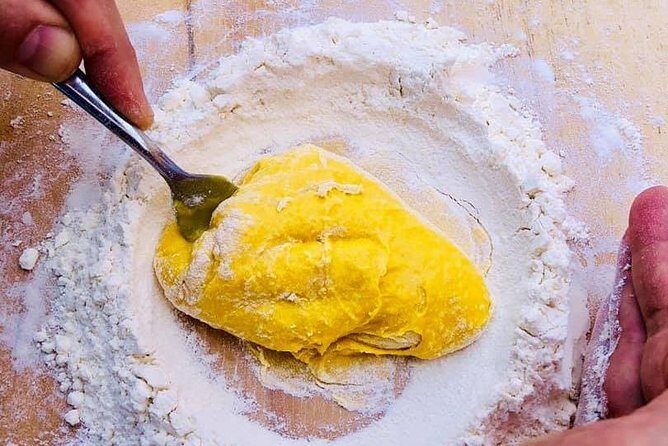
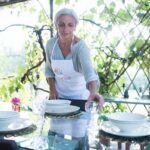
This class is led by local women, described as the authentic custodians of the region’s culinary traditions. What that means in real life is the tone tends to be warm and practical. You’re not learning from a script; you’re learning from people who cook these foods as part of their identity.
One of the most praised elements in the reviews is the feeling of a real hands-on session, including friendly hosts who speak English well. Another highlight: the setup includes photo help, so you can focus on cooking even when your hands are busy. It’s a small detail, but it makes the experience easier to enjoy.
The cooking area itself also seems to carry a “lived-in” charm in the way one review described it—flowers, vegetable garden space, and lemon trees. Even if you’re concentrating on what’s on the cutting board, that kind of setting changes the mood. It’s not just a rented kitchen; it feels like a working home base.
The End Tasting: How the Class Translates Into a Meal
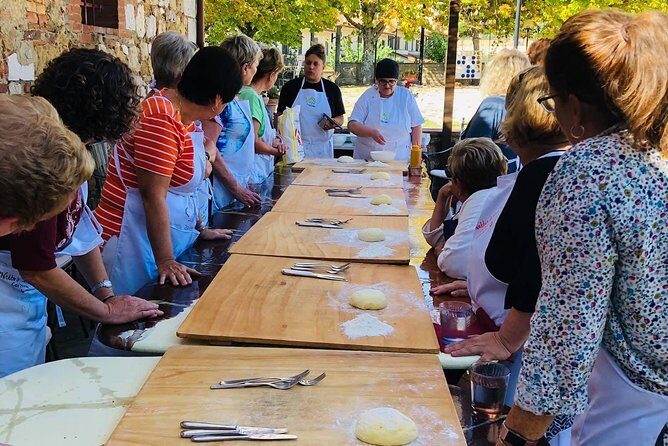
This experience doesn’t end when the last pasta is formed. You’ll finish with a delicious tasting of what you prepared, with guidance from the women teaching the class.
That matters for two reasons:
- You learn by eating what you cooked. Texture and seasoning make more sense once you taste the final product.
- It turns instruction into connection. Shared plates are often where you pick up small explanations that never fit into a checklist.
Think of it as the “payoff” portion of the workshop. You stop concentrating on technique and start enjoying the meal as a whole—pasta, starter, and cantucci, all in the same flow.
Price and Value: Is $192.66 Fair for What You Get?
At $192.66 per person for an experience of about 4 hours, you’re paying for more than a recipe. This price covers:
- A small-group setting (max 15)
- Hands-on instruction during roughly 2 hours of active cooking
- Multiple dishes you help prepare: three pastas, garlic sauce, a seasonal dish, and cantucci
- A tasting meal at the end
That’s where the value sits. If you compare it to a “guided tour plus a quick bite,” this class is more expensive because it’s more work—and that work leads directly to a full meal outcome. Also, small groups matter. You’re less likely to feel like you’re watching through the back of someone else’s shoulder.
One more value point: the class is in English and led by local women who handle the experience in a personal way. When a cooking class provides a comfortable language match and real participation, it tends to justify the cost faster than classes that feel too fast or too scripted.
Who Should Take This Tuscan Cooking Class (And Who Might Skip It)
This class fits best if you:
- Want a hands-on food experience, not just a demo
- Like learning how dishes like pici and ravioli are made
- Prefer intimate group sizes
- Want to take home a skill you can actually use again—especially cantucci
If you’re the type who hates any cooking mess, or you want a very high-intensity schedule with lots of new steps every minute, you might want to compare with other options. Cooking classes still involve practical time at the station, and the “you’ll get flour on you” factor is real.
Quick FAQ
FAQ
What’s the duration of the Tuscan Cooking Class?
It runs about 4 hours in total, with approximately 2 hours spent on the cooking lessons.
What will I cook during the class?
You’ll prepare 3 typical Tuscan pasta dishes, garlic sauce, 1 typical seasonal dish, and cantucci (almond biscuits).
Is the class taught in English?
Yes, the experience is offered in English.
Where is the meeting point?
You meet at Via della Madonnina, 88, 53049 Montefollonico SI, Italy, and the activity ends back at the same meeting point.
How many people are in the group?
The class has a maximum of 15 travelers.
Can I cancel for a full refund?
Yes. Free cancellation is available up to 24 hours in advance for a full refund.
Should You Book This Tuscan Cooking Class?
Yes, if you want a small-group, hands-on Tuscan food experience that ends with you actually eating what you made. The combination of pici, ravioli, and cantucci, plus a seasonal starter and the garlic sauce, gives you a complete meal approach instead of a single-dish workshop.
Before booking, do one practical check: confirm you can get to Montefollonico comfortably and on time. If you’ve got transport figured out, this feels like a high-value way to spend a few hours—less “souvenir tasting,” more real cooking skill in a real Tuscan setting.