REVIEW · FLORENCE
Florence: Handmade Ravioli & Pasta Class with Unlimited Wine
Book on GetYourGuide →Operated by Explorer Emotion Florence di Seiti Fael · Bookable on GetYourGuide
Fresh pasta changes your whole trip. This Florence class blends Medici-era setting with hands-on cooking, wine, and dessert history in about 2 to 2.5 hours.
I especially like how the experience starts with a short, story-driven orientation about art, political propaganda, and the Medici and Vatican world that shaped Florence. I also love that you don’t just watch—you make dough and shape ravioli, tagliatelle, and fettuccine yourself, then finish with step-by-step tiramisu plus wine at the table.
One thing to consider: the working stations can feel close, so if you prefer lots of personal space while cooking, come ready for hands-on cooperation. Also, like any popular class, timing can depend on how the earlier group moves through.
Key Highlights
- Cook in a 15th-century Medici stable, not a generic classroom
- 10-minute story intro linking Florence art, politics, and food
- Hands-on fresh pasta: ravioli, tagliatelle, fettuccine from scratch
- Tiramisu training with espresso-soaked ladyfingers, mascarpone, and cocoa
- Unlimited Tuscan wine paired with what you cook and eat
- Take-home recipes: a booklet plus a digital cookbook
In This Review
- Florence in a Medici Stable: Why This Class Feels Different
- The Quick Start: Art, Propaganda, Medici, and the Vatican
- From Flour to Fresh Dough: Ravioli, Tagliatelle, and Fettuccine
- What you should expect during hands-on cooking
- The Tiramisu Step-by-Step: Espresso, Mascarpone, and Cocoa
- Unlimited Tuscan Wine: Pairing That Makes Sense
- The Feast: Eating What You Make (with Wine)
- Taking It Home: Recipe Booklet and Digital Cookbook
- Meeting Point and How the Class Runs on Location
- Value for Money: Is $43.67 Worth It?
- Who Should Book This Pasta and Wine Class (and Who Might Skip It)
- Should You Book This Florence Ravioli and Tiramisu Class?
- FAQ
- How long is the Florence handmade ravioli and pasta class?
- Where is the meeting point?
- What pasta will I make?
- Do we make tiramisu in the class?
- Is wine included, and is it unlimited?
- Is the instructor speaking English?
- What should I bring?
- Is there Wi-Fi included?
- Is the experience wheelchair accessible?
- Question goes here
Florence in a Medici Stable: Why This Class Feels Different
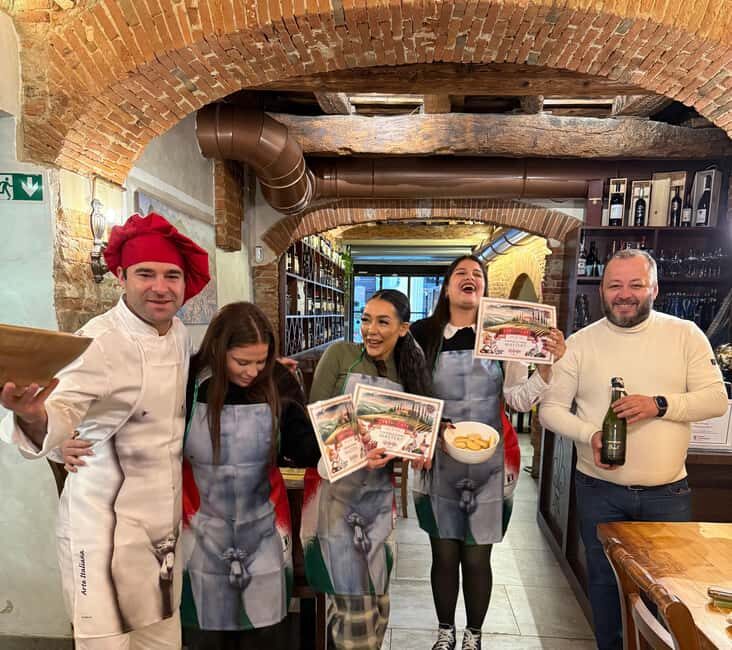
You can do Florence by walking the streets and checking the big sights. Or you can do it the way Italians often do: with food that carries memory, politics, and pride.
This class takes place in a 15th-century Medici stable, which matters because it changes the mood. When you’re rolling dough in a place that feels historically grounded, the whole “Renaissance Florence” story stops being vague background and becomes part of your evening.
The pace is also friendly. The total time is about 2 to 2.5 hours, which is long enough to learn real technique, but short enough that you’re still ready to enjoy Florence afterward.
The Quick Start: Art, Propaganda, Medici, and the Vatican
Before you touch flour, you get a brief introduction (around 10 minutes) that ties Florence’s art and power struggles to food culture. You’ll hear about art political propaganda, plus the Medici and Vatican influence in Florence’s story.
Why I think that part is useful: it gives you a mental map. Instead of just tasting wine and dessert, you understand why Florence cared so much about status, display, and tradition. Food becomes a language.
And the best part is that it’s short. You’re not sitting through a lecture that steals your appetite. You get the context, then you get to work.
You can also read our reviews of more cooking classes in Florence
From Flour to Fresh Dough: Ravioli, Tagliatelle, and Fettuccine
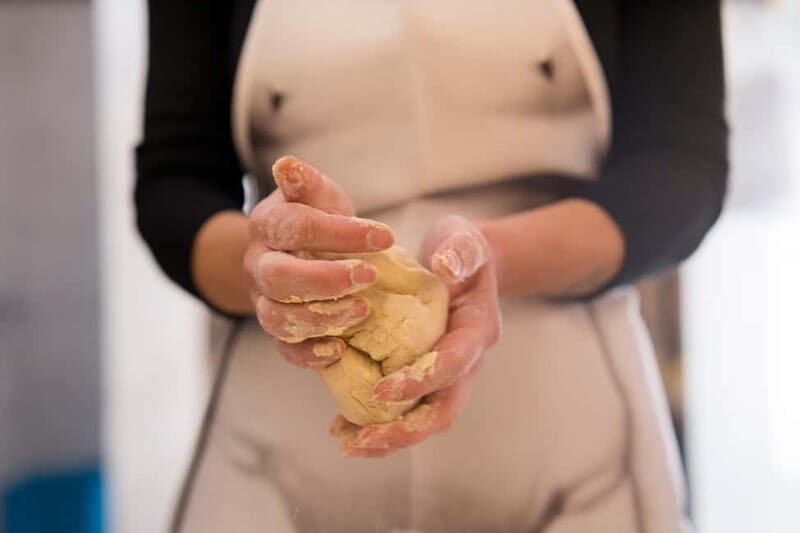
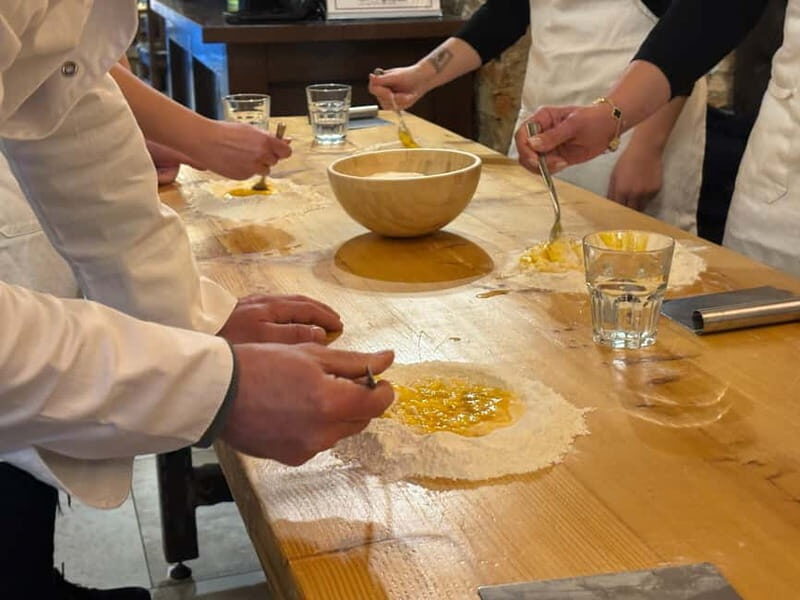
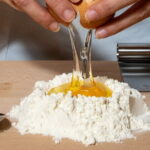
Now comes the fun part: making fresh pasta from scratch the Italian way. You’ll work through kneading, rolling, and shaping, and you’ll produce multiple pasta types—ravioli, tagliatelle, and fettuccine.
Here’s what makes this more valuable than a basic pasta demonstration. The class teaches the process, not just the final shapes. Once you know how dough feels and how rolling changes it, you can make your own pasta at home with far less frustration.
Also, you get the “why,” not just the “how.” As you shape each pasta, the chefs share the history behind the different forms and how they evolved over centuries. That’s a small detail, but it helps you remember technique because you’re tying it to meaning.
What you should expect during hands-on cooking
You’ll likely spend most of your time actively working—mixing, kneading, rolling, and forming. Then your pasta ends up in the feast part of the class, so you’re not stuck with raw ingredients and a hope-and-pray dinner plan.
Tip from the vibe of the experience: wear comfortable shoes. You’ll be moving around for a while, and good footwear keeps the energy up.
The Tiramisu Step-by-Step: Espresso, Mascarpone, and Cocoa
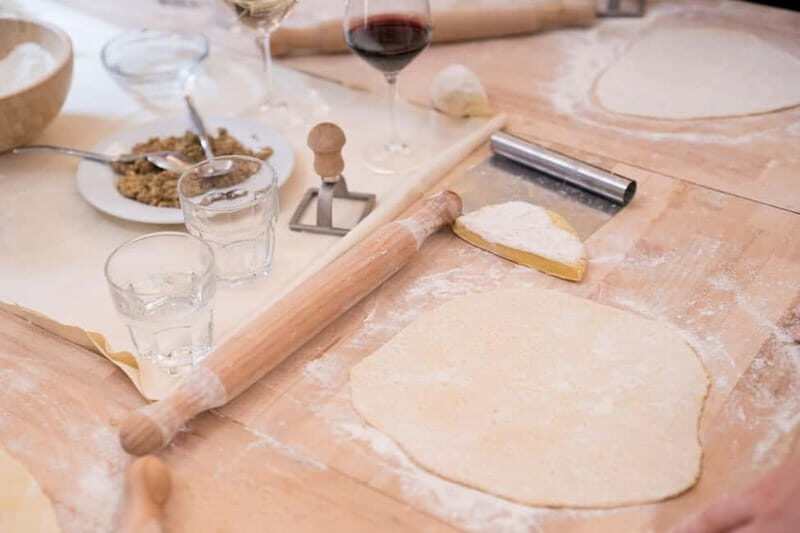
Fresh pasta is great, but tiramisu is where the class gets very satisfying. You’ll learn Italy’s best-loved dessert step by step, building it with espresso-soaked ladyfingers, mascarpone, and cocoa.
This portion matters because tiramisu looks fancy, but it’s built from simple parts—so the goal is technique and timing. Get the coffee balance right, handle the mascarpone carefully, and finish with cocoa in a way that tastes good and doesn’t turn watery.
The class frames tiramisu as more than dessert. It’s described as part of the “la dolce vita” spirit—an everyday pleasure that’s tied to how Italians live, not just how they eat.
Unlimited Tuscan Wine: Pairing That Makes Sense
Wine is included, and the big selling point is unlimited Tuscan wine during the experience. You don’t just sip separately; the wine is paired with the dishes you make.
Here’s how to get the most out of it: match your pace to your cooking. It’s tempting to treat wine like a pregame, but you’ll enjoy the class more if you sip steadily while you’re learning. That way you stay focused for dough-handling and dessert-building.
This setting also makes wine feel less like a free pour and more like a cultural ingredient. You’re being taught that wine isn’t only alcohol—it’s part of regional identity, tradition, and craft.
You can also read our reviews of more wine tours in Florence
- Tuscany Day Trip from Florence: Siena, San Gimignano, Pisa and Lunch at a Winery
★ 5.0 · 21,634 reviews
The Feast: Eating What You Make (with Wine)
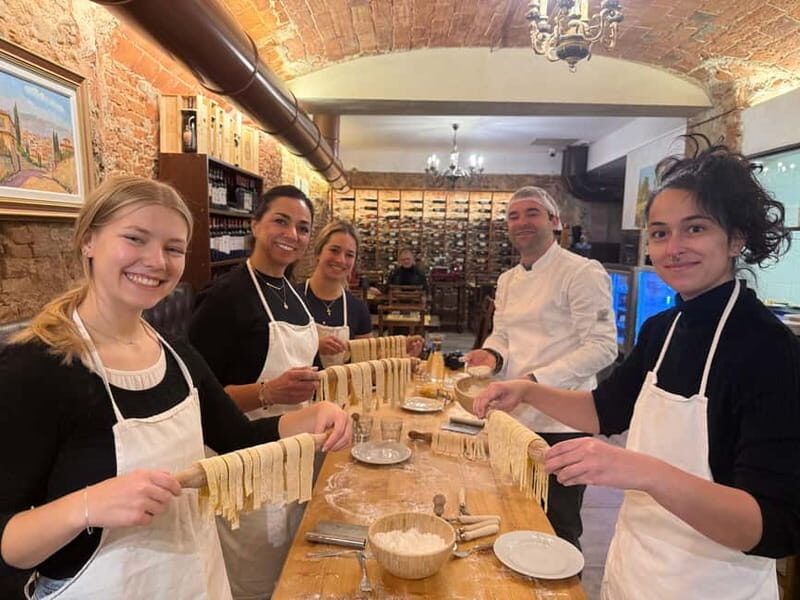
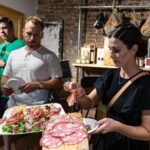
After the cooking, you gather for a grand feast where you eat your homemade pasta and tiramisu alongside the wine. This is one of the reasons this experience lands well for people on tight schedules: you get both the activity and the payoff in one sitting.
You’re not leaving with “almost” dinner. You leave with a meal built from your own work, which is a big emotional win in a short time window.
One practical note: because the class is hands-on and group-based, you may find the workstations close together. It’s usually manageable, but it’s worth keeping that in mind if you’re very sensitive about personal space.
Taking It Home: Recipe Booklet and Digital Cookbook
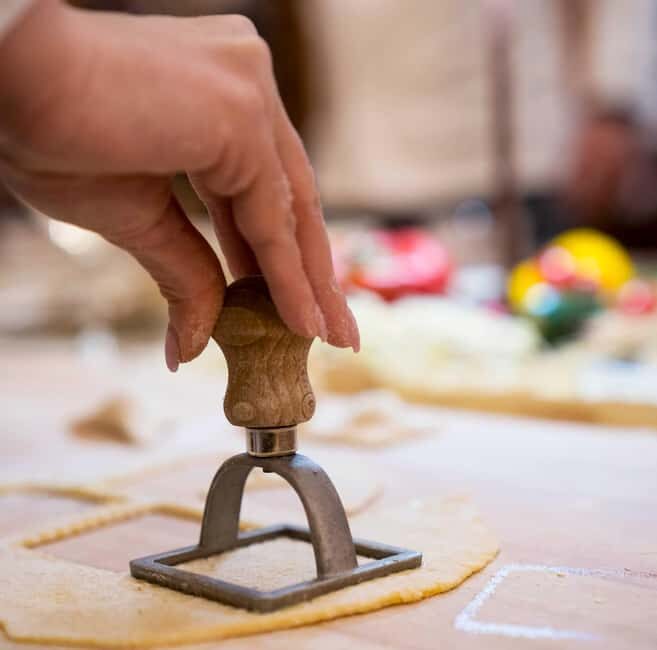
At the end, you get a recipe booklet and a digital cookbook, so you can repeat what you made at home without guessing.
That’s more helpful than it sounds. Fresh pasta and tiramisu each have small steps that people forget quickly. Having your method written down makes the difference between a fun memory and a repeatable skill.
And if you’re traveling with friends or family, these take-home materials help you share the experience later without turning it into a blurry “we ate something good” story.
Meeting Point and How the Class Runs on Location
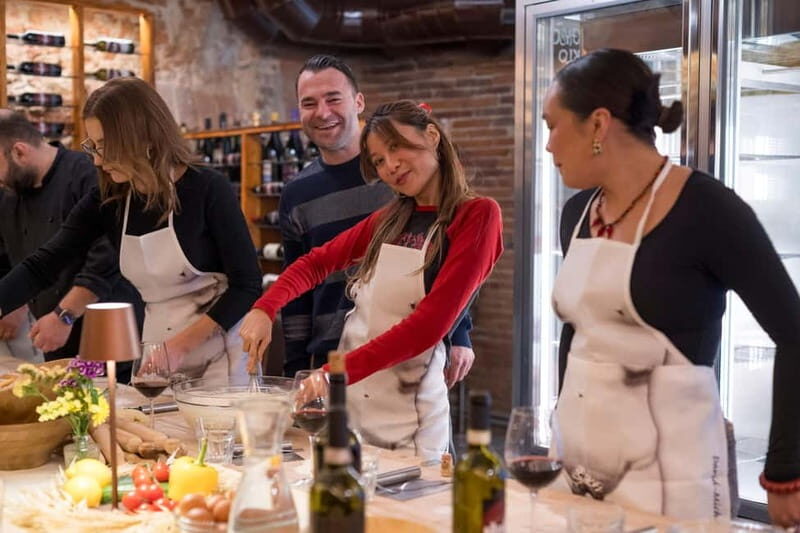
You meet at Restaurant Rosso Crudo, Via Servi 85 RED in Florence. The activity ends back at the meeting point, so you’re not stuck tracking buses or sprinting across town after your meal.
The class is English-instructor led, and it’s designed to be accessible for different comfort levels in the kitchen. The vibe from the cooking experience is patient and structured, which is exactly what you want if this is your first time making pasta.
Value for Money: Is $43.67 Worth It?
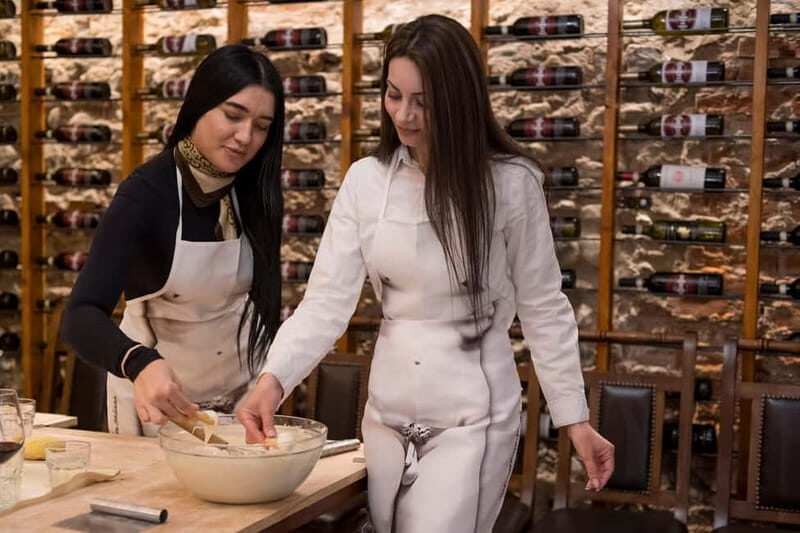
At $43.67 per person, the value comes from what’s included, not just the price tag. You’re paying for multiple components in one: fresh pasta-making, tiramisu training, and wine—plus a take-home recipe package.
This is typically a better deal than doing three separate activities in Florence (a cooking class, a dessert workshop, and a wine stop) because everything is bundled into one smooth timeline.
Where the value is strongest:
- You want a hands-on skill you can use again
- You’re excited by food culture, not only food taste
- You like social meals with a structured plan
Where it’s weaker:
- If you only want a quick snack and don’t care about technique, you might feel the time is too focused on cooking.
Who Should Book This Pasta and Wine Class (and Who Might Skip It)
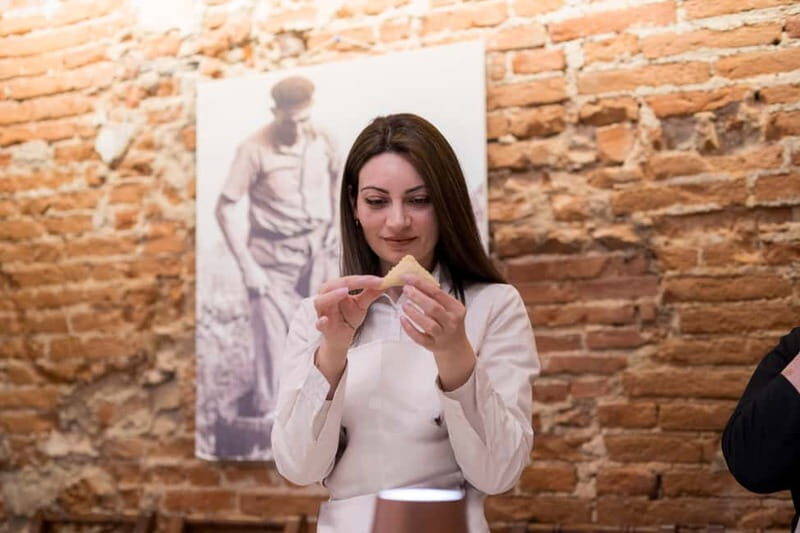
This is a strong fit if you want to understand Florence through everyday culture. The class isn’t only about pasta. It’s also about how Florence’s story—Medici power, Vatican influence, and the art-politics world—shapes the way people talk about food.
It’s also a good choice if you’re traveling in a mixed group. The experience is interactive, and you’ll still learn even if you don’t call yourself a cook. It’s also described as family-friendly, so it can work when adults want wine and kids need something active to do.
Consider skipping if:
- You need lots of quiet time and personal space
- You hate structured group activities
- You strongly prefer freeform sightseeing over a timed cooking plan
Should You Book This Florence Ravioli and Tiramisu Class?
If your ideal Florence day includes making something edible with your own hands, this is an easy “yes.” The combination of Medici stable setting, fresh pasta skills, tiramisu technique, and unlimited Tuscan wine is the kind of value that’s hard to recreate on your own.
Book it when you want an experience that feels both practical and memorable: you’ll walk away with real kitchen knowledge plus a meal you created. If you can handle close workstations and you’re happy to follow an English-led guide, you’ll likely leave smiling and thinking about what to cook next.
If you’d rather wander Florence freely with no schedule pressure, then skip this and save that time for a slower day. But for most people, two hours of food craft is a great trade.
FAQ
How long is the Florence handmade ravioli and pasta class?
It lasts about 2 to 2.5 hours. Starting times depend on availability.
Where is the meeting point?
You’ll meet at Restaurant Rosso Crudo, Via Servi 85 RED in Florence.
What pasta will I make?
The class includes making fresh pasta from scratch, including ravioli, tagliatelle, and fettuccine.
Do we make tiramisu in the class?
Yes. You’ll learn to make authentic tiramisu step by step.
Is wine included, and is it unlimited?
Yes. The experience includes fine Tuscan wine paired with your dishes, and it’s listed as unlimited.
Is the instructor speaking English?
Yes, the instructor teaches in English.
What should I bring?
Wear comfortable shoes and comfortable clothes.
Is there Wi-Fi included?
Yes. Free WiFi is included.
Is the experience wheelchair accessible?
Yes, the activity is listed as wheelchair accessible.
Question goes here
You Might Also Enjoy

More Wine Tours in Florence
- Tuscany Day Trip from Florence: Siena, San Gimignano, Pisa and Lunch at a Winery
★ 5.0 · 21,634 reviews
More Cooking Classes in Florence
- Cooking Class and Lunch at a Tuscan Farmhouse with Local Market Tour from Florence
★ 5.0 · 4,831 reviews
More Tour Reviews in Florence
- Tuscany Day Trip from Florence: Siena, San Gimignano, Pisa and Lunch at a Winery
★ 5.0 · 21,634 reviews - The Best tour in Florence: Renaissance & Medici Tales – guided by a STORYTELLER
★ 5.0 · 12,316 reviews