REVIEW · FLORENCE
Florence: Small-Group Walking Tour with David and Duomo
Book on GetYourGuide →Operated by LivTours - We craft tours, you live them · Bookable on GetYourGuide
A three-hour Florence loop that saves serious time. In a small group (max 6), you get a tight sweep of the Renaissance center, plus the big payoff: skip-the-line entry to see Michelangelo’s David. You’ll also get the Duomo landmark from the outside and a guided stroll across Ponte Vecchio.
I especially like two parts: the focus on key sights without wasting time, and the storytelling that makes Florence feel understandable instead of overwhelming. One guide noted for art-focused explanations was Raphaela, with a warm, highly engaged way of connecting monuments to the bigger picture.
One possible drawback: the Duomo stop can be unpredictable. The Cathedral is an active church and may close for ceremonies, and some areas have rules like no photography or restrictions inside museums.
In This Review
- Key highlights that make this tour worth your time
- Start at Cafe Rivoire: quick orientation in Piazza della Signoria
- Palazzo Vecchio to the Uffizi courtyard: seeing the art corridor without the detour
- Ponte Vecchio crossing: the best kind of famous street scene
- Piazza della Repubblica and Santa Croce: Florence beyond the postcard
- Duomo Complex from the outside: big architecture, real-life rules
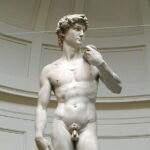
- Accademia Gallery: skipping lines to see Michelangelo’s David
- Pace and logistics: a 3-hour walk that stays readable
- What the guide does (and what you should look for)
- Value check: when skip-the-line plus small-group pacing makes sense
- Should you book the Florence David and Duomo walking tour?
- FAQ
- How long is the Florence small-group walking tour with David and Duomo?
- Where is the meeting point?
- What group size should I expect?
- Do I get skip-the-line access to Michelangelo’s David?
- Can I take photos during the tour?
- What should I wear for the church stops like the Duomo complex?
- Are backpacks allowed inside the museum?
- Is lunch included in the price?
Key highlights that make this tour worth your time
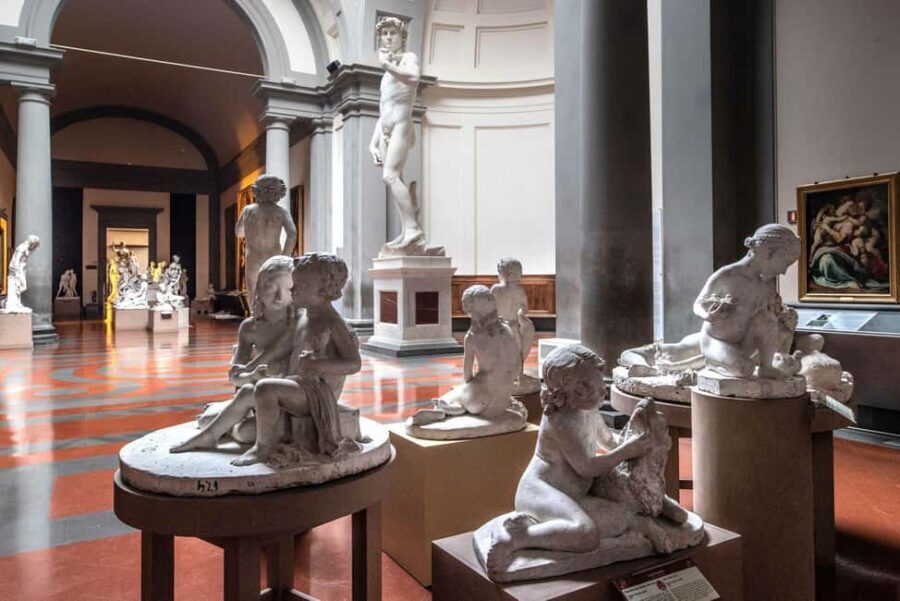
- Max 6 people keeps the pace human, so you can actually hear the guide.
- Skip-the-line to Galleria dell’Accademia means you go straight in to see Michelangelo’s David.
- Piazza della Signoria to Ponte Vecchio gets you into the classic Florence “power corridor” fast.
- Duomo exterior architecture views let you clock the scale without committing to interior access.
- Stops that balance famous and everyday Florence: Santa Croce and Piazza Repubblica fit right into the route.
Start at Cafe Rivoire: quick orientation in Piazza della Signoria
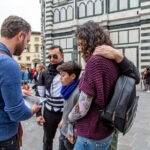
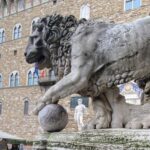
Most Florence tours start at some random corner. This one starts somewhere useful: in front of Caffè Rivoire in Piazza della Signoria, where your guide is holding a LivItaly Tours sign. From there, you’re right across from Palazzo Vecchio—once home to the Medici family—so the first minutes already place you inside Florence’s political and artistic orbit.
This is a walking tour with a clear idea: get your bearings fast, then start seeing patterns. The guide’s job isn’t just to point at statues. It’s to connect what you’re looking at to who funded it, who built it, and why it mattered.
You’re also set up for momentum. Piazza della Signoria is open, easy to regroup in, and simple to locate. If you’re the type who hates arriving late and fumbling around, this start helps.
You can also read our reviews of more walking tours in Florence
Palazzo Vecchio to the Uffizi courtyard: seeing the art corridor without the detour
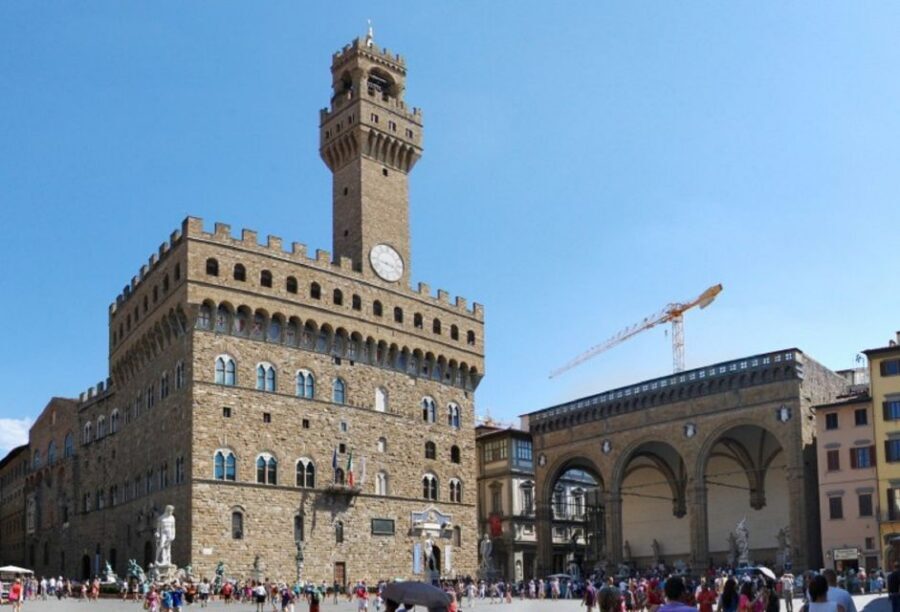
After Palazzo Vecchio, the walk continues through the outside courtyard of the Uffizi Gallery. Even if you’re not going inside the Uffizi, that courtyard stop matters. It’s a reminder that Florence’s art story isn’t one museum. It’s a web across streets, squares, and buildings that grew over centuries.
This part of the tour is about rhythm. You’re walking through a concentrated zone where street views and sightlines do a lot of work. With a small group, you’re less likely to get stuck behind slow walkers or get separated from the guide.
Also, it’s a chance to understand how Florence’s grid doesn’t feel like a grid. Streets curve, buildings crowd in, and the guide can help you read what’s in front of you. It’s the difference between seeing buildings and understanding why those buildings sit where they do.
Ponte Vecchio crossing: the best kind of famous street scene
Then comes Ponte Vecchio. This is the crossing most people recognize instantly from photos, but the magic is in how it looks in motion—right when you’re on it.
What I like about having a guide here is timing and interpretation. Ponte Vecchio isn’t just a bridge. It’s a symbol of Florence’s stubborn mix of commerce and art. You get a guided visit and then keep moving, which helps you avoid the common tourist trap: standing still too long and missing the rest.
Crossing this bridge with context also makes the route feel purposeful. You’re not just collecting landmarks. You’re tracing how Florence’s power center connected neighborhoods and functions.
Piazza della Repubblica and Santa Croce: Florence beyond the postcard
Next you pass through Piazza Repubblica. It’s a lively, central square, and it’s a nice “gear shift” after the major icon spots. Here, the guide can help you slow down and notice how Florence lives around its monuments.
Then you reach Santa Croce, one of the city’s most recognizable churches and a major cultural stop. Even if you’re not going deep inside on this tour, it helps to see it on foot rather than from afar. Churches like this dominate the streetscape in a way that photos rarely capture.
This mid-tour stretch is where the tour stops feeling like a checklist. You start noticing street scale, the way people move through the squares, and the fact that Florence isn’t a museum with buildings attached—it’s a working city with centuries layered on top.
Duomo Complex from the outside: big architecture, real-life rules
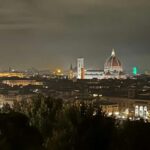
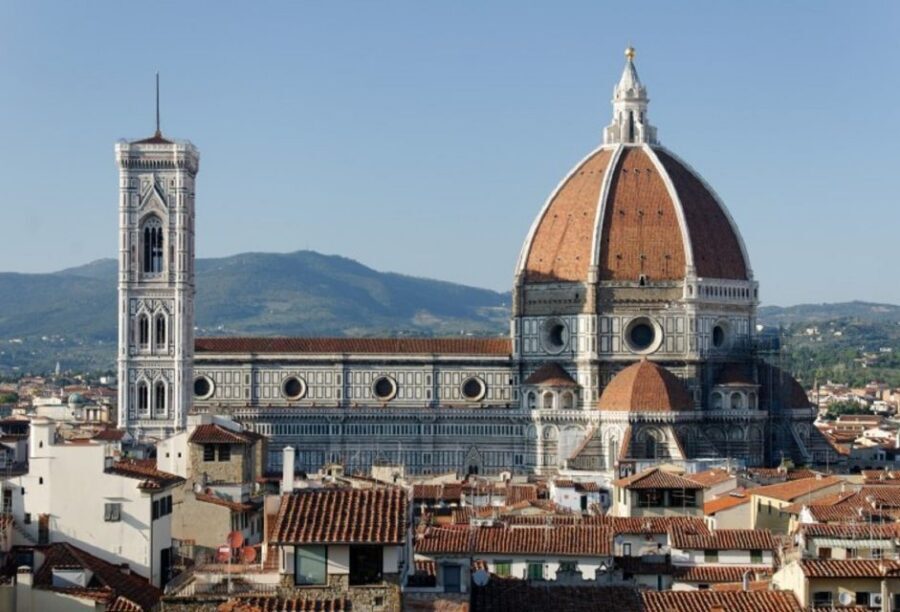
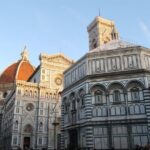
The Duomo complex stop is described as a look at Cattedrale di Santa Maria del Fiore from the outside. That matters. You get the chance to appreciate Brunelleschi-era architectural ambition and the Duomo’s presence without the pressure of an interior timetable.
Still, keep expectations flexible. The Duomo is an active church and can close unexpectedly for liturgical ceremonies. So if you arrive hoping for a specific interior access moment, understand that this stop is primarily about the cathedral’s architecture from outside, with possible disruptions depending on what’s happening that day.
Practical tip: dress like you plan to be inside places of worship. You’ll need shoulders and knees covered (no tank tops or short dresses). Closed-toe shoes are required for safety, and sandals/flip-flops may not be permitted.
Also, note that there is no photography allowed in some or all areas of the tour. That can include parts near church areas. It’s smart to assume restrictions apply at least somewhere and follow the guide’s direction.
- Tuscany Day Trip from Florence: Siena, San Gimignano, Pisa and Lunch at a Winery
★ 5.0 · 21,634 reviews

Accademia Gallery: skipping lines to see Michelangelo’s David
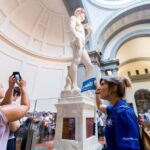
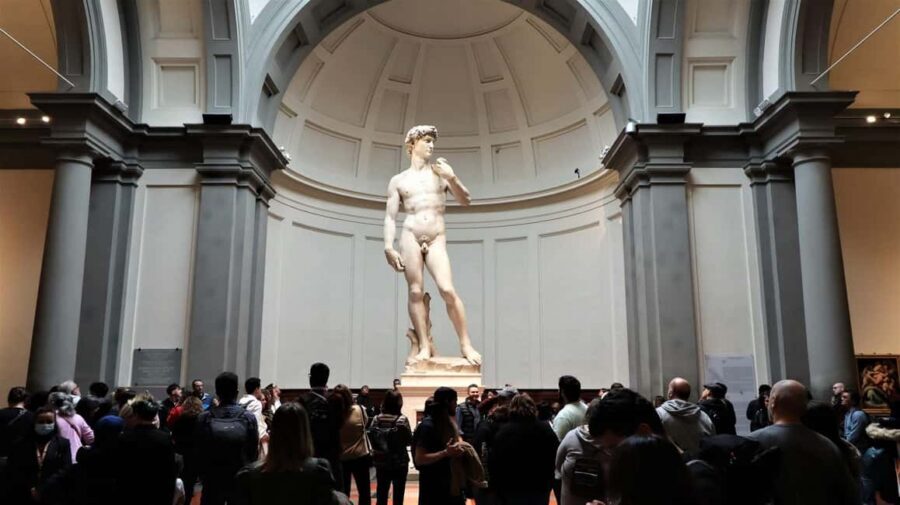
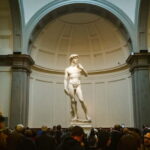
The final highlight is the Galleria dell’Accademia, where you skip the long ticket lines and go straight in to see Michelangelo’s David. This is the payoff. David isn’t just famous; it’s famous because it’s unreal when you’re up close.
Skipping the line is more valuable than it sounds. Florence can make you wait in queues that feel endless, and your best energy for David comes from walking in fresh and focused—not arriving after an hour of stress.
The tour ends at the Accademia Gallery. That’s a good setup if you want to keep exploring nearby after the guided portion.
One more real-world rule: backpacks aren’t permitted in the museum. If you travel with a backpack, plan to use a smaller day bag or store it beforehand. This is the kind of rule that can slow people down right at the moment they’re most excited.
Pace and logistics: a 3-hour walk that stays readable
This tour is 3 hours, and the small-group size (maximum 6) is key to why it works. Three hours is long enough to connect multiple Florence districts into a coherent story, but short enough that you aren’t marching for half a day.
The itinerary is built around walking plus guided moments at major stops. You’re covering a lot, but it’s not rushed. With fewer people, you spend less time waiting for stragglers and more time hearing the guide.
If you’re planning your day, treat this as a morning-or-afternoon “orientation spine.” After it, you’ll have a mental map that makes independent wandering easier—especially around the Duomo zone and the central bridges and squares.
What the guide does (and what you should look for)
A good guide can turn Florence from a blur into something you can talk about. This tour’s structure leans on that: you get an expert local guide, multiple key stops, and enough time to ask questions without holding everyone hostage.
Raphaela is one example of a guide described as enthusiastic and strongly informed, with art-education background and a warm, engaged way of explaining what you’re seeing. Even if you don’t get her, aim for the same vibe: clear art and history context, plus practical navigation help.
Also watch for the difference between “spot facts” and “story facts.” The value here comes from why the sights matter—Medici influence at Palazzo Vecchio, the role of major churches like Santa Croce, and how the Duomo fits into Florence’s sense of ambition.
If the guide keeps explanations focused and ties scenes together, this tour clicks fast.
Value check: when skip-the-line plus small-group pacing makes sense
I’ll be blunt about value: a walking tour has to earn its price. For this one, the biggest value driver is the skip-the-ticket line to the Accademia for David. That’s the spot where time costs you the most in peak-season Florence.
The second value driver is the pacing: max 6 people plus a tight route through central landmarks. That usually means fewer delays and more direct attention from the guide.
Where value can feel weaker is when expectations don’t match reality. The Duomo is sometimes affected by ceremonies, and photography rules or museum rules can shape the experience. One person felt the description didn’t match what happened on their day—so if you’re booking specifically for a particular type of Duomo access beyond an exterior look, you may want to double-check what the tour includes in your date context.
Still, if you want the essentials—Duomo sights from the outside, Ponte Vecchio, Santa Croce, and especially David—this format is a strong use of three hours.
Should you book the Florence David and Duomo walking tour?
Book it if:
- You want a guided Florence overview without getting lost in logistics.
- You care most about seeing Michelangelo’s David and want to avoid ticket-line time.
- You prefer small-group walking where the guide can actually speak to everyone.
Skip or consider an alternative if:
- You’re set on a specific kind of Duomo access that depends on being inside (since the cathedral can close for ceremonies).
- You hate any chance of photo restrictions and want total freedom for photos.
- You travel with a full-size backpack and don’t want to deal with museum bag rules.
If you like practical, high-impact sightseeing that respects your time, this is a solid Florence plan.
FAQ
How long is the Florence small-group walking tour with David and Duomo?
It lasts 3 hours.
Where is the meeting point?
Meet in front of Caffè Rivoire in Piazza della Signoria, where your guide holds a LivItaly Tours sign. The provided coordinates are 43.769683837890625, 11.25564193725586.
What group size should I expect?
This is a small-group tour with a maximum of 6 people.
Do I get skip-the-line access to Michelangelo’s David?
Yes. The tour includes skip-the-line access to the museum that houses Michelangelo’s David (Galleria dell’Accademia).
Can I take photos during the tour?
No photography is allowed in some or all areas of the tour. Follow the guide’s instructions on the day.
What should I wear for the church stops like the Duomo complex?
You need shoulders and knees covered. That means no tank tops or short dresses, and closed-toe shoes are required.
Are backpacks allowed inside the museum?
Backpacks are not permitted in the museum.
Is lunch included in the price?
No, lunch is not included.
You Might Also Enjoy

More Walking Tours in Florence
More Tours in Florence
- The Best tour in Florence: Renaissance & Medici Tales – guided by a STORYTELLER
★ 5.0 · 12,316 reviews

More Tour Reviews in Florence
- Tuscany Day Trip from Florence: Siena, San Gimignano, Pisa and Lunch at a Winery
★ 5.0 · 21,634 reviews - The Best tour in Florence: Renaissance & Medici Tales – guided by a STORYTELLER
★ 5.0 · 12,316 reviews