REVIEW · FLORENCE
Florence: Guided Walking Tour
Book on GetYourGuide →Operated by My Green Tour srl · Bookable on GetYourGuide
Florence rewards people who walk slower. This 90-minute guided stroll strings together the big landmarks and the in-between streets, with a guide turning architecture and artwork into a story you can actually follow. It’s built around iconic sights like Santa Maria del Fiore and Ponte Vecchio, plus Florence context about people who shaped the city, from Dante to the Medici.
What I like most is how the route gives you a strong “first compass” for Florence. You hit the Duomo complex and Piazza della Signoria, then keep moving to Ponte Vecchio, instead of doing the usual grab-a-photo-and-go routine. The second big win is the guide format: you get an English-speaking (and often multilingual) professional who explains what you’re seeing in real time, and the pace is friendly for asking questions.
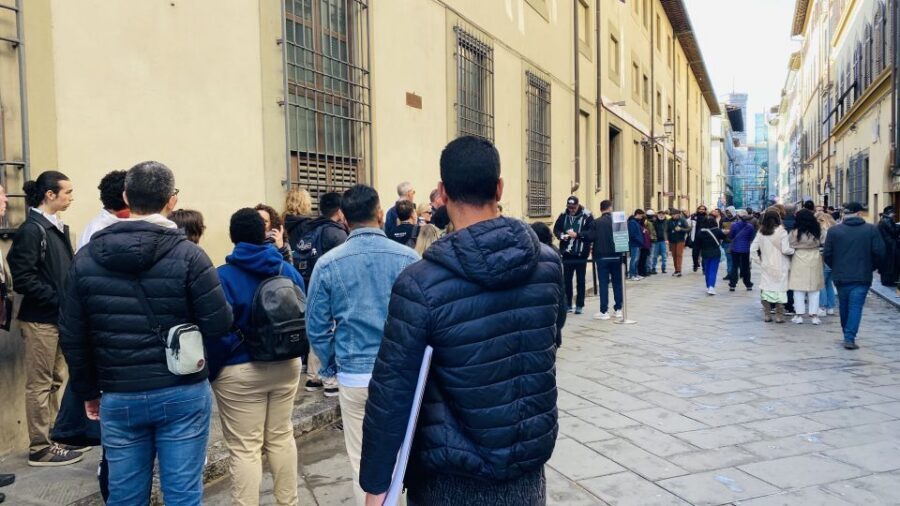
One thing to consider: it’s a walking tour through central Florence, so if you’re sensitive to crowds or walking, plan around your energy and wear comfortable shoes from the start.
In This Review
- Key points to know before you go
- A smart, short way to understand Florence’s layout
- Where the tour starts near Via de’ Martelli
- Palazzo Medici Riccardi: the Medici name you’ll hear all over town
- Basilica of San Lorenzo: a calm pause in the middle of the plan
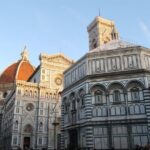
- Florence Duomo Complex: the big center of gravity
- Piazza della Repubblica: a junction for views and pacing
- Piazza della Signoria: where art, power, and public life meet
- Ponte Vecchio: the walk-over-wonder moment
- What “hidden gems” means on this specific walk
- Guide style and language options that affect your experience
- Luggage deposit: a small perk that saves your whole day
- Price and value: why $31 for 1.5 hours can make sense
- Who this tour is best for
- Who might want to choose a different option
- Should you book this Florence Guided Walking Tour?
- FAQ
- How long is the Florence guided walking tour?
- How much does the tour cost?
- Where does the tour start?
- What are the main sights included?
- Does the tour include luggage storage?
- What should I bring?
- Is there a cancellation option?
- Is the tour offered in English?
- Can I get a private group?
- Does the tour end at the starting meeting point?
Key points to know before you go
- 90 minutes of Florence fundamentals: Duomo area, Piazza della Signoria, and Ponte Vecchio in one efficient loop
- Medici and Dante context, not just photos: you’re told who lived here and why it mattered
- Expert, English-speaking guide: plus additional languages listed for the live guide
- Street-level Florence, including quieter corners: the tour aims for off-the-beaten-path stops
- Convenient luggage deposit: you can store bags before or during the walk
- Private group option available: if you want more control of the experience
A smart, short way to understand Florence’s layout
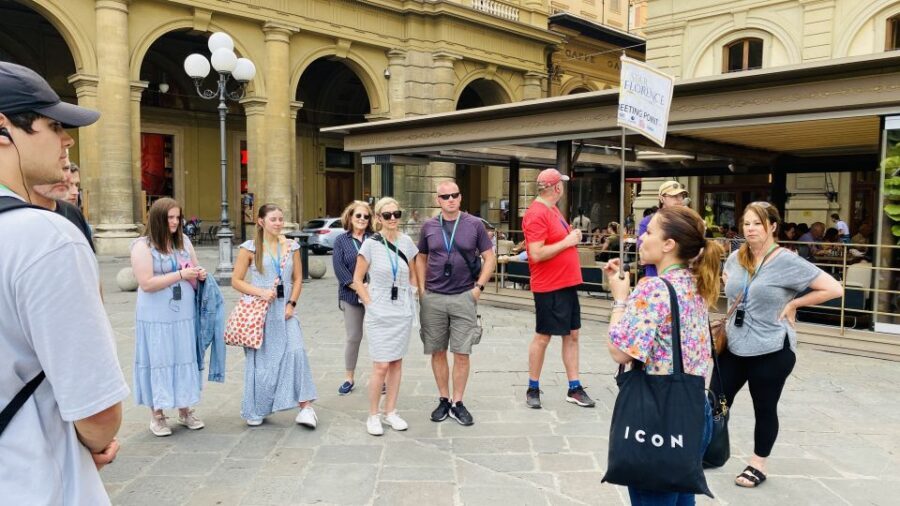
Florence can feel like a maze until you learn where the big “gravity points” are. This tour is timed for exactly that: about 1.5 hours, moving on foot between key plazas and streets so you can orient yourself quickly. By the end, you’ll know what to aim for on day two, whether that’s another church, a museum, or simply wandering without getting lost.
The other reason this works is the guiding style described in the experience: it’s not just facts about buildings. You’re walking in the footsteps of artists like Botticelli and Michelangelo, and you’re also hearing about former residents—from Dante to the Medici family. That human layer helps the sights click, because the city stops being a postcard and starts being a place where real lives played out.
You can also read our reviews of more walking tours in Florence

Where the tour starts near Via de’ Martelli
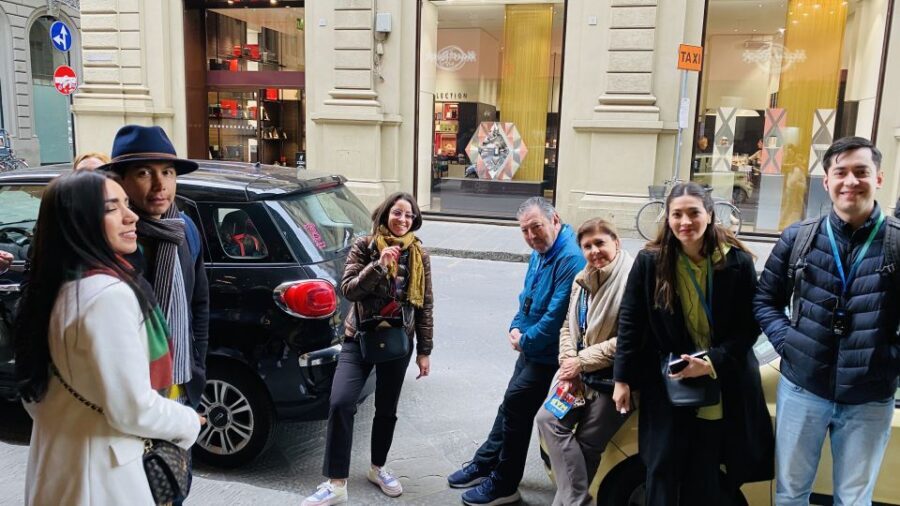
Meeting points can vary by the option you book, but they’re tied to the My Green Tour location on Via de’ Martelli (including addresses at 33 and 33r). That matters because Florence is easiest when you start close to where you’ll be walking next. Once you’re assembled, your guide sets the rhythm right away so you’re not spending the first chunk of the tour standing around wondering what comes next.
If you’re arriving by train or from a hotel far from the center, it helps to give yourself a little extra time to reach the exact pin on Via de’ Martelli. Central Florence sidewalks and crossing points can slow you down, especially when you’re trying to match a scheduled start.
Palazzo Medici Riccardi: the Medici name you’ll hear all over town
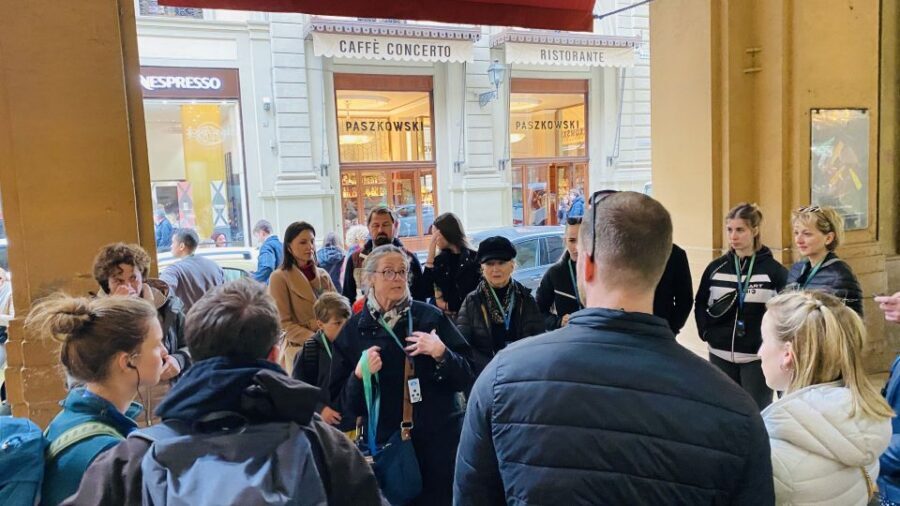
Your first meaningful stop is Palazzo Medici Riccardi. Even if you don’t study art history, the Medici connection is one of the fastest ways to understand Florence’s power structure. This is the kind of building where the name alone tells you you’re in the right conversation: who held influence, who sponsored culture, and why the city’s look and feel turned into something unique.
What I like about starting here is that it frames your entire walk. When you later reach places like Piazza della Signoria and Ponte Vecchio, you can better “read” the city as a system rather than a set of unrelated highlights.
Basilica of San Lorenzo: a calm pause in the middle of the plan
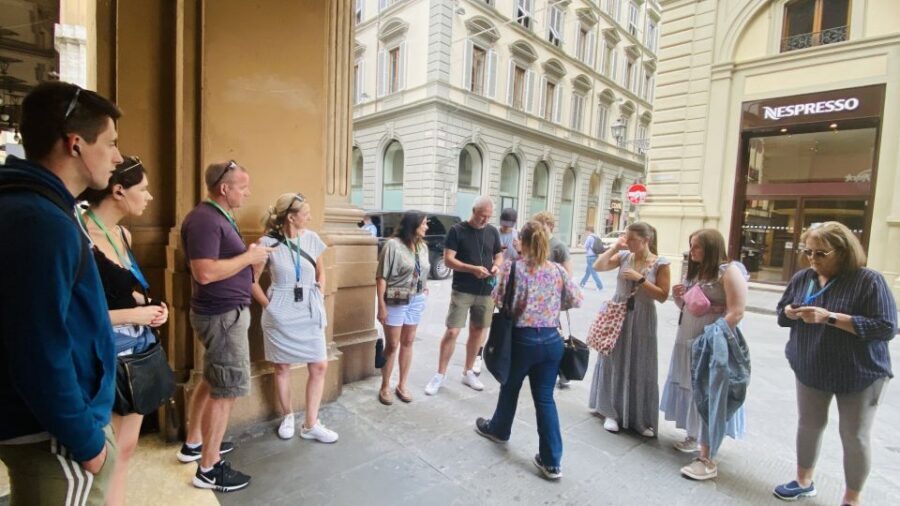
Next you walk to the Basilica of San Lorenzo. The itinerary pacing gives you about a 20-minute walking stretch between stops, which is enough time to cover ground and get oriented without feeling rushed.
Since the tour description emphasizes former residents and major artists, this stop also helps you connect Florence’s cultural storytelling to its religious and civic spaces. You’re not just collecting sights—you’re learning how the city arranged its identity across different types of landmarks.
Florence Duomo Complex: the big center of gravity
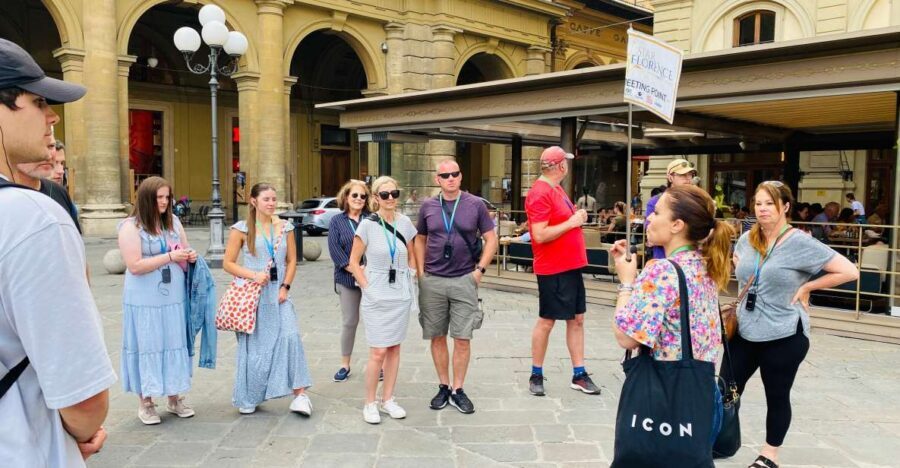
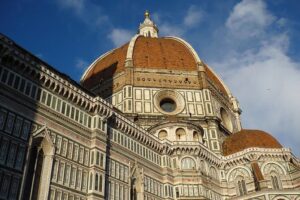
Then it’s time for the Florence Duomo complex, with another walking segment before you reach the area. This is where many first-time visitors instinctively want to stop for photos—but the guided part is what makes it useful. Your guide points out the architectural importance and ties the area into the broader Florence story.
If you’re planning to return later for a longer visit, this stop functions like a map lesson. You’ll get a clearer sense of where the main cathedral area sits relative to the plazas and streets you’ll walk later in the trip.
You can also read our reviews of more guided tours in Florence
- The Best tour in Florence: Renaissance & Medici Tales – guided by a STORYTELLER
★ 5.0 · 12,316 reviews
Piazza della Repubblica: a junction for views and pacing
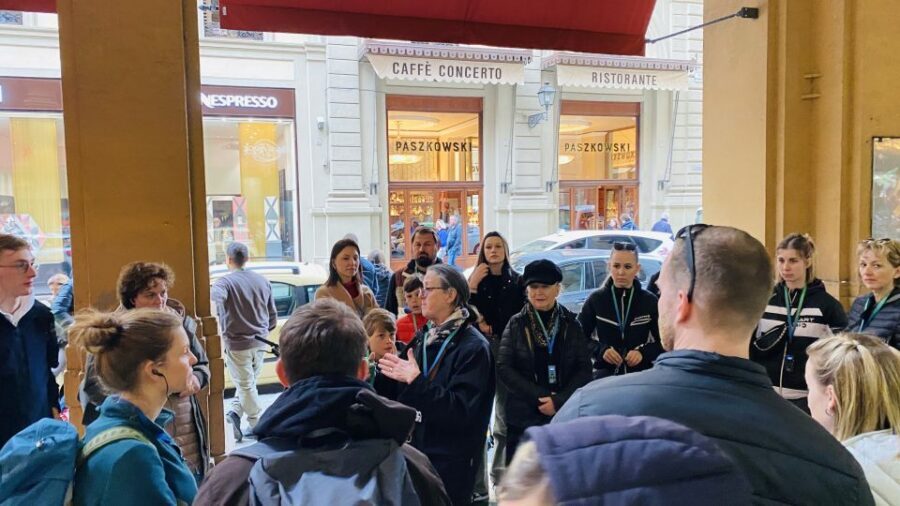
From the Duomo area you head toward Piazza della Repubblica. This plaza stop is built into the itinerary as a 20-minute walk from the Duomo complex, which helps break up the route into manageable chunks.
I find plazas like this are useful on a guided tour because they give you a breather and a new vantage point. You can reset your pace, orient your direction, and then head toward the more politically and artistically “loud” space that comes next.
Piazza della Signoria: where art, power, and public life meet
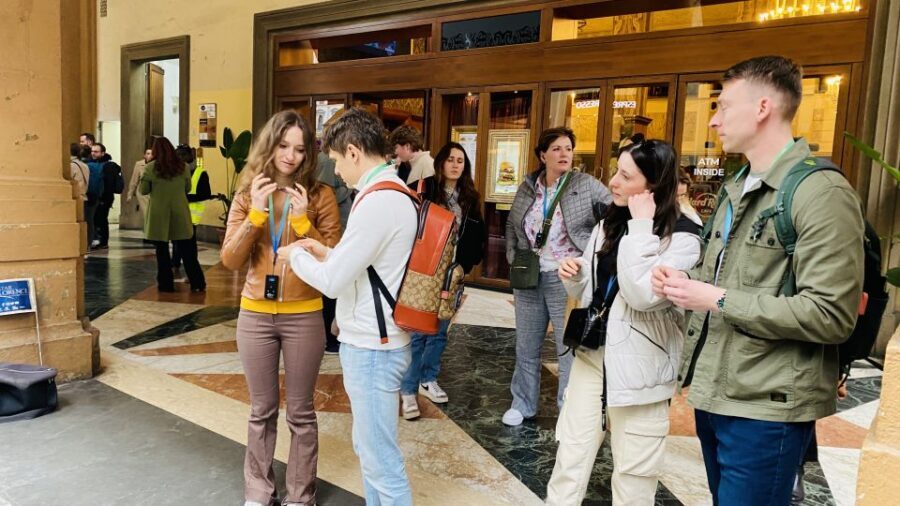
Next comes Piazza della Signoria. This is one of those locations that feels like Florence’s outside living room—public space, political history, and creative energy all in one place. Since the tour focuses on Florence’s former residents and iconic figures, this stop is where the story of who mattered in the city tends to land most clearly.
The route then continues with another walking segment toward Ponte Vecchio. That means you’re not stuck in one area for too long, and you’re less likely to lose the plot. You’ll leave this plaza knowing what you just saw and why it’s tied to the bigger Florence narrative.
Ponte Vecchio: the walk-over-wonder moment
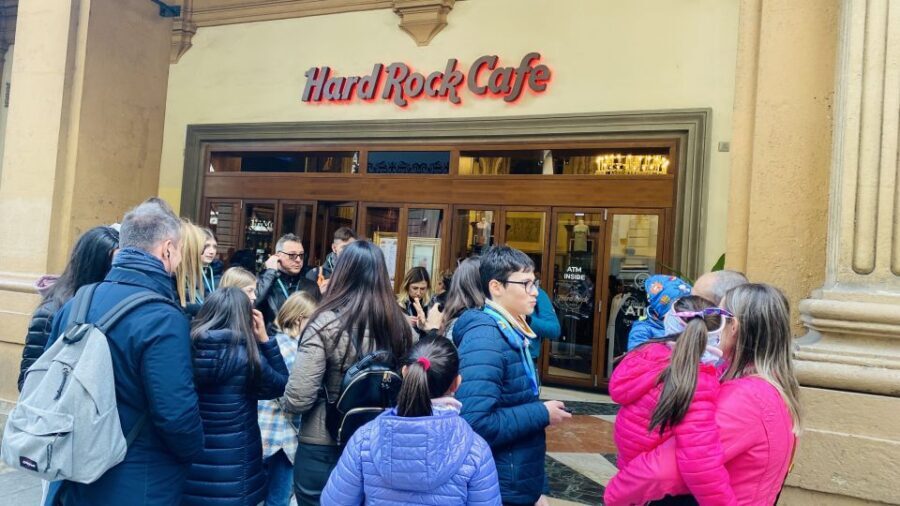
Finally, you reach Ponte Vecchio, with time allocated for sightseeing (listed at about 10 minutes). If the tour has a “signature payoff,” it’s here. You get a classic Florence view, but you also get context from your guide so the bridge isn’t just scenery—it’s part of how the city developed and how people lived and worked in this part of town.
I like that the itinerary doesn’t overstay at Ponte Vecchio. Ten minutes is enough for your key photos and a quick stretch of the legs, then you finish the tour back at the meeting point.
What “hidden gems” means on this specific walk
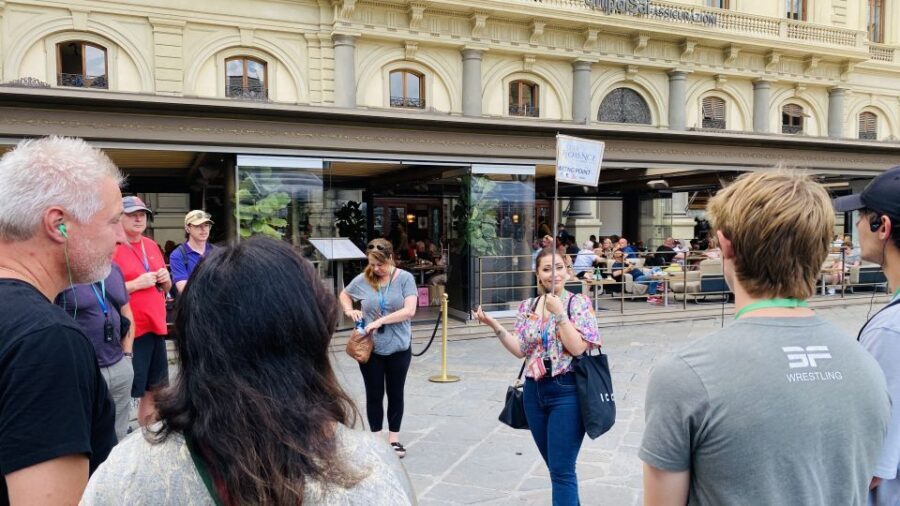
The tour description mentions discovering off-the-beaten-path treasures and quieter corners. Based on how the route is designed—moving between major landmarks while still weaving through charming streets—this usually plays out as small detours that help you see Florence from different angles.
This is one reason the guide matters. Without guidance, it’s easy to get stuck repeating the obvious routes. With the commentary, you start noticing streets and details you’d otherwise blow past.
If you want maximum value, ask your guide about what to do next after the tour. The most helpful guides tend to point out where to go at different times of day, so you can avoid arriving at peak crowd moments.
Guide style and language options that affect your experience
The experience includes an expert, English-speaking guide. The live tour guide language list also includes Spanish, English, French, German, Italian, Russian, and Portuguese. That’s a big practical advantage in Florence, because even when you’re around other tourists, understanding the story makes the walking feel effortless.
One of the standout patterns in the experience is how different guides are praised for strong engagement and clear storytelling. Names that appear repeatedly include Rosa, Julia, Eduardo, Luigi, Rachel, Alessandra, Mary, and Guido. If your booking shows a guide with one of those names, that’s a reassuring sign you’re likely to get energetic explanations and a smooth flow.
Luggage deposit: a small perk that saves your whole day
This tour includes a free luggage deposit. That’s more useful than it sounds, especially if you’re traveling light but arriving early or heading out later. Florence day plans can get messy when you’re juggling bags, so having a place to stash them lets you actually enjoy your walk instead of thinking about logistics every two minutes.
Price and value: why $31 for 1.5 hours can make sense
At $31 per person for about 1.5 hours, this sits in the “reasonable for central Florence” category. You’re paying for more than walking from A to B. You’re buying:
- a guided route through multiple major landmarks
- real-time explanations tied to key figures and Florence’s development
- a guide who can help you connect what you see to what you’ll want to do next
If you’re visiting Florence for only a day or two, a paid orientation walk can easily beat the cost of wasted time trying to self-navigate. You leave knowing where the major areas are and what to prioritize later.
Who this tour is best for
This is a great fit if you:
- want a first-day orientation without committing to a long museum schedule
- like history told through people and politics, not just dates
- prefer walking with structure so you don’t miss the city’s key anchor points
It’s also a smart option if you’re traveling with someone who gets overwhelmed by too many choices. The itinerary keeps the decision fatigue down while still leaving room to explore on your own after.
Who might want to choose a different option
If your priorities are mostly inside-the-building experiences, you might find that this tour’s focus is more on exterior landmarks and street-level context. The time is short by design, and it’s built for seeing a lot quickly, not for lingering for long at any single attraction.
And again, wear comfy shoes. Central Florence walking is part of the deal, and the tour depends on you keeping a steady pace across multiple stops.
Should you book this Florence Guided Walking Tour?
If you want a fast, friendly way to understand Florence’s main sights and how they connect to the city’s major figures, I’d book it. The route hits the big themes—Duomo area, Piazza della Signoria, and Ponte Vecchio—while keeping the pace tight enough to work on nearly any schedule.
I’d especially recommend it if this is your first time in Florence and you want to come away with a sense of direction plus a few story hooks (Medici, Dante, Botticelli, Michelangelo) that make later wandering feel smarter.
If you’re already very confident with Florence navigation and only care about deep, inside visits, you might skip this in favor of a longer, attraction-specific plan. But for most people, this is an efficient way to get oriented and enjoy the city without overthinking it.
FAQ
How long is the Florence guided walking tour?
The tour lasts about 1.5 hours.
How much does the tour cost?
The price is $31 per person.
Where does the tour start?
The meeting point depends on the option booked, but it centers around the My Green Tour office on Via de’ Martelli (including Via de’ Martelli 33 and 33r).
What are the main sights included?
You’ll see landmarks including Santa Maria del Fiore Cathedral, Piazza del Duomo, Piazza della Repubblica, Piazza della Signoria, and Ponte Vecchio, plus stops like Palazzo Medici Riccardi and the Basilica of San Lorenzo.
Does the tour include luggage storage?
Yes. A free luggage deposit is included.
What should I bring?
Wear comfortable shoes for walking.
Is there a cancellation option?
Yes. Free cancellation is available up to 24 hours in advance for a full refund.
Is the tour offered in English?
The guide is listed as expert and English-speaking, and the live guide can also be available in multiple other languages.
Can I get a private group?
A private group option is available.
Does the tour end at the starting meeting point?
Yes. It ends back at the meeting point.
You Might Also Enjoy
More Walking Tours in Florence



More Tours in Florence
- The Best tour in Florence: Renaissance & Medici Tales – guided by a STORYTELLER
★ 5.0 · 12,316 reviews


More Tour Reviews in Florence
- Tuscany Day Trip from Florence: Siena, San Gimignano, Pisa and Lunch at a Winery
★ 5.0 · 21,634 reviews - The Best tour in Florence: Renaissance & Medici Tales – guided by a STORYTELLER
★ 5.0 · 12,316 reviews