REVIEW · FLORENCE
Florence: Uffizi & Accademia Small Group Walking Tour
Book on GetYourGuide →Operated by FLORENCE & GLOBAL SMALL GROUP TOURS S.R.L.S · Bookable on GetYourGuide
One word: David. This small-group Florence walk rolls skip-the-line access into the Accademia and Uffizi, then threads in Duomo Square and Piazza della Signoria, so you get the big art moments without getting stuck in museum chaos. I especially love how the guides like Sylvia and Deborah bring the works to life with clear, human explanations, not just a list of names, and I also like the practical touch of radios/headsets so you can actually hear your guide even when crowds surge. The one drawback to keep in mind is the schedule can feel tight inside the museums, and at least one guide-led pacing report flagged limited bathroom and drink time.
After you meet your group, you’ll move through Florence in a way that makes sense for first-timers. You start at the Accademia to face Michelangelo’s David, then you walk through central Florence for key landmarks before finishing at the Uffizi for Renaissance art heavyweights like Leonardo and Botticelli, including Birth of Venus. This tour is a good match if you want structure, a manageable group size, and a guide who knows how to keep you oriented.
In This Review
- Key things I’d bet on before you book
- Why This Florence Tour Feels Efficient (and Worth It)
- Getting Oriented: What the 4-Hour Flow Looks Like
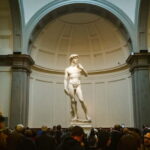
- Accademia: Meeting Michelangelo’s David Up Close
- Duomo Square and Brunelleschi’s Dome: Florence Outside the Museum
- Piazza della Signoria: Where Politics and Art Sit Side by Side
- Uffizi: Botticelli, Leonardo, Michelangelo, and the Birth of Venus Moment
- Pacing and reality check inside the Uffizi
- Small Group Size: The Comfort Factor That Changes Everything
- Guide Quality: What the Best Ones Do Differently
- Practical Tips Before You Go (So You Enjoy the Day)
- Price and Value: How to Judge the $148
- Who This Tour Suits Best
- Should You Book This Florence Uffizi & Accademia Small Group Tour?
- FAQ
- How long is the Florence Uffizi & Accademia small group walking tour?
- Does the tour include skip-the-line entry?
- What’s included with the guided part?
- What should I bring?
- Is the tour wheelchair accessible?
- What items are not allowed during the tour?
- Is it free on the first Sunday of the month?
Key things I’d bet on before you book
- David first at the Accademia: You see Michelangelo’s giant masterpiece early, while the visit still feels focused.
- Uffizi highlights with smart pacing: You get the most famous works without turning the day into random wandering.
- Duomo Square + Piazza della Signoria on foot: You’ll connect the museums to the city’s power center.
- Radios/headsets for clearer explanations: Hearing your guide matters in Florence crowds.
- Guides with real passion: Names like Sylvia, Deborah, and Margaret come up often for a reason.
- Group size stays small (10 to 15): Less lost-in-the-crowd stress than big tours.
Why This Florence Tour Feels Efficient (and Worth It)
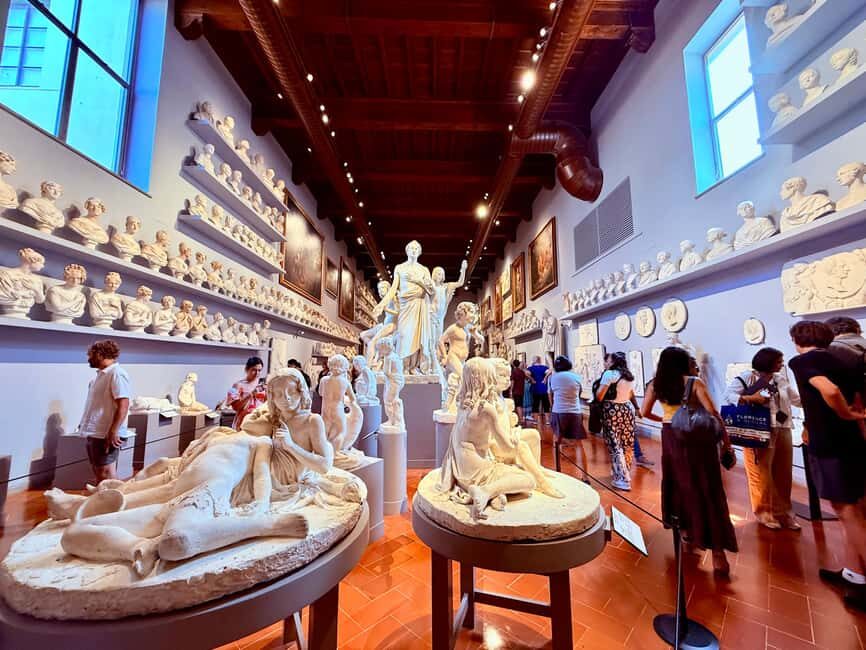
Florence rewards slow travel, but not everyone wants to spend days hunting for the right room and guessing which painting matters most. This tour solves that with a straightforward plan: two of the city’s top museums in one day, plus the iconic outdoor sights between them.
At $148 per person for about 4 hours, it’s not cheap, but the price starts to make sense once you factor in three things:
- You’re paying for skip-the-ticket line entry to both the Accademia and the Uffizi. In peak times, that alone can save you real time.
- You’re paying for a guide with enough command to keep the group moving and make the art understandable.
- You’re paying for headsets/radios, which is a practical upgrade. If you’ve ever tried to hear a guide in a packed museum, you know how much difference this makes.
Where it may feel less “value-perfect” is if you hate time limits or you need lots of unstructured breaks. One pacing complaint I saw: a very short early stop meant no usable bathroom window for at least one group. So if you’re the type who wants frequent stops for water and rest, go into the day with eyes open.
You can also read our reviews of more walking tours in Florence
Getting Oriented: What the 4-Hour Flow Looks Like
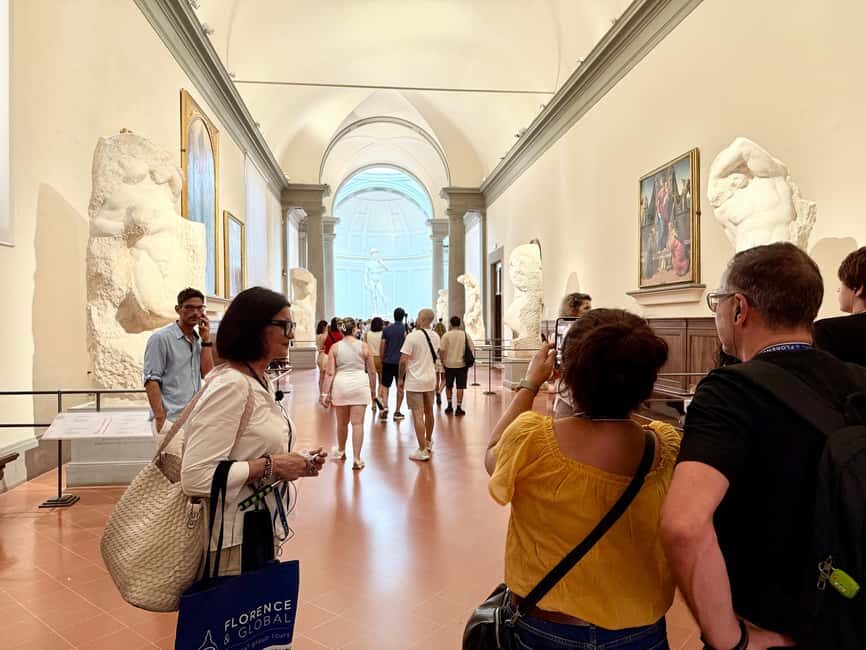
This isn’t a museum-only ticket. It’s a walking tour with museum stops, so you’ll switch gears: outdoor squares, then indoor masterpieces, then back out again for the Florence feel.
The order runs like this:
- Start at the Accademia Gallery for Michelangelo’s David.
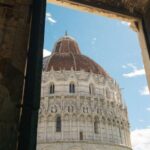
- Walk through Duomo Square to admire the cathedral façade and Brunelleschi’s dome.
- Continue to Piazza della Signoria for the historic central plaza.
- Finish at the Uffizi Gallery, with a guided visit through the highlights, plus views from higher levels.
You’ll be in a small group of 10 to 15. That matters. Big tours often feel like a stampede; smaller groups feel like a guided stroll that still moves with purpose. Many guide notes in the feedback point out that staying together is a real effort, and guides do a good job of that.
Also worth knowing: the meeting point can vary by option booked. The practical move is to check your specific confirmation details the day before so you don’t waste your first minutes in Florence.
Accademia: Meeting Michelangelo’s David Up Close
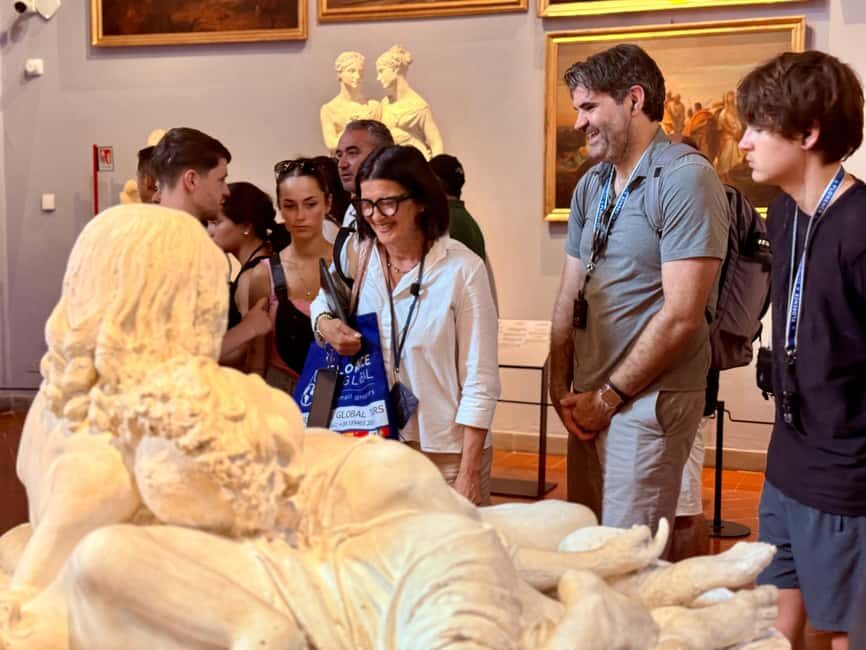
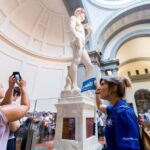
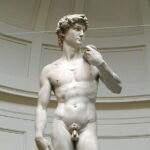
The Accademia is where this tour earns its hype. You start here because David is a different kind of encounter than seeing a statue in a book. Even if you’ve seen photos a hundred times, the real thing hits harder: scale, stance, and the way the figure seems to hold tension in stone.
The guide-led part is the secret sauce. You’ll get the story behind the colossal work—what to look for and why this sculpture mattered—so you don’t just stand there thinking, Yep, it’s famous.
One tip from the way the tour is paced: plan for a quick early window. One report noted very limited time at the first stop and mentioned bathroom lines were long enough that it became impossible to use the toilets within the given margin. That doesn’t mean you’ll have the same experience every time, but it’s a clear signal: don’t assume you’ll have long breaks inside the museums.
What I liked in the pattern of feedback is that guides frequently focused on details that make David feel less like a monument and more like a work with choices. Guides such as Rosa and Sylvia were described as passionate and energized, which tends to change how you experience the room.
Duomo Square and Brunelleschi’s Dome: Florence Outside the Museum
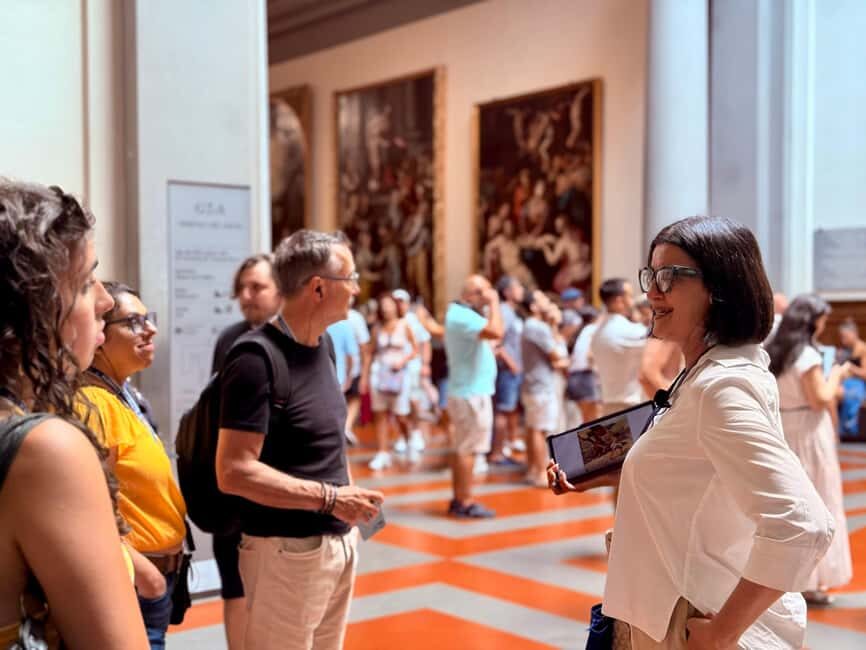
After the Accademia, you step out into the classic Florence scene: stone, shadows, and that immediate sense that the city is built to be seen from street level.
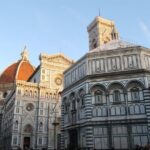
In Duomo Square, you’ll admire the cathedral façade and spend time around views of Brunelleschi’s dome. This part works well because it gives your brain a break from indoor density. You can look up, orient yourself, and connect the art to the architecture and ambition of Renaissance Florence.
The cathedral area also helps you understand why Florence is more than museums. It’s a city where art isn’t kept behind glass; it’s part of the built environment. If you’ve been to cities with grand monuments but found them emotionally distant, this outdoor segment can bring the story back to real life.
The potential drawback is simple: in Florence, even outdoor stops can get crowded. If you’re sensitive to crowds, you’ll want to keep moving and use your guide’s positioning rather than trying to claim a perfect photo spot for too long.
Piazza della Signoria: Where Politics and Art Sit Side by Side
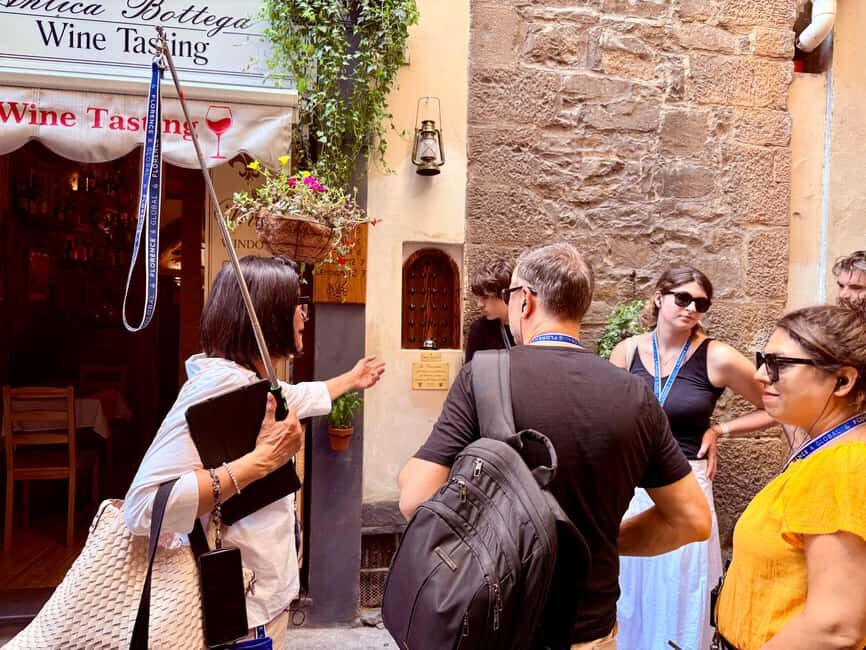
Next comes Piazza della Signoria, the plaza that feels like a stage. Here, you’ll walk through the heart of Florence’s civic identity, and it’s a strong bridge between the museum walls.
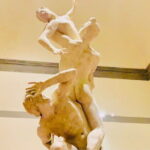
This stop is less about one single photo and more about context. Seeing the plaza after David helps your brain connect the Renaissance world: patrons, power, public art, and the way masterpieces weren’t meant to stay private.
If you care about “why this artwork exists,” this is where the tour’s guided tone can pay off. A good guide turns the plaza from a background into part of the explanation.
- Tuscany Day Trip from Florence: Siena, San Gimignano, Pisa and Lunch at a Winery
★ 5.0 · 21,634 reviews

Uffizi: Botticelli, Leonardo, Michelangelo, and the Birth of Venus Moment
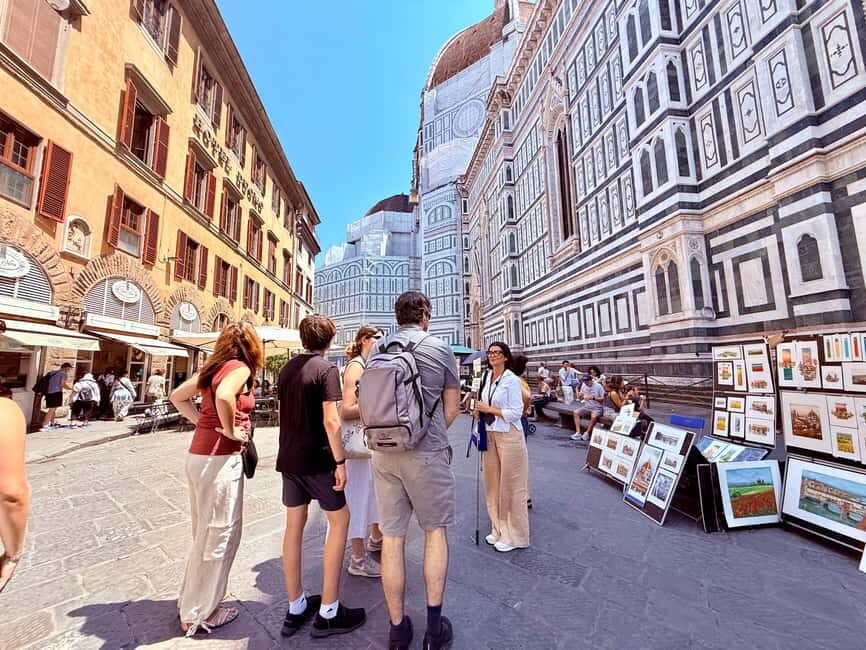
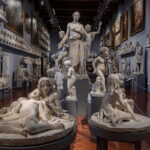
The Uffizi Gallery is a serious art workout, and it’s easy to lose your way if you go on your own. This tour gives you a plan and a path through the highlights, focusing on major names including Leonardo, Botticelli (including Birth of Venus), and Michelangelo, plus additional works that help fill out the Renaissance story.
What makes this part valuable is not just that you see famous paintings. It’s that a guide can point out how artists solved problems: composition, symbolism, technique, and patronage. When guides like Deborah or Margret/Margaret are praised for turning masterpieces into something you can actually talk about afterward, that’s the core benefit you’re paying for.
You’ll also get one of my favorite “bonus” aspects: views of Ponte Vecchio and Florence from the museum’s upper floor and terrace. That gives you a breath of sky between paintings, and it helps you remember you’re still in the city while your eyes move from canvas to canvas.
Pacing and reality check inside the Uffizi
The Uffizi is busy, and the tour is designed to cover key highlights in about a day’s worth of attention. That means you’ll see a lot, but you won’t have unlimited time to linger on every single room.
Some feedback also mentioned that a guide’s historical context varied a bit by group and guide. If you want an essay-level explanation for each work, you may find yourself wishing for more time at certain paintings. On the other hand, if you mainly want the best of the museum plus clear explanations, this plan fits well.
Small Group Size: The Comfort Factor That Changes Everything
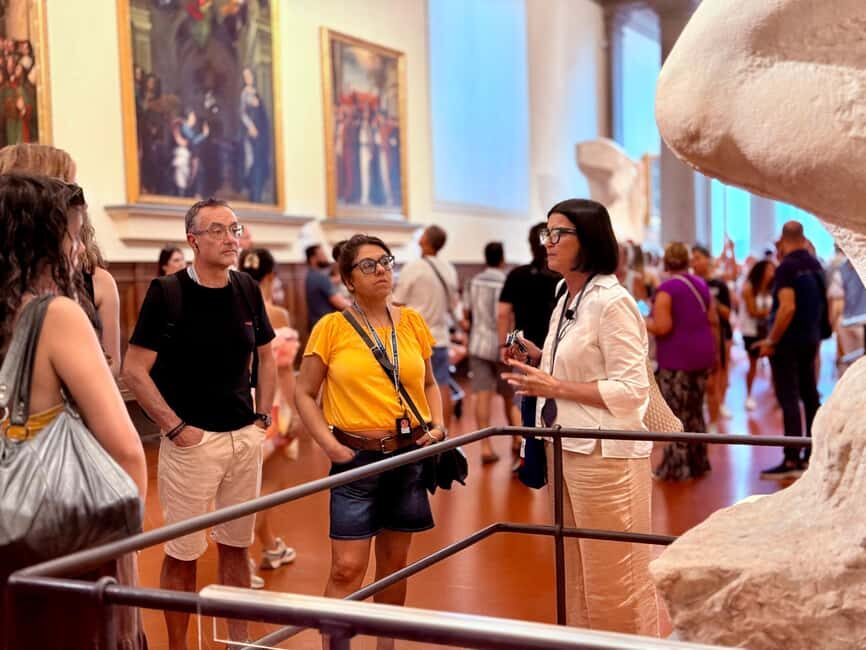
This tour runs with 10–15 people. That’s the sweet spot for me in Florence: small enough for your guide to manage the group, big enough that the tour doesn’t feel too personal or awkward.
The feedback pattern also shows how much the guide matters at this size. Many comments highlighted that the guide keeps track of the group in crowds and manages entrances smoothly. One report even mentioned a guide helping with stroller logistics using the right entrance so the family could avoid stairs, which is exactly the kind of real-world benefit you want from an experienced local.
Another practical plus: the radios/headsets mean your guide doesn’t have to shout. When you can hear the explanation clearly, the whole experience feels less like a forced march.
Guide Quality: What the Best Ones Do Differently
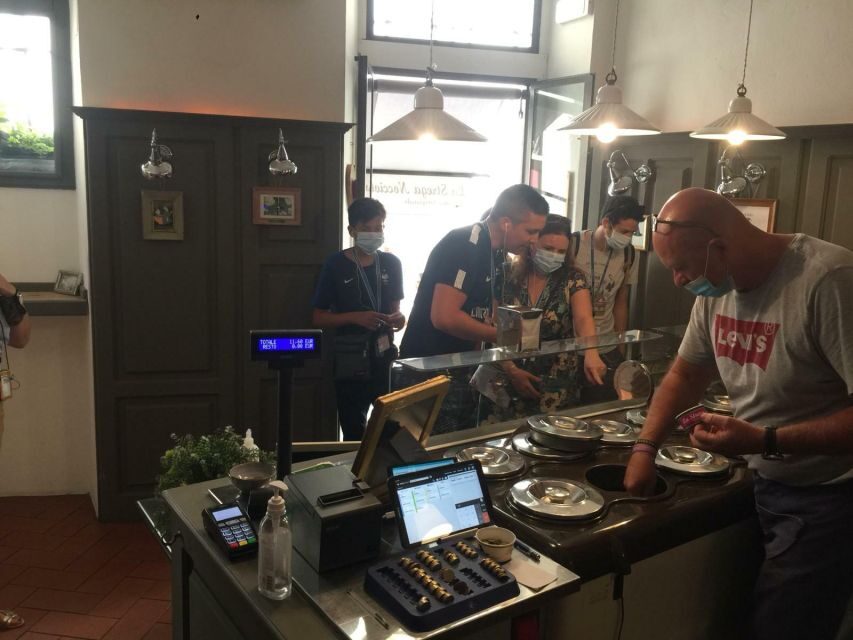
You’ll likely get a guide you can hear easily and a guide who understands the museum flow. That’s already important. But the most praised guides go one step further: they make the art feel like a conversation.
In the feedback data, several names come up repeatedly in positive light: Sylvia, Deborah, Rosa, Margaret, Amanda, Anna, Elena, and Kyrie, among others. The consistent theme is passion plus clarity. People noted humor, warmth, and a guide’s ability to connect details in the artwork to the bigger story of Florence and the Renaissance.
Also pay attention to how guides handle “life stuff.” One report noted the guide was understanding when someone had to leave the tour briefly for water and food, and the group got back on track without losing the overall plan. That’s a small thing that can make a big difference on a walking-museum day.
Practical Tips Before You Go (So You Enjoy the Day)
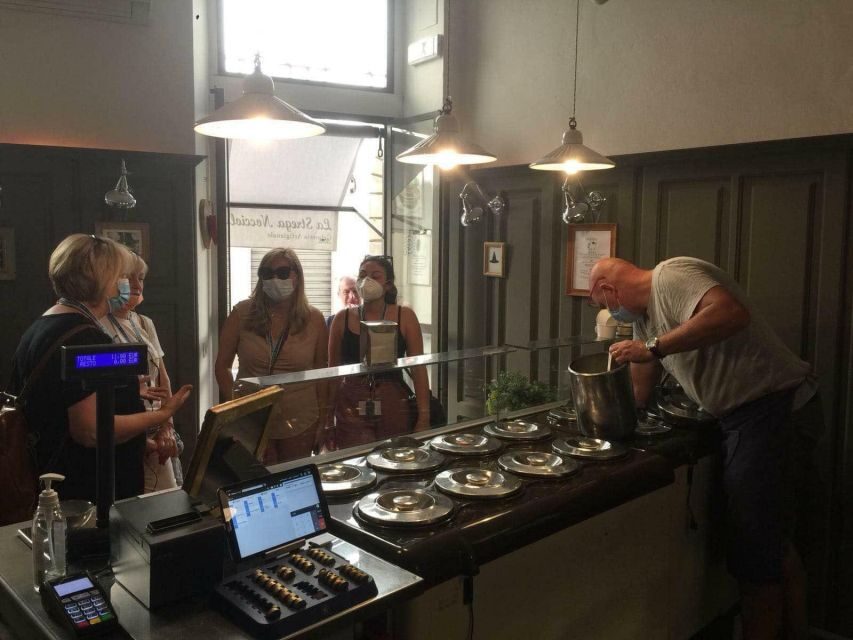
Here are the choices that will most affect your comfort and satisfaction:
- Wear comfortable shoes. You’ll be walking outdoors and moving through museum halls.
- Bring your passport or ID card, since the tour specifies it.
- Leave bulky items at the hotel. Luggage or large bags aren’t allowed, and pets aren’t allowed either.
- If you’re sensitive to bathroom timing, plan for the possibility of limited downtime early in the day. One report flagged an issue with a short window at the first stop.
- If you’re traveling with kids or teens, this kind of structured highlights approach can work well, especially when guides are playful and clear. (Just note the tour is still mostly museums, so bring patience.)
One extra Florence calendar note: the first Sunday of each month has free entrance in general, but tickets can’t be reserved ahead of time, so entry isn’t guaranteed. That means a “free day” can still turn into a headache unless you’re flexible.
Price and Value: How to Judge the $148
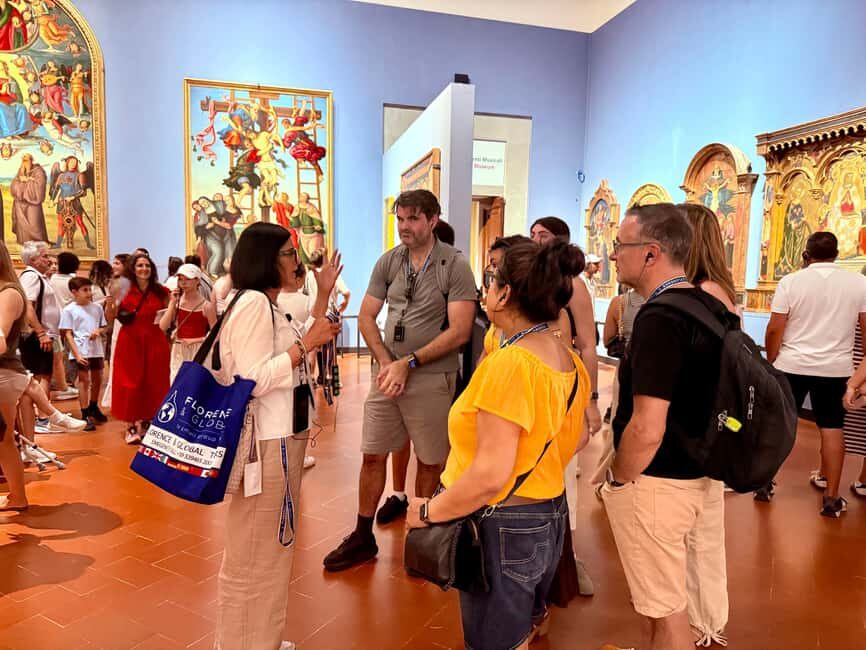
Let’s be real about value. You’re paying $148 for:
- Guided time through Accademia + Uffizi
- Skip-the-ticket line access to both museums
- Radios/headsets
- A walking route that includes Duomo Square and Piazza della Signoria
If you’re the type who hates lines and wants a plan, this can be a smart buy. Skip-the-line access can save not only time but also the stress of deciding which entrance to use and what to do next.
If you already know exactly what you want to see in both galleries, and you don’t mind waiting or figuring out routes, you might feel the cost is unnecessary. This is most worth it when you want help choosing what matters and you want someone to translate art into something you can grasp quickly.
Who This Tour Suits Best
This is a strong fit if:
- You’re visiting Florence for a short time and want the top art sights handled.
- You prefer a small group with clear guidance.
- You care about understanding art basics instead of only taking photos.
- You want the city landmarks connected to the museums, not treated as separate trips.
It may not be ideal if:
- You need frequent breaks and lots of unstructured time.
- You’re hoping for deep, slow pacing in every gallery room.
- You’re very particular about bathroom and drink timing; at least one experience report showed how tight the early stop can feel.
Should You Book This Florence Uffizi & Accademia Small Group Tour?
If your goal is to see Michelangelo’s David and the Uffizi’s most famous works like Birth of Venus, while also getting the key outdoor landmarks, I think this tour is a smart way to spend 4 hours. The combo of skip-the-line entry, radios/headsets, and a small group makes it feel like you’re getting real help, not just paying for access.
Book it especially if you’re the kind of person who wants your time in Florence to feel organized and guided. Skip booking only if you’re highly sensitive to schedule constraints, since museum pacing can be tight and not every part of the day guarantees long breaks.
If you do book, bring good walking shoes, bring your ID, and give yourself permission to focus on the highlights your guide points out. In a city this crowded and this full of masterpieces, that’s often the difference between seeing art and actually enjoying it.
FAQ
How long is the Florence Uffizi & Accademia small group walking tour?
The tour lasts about 4 hours.
Does the tour include skip-the-line entry?
Yes. It includes skip-the-ticket line entry to both the Uffizi and the Accademia.
What’s included with the guided part?
You get a guided tour and radios/headsets so you can hear your guide clearly.
What should I bring?
Bring your passport or ID card. Comfortable shoes are recommended. Children also need a passport or ID card.
Is the tour wheelchair accessible?
Yes, the tour is wheelchair accessible.
What items are not allowed during the tour?
Pets are not allowed. Luggage or large bags are also not allowed.
Is it free on the first Sunday of the month?
Entrance is free of charge on the first Sunday of each month, but tickets cannot be reserved ahead of time, so entry is not guaranteed.
You Might Also Enjoy

More Walking Tours in Florence

More Tours in Florence
- The Best tour in Florence: Renaissance & Medici Tales – guided by a STORYTELLER
★ 5.0 · 12,316 reviews

More Tour Reviews in Florence
- Tuscany Day Trip from Florence: Siena, San Gimignano, Pisa and Lunch at a Winery
★ 5.0 · 21,634 reviews - The Best tour in Florence: Renaissance & Medici Tales – guided by a STORYTELLER
★ 5.0 · 12,316 reviews