REVIEW · FLORENCE
Florence: National Archeological Museum of Florence
Book on GetYourGuide →Operated by Florence Tours by Made of Tuscany · Bookable on GetYourGuide
Bronze, mummies, and Etruscans in two hours. The National Archaeological Museum of Florence packs an old convent story plus Italy’s big Egyptian collection into one focused visit. I like that you’re not just looking at objects; you’re getting the how-and-why behind Egyptian artifacts and the building itself.
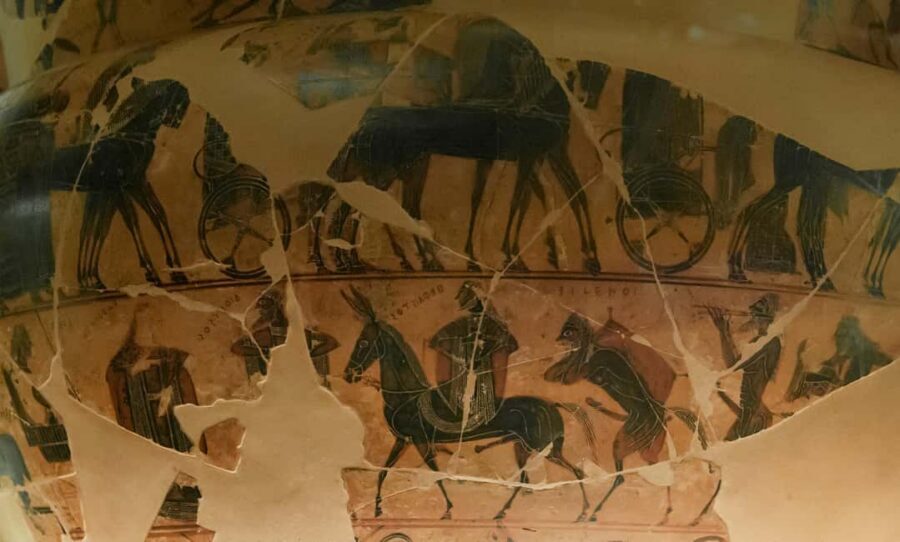
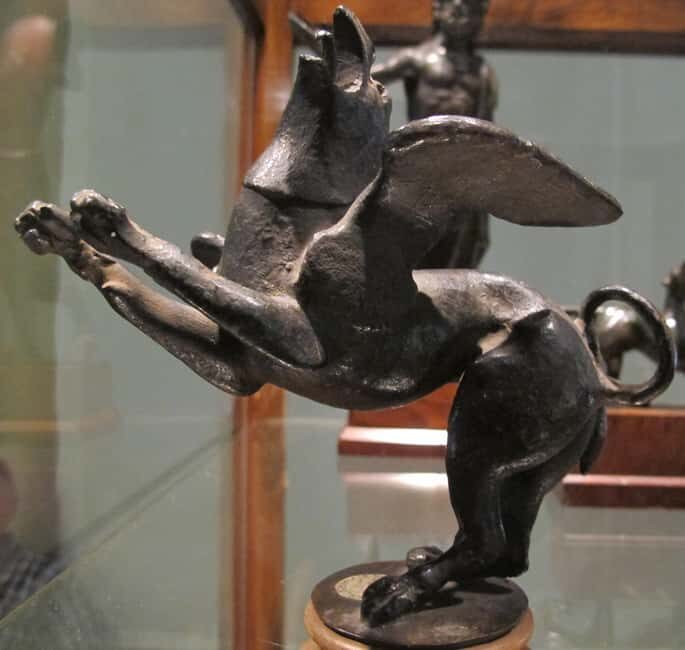
Two things I love: the Chimera bronze statues (restored in 1500 by Benvenuto Cellini) and the way the tour ties ancient myths to real objects, especially the François Vase with its Ancient Greece scenes. If you get a guide like Dr. Stefania, you’ll also appreciate the calm, clear pacing that works for both adults and kids.
One possible drawback: 2 hours moves fast. If you want a slow, sit-down kind of museum day, you may feel the last rooms come quickly.
In This Review
- Key things you’ll notice on this museum tour
- A museum housed in a convent, not just a container
- The two-floor plan that keeps ancient stories understandable
- Etruscan burial goods and why they’re the foundation
- The Chimera bronzes and the Cellini restoration story
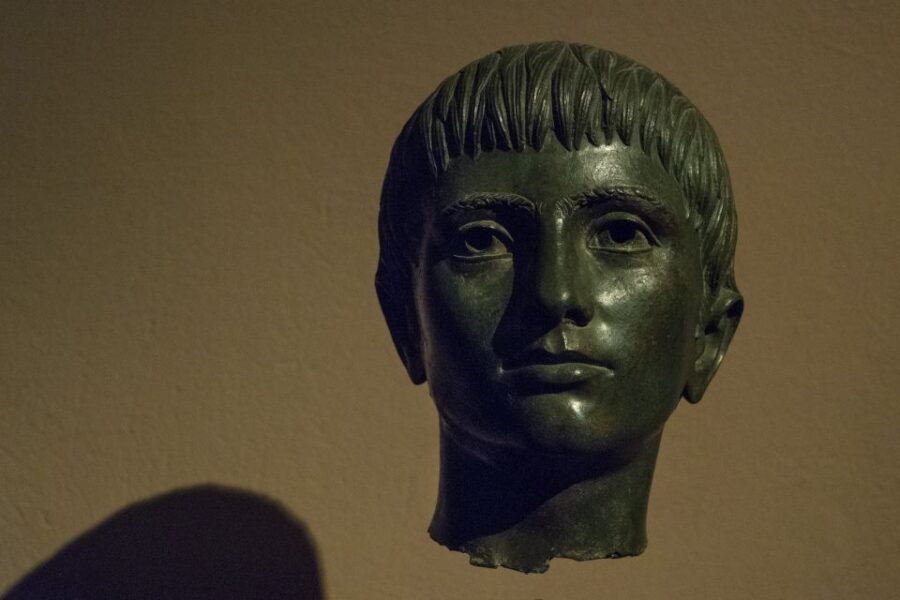
- Bronze works on the second floor: from famous torsos to Medici connections
- The François Vase: Greek myths you can actually see
- Egypt Museum highlights with over 14,000 artifacts in view
- The garden stop: an Etruscan tomb reconstruction with original urns
- Pace and timing: why 2 hours can feel short in the best way
- Who this tour fits best
- Value for your time in Florence
- Should you book this Florence archaeology tour?
- FAQ
- FAQ
- How long is the National Archaeological Museum of Florence tour?
- Where do we meet the guide?
- Does this tour include skipping the ticket line?
- What can I expect to see inside the museum?
- Does the tour cover the Egyptian Museum?
- What Egyptian highlights are mentioned?
- What languages are available for the live guide?
- Is the experience wheelchair accessible?
- Is it a private tour, and is there cancellation flexibility?
Key things you’ll notice on this museum tour
- Former convent setting: learn the story of the Crocetta convent and Maria Maddalena de’ Medici’s connection
- Cellini-linked Chimera bronzes: see the famous bronze statues and understand why the restoration matters
- Greek myths in the François Vase: view one of Greek art’s key finds with clear context
- A true Egyptian-Museum stop: spot highlights across thousands of items, not just one wall of artifacts
- Etruscan tomb reconstruction outside: walk into the garden and see the Inghirami of Volterra tomb model
A museum housed in a convent, not just a container
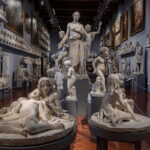
Florence’s National Archaeological Museum is one of those places where the setting improves what you see inside. You’re stepping into a building with a past as a convent connected to the Crocetta, including Maria Maddalena de’ Medici living there at one point. That detail matters because it explains the museum’s layered feel: the space has shifted roles over time, from religious life to public collections.
You’ll meet your guide at SS. Annunziata square in front of the museum. From the start, the format is simple: a short stop in the piazza area with the guide, then you head in for the main museum time. For first-time museum visitors, that quick orientation helps you get your bearings fast without needing to study a map for 20 minutes.
I also like that this is a private group format. Even in a busy museum, your guide can slow down when you need it and push ahead when you’re eager. If you’re traveling as a family, that flexibility can be the difference between a stressful scramble and a smooth visit.
You can also read our reviews of more museum experiences in Florence

The two-floor plan that keeps ancient stories understandable
This tour runs about two hours total, with the museum visit taking the bulk of that time. The route is designed to carry you through the museum in a way that makes sense chronologically and thematically: Etruscans first, then bronze works tied to Greek and Roman culture, then a jump into Egyptian highlights, and finally a stop outdoors in the garden.
That structure is useful. Many archaeological museums can feel like a series of random rooms unless someone frames the objects for you. Here, the guide’s job is to connect the dots: what these people valued, how they buried their dead, how myths shaped art, and how Egyptian life shows up in artifacts.
Here’s the practical advantage: in a short visit, you’re not trying to “cover everything.” Instead, you focus on the most recognizable works and the themes that explain the rest.
Etruscan burial goods and why they’re the foundation
On the first part of the visit, you’ll get Etruscan material, including burial goods from the region between Populonia and Vulci. This is more than a trivia stop. Etruscan objects like these help you understand what “status” looked like in their world—what people chose to place with the deceased, and how those choices reveal beliefs and social rank.
The tour doesn’t ask you to memorize a list. It aims to give you a sense of what kind of society produced these items. When you see burial artifacts early in the visit, the rest of the museum clicks better, because you’re already trained to look for meaning, not just beauty.
The Chimera bronzes and the Cellini restoration story
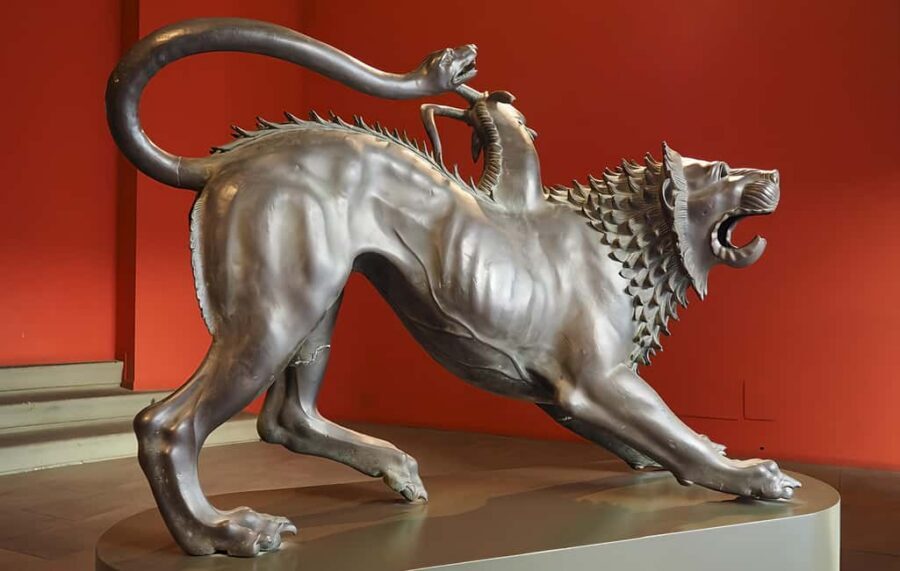
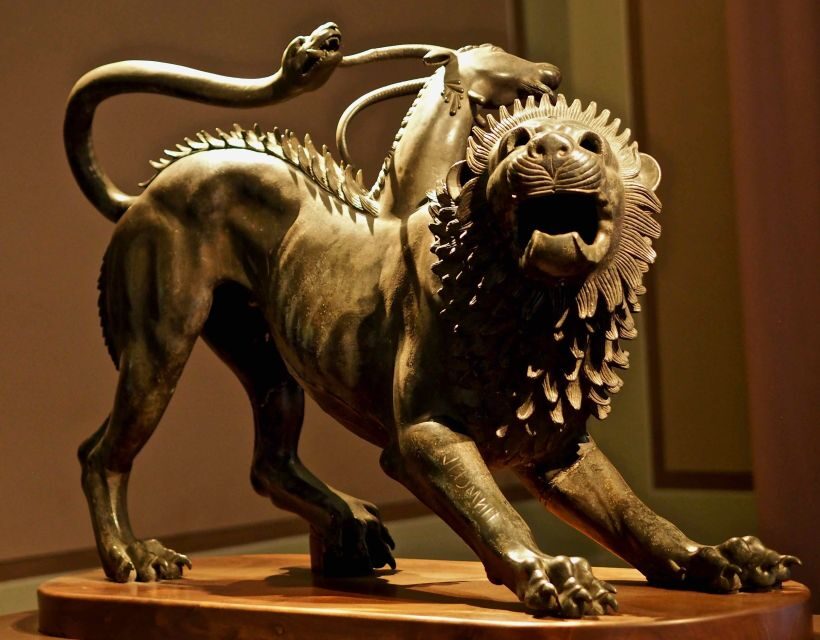
If you like sculpture, this is a highlight that can genuinely steal the show. On the first floor, you’ll find large bronze statues of the Chimera. The tour notes that these bronzes were restored in 1500 by Benvenuto Cellini, and that detail adds real weight to what you see.
Why it matters: restorations are not just repairs. They show how later people reinterpreted older art. Even when the original creation is centuries earlier, the way a famous artist like Cellini handled restoration affects how later viewers experienced the work.
The Chimera itself is a strong anchor object. It’s dramatic, mythic, and easy to talk about, which makes it a perfect starting point for understanding how myth entered the visual language of the ancient Mediterranean.
Bronze works on the second floor: from famous torsos to Medici connections
The second floor is where the tour shifts toward a broader sweep of bronze art across periods. You’ll see ancient Greek and Roman bronzes, plus Renaissance works that reflect how Italian collectors and artists treated classical forms.
The tour highlights include:
- the Torso of Livorno
- the Medici Riccardi horse head
- the Idolino of Pesaro
You don’t need to be an expert to appreciate these. In a short tour, you’re mostly looking at shape, technique, and the “afterlife” of classical styles. The guide’s job is to explain what makes each piece notable and how the objects relate to one another across time.
If you’re the type who likes to spot details, this floor rewards you. A bronze torso, for example, isn’t just an ancient body—it’s also a study in how form, light, and proportion were handled in metal.
- Tuscany Day Trip from Florence: Siena, San Gimignano, Pisa and Lunch at a Winery
★ 5.0 · 21,634 reviews



The François Vase: Greek myths you can actually see
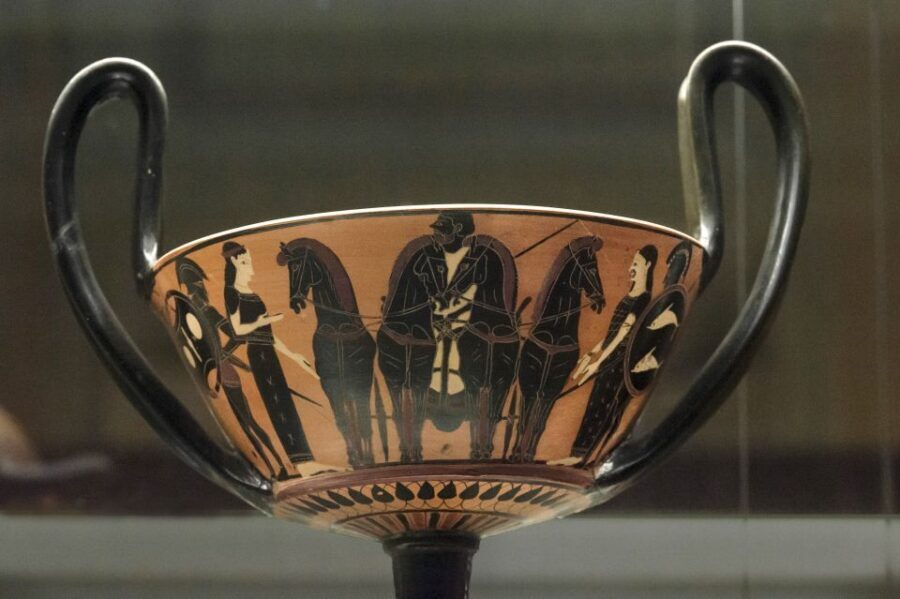
One stop stands out in the Greek-art part of the museum: the François Vase. The tour frames it as one of the most important finds in the world of Greek art, and then gives you a closer look at the mythical tales depicted on it.
This is where many visitors get hooked, because a vase doesn’t sound like a “must-see” until you understand what you’re looking at. The guide’s interpretation of the scenes turns it from decorative art into a storybook. You can track the idea that these images weren’t random; they were built to communicate myth, identity, and cultural values.
If you’ve ever felt like museums are too quiet and hard to decode, this is often the relief stop. The guide’s narration helps you read the vase the way the ancient makers probably expected viewers to.
Egypt Museum highlights with over 14,000 artifacts in view
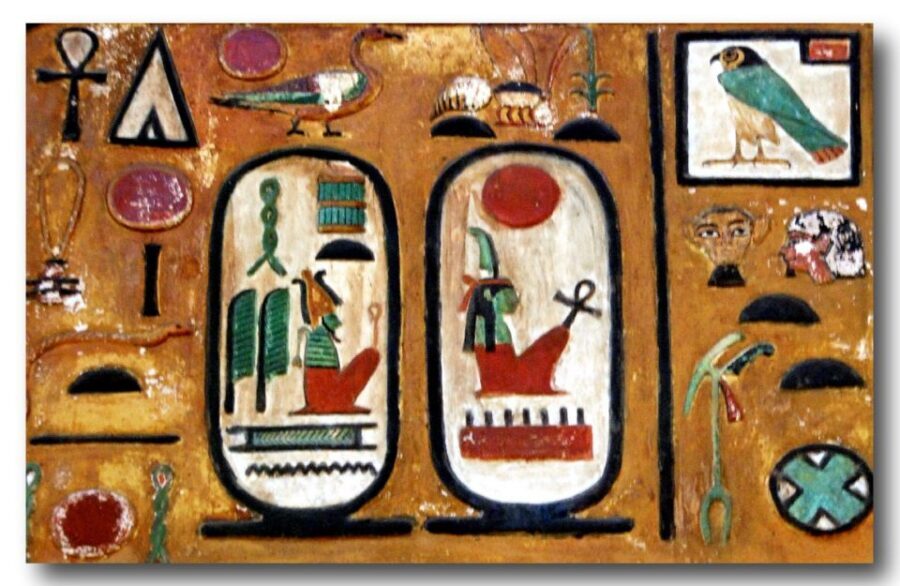
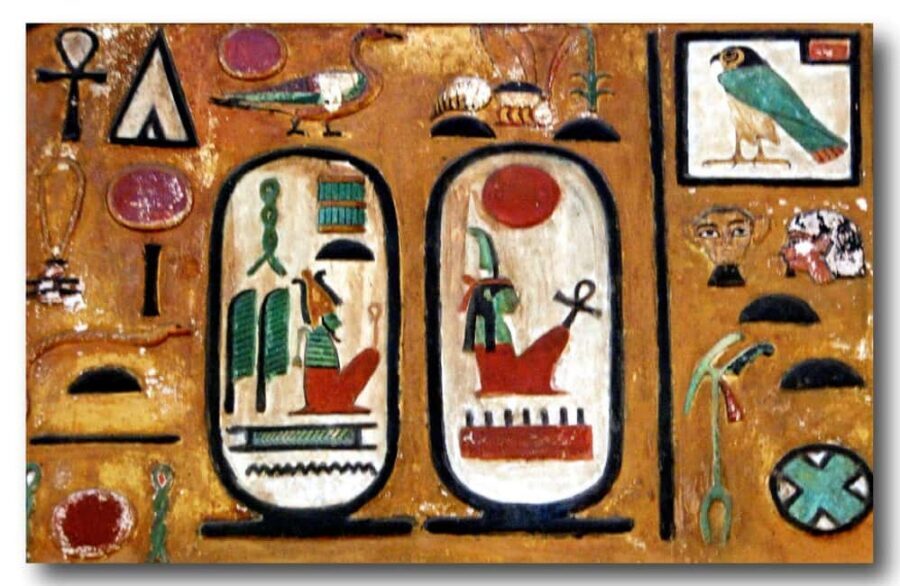
Then the visit pivots toward the Egyptian Museum. The tour calls out that you’ll see over 14,000 artifacts, including steles, vases, ushabti, amulets, and bronzes. That list alone tells you what kind of collection this is: not a handful of showpieces, but a broad range of objects tied to daily life, belief, and burial practices.
In a two-hour visit, you can’t absorb everything. But you can still grasp what makes the Egyptian section important. The guide’s selection helps you understand the collection’s scale and the main categories it covers.
A few specific highlights the tour includes:
- the statue of Amenophis III
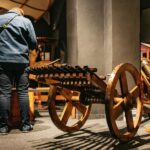
- a war chariot from the seventeenth dynasty
- perfectly preserved mummies
Even if you’ve seen Egyptian artifacts before, the combination helps. A statue anchors the person and power. A chariot shows warfare and status. Mummies signal the burial worldview. Together, these objects prevent the museum from becoming just a wall of small, similar items.
Also, the tour notes that this Egyptian collection ranks as the second largest in Italy. That’s a useful benchmark. If you’re short on time in Florence and want a serious Egyptian component without taking a separate day trip, this is a smart way to get it.
The garden stop: an Etruscan tomb reconstruction with original urns
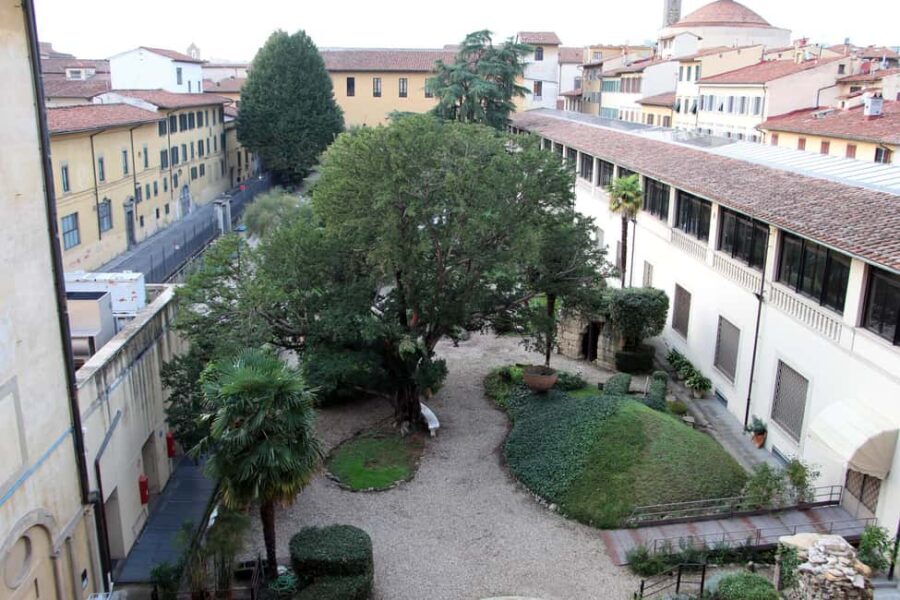
After the indoor highlights, the tour moves into the garden for the reconstruction of the Etruscan tomb Inghirami of Volterra. The big detail here is that the reconstruction includes original alabaster urns placed there in ancient times.
This outdoor moment is valuable because it changes your angle. In a museum full of cases and rooms, you can start feeling locked into two dimensions. A tomb reconstruction gives you a sense of space—how an Etruscan burial setting might have felt, even if what you see is a reconstruction.
And because the urns are original, you get a direct “real artifact” connection, not just a model built for show. It’s the kind of stop that helps children too, because you can point and ask simple questions: where would people stand, where would offerings go, how big is it?
Pace and timing: why 2 hours can feel short in the best way
The tour is built around a focused rhythm: a short meeting and orientation, then about 105 minutes inside with a guided route, plus time for the piazza-area stop and the garden moment.
Here’s the honest trade-off. You’ll see key objects and themes, but you won’t have the kind of time that lets you linger for 20 minutes at a single sculpture. That’s not a mistake—it’s the design. The guide is doing the filtering for you, selecting works like the Chimera bronzes, the Torso of Livorno, and the François Vase so you get meaning quickly.
If you love museums and you usually spend hours in them, this tour can leave you wanting more. That can be a good sign. It means you’ll know exactly what to return to later on your own.
Who this tour fits best
This experience works especially well for:
- families, because the guide can explain ancient peoples in a way kids can follow
- art lovers who want big recognizable highlights, not a technical lecture
- travelers who want a single organized route that mixes Etruscan, Greek/Roman, and Egyptian themes
The private group format also helps if you dislike crowded group tours that move like a conveyor belt. Even though the museum itself is busy, the guided control can keep things calmer.
Value for your time in Florence
You’re paying for more than a ticket. You’re paying for a guide to connect a huge collection into a story you can understand in one sitting. In a museum with thousands of artifacts, that kind of selection is the difference between feeling impressed and feeling satisfied.
A couple other value points from the setup:
- you can skip the ticket line, which saves time right at the start
- the guide language options cover English, Italian, Spanish, German, and French
- the experience is wheelchair accessible
If your schedule is tight, this tour is the kind of plan that helps you avoid the classic Florence problem: you want to do three museum stops, and suddenly none of them get the attention they deserve.
Should you book this Florence archaeology tour?
Book it if you want a guided highlights route through some of the museum’s biggest hits: the Chimera bronzes, the François Vase with its Greek myth scenes, and Egyptian highlights that include Amenophis III, mummies, and a war chariot. I’d also book it if you’re traveling with kids or anyone who needs clear, patient explanations.
Skip or reconsider if you’re the kind of museum visitor who wants unstructured time to study one object at a slow pace. A two-hour format will never feel “enough” if you’re hoping to read every label.
If you’re unsure, think of it like this: this tour helps you understand what you’re seeing first, then you can always return later for the details you personally want.
FAQ
FAQ
How long is the National Archaeological Museum of Florence tour?
It lasts about 2 hours total, with the guided museum visit taking most of that time.
Where do we meet the guide?
Meet in front of the Archeological Museum at SS. Annunziata square.
Does this tour include skipping the ticket line?
Yes, it includes skip-the-ticket-line entry.
What can I expect to see inside the museum?
You’ll see Etruscan burial goods, the Chimera bronze statues, bronze works from ancient Greece and Rome (including the Torso of Livorno), Greek art highlights like the François Vase, and Egyptian Museum highlights including mummies and artifacts.
Does the tour cover the Egyptian Museum?
Yes. The plan includes time in the Egyptian Museum and highlights from a collection of over 14,000 artifacts.
What Egyptian highlights are mentioned?
The tour specifically mentions the statue of Amenophis III, a war chariot from the seventeenth dynasty, and perfectly preserved mummies.
What languages are available for the live guide?
The tour offers live guiding in English, Italian, Spanish, German, and French.
Is the experience wheelchair accessible?
Yes, it is wheelchair accessible.
Is it a private tour, and is there cancellation flexibility?
It’s a private group experience. Free cancellation is available up to 24 hours in advance for a full refund, and you can reserve now & pay later.
You Might Also Enjoy




More Museum Experiences in Florence

More Tour Reviews in Florence
- Tuscany Day Trip from Florence: Siena, San Gimignano, Pisa and Lunch at a Winery
★ 5.0 · 21,634 reviews - The Best tour in Florence: Renaissance & Medici Tales – guided by a STORYTELLER
★ 5.0 · 12,316 reviews