REVIEW · FLORENCE
Galileo Galilei Private Science Tour
Book on GetYourGuide →Operated by Florence Tours by Made of Tuscany · Bookable on GetYourGuide
Galileo turns Florence into a science classroom. This private 4-hour walk connects Piazza della Signoria with the Museo Galileo, so you’re not just looking at dates—you’re looking at tools. I like how the stops tie Galileo’s ideas to the city around him, ending at Santa Croce for his monumental tomb. The main drawback is practical: there’s no hotel pickup, and the schedule is tight, so you’ll want to arrive ready and on time.
You’ll start at Neptun’s Fountain in Piazza della Signoria, then move through a guided sequence that includes the Museo Galileo and two more museum stops housed in an antique palace: the Observatory Museum and the Natural History Museum. You’ll also finish with a guided visit inside the Basilica of Santa Croce (the Italian Pantheon of Glories) where Galileo is remembered in stone and sculpture. It’s built for people who want more than a photo stop—especially if you like explanations that connect science to Renaissance Florence.
In This Review
- Key Points You’ll Actually Notice
- A Private Science Walk Through Florence’s Galileo Landmarks
- Starting at Neptun’s Fountain: Piazza della Signoria as Your Galileo “Front Door”
- Museo Galileo: Two Telescopes and Galileo’s Preserved Finger
- Observatory Museum + Natural History Museum: The Antique-Palace Science Connection
- Santa Croce Finish: Galileo’s Monumental Tomb in the Pantheon of Italian Glories
- How the 4 Hours Get Distributed (and Why It Works)
- Price and Value: Is $303.04 Per Person Worth It?
- Languages and Guide Style: What a Spanish-Led Tour Can Feel Like
- Who Should Book This Galileo Galilei Private Science Tour?
- Should You Book the Galileo Galilei Private Science Tour?
- FAQ
- FAQ
- Where does the tour start?
- Where does the tour end?
- How long is the Galileo Galilei Private Science Tour?
- Is hotel pick-up or drop-off included?
- What’s included in the price?
- Do you skip the ticket line?
- What languages are available?
- Do I need ID to join?
- Can I cancel for a full refund?
- Can I reserve now and pay later?
Key Points You’ll Actually Notice
- Skip-the-ticket-line entry for smoother museum time.
- Two famous telescopes and Galileo’s perfectly preserved finger at Museo Galileo.
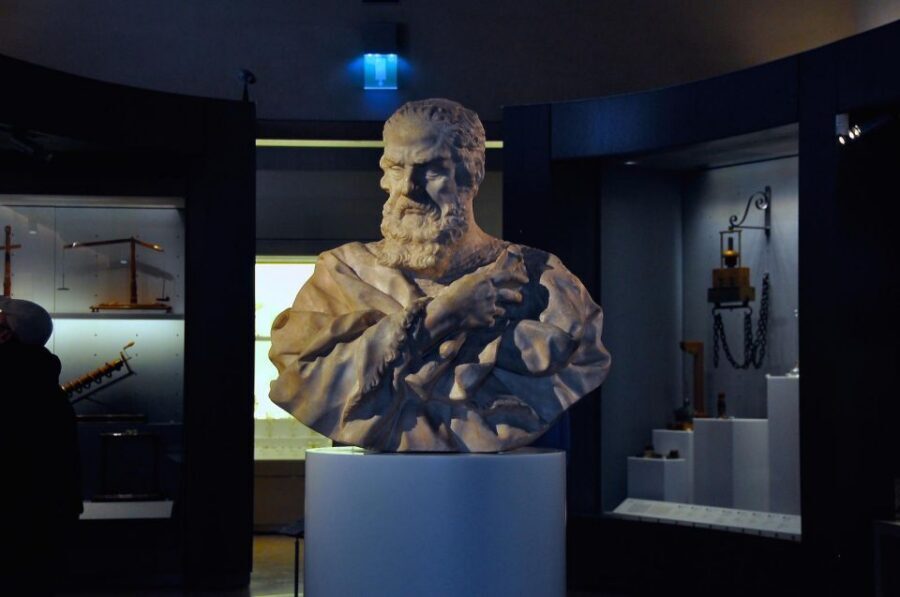
- Observatory Museum + Natural History Museum in an antique palace, with a Galileo Forum and a marble statue.
- Santa Croce guided time at a major tomb site tied directly to Galileo.
- Multilingual private guide in Spanish, English, French, German, Italian, Russian, and Portuguese.
A Private Science Walk Through Florence’s Galileo Landmarks
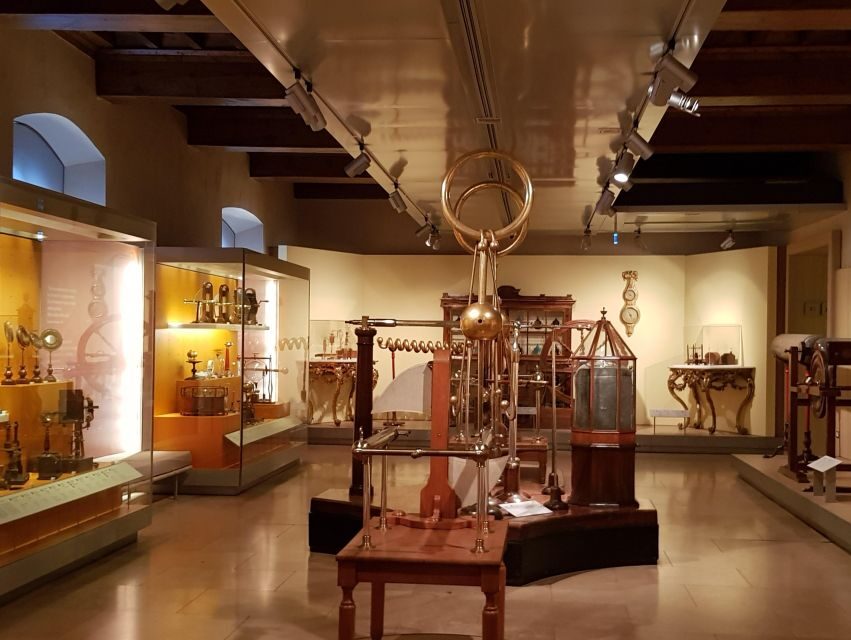
Florence has a way of making big thinkers feel close. This tour is built around Galileo Galilei—Florence’s father of science—and it uses the city like a living textbook. Instead of treating Galileo as a distant legend, the tour points you to places where his work, his reputation, and even the objects connected to him can be seen in a guided flow.
What I like most is that the tour doesn’t get stuck in one lane. You’re not only doing church stops, and you’re not only doing museum rooms. You get a mix: public square energy, scientific instruments you can actually look at, then the cultural weight of Santa Croce.
If you want to learn, but you also want your feet on the ground, this format works. You’re guided through Florence’s science story in about four hours, without the stress of bouncing between ticket booths and trying to make sense of everything alone.
You can also read our reviews of more private tours in Florence

Starting at Neptun’s Fountain: Piazza della Signoria as Your Galileo “Front Door”
The tour begins at Fontana del Nettuno (Neptun’s Fountain) in Piazza della Signoria. That’s a smart starting point because you’re in the heart of the city, surrounded by landmarks and history, so your guide can set context right away.
From there, you’ll have a guided visit in Piazza della Signoria. This stop is less about ticking off an object and more about grounding the story: why Galileo mattered to Florence, and how the city’s public spaces shape how you understand famous names.
Practical tip: build in a little extra time getting to the fountain. Since there’s no hotel pickup, you’re responsible for being at the meeting point, and the tour is only four hours long.
Museo Galileo: Two Telescopes and Galileo’s Preserved Finger
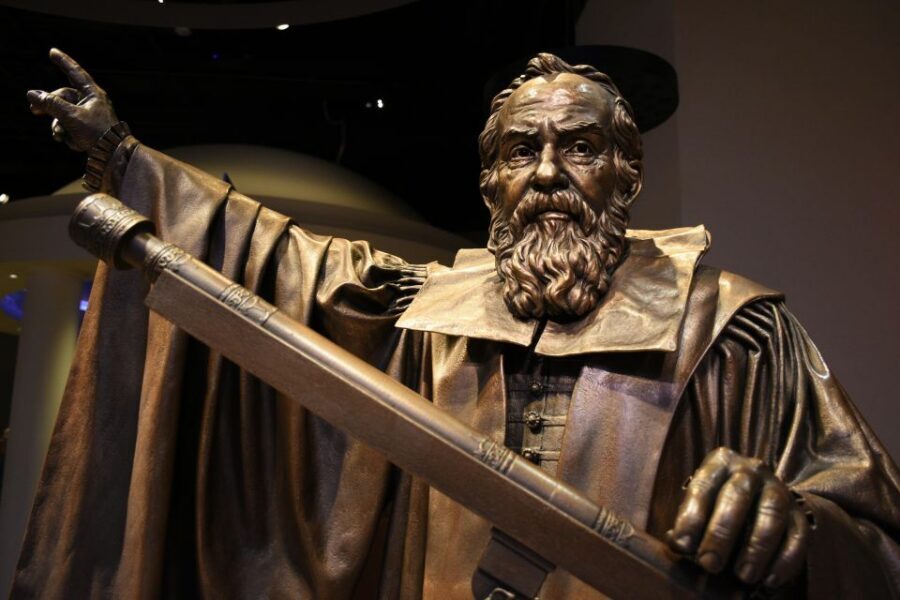
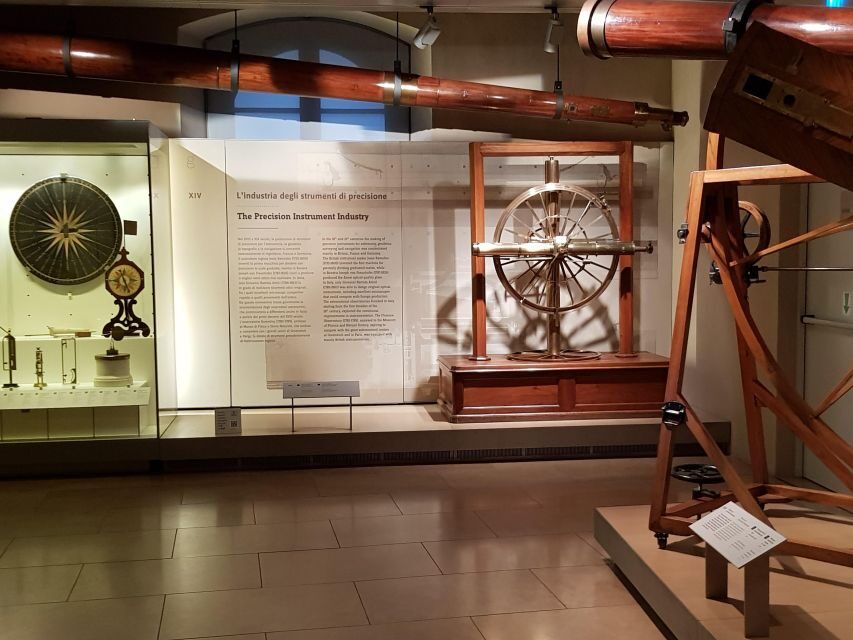
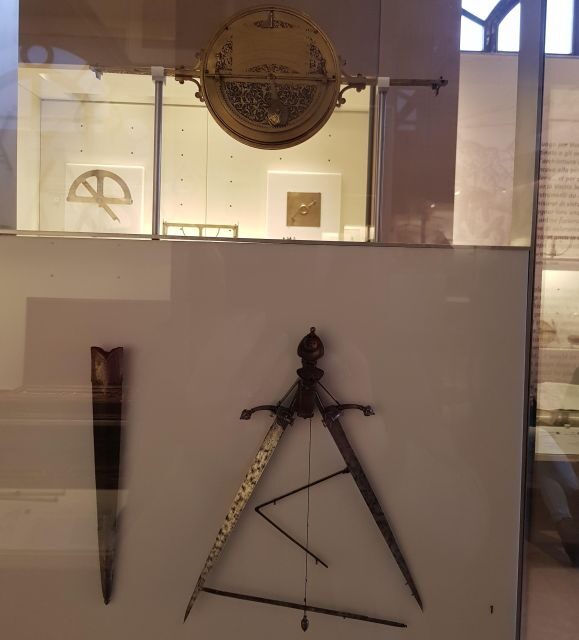
Museo Galileo is the star of the show, and you get a guided visit there for about 1.5 hours. The museum focuses on scientific tools, and the guide helps you see why they mattered—especially during the Renaissance, when new ways of looking at the world changed what people believed was possible.
One highlight you’ll hear about right away is the presence of two famous telescopes. In a city known for art and architecture, telescopes feel like a power tool: they turn curiosity into evidence. Instead of Galileo being just a name, you’re looking at the physical bridge between observation and discovery.
Even more specific (and frankly memorable): you’ll see Galileo’s finger, described as perfectly preserved. That kind of detail is exactly why a guided tour helps. A museum can be visually impressive, but a good guide turns a display into a story you can hold onto.
Possible drawback to keep in mind: a guided museum stop moves at a human pace, not the pace you’d choose if you were browsing freely. If you like to linger on every label or you’re the type who reads everything twice, you’ll probably feel a gentle time squeeze. The flip side is that you’ll leave with clarity, not just random facts.
Observatory Museum + Natural History Museum: The Antique-Palace Science Connection
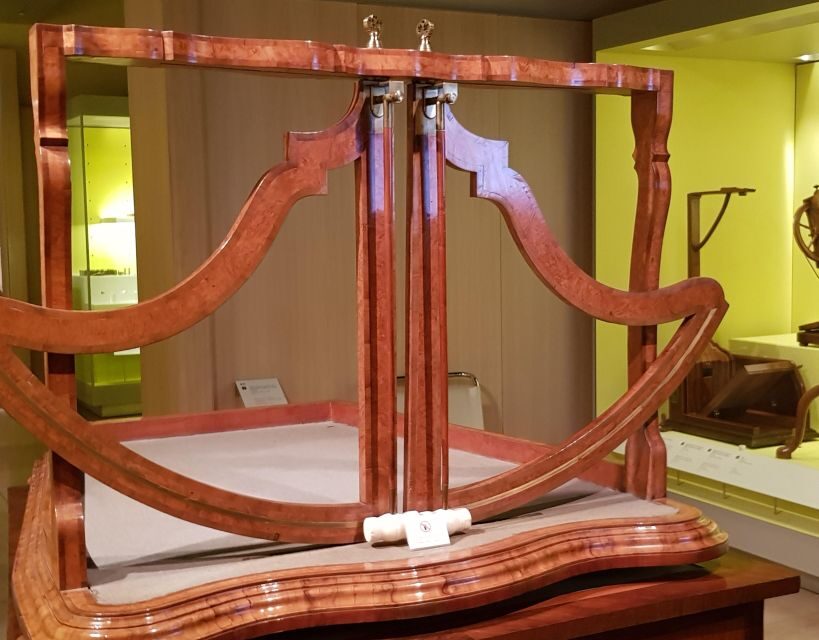
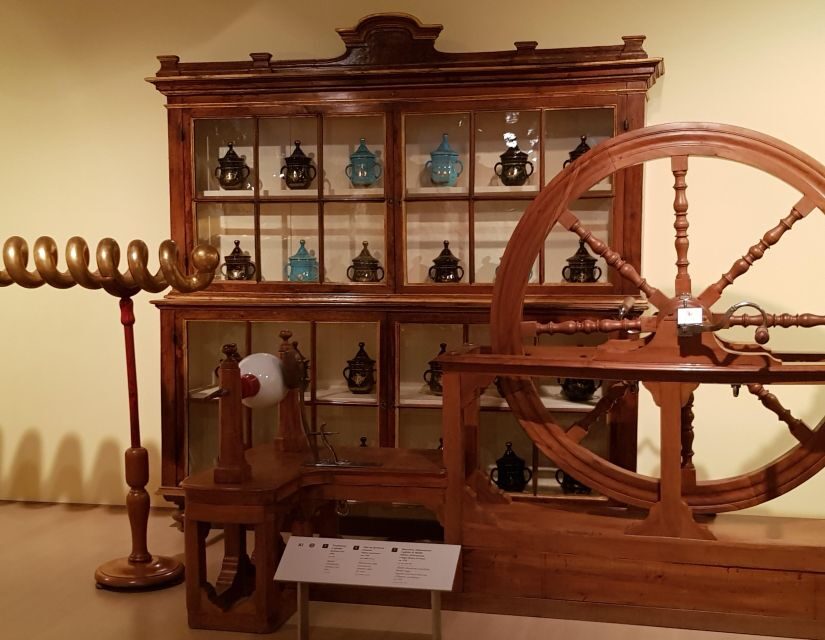
After Museo Galileo, you’ll continue to two museum spaces in a beautiful antique palace: the Observatory Museum and the Natural History Museum. This is a clever pairing because it reflects how science was never just one subject. Observation, environment, and classification all lived together in the same broader worldview.
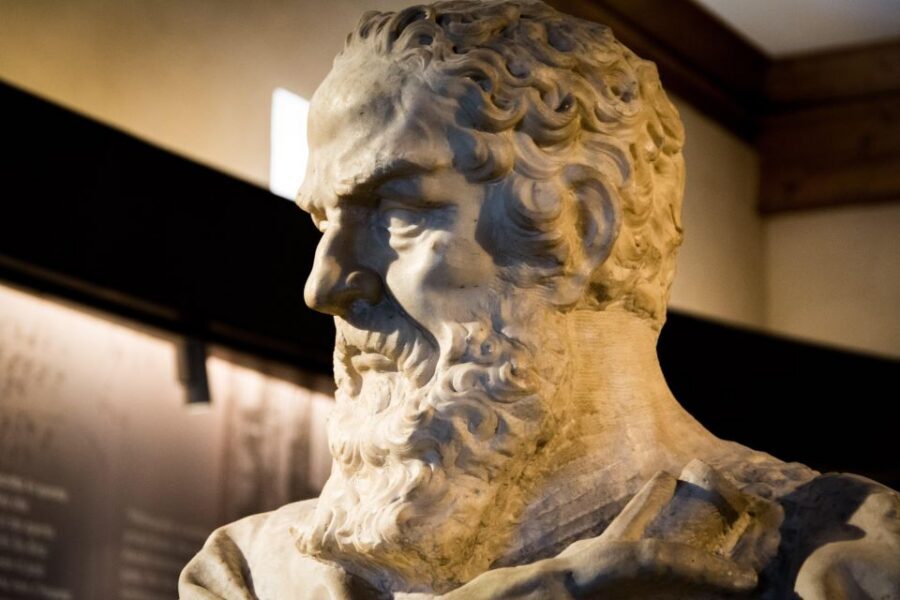
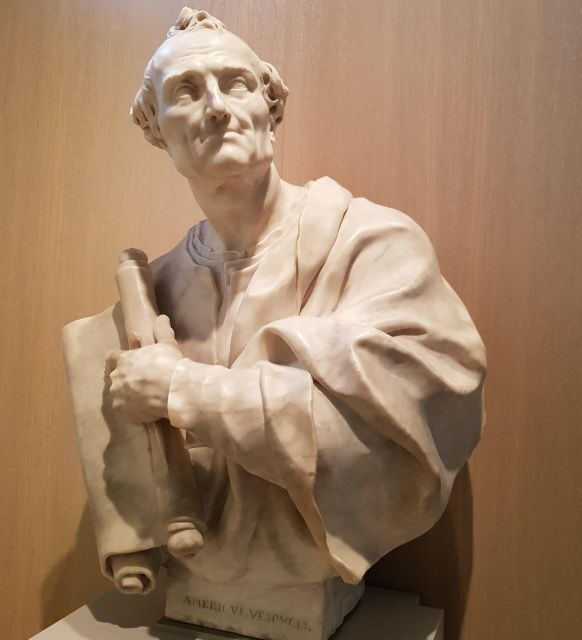
Inside, there’s a Forum dedicated to Galileo, plus a marble statue of Galileo that you can see as part of the guided route. These aren’t just decorations. They help you understand how Galileo was honored—visually and culturally—as well as intellectually.
A particularly interesting detail is the meaning behind the name observatory. The museum points to an older use of the word observatory: a Torrino astronomical structure where stars were studied. The Torrino is still available to visit by appointment, which gives you a real next-step if you want to extend the astronomy angle after the tour.
If you like your science with atmosphere, this section has it. The antique palace setting makes the museum feel like you’re walking through a past version of how people built knowledge—slower, more deliberate, but driven by the same questions you’d have today.
Santa Croce Finish: Galileo’s Monumental Tomb in the Pantheon of Italian Glories
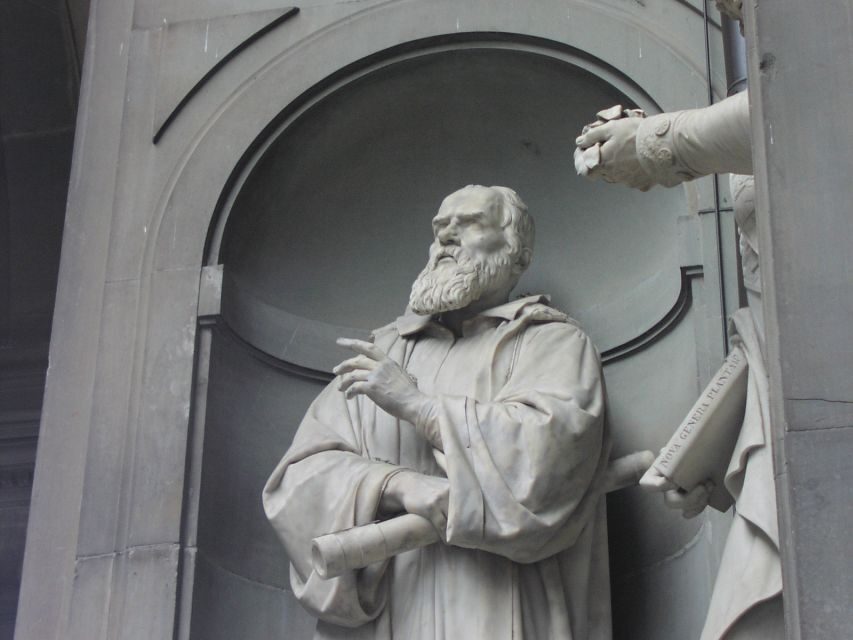
You’ll end at the Basilica of Santa Croce, with another guided visit of about 1.5 hours. Santa Croce is widely known for the tombs of famous Italians, and Galileo Galilei has a monumental tomb there, which anchors the entire tour’s theme.
This final stop matters because it changes the tone. In the earlier museums, you’re focused on instruments and ideas. Here, you’re confronted with memory—how a society chooses to honor scientific achievement in stone and art.
The guide’s job at Santa Croce is crucial. Without guidance, you might enjoy the church and admire the general importance of the site. With guidance, you understand where Galileo fits into the larger gallery of Italian greatness.
Simple practical note: Santa Croce is a church. Dress and behave like it’s a church visit, not a museum lounge. Plan to move carefully inside, and let the guide direct where to look first.
- Tuscany Day Trip from Florence: Siena, San Gimignano, Pisa and Lunch at a Winery
★ 5.0 · 21,634 reviews



How the 4 Hours Get Distributed (and Why It Works)
This tour is designed to be efficient without feeling rushed in every single minute. You start with a guided stop in Piazza della Signoria, then spend the longer blocks where it counts: Museo Galileo for about 1.5 hours and Santa Croce for about 1.5 hours.
In the middle, you add the Observatory Museum and Natural History Museum in the antique palace. That’s where the tour becomes more than a single-institution experience. You’re moving from scientific instruments to how observation and knowledge were organized and displayed.
If you’re planning your day, think of this as a single “science Florence” chapter. It’s not the time to add another big museum immediately afterward unless you’re comfortable with extra walking and slower digestion.
Price and Value: Is $303.04 Per Person Worth It?
At $303.04 per person for a private 4-hour guide, you’re paying for two things: time with a real guide and the convenience of getting into major sites with tickets handled. The tour includes entrance tickets, a private 4-hour guide, and a multilingual guide, plus skip-the-ticket-line entry.
For value, ask yourself what you’d otherwise do.
- If you’d try to self-guide three or four different stops, you’d spend time figuring out where to go, what to prioritize, and how to connect the dots between the museums and Santa Croce.
- If you want a private guide, you’re also paying for interpretation—someone to explain why the telescopes matter, what the preserved finger symbolizes, and how the observatory concept connects to the Torrino.
Where the cost can feel steep is if you prefer total freedom and lots of unstructured wandering. This tour is designed to lead you through a specific story. If you’re the type who likes to roam, you might end up feeling like you’re following instructions rather than exploring.
But if you want the payoff of focus—clear narrative, good pacing, and major highlights—this pricing starts to make sense.
Languages and Guide Style: What a Spanish-Led Tour Can Feel Like
The tour offers live guidance in Spanish, English, French, German, Italian, Russian, and Portuguese, and it’s private. That means you should be able to pick a language that keeps the learning comfortable, so you don’t lose the story halfway through.
One standout detail from real experiences with this tour is the style of Spanish guiding by a guide named Silvia. Her approach connected Galileo’s story to Florence’s broader history, and it also walked through main technological advances made during the Renaissance. The result is a complementary view that doesn’t just repeat the usual Florence circuit; it reframes the city through what people were trying to invent, measure, and prove.
If you’re worried that science tours can turn dry, this is a good sign. When a guide ties big ideas to the setting around you, the experience feels more human and less like reading labels.
Who Should Book This Galileo Galilei Private Science Tour?
This tour is a strong match if you:
- Want a guided Florence experience that leans into science and observation, not only art and architecture.
- Prefer a private setup so you can ask questions without feeling like you’re in someone else’s group plan.
- Like learning through real objects, especially when you can see instruments like telescopes and preserved artifacts such as Galileo’s finger.
- Want something different from the standard “Palazzo + big gallery” rhythm and would rather focus on Galileo-linked landmarks.
It may not be ideal if you:
- Need hotel pickup or very flexible timing. The tour starts at Neptun’s Fountain, and it ends back at that same meeting point.
- Want long free time in museums. This is a guided route with set guided durations.
Should You Book the Galileo Galilei Private Science Tour?
I’d book it if you want Florence through Galileo’s eyes and you value guidance that connects museums into one story. The two telescope focus at Museo Galileo, the observatory-linked museum pairing, and the Santa Croce tomb finish give you a clean arc from invention to legacy.
You should also book if you hate ticket-line headaches and want a private guide in a language you can actually follow comfortably. And if your travel style is more “explain it to me” than “let me wander until I figure it out,” this route will feel efficient and rewarding.
Don’t book if you’re only looking for a casual stroll, or if you can’t meet at the fountain on your own. Since there’s no pickup, your success depends on being at the start point ready to go.
FAQ
FAQ
Where does the tour start?
It starts at Neptun’s Fountain (Fontana del Nettuno) in Piazza della Signoria, Firenze.
Where does the tour end?
The tour ends back at the same meeting point.
How long is the Galileo Galilei Private Science Tour?
It lasts 4 hours.
Is hotel pick-up or drop-off included?
No. Pick-up or drop-off from your hotel is not included.
What’s included in the price?
Entrance tickets, a private 4-hour guide, and a multilingual guide are included.
Do you skip the ticket line?
Yes, the tour includes skip-the-ticket-line entry.
What languages are available?
Spanish, English, French, German, Italian, Russian, and Portuguese.
Do I need ID to join?
Yes. Bring a passport or ID card.
Can I cancel for a full refund?
You can cancel up to 24 hours in advance for a full refund.
Can I reserve now and pay later?
Yes, you can reserve now & pay later to keep your plans flexible.
You Might Also Enjoy

More Private Tours in Florence


More Tours in Florence
- The Best tour in Florence: Renaissance & Medici Tales – guided by a STORYTELLER
★ 5.0 · 12,316 reviews

More Tour Reviews in Florence
- Tuscany Day Trip from Florence: Siena, San Gimignano, Pisa and Lunch at a Winery
★ 5.0 · 21,634 reviews - The Best tour in Florence: Renaissance & Medici Tales – guided by a STORYTELLER
★ 5.0 · 12,316 reviews