REVIEW · FLORENCE
The Best tour in Florence: Renaissance and Medici Tales
Book on GetYourGuide →Operated by All Around Florence · Bookable on GetYourGuide
Florence turns into a story on foot. This is a guided walk where Medici intrigue meets big Renaissance landmarks, plus you get plenty of context that keeps the streets from feeling random. I especially like the way the guide ties the city’s art and power back to the Medici family, and how the route covers major sights without turning it into a checklist. One thing to consider: it’s only 2 hours, so you’ll move at a steady walking pace and some stops are more about explanation than lingering.
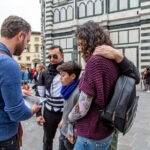
I also like that you’re not stuck guessing where to look. The meeting point is clear—Piazza di San Lorenzo, right by the church façade—with guides holding RED FLAGS, and the tour runs in English, Italian, or Spanish. Guides such as Elizabeth, Elizabetta, and Camilla have earned standout praise for making the walk fun and easy to follow, even for families.
In This Review
- Key Things I’d Book This For
- Medici Tales on Foot: Why This Florence Tour Feels Different
- Piazza di San Lorenzo Start: Getting Oriented Before the Walking Begins
- Basilica di San Lorenzo: Medici Influence Shows Up in Stone
- Palazzo Medici Riccardi: When a Family’s Money Becomes City Power
- Florence Duomo Complex and Giotto’s Bell Tower: Context Makes the Landmark Feel Bigger
- Brunelleschi’s Dome and the House of Dante: Science Meets Storytelling
- Palazzo Vecchio, Piazza della Signoria, and the Uffizi Gallery: Art, Politics, and Real Florence Energy
- Ponte Vecchio Finish: The Bridge Moment That Actually Lands
- Price and Value: What $1.13 Per Person Really Means
- Who This Tour Suits Best (and Who Might Want Something Else)
- Should You Book This Florence: Renaissance and Medici Tales Tour?
- FAQ
- Where does the tour start?
- How do I know I found the right guide?
- How early should I arrive?
- How long is the tour?
- What languages are offered?
- Is the tour wheelchair accessible?
- What’s included in the price?
- Is there a donation?
- Can I reserve now and pay later?
- What’s the cancellation policy?
Key Things I’d Book This For
- Story-first Medici tales that connect power, art, and everyday Florence.
- A tight 2-hour loop that hits landmark-after-landmark without feeling rushed.
- A guided Duomo route that helps you understand what you’re looking at.
- Palazzo-focused stops that show how the Medici shaped the city’s look and politics.
- Ponte Vecchio and Piazza della Signoria as a satisfying final payoff.
- Wheelchair accessible with a friendly group pace.
Medici Tales on Foot: Why This Florence Tour Feels Different
Florence is famous, but that can be a problem. When you only see what’s on postcards, the city can feel like a set of separate highlights. This tour tackles that issue with a clear theme: the Medici family, their influence, and how Renaissance art and ambition played out street by street.
The format matters. You’re not just “seeing” buildings. You’re walking through them in a sequence that builds meaning. The guide turns Florence into a timeline—about who had the power, what they wanted, and how art and architecture became part of the message. That kind of storytelling is what makes the two hours feel like more than the sum of the stops.
This tour also sounds designed for real sight-seeing. It’s a center-of-Florence walk with multiple major landmarks, plus lesser-known angles your eyes might miss on your own. At a price point listed as $1.13 per person, it’s also a serious value play—assuming you’re comfortable with a guided, time-boxed experience and the idea that a donation is how the guide is compensated (more on that later).
You can also read our reviews of more tours and experiences in Florence.
- Tuscany Day Trip from Florence: Siena, San Gimignano, Pisa and Lunch at a Winery
★ 5.0 · 21,634 reviews
Piazza di San Lorenzo Start: Getting Oriented Before the Walking Begins
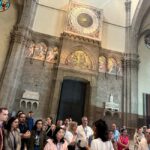
You’ll start in Piazza di San Lorenzo at the church façade—specifically not at the Medici Chapels. That’s a helpful detail because a lot of people arrive looking for the wrong entrance area and waste the first few minutes trying to regroup.
Plan to arrive about 15 minutes early. The guides stay at the meeting point for an extra 5–10 minutes to give a quick introduction. Also note the practical rule: the tour starts on time, and guides won’t be able to take calls or messages during the walk. So once you’re in the group, treat it like a focused experience—meet-up problems are the only kind you want to solve before you start.
Look for the guides with RED FLAGS. It’s an easy visual system, and it reduces the usual Florence chaos of trying to spot a small group in a big square.
Basilica di San Lorenzo: Medici Influence Shows Up in Stone
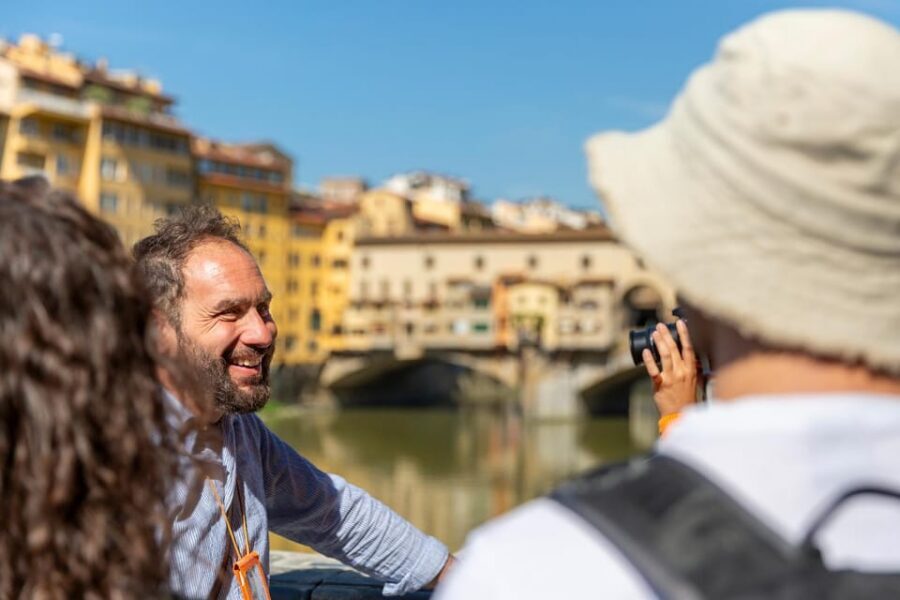
The Basilica of San Lorenzo is where the tour starts to put real weight behind the Medici theme. Even if you don’t know the family’s story yet, this stop sets the tone: Renaissance Florence wasn’t just about beauty. It was about patronage—who funded what, and why.
In this guided setting, you should expect the guide to connect the church to the Medici’s role in the city’s cultural identity. That matters because it changes how you look at religious architecture. Instead of treating it like a stand-alone landmark, you see it as part of a larger power story—one the Medici helped shape.
A practical consideration: churches can involve standing and moving through busy spaces. The tour is wheelchair accessible, but that doesn’t mean it’s a sit-down experience. If you need frequent breaks, keep that in mind and pace yourself with the group.
Palazzo Medici Riccardi: When a Family’s Money Becomes City Power
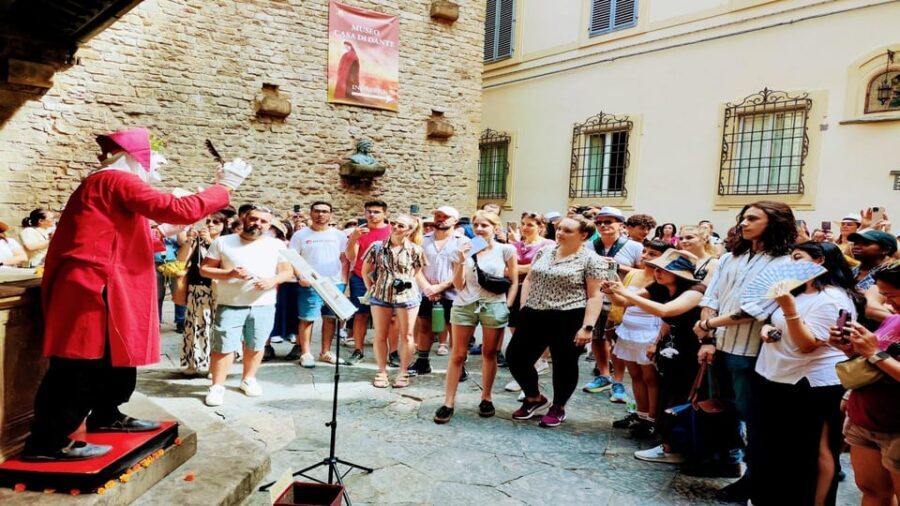
Next up is Palazzo Medici Riccardi. This is the kind of stop that makes the tour theme click. A palace isn’t just a pretty building. It’s a statement—about wealth, status, and influence made visible in the urban landscape.
Here’s what you’re likely to enjoy most: the guide should explain how the Medici family’s position helped shape Florence’s direction during the Renaissance. When that context is provided, even common exterior views can start to feel like clues. You’ll understand what you’re seeing instead of just recognizing it.
One small drawback to expect at this stop type: you’ll often be learning from the outside or from limited interior access. The payoff is that you keep moving through the city rather than losing time to long waits.
Florence Duomo Complex and Giotto’s Bell Tower: Context Makes the Landmark Feel Bigger
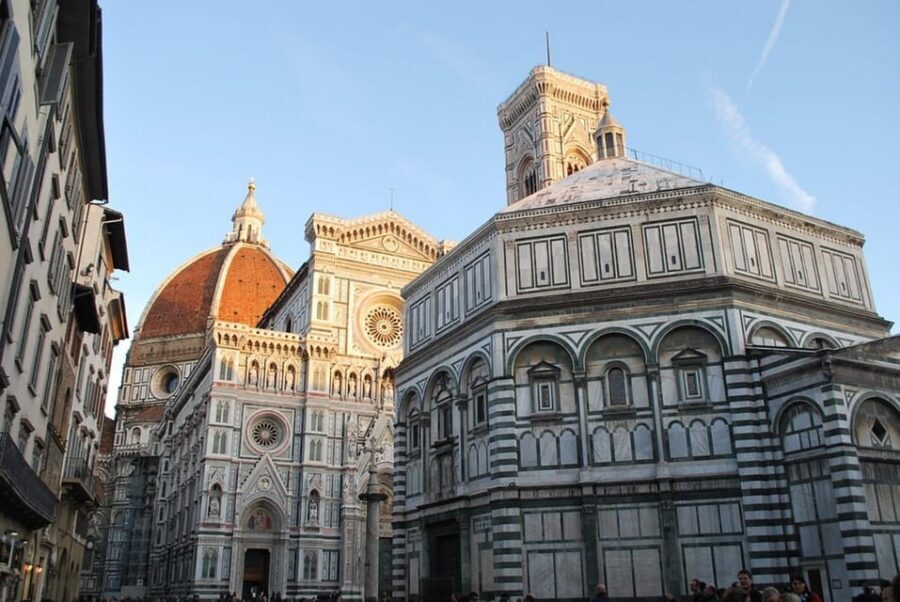
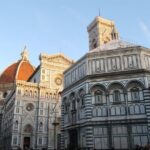
Then the tour reaches the Duomo complex area. This is one of those places where most people look up and take photos, then move on. With a guide, you’re more likely to notice details and understand why the site matters.
Giotto’s Bell Tower is a prime example. A guide can frame what makes it important in Renaissance visual culture and how it relates to the bigger cathedral setting. That turns the bell tower from a background skyline feature into part of the story you came for.
If you’re the type who gets decision fatigue in Florence, this is where you’ll appreciate the structure. Instead of figuring out what to prioritize, you’re led. And because this is only 2 hours total, the pace stays efficient.
- Tuscany Day Trip from Florence: Siena, San Gimignano, Pisa and Lunch at a Winery
★ 5.0 · 21,634 reviews

Brunelleschi’s Dome and the House of Dante: Science Meets Storytelling

Brunelleschi’s Dome is the next big Renaissance stop. This is where the tour’s theme broadens slightly—from Medici patronage to the Renaissance mindset itself. You’ll learn to look at engineering and design as achievements that reflect the era’s ambition.
Then comes the House of Dante. It shifts the tone from architecture to literature and cultural memory. Dante isn’t just a name on a school syllabus; he represents how Renaissance Florence preserved and shaped stories from the past while projecting new ideas into the future.
Together, these two stops work nicely because they cover two major “Renaissance brains”: the builders and the writers. If you like Florence as more than a museum city, this combination helps.
Palazzo Vecchio, Piazza della Signoria, and the Uffizi Gallery: Art, Politics, and Real Florence Energy
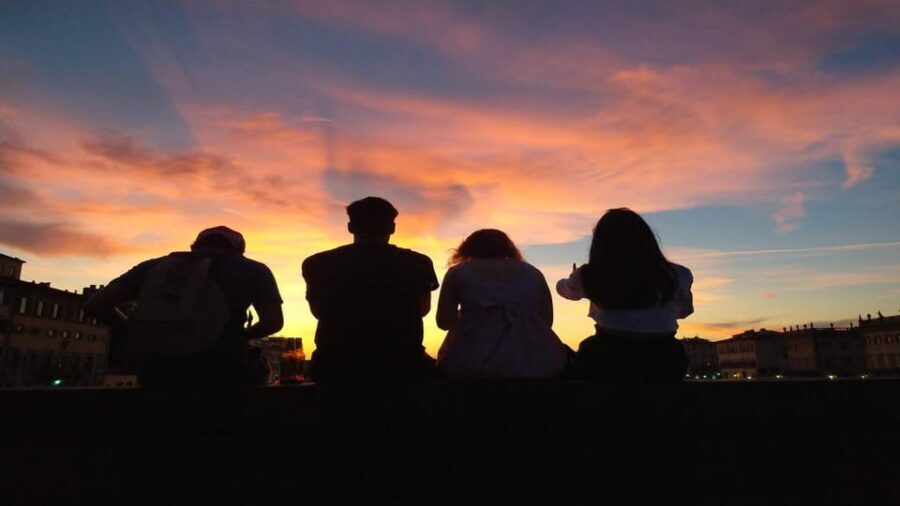
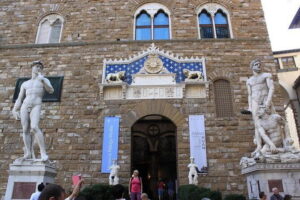
Now you move into the heart of political and civic Florence. Palazzo Vecchio is the kind of building that makes you feel the city used to run on power plays and public display. A guide can connect that civic identity back to the Medici era, which is exactly what you want from a Medici-themed tour.
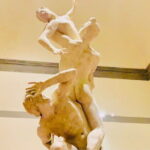
From there, you reach Piazza della Signoria. This square is a big open stage for art and influence. You’ll get to connect the dots between the civic setting and the Renaissance art world that the Medici helped support.
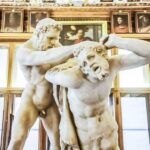
The tour also includes a guided stop at Uffizi Gallery. One practical caution: the tour information only lists the professional guide service as included, not entrance. So it’s smart to verify what site entry is covered when you book. In many cases, a guided “gallery time” needs a ticket. You don’t want a surprise right before the Uffizi portion.
Even so, the value here is the pairing. You don’t just show up to Uffizi as a line at a museum. You arrive with context about why the Medici mattered and how Renaissance power turned into art collecting and public presence.
Ponte Vecchio Finish: The Bridge Moment That Actually Lands
Finally, you reach Ponte Vecchio. It’s the Florence bridge everyone recognizes, but guided context can make it feel less like a cliché and more like a real city function. The guide can help you read what you’re seeing—how it fits into the city’s layout and why it became such a signature.
After that, the tour finishes at Piazza della Signoria. The activity details also mention it ends back at the meeting point. Because both are listed, expect the guide to confirm the exact wrap-up point and timing once you’re there.
Either way, the ending area puts you right back in the center where it’s easy to keep wandering on your own—cafés, viewpoints, and the next round of “wait, I get it now” moments.
Price and Value: What $1.13 Per Person Really Means
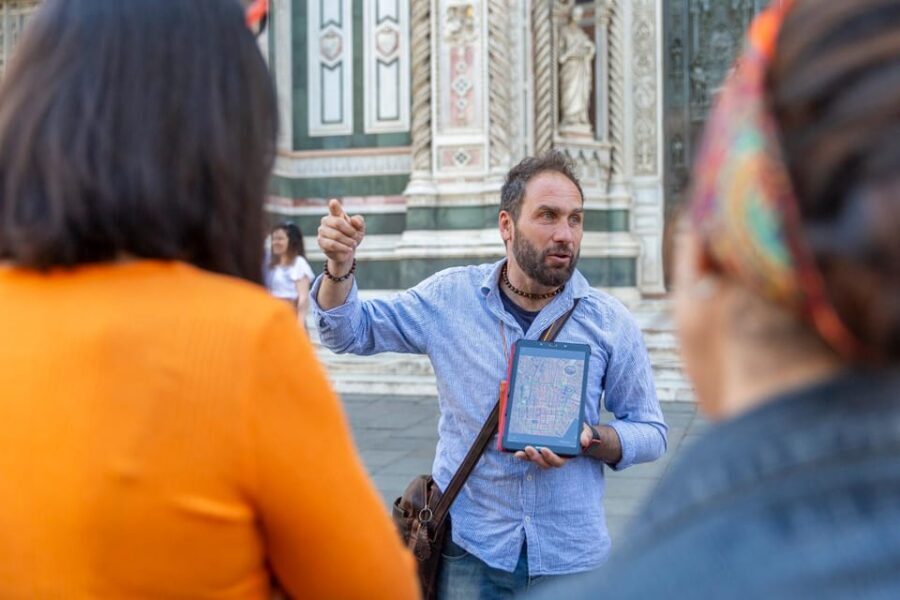
Let’s talk value honestly. The price is listed as $1.13 per person and the duration is 2 hours. That’s extremely low for a guided walk that covers multiple landmark stops.
What’s the trade-off? Two things show up in the tour details:
- The included part is the professional guide service. Site entry costs are not specified as included.
- There’s an optional donation at the end, and the information says these contributions are the only way guides are compensated for their work.
So what you’re paying for is guidance, pacing, storytelling, and local interpretation—not necessarily paid admissions. If you’re the kind of traveler who learns fastest through a good narrative and wants to feel grounded quickly in Florence, this can be a great deal.
If you’re looking for a slow, ticket-heavy experience where you sit in galleries for hours, you might find 2 hours too short. But for first-time Florence orientation with a Medici storyline, it’s a strong format.
Who This Tour Suits Best (and Who Might Want Something Else)
This is a great pick if you:
- Want a short Florence tour that still feels meaningful
- Like guided storytelling that connects people (the Medici) to places (cathedrals, palaces, squares)
- Prefer a plan that helps you see what matters without spending your whole day researching
- Appreciate a friendly group pace and a guide who can keep attention
It’s also a good family option. The tour gets praise for being engaging and fun to follow, and at least one family specifically mentioned their daughters enjoyed it—so it’s not just for art history experts.
Consider a different style of tour if you:
- Want long time inside major sites like the Uffizi, or deep museum hours
- Get frustrated by walking and standing for stretches
- Need a slow, unstructured route with lots of independent wandering time
Should You Book This Florence: Renaissance and Medici Tales Tour?
Book it if you want a Medici-centered Florence story and you value an efficient 2-hour route that helps you understand what you’re looking at. The best reason to choose it is the combination of big-name Renaissance stops with a guide who keeps the theme coherent—people, art, power, and how Florence became what it is.
Skip it if you need museum time that stretches for hours, or if you strongly prefer a no-guidance visit where you control every stop with tickets and pace. Since the guide service is what’s explicitly included, you’ll want to confirm any site entry expectations when you book.
If you do book: arrive on time at Piazza di San Lorenzo, find your guide with the RED FLAGS, and be ready for the walk to feel like a story you can actually follow.
FAQ
Where does the tour start?
The tour starts in Piazza di San Lorenzo, in front of the church façade (not the Medici Chapels).
How do I know I found the right guide?
Look for the guides holding RED FLAGS and show your booking.
How early should I arrive?
Arrive 15 minutes early. The guides stay at the meeting point for an extra 5–10 minutes for a quick introduction.
How long is the tour?
The duration is 2 hours.
What languages are offered?
The live tour guide is available in English, Italian, and Spanish.
Is the tour wheelchair accessible?
Yes, the tour is listed as wheelchair accessible.
What’s included in the price?
The included item is the professional tour guide service.
Is there a donation?
There is no obligation, but you’re free to offer a donation at the end if you want to remunerate the guide. The tour info notes contributions are the only way guides are compensated.
Can I reserve now and pay later?
Yes. The tour offers Reserve now & pay later, with pay nothing today.
What’s the cancellation policy?
You can cancel up to 24 hours in advance for a full refund.
You Might Also Enjoy


More Tours in Florence
- The Best tour in Florence: Renaissance & Medici Tales – guided by a STORYTELLER
★ 5.0 · 12,316 reviews

More Tour Reviews in Florence
- Tuscany Day Trip from Florence: Siena, San Gimignano, Pisa and Lunch at a Winery
★ 5.0 · 21,634 reviews - The Best tour in Florence: Renaissance & Medici Tales – guided by a STORYTELLER
★ 5.0 · 12,316 reviews