REVIEW · FLORENCE
Afternoon Access to Accademia Gallery: David & Stradivarius
Book on GetYourGuide →Operated by Keys of Italy · Bookable on GetYourGuide
Skip lines and meet David and Stradivari.
This afternoon guided visit to the Accademia Gallery is built around more than one famous face: you’ll get skip-the-line entry, then move from musical-instrument treasures to Michelangelo’s David, with a guide who keeps the story moving.
I love how the tour doesn’t treat the Accademia like a one-stop statue photo. I also like that you’ll see both an original Stradivarius from 1690 and an instrument linked to the birth of the modern piano, not just sculpture.
One possible drawback: at this pace (about 70 minutes), you won’t have hours to linger in every room, so if you want slow, quiet wandering, you may feel a bit rushed.
In This Review
- Key Things You’ll Appreciate
- Your 3:15 PM Game Plan at Accademia Gallery
- Conservatorio Luigi Cherubini: Stradivari and the First Modern Piano
- The David Room: Seeing Michelangelo’s Symbol with Context
- How the Guide Makes the Museum Feel Personal (and Fast)
- Why the Small Group (Up to 9) Changes Everything
- Price and Value: What $80 Gets You (and What It Doesn’t)
- Who This Tour Fits Best in Florence
- A Quick Note on the First Sunday Free-Entry Rule
- Should You Book This Afternoon David and Stradivarius Tour?
- FAQ
- How long is the Accademia Gallery afternoon tour?
- What time does the tour start?
- How many people are in the group?
- Is this tour in English?
- What is included in the ticket?
- Where do we meet the guide?
- Is it free to enter the Accademia on the first Sunday of the month?
- Can I cancel?
Key Things You’ll Appreciate
- Skip-the-line access so your time in the Accademia goes to looking, not waiting.
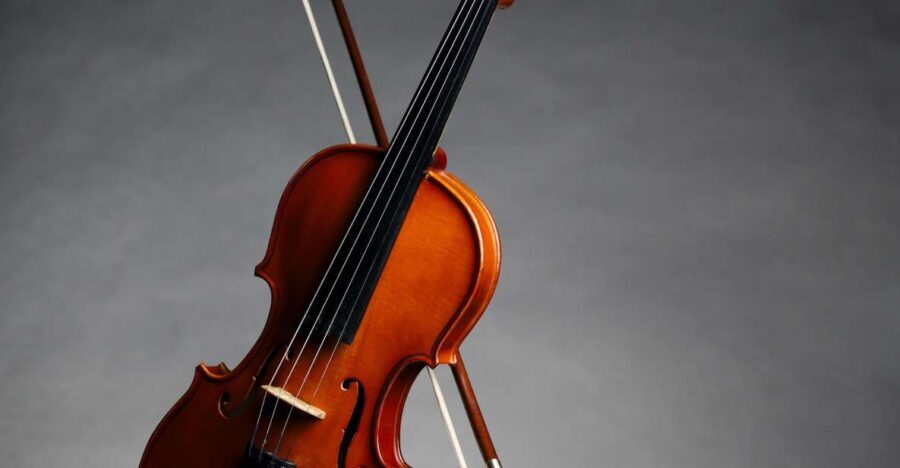
- Stradivari + first modern piano displayed as part of the Conservatorio Luigi Cherubini collection.
- Michelangelo’s David presented with context, so you understand why it matters in Florence.
- A small group of up to 9 that helps keep the tour focused and manageable.
- English-speaking, specialist-style guiding with entertaining anecdotes and museum secrets.
- An afternoon slot that’s practical when you want a concentrated museum hit.
Your 3:15 PM Game Plan at Accademia Gallery
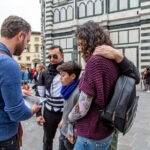
This is a tight, efficient 70-minute tour that starts in the afternoon. You meet at 3:00 PM right in front of the main entrance to the Accademia Gallery, beside the ticket office in building number 47 (blue), and your guide holds a Keys of Italy sign.
The tour starts at 3:15 PM sharp, so I’d treat 3:00 PM as your buffer. Once you’re inside, the whole experience is about moving deliberately: you’re not doing a full museum marathon. You’re getting the Accademia’s biggest draw, plus a couple of “wait, what?” artifacts that many people walk right past on their own.
If you’re in Florence for a short stay, this kind of focused access is a smart use of time. You still get the main centerpiece—David—but you also get a broader sense of how the Accademia’s collections connect to Florence’s craft, innovation, and artistic legacy.
You can also read our reviews of more museum experiences in Florence
Conservatorio Luigi Cherubini: Stradivari and the First Modern Piano
Here’s the part I’d circle even if you’re only coming for sculpture: the tour includes the Accademia’s musical-instruments collection tied to the Conservatorio Luigi Cherubini. This section is exactly the kind of detail that makes a museum visit feel newly alive, because it pushes you past the expected checklist.
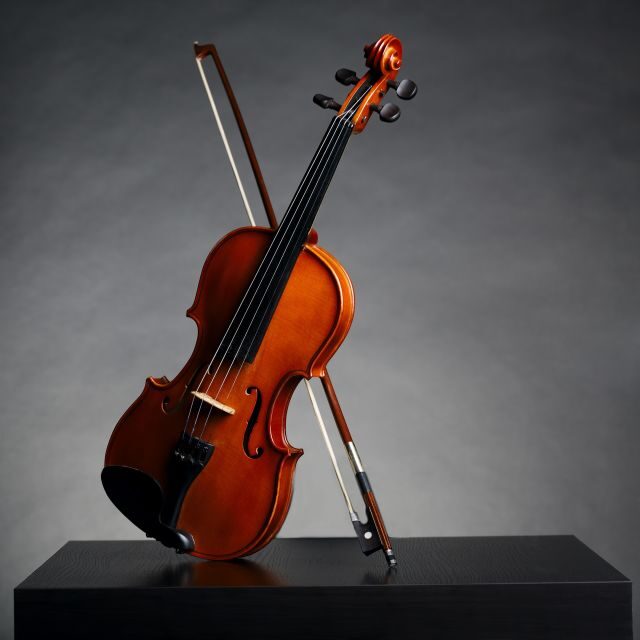
You’ll see an original Stradivarius violin from 1690, made by Antonio Stradivari for the Great Prince. That specific date and patron matter. They turn the violin from a generic famous-name object into something with a clear historical trail.
Then you’ll also encounter the first modern piano, invented in Florence. The tour frames this as a genuine Florence milestone, not a side note. Even if you’re not a music person, it helps you notice how the Accademia isn’t only about sculptors—it’s also a place where craftsmanship and invention sit side by side with art.
The value of this stop is simple: you get variety without “extra sightseeing homework.” In about a short segment, you’re seeing precision, sound, and innovation inside the same museum visit that includes David.
The David Room: Seeing Michelangelo’s Symbol with Context
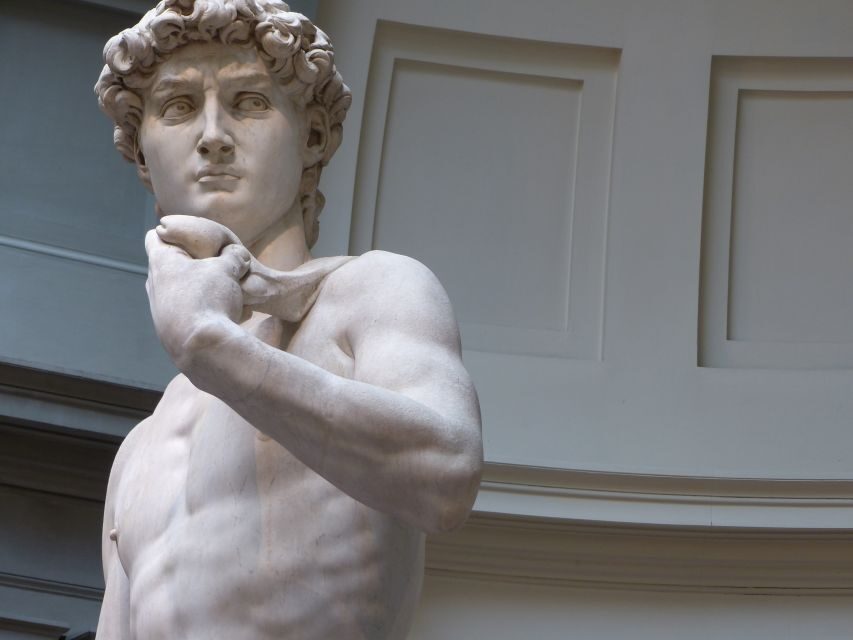
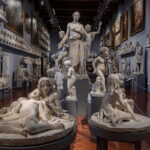
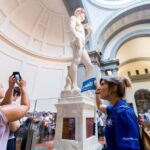
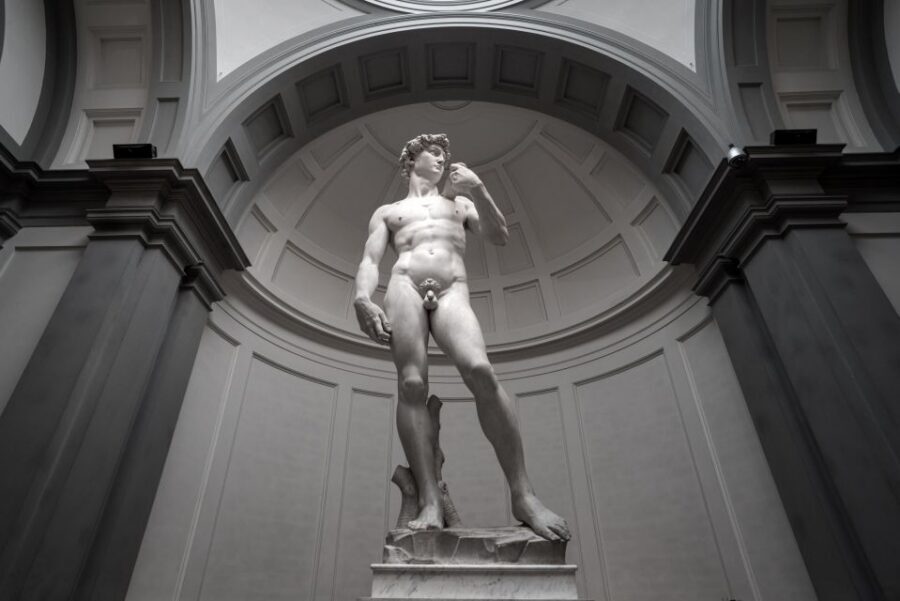
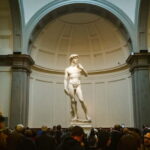
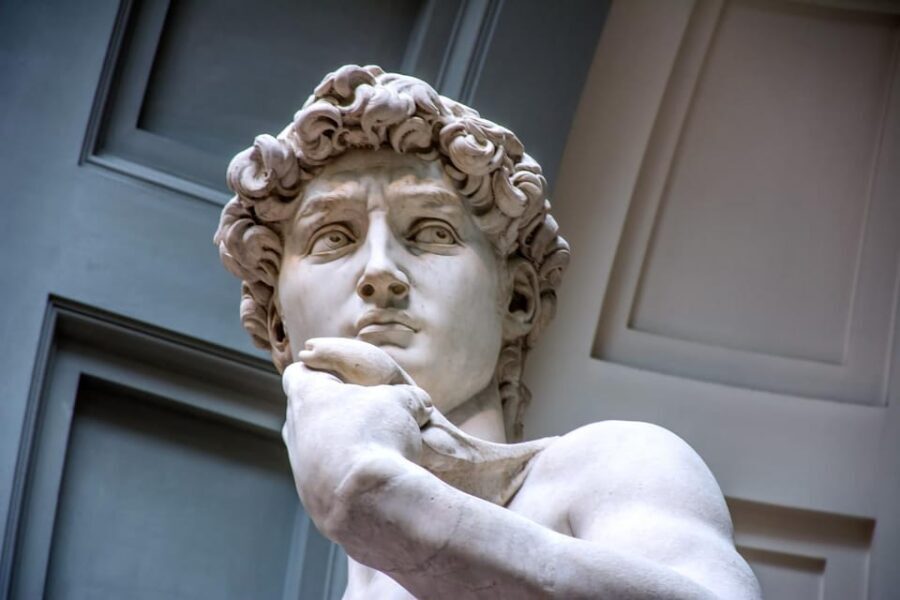
After the instruments, the tour moves through the museum’s other treasures, including a room filled with Michelangelo’s works. This is where you get the big moment: Michelangelo’s David, the symbol of Florence.
A lot of people arrive having seen David in pictures a thousand times. What makes the guided approach useful is that it doesn’t just point at the statue—it gives you the why behind the impact. The guide’s job is to help you read the sculpture, not just view it.
You’ll also get entertaining anecdotes and secrets, which is more than a fun add-on. It changes how you look. Instead of treating David as a static icon, you start picking up the details the guide highlights, like how the work became an emblem for the city and what that says about Florence’s self-image.
One practical note: because this tour is only 70 minutes total, David is part of a planned flow. You’ll want to come ready to look with intention when you arrive—take in the sculpture, then let the guide’s commentary guide your attention.
How the Guide Makes the Museum Feel Personal (and Fast)
This tour is built on a small-group format with an English-speaking guide, and the guiding style is a big reason the experience earns such strong marks. Guides are praised for being engaged, for bringing history to life, and for keeping commentary steady rather than turning quiet.
You’ll see examples of that in the guide names mentioned in the tour’s past experiences, including Elisabetta and Leonardo. Both were described as enthusiastic and active during the visit, with Leonardo noted for his passion for Florence and Elisabetta praised for holding the group’s attention the whole way through.
I also appreciate how this kind of guide can handle the practical moments smoothly. In one described experience, the guide even helped take a group picture when asked. That’s small, but it matters when you’re trying to get your Florence memories without slowing down your whole day.
The tour also signals that it’s been developed with art-history specialists. I take that to mean the commentary is organized: you get enough context to feel oriented, but you’re not stuck in a lecture. The pacing works for a short afternoon slot.
Why the Small Group (Up to 9) Changes Everything
The group size is limited to 9 participants, which is ideal for a museum experience where you want real interaction. In a bigger group, you usually can’t hear well, and you don’t get enough time to ask a question. Here, the guide can keep your attention on the objects without constantly stopping and restarting.
For you, that matters because the tour covers multiple “headline” stops in a short time: the Stradivarius and first modern piano segment, then the Michelangelo rooms, then David. When a tour compresses a lot, you want a guide who can keep the flow—and a smaller group is one of the best ways to make that feel smooth.
It also helps your viewing. You spend less time standing around waiting for the whole group to catch up. You get to settle into the viewing moment, then move on with understanding, not just with a list of names.
- Tuscany Day Trip from Florence: Siena, San Gimignano, Pisa and Lunch at a Winery
★ 5.0 · 21,634 reviews

Price and Value: What $80 Gets You (and What It Doesn’t)
At $80 per person for about 70 minutes, this is not a bargain “museum ticket.” It’s a guided experience with skip-the-line entry, and that changes what you’re paying for.
You’re paying for three things working together:
- Skip-the-line access to reduce wasted time.
- A certified professional guide delivering context and anecdotes.
- Access to a focused set of major highlights, including musical-instrument history that most self-guided visits may miss.
If your schedule is tight, the value is strong. You get the Accademia’s signature piece (David) plus the Conservatorio Luigi Cherubini instrument treasures, including the 1690 Stradivarius violin and the first modern piano. That’s a lot of “wow” in a short block, and it’s the kind of mix that makes a museum day feel richer than the usual statue-only plan.
If you have unlimited time and you enjoy wandering without structure, you might prefer a DIY approach. But if you want the museum to make sense quickly—especially if this is one of your only museum stops in Florence—this guided format justifies the cost.
Who This Tour Fits Best in Florence
This tour is a good match if you want a concentrated afternoon with big Florence nameplates and a couple of smart surprises. It’s also ideal if you prefer English commentary and don’t want to figure out the meaning of objects on your own.
I’d especially recommend it if you’re the type who likes variety within one museum visit. The combination of David, Stradivari, and the first modern piano gives you sculpture plus music history plus the idea of Florence as a place of artistry and invention.
It can also work well for visitors who want to see the Accademia without dedicating a full day. The 70-minute length is designed for that: you get the must-sees and the meaningful extras, without the long museum marathon.
A Quick Note on the First Sunday Free-Entry Rule
On the first Sunday of each month, entrance is free of charge. But because tickets can’t be reserved ahead of time, entry is not guaranteed. If you’re visiting on that day, it’s safer to treat your plan as flexible and don’t assume you’ll automatically get in.
Should You Book This Afternoon David and Stradivarius Tour?
I’d book it if:
- You want skip-the-line access and a timed start (3:15 PM).
- You care about understanding what you’re looking at, not just seeing David.
- You’ll appreciate the surprise turn toward musical instruments, including the 1690 Stradivarius and the first modern piano.
I’d think twice if:
- You want lots of free time to linger in each room at your own slow pace.
- You plan to spend hours beyond David and aren’t interested in the instrument collection.
For most Florence visitors who want maximum impact with minimal fuss, this is a strong, efficient choice.
FAQ
How long is the Accademia Gallery afternoon tour?
The tour lasts about 70 minutes.
What time does the tour start?
The meeting point is at 3:00 PM, and the tour starts at 3:15 PM sharp.
How many people are in the group?
The group is limited to 9 participants.
Is this tour in English?
Yes, it includes a live tour guide in English.
What is included in the ticket?
You get admission with skip-the-line entrance plus a professional certified guide.
Where do we meet the guide?
Meet in front of the main entrance to the Accademia Gallery, beside the ticket office (building number 47 blue). Your guide holds a Keys of Italy sign.
Is it free to enter the Accademia on the first Sunday of the month?
Yes, on the first Sunday of each month entrance is free, but tickets can’t be reserved in advance, so entry is not guaranteed.
Can I cancel?
Free cancellation is available up to 24 hours in advance for a full refund.
You Might Also Enjoy

More Museum Experiences in Florence
More Tour Reviews in Florence
- Tuscany Day Trip from Florence: Siena, San Gimignano, Pisa and Lunch at a Winery
★ 5.0 · 21,634 reviews - The Best tour in Florence: Renaissance & Medici Tales – guided by a STORYTELLER
★ 5.0 · 12,316 reviews