
REVIEW · FLORENCE
Boboli Garden Guided Tour in Florence
Book on GetYourGuide →Operated by StarEurope Tours · Bookable on GetYourGuide
A garden this big, with this much sculpture, needs a plan. This guided walk through Boboli Gardens makes the place make sense fast, especially with stops like the Artichoke fountain and the Giambologna waterworks. I like that you get a clear route from the Pitti Palace side to the hilltop moments and back down via the Viottolone. One possible drawback: it moves at a steady pace, and if you show up late you may miss the start and won’t be able to join.
In my view, the best part is how the tour strings together big visual highlights into a real story: royal garden design, forced perspective, and the art that turns water and stone into drama. You’ll also hear your guide through a radio system, which matters in outdoor spaces where voices get swallowed. Still, on some days—especially with heavy rain—the gardens don’t run, so you’ll want a little weather flexibility.
In This Review
- Key Things to Know Before You Go
- Entering Boboli Gardens: Pitti Palace Courtyard First
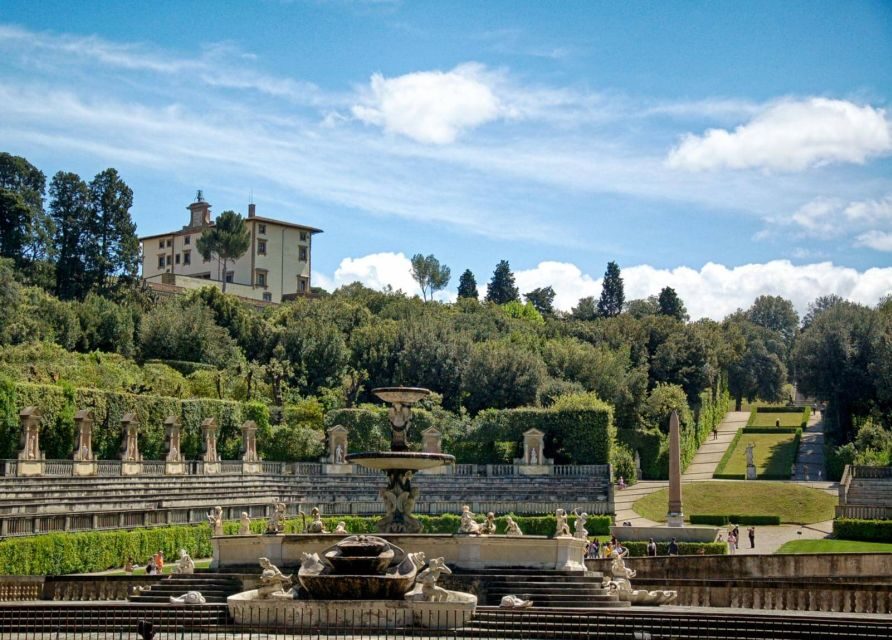
- The Artichoke Fountain and the Amphitheatre: A Garden That Puts on a Show
- Up the Hill: Neptune’s Fountain and Giambologna’s Abundance
- Down the Viottolone: Cypress Shade and the Ocean Fountain
- Michelangelo’s Garden, the Kaffeehaus, and the Buontalenti Grotto
- How the 1-Hour Tour Works (So You Don’t Feel Rushed)
- Price and Value: Is $65 Worth It in Florence?
- Practical Tips to Avoid the Common Headaches
- Should You Book the Boboli Gardens Guided Tour?
- FAQ
- FAQ
- Where does the Boboli Gardens tour start?
- How long is the guided Boboli Gardens tour?
- What does the $65 price include?
- Is the wine-tasting upgrade longer than the garden tour?
- What are some of the main stops on the tour?
- What should I bring with me?
- Is the tour wheelchair accessible?
- What’s not allowed during the tour?
- What happens if it rains heavily?
- What if I arrive after the tour starts?
- Can the tour be canceled if there aren’t enough guests?
Key Things to Know Before You Go
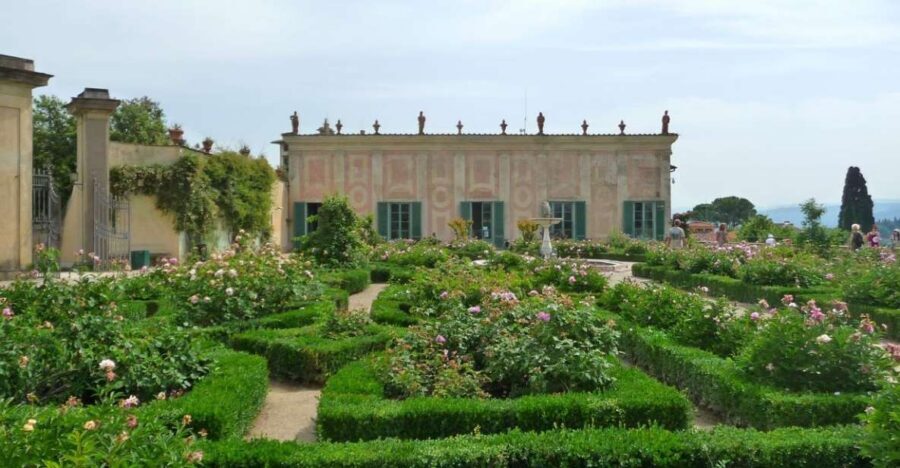
- Official certified guide: You’re not wandering and guessing; you get context for the sculptures and layout.
- Radio system included: Makes a huge difference when you’re climbing, descending, and moving with the group.
- Route is built around major landmarks: Artichoke fountain, Neptune’s fountain, Abundance, then down to the Ocean fountain.
- You see the garden in one tight hour: Great when your Florence schedule is packed.
- Michelangelo and Giambologna show up in the main stops: You’ll connect names to places quickly.
- Wine upgrade is a separate experience: If you choose it, expect a longer outing and a different meeting point for the tasting.
Entering Boboli Gardens: Pitti Palace Courtyard First
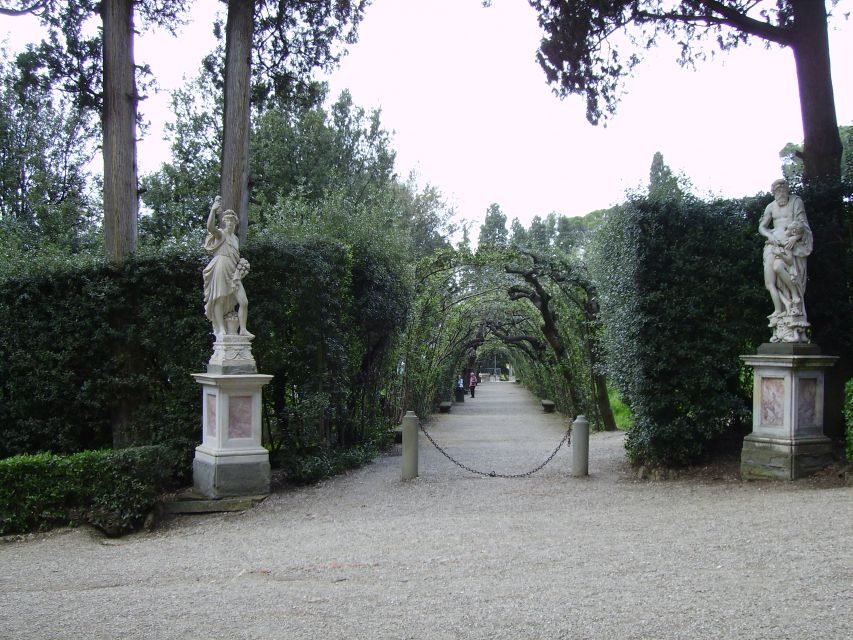
Your tour starts at the Central Gate in Piazza de’ Pitti, and you’ll want to arrive about 15 minutes early. That buffer isn’t just for punctuality; it’s because groups form, tickets get checked, and then you’re walking. If you’re even a little late, the rules are strict: arriving after the start time means you can’t join and won’t be refunded or rescheduled.
The first setting is the Pitti Palace courtyard, which is a good way to begin because Boboli doesn’t feel like an isolated park. It feels like a planned extension of power and taste. From the moment you step in, you’ll see how the garden was designed to choreograph your movement—views, reveals, and sudden changes in elevation.
Also, plan on comfortable shoes. The tour route includes steep sections and a lot of outdoor walking. If you’re bringing a bag, keep it small—oversize luggage and large bags aren’t allowed.
You can also read our reviews of more guided tours in Florence
- The Best tour in Florence: Renaissance & Medici Tales – guided by a STORYTELLER
★ 5.0 · 12,316 reviews



The Artichoke Fountain and the Amphitheatre: A Garden That Puts on a Show
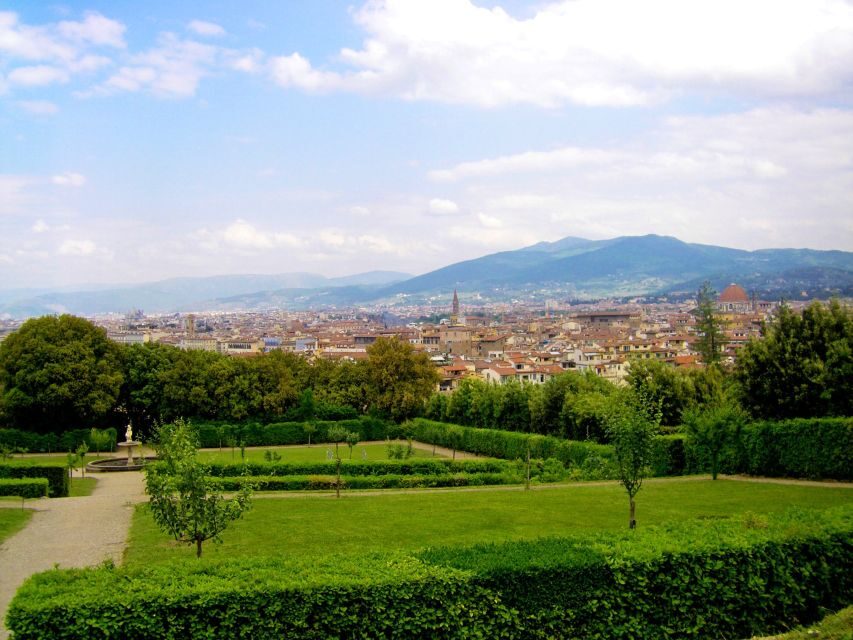
Right away, you’ll face one of Boboli’s signature sights: the octagonal basin with statues and the bronze lily on top. It’s nicknamed the Artichoke fountain, and even if you don’t know the story, you’ll understand why it’s memorable. It’s bold, central, and it sets the tone: this is a garden built like theatre.
Next comes the Amphitheatre, described as the first phase of the Italianate garden design. This matters because you’re not just collecting pretty scenery—you’re learning how the whole layout works. Amphitheatres in gardens aren’t there by accident. They’re meant for watching, gathering, and creating a sense of ceremony.
As you move, notice how the route begins to “pull” you up. The garden isn’t flat, and your guide will help you understand why that matters. In Boboli, the climb isn’t punishment. It’s part of the design.
If you’re short on time, this early section is a big win. You’ll leave with a mental map by the time you hit the big-name fountains.
Up the Hill: Neptune’s Fountain and Giambologna’s Abundance
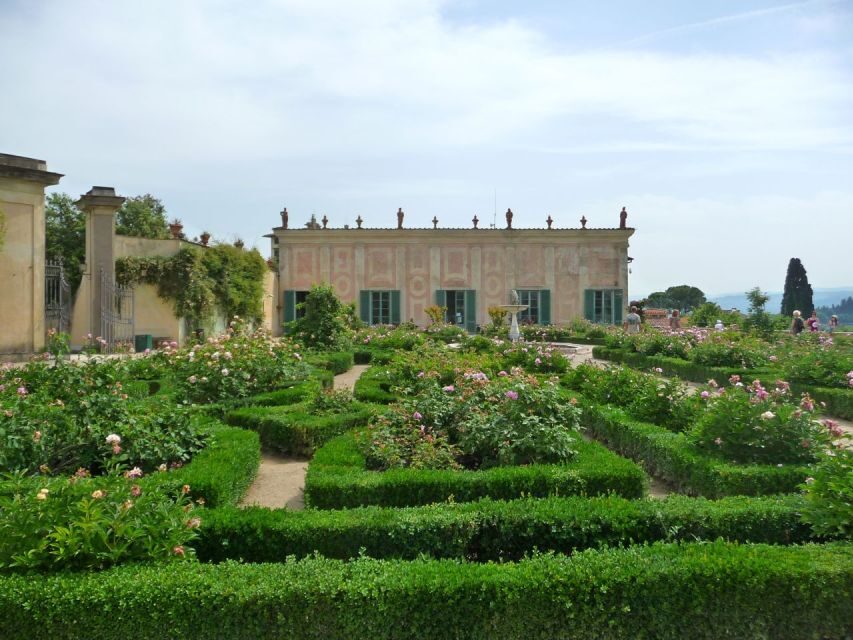
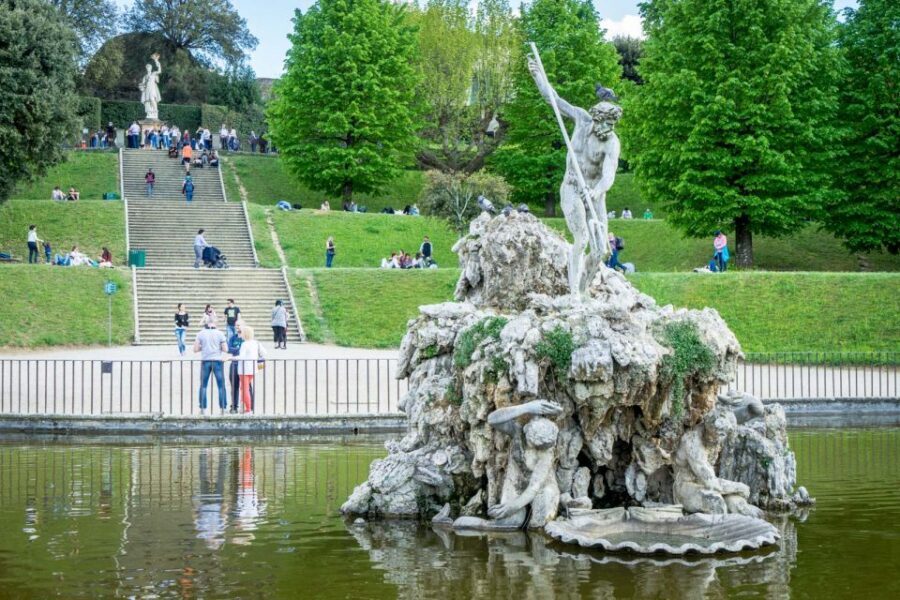
The middle stretch is where Boboli earns its reputation. As you climb, you’ll reach Neptune’s Fountain, and higher still you’ll see the big statue of Abundance, created by Giambologna.
What I like about these stops is that the guide connects the sculpture to the experience you’re having in the moment. Neptune fits the whole garden-water theme perfectly, and Abundance gives you that royal, myth-and-prosperity feeling. The hilltop location turns the artwork into something more than an object: it becomes a viewpoint and a payoff.
A practical note: this part is uphill. If your pace is slower, don’t panic—this is why the group stays together. Just keep an eye on footing and don’t rush. You’ll enjoy the fountains more when you’re not gasping for air.
The upside of the climb is that you get a clear sense of Boboli’s structure. Once you understand where the hilltop moments are, everything you see on the way down clicks into place.
Down the Viottolone: Cypress Shade and the Ocean Fountain
Now you do the smarter thing: you descend.
The guide takes you back down via the Viottolone, a large avenue lined with cypresses and dotted with statuettes. This is one of those garden paths that feels designed to slow you down without feeling boring. The cypresses create a tunnel effect, and the sculptures act like “beats” along the way.
Then you reach the Isolotto, a pond area with a fountain known as The Ocean, created by Giambologna. This is a key emotional shift in the tour. Up on the hill you’re surrounded by statues and mythic symbolism; here you’re surrounded by water, reflection, and scale.
Even if you’ve seen fountain photos before, seeing The Ocean in context is different. It’s the kind of spot where you stop naturally, look around, and realize the garden is built to make you change perspective again and again.
One more reason this section is so valuable: it helps you understand Boboli’s “movement design.” You’re not just seeing highlights. You’re watching the garden’s engineering of your attention.
Michelangelo’s Garden, the Kaffeehaus, and the Buontalenti Grotto
The final stops are the finishing course: Giardino del Cavaliere, the Kaffeehaus, and the Buontalenti Grotto.
Giardino del Cavaliere is credited to Michelangelo. That alone is reason to pay attention, but what makes it interesting is how it fits the overall garden plan. It’s not just a named designer moment—it’s another piece in the puzzle of how the garden balances formality with surprise.
Then you’ll encounter the Kaffeehaus. The name might sound casual, but in Boboli it’s part of the same culture-of-rooms-and-respite concept as the rest of the garden. Even without going into architectural backstory you can usually sense the function: it’s a place for pausing, conversation, and changing from walking mode to seeing mode.
Finally, you’ll reach one of the most visually theatrical stops: the Buontalenti Grotto. It’s described as a marvel made from limestone concrete stalactites, shells, and terracotta reliefs, with water features adding liveliness and color. This is where the garden stops feeling like a museum and starts feeling like an interactive set.
If you love details—stone textures, the way reliefs catch light, and how water becomes part of the sculpture—this is the stop you’ll remember later when you look back at your photos.
- Tuscany Day Trip from Florence: Siena, San Gimignano, Pisa and Lunch at a Winery
★ 5.0 · 21,634 reviews




How the 1-Hour Tour Works (So You Don’t Feel Rushed)
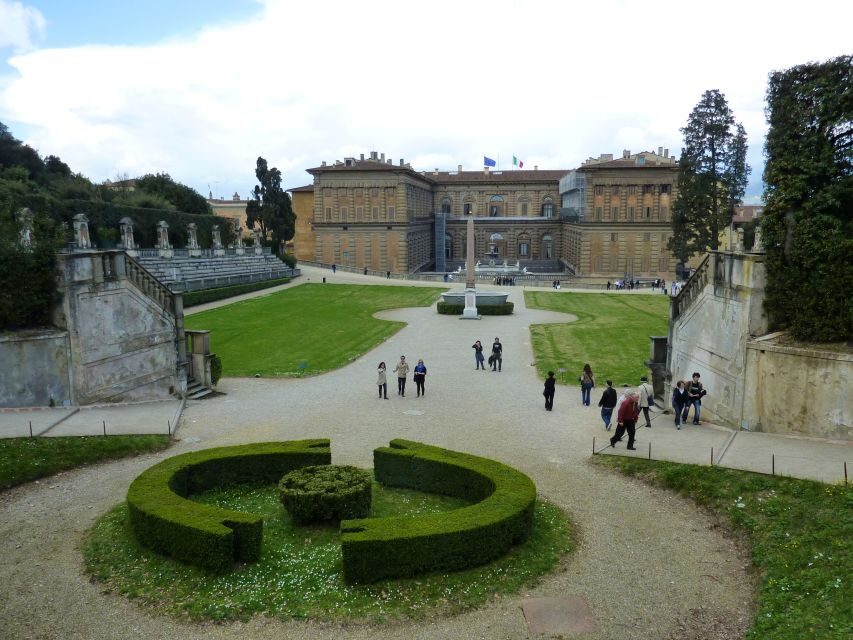
This is a one-hour tour, and that time window is both the strength and the challenge.
The strength: it’s structured. You’re going to hit the garden’s most famous moments without spending half a day navigating. If you’re juggling Florence sites—Pitti Palace, Duomo area, Ponte Vecchio—this gives you a way to fit Boboli in without turning your legs into sandpaper.
The challenge: the route is active. You’ll be walking, and you’ll be moving between levels. If you’re someone who likes to linger, you’ll still get great views—but you’ll have less free time to wander on your own. For best results, come ready with comfortable shoes and a good attitude toward a steady pace.
There’s also a radio system included, which helps a lot when you’re moving. It’s also worth noting that one complaint reported microphone issues and trouble hearing the guide. That’s not the typical experience, but it’s a reminder: if sound is off during your tour, speak up quickly so the provider can fix it.
Price and Value: Is $65 Worth It in Florence?
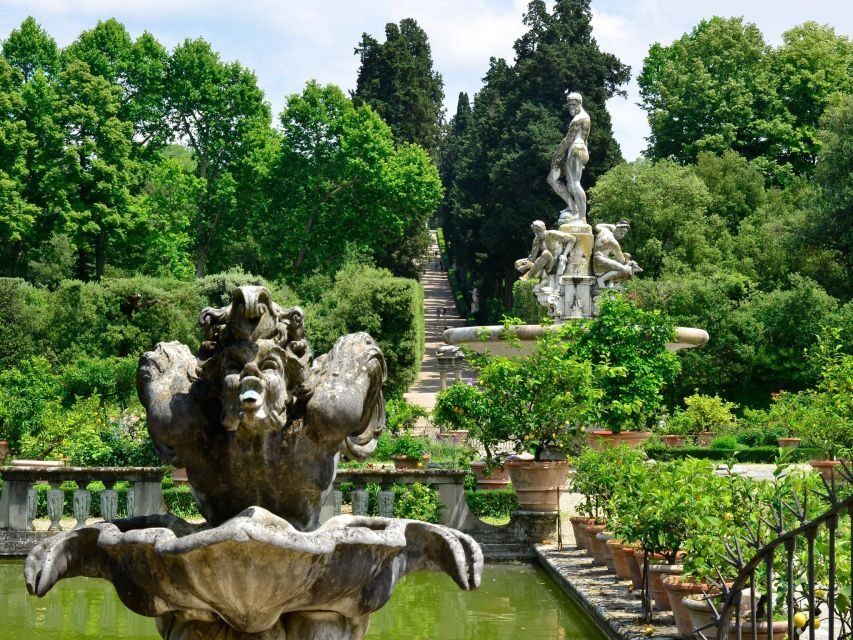
The price is $65 per person for the 1-hour guided garden tour, with tickets to Boboli Gardens reserved in your name.
Here’s how I think about value:
- You’re paying for an official guide plus a radio system, not just a ticket. That’s important at Boboli because the garden is huge and the sculpture garden story is not obvious if you’re on your own.
- You’re buying time. One hour is enough to hit major landmarks, but it’s also short enough to keep Florence from swallowing your whole day.
- You’re paying for reduced decision fatigue. You don’t have to pick which fountains matter most. The route is built for first-time visitors.
If you’re the kind of person who wants to see the big sculptures plus understand why they’re placed where they are, this is a strong deal. If you prefer slow wandering with no guidance, you might feel “guided” rather than “free.” In that case, you could be happier with a self-guided visit.
There’s also an optional wine-tasting upgrade that extends the experience to about 1.5 hours. In that version, a wine expert leads tastings of different Tuscan wines alongside Tuscan appetizers. If wine is a big part of your Tuscany trip, that upgrade can turn a good garden tour into a fuller cultural stop.
Practical Tips to Avoid the Common Headaches
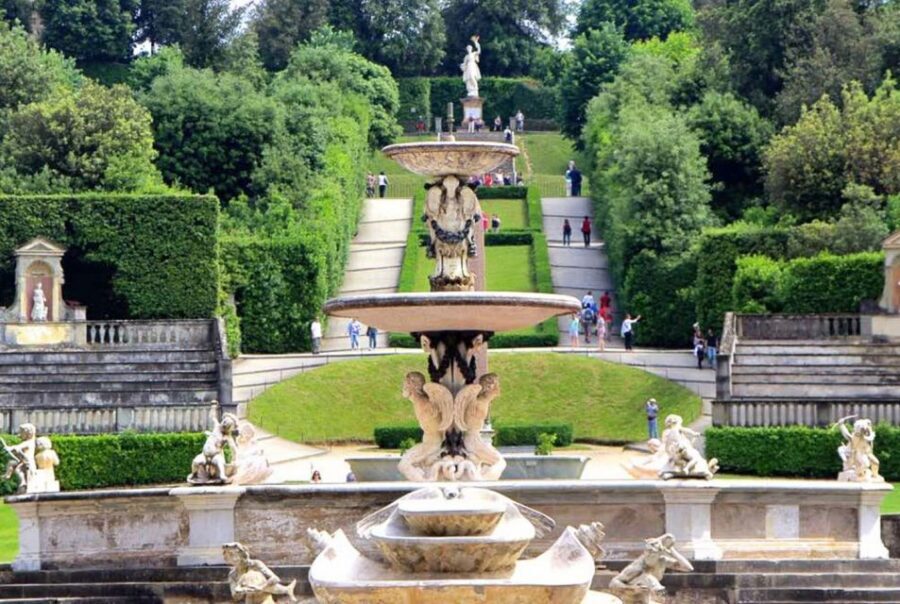
A few details can make or break this kind of tour.
First, arrive early. The meeting point is in front of the Central Gate in Piazza de’ Pitti, and the tour won’t wait long. If you arrive after the start time, you can’t join and you won’t get your money back.
Second, keep your load light. Oversize luggage and large bags are not allowed, and the garden route benefits from hands-free walking.
Third, dress for weather. Boboli Gardens can close or change operations during heavy rain. If it’s canceled due to poor weather, you’ll be offered an alternative date or a full refund. If your schedule is tight, build in some flexibility.
Fourth, language is covered. The guide is available in English, Italian, French, German, and Spanish, and the radio system helps everyone follow along even when accents or outdoor acoustics get tricky.
Finally, mobility support is a plus: the tour is wheelchair accessible, and strollers are also accessible.
One last note from a real cautionary tale: there was a reported experience where the sound system didn’t work and the tour seemed much shorter than expected. Most tours run smoothly, but if anything feels off—like you can’t hear the guide—flag it immediately rather than waiting it out.
Should You Book the Boboli Gardens Guided Tour?
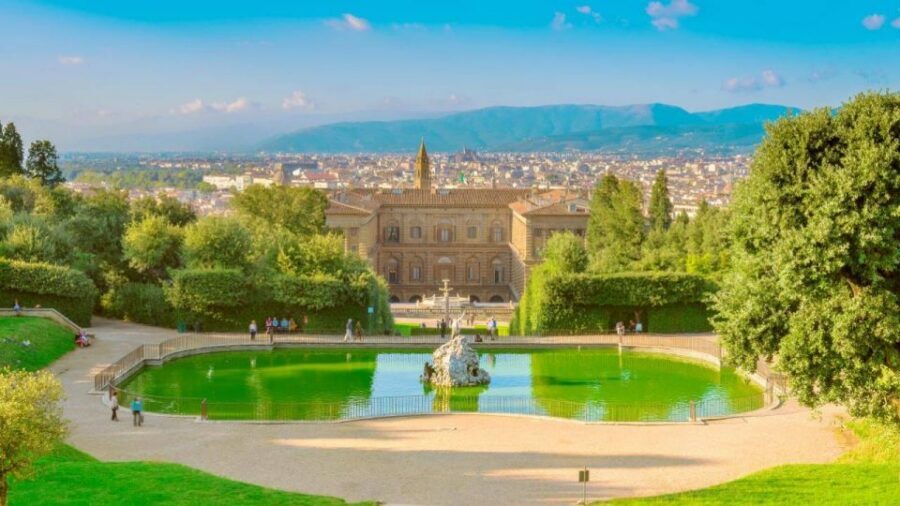
I think you should book if you want a first-time-friendly, highlight-focused Boboli visit with real context. The hour-long structure is ideal when you want the Artichoke fountain, Neptune’s fountain, Abundance, the Viottolone descent, and Giambologna’s Ocean without spending forever plotting a route.
You might skip or reconsider if you hate walking on steep paths, need a long time to linger at each view, or prefer total independence. Boboli is beautiful enough to enjoy solo, but you’ll miss the connections between sculpture, design, and elevation that a guide brings.
If you do book, come with comfortable shoes, arrive early, and treat it like a moving guided art lesson outdoors. That’s when this tour feels like money well spent.
FAQ
FAQ
Where does the Boboli Gardens tour start?
It starts at the Central Gate in Piazza de’ Pitti. You should be there 15 minutes before departure time.
How long is the guided Boboli Gardens tour?
The standard Boboli Gardens guided tour is 1 hour.
What does the $65 price include?
It includes an official certified guide, a radio system to hear the guide, and a ticket with reservation to Boboli Gardens. If you select the wine option, it also includes wine tasting and a pairing class.
Is the wine-tasting upgrade longer than the garden tour?
Yes. The wine-tasting option is about 1.5 hours total and includes an additional guided wine tasting with a wine expert and Tuscan appetizers.
What are some of the main stops on the tour?
You’ll see the artichoke (bronze lily) fountain, Neptune’s Fountain, the Abundance statue by Giambologna, the Viottolone descent, the Ocean fountain by Giambologna, and end with the Giardino del Cavaliere, the Kaffeehaus, and the Buontalenti Grotto.
What should I bring with me?
Bring a passport or ID card, weather-appropriate clothing, and comfortable shoes.
Is the tour wheelchair accessible?
Yes. The tour is wheelchair accessible (and stroller accessible as well).
What’s not allowed during the tour?
Oversize luggage and luggage or large bags are not allowed.
What happens if it rains heavily?
Boboli Gardens may not operate on days with heavy rain. If canceled due to poor weather, you’ll be given an option of an alternative date or a full refund.
What if I arrive after the tour starts?
If you arrive after the tour start time, you won’t be able to join and you won’t be refunded or rescheduled.
Can the tour be canceled if there aren’t enough guests?
Yes. The tour requires a minimum number of two guests to run, and cancellation can happen after confirmation if that requirement isn’t met, with an alternative or full refund offered.
You Might Also Enjoy


More Guided Tours in Florence
- The Best tour in Florence: Renaissance & Medici Tales – guided by a STORYTELLER
★ 5.0 · 12,316 reviews



More Tours in Florence
- The Best tour in Florence: Renaissance & Medici Tales – guided by a STORYTELLER
★ 5.0 · 12,316 reviews


More Tour Reviews in Florence
- Tuscany Day Trip from Florence: Siena, San Gimignano, Pisa and Lunch at a Winery
★ 5.0 · 21,634 reviews - The Best tour in Florence: Renaissance & Medici Tales – guided by a STORYTELLER
★ 5.0 · 12,316 reviews