REVIEW · CHIANTI
Chianti -Fresh Pasta Making Class and Sauces with Lunch or Dinner
Book on Viator →Operated by SiChef - Cooking Experience · Bookable on Viator
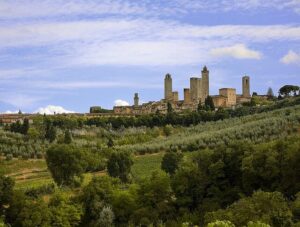
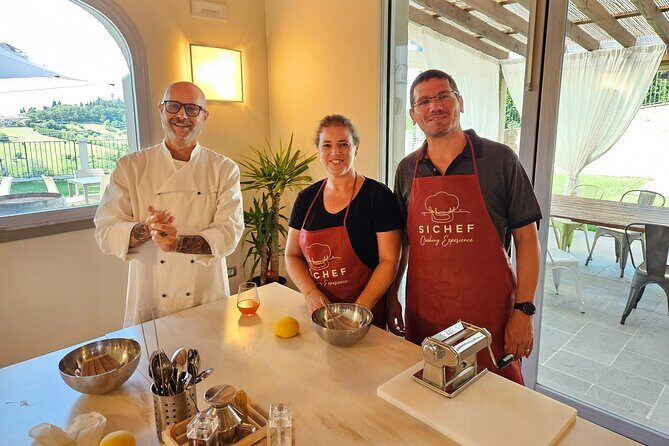
Fresh pasta tastes better when you make it. This Chianti class pairs real cooking with an outdoor-feeling welcome drink and unforgettable Chianti hill views from a countryside house above Barberino Tavarnelle. I love that you’re shown how to form several kinds of pasta, not just watch, and I also love how the chef turns seasonal ingredients into simple, repeatable choices. One thing to consider: depending on the class flow, some prep may be handled by staff so you can still enjoy shaping and tasting, rather than doing every single step end-to-end.
The schedule is about 3 hours, and you get an English-speaking chef who guides you through making 2–3 types of fresh pasta plus the sauces for each. By the end, you eat everything you helped make, with wine, dessert, coffee, and recipes to reproduce at home.
If you’re the type who wants your Tuscany photos to include a plate of what you cooked, this is a great fit. It also works well for beginners and mixed-experience groups, as long as you’re comfortable getting your hands a little floury.
In This Review
- Key highlights you’ll feel right away
- A countryside kitchen, not a demo: what the 3-hour flow is like
- The pasta lineup: ravioli, tagliatelle, cappelletti, and gnocchi
- Sauces matched to pasta, using seasonal ingredients
- The meal: appetizers, wine, dessert, and tasting what you made
- Take-home recipes that make the class worth repeating
- Price and value: what $144.03 buys you in Chianti
- Who this class fits best (and who should think twice)
- Getting there from Florence and planning your evening
- Should you book this Chianti pasta class?
- FAQ
- How long is the Chianti fresh pasta class?
- What meal is included?
- What types of fresh pasta will I make?
- Do I get recipes to take home?
- Is the class offered in English?
- Is it a private tour?
- Where does the experience start?
- Is there free cancellation?
Key highlights you’ll feel right away
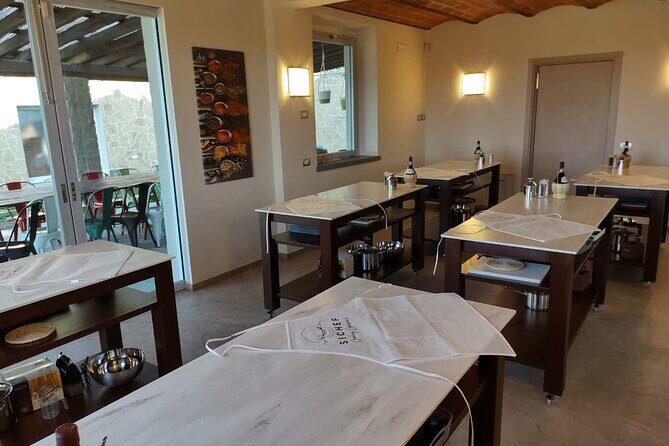
- Chianti hills welcome drink: You start with a drink on arrival while taking in the view.
- 2–3 fresh pasta types: You’ll work on shapes like ravioli, tagliatelle, cappelletti, and gnocchi.
- Sauces built around the pasta: The chef matches sauce and pasta type, using seasonal products.
- A full included meal: Appetizers with local cold cuts and cheeses, your pasta, 1 glass of wine, dessert, plus water and coffee.
- Hands-on shaping time: Even if some prep is done for you, you still get to make and shape pasta.
- Chefs you may meet: Instructors in recent classes have included Vilma, Tommaso, Luca, and Lucca.
A countryside kitchen, not a demo: what the 3-hour flow is like
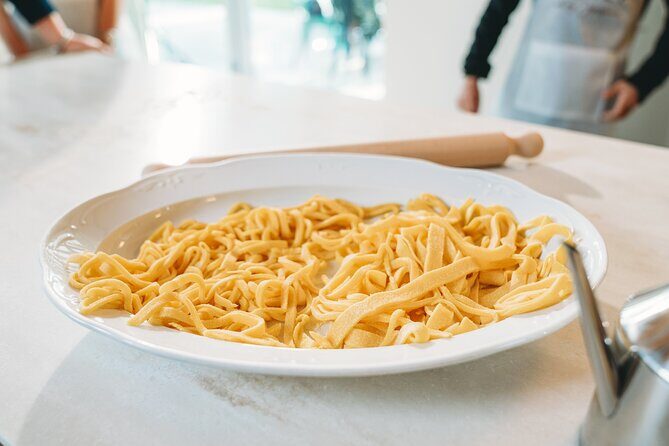
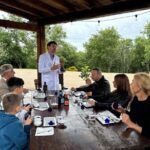
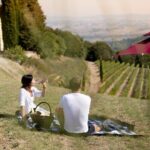
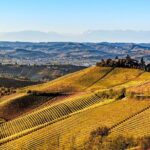
This isn’t a quick tasting or a slow “watch and hope” experience. You arrive at Str. Spoiano, 1 in Barberino Tavarnelle, then head to the chef’s setup for a welcome drink with a wide view across the Chianti hills. That first moment matters because it puts you in the right mode: you’re not rushing, and you’re not just learning recipes. You’re learning how Italians actually work—calm pace, small decisions, and attention to texture.
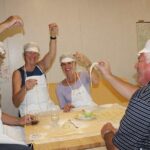
Once you meet the chef, you’ll move into the kitchen where flour becomes the main character. Expect a clear rhythm: explanation first, then practice. Over the next hours, you’ll make multiple pasta shapes and at least a couple sauces that go with them.
Why this structure is valuable: fresh pasta can feel intimidating until someone shows you the texture “checkpoints.” Here, the chef’s job is to help you get from dough to shape to finished pasta, with corrections along the way. It’s practical learning, not just culinary inspiration.
One more note on timing: the whole experience is about 3 hours, and that’s long enough to learn, but short enough that the meal still feels like the reward, not the finish line you’re tired of crossing.
You can also read our reviews of more cooking classes in Chianti

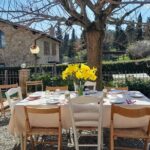
The pasta lineup: ravioli, tagliatelle, cappelletti, and gnocchi
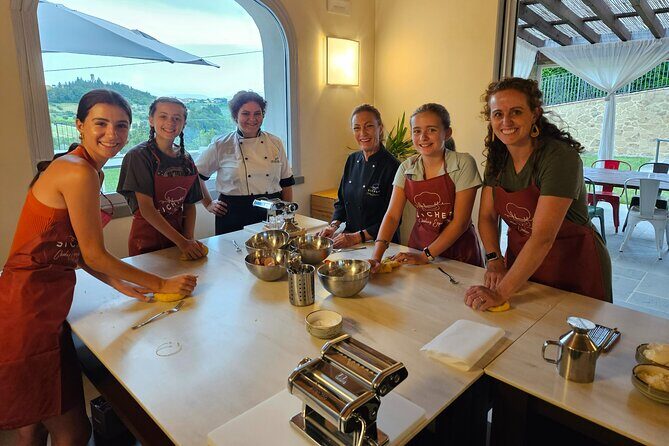
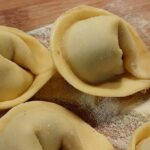
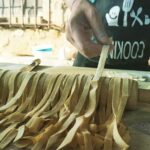
The menu is built around shapes that Italians actually serve, not just gimmicks. In a typical session, you’ll make fresh pasta such as tagliatelle, gnocchi, cappelletti, and ravioli, with the idea that you’ll learn how each shape changes the cooking and the bite.
Here’s what you should focus on while you’re working:
- Dough feel: The chef teaches what the dough should look and feel like as you go. This is the difference between pasta that relaxes and pasta that fights back.
- Shaping technique: You’re not just rolling dough. You’ll practice forming pieces so they cook evenly and hold their sauce.
- Portioning: For filled pasta like ravioli or cappelletti, consistent portions help the filling cook through without leaking.
I also like that the class doesn’t treat pasta as one-size-fits-all. Different shapes require different handling, so you end up with a wider “mental toolkit” for what to do at home.
If you’re traveling with kids or adults of mixed skill, you’ll likely find this approachable. Many people enjoy that the instruction is patient and geared toward getting real results you can eat at the table, not just perfect pictures.
Sauces matched to pasta, using seasonal ingredients
Making pasta is only half the story in this class. The other half is the sauce logic—how to keep the sauce from overpowering the pasta, and how to build flavor without complicating your life.
The chef guides you through seasoning sauces that are paired to the pasta type you’re making. The class emphasizes seasonal products, so you learn how Italian cooking adapts throughout the year, not just a fixed recipe that never changes.
The practical value here is huge: once you understand the pairing idea, you can stop copying exact sauce recipes and start making better choices yourself. Think of it like learning the rules that let you improvise later.
You’ll also see how a sauce changes during cooking—thickening, reducing, balancing salt and acidity. That’s the kind of knowledge that helps when you’re trying to recreate the dish later and the sauce isn’t behaving the same way as it did with a chef in the room.
The meal: appetizers, wine, dessert, and tasting what you made
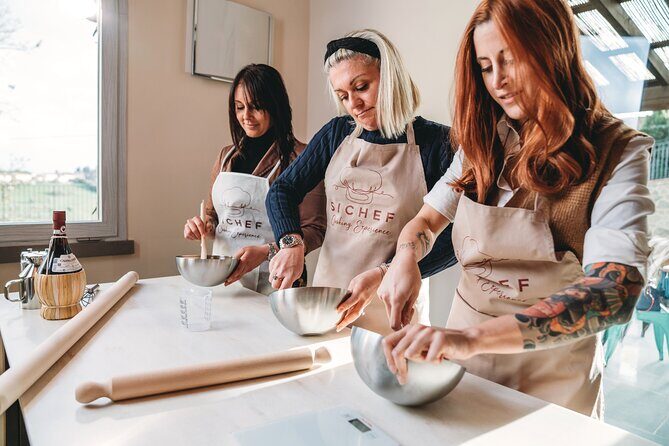
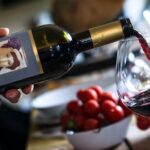
The best part of many cooking classes is also the most revealing: the tasting. Here, you get to sit down and eat the pasta you helped prepare, paired with a Chianti wine served as 1 glass.
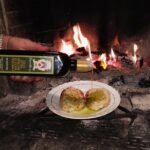
Before the pasta hits the table, there are appetizers based on local cold cuts and cheeses. This matters because it turns the day into a full Italian meal, not just a “snack while you cook.”
Then comes the pasta course—your work, your shapes, your textures. You’ll also get dessert, plus water and coffee to wrap up.
A quick reality check: cooking classes can sometimes end with “plated results that don’t quite match your effort.” This one is built around you actually making enough pasta to taste it properly. That’s why people leave happy and not just educated.
Take-home recipes that make the class worth repeating
At the end, you receive recipes so you can reproduce what you learned at home. That’s the difference between a fun afternoon and a skill you can use next week.
I like that the class doesn’t only teach you the wow factor of fresh pasta. It teaches decisions—how to manage dough, how to shape, and how sauces work with the pasta you choose. With the recipes in hand, you can rebuild the same structure at home even if you don’t remember every tiny step.
Also, having the recipe paper helps you avoid the most common failure after a cooking class: getting home, cooking something similar, and realizing you missed one key texture point. The recipes help you close that gap.
You can also read our reviews of more tours and experiences in Chianti

Price and value: what $144.03 buys you in Chianti
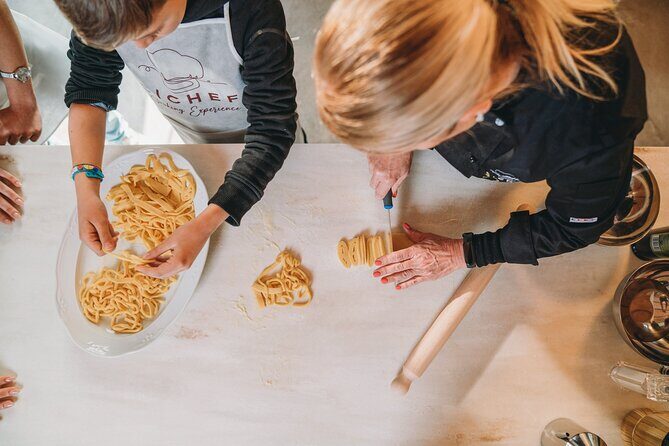
At $144.03 per person, this isn’t a bargain-bin workshop. But it also isn’t just a cooking demonstration. For that price, you’re paying for:
- A private class format (your group only, in the way the experience is described)
- Chef instruction in English
- Hands-on work making fresh pasta and sauces
- A full included meal with wine, dessert, coffee, and water
- Take-home recipes
In practical terms, you’re getting a chef-led meal experience that also functions like a short skill course. If you’ve ever paid for a fancy dinner in Florence, the meal components alone start to feel comparable—especially once you add the “I made this” value.
Is it worth it? For most food-minded travelers, yes—especially if you want something more personal than a museum day. If your goal is purely entertainment and you hate cooking hands-on, you might want to skip this. But if you like learning by doing, the value starts to make sense fast.
Who this class fits best (and who should think twice)
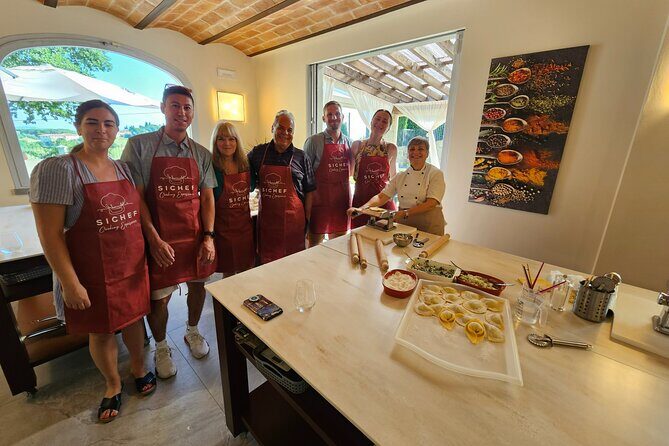
This works especially well for:
- Beginners who want a guided path from dough to finished pasta
- Families and groups who enjoy cooking together
- Couples looking for a memorable, food-centered evening outside the city bustle
- Anyone who wants a real technique lesson, not just tasting
There’s also a reason it gets repeated praise: teachers in these sessions (including names like Vilma, Tommaso, Luca, and Lucca) tend to explain clearly and keep the mood friendly. You’ll likely hear stories too—often tied to the idea of recipes passed down like family traditions, which makes the technique feel more human.
The one “think twice” situation is for people who need every step to be 100% hands-on. Some classes feel more like guided participation, where staff handle a bit of prep so everyone can shape, cook, and eat. If that would frustrate you, plan to focus on what you will do: shaping, sauce work, and tasting the final result.
Getting there from Florence and planning your evening
The class is based about 30 km from the center of Florence, so give yourself transport time. If you’re staying in Florence, schedule a realistic travel buffer rather than cutting it close. The experience is near public transportation, which can help if you don’t want to rely only on a private car.
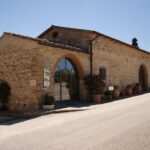
The meeting point is Str. Spoiano, 1, 50028 Barberino Tavarnelle FI, Italy, and the activity ends back at the same starting spot. That keeps things simple: you’re not dropped somewhere far away with no easy way back.
What to bring is basic, but don’t skip it:
- Wear clothes you don’t mind getting dusted with flour
- Bring an appetite for a full meal (the class doesn’t end with a tiny taste)
- If you have questions about the pasta types you want most, ask when you book so your timing works with your priorities
Also, you get a mobile ticket, and service animals are allowed. Confirmation is received at booking, which helps you plan the day without stress.
Should you book this Chianti pasta class?
If you want one Tuscany activity that combines a great view, real cooking practice, and a sit-down meal you fully participate in, I’d book this. The class is built around fresh pasta shapes, sauce pairing, and a satisfying included lunch with Chianti wine, dessert, and coffee—plus recipes you can actually use later.
I would hesitate only if you’re looking for a purely observational experience, or if you dislike hands-on cooking even when the chef keeps it manageable. Otherwise, this is a very “Italy” kind of day: flour, technique, conversation, and then dinner on your own work.
FAQ
How long is the Chianti fresh pasta class?
The class runs for about 3 hours.
What meal is included?
The experience includes a meal with appetizers based on local cold cuts and cheeses, the fresh pasta you prepare, 1 glass of wine, dessert, plus water and coffee.
What types of fresh pasta will I make?
You’ll make fresh pasta such as tagliatelle, gnocchi, cappelletti, and ravioli, guided by the chef.
Do I get recipes to take home?
Yes. At the end of the lesson, you receive recipes so you can reproduce the dishes at home.
Is the class offered in English?
Yes, it’s offered in English.
Is it a private tour?
It’s described as a private tour/activity, meaning only your group participates.
Where does the experience start?
It starts at Str. Spoiano, 1, 50028 Barberino Tavarnelle FI, Italy, and it ends back at the same meeting point.
Is there free cancellation?
Yes. You can cancel for a full refund if you cancel up to 24 hours in advance of the experience’s start time.