Chianti cooking feels like family dinner. In a real Tuscan farmhouse, you get a private 3-hour lesson that turns a menu into an afternoon you can actually repeat at home. I love the hands-on fresh pasta focus, and I love that the instructors (Giorgia and Gioia) teach with real warmth, not a rushed script.
You’ll also like the way the class mixes cooking with tastings. The lesson includes a tasting of organic extra virgin olive oil and Chianti Classico wine, and you may even get more wine samples shared from Gioia’s vineyard. One thing to consider: the experience happens during the daytime window shown, so it may not fit your schedule if you want late afternoons or evenings.
In This Review
- Key Highlights You’ll Remember
- A Tuscan Farmhouse Cooking Class in Chianti
- Where You Meet: Agriturismo Le Bonatte, Radda in Chianti
- Your 3-Course Menu: Panzanella, Ragù Tagliatelle, and Tiramisù
- Starter: Panzanella, the Tuscan Salad With Real Bite
- Main: Tagliatelle al Ragù and the Sauce Mindset
- Dessert: Tiramù for a Sweet Finish
- Olive Oil and Wine Tastings That Make the Cooking Make Sense
- What Private Really Means Here
- Instructor Team: Giorgia and Gioia’s Teaching Style
- Take-Home Recipes: Why That Matters for Value
- Price and Value: What You’re Paying For at $132.32
- Timing and Practical Tips for a Smooth Day
- Who This Class Is Best For
- Should You Book This Tuscan Farm Cooking Class?
- FAQ
- Where does the cooking class start?
- How long is the cooking class?
- Is this a private experience?
- What dishes will we cook?
- Do we taste olive oil and wine?
- Is the class offered in English?
- When do classes run?
- How soon will I receive confirmation after booking?
- What is the cancellation policy?
Key Highlights You’ll Remember
- Private instruction in a working farmhouse at Agriturismo Le Bonatte in Radda in Chianti
- Three-course menu you make and eat: panzanella, tagliatelle al ragù, tiramisù
- Oil and wine tasting included (organic extra virgin olive oil and Chianti Classico, plus additional vineyard tastes shared)
- From scratch pasta skills with a Tuscan ragù-style sauce approach
- Take-home recipes so your next meal at home feels like Tuscany, not guesswork
- English offered with a class format geared to individual attention
A Tuscan Farmhouse Cooking Class in Chianti
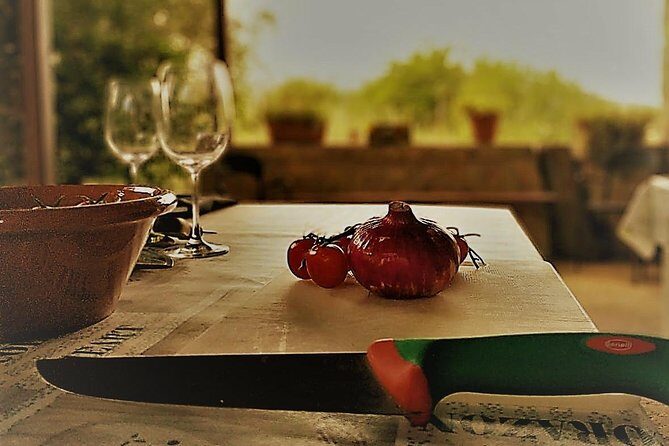
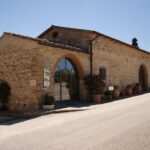
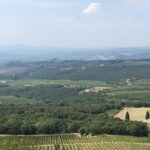
If you’re craving an Italy experience that feels lived-in, this cooking class lands in the right place. It’s set in Chianti at Agriturismo Le Bonatte, where the menu is classic Tuscan comfort food and the lesson is built around actually making it, not watching it get plated for you.
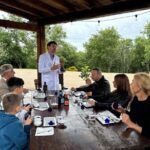
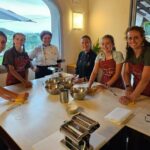
The vibe matters here. In several write-ups, Giorgia and Gioia come across as the kind of teachers who make strangers relax quickly. The result is that you’re not stuck doing an awkward task in silence. You’re chopping, stirring, tasting, and learning with people who treat the kitchen like the heart of the day.
And because it’s a private activity, your group gets individual attention from the instructor. That’s a big deal when you’re learning timing for pasta, building flavor in ragù, or learning how to assemble tiramisù without panic.
You can also read our reviews of more cooking classes in Chianti
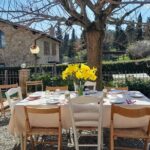
Where You Meet: Agriturismo Le Bonatte, Radda in Chianti
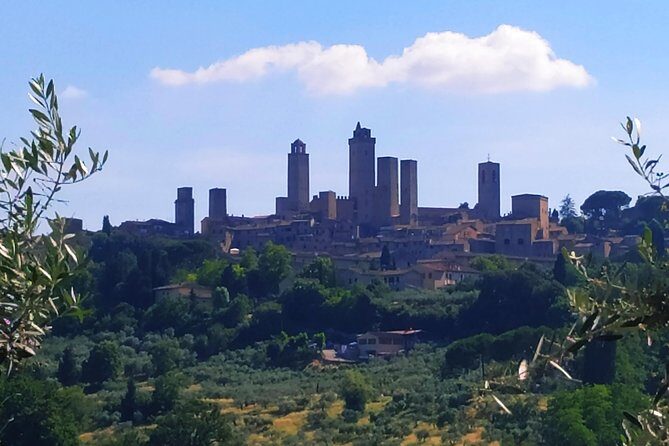
You’ll start and end back at Agriturismo Le Bonatte, located at Loc. le Bonatte, 77, 53017 Radda in Chianti (SI), Italy. The practical takeaway: plan for a rural setting. This isn’t a city kitchen where you can easily pop off for gelato and come back.
The class runs about 3 hours, and the listed hours show a daytime slot (Monday to Friday, 10:00 AM to 1:00 PM). So even though the duration is approximate, you can expect it to live in that morning-to-midday rhythm.
Your 3-Course Menu: Panzanella, Ragù Tagliatelle, and Tiramisù
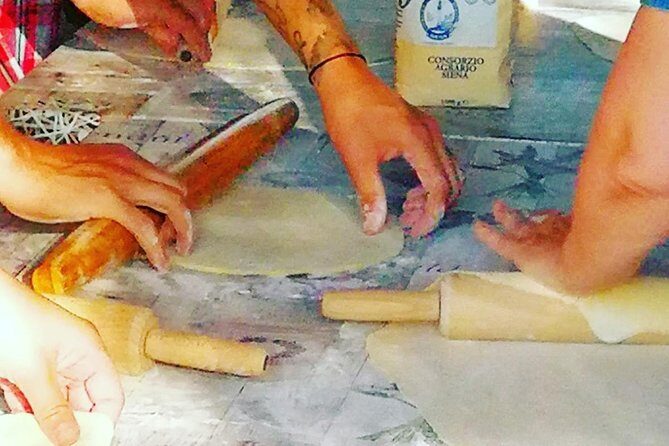
This class is built like a real Tuscan meal: starter, main, dessert. That’s good for two reasons. First, you get a full flavor arc across the day. Second, you learn techniques you can reuse, not just a single recipe.
Starter: Panzanella, the Tuscan Salad With Real Bite
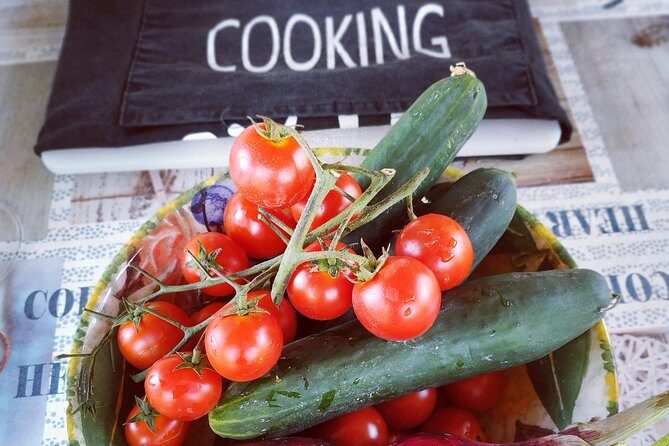
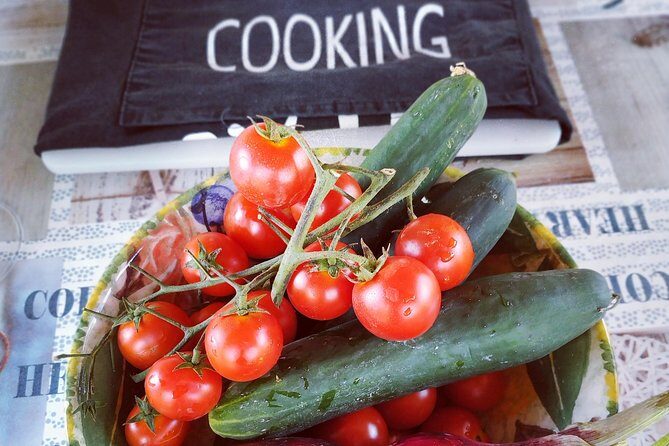
You’ll start with panzanella, a typical Tuscan salad made with fresh ingredients. This dish is a smart first step because it teaches you how Tuscan cooking thinks: strong ingredients, simple methods, and balance. Even if you’ve only had panzanella from a menu, making it forces you to understand how the pieces work together.
Practical note: a salad class is also a pace-setter. You ease in, get your bearings, and then you’re ready for pasta work without your shoulders already tense.
Main: Tagliatelle al Ragù and the Sauce Mindset
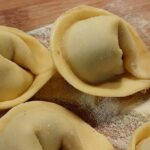
The main course is handmade fresh pasta paired with Tuscan ragù. The menu is listed as tagliatelle al ragù with a meat sauce described as Bolognaise-style. In plain terms, you’re learning how to build a rich meat sauce that tastes like it simmered longer than it did.
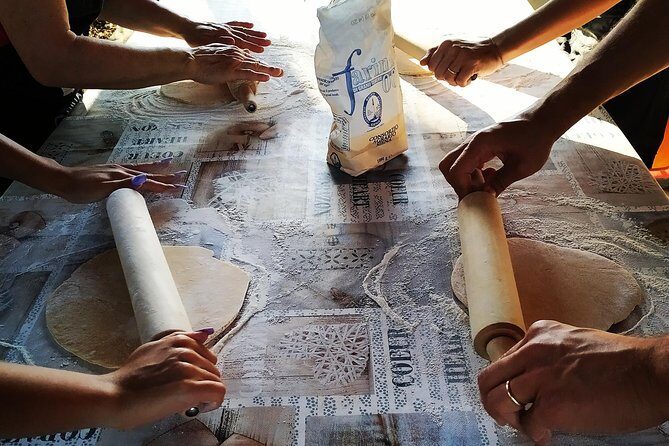
Fresh pasta work is where this class earns its keep. Multiple mentions highlight that the instruction stays friendly and doable across skill levels. So if you’re not a home cook, you’re not expected to walk in with your own pasta tools and a sixth sense for dough.
You’ll leave with a method you can repeat: portion, mix, shape, and match the pasta to the sauce texture. That last part matters. Tagliatelle holds sauce in a way that feels classic and satisfying.
You can also read our reviews of more tours and experiences in Chianti
Dessert: Tiramù for a Sweet Finish
For dessert, you’ll make tiramisù, the Italian standby that’s equal parts comfort and precision. This is a great end point because it adds contrast after savory pasta and it teaches technique in a different way than dough does.
If you’ve ever tried tiramisù at home and felt like it turned out too wet or too stiff, learning it in a real class setting helps you nail the steps. You’re also in a better position to understand how the textures should feel, not just what the recipe says.
Olive Oil and Wine Tastings That Make the Cooking Make Sense
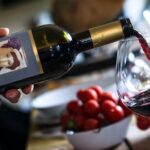
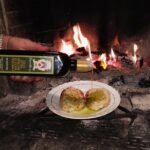
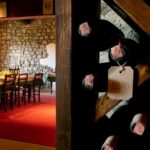
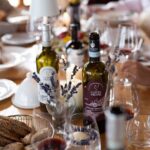
Cooking in Tuscany isn’t only about recipes. It’s also about ingredients and how to taste them. This class includes tastings of organic extra virgin olive oil and Chianti Classico wine, which helps you connect flavors while you’re cooking.
Here’s why that matters for you: when you understand the oil and wine profile, your ragù and salad ingredients make more sense. The sweetness, acidity, and overall intensity stop being abstract.
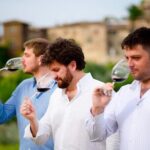
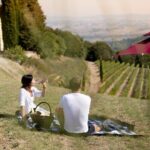
Several notes mention Gioia sharing additional wine tastes from her vineyard and talking about food and wine traditions. That part is optional in a typical class, but it’s included here in the feel of the day. You’re not just learning how to cook; you’re learning why these pairings are so natural in the region.
What Private Really Means Here
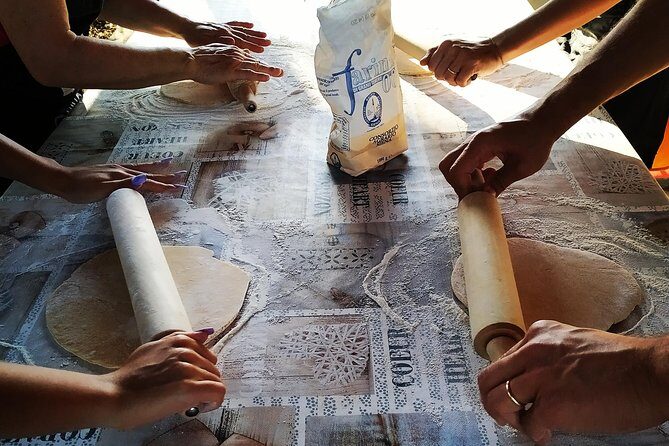
Private in this case is more than a marketing word. Your group stays small, and the instructors can give hands-on attention while you’re working. The kitchen is active, and questions are easier to ask when someone can actually watch what your hands are doing.
In one described class setup, it was three couples. That’s a good sign for comfort: you get enough people for conversation, but not so many that the instructor turns into a distant lecturer.
The practical upside is confidence. When you make pasta and then sauce it, you want to know you didn’t ruin the dough or scorch the base. A private format helps you correct mistakes fast.
Instructor Team: Giorgia and Gioia’s Teaching Style
This is a big part of why the reviews read like a good day, not just a good meal. Giorgia and Gioia are repeatedly described as a strong team, with Giorgia often taking the lead as the cooking guide and Gioia adding history, warmth, and stories about the region and food.
One of the most consistent themes: they turn learning into something social. You start as strangers and end up laughing, sharing, and trading contact details. That may sound like fluff, but it actually affects your cooking. When you feel relaxed, you follow steps more carefully and you don’t rush.
Also, they explain techniques in a way that seems built for real travelers, not only expert cooks. Instruction is described as simple and step-by-step, with recipes that don’t assume a long list of kitchen skills.
Take-Home Recipes: Why That Matters for Value
One of the highlights is that you take home authentic Italian recipes so you can recreate what you made. For me, that’s the difference between a nice meal experience and a skill experience.
If a class gives you a plate and then sends you home empty-handed, it’s easy to forget details. Here, you get a path to repeat. You’ll remember panzanella balance, the pasta and ragù pairing logic, and the tiramisù build once you have the written steps in front of you.
This also helps with the “what do I do next?” problem. Tuscany cooking can feel intimidating from afar, but a recipe you can trust makes it manageable.
Price and Value: What You’re Paying For at $132.32

At $132.32 per person, this isn’t the cheapest cooking class option. But it doesn’t position itself as a low-budget activity, either. The value comes from several things working together:
- Private format means more direct attention than group classes
- A full menu means more than one technique and more food than a starter-only workshop
- Tastings add an ingredients lesson (oil and Chianti Classico)
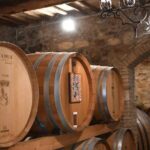
- The farmhouse setting makes it feel like Tuscany, not a rented classroom
- Take-home recipes help you get future use out of the money
If you’re the type who wants a hands-on, sit-down meal experience with real instruction, this price starts to feel fair. If you’re mainly looking for entertainment or you’re on a strict budget, you might decide to look for group classes.
Timing and Practical Tips for a Smooth Day
Because it’s a rural farmhouse activity, arriving with the right expectations helps.
Plan for a midday schedule. The listed hours run Monday through Friday with a 10:00 AM start window shown, and the experience is about 3 hours. If your travel day is packed with transfers, give yourself breathing room so you don’t feel rushed when you should be cooking.
Also, bring a flexible attitude about learning pace. The class involves chopping, rolling, and assembling. Even with step-by-step instruction, you’ll get the best results if you’re ready to slow down and do it properly.
Finally, remember that wine and olive oil tastings are part of the lesson. If you prefer to keep it strictly non-alcohol, this is still useful for the cooking, but you should know the tastings are included.
Who This Class Is Best For
This is a strong match if you want:
- A real Tuscan kitchen feel in Chianti, at a farmhouse setting
- A complete three-course cooking experience
- A private format with individual help while you cook
- A class where the teachers (Giorgia and Gioia) mix cooking with stories and regional context
- A take-home outcome: recipes you can actually use later
It may be less ideal if you need late-day timing, or if you’re only interested in one dish. This is designed as a full meal learning experience, not a quick taste-and-leave stop.
Should You Book This Tuscan Farm Cooking Class?
I’d book it if you’re looking for a day that combines cooking skills, good food, and a genuinely welcoming atmosphere in Chianti. The private format, the full menu (panzanella, fresh tagliatelle al ragù, tiramisù), and the oil and wine tastings add up to a stronger experience than many shorter workshops.
Skip it only if your schedule can’t handle the daytime window shown, or if you want a purely budget-friendly activity. Otherwise, this is one of those Tuscany experiences that leaves you with both a great meal and a practical ability you can use again.
FAQ
Where does the cooking class start?
The class starts at Agriturismo Le Bonatte, Loc. le Bonatte, 77, 53017 Radda in Chianti SI, Italy, and it ends back at the same meeting point.
How long is the cooking class?
It runs for about 3 hours (approx.).
Is this a private experience?
Yes. It’s listed as a private tour/activity, with only your group participating.
What dishes will we cook?
The menu includes panzanella (starter), tagliatelle al ragù (main, fresh pasta with meat sauce), and tiramisù (dessert).
Do we taste olive oil and wine?
Yes. The lesson includes a tasting of organic extra virgin olive oil and Chianti Classico wine.
Is the class offered in English?
Yes, the class is offered in English.
When do classes run?
The opening hours shown are Monday to Friday from 10:00 AM to 1:00 PM.
How soon will I receive confirmation after booking?
Confirmation is received within 48 hours of booking, subject to availability.
What is the cancellation policy?
You can cancel for free up to 24 hours in advance for a full refund. If you cancel less than 24 hours before the start time, the amount paid is not refunded.