REVIEW · FLORENCE
Florence: Handmade Pasta & Dessert Class with Unlimited Wine
Book on GetYourGuide →Operated by CAF Tour & Travel · Bookable on GetYourGuide
Homemade pasta is easier than you think. In Florence, you learn three fresh pasta types and the sauces to match, using both a rolling pin and a pasta machine with a multilingual chef who explains the steps clearly. I especially like that you finish by eating what you made, paired with unlimited Tuscan wine and water, in a relaxed, friendly setting.
One thing to consider: this is timing-sensitive. If you’re delayed, it may not be possible to join the group, and you may not be able to reschedule or get a refund, so plan to arrive early and wear comfortable shoes you can stand in.
In This Review
- Key Highlights Worth Booking
- What Makes This Florence Pasta Class Worth Your Time
- What You’ll Make: Three Pastas, Three Sauces, and Dessert
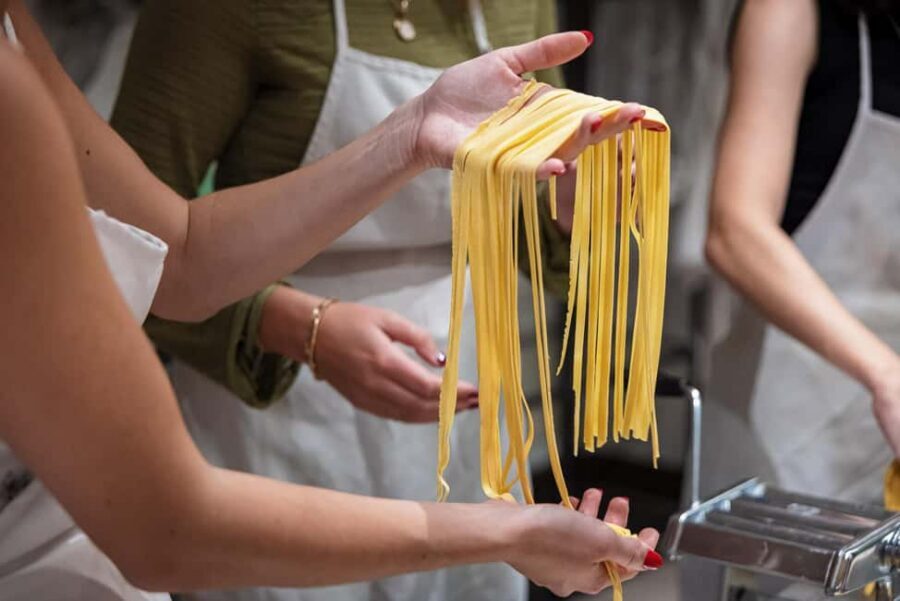
- Rolling Pin and Pasta Machine: The Technique You’ll Use Forever
- Chef-Led Teaching That Feels Personal in a Small Group
- The Meal Finish: Lunch or Dinner With Unlimited Wine
- The Optional Full-Day Experience: Add Lampredotto Street Food
- Location and Timing: Getting There Without Stress
- Price and Value: What $74 Really Buys
- Who Should Book This Class (and Who Might Want Another Option)
- Final Take: Should You Book It?
- FAQ
- How long is the Florence handmade pasta and dessert class?
- What’s included with the ticket price?
- Is wine included, and how much?
- Do I get to eat the pasta and dessert I make?
- What languages are available for the instructor?
- Does the class include lunch or dinner?
- Is the class suitable for everyone?
Key Highlights Worth Booking
- Three pastas, three sauces, one Italian dessert so you leave with a full meal you can recreate.
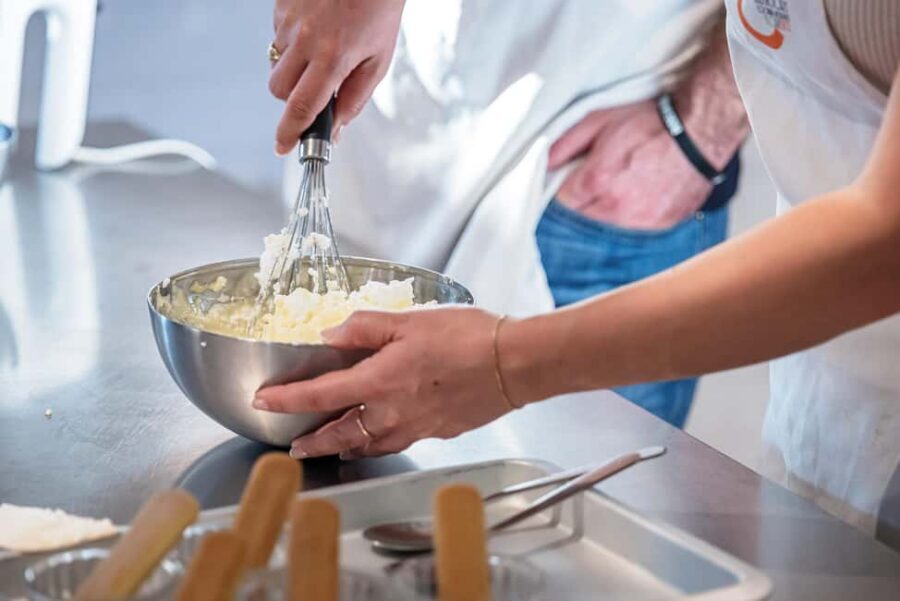
- Hands-on technique with both a rolling pin and a pasta machine, not just watching.
- Small-group feel with personal guidance (about one chef per 15 participants).
- Chef personalities come through in the way they teach, including names like Catarina, Francesco, and Noemi.
- Unlimited wine + the meal you made turns class time into a proper sit-down lunch or dinner.
- Full-day option can add a guided street food tour featuring trippa / lampredotto.
What Makes This Florence Pasta Class Worth Your Time
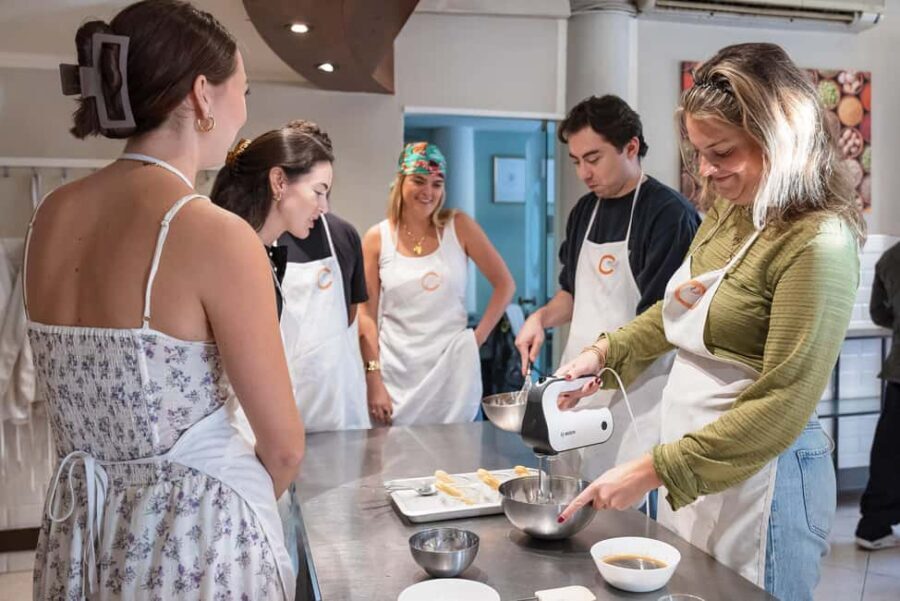
Florence has plenty of things to see. But if you only “taste” Italian food while you’re here, you miss the skill part that makes the flavors stick.
This class focuses on practical cooking you can repeat at home. You don’t just learn how pasta looks; you learn how dough behaves, how filling should feel, and how sauce thickness changes when it simmers. I also like that the instruction isn’t locked to one language. You may have a chef teaching in English, German, Italian, or Spanish, and that matters when you’re trying to master something as hands-on as rolling dough.
You’ll also get the classic “make it, then eat it” payoff. The meal after class is built from your own work, so you understand why the food tastes the way it does. And with unlimited wine and water, it turns into a real Tuscan-style table experience rather than a quick snack between sightseeing stops.
You can also read our reviews of more cooking classes in Florence
What You’ll Make: Three Pastas, Three Sauces, and Dessert
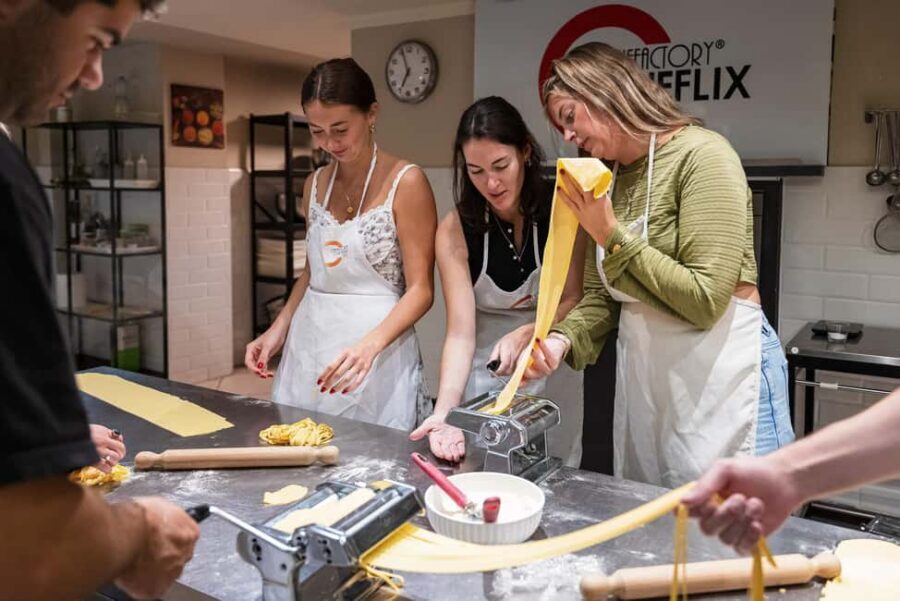
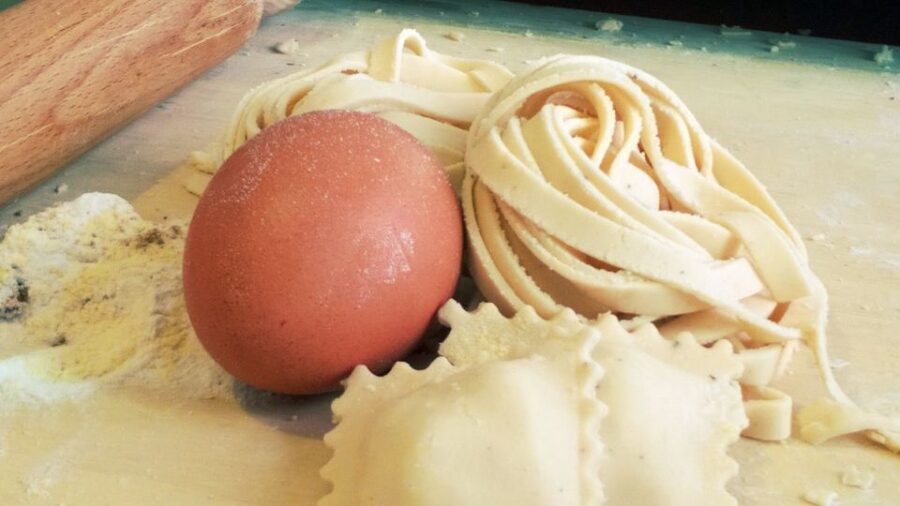
The headline is simple: you’ll make three different types of pasta plus three sauces, then finish with a typical Italian dessert. The exact pasta shapes can vary by session, but the styles you’ll encounter show up again and again in classic Florentine and Tuscan home cooking.
From past classes described in participant accounts, you might work on dishes such as:
- Ravioli (often spinach and ricotta-style fillings)
- Fettuccine (frequently paired with ragù-style sauces)
- Gnocchi (including versions that participants called out as especially good)
- Another pasta shape from scratch as part of the three-pasta set, depending on the menu
Sauces are taught as part of the learning curve. You don’t just dump sauce on top; you learn how to build flavor for a specific pasta. In at least one class, a vegetarian sauce was prepared separately when the group had a meat-based option, which tells you the teaching team thinks about serving styles, not just ingredients.
Dessert usually lands as a classic Italian finish. Some sessions have included panna cotta with a red berry topping, but the key is that you learn to make a recognizable Italian dessert in the same hands-on way you handle the pasta.
Rolling Pin and Pasta Machine: The Technique You’ll Use Forever
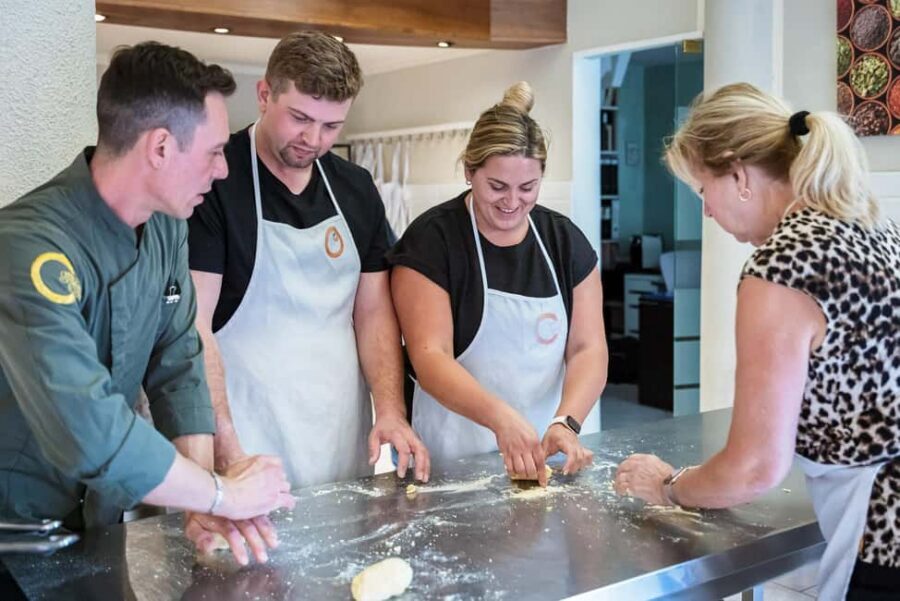
Fresh pasta is one of those skills that sounds intimidating until someone stands next to you and corrects your dough in real time. Here, you get both tools, and that’s a big deal.
You’ll practice making dough and then shaping it using:
- a rolling pin for traditional feel and hand control
- a pasta machine for consistent thickness once you understand the dough
What I like about this setup is that it teaches you the “why” behind the tools. Rolling by hand teaches how dough stretches without tearing. Using the machine teaches consistency, which affects how pasta cooks and how sauce clings to it.
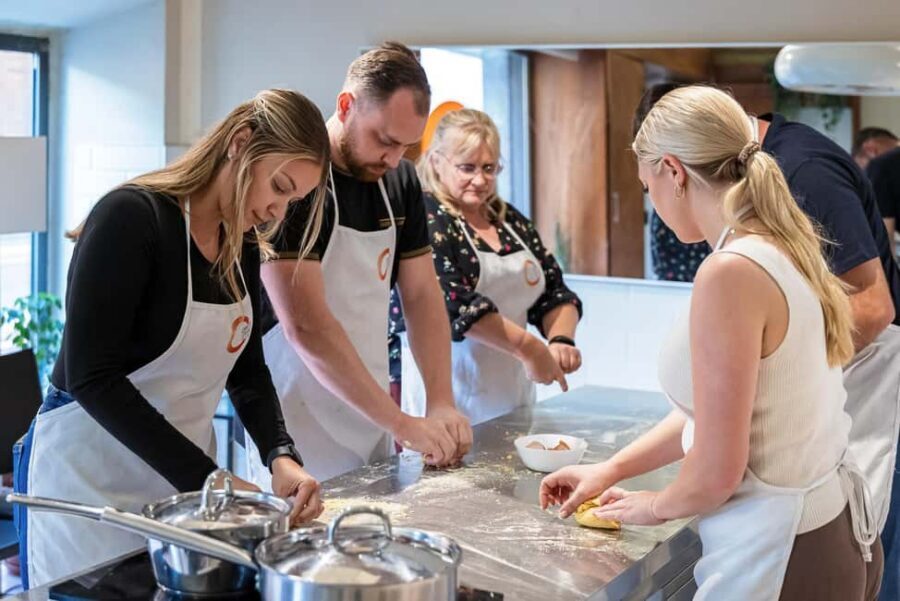
In class, you’re not thrown in cold. Chefs and staff typically show steps first, then you repeat the process—knead, roll, shape, and prepare fillings and sauces. If you’ve ever bought a pasta machine and wondered whether you’d actually use it, this kind of guided practice is the difference between owning equipment and knowing how to cook with it.
Chef-Led Teaching That Feels Personal in a Small Group
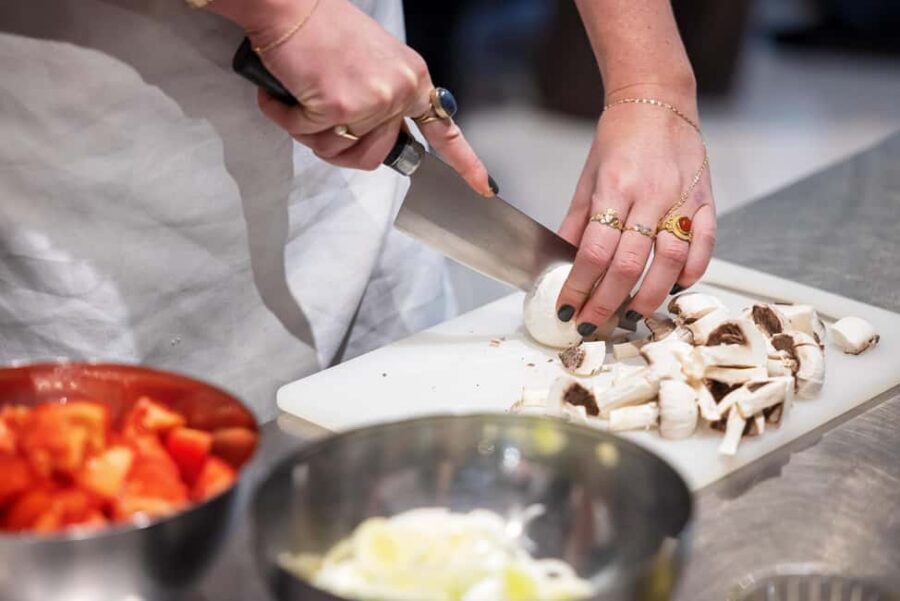
This is a small-group class, with one chef for about every 15 participants. That ratio matters more than the words “small group” on a website, because pasta dough punishes mistakes quickly. When you’re shaping ravioli or cutting pasta strips, you need feedback while it’s still fixable.
You might also recognize chef names mentioned by participants across different dates and languages, including Catarina, Francesco, Noemi, and Giacomo. Even when the name changes, the pattern stays: chefs are engaging and they explain what they’re doing as you do it.
The multilingual element is also practical. If you’re not fully fluent, you’ll still be able to follow instructions and ask questions without guessing. And because the class is led directly by a chef (not just a guide), you get cooking-focused answers, not general travel talk.
The Meal Finish: Lunch or Dinner With Unlimited Wine
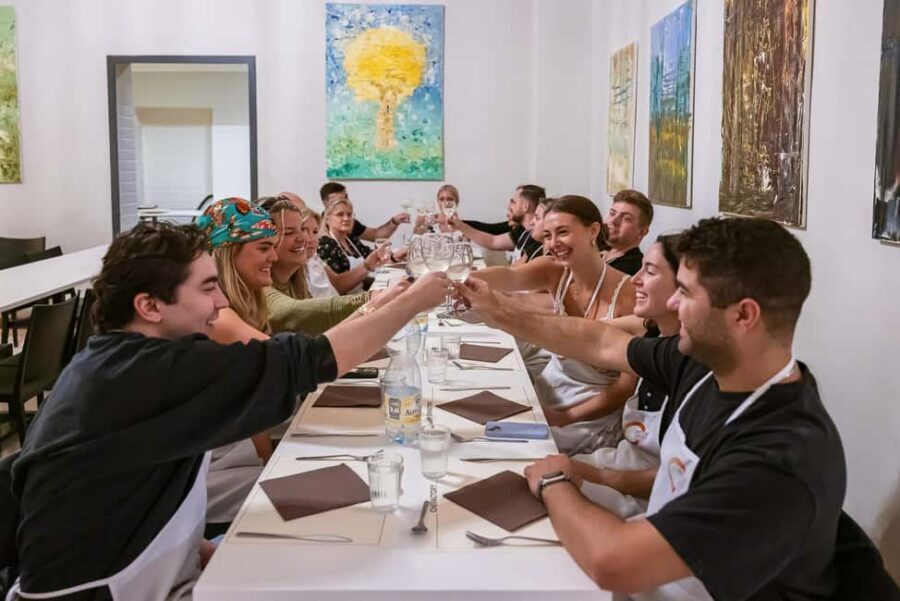
Most cooking classes end with something you made “in theory.” This one ends with a proper meal—the dishes you prepare in class, served as lunch or dinner along with fine Tuscan wine and unlimited wine and water.
Depending on the day, the meal can be:
- Lunch on Tuesday, Thursday, and Saturday
- Dinner from Monday to Friday
In other words, don’t schedule your whole day around the assumption that it’s always lunch. Check your selected day so you’re not hungry when you arrive or surprised by the time you’ll be eating.
A practical note: you’ll be standing and cooking for much of the session, and some rooms can feel warm during the eating portion. If you run hot easily, dress in breathable layers you can adjust. It’s also smart to pace your wine with water, especially because you’ll likely leave with a full stomach and a head full of recipes.
You can also read our reviews of more wine tours in Florence
- Tuscany Day Trip from Florence: Siena, San Gimignano, Pisa and Lunch at a Winery
★ 5.0 · 21,634 reviews
The Optional Full-Day Experience: Add Lampredotto Street Food
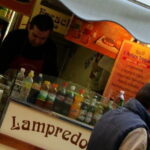
If you select the full-day food option, you don’t stop at pasta. You’ll pair the morning class with a guided street food tour in the afternoon, focused on local Florentine bites.
The star mentioned is trippa / lampredotto, which is one of Florence’s most iconic street foods. If you’ve never tried it, think of it as a “go with curiosity” item: strong flavor, very local, and best enjoyed when you’re in the mood to taste something outside the usual tourist menu.
This add-on works well because it connects skills and culture. After learning how Italian families build sauces and texture, you’ll walk away understanding why street food tastes the way it does—simple ingredients, strong seasoning, and a lot of practice.
Location and Timing: Getting There Without Stress
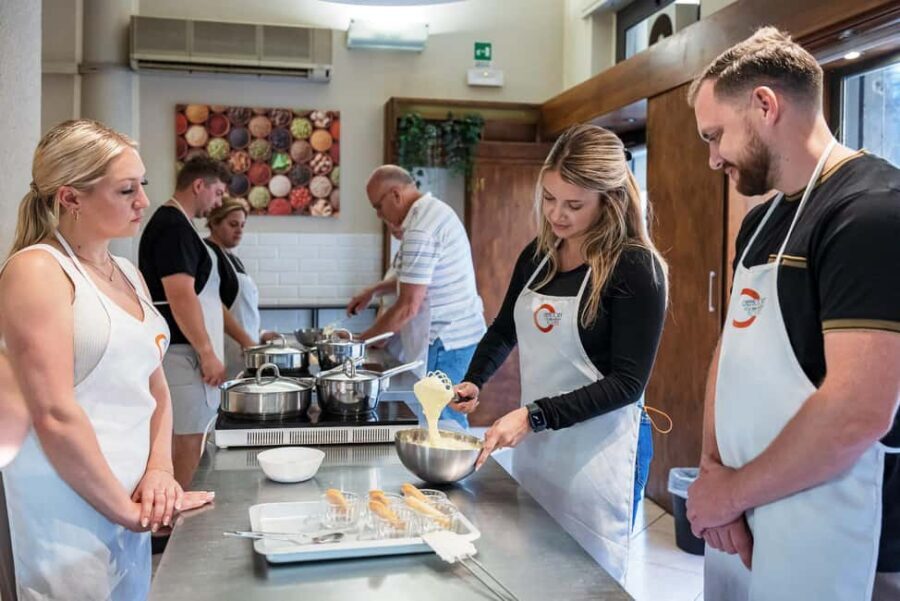
The meeting point is at the cooking school in Florence city center, with staff assistance at the start. Hotel pickup and drop-off aren’t included, so you’ll need to navigate to the school on your own.
Two practical things that make a difference:
- Arrive early. If you’re late, you may not be able to join the group, and the policy may not allow refunds or rescheduling if you miss the start.
- Wear comfortable shoes. You’ll be in a working environment for hours, and you’ll be standing while rolling dough and prepping components.
If you’re the type who likes to squeeze in museums right before your class, shift that plan. Give yourself a buffer window. Florence is walkable, but it’s also busy, and you’ll feel better when you’re not rushing in with damp hair and a hurry.
Price and Value: What $74 Really Buys
At $74 per person for about 3 hours, this class is priced like an experience, not like a basic ticketed workshop. The real question is what you get for that money.
Here’s what’s included based on the experience details:
- Hands-on cooking lesson with fresh ingredients for all recipes
- Use of apron and cooking tools
- Multilingual local chef
- A recipe booklet you take home
- Small-group format
- Unlimited wine + water
- Lunch or dinner based on the day
When you tally that up, the class becomes good value for a few reasons. First, you’re paying for instruction plus the ingredient cost, not just the act of making pasta. Second, the unlimited wine and the sit-down meal turn it into a full food outing, not an appetizer lesson. Third, the recipe booklet extends the value beyond the day you’re there.
It also helps if you’ve been tempted to cook more at home. One participant shared that after buying a pasta machine years ago, they were curious but unsure about complexity. This kind of structure gives you confidence that you can actually reproduce.
Who Should Book This Class (and Who Might Want Another Option)
I think this is a great fit if you:
- want a hands-on Florence activity that’s more than photos
- love food you can cook again, not just taste once
- enjoy wine with your meal
- like meeting people from different places while doing something productive
It may not be ideal if you:
- need a wheelchair-accessible setting, since the class isn’t suitable for wheelchair users
- travel with young kids, because it’s not suitable for children under 8 years
- are dealing with severe gluten issues. The data says severe and contact celiacs may not attend due to probable contamination, so take that seriously and plan accordingly
- have pets with you, since pets aren’t allowed
Also, consider your comfort level with standing. Most people manage fine, but if you know you can’t stand for long periods, you might want to choose a different format.
Final Take: Should You Book It?
Yes, I’d book it if you want a Florence experience that mixes practical skills, good food, and a friendly table atmosphere. You’ll make three pasta types, learn three sauces, and finish with dessert, then eat it with unlimited wine. For the price, that combination is hard to beat in a city where cooking classes can often feel overpriced for what they actually deliver.
Skip it if timing stress will ruin your day, since delays can affect whether you can join. And if you have celiac-level concerns or mobility needs, the restrictions listed for this experience are the kinds you should plan around before you fall in love with the idea.
If you’re flexible, curious, and willing to roll up your sleeves, this is one of those classes that doesn’t just feed you. It teaches you.
FAQ
How long is the Florence handmade pasta and dessert class?
The class lasts 3 hours.
What’s included with the ticket price?
It includes staff assistance at the meeting point, a small-group experience, a multilingual local chef, hands-on cooking, fresh ingredients, use of apron and cooking tools, recipe booklet, unlimited wine and water, and lunch or dinner depending on the selected day.
Is wine included, and how much?
Yes. You get unlimited wine and water as part of the included experience.
Do I get to eat the pasta and dessert I make?
Yes. The class is followed by lunch or dinner featuring the dishes you prepared, plus a typical Italian dessert.
What languages are available for the instructor?
The instructor can teach in English, German, Italian, or Spanish. From November 1 to March 31, the cooking class is available only in English.
Does the class include lunch or dinner?
It depends on the selected day: from Monday to Friday the course includes dinner, and on Tuesday, Thursday, and Saturday it includes lunch.
Is the class suitable for everyone?
It’s not suitable for children under 8 years or wheelchair users. Pets are not allowed, and severe and contact celiacs may not attend due to probable contamination.
You Might Also Enjoy
More Wine Tours in Florence
- Tuscany Day Trip from Florence: Siena, San Gimignano, Pisa and Lunch at a Winery
★ 5.0 · 21,634 reviews
More Cooking Classes in Florence
- Cooking Class and Lunch at a Tuscan Farmhouse with Local Market Tour from Florence
★ 5.0 · 4,831 reviews
More Tour Reviews in Florence
- Tuscany Day Trip from Florence: Siena, San Gimignano, Pisa and Lunch at a Winery
★ 5.0 · 21,634 reviews - The Best tour in Florence: Renaissance & Medici Tales – guided by a STORYTELLER
★ 5.0 · 12,316 reviews