REVIEW · FLORENCE
Florence Jewish Quarter History Private Walking Tour
Book on Viator →Operated by Rosotravel - Italy City Tour · Bookable on Viator
Florence’s Jewish past hides in plain sight. This private walking tour helps you read the city like a story, linking street corners around the Duomo, Old Market history, and the Jewish Ghetto to what you’ll see in places like Santa Croce and the Great Synagogue. I especially like the way the guide turns famous landmarks into meaningful history, and I also like the practical end-of-tour tips for kosher food.
One consideration: depending on the option you book, you may or may not get skip-the-line entry for the synagogue and museum. So you’ll want to match your time and priorities before you lock in the duration.
In This Review
- Key things to know before you go
- Start at Piazza del Duomo: the meeting point that matters
- Duomo-area clues at Piazza della Repubblica: where commerce shaped the Ghetto
- Piazza della Signoria and the Medici link: power, business, and influence
- Santa Croce: the Star of David on a famous facade
- Great Synagogue and Jewish Museum: the part worth planning around
- Kosher food and shop tips: what you can do after the tour
- Price and timing: does $190.83 per person feel fair?
- Who this tour suits best (and who should think twice)
- The one thing I’d watch for: guide style and pace
- Should you book this Florence Jewish Quarter tour?
- FAQ
- Where does the tour start?
- How long is the Florence Jewish Quarter history walking tour?
- Is this tour private or shared?
- Do I get skip-the-line entry to the Great Synagogue and Jewish Museum?
- What’s inside the Great Synagogue visit?
- Is the synagogue open for visits all the time?
- What should I wear or bring for the synagogue?
- What kind of guidance do I get during the walk?
- Is the tour easy to reach around Florence?
Key things to know before you go

- Private, guide-led pacing: It’s a private group experience, but the walkthrough is still a city stroll, so expect steady movement through the Old Town.
- Jewish inscriptions on major landmarks: You’ll learn about a Jewish inscription connected to the Duomo area and other traces you’d easily miss on your own.
- Santa Croce’s Star of David clue: The facade detail is part of the tour’s story about community shifts after the ghetto era.
- Great Synagogue + Jewish Museum access: The synagogue houses the museum, with items from Jewish religious life and exhibits that include Holocaust commemoration.
- Kosher food pointers at the finish: Your guide can point you toward kosher shops, cafes, and restaurants like Balagan Café.
- Active worship means limited interior timing: The Great Synagogue is still used for worship, so access can change during scheduled events.
Start at Piazza del Duomo: the meeting point that matters
The tour begins in the Duomo area, at Piazza del Duomo, 9—right in front of the Opera del Duomo Museum. The key detail is that you should not go inside the building. It’s only a meeting point, and the staff there won’t have your tour information.
This matters because Florence can be a little chaotic at street level. Once you’re standing at the right spot, you’ll spend less time wandering the square and more time getting your bearings. If you arrive early, take a minute to orient yourself to the cathedral area first—your guide will handle the historical connections from there.
Also, this neighborhood is easy to reach by public transit, which helps if you’re pairing the tour with other sights in the city center.
You can also read our reviews of more walking tours in Florence
Duomo-area clues at Piazza della Repubblica: where commerce shaped the Ghetto
From the Duomo zone, the tour moves toward Piazza della Repubblica, a place tied to Florence’s older market life. This stop is where the story starts to shift from “landmark trivia” to “how people actually lived.”
You’ll hear how Florence’s Jewish community left traces in the city’s commercial rhythm. That’s not just abstract history: the guide connects Jewish settlement and social life to where trade happened, and to the establishment of the Jewish Ghetto in that area.
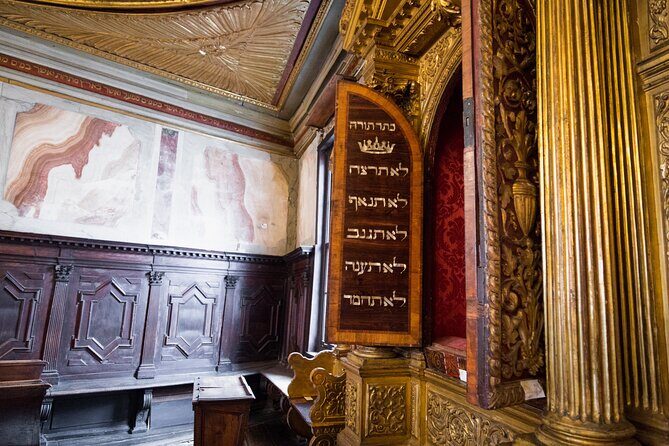
There’s also a very specific detail that helps you see the Duomo with fresh eyes. The guide points out that the Duomo area features a Jewish inscription of the Ten Commandments. This is exactly the kind of small, easily overlooked marker that makes a guided walk worth it—even when the sites themselves are famous.
Practical tip: if you’re taking photos, do it during the explanation windows, not after. These tours are about reading the city, and the “why” comes right when you’re standing in the right place.
Piazza della Signoria and the Medici link: power, business, and influence

Next comes Piazza della Signoria, one of Florence’s grand squares—and a smart setting for this topic. You’ll walk around toward Palazzo Vecchio while learning about the role of Jewish people in commerce and the connection to the powerful Medici family.
This is where the tour avoids staying stuck in a single timeframe. Instead, it frames Jewish life in Florence as part of the city’s economic and political ecosystem. The guide ties the neighborhood landscape to big-picture forces: who had access, where wealth and trade fit into local power structures, and how Florence’s elites shaped the rules of daily life.
What I like about this stop is that it doesn’t require prior knowledge. Even if you only know Florence for art and architecture, you’ll come away understanding that the Jewish community wasn’t an isolated footnote. It was part of how the city worked.
Possible drawback to keep in mind: if you’re hoping for lots of open-ended conversation, pace can be a factor. One mixed review mentioned that the guide moved quickly and stayed ahead. If you like to ask questions, bring them up early, and don’t be shy about setting expectations for a slower rhythm.
Santa Croce: the Star of David on a famous facade
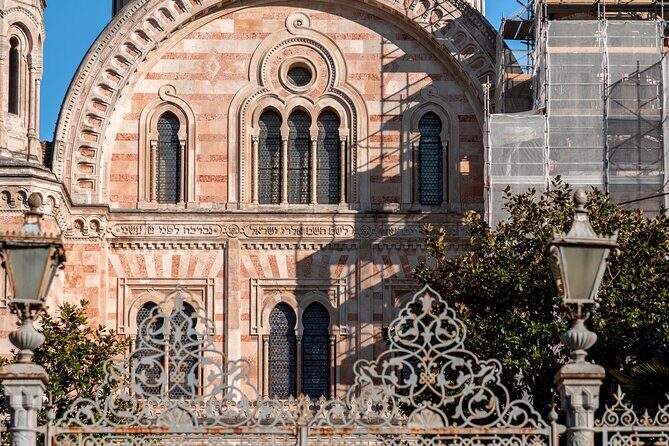
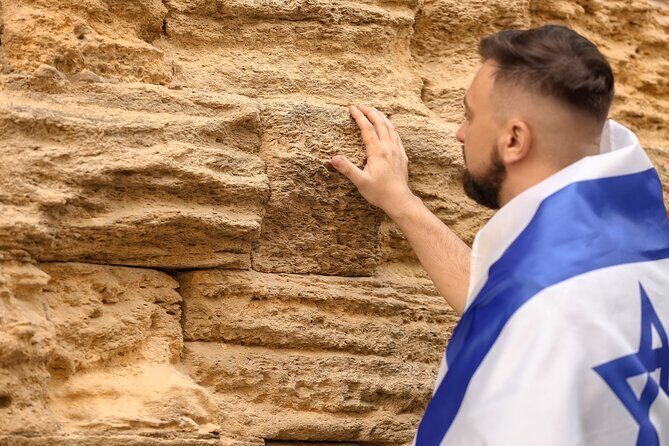
The tour’s Santa Croce stop is where the meaning becomes visible. You’ll head to the Basilica of Santa Croce, and the guide will show you a “hidden” Star of David on the facade.
This detail is important for two reasons. First, it shows how Jewish presence could be expressed in the visual language of a major Christian landmark—something you’d never notice if you were simply sightseeing. Second, the guide uses the Star of David clue to transition into what happened when the Ghetto was demolished.
After that break, the tour focuses on the former Jewish Quarter and the movement of many Jews to other areas of Florence. In other words, you’re not just learning a symbol—you’re learning a shift. The cityscape becomes a map of displacement, adaptation, and survival.
One practical angle here: Santa Croce is a high-traffic stop. A guided approach helps you get the story quickly and move on without losing the thread.
Great Synagogue and Jewish Museum: the part worth planning around
This is the tour core, and it’s where the experience can vary depending on which option you pick.
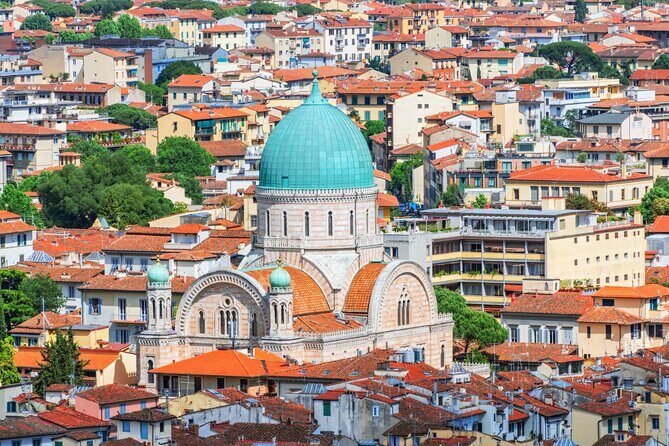
You’ll visit the Great Synagogue and the Jewish Museum of Florence. If you choose the option that includes skip-the-line access, you’ll get faster entry at your booked time—no waiting at the ticket office. Note the wording is specific: skip-the-line is included only with the 3-hour option. In the shorter 2-hour option, the synagogue and museum interior time may not be included, and skip-the-line access may not apply.
Inside the Great Synagogue, the tour becomes less about “finding clues” and more about understanding life and memory. You’ll learn that the synagogue was one of the major synagogues built in Europe during the age of Jewish emancipation. That’s a big historical framing moment: it puts the building into the wider European story rather than treating it as local-only architecture.
Then the museum takes over. The Jewish Museum includes exhibits featuring religious items and clothing, so you can see how faith was practiced and how everyday religious identity looked in objects. There are also exhibits commemorating Holocaust victims, which adds an important layer of 20th-century history and remembrance.
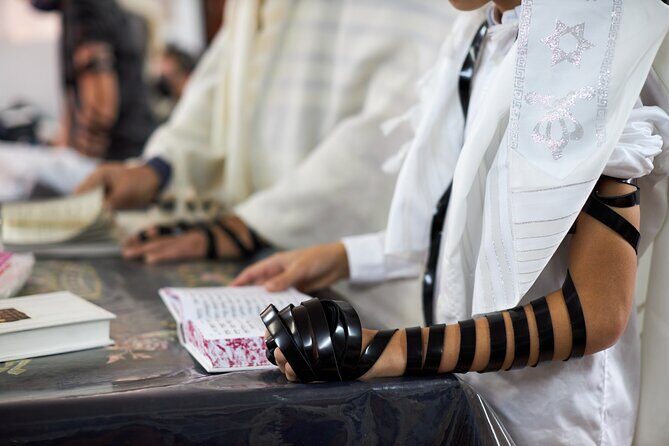
A very practical note: the synagogue is an active place of worship. Interior visits can be limited during scheduled events like Sabbath, prayer times, concerts, or other programs. The tour includes guidance on appropriate conduct and dress. Yarmulkes are available on site free of charge, but you should still dress and behave respectfully.
If you’re the type who wants to linger, plan for that mentally. Museum spaces work best when you don’t feel rushed. But if your day has tight connections, choosing the skip-the-line option (when available) can save a lot of stress.
You can also read our reviews of more private tours in Florence


Kosher food and shop tips: what you can do after the tour
The tour isn’t just history and museums. It ends with practical local guidance for food and shopping. Your guide shares suggestions for kosher restaurants, shops, and cafes, based on what they know personally.
One specific stop you can consider after the visit is Balagan Café, mentioned as a place to go at the end. If you’d rather keep moving independently, you can still rely on the guide’s recommendations as a shortlist, since kosher options in any big city can require some checking.
What I like here is that it respects your time. You’re not sent off with vague ideas. You get concrete names, so you’re not trying to Google while hungry.
If you’re visiting with kids or older relatives, this “next steps” portion is useful too. It turns a good tour into an easy half-day plan, rather than leaving you to figure out logistics alone afterward.
Price and timing: does $190.83 per person feel fair?
At $190.83 per person, this is not a budget walking tour. You’re paying for several value drivers at once:
- A private guide (your group only), which usually means more attention to your questions and the chance to tailor the tempo.
- Structured expert commentary focused on a narrow theme: Florence’s Jewish Quarter and the legacy still visible around the city.
- Synagogue and museum access, with the museum time included in the experience.
- Skip-the-line access only in the longer option, which can be a real time-saver in a popular city center.
The biggest “value decision” for your wallet comes down to which duration you choose. If you strongly care about maximizing time inside the Great Synagogue and Jewish Museum—and you want to avoid ticket-office waits—then the option that includes skip-the-line is the one to prioritize.
Also, this tour is often booked about 47 days in advance on average, which is a clue that prime times can fill up. If you’re traveling in peak season or on a day with a full museum schedule, booking ahead is smart.
My general take: if you want depth and you care about seeing how Florence’s Jewish history connects to major landmarks, the price can make sense. If you only want a light overview and you’re happy to explore museums on your own, you might find other options cheaper.
Who this tour suits best (and who should think twice)
This experience fits you if:
- You like context, not just dates—especially stories that connect city layout to real community life.
- You want a guided explanation of sites you might otherwise walk past, like the Star of David on Santa Croce’s facade.
- You value the mix of architecture and museum artifacts, including religious items, clothing, and Holocaust-related commemoration.
- You want direct help finding kosher meals afterward.
It might be less ideal if:
- Your schedule is extremely tight and you’re very sensitive to walking pace. The tour covers multiple stops in a few hours, and even private tours still keep a “city flow.”
- You’re counting on skip-the-line but choose the shorter option. The data here is clear: skip-the-line benefits depend on the selected duration.
If you do book, I’d suggest you take two minutes before or at the start to tell your guide how you like to travel: slower with questions, or faster with photos. That small nudge can improve the whole experience.
The one thing I’d watch for: guide style and pace
The guide is central to this kind of tour. One standout detail from a top-rated experience is that a guide named Linda Sassano Higgins brought history to life with cultural context and individual experiences of the community in Florence. That kind of storytelling is what makes the landmarks click.
On the flip side, a lower rating flagged an issue with pace and engagement—walking fast and staying ahead rather than interacting as much during the walk. That doesn’t mean the tour is always like that, but it’s a reminder to choose your preferred pacing.
If you want a slower, more interactive feel, start with your expectations early. Private tours are still guided experiences, but you can often influence how the time is used.
Should you book this Florence Jewish Quarter tour?
If your goal is to understand Florence beyond art galleries—and you want the Jewish Quarter story tied directly to what you see on the street—then yes, this is a strong booking. The Great Synagogue and Jewish Museum are meaningful stops, and the Santa Croce and Duomo-area clues give you visual anchors for the story.
Book especially if you can choose the longer option that includes skip-the-line access, since that can turn a potentially stressful queue problem into a smoother museum visit.
Skip—or choose a different format—if you mainly want a casual stroll and you don’t care about museum time. At this price, you’ll get more satisfaction if you’re ready to focus for a couple hours and follow the guide’s thread from landmark to landmark.
FAQ
Where does the tour start?
It starts at Piazza del Duomo, 9, 50122 Firenze FI, in front of the Opera del Duomo Museum. This location is only a meeting point; you should not enter the building.
How long is the Florence Jewish Quarter history walking tour?
The duration is about 2 to 3 hours.
Is this tour private or shared?
It’s private. Only your group participates.
Do I get skip-the-line entry to the Great Synagogue and Jewish Museum?
Skip-the-line access is included with the 3-hour option. In the 2-hour option, skip-the-line tickets to the synagogue and museum are not included.
What’s inside the Great Synagogue visit?
You visit the Great Synagogue and the Jewish Museum of Florence. The museum displays religious items and clothing and includes exhibits commemorating Holocaust victims.
Is the synagogue open for visits all the time?
The Great Synagogue is an active place of worship, so interior tours can be limited during scheduled events such as Sabbath, prayer times, concerts, or other activities.
What should I wear or bring for the synagogue?
Dress and act appropriately. Yarmulkes are available on site free of charge.
What kind of guidance do I get during the walk?
You’ll get expert commentary on the history of Florence’s Jewish community and tips on the best kosher shops, restaurants, and cafes.
Is the tour easy to reach around Florence?
Yes. It’s near public transportation, and most travelers can participate.
You Might Also Enjoy

More Walking Tours in Florence
More Tours in Florence
- The Best tour in Florence: Renaissance & Medici Tales – guided by a STORYTELLER
★ 5.0 · 12,316 reviews

More Tour Reviews in Florence
- Tuscany Day Trip from Florence: Siena, San Gimignano, Pisa and Lunch at a Winery
★ 5.0 · 21,634 reviews - The Best tour in Florence: Renaissance & Medici Tales – guided by a STORYTELLER
★ 5.0 · 12,316 reviews