REVIEW · FLORENCE
Florence: LGBTQ Renaissance Walking Tour with Mila
Book on GetYourGuide →Operated by Florence TourGuides · Bookable on GetYourGuide
Florence changes shape when you see it through Mila. I like that this walk ties major landmarks to LGBTQ life in Renaissance-era Florence, not vague ideas. Two things I especially love: Mila’s story style (warm, funny, and grounded in sources) and how the route forces you to look again at Ponte Vecchio and the nearby old gay district.
One possible drawback: the tour covers real penalties and public denunciations related to same-sex relationships, so it’s not exactly carefree sightseeing. If you prefer light, romance-only Florence, this may feel heavy at points—especially because it runs rain or shine.
In This Review
- Key highlights you will feel on this walk
- Meeting Mila at Piazza della Repubblica: where the story starts
- Santa Trinita Bridge to Pitti Palace Square: Medici power with a queer lens
- Ponte Vecchio: how a famous bridge connects to medieval cruising
- Piazza dei Signori: art you can’t unsee after the LGBTQ context
- Orsanmichele Church: denunciation boxes and the cost of being seen
- Two hours in central Florence: price and value that actually make sense
- Who this tour fits best (and who might want a different option)
- Booking advice: how to make it a win for your Florence days
- Should you book Florence: LGBTQ Renaissance Walking Tour with Mila?
- FAQ
- How long is the Florence LGBTQ Renaissance walking tour?
- Where do I meet Mila?
- Is the tour guided in English?
- Are entrance fees included?
- Does the tour include a headset?
- Is the tour wheelchair accessible?
- Will the tour run in bad weather?
- What key sights will we see?
- Is hotel pickup or drop-off included?
- What’s the cancellation policy and booking option?
Key highlights you will feel on this walk
- Meet at Piazza della Repubblica and get the legal and social context that explains what came before the art
- Santa Trinita Bridge to Pitti Palace Square with a focused look at the Medici family and Gian Gastone
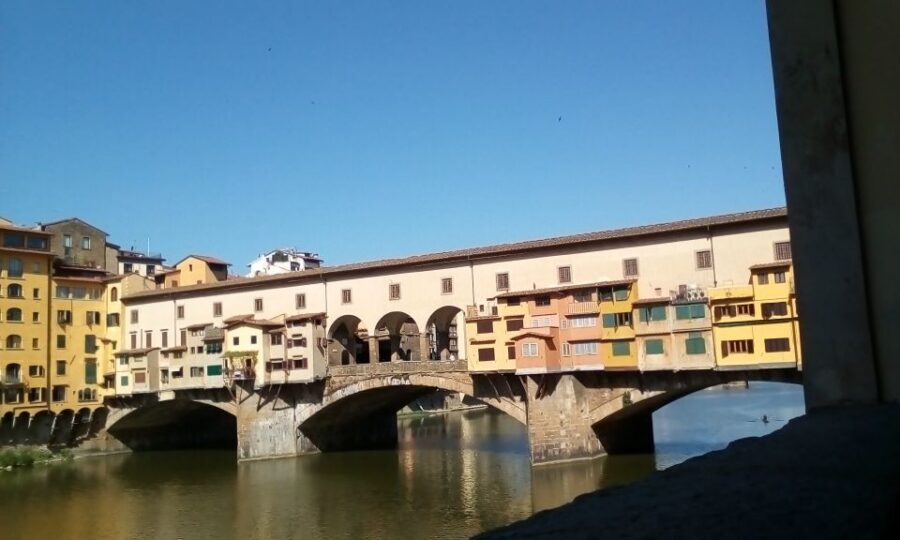
- Cross Ponte Vecchio with the explanation of its connection to cruising in medieval and Renaissance times
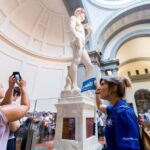
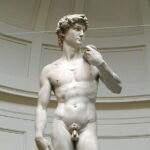
- Piazza dei Signori stops for Michelangelo’s David (copy) and Cellini’s Perseus with the Head of Medusa
- Orsanmichele Church where denouncing boxes were used against LGBTQ people, especially gay men
- A 2-hour, headset-supported route that keeps you hearing the guide clearly in busy central Florence
Meeting Mila at Piazza della Repubblica: where the story starts
Your tour meets at Piazza della Repubblica, right by the Hard Rock Café under the Loggia, where Mila will be holding a sign. This is a smart start point: it puts you in the middle of Florence’s pedestrian flow, so the tour feels immediate rather than like a separate activity.
Within the first stretch, Mila sets the tone with the laws and punishments tied to the crime of sodomy—plus how rules shifted as Italy’s political and social climate changed. It matters because Florence is famous for beauty, and this tour quietly reminds you that beauty doesn’t cancel out danger. You’ll also learn how public systems targeted private lives, and that gives the later landmarks extra weight.
Bring a watchful mindset. You’ll be walking and standing for stretches, and the content can turn serious. Mila’s style helps: she’s warm and funny when it’s appropriate, then firm when the subject calls for seriousness.
You can also read our reviews of more walking tours in Florence
Santa Trinita Bridge to Pitti Palace Square: Medici power with a queer lens
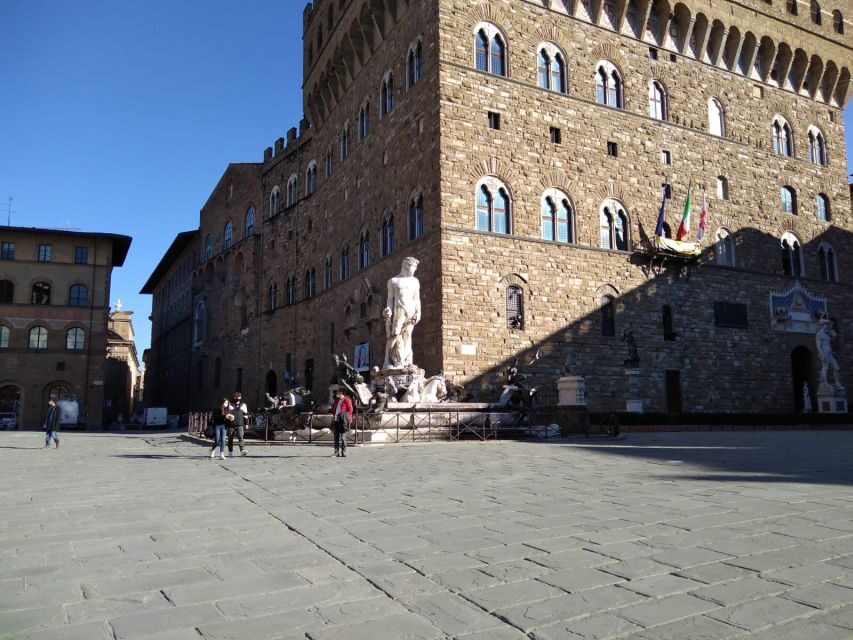
From Piazza della Repubblica, you cross toward the Santa Trinita Bridge and continue to Pitti Palace Square. The bridge crossing is more than scenic filler. It’s a transition from the square where you learn the legal backdrop into the area tied to Medici influence.
At Pitti Palace Square, the story locks onto the Medici family, with an emphasis on the last male member, Gian Gastone. Mila explains why he became one of the most controversial figures in European history. The connection you get here is not that the Medici controlled someone else’s love life directly, but that power, reputation, and politics shaped what was tolerated and what was punished.
Practical tip: while you’re in this part of the route, slow down for a minute and look at how sightlines work. Florence’s layout helps explain why people could move through public spaces while hiding private behavior. You don’t need to hunt for facts in plain sight—the guide helps you see how the city’s design fed the social rules of the time.
Ponte Vecchio: how a famous bridge connects to medieval cruising
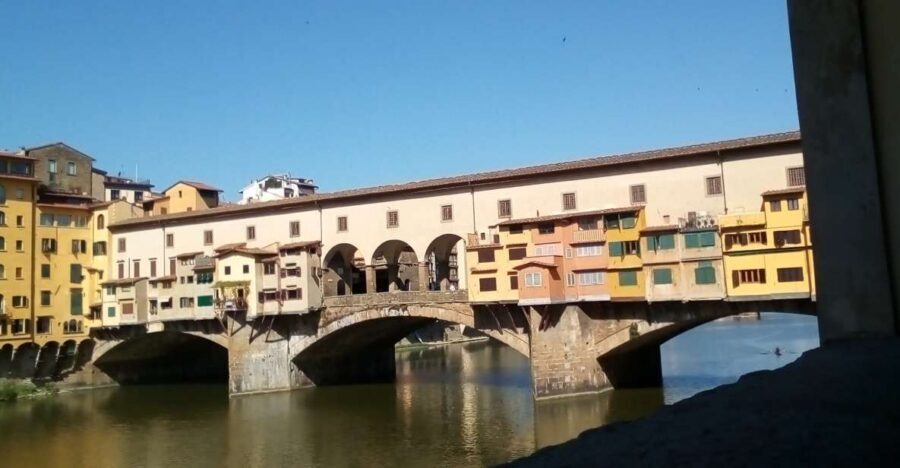
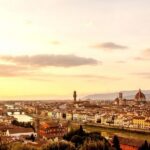
Next, you reach Ponte Vecchio, and you’ll cross it as Mila explains its link to the queer community. The big idea: this now-famous landmark was once one of the most popular places for cruising during medieval and Renaissance times.
That changes how you experience the bridge. Instead of treating it like a postcard, you start thinking about timing, anonymity, and the way crowds can create cover. You’ll also notice how the bridge’s role in everyday life makes it a natural meeting point—whether people were shopping, working, or just drifting.
This is one of the tour moments that feels both historical and oddly relatable. Everyone still needs privacy. In a city like Florence, privacy often came from moving through public space without being singled out.
Piazza dei Signori: art you can’t unsee after the LGBTQ context
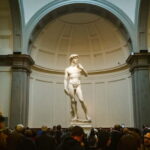
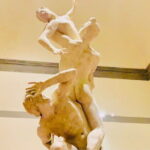
As you head into the ancient gay district area near Piazza dei Signori, the tour shifts from street-level history to art you can actually pinpoint. You’ll see a copy of Michelangelo’s David, and then you’ll look at Cellini’s Perseus with the Head of Medusa.
These aren’t just stand-and-stare stops. Mila uses them as visual anchors while explaining the human stakes behind what people were doing, hiding, or fearing. That’s why the LGBTQ perspective lands differently here: you’re not only hearing about events; you’re standing in the same kinds of public spaces where reputation could follow you.
Practical advice: give yourself permission to read faces. Not literally—just be present with what surrounds you. Medusa is a myth, but her story also carries an edge: consequences, fear, and punishment themes show up again and again in the tour’s broader narrative.
And yes, you’ll likely do what I do: you’ll leave the piazza looking up at statues differently, like they’re pointing at something more complicated than beauty.
Orsanmichele Church: denunciation boxes and the cost of being seen
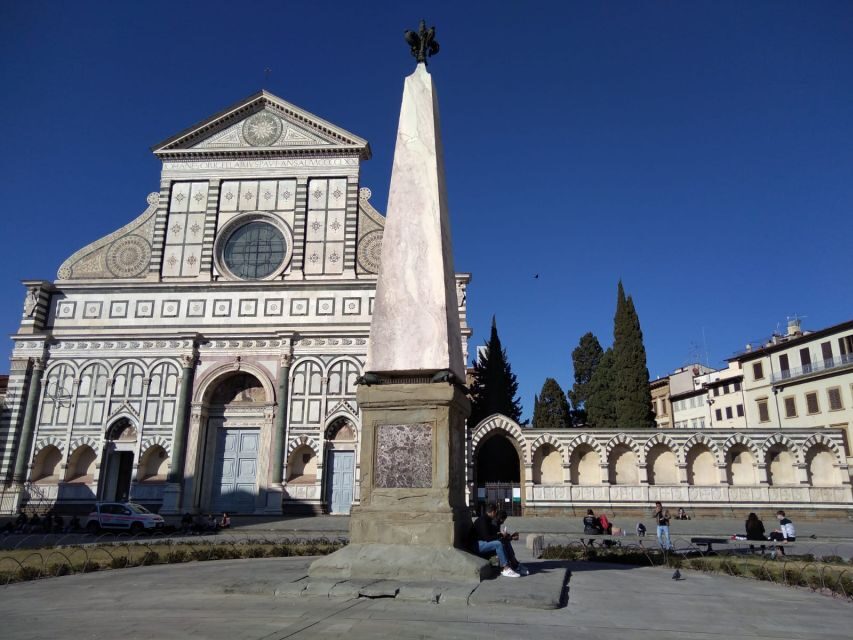
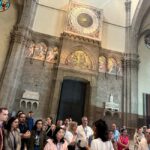
One of the tour’s most memorable stops is Orsanmichele Church. Mila explains that the church hung special boxes used to denounce members of the LGBTQ community, especially gay men.
This part is heavy, but it’s also important. Florence’s Renaissance fame can make you forget that the same streets that celebrate art also hosted surveillance and punishment. The guide doesn’t treat this as shock value. She places it in context so you understand how ordinary places became tools in a social system.
If you’re sensitive to dark topics, this is where you’ll want to mentally steady yourself. The practical value is that you’ll leave with a clearer understanding of why certain behaviors were risky and how people tried to navigate those risks.
Small comfort: Mila’s tone is controlled. She’s warm and funny in other sections, but she doesn’t joke over the stakes here. That balance shows why so many people come away feeling informed instead of rattled.
You can also read our reviews of more tours and experiences in Florence
Two hours in central Florence: price and value that actually make sense
This tour costs $29 per person and lasts 2 hours. For central Florence, that’s a reasonable value when you consider what you’re getting: a live English guide, headset support, and a route that connects multiple major sights to a specific historical theme.
Here’s what makes the time work: the tour strings together close, walkable locations—Piazza della Repubblica, Santa Trinita Bridge, Pitti Palace Square, Ponte Vecchio, and the area near Piazza dei Signori and Orsanmichele. You’re not paying to sit in transit. You’re paying for interpretation while you’re already in the right places.
What’s not included is also part of your planning. There are no entrance fees included, so you’re mostly experiencing the sights from the public areas around them. If you’re hoping for ticketed museum time, you’ll need to pair this with a separate paid entry later.
My recommendation for budgeting: see this tour early enough that its context shapes the rest of your days. Once you understand how the city’s public spaces were used and policed, you’ll interpret other neighborhoods with more accuracy.
Who this tour fits best (and who might want a different option)
You’ll get the most out of this LGBTQ-focused Florence walking tour if you like history that connects directly to real places. It’s also a good pick if you’re someone who wants explanations beyond a basic highlights tour. Mila’s approach works because she connects landmarks to laws, social pressure, and daily behavior—not just dates and names.
It also seems like the guide is attentive to different ages. Some feedback highlights that the tour can be appropriate for a thoughtful teenager, mainly because the delivery mixes honesty with humor and keeps pacing manageable for a walking format.
You might want to choose something else if:
- You strongly dislike topics about punishments, fines, or denunciation
- You want a purely sightseeing-focused evening with no heavy moral context
- You need long seated breaks (this is a 2-hour walking tour, and the content includes standing in multiple points)
The good news: the tour is wheelchair accessible, and the route is built around central Florence points rather than isolated areas. If you’re unsure about your walking comfort, it’s still worth asking before you go how the pace feels for your specific needs.
Booking advice: how to make it a win for your Florence days
If you’re debating whether to book, ask yourself what you want from Florence. If you want to look at statues and bridges while also understanding the social world that shaped the Renaissance, this tour is a strong match.
To make it even better:
- Wear shoes you trust. It’s two hours in classic uneven-stone Florence territory.
- Bring a light layer. Even when the weather is fine, bridges and open piazzas can feel different from shaded lanes.
- Save energy afterward. You’ll likely walk away thinking more deeply than you expected, and you’ll want time to translate that into your next stops.
And a small bonus: because Mila points out how people navigated public space, you start noticing patterns fast—where people would have blended in, where the crowd cover was strongest, and why certain landmarks became social magnets.
Should you book Florence: LGBTQ Renaissance Walking Tour with Mila?
Yes—if you want Florence with context. This isn’t a generic LGBTQ history lecture. It’s a practical walk through major sites—Piazza della Repubblica, Santa Trinita Bridge, Pitti Palace Square, Ponte Vecchio, Piazza dei Signori, and Orsanmichele—where the guide explains how queer life was shaped by law, politics, and public systems of control.
I’d skip it only if the darker parts of the story are a dealbreaker for you. If you can handle serious history (with a guide who keeps it human and clear), this tour is a great way to see the city in a way most people never experience.
FAQ
How long is the Florence LGBTQ Renaissance walking tour?
It lasts 2 hours.
Where do I meet Mila?
Meet at Piazza della Repubblica, next to the Hard Rock Café under the Loggia. Mila will have a sign.
Is the tour guided in English?
Yes, it’s a live tour guide in English.
Are entrance fees included?
No, entrance fees are not included.
Does the tour include a headset?
Yes, a headset is included.
Is the tour wheelchair accessible?
Yes, it is listed as wheelchair accessible.
Will the tour run in bad weather?
Yes, it takes place rain or shine.
What key sights will we see?
You’ll visit and learn about Piazza della Repubblica, Santa Trinita Bridge, Pitti Palace Square, Ponte Vecchio, the ancient gay district near Piazza dei Signori, and Orsanmichele Church, plus you’ll see the Perseus with the Head of Medusa by Cellini and a copy of Michelangelo’s David.
Is hotel pickup or drop-off included?
No, hotel pickup and drop-off are not included.
What’s the cancellation policy and booking option?
Free cancellation is available up to 24 hours in advance for a full refund, and the reserve now & pay later option is offered.
You Might Also Enjoy
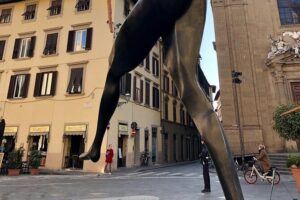
More Walking Tours in Florence
More Tours in Florence
- The Best tour in Florence: Renaissance & Medici Tales – guided by a STORYTELLER
★ 5.0 · 12,316 reviews
More Tour Reviews in Florence
- Tuscany Day Trip from Florence: Siena, San Gimignano, Pisa and Lunch at a Winery
★ 5.0 · 21,634 reviews - The Best tour in Florence: Renaissance & Medici Tales – guided by a STORYTELLER
★ 5.0 · 12,316 reviews