REVIEW · FLORENCE
LGBTQ + friendly Renaissance Gay life in Florence tour
Book on Viator →Operated by Mila Lavorini · Bookable on Viator
Florence gets personal fast. In this LGBTQ+ friendly Renaissance Gay life tour, you’ll connect the city’s landmarks to stories about sexuality, power, and punishment, guided by Mila Lavorini. It’s a focused 2-hour walk that moves through the kind of spots most visitors miss, from Piazza della Repubblica toward Orsanmichele.
I love two things most: the chance to see less-obvious corners of Florence while the guide links them to real law-and-life details, and the practical setup with headsets included, so you can hear clearly even when the streets get noisy. You’ll also get time to ask questions without feeling rushed.
One consideration: the subject matter can be heavy. You’ll hear frank references to accusations and how society treated queer people, so this is best if you’re ready for real history, not just romance.
In This Review
- Key highlights you’ll care about
- Renaissance Florence: why this kind of tour feels different
- Starting at Hard Rock Cafe: easy logistics, quick rhythm
- Piazza della Repubblica: the story begins in a real public hub
- Palazzo Strozzi: laws and penalties, not just legends
- Spini family palace area (Piazza Santa Trinita): power in architecture
- Medici secrets near the Arno: Gian Gastone de’ Medici
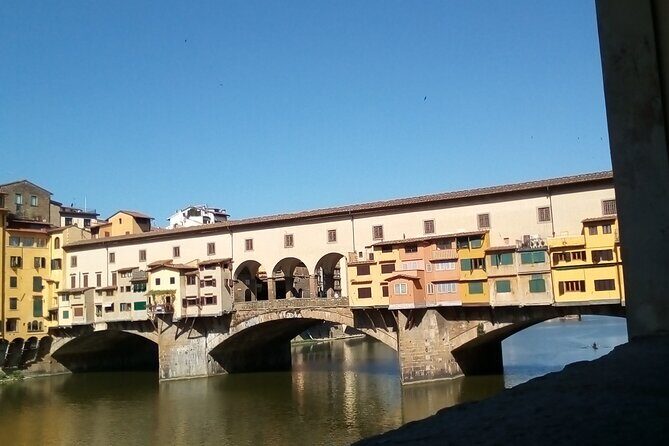
- Ponte Vecchio: Lorenzo’s philosophy and a court of pleasure
- Chiasso del Buco: medieval queer geography
- Piazza della Signoria: a Pride milestone and Michelangelo’s David copy
- Orsanmichele: accusations, sodomy mentions, and prostitution in context
- How Mila Lavorini makes the topic work in real life
- Price and value: what $30.07 buys you in Florence
- Who this LGBTQ+ Renaissance tour is for
- Booking tips that help your day go smoother
- Should you book this LGBTQ+ Renaissance Gay life tour?
- FAQ
- How long is the LGBTQ+ Renaissance Gay life tour in Florence?
- How much does the tour cost?
- Where do I meet the guide?
- What group size should I expect?
- Is the tour in English?
- Are tickets or admission included for the stops?
- What’s included in the tour?
- What is the cancellation policy?
Key highlights you’ll care about
- Small group (max 10) means you can actually ask questions and keep pace with the story
- Mila Lavorini’s guiding style comes through as warm, attentive, and respectful toward the topic
- Law and punishment at Palazzo Strozzi adds context beyond names and dates
- Medieval queer geography takes you past the well-known squares into lanes and overlooked areas
- Art, power, and public space show up at Piazza della Signoria and beyond
- Orsanmichele ties in accusations and social dynamics in a way that connects daily life to public judgment
Renaissance Florence: why this kind of tour feels different
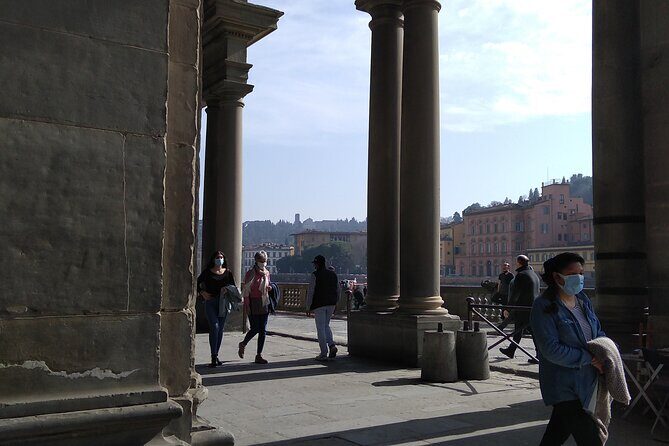
Most Florence walks focus on artists, palaces, and big-ticket art. This one keeps the same city energy, but shifts the lens to queer life and how it was policed. That matters because Florence wasn’t only gorgeous stone and genius—people’s private lives were also governed by law, religion, and reputation.
What you get is not a vague storytelling mood. You get places tied to specific themes: court ideas, how “offenses” were treated, who had influence, and how social attitudes showed up in public spaces. Even if you’ve been to Florence before, this angle makes you look twice at familiar stops.
And because it’s LGBTQ+ friendly in tone, you’re not expected to guess what’s relevant. The guide frames each location so it’s understandable and respectful, which helps a lot if you want historical context without emotional whiplash.
You can also read our reviews of more tours and experiences in Florence
Starting at Hard Rock Cafe: easy logistics, quick rhythm
You meet at Hard Rock Cafe, Via dei Brunelleschi 1, 50123 Firenze, and the tour ends back at the same place. That’s a practical setup—no long detours to find a new endpoint.
The tour runs about 2 hours and you’ll usually be moving at a comfortable city pace. The stop times are short enough to keep energy up, but long enough to hear the story and look around. With headsets included, you’re not stuck with the “I can’t hear the guide because someone is talking” problem.
Language is English, so if you want this topic explained clearly (not translated in your head), this is a strong fit. Also, with a max of 10 travelers, you’re less likely to get lost in a crowd.
Piazza della Repubblica: the story begins in a real public hub
You start at Piazza della Repubblica, a busy square that makes a good “entry point” for thinking about public life in Renaissance Florence. This is where the guide sets the tone: you’re not just learning about queer figures as names in books—you’re learning how society viewed sexuality in everyday contexts.
This opening stop is about orientation: who had power, how people were judged, and why certain behaviors could become public issues. It’s also a quick start, about 10 minutes, so you’re not waiting around while the tour warms up.
If you’re the type who likes context, this first stop helps you understand why later places matter. If you’re more “show me the site first,” just know the guide spends the early minutes framing the whole tour’s theme.
Palazzo Strozzi: laws and penalties, not just legends
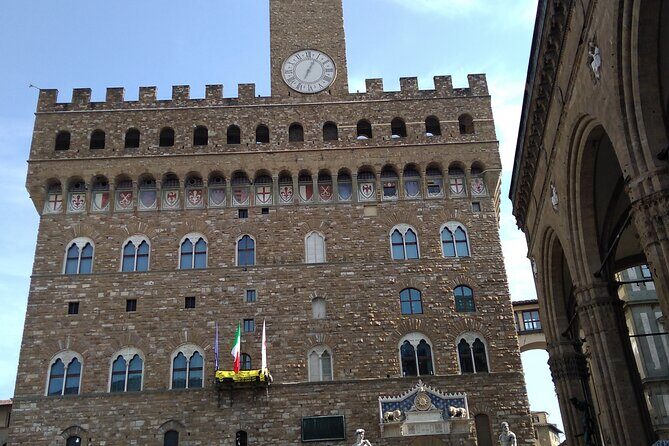
Next comes Palazzo Strozzi, where the theme shifts into legal and civic reality. Here, you hear how laws and penalties shaped what people could safely do—and what they had to hide.
This is valuable because a lot of queer history tourism turns into “famous people” without enough structure. In contrast, this tour connects the human story to the systems around it. Once you understand the idea of enforcement, later mentions of accusations, denouncement, and social gatekeeping make more sense.
A practical note: this is a short 5-minute stop. You’ll hear the key concepts, but you won’t get a slow, museum-style explanation. If you want deep legal detail, think of this as the foundation, then let it guide your curiosity for the rest of your day in Florence.
Spini family palace area (Piazza Santa Trinita): power in architecture
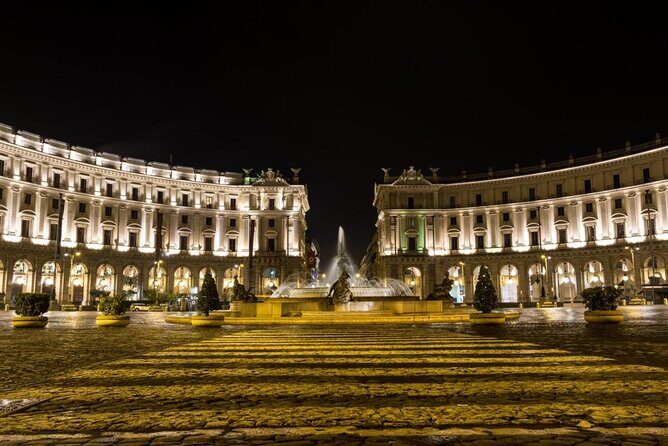
At Piazza Santa Trinita, you’ll admire the Spini family palace and hear how influential families shaped social life. This stop is brief—about 5 minutes—but it’s doing important work: reminding you that elite households weren’t just wealthy, they also helped define what was acceptable.
The message you take with you is simple: when power sits in particular buildings and neighborhoods, private behavior can become public through rumor, politics, or legal attention. Looking at the palace with that framing makes the stone feel less decorative and more political.
Drawback to consider: because the time is short, you might want to pause and re-look at the palace yourself after the tour. The guide will move on, but your second pass will be richer once you’ve heard the context.
- Tuscany Day Trip from Florence: Siena, San Gimignano, Pisa and Lunch at a Winery
★ 5.0 · 21,634 reviews

Medici secrets near the Arno: Gian Gastone de’ Medici
One standout moment in the walk is the stop devoted to the secret and forbidden life of the last Grand Duke Gian Gastone de’ Medici. The tour treats him as more than gossip; it’s part of a bigger story about court dynamics and the friction between public image and private reality.
Why I think this works for you: Medici history is already everywhere in Florence, but this angle adds a different kind of understanding. You start asking new questions when you see Medici symbols and influence—who benefited, what was tolerated, and where the line between private life and public consequences sat.
This portion also helps you connect the “big names” to the theme of gatekeeping. Even if you only know Medici history in broad strokes, you’ll leave with a clearer idea of how power could create space for certain behaviors while still punishing others.
Ponte Vecchio: Lorenzo’s philosophy and a court of pleasure
Crossing into Ponte Vecchio shifts the mood from law and palaces into the atmosphere of court life. This is where you hear about Lorenzo and his philosophy, plus a description of his court of pleasure.
Ponte Vecchio is famous for its views and its location—so the tour makes it meaningful by focusing on how those spaces could support reputation, secrecy, and lifestyle choices. The guide’s framing helps you see the bridge not just as a photo stop, but as part of a wider system where visibility mattered.
Time is about 15 minutes here, which is nice. You get a chance to look while also hearing a story that clicks into place. If your feet are feeling it, this is also a good moment to catch your breath and take in the river view before the tour continues on.
Chiasso del Buco: medieval queer geography
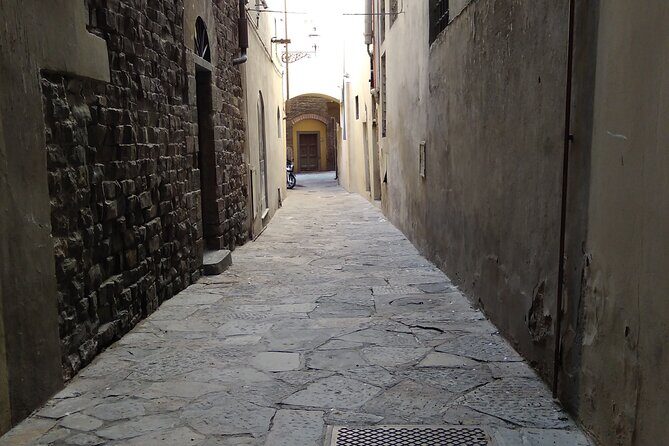
Then you stroll around Chiasso del Buco, described as a medieval gay area. This is one of the “walk-and-feel” parts of the tour: narrow streets and old corners tend to make history feel physical.
This section is about 10 minutes, and it’s less about monument photos and more about how the city’s layout could shape anonymity, gathering, or risk. The guide’s narrative helps you connect social behavior to city geography—where people could linger, where they might be seen, and how “ordinary” streets could carry “other” meaning.
If you hate walking in tight spaces, you may want to keep an easy pace and wear comfortable shoes. Florence streets can be uneven, and this tour includes multiple short hops between zones.
Piazza della Signoria: a Pride milestone and Michelangelo’s David copy
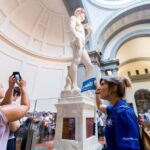
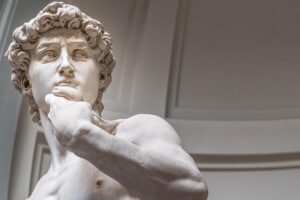
At Piazza della Signoria, the tour turns to civic symbolism and public attitude. You’ll stop in front of the place associated with the first Pride in the 16th century, and you’ll also admire a copy of Michelangelo’s David.
That combination is striking. David is famous for beauty and form, but here it becomes more than art appreciation. It becomes a prompt: power displays public images, and those images can coexist with under-the-surface realities.
The value for you is the contrast. You see a major square, you hear a specific LGBTQ+ related historical reference, and you get help tying that back to how public spaces can reflect or resist social norms. It’s thoughtful without turning into a lecture.
Time here is about 20 minutes, so you’ll have room to stop, look, and absorb. If you like to take photos, this is a strong place to do it while still listening.
Orsanmichele: accusations, sodomy mentions, and prostitution in context
The final segment is at the church and museum of Orsanmichele (about 15 minutes). This is the point where the tour doesn’t shy away from harsher material. You’ll hear about Leonardo da Vinci being denounced twice for sodomy and you’ll also hear about the importance of female prostitution.
This can feel intense, and that’s the point. The tour uses these examples to show how sexuality was policed and how social structures worked. It also underlines that gender, sex work, and accusations weren’t treated as separate topics; they were all wrapped into the moral and legal climate of the time.
Balance matters here. The guide keeps it respectful and frames it as historical context, not shock value. Still, if you want a purely upbeat sightseeing experience, this might be more than you bargained for.
Practically, Orsanmichele is a real site, so you’ll want to be ready to look and listen in a place where people may be moving around. With headsets on, it’s easier to focus.
How Mila Lavorini makes the topic work in real life
A big part of why this tour gets such high marks is the human delivery. Mila Lavorini comes across as punctual, kind, and clearly invested in answering questions. The best sign is that she makes space for people to ask things, even when the content is sensitive.
She also uses humor and anecdotes where appropriate, without losing the seriousness of the subject. That balance helps you stay engaged through multiple stops. Two hours can sound short, but when the guide keeps things moving and gives you time to process, the whole walk feels complete.
If you’re worried about someone talking over you or glossing details, the small-group format helps. It’s the kind of tour where you don’t need to compete to be heard.
Price and value: what $30.07 buys you in Florence
At about $30.07 per person for roughly 2 hours, this is priced like a “small segment” experience rather than a full-day commitment. The best part is what’s included: headsets. That’s not a throwaway add-on. On streets with traffic and crowds, it’s the difference between half-hearing and actually learning.
There are also no extra admission costs for the listed stops in the tour flow, which means you can budget easily. You’re paying mainly for guided interpretation and the time it takes to connect each place to the queer Renaissance theme.
Value-wise, I’d compare it to any good neighborhood walk with serious storytelling. The difference here is that the topic isn’t generic. It’s a focused lens—queer life, laws, court dynamics, and how society judged people. If those themes are what you came to Florence for, the price feels fair.
Who this LGBTQ+ Renaissance tour is for
This tour fits best if you want:
- A small-group walk where you can ask questions
- A city experience that includes queer history with social and legal context
- Florence sights treated as part of a bigger story, not just photo backgrounds
- An LGBTQ+ friendly guide who handles the topic with care
It may be less ideal if:
- You want light and fluffy Florence sightseeing only
- You’re uncomfortable with topics that involve accusations and sex-related punishment
- You expect long time inside museums or churches (the stops are short by design)
If you’re traveling with a partner, it also reads as a strong shared experience: you learn together, you look at the city with new eyes, and you have moments to discuss what you’re hearing at each stop.
Booking tips that help your day go smoother
Since it’s offered in English and runs with a maximum of 10 travelers, it’s smart to lock it in early if your dates are fixed. The tour typically gets booked about a month ahead on average, which is a clue that these small-group history walks don’t last forever.
Wear comfortable walking shoes, especially if you’re doing other Florence sightseeing the same day. This walk is only about two hours, but the street surfaces and quick stop-start pace add up.
Also, arrive a few minutes early at Hard Rock Cafe so you’re not rushing. That first story in Piazza della Repubblica sets the tone, and it’s nicer when you can settle in.
Should you book this LGBTQ+ Renaissance Gay life tour?
Book it if you want Florence through a rarely covered lens, with a guide who explains the links between queer life and the laws and social attitudes behind the scenes. The combination of small group size, headsets, and Mila Lavorini’s warm, question-friendly approach makes it a practical way to get meaning from the city in just two hours.
Skip it if you’re only here for sunny, easy sightseeing. This tour includes heavier topics, including denouncements tied to sodomy and mentions of prostitution, and it’s handled as historical context rather than a light theme.
If you’re open to honest history and you like your tours with a point of view, this is one of the better ways to see Florence without repeating the same old highlights.
FAQ
How long is the LGBTQ+ Renaissance Gay life tour in Florence?
It runs for about 2 hours (approx.).
How much does the tour cost?
The price listed is $30.07 per person.
Where do I meet the guide?
You meet at Hard Rock Cafe, Via dei Brunelleschi 1, 50123 Firenze FI, Italy.
What group size should I expect?
This experience has a maximum of 10 travelers.
Is the tour in English?
Yes, it’s offered in English.
Are tickets or admission included for the stops?
The tour notes free admission ticket for the listed stops.
What’s included in the tour?
You get headsets included.
What is the cancellation policy?
You can cancel for a full refund up to 24 hours in advance of the experience start time.
You Might Also Enjoy
More LGBTQ-Friendly in Florence
More Tours in Florence
- The Best tour in Florence: Renaissance & Medici Tales – guided by a STORYTELLER
★ 5.0 · 12,316 reviews

More Tour Reviews in Florence
- Tuscany Day Trip from Florence: Siena, San Gimignano, Pisa and Lunch at a Winery
★ 5.0 · 21,634 reviews - The Best tour in Florence: Renaissance & Medici Tales – guided by a STORYTELLER
★ 5.0 · 12,316 reviews