REVIEW · FLORENCE
Florence Small-Group Pasta Class with Seasonal Ingredients
Book on Viator →Operated by Chef Vary · Bookable on Viator
A small kitchen. Big flavor skills.
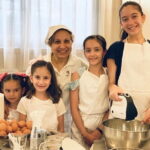
This is a hands-on pasta class in Florence that feels more like cooking with a real Tuscan household team than watching a chef perform. You’ll help make the pasta and sauces from scratch, then sit down to eat what you made with Italian wine.
I especially like the small group setup and the fact that you’re not stuck in “demo mode.” Chefs like Chef Vary, Chef Giulio, Chef Irene, and Chef Roberto are repeatedly described as patient, funny, and focused on teaching. One possible drawback to note: the class has strict rules for certain dietary needs, so some common substitutions may not be available.
In This Review
- What Makes This Class Worth Your Time
- One Important Consideration Before You Book
- Key Things to Know Before You Go
- A Real-Cooking Setup in a Florence Kitchen (Not a Show)
- How You Choose the Night’s Menu (Seasonal Tuscan Logic)
- Hands-On Pasta Making: Dough, Shape, Sauce, Repeat
- Bruschetta and Aperitivo: The “Start Cooking, Then Eat” Rhythm
- What You Actually Eat With Wine (And How Much)
- Dietary Rules in Plain English (So You Don’t Get Burned)
- Shoes, Noise, and the Florence Logistics Reality
- Group Size and Teacher Attention: Why This Isn’t Just a Meal
- Price and Value: What You’re Paying For at $126.98
- The Most Praised Parts (And How to Benefit From Them)
- Who This Class Suits Best
- Should You Book? My Straight Answer
- FAQ
- How long is the Florence small-group pasta class?
- Where does the class meet?
- What’s included in the price?
- Is this class demo-style or hands-on?
- What dietary needs can be accommodated?
- How old do you have to be?
- What’s the group size?
- Can I cancel for a refund?
What Makes This Class Worth Your Time
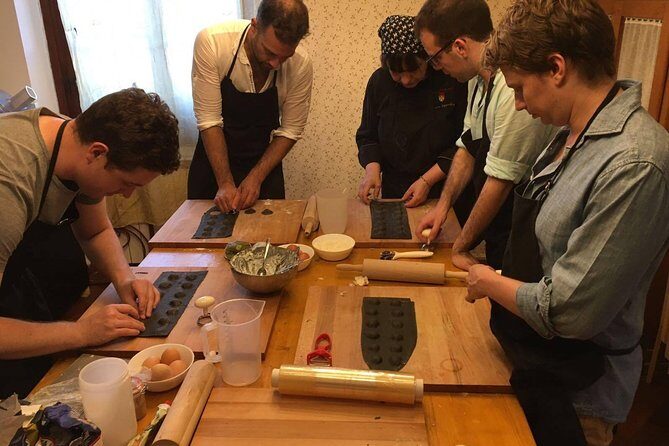
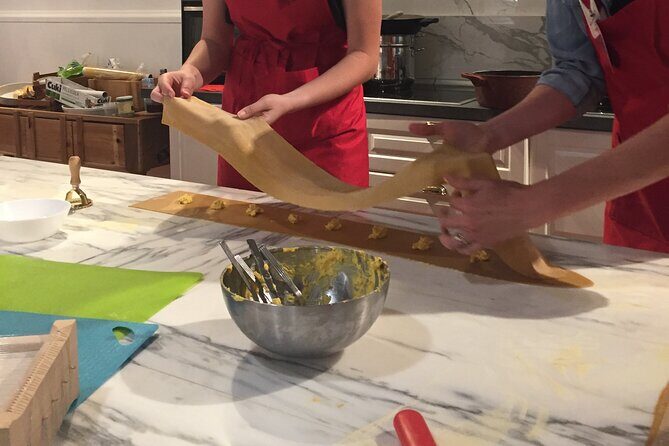
The first big win is that you’re working the dough and shaping pasta yourself. The format is built around learning the steps, not just tasting the result. If you want to bring home usable technique, this no-demo approach matters.
The second win is the meal afterward. You’ll taste what you made—bruschetta plus the pasta dishes you created—paired with wine. Reviews point to dinners where nothing is left on the table, which is a good clue the food is genuinely enjoyable, not just “included.”
One Important Consideration Before You Book
Check the dietary rules early. The experience states that gluten-free/egg-free/cheese-free is not allowed, and it also flags issues with lactose and allergies involving garlic or onion. If you need strict avoidance for those items, this may not be the right fit.
You can also read our reviews of more cooking classes in Florence
Key Things to Know Before You Go
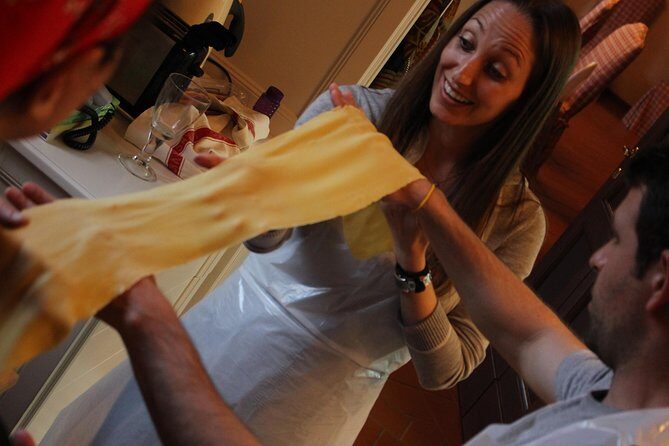
- Small group, max 12: enough attention from the chef without feeling lost in a crowd.
- You help cook, not watch: hands-on pasta making plus sauces and bruschetta.
- Seasonal menu choices: your night can include ravioli, tagliatelle, spaghetti pesto, and more depending on what’s in season.
- Wine included with the meal: your table gets an aperitivo moment, then a full sit-down.
- No heels, smart casual: wear flat, comfortable shoes since you’ll be standing and working.
- Minimum age 16, min 2 travelers: plan for a group that meets the requirements.
A Real-Cooking Setup in a Florence Kitchen (Not a Show)
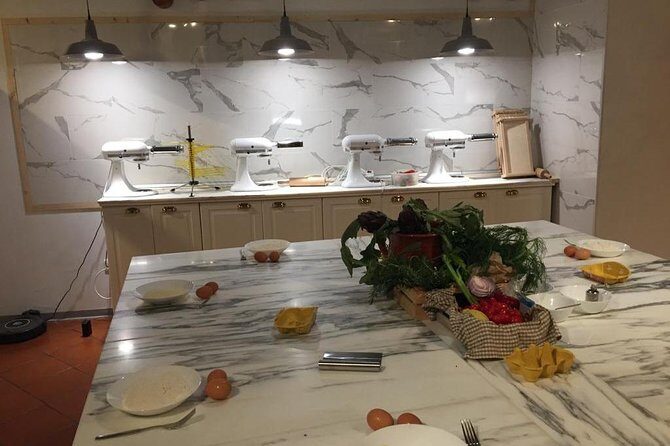
Florence has no shortage of cooking classes, but this one wins because the pacing is designed for you to participate. The session runs about 2 hours 30 minutes, and it’s offered in English. You get a mobile ticket, you’ll be near public transportation, and the class ends back at the meeting point.
The vibe is practical. You arrive, get your instructions, and you work. Many cooking classes end up feeling like a lecture with a snack. This one aims to teach technique while food is actively happening—because that’s when your hands learn what your brain can’t fully understand yet.
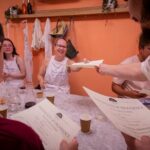
And the “small” part matters. With a maximum of 12 travelers, your chef can actually correct your dough consistency or shaping habits. That’s the difference between leaving with a fun story and leaving with skills you can repeat at home.
How You Choose the Night’s Menu (Seasonal Tuscan Logic)
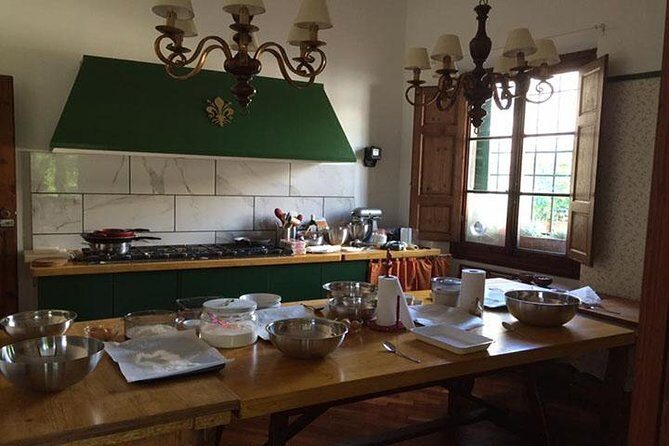
One of the most interesting parts is that the menu is picked with your input. You arrive and decide what you’re making based on the chef’s guidance and your tastes. That matters because pasta is personal: some people want rich sauces, some want lighter flavors, and others want something that feels more like Tuscan comfort.
The class also leans hard into seasonal ingredients. Here’s a sampling of dishes that can show up:
- Ravioli variations such as pumpkin, caramelized pear, lemon, or figs
- Tagliatelle with sweet tomatoes or meat sauce (including options like Bolognese, duck sauce, or sausage)
- Spaghetti options like pesto (traditional or Sicilian-style with sun-dried tomatoes and almond)
- Bi Fusilli with zucchini and lemon
- Spaghetti with porcini mushrooms when porcini is in season
Sauces shift with the time of year. That’s not just flavor; it’s also a smart way to avoid ingredients that don’t taste their best. In Italy, seasonal ingredients aren’t a trend. They’re a baseline for good cooking.
One more detail that can add surprise: the class may include making your own cheese for fillings. Even if it’s not every night, it’s the kind of step that turns a “cooking class” into a small food education.
Hands-On Pasta Making: Dough, Shape, Sauce, Repeat
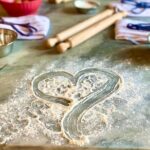
This class is built around doing. The experience starts with preparation—pasta and sauces, plus bruschetta—then moves into the pasta shapes you selected: ravioli, tagliatelle, spaghetti, or other pasta forms depending on the group and the plan for the evening.
What’s valuable here is the progression. You don’t just jump into shaping. You work through:
- making pasta dough
- preparing sauce components
- learning how to shape (ravioli are a classic test for patience and precision)
- assembling and finishing so the dish comes out ready for the meal
Reviews repeatedly highlight that the instruction is direct and confidence-building. People mention learning techniques like how to judge dough by feel and how to use tools in simpler ways (for example, chopping herbs with a mezzaluna). If you’ve always thought pasta is too technical, this is the kind of class that changes that belief.
And the format is flexible. Some reviews mention nights that included shapes beyond the sample menu, like gnocchi and cavatelli. The message is consistent: you’ll learn a few pasta techniques, not just one.
You can also read our reviews of more tours and experiences in Florence
- Cooking Class and Lunch at a Tuscan Farmhouse with Local Market Tour from Florence
★ 5.0 · 4,831 reviews
Bruschetta and Aperitivo: The “Start Cooking, Then Eat” Rhythm
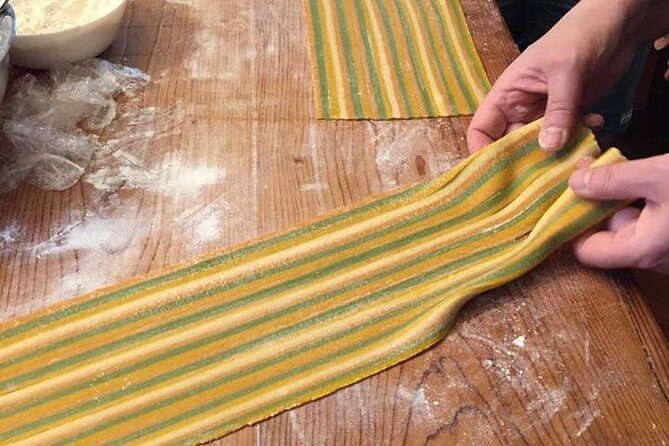
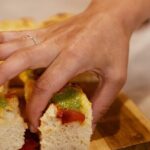
Before you sit down, there’s a built-in tasting moment. You’ll start by making bruschetta and preparing your early bites, and then you’ll sip an aperitivo. This helps the cooking feel like an actual dinner flow rather than a school lab.
The way it’s structured is practical for your appetite. You’re not waiting until the end to enjoy anything. You’ll get a taste of what’s happening in the kitchen—fresh bruschetta first, then the pasta dishes at the table.
It’s also a social moment. Even in a small group, this break makes it easier to talk with the chef, ask questions, and learn the why behind the steps.
What You Actually Eat With Wine (And How Much)
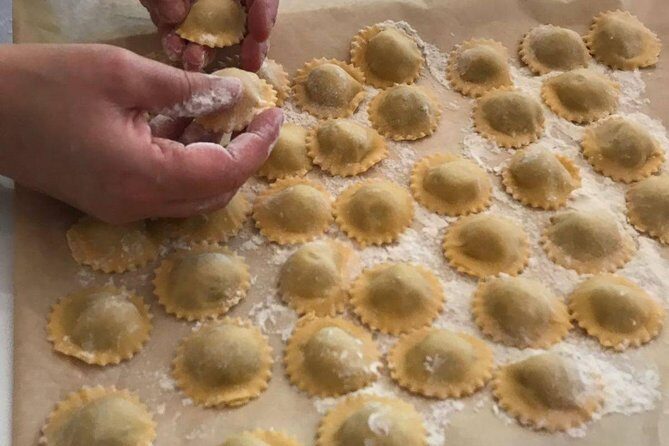
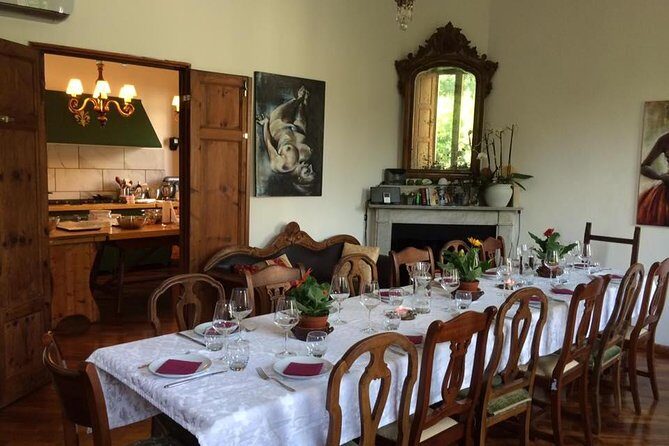
Once cooking is done, you sit down and eat what you helped make. The class includes a shared meal that follows the cooking section. That’s a key point: this isn’t “you cook and then someone else plates.” You’ll be part of the entire loop.
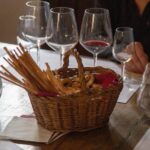
Wine is included with the meal, and you’ll also have water. The experience notes two glasses per guest, and one bottle for four guests. So yes, you can expect a real pairing moment, not a single symbolic sip.
You’ll likely eat multiple pasta dishes, since the menu can include more than one main. The sample options list several pasta types and sauces, and reviews support that many classes teach more than one dish during the session.
For a food-focused night in Florence, that’s a strong value signal. You’re paying for instruction plus a meal with wine. Done right, that becomes a highlight rather than an “extra expense.”
Dietary Rules in Plain English (So You Don’t Get Burned)
This part deserves your attention.
The experience explicitly states you cannot accommodate gluten-free, egg-free, cheese-free, and it also flags restrictions around lactose-free. It also notes that allergies involving garlic or onion are not allowed.
If you have dietary limits, you should confirm before booking. The class asks that you communicate any allergies or non-standard food needs in advance, and it also says vegetarian is possible with a special vegetarian option.
So here’s the practical takeaway:
- If you’re vegetarian, there’s a defined option to request.
- If you need strict gluten-free or egg-free or lactose-free substitutes, you should treat this as a hard constraint based on the stated rules.
If you’re not sure how your needs will map to these limits, message early. Pasta classes often advertise “we can try,” but here the rules are clearer than many.
Shoes, Noise, and the Florence Logistics Reality
This isn’t a “dress up and watch” event. It’s a smart casual class, and heels are not allowed. Plan on standing and working with dough and tools. Wear flat shoes you can move in.
The meeting point is Via Romana, 41r, 50125 Firenze FI, Italy, and the class ends back there. The area is near public transportation, but the experience also warns that parking isn’t straightforward. Florence’s limited traffic zones mean you’ll likely need a garage outside the center and then walk in.
If you’re the type who circles the block looking for the perfect parking spot, build in extra time. It saves stress and keeps you ready when the chef starts instructing.
Group Size and Teacher Attention: Why This Isn’t Just a Meal
With a maximum of 12 travelers, you’re more likely to get individualized coaching. That’s where these classes earn their keep.
Reviews point out that chefs can give attention to individual shaping, explain techniques clearly, and keep the mood relaxed. Some instructors are described as especially humorous, which matters. When people laugh, they learn faster because the pressure comes down.
Also, the class is offered only if you meet the group minimum: single traveler reservations aren’t allowed, and it requires at least 2 guests to book. That’s not a deal breaker, but it affects who should choose it.
If you’re traveling as a couple or a small group of friends, it fits well. If you’re solo, you’ll need to either join another booking (if the platform offers it) or pick a different class type.
Price and Value: What You’re Paying For at $126.98
At $126.98 per person for roughly 2.5 hours, you’re paying for more than ingredients.
You’re paying for:
- a professional chef
- hands-on instruction (not a demo)
- seasonal pasta and sauce production during the session
- bruschetta and the meal afterward
- wine and bottled water
- online recipes after the class
In other words, you’re buying a complete dinner experience plus skills. That can be better value than a class that’s “light on food” or doesn’t include wine.
The math also makes sense if you’re already planning to eat at a normal Tuscan restaurant. You’re getting a guided, interactive version of that evening, in a working kitchen.
The Most Praised Parts (And How to Benefit From Them)
The feedback here is consistent. The biggest praise points are clear:
- You do the work yourself. People like that it’s truly hands-on and you learn techniques that don’t require fancy equipment.
- The chefs teach with attention and energy. Multiple instructors are singled out, including Chef Vary, Chef Giulio, Chef Irene, Chef Roberto, and Chef Julio.
- The food lands as genuinely delicious. Reviews mention some of the best pasta they had in Italy, plus dishes that leave you with no leftovers.
- The night feels personal. A small-group kitchen where people get help makes a difference.
To get the most out of the experience, come ready to taste, ask questions, and be flexible with the menu. If you’re rigid about what you want to eat, you might feel less in control—because the menu is chosen together.
Who This Class Suits Best
This is a strong fit if you:
- want real cooking technique you can repeat at home
- like social, hands-on learning
- are traveling as a pair (or small group that meets the minimum)
- enjoy seasonal Italian flavors and don’t want a boring, cookie-cutter menu
It’s less ideal if:
- you need strict gluten-free/egg-free/lactose-free/cheese-free accommodations
- you have allergies involving garlic or onion
- you dislike structured instruction in a working kitchen setting
The class also has a hard rule for age: no children under 16, and the minimum drinking age is 18. That’s helpful to know if you’re traveling with teens.
Should You Book? My Straight Answer
I’d book this class if your goal is to leave Florence with more than photos. You’ll leave with pasta-making steps, seasoning instincts, and a feel for dough consistency—plus a full dinner with wine that tastes like it was made to be eaten.
Skip it (or confirm carefully) if your dietary needs fall into the stated restrictions around gluten, eggs, cheese, lactose, or garlic/onion allergies. The class is built on seasonal cooking from scratch, and the rules reflect that.
If you can match the dietary requirements and you’re ready to stand, chop, shape, and cook, this is one of the more satisfying ways to spend an evening in Florence.
FAQ
How long is the Florence small-group pasta class?
It runs about 2 hours 30 minutes (approx.).
Where does the class meet?
The meeting point is Via Romana, 41r, 50125 Firenze FI, Italy. The activity ends back at the meeting point.
What’s included in the price?
The price includes hands-on pasta cooking, sauce made from scratch, bruschetta, wine, bottled water, a shared meal of the pasta you prepared, professional chef instruction, taxes/fees, and online recipes.
Is this class demo-style or hands-on?
It’s hands-on. The description says it’s a cooking class where you help make the food, with no cooking demo.
What dietary needs can be accommodated?
Vegetarian can be requested using a special vegetarian option. The experience also states that gluten-free, egg-free, cheese-free (no vegan), and lactose-free are not allowed, and it flags allergy to garlic or onion as not allowed. Specific allergies must be communicated in advance.
How old do you have to be?
There’s a minimum age of 16. The minimum drinking age is 18.
What’s the group size?
The class has a maximum of 12 travelers, and it’s offered as a small group.
Can I cancel for a refund?
Yes. You can cancel for a full refund up to 24 hours before the experience start time. Cancellation within 24 hours isn’t refunded.
You Might Also Enjoy

More Workshops & Classes in Florence
- Cooking Class and Lunch at a Tuscan Farmhouse with Local Market Tour from Florence
★ 5.0 · 4,831 reviews
More Cooking Classes in Florence
- Cooking Class and Lunch at a Tuscan Farmhouse with Local Market Tour from Florence
★ 5.0 · 4,831 reviews
More Tour Reviews in Florence
- Tuscany Day Trip from Florence: Siena, San Gimignano, Pisa and Lunch at a Winery
★ 5.0 · 21,634 reviews - The Best tour in Florence: Renaissance & Medici Tales – guided by a STORYTELLER
★ 5.0 · 12,316 reviews