
REVIEW · FLORENCE
Sculpture in Florence : Traditional Clay modelling class
Book on Viator →Operated by Octavio Palomino Sculptor · Bookable on Viator
Clay hands, Florentine calm. In this 3-hour class, you model a figure based on a famous anatomical detail from Michelangelo’s David, working in a real local sculpture atelier with sculptor Octavio Palomino. I love how traditional water-based clay responds to your fingers like a living material, and I love the patient, practical coaching that helps you get real form even if it’s your first time.
One drawback to plan for: taking the piece home is one thing, but shipments and reproduction work (like calco and terracotta) cost extra if you want them.
In This Review
- Key things to know before you go
- Why this Florence clay class feels different from a museum visit
- Meeting point in Florence: where the class starts
- Inside the atelier with sculptor Octavio Palomino
- The 3-hour lesson: how your clay figure takes shape
- 1) Getting started with water-based clay
- 2) Working from a David reference (often an anatomical detail)
- 3) Shaping with traditional tools in a focused studio setting
- 4) Finishing your piece inside the lesson time
- What you actually learn (and why it matters)
- You learn to see form, not just details
- You learn how the material talks back
- You learn through direct guidance, not just watching
- Price and value: is $198.68 for a 3-hour class worth it?
- What’s included vs. what costs extra
- Private group lessons in Florence: what that changes for you
- Who should book this sculpting class
- Helpful planning tips before you arrive
- Should you book this Traditional Clay Modelling class in Florence?
- FAQ
- Where is the meeting point for Sculpture in Florence: Traditional Clay modelling class?
- How long is the class?
- How much does it cost?
- What language is the class offered in?
- Is this a private experience?
- What is included in the lesson?
- What is not included?
- What is the class about?
- When do they run the class?
- What is the cancellation policy?
Key things to know before you go
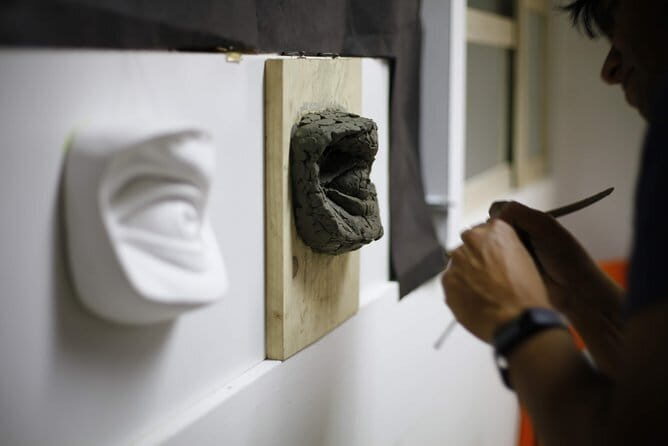
- Working in a real sculpture atelier in Florence, not a demo room.
- Hands-on traditional water-based clay you shape under guidance.
- A Michelangelo’s David detail as your starting point, so your subject has clear focus.
- Patient, first-timer-friendly instruction, with attention to your results.
- Private group format, so the lesson stays personal.
- Extra options cost extra: shipping and reproduction in calco/terracotta.
Why this Florence clay class feels different from a museum visit
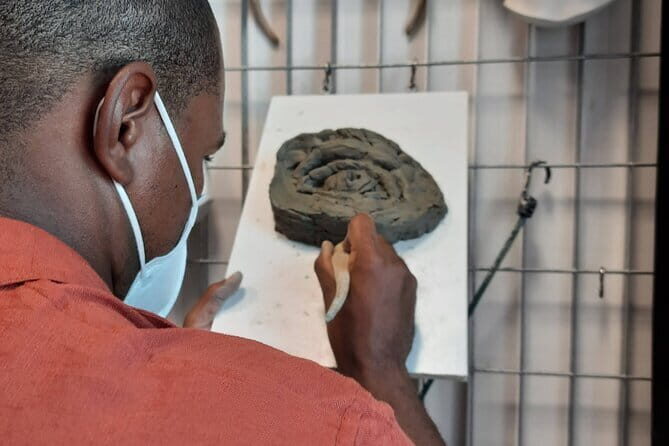
If your usual Florence plan is galleries and quick photo stops, this experience flips the script. You’re not just looking at classical sculpture—you’re making one, step by step, with the same basic approach: form first, then refine. That changes how you read masterpieces afterward, because you understand what matters most in the shape.
This lesson is also very tactile in a good way. The clay is water-based and meant to be worked with your hands, so you feel how soft it starts, how it holds marks, and how careful pressure changes the result. That kind of feedback is hard to get anywhere else in Florence.
And because the teacher sets your work around an identifiable reference from Michelangelo’s David (often an anatomical detail), you’re not left staring at a blank block wondering what to do next. You’re building toward a specific goal with guidance.
You can also read our reviews of more tours and experiences in Florence


Meeting point in Florence: where the class starts
You’ll meet at Via Coluccio Salutati, 3r, 50126 Firenze FI, Italy. The activity ends back at the same meeting point, so you’re not dealing with a complicated end location.
The schedule runs during set opening hours (with Monday listed as 9:00 AM to 4:00 PM), and you should plan around the lesson start time you book. Since the class is about 3 hours, I suggest you arrive with enough time to settle in and not feel rushed.
This is offered in English, so you can follow directions, ask questions, and get feedback without that extra layer of uncertainty that sometimes happens in hands-on workshops.
Inside the atelier with sculptor Octavio Palomino
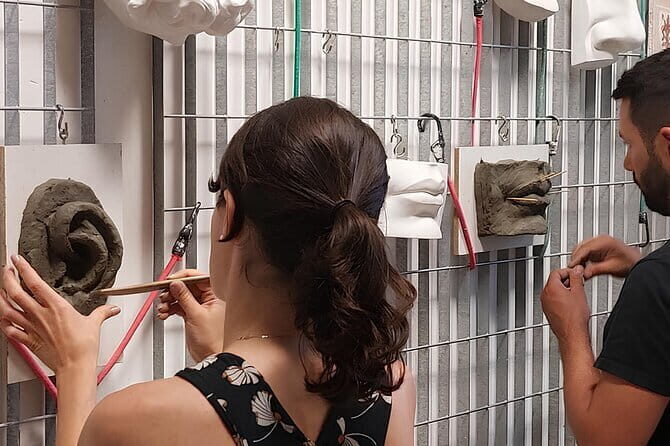
Once you’re at the start point, you’ll be brought into a real local sculpture atelier environment. That matters more than it sounds. A working studio has tools, surfaces, and a flow meant for actual sculpting—not a staged set made for tourists.
Your instructor is Octavio Palomino, who leads you through the traditional sculpting process. Even if you’ve never modeled clay before, the teaching style is described as experienced and patient, with support that helps you keep going when a shape doesn’t look right at first.
In one family-focused lesson, the instructor also showed flexibility by setting up a smaller table so a young participant could work too. That’s a sign the studio atmosphere can adapt to the needs of a mixed group, as long as everyone can focus enough to handle the material.
The 3-hour lesson: how your clay figure takes shape

The class centers on a core idea: classical sculpture begins with clay modeling. Over about three hours, you create your own sculpture form using traditional water-based clay and sculpting instruments.
Here’s the practical rhythm you can expect:
1) Getting started with water-based clay
You’ll begin with clay that’s meant to be shaped directly. The point isn’t to rush to a finished figure. Instead, you’re learning how the clay behaves—how it accepts your fingers, how it responds when you press, and how you can adjust form without starting over every few minutes.
- Tuscany Day Trip from Florence: Siena, San Gimignano, Pisa and Lunch at a Winery
★ 5.0 · 21,634 reviews






2) Working from a David reference (often an anatomical detail)
You’ll follow guidance based on a detail from Michelangelo’s David—commonly an anatomical section, so you’re modeling something with a clear structure. That approach is smart for a short workshop: you’re still making something “classical,” but you’re not trying to reproduce an entire statue in three hours.
As you sculpt, you’ll keep comparing your form to what the guide wants you to match. This is where the lesson stops being abstract and turns into a clear skill.
3) Shaping with traditional tools in a focused studio setting
The class includes clay and wooden instruments for modellazione. Those tools are part of how classic sculptors refine edges, smooth transitions, and bring out the sense of volume underneath the surface.
You’ll get coaching from Octavio Palomino on how to adjust your modeling as you go. The goal is not perfection. It’s learning what to change when the sculpture starts drifting away from the reference.
4) Finishing your piece inside the lesson time
By the end, you’ll have created your own artwork inside the atelier. Exact take-home instructions aren’t spelled out in the details provided, but the class experience is designed around producing a finished sculpted form during your session.
If you want any shipping or reproduction options after the class, that’s where extra costs come in.
What you actually learn (and why it matters)
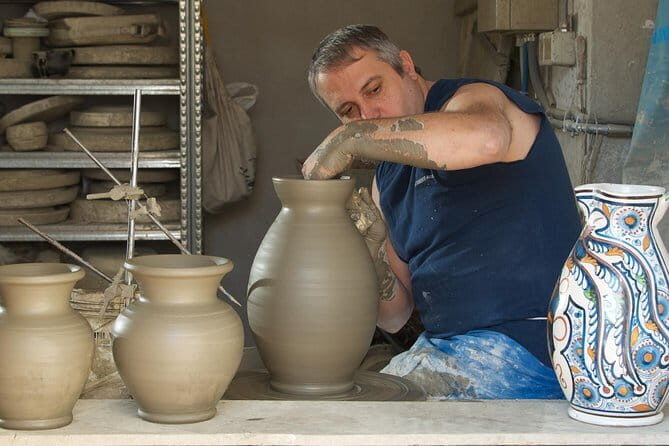
This workshop teaches more than clay handling. It builds the kind of sculpting thinking that museums can’t teach by themselves.
You learn to see form, not just details
When you sculpt an anatomical detail, you start looking at curves, planes, and transitions—how one part leads into the next. That helps you understand why classical proportions matter, and why small changes in thickness or angle can make a figure look right or off.
You learn how the material talks back
Water-based clay gives immediate feedback. If you press too hard, the clay flattens or distorts. If you work gently, it holds your intent longer. That means you get real-time cause and effect, which turns the lesson into a conversation with the medium.
You learn through direct guidance, not just watching
The value here is the combination of tactile practice plus an experienced sculptor watching your work. The feedback described in the reviews is patient and supportive—exactly what you want in a hands-on class where you’ll make mistakes early.
Price and value: is $198.68 for a 3-hour class worth it?
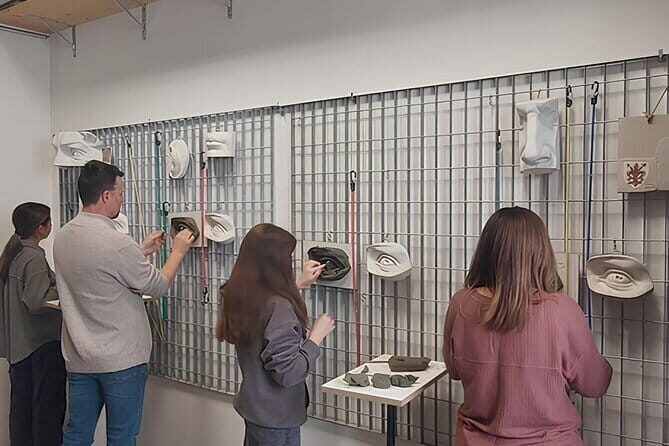
At $198.68 per person for about three hours, you’re paying for three things at once: a private, guided studio experience; traditional tools and clay; and expert coaching from a working sculptor.
This isn’t a quick “try a craft” stop. The lesson is built around classical sculpting basics—modeling clay into a figure based on Michelangelo’s David. That kind of focused attention takes time, and studio time in Florence is never cheap.
Here’s how I’d judge value in your shoes:
- If you want a hands-on art skill, this is strong value because you do the work, not just observe.
- If you’re only interested in photos or light entertainment, you may find it pricier than you need.
- If you’re bringing family, the class has shown flexibility (like a smaller setup for a child), which can make the price feel more reasonable across ages.
What’s included vs. what costs extra
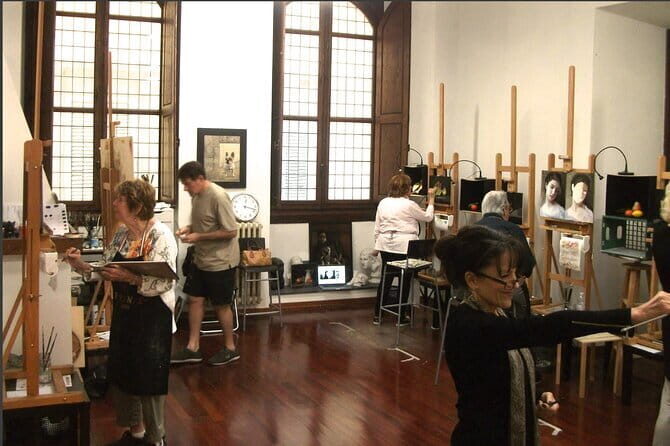
Included in the lesson:
- Clay and wooden instruments for modellazione
Not included:
- Shipments
- Reproduction in calco and terracotta
That “not included” list is important because it hints at what may be possible after your class—turning your work into replicas or preparing it for shipping. If you’re planning to keep your piece as a souvenir or gift, ask what options exist and how they’re priced.
If you’re simply trying to make art during the session and enjoy the process, you can treat the extra costs as optional rather than required.
Private group lessons in Florence: what that changes for you
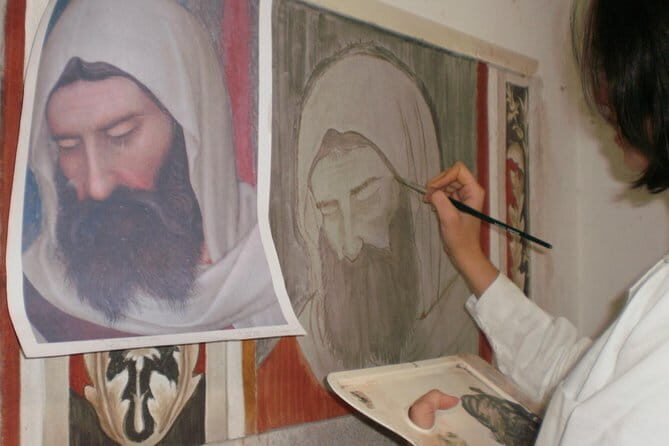
This is listed as a private tour/activity, meaning only your group participates. In practice, that usually makes the lesson more comfortable: you can ask questions without waiting, and the instructor can focus on your specific shapes instead of spreading attention across a larger crowd.
It’s also helpful if you’re nervous about starting something artistic. A private format lowers the pressure. You’re less likely to feel embarrassed if your first attempts look awkward.
The reviews back this up with a consistent theme: instruction is supportive for first-timers, and it adapts for families when needed.
Who should book this sculpting class
This fits best if you:
- Love art and want a real craft lesson, not just sightseeing.
- Want to understand classical sculpture by making it yourself.
- Prefer a guided studio experience in a smaller setting.
- Are traveling with someone who also enjoys hands-on learning.
It’s a great match for first-time sculptors. The class is structured to help you create a recognizable figure based on an anatomical detail rather than throwing you into an impossible blank-page situation.
If you’re short on time and want only passive experiences, you might prefer a quick museum focus. But if you want Florence to feel hands-on, this is one of the better ways to do it.
Helpful planning tips before you arrive
A few practical thoughts to make the session smoother:
- Wear clothes you don’t mind getting clay on. It’s water-based, but it’s still messy.
- Expect to focus for the whole 3 hours. This kind of sculpting works best when you keep your attention on the reference and the instructor’s corrections.
- If you’re bringing kids, choose a time when they can stay engaged with careful, hands-on work. One review noted a 5-year-old was given a small setup, which suggests the studio can adapt in the moment when a child is ready to participate.
Also, book ahead if you can. This class is commonly reserved about 45 days in advance on average, so last-minute planning may limit your options.
Should you book this Traditional Clay Modelling class in Florence?
Book it if you want a memorable Florence experience that goes beyond pictures. For my money, the strongest reasons are the hands-on traditional clay process, the fact that you work from a clear Michelangelo’s David reference, and the supportive teaching style from Octavio Palomino.
Skip it if you’re allergic to hands-on crafts, or if your goal is mostly to view art with minimal effort. At $198.68 for around three hours, it’s best when you’re genuinely excited to sculpt.
If you’re even a little curious about classical sculpture as a real skill, this class gives you that feeling fast—your hands do the learning, and your eyes will never see Michelangelo the same way again.
FAQ
Where is the meeting point for Sculpture in Florence: Traditional Clay modelling class?
The meeting point is Via Coluccio Salutati, 3r, 50126 Firenze FI, Italy.
How long is the class?
The duration is approximately 3 hours.
How much does it cost?
The price is $198.68 per person.
What language is the class offered in?
The class is offered in English.
Is this a private experience?
Yes. It is listed as a private tour/activity, and only your group participates.
What is included in the lesson?
It includes clay and instruments in wood for the modellazione.
What is not included?
It does not include shipments, reproduction in calco, or terracotta.
What is the class about?
You’ll learn the traditional process of classical sculpture by working with water-based clay to create a figure following guidance (often an anatomical detail from Michelangelo’s David).
When do they run the class?
The opening hours provided list Monday from 9:00 AM to 4:00 PM, and the schedule range shown is 01/15/2020–03/07/2027.
What is the cancellation policy?
Free cancellation is available. You must cancel at least 24 hours in advance for a full refund; if you cancel less than 24 hours before the start time, the amount paid is not refunded.
You Might Also Enjoy


More Workshops & Classes in Florence
- Cooking Class and Lunch at a Tuscan Farmhouse with Local Market Tour from Florence
★ 5.0 · 4,831 reviews


More Tour Reviews in Florence
- Tuscany Day Trip from Florence: Siena, San Gimignano, Pisa and Lunch at a Winery
★ 5.0 · 21,634 reviews - The Best tour in Florence: Renaissance & Medici Tales – guided by a STORYTELLER
★ 5.0 · 12,316 reviews