REVIEW · FLORENCE
Florence: Guided Tour Medici Family Secrets, Chapels and History
Book on Viator →Operated by Walks In Europe · Bookable on Viator
Florence can make power look like art. This short guided walk connects the Medici Chapels to the streets and squares where the family flexed influence, with timed access that saves you real time.
I love the guaranteed New Sacristy entry feeling here, because it keeps your schedule from collapsing in the ticket line. I also like that the tour stays small-group, so guides such as Marco, Martina, Vanessa, Jade, and Leonardo can answer questions and add context before you stand in front of the marble.
One thing to plan around: tickets are timed and the tour can’t wait if you’re late, plus there are bag restrictions at the monuments. If you’re traveling with larger backpacks, this is worth sorting out before you meet.
In This Review
- Key highlights worth knowing
- Why the Medici story starts in the Cappelle Medicee
- Skip-the-line time: New Sacristy, Michelangelo, and the hidden crypt
- Palazzo Medici Riccardi and San Lorenzo: art, banking, and public spectacle
- Duomo square and San Lorenzo streets: your “orientation” walk
- Piazza della Signoria, Palazzo Vecchio, and Medici rivalries
- Piazzale degli Uffizi finish: art and power in one last look
- Price and value for a 2-hour guided walk in Florence
- Who this tour suits (and who might want a longer option)
- Should you book the Medici Family Secrets tour?
- FAQ
- Is the tour in English?
- How long is the guided tour?
- Is entry to the New Sacristy included and guaranteed?
- Does the tour include entry into Michelangelo’s secret room?
- What’s included in the ticket price?
- How big is the group and where do we meet?
Key highlights worth knowing
- Guaranteed entry to the New Sacristy so your main ticket moment is protected
- Skip-the-line access to the Medici Chapel areas, saving time in a busy site
- Michelangelo details in real space, including marble figures and mosaic work
- A tight 2-hour route that links chapels, palaces, and Florence landmarks
- Guides who explain the Medici family connections like a story, not a lecture
- Good orientation pacing, with time to absorb and then keep walking
Why the Medici story starts in the Cappelle Medicee
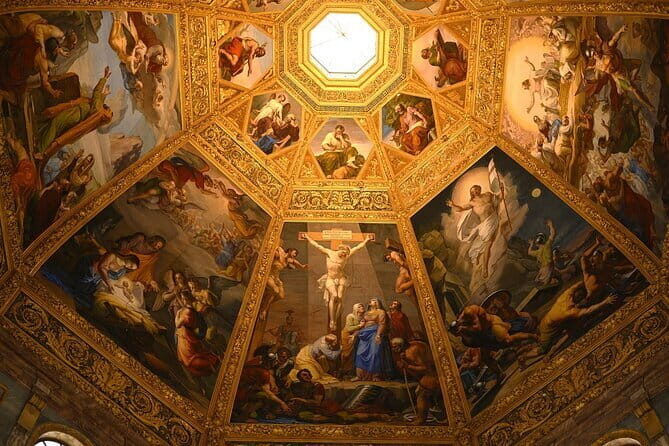
Your tour centers on one place where the Medici message is loud and clear: the Medici chapels. You’re not just seeing pretty rooms. You’re stepping into a family strategy made of marble, symbolism, and controlled access.
This is a smart start if it’s your first day in Florence—or if you only have a couple of hours to learn how Renaissance power worked. The guide sets the stage first, often with a quick family-tree kind of overview (that approach shows up across guides like Martina and Vanessa), so the names and relationships make sense when you’re surrounded by artwork and monuments.
And because the group is small, you can ask practical questions—like what you’re looking at and why it mattered—right as you see it. You’ll get a clearer picture of how art, politics, and money blended together in Florence.
You can also read our reviews of more guided tours in Florence
- The Best tour in Florence: Renaissance & Medici Tales – guided by a STORYTELLER
★ 5.0 · 12,316 reviews
Skip-the-line time: New Sacristy, Michelangelo, and the hidden crypt
The main ticket moment is the New Sacristy, with skip-the-line access and a guarantee of entry. That matters because this is one of those Florence experiences where arriving “whenever” can cost you your visit. Timed tickets mean you’re in at the right moment, not stuck watching other people go in.
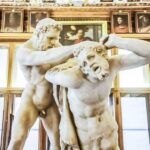
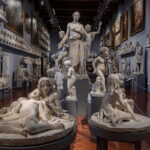
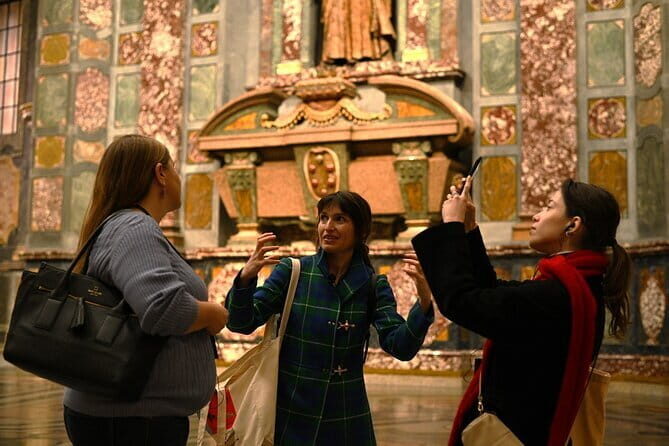
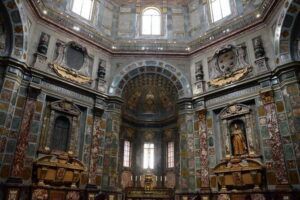
Inside the chapels area, you’ll focus on the marble figures carved by Michelangelo and the chapel’s intricate decorative program, including mosaic work. One of the stand-out details is the Chapel of the Princes, with marble and semi-precious stones—small enough to miss if you’re rushing, but perfect for slowing down for a minute and actually reading the visual design.
There’s also a fascinating story angle around Michelangelo’s secret room. The tour includes learning about Michelangelo’s secret hiding place in 1530, but you should know that entry into the secret room is not included. You’ll view it from an external viewpoint instead, which still gives you the historical context without turning your visit into a longer detour.
Then comes the kind of detail that makes a chapel feel like a living investigation: the hidden crypt. You’ll hear how a vaulted chamber behind the main altar reportedly stayed undiscovered until 2004, when researchers lifted a stone slab. It’s the reminder that even in places you think you already understand, Florence still has secrets with paperwork and proof.
The practical side: the entrance times are tight. Timed tickets expire quickly, so you’ll want to be ready when your group is called.
Palazzo Medici Riccardi and San Lorenzo: art, banking, and public spectacle
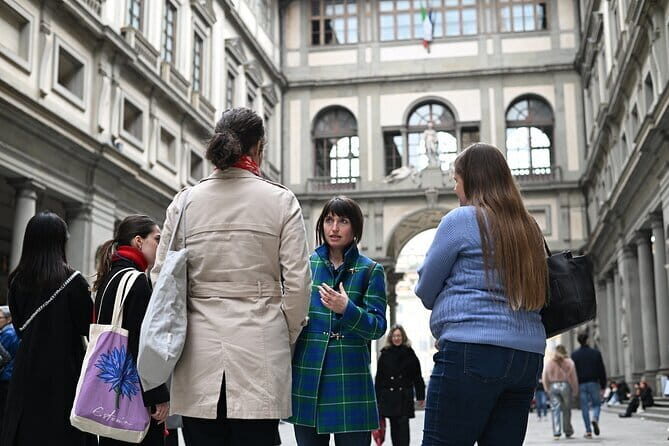
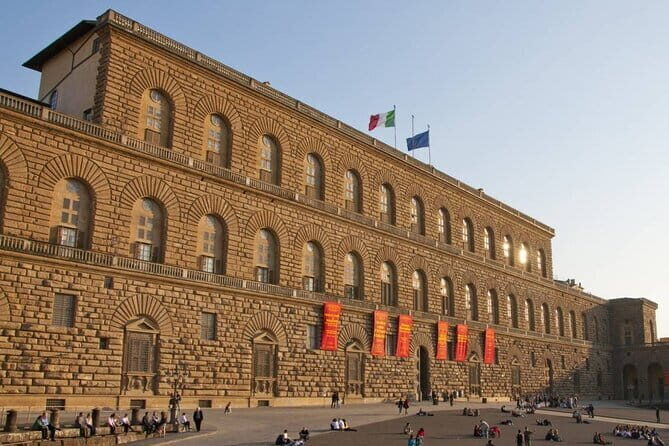
After the chapels, the story widens from private family space to public architectural power. You’ll see the exterior of Palazzo Medici Riccardi, and your guide uses it to explain the Medici relationship between art and influence.
This stop is about learning how a ruling family used buildings as messaging. Even from the outside, you can pick up the idea that money doesn’t only buy bankers’ ledgers. It funds stone, sculpture, and the kind of visual authority that makes people believe in stability.
Next, you’ll move toward Basilica di San Lorenzo from the square. This part gives you context for why the Medici brand wasn’t only political. It was also spiritual and cultural—tied to institutions people saw every day.
You’ll also hear about the family’s founders and how their banking success grew rapidly into one of Europe’s leading operations. That can sound abstract until you connect it to what you’re seeing around you: who controlled what, who financed what, and why civic life looked the way it did.
If you like your history with names and causes, this section helps. Guides who tell the story like Jade or Leonardo often focus on the chain reaction: banking strength → patronage → prestige → more power. It’s a clean way to connect the dots.
Duomo square and San Lorenzo streets: your “orientation” walk
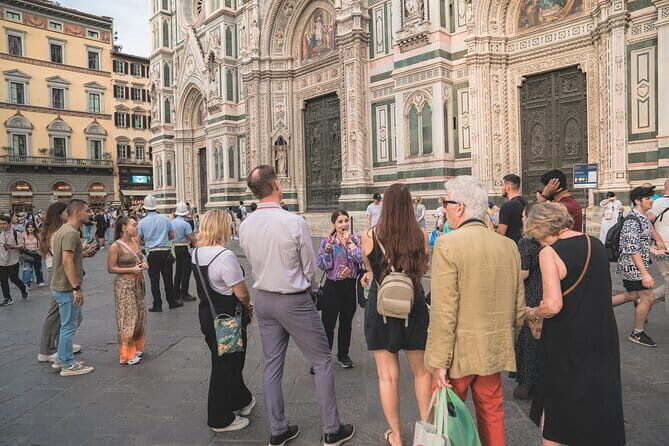
A big win of this tour is that it’s not only about standing still. You’ll also stroll across Florence’s major central areas, including the main square where the Duomo sits and then into the San Lorenzo neighborhood streets.
This walking portion helps you do two useful things at once. First, it helps you locate Florence in your mind. Second, it reinforces how the Medici story moved through the city: chapels and palaces on one side, everyday streets and public spaces on the other.
Expect a relaxed pace, which is important because Florence architecture can get overwhelming fast if you’re sprinting. A guide will typically give you just enough structure so your eyes land on the right details: where power sits, where civic life happens, and how neighborhoods connect to landmarks.
If you have a jammed schedule and you want an easy first pass at Florence’s layout, this format works well. It’s short, guided, and designed to get you oriented without turning your day into a marathon.
Piazza della Signoria, Palazzo Vecchio, and Medici rivalries
At the heart of the political story is Piazza della Signoria, which the tour frames as the center of political life in Florence since the 14th century. You’ll start there and talk about how Medici power wasn’t a solo act. It was shaped by competition.
One of the more entertaining (and useful) parts of the walk is learning about rival families, such as the Strozzi and the Pazzi. Hearing these names in context helps you understand why Florence’s power system felt unstable even when it looked confident. These weren’t just “other rich families.” They were part of the same game.
Then you’ll connect the dots to civic buildings—especially how the medieval municipal government building became a Medici palace in 1540. That’s the kind of fact that instantly makes architecture feel political. It’s not only style; it’s ownership and control.
You’ll also see Palazzo Vecchio from an exclusive vantage point. That can be a meaningful moment, because it lets you view a key power symbol with guidance, rather than just snapping photos and moving on. You’ll finish that segment with a clearer sense of how the city’s political stage evolved to match the Medici era.
You can also read our reviews of more historical tours in Florence



Piazzale degli Uffizi finish: art and power in one last look
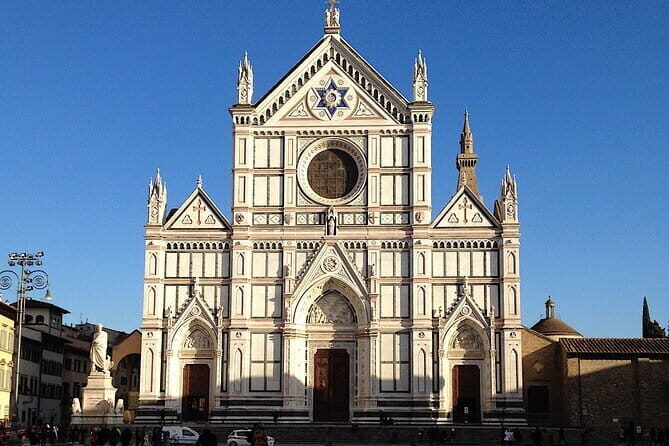
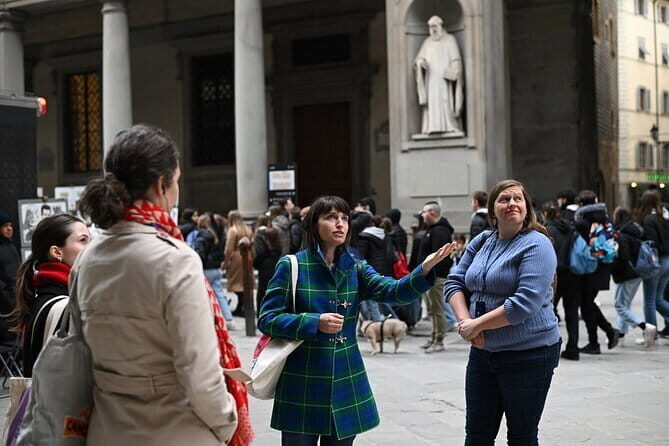
The tour ends at Piazzale degli Uffizi, and that final positioning matters. It’s a transition point: from Medici spaces where power and belief were crafted, to the larger Florence art world that grew from the same patronage system.
Your guide typically also offers practical suggestions for what to do next. That’s not just pleasant. It helps you avoid the common mistake of wandering into museums without a plan for what to see and why.
By the time you reach the end, you should feel like the Medici story is no longer a list of names. It’s a map of how money shaped art, how art signaled authority, and how families used streets and institutions to protect status.
Price and value for a 2-hour guided walk in Florence
At $95.12 per person for about 2 hours, this is not a bargain-basement tour. But it is good value for what you get: a guided route plus pre-booked tickets for the Medici chapels and the New Sacristy.
Why that matters: timed entry and skip-the-line access can save you hours of hassle in Florence. If you’re short on time, that’s the kind of value you actually feel. You’re paying to spend your limited hours seeing and learning, not managing crowds and ticket windows.
You’re also getting an intimate group size (maximum 14 travelers). That matters because it supports a Q-and-A style, and it helps guides keep your group together at monuments with strict timing.
Included elements also reduce friction: a professional local guide, an exterior visit to Basilica di San Lorenzo, and timed entry management for the chapel experience.
If you’re comparing options, think less about the dollar amount and more about this question: can you realistically get the same timed access plus a guided explanation of what you’re looking at within your schedule? For many first-time Florence visitors, the answer is no.
Who this tour suits (and who might want a longer option)
This tour is a strong fit if you want a first layer of Medici context without committing an entire day. It’s ideal for short stays, busy itineraries, and travelers who like their art tied to the human story behind it.
It also works well if you enjoy learning through storytelling. Several guides have a reputation for making the Medici family feel real—Marco and Leonardo in particular are described as friendly and highly engaging, while Vanessa and Martina are noted for giving context before entering the chapels.
You might want to choose something longer or more specialized if your goal is deep academic-level detail. The route is short by design. Even with strong explanations, you’ll only sample key moments: chapels, palaces from the outside, and major civic landmarks connected to Medici power.
Should you book the Medici Family Secrets tour?
If your priority is New Sacristy access plus a guided walkthrough that links chapels, civic power, and street-level Florence, I think you’ll be happy booking this. The timed-entry protection is the big selling point, and the small-group format makes the information feel usable instead of generic.
Book it especially if you’re arriving for the first time and want a clean starting point for the rest of your trip. You’ll leave with names, relationships, and a sense of where to place the Medici in Florence’s broader story.
Just do your homework on the practical bits: arrive on time, plan for bag limits at monuments, and remember that entry to Michelangelo’s secret room is not included—so set expectations for an external viewpoint rather than a longer walkthrough.
FAQ
Is the tour in English?
Yes, the tour is offered in English.
How long is the guided tour?
The tour runs for about 2 hours.
Is entry to the New Sacristy included and guaranteed?
Yes. The experience includes skip-the-line access and guarantees entry to the New Sacristy.
Does the tour include entry into Michelangelo’s secret room?
No. The tour includes information about the secret room and an external viewpoint, but entry into the secret room is not included.
What’s included in the ticket price?
Included are pre-booked tickets for the Medici Chapels and the New Sacristy, a professional local guide, an exterior visit of Basilica di San Lorenzo, and a 2-hour walking tour at a relaxed pace.
How big is the group and where do we meet?
The group has a maximum of 14 travelers. The meeting point is Q7G3+259, Florence, and you should arrive 15 minutes early.
You Might Also Enjoy

More Guided Tours in Florence
- The Best tour in Florence: Renaissance & Medici Tales – guided by a STORYTELLER
★ 5.0 · 12,316 reviews


More Tours in Florence
- The Best tour in Florence: Renaissance & Medici Tales – guided by a STORYTELLER
★ 5.0 · 12,316 reviews

More Tour Reviews in Florence
- Tuscany Day Trip from Florence: Siena, San Gimignano, Pisa and Lunch at a Winery
★ 5.0 · 21,634 reviews - The Best tour in Florence: Renaissance & Medici Tales – guided by a STORYTELLER
★ 5.0 · 12,316 reviews