REVIEW · FLORENCE
Florence City Tour, David & Uffizi Gallery Exclusive Guided Tour
Book on Viator →Operated by Babylon Tours Florence · Bookable on Viator
David and the Duomo in one walk. This Florence city tour strings together the big-name art stops with a smart loop through the historic center, so you leave with both skyline context and masterpiece context. You’ll see the Duomo from outside, get oriented around the Piazza del Duomo area, and end on Ponte Vecchio with the Arno right there.
I love that the price covers admission fees for both the Accademia and the Uffizi. I also like the control you get with either a private setup or a small group capped at 8 people, which makes questions and pace feel more human.
One thing to keep in mind: it’s a long day with lots of walking in the open air, and even at the Uffizi, lines can still happen. Also, you don’t go inside the Duomo dome, so plan for exterior views only.
In This Review
- Key things you should know before you go
- Why this Florence city tour hits the sweet spot in one day
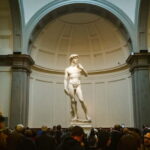
- Starting at Galleria dell’Accademia: David, Michelangelo, and what to notice
- Piazza del Duomo: seeing Brunelleschi’s dome the smart way (from outside)
- The walking spine: Via dei Calzaiuoli to Piazza della Repubblica
- Piazza della Signoria: where politics and art shake hands
- Palazzo Vecchio: civil power in stone
- Porcellino, then Ponte Vecchio: finishing with a Florence postcard that makes sense
- Uffizi after lunch: how the tour handles 2.5 hours of masterpieces
- Guides and the small-group feel: why the names keep popping up
- Price and value: what $273.43 really buys you
- Logistics that actually affect your comfort: meeting point, tickets, and bags
- Who this tour fits best (and who should consider something else)
- Should you book it?
- FAQ
- What are the main museums included in this Florence tour?
- Do we go inside the Duomo or just see it from outside?
- How long is the tour, and what time does it start?
- Is this tour private or a small group?
- What should I bring or wear for museum entry?
- What happens if the Accademia or Uffizi close or open late?
Key things you should know before you go
- Tickets included for Galleria dell’Accademia and Gallerie degli Uffizi
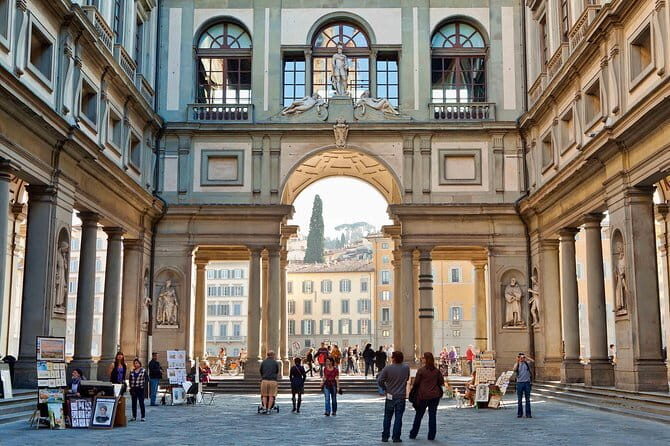
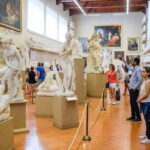
- Michelangelo first: David, plus related 1500s works at the Accademia
- Duomo square orientation with exterior-focused context (no dome entry)
- Power stops around Piazza della Signoria and Palazzo Vecchio with statue stories
- Porcellino good-luck moment and an end at Ponte Vecchio by the Arno
- Uffizi in about 2.5 hours covering major works like Botticelli and Raphael
Why this Florence city tour hits the sweet spot in one day
Florence is a walking city. The best tours don’t try to “cover everything.” They pick the right anchors so the rest of your trip makes sense when you wander on your own.
This one works because it starts with the art people come for most, then uses the piazzas and streets to explain why Florence looked the way it did. You’re not just getting photos at famous addresses. You’re building a mental map: where civil power lived, where civic religion showed up, and how the Medici world turned wealth into culture.
And yes, it’s also practical. The day runs about 5.5 hours with a built-in lunch break, and it runs rain or shine. (One extra note: it does require good weather, so if weather forces a change, you’ll be offered a new date or a full refund.)
You can also read our reviews of more guided tours in Florence
- The Best tour in Florence: Renaissance & Medici Tales – guided by a STORYTELLER
★ 5.0 · 12,316 reviews
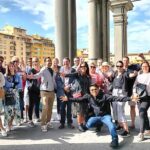
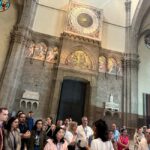
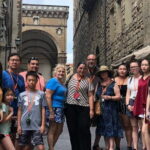
Starting at Galleria dell’Accademia: David, Michelangelo, and what to notice
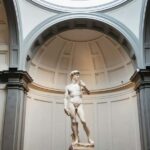
You begin at the Galleria dell’Accademia di Firenze, a direct lead-in to the world’s most famous marble man. The timing is about 1 hour in the museum, with your admission included.
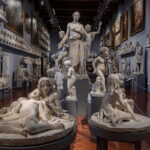
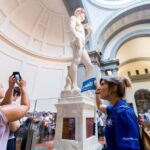
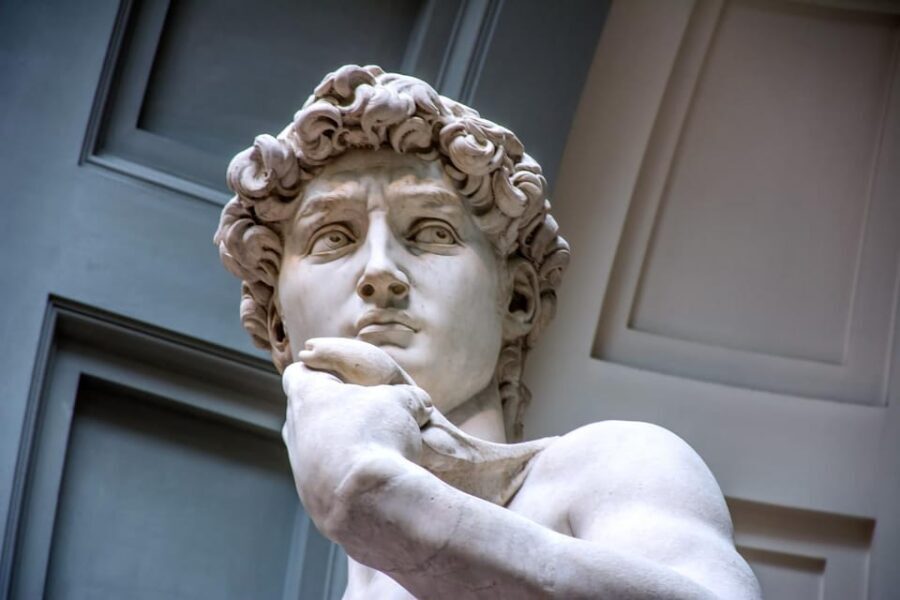
David isn’t just impressive because it’s large. The real payoff is how your guide frames the choices Michelangelo made. You’ll get the story behind the giant statue and also learn about the other works on view from the same 16th-century period. That matters because otherwise David can feel like a single isolated icon. With the context, you start noticing themes: power, tension, anatomy, and how Renaissance artists approached the human form like a high-stakes argument.
Practical tip: go in with one question in mind: What does David’s expression communicate? It’s the kind of detail a good guide will point out, and it turns the visit from wow into understanding.
Piazza del Duomo: seeing Brunelleschi’s dome the smart way (from outside)
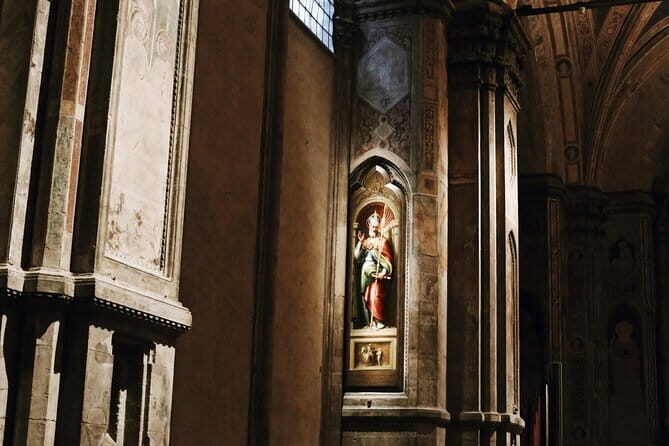
After the Accademia, you head to Piazza del Duomo, and this is where the tour shifts from museum time to street time. You spend short blocks outside key landmarks, which is exactly what you want in a limited-day visit.
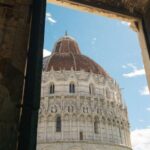
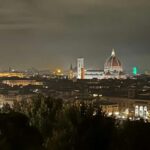
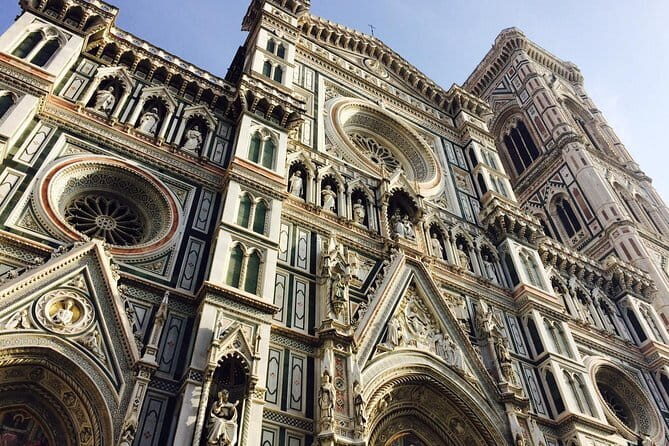
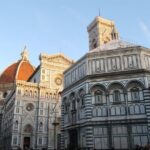
You’ll stand in the heart of Florence and orient yourself with the cathedral complex. The Duomo highlight here is visual: learning about the Dome of Santa Maria del Fiore designed by Brunelleschi, while viewing it from outside. You do not go inside the dome during this tour, so if your must-do list includes climbing or indoor views, you’ll need a separate plan.
Around this square, you also see:
- The Baptistery of San Giovanni, an older religious building with famous bronze doors often associated with Renaissance art
- Other important structures in the Piazza San Giovanni area, including the Loggia del Bigallo and the Opera del Duomo Museum zone (you’ll see them from the outside as part of the orientation)
The value is in the way your guide connects architecture to civic and religious life. Florence wasn’t built in isolation; it was built to broadcast identity.
The walking spine: Via dei Calzaiuoli to Piazza della Repubblica
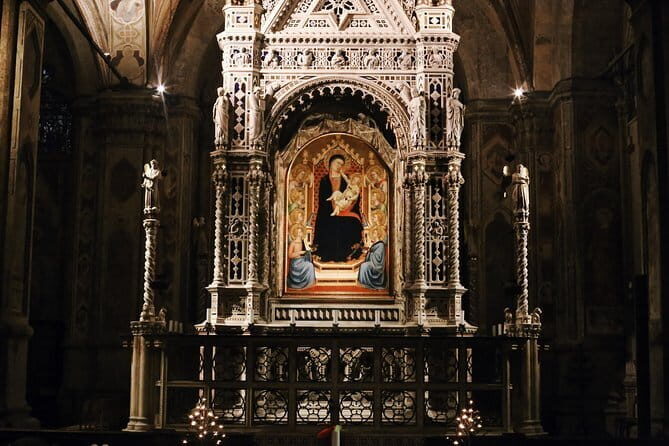
Once you’ve got your bearings, the tour walks you through some of the city’s central connections. One of the most useful stretches is Via dei Calzaiuoli, the pedestrian street linking Piazza del Duomo toward Piazza della Signoria.
This part is short, but it does something big for your day: it helps you understand where the everyday city flowed between major landmarks. You’ll pass the kind of storefront energy Florence is famous for, with elegant boutiques and restaurant fronts.
Then comes Piazza della Repubblica, a public square marking ancient Florence, later redesigned in the 19th century. That contrast is the kind of thing I appreciate on a first visit: you learn how Florence kept transforming without losing its role as a cultural center.
Piazza della Signoria: where politics and art shake hands
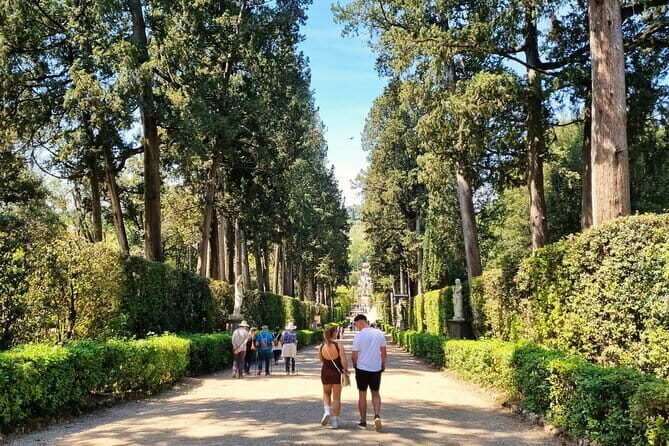
Next up is Piazza della Signoria, one of Florence’s most important public squares. This stop is built around statuary and civic symbolism, and it’s a great place to slow down for a few minutes and really look.
You’ll see major originals and stories tied to them, including:
- Neptune, created by Ammannati for the fountain setting here
- Perseus by Cellini from the 16th century
- A replica of David that points out where the original statue stood before it moved to the Accademia
That last detail is quietly brilliant. It lets you compare David as an urban symbol versus David as museum object. Suddenly you’re not only thinking about the sculpture itself; you’re thinking about what Florence wanted to project in public space.
You can also read our reviews of more city tours in Florence

Palazzo Vecchio: civil power in stone
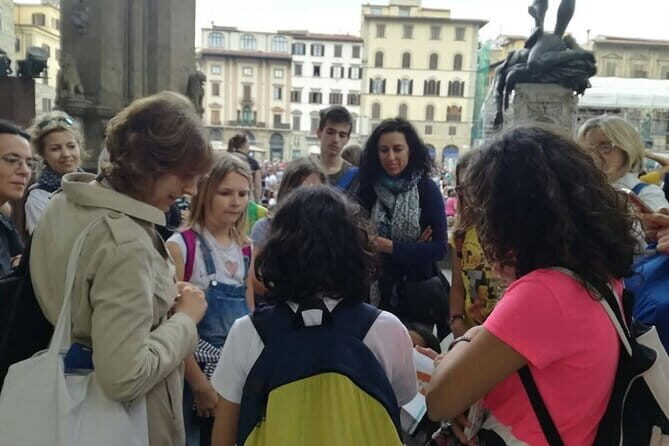
The tour then moves to Palazzo Vecchio, Florence’s town hall and a symbol of civil power. You get a close look at a building whose construction began in 1299 over older towers, tied to Arnolfo di Cambio in the early design phase.
The key here is context. Palazzo Vecchio isn’t just a pretty landmark you point at. It’s a reminder that Florence’s Renaissance wasn’t only about painters and sculptors. It was also about institutions, decisions, and public authority—often expressed through architecture and the art displayed within.
If you like your sightseeing with meaning attached, this stop is a payoff.
Porcellino, then Ponte Vecchio: finishing with a Florence postcard that makes sense

Before the day wraps, you hit Fontana del Porcellino, where you’ll touch the nose of the bronze wild boar fountain for good luck. It’s a small moment, but it’s fun, quick, and it gives the walk a light touch before the grand finale.
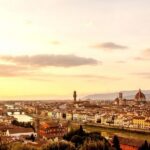
Then it ends at Ponte Vecchio, the iconic bridge. The tour places you at the center of the view because this bridge is one of Florence’s best-known survivals. It’s also one of the few bridges that made it through World War II, which gives you a different kind of appreciation when you’re staring at it.
Right around this area, you’re also near the Arno River. That’s useful because it ties your “art day” to the physical geography of the city. Florence’s art collections and wealthy families didn’t float above the river. They grew up alongside it.
Uffizi after lunch: how the tour handles 2.5 hours of masterpieces
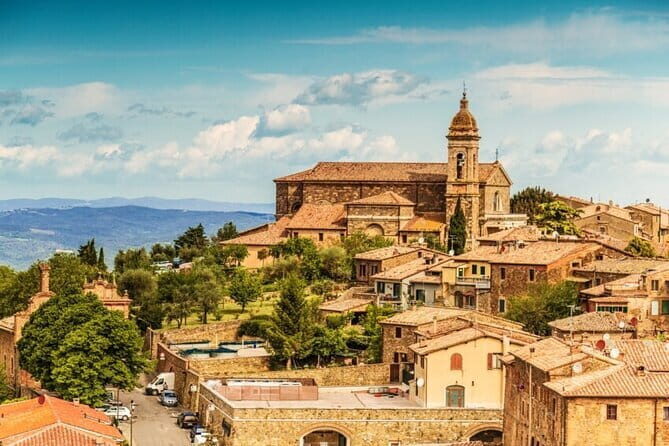
Then comes the big museum shift: the Uffizi. You’ll spend about 2 hours 30 minutes inside, with admission included.
The Uffizi is huge, so timing matters. A guided highlight program is often the difference between staring at everything and understanding why people care about certain works more than others.
You’ll learn how the building began as office space for Florentine magistrates, then expanded into the Medici collection powerhouse it is today. And you’ll also hear about the Uffizi’s rough eras—like threats from flooding and a mafia car bomb incident—because art history isn’t only about brushstrokes. It’s also about survival.
On the art side, expect major names and major titles, including:
- Botticelli’s Primavera
- Botticelli’s Birth of Venus
- Raphael’s Self Portrait
- Works associated with artists like Titian and Caravaggio
The Uffizi has more than 100 rooms, so the tour is doing what you want it to do: selecting key stops so you leave with an actual framework. Instead of wondering what you saw, you’ll know why those works are treated like the center of the art universe.
Important practical note: even with guided planning, lines can form inside and around big museums. One person pointed out that they still had to stand in lines at the Uffizi. So if you’re the type who hates queue time, start your day early and keep your expectations flexible.
Guides and the small-group feel: why the names keep popping up
The quality of this experience is often tied to your guide. The strongest praise in the feedback highlights enthusiasm and strong explanations, with guide names showing up repeatedly.
You’ll see examples like:
- Giacomo Piccardi, praised for art and city history that connects to real Florence
- Francesco, noted for depth in medieval and Renaissance context
- Annette, praised for clear, concise explanations
- Eleonora, praised for pride in Florence and turning art details into something teens can grasp
- Alessandra and Laura, praised for storytelling around paintings and for helpful meeting guidance
If you’re traveling with kids or teens, this matters. A great guide can translate art without turning it into a lecture. If you’re visiting as a couple, it also matters because the conversation pace can be relaxed instead of rushed.
Price and value: what $273.43 really buys you
At $273.43 per person, this isn’t a bargain-bin deal. But it can be good value depending on how you plan your time.
Here’s why it can make sense:
- Admission tickets are included for both the Accademia and the Uffizi
- You’re getting museum guidance plus a long city orientation walk that ends at Ponte Vecchio
- The day is structured to reduce decision fatigue when Florence is crowded and your time is limited
What you should still plan for:
- Gratuities are not included
- You’ll want a small day bag setup because there are security rules at museums
- You’re walking, so comfortable shoes matter more than you think
In other words, you’re paying for organization plus access plus explanation, not just for two ticket slips.
Logistics that actually affect your comfort: meeting point, tickets, and bags
Your meeting point is Galleria dell’Accademia di Firenze (Via Ricasoli, 58/60), and the tour starts at 9:00 am. It ends at Ponte Vecchio.
A few real-world items to take seriously:
- You need a mobile phone number (with country code)
- You’ll use a mobile ticket
- Dress appropriately for sites that require it
- No large bags or suitcases inside the museums; usually only handbags or small thin packs through security
Also, the museums can have occasional closures without warning. If Accademia or Uffizi opening times are delayed more than 1 hour from tour start, you’ll be offered an appropriate alternative. But refunds or discounts aren’t mentioned for those cases, so it’s smart to keep your schedule flexible when possible.
Who this tour fits best (and who should consider something else)
This is best if you want a guided Florence day that combines orientation and two major museums without you building the plan from scratch.
It’s a strong match for:
- First-time Florence visitors who want a framework fast
- Art lovers who also want the city streets to connect the dots
- Families with older kids, especially when you want a guide who can keep attention moving
- Couples who prefer a small group or private pace
It may be less ideal if:
- You want to go inside the Duomo dome during the same visit
- You hate crowds and queue time so much that even a guided day feels stressful
- You’re looking for a slower, neighborhood-by-neighborhood crawl (this is more of a hits-and-context format)
Also, the tour is listed for moderate physical fitness. It’s not a hike, but it is a walking day.
Should you book it?
Yes, I’d book it if your goal is to see Florence’s top art anchors—David and the Uffizi highlights—while also learning how the city’s piazzas and power centers connect. The included museum admissions alone can make the math feel more comfortable, and the tour length is realistic for one day.
I’d pause and consider your priorities if you mainly want indoor Duomo experiences, or if you’re extremely queue-averse. In those cases, you might mix a guided museum day with separate time for specific cathedral plans.
FAQ
What are the main museums included in this Florence tour?
The tour includes admission fees for Galleria dell’Accademia and the Uffizi Gallery, with guided time inside both.
Do we go inside the Duomo or just see it from outside?
You learn about the Duomo and Brunelleschi’s dome while observing it from the outside. The tour does not indicate entrance into the dome.
How long is the tour, and what time does it start?
The duration is about 5 hours 30 minutes, including a lunch break. The start time is 9:00 am.
Is this tour private or a small group?
You have options for private or a small-group tour limited to 8 people. The experience is described as private in the sense that only your group participates.
What should I bring or wear for museum entry?
Appropriate dress is required for entry into some sites. Large bags and suitcases are not allowed inside the museums; you should plan for a handbag or small thin bag pack through security.
What happens if the Accademia or Uffizi close or open late?
Accademia or Uffizi may be subject to occasional closures without prior warning. If opening is delayed by more than 1 hour from the tour start time, you’ll be provided an appropriate alternative, but refunds or discounts are not mentioned.
You Might Also Enjoy
More Guided Tours in Florence
- The Best tour in Florence: Renaissance & Medici Tales – guided by a STORYTELLER
★ 5.0 · 12,316 reviews
More Tours in Florence
- The Best tour in Florence: Renaissance & Medici Tales – guided by a STORYTELLER
★ 5.0 · 12,316 reviews
More Tour Reviews in Florence
- Tuscany Day Trip from Florence: Siena, San Gimignano, Pisa and Lunch at a Winery
★ 5.0 · 21,634 reviews - The Best tour in Florence: Renaissance & Medici Tales – guided by a STORYTELLER
★ 5.0 · 12,316 reviews