REVIEW · FLORENCE
Self Guided Tours Florence With 100 Captivating Audio Stories
Book on Viator →Operated by Trales Audio Guides · Bookable on Viator
Headphones turn Florence into a storybook. This self-guided audio experience from Trales Audio Guides gives you 100+ location-based stories as you walk, with easy browser access and a map to keep you on track. You can stop for a scene at the Duomo, pause by Ponte Vecchio, then keep moving without booking a fixed group plan.
Two things I like right away: the setup is simple, and the pacing is yours. I love that it is no-download and you can start right from the web, and you can choose which landmarks to listen to instead of following a strict script. The other plus is the sound-first format, with storytelling and soundscapes made for walking.
The main thing to consider is expectation management. This audio guide is not an entrance ticket, and you also do need a smartphone with internet since offline access is not included. If you’re hoping the guide gives you entry to churches, plan on getting access another way.
In This Review
- Key highlights to know before you go
- How the Trales self-guided audio tour works in Florence
- Price, time, and value: what $3.47 buys you
- Florence route tips: 1 to 2 hours without feeling rushed
- Stop 1: Cattedrale di Santa Maria del Fiore (Duomo) stories from the outside
- Stop 2: Ponte Vecchio’s WWII survival and what to listen for
- Stop 3: Piazza della Signoria and its everyday-history feel
- Stop 4: Basilica of Santa Maria Novella and the bell-toll effect
- Stop 5: Basilica San Miniato al Monte’s Romanesque calm
- Stop 6: Mercato Centrale smells and sounds
- Uffizi Gallery audio: planning for art and entry rules
- Reliability and interfaces: the one thing to test before you walk off
- Should you book this self-guided Florence audio tour?
- FAQ
- How much does the self-guided audio tour cost?
- How long does the experience take?
- Do I need to download an app?
- Does it work offline?
- What do I need to use the audio guide?
- Is admission included for the stops?
- Where does the tour start and end?
- Do I need an access code?
- Is it suitable for everyone?
Key highlights to know before you go
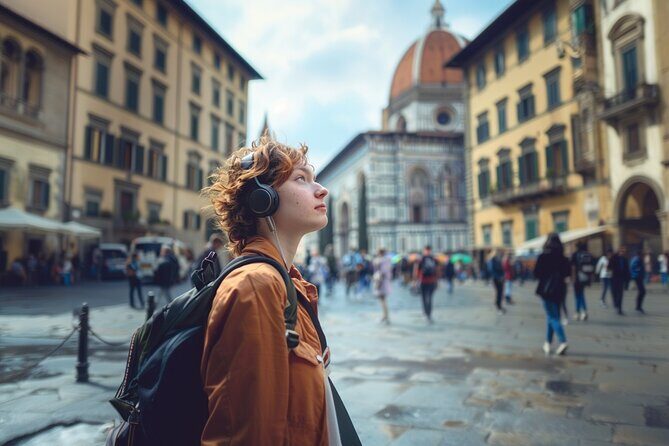
- Browser start, no downloads: activate in one step and listen on your phone with headphones.
- Location-based choice: pick which stops you want to hear as you pass by.
- Bring your own tech: you’ll need a smartphone with internet and your favorite headphones.
- Many stops are ticket-free on the outside: but interior access rules are separate.
- It’s short and flexible: 1 to 2 hours works well, especially if you skip or slow down where you want.
How the Trales self-guided audio tour works in Florence
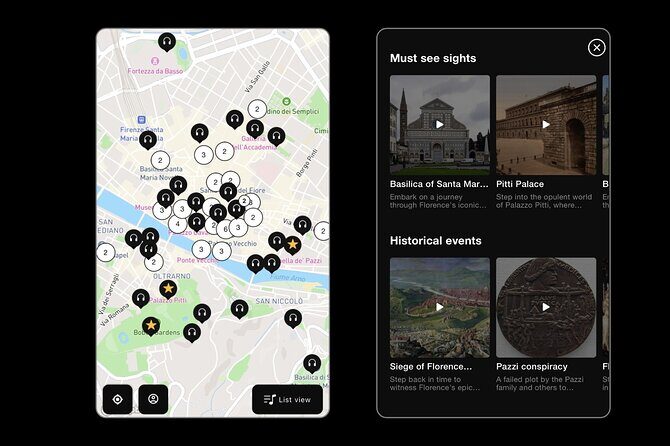
This is the kind of Florence plan that feels low-stress. You use your smartphone and headphones, open the web app, and the tour turns into a set of location-linked audio moments around town. As you walk, the guide is designed so you can choose what to listen to at each stop, instead of being trapped in a one-way itinerary.
A big practical win is that there are no downloads listed as required. That matters in Florence, where you may be juggling data, battery, and spotty Wi-Fi. Starting in your browser also makes it easier to switch plans mid-walk, like when you decide to linger longer by a viewpoint or walk off-route for a shorter connection.
You also get a web app with a map, which helps if you want to avoid the classic self-guided problem: wandering until you find the exact landmark again. You’re still walking on your own, but the app gives you structure.
What you should be ready for: this is location-based audio. That means you’ll do best with a phone that keeps a stable connection and a map that can guide you between stops. If your signal drops, audio may pause or become harder to follow—so I recommend turning your screen brightness down a bit to save battery and keep your data use steady.
You can also read our reviews of more guided tours in Florence
- The Best tour in Florence: Renaissance & Medici Tales – guided by a STORYTELLER
★ 5.0 · 12,316 reviews
Price, time, and value: what $3.47 buys you
At $3.47 per person, the value is mainly about flexibility. Instead of paying for a guided group where you have to move at someone else’s pace, you’re buying an audio layer you can use while you already do what Florence forces you to do anyway: walk.
This is also a smart option if you like “hit the highlights” sightseeing but hate feeling rushed. The guide is designed around short story windows at each stop (around 10 minutes each in the stops listed), which means you can sample a place, get the key stories in your ears, then decide if you want more time on-site.
That said, the low cost is also why you should be realistic about what it includes. There is no mention of audio for every minute of every museum room, no offline mode, and no promise that you’ll get into paid or ticketed spaces just because you’re near them. You’re paying for 100+ stories and a way to trigger them—not for entry logistics.
Florence route tips: 1 to 2 hours without feeling rushed
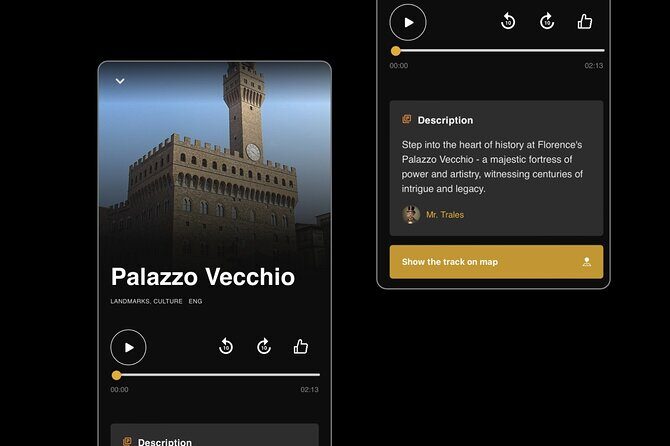
The tour is set up to run about 1 to 2 hours, which is a good match for Florence days. You don’t need a full half-day commitment. You can fit it into a morning before a big museum, or use it as a warm-up walk that makes the city feel more legible.
Here’s how I’d plan it to get the most from the audio without burning your day:
- Pick a rough loop using the stops listed: Duomo area to Ponte Vecchio to Piazza della Signoria, then continue outward.
- Choose fewer stops if you want to really stand still and listen. These stories are short, but if you try to do all 100+, you’ll spend your time scanning your phone instead of looking around.
- Bring water and expect stairs, especially when you choose viewpoints like San Miniato al Monte.
One small note from the experience design: the tour is private in the sense that only your group participates. That doesn’t mean you’ll be joined by a human guide; it means you aren’t sharing the audio experience with strangers in the same way you would on a traditional guided tour.
Stop 1: Cattedrale di Santa Maria del Fiore (Duomo) stories from the outside
The Duomo stop is a strong opener because it frames Florence in one landmark. The audio focus here is on the cathedral as a symbol of human creativity and resilience—exactly the kind of theme that helps you look past the postcard shape and see why people keep coming back.
In practical terms, this is also an easy moment to start your guide. You’re near a major reference point, and you can set your headphones in place before you start moving toward the next stops.
A key consideration: the Duomo area includes spaces with different access rules. One past experience had a traveler who was denied entry to a church because the audio setup did not provide what they expected as an access QR code. That’s a useful reminder: treat the audio as storytelling, not permission.
If you want to go inside any church, I suggest keeping your expectations flexible:
- Use the audio story to understand what you’re seeing from the areas you can access.
- Check separate entry options before you plan an interior visit.
The stop is listed as about 10 minutes, and that’s a good target if you want to keep the day flowing.
Stop 2: Ponte Vecchio’s WWII survival and what to listen for
Ponte Vecchio is the kind of place where your brain already wants to guess at history. The audio helps you put those guesses in order by focusing on a specific theme: Ponte Vecchio as the sole survivor of WWII, with a unique secret you’re meant to discover.
Even if you’ve seen photos of this bridge, listening while you’re actually standing there changes the experience. You’re not just looking at shops and stone. You’re hearing a story tied to the location itself.
This is another stop where you can treat the guide as a “one scene at a time” tool. Spend the audio minutes at the bridge, then decide how long you want to stay based on what you see and what the line-of-sight looks like from where you’re standing.
The stop is also listed as ticket-free, which makes it a good pause point if you want a predictable segment in your walk.
You can also read our reviews of more tours and experiences in Florence


Stop 3: Piazza della Signoria and its everyday-history feel
Piazza della Signoria can overwhelm people on first visit. There’s a lot to look at. The audio story direction here is simple: history and culture intertwined in the heart of Tuscany.
What I like about a story like this is that it gives you a mental map. When you hear the theme, you can stand in the square and interpret what you’re seeing without needing a guide to call out every detail.
This is listed for 10 minutes, and that’s ideal for a busy Florence hour. You can also use it as a transition stop. After you finish, you can choose whether to head straight to the next church stop or keep walking based on how your feet feel.
As with the Duomo, treat the audio as guidance for noticing, not as a pass to any restricted access areas.
Stop 4: Basilica of Santa Maria Novella and the bell-toll effect
This stop is tuned to atmosphere. The audio theme is that Santa Maria Novella is an iconic sanctuary of art and history, and that the bell tolling becomes part of the experience.
That detail is more important than it sounds. If you’re in Florence and you want to hear the city as well as learn from it, audio tied to real ambient signals can make the story feel more grounded. You’re not only listening to narration; you’re listening to a place.
Timing works well here because churches tend to slow you down naturally. Even if the audio is about 10 minutes, you might find you want a few extra quiet minutes after the last line.
This stop is labeled ticket-free, so it’s a decent option when you don’t want to gamble on timing for entry. Still, if you plan to go inside beyond what’s accessible, check entry rules separately.
Stop 5: Basilica San Miniato al Monte’s Romanesque calm
San Miniato al Monte is a different kind of Florence stop. The story theme here calls it a Romanesque gem and frames the experience as discovering hidden tales in this setting.
If you’re trying to balance your Florence day, this is the stop that gives your walk contrast. After central sights, the Romanesque tone and the hilltop feel (plus the longer climb you might face) can reset your pacing.
The audio duration listed is around 10 minutes, which is a manageable length after a stretch of walking. You don’t have to commit to the idea that you must stay there longer to feel you got your money’s worth.
One practical note: because this is a basilica on elevated ground, bring comfortable shoes and accept that you might slow down. The audio won’t rescue your knees if you rush.
Stop 6: Mercato Centrale smells and sounds
Mercato Centrale is the sensory change from stone and squares. Here the audio theme is a place where history and flavors collide, with a Renaissance spirit you’ll find in the food scene.
Since you’re walking with headphones, this stop is best when you plan to stand and listen for the whole segment instead of treating it like a quick photo stop. That way you get the story context while you’re surrounded by what the market is meant to be: a working place.
This stop is also listed as ticket-free, and it’s a smart option if you want a break from sightseeing formality. You can make this a pause for snacks, too, but the audio itself is what you’re paying for.
If you do plan to buy food, keep it simple. Audio tours work best when your focus stays on listening and looking, not on juggling too many tasks at once.
Uffizi Gallery audio: planning for art and entry rules
The tour includes an audio stop for the Uffizi Gallery. The description is about time and art, and the idea of discovering treasures within its grand corridors.
Here’s the most important planning point: the data you have here does not clearly state that admission is included for Uffizi the way some other stops are labeled ticket-free. So treat Uffizi as an audio moment you can plan around, not a guaranteed ticket.
If you’re going to the Uffizi as a museum visit, you’ll likely need to handle entry separately. Use the audio story as a way to build anticipation and help you notice what you care about once you’re inside.
I’d also think about timing. Uffizi visits often take longer than 10 minutes. The audio segment can work well as an opener or a way to reset your attention mid-visit, but don’t plan your whole day strictly around that short audio window.
Reliability and interfaces: the one thing to test before you walk off
The price is low, so it’s extra important that the basics work when you need them. One past issue involved a traveler getting blocked in a church and realizing they expected an access code that wasn’t part of what the audio guide provides. Another issue involved not receiving a code quickly enough, along with a tough-to-understand interface.
The practical takeaway for you:
- When you book, plan to activate early enough that you’re not scrambling at the first church door.
- Double-check that you understand where the access link is and how it activates on your phone.
- Bring reliable internet because offline access isn’t included.
Also, there’s a helpful bit of feedback that the guide currently has a map experience that doesn’t fully integrate with your standard mapping app. If you rely on Apple Maps or Google Maps for turn-by-turn directions, you may need to switch attention between your own map app and the tour’s web map.
A simple fix is to use the tour map just for finding the next landmark, then let your phone’s main maps handle directions.
Should you book this self-guided Florence audio tour?
Book it if you want:
- A cheap, flexible way to hear 100+ stories tied to Florence landmarks.
- A self-guided walk that fits into 1 to 2 hours, with short listening segments.
- A plan where you can pause, skip, and choose what matters to you without waiting on a group.
Skip it (or adjust expectations) if you:
- Want audio that functions fully offline, because offline access is not included.
- Expect it to act like an entrance ticket for churches or museums.
- Need accessibility features beyond what’s described, since it is not recommended for travelers with hearing impairment.
If you’re the type of traveler who likes to put on headphones, walk until your legs tell you to stop, and learn a few strong stories at each major stop, this is the kind of Florence tool that makes the city feel more personal.
FAQ
How much does the self-guided audio tour cost?
The price is listed as $3.47 per person.
How long does the experience take?
It’s estimated at 1 to 2 hours.
Do I need to download an app?
No downloads are listed as necessary. You start from your browser using the provided access link.
Does it work offline?
No. Offline access is not included, so you’ll need internet on your phone.
What do I need to use the audio guide?
You need a smartphone with internet access and headphones (bring your own).
Is admission included for the stops?
Many listed stops are marked as ticket-free, but the experience is an audio guide, not an entrance ticket. If you want interior access, you may need separate entry arrangements.
Where does the tour start and end?
It starts in Florence, Metropolitan City of Florence, Italy, and ends back at the meeting point.
Do I need an access code?
After confirmation, the instructions say you must submit the last 5 digits of your phone number in the promo code field at Trales.io to activate access.
Is it suitable for everyone?
Most travelers can participate. Service animals are allowed, and it is near public transportation, but it is not recommended for travelers with hearing impairment.
You Might Also Enjoy



More Guided Tours in Florence
- The Best tour in Florence: Renaissance & Medici Tales – guided by a STORYTELLER
★ 5.0 · 12,316 reviews


More Tours in Florence
- The Best tour in Florence: Renaissance & Medici Tales – guided by a STORYTELLER
★ 5.0 · 12,316 reviews




More Tour Reviews in Florence
- Tuscany Day Trip from Florence: Siena, San Gimignano, Pisa and Lunch at a Winery
★ 5.0 · 21,634 reviews - The Best tour in Florence: Renaissance & Medici Tales – guided by a STORYTELLER
★ 5.0 · 12,316 reviews