REVIEW · FLORENCE
Share Your Pasta Love in a Local’s Home in Florence
Book on Viator →Operated by Cesarine: Cooking Class · Bookable on Viator
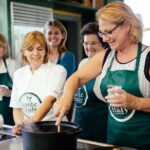
Fresh pasta smells like a love letter. In Florence, this class lets you learn by doing, right in a local cook’s kitchen, with an aperitivo and local wines before and after you eat. I love how hands-on the whole thing is, and I love that you’re not just watching a chef work—you’re making the pasta yourself.
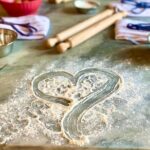
The only real drawback is that this is a kitchen experience, not a sightseeing loop. You’ll be in a home setting, working with dough (and yes, flour), and you’ll share the meal table with a group of up to 20.
If you want a Florence moment that feels personal and practical, this is it: you’ll mix, knead, shape, and then sit down to enjoy what you made, with a warm, local welcome guiding the way.
In This Review
- Key takeaways before you go
- A Florentine Home-Kitchen Setting That Changes the Whole Mood
- From Via Quintino Sella to a Real Kitchen
- The Aperitivo Setup: Small Welcome, Local Flavor
- Make Fresh Pasta By Hand: What You’ll Do With Your Own Dough
- The Pasta Types You’ll Learn (and Why It’s Not Just One Dish)
- Dinner at the Table: Eating Your Pasta With Local Wine
- Hosts Who Teach With Patience (and Actually Keep It Fun)
- Timing, Language, and Group Size: When This Fits Best
- Price and Value: What $70.89 Gets You (Really)
- Who Should Book This Pasta Love Class?
- Should You Book This Florence Pasta Experience?
- FAQ
- How long is the Florence pasta-making experience?
- What is the price per person?
- Is the class in English?
- How many people are in the group?
- Where does the experience start?
- Does the experience include wine?
- What kind of pasta will we make?
- Is there a mobile ticket?
- What is the cancellation policy?
- Are service animals allowed?
Key takeaways before you go
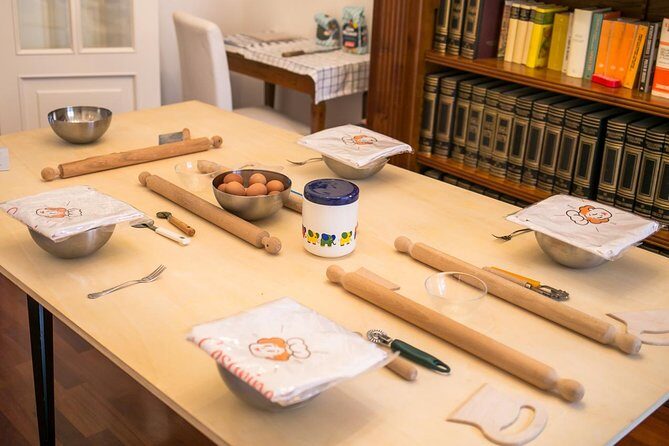
- Small group size (max 20) so the host can actually keep an eye on your hands, not just your appetite
- Hands-on pasta shaping where you learn techniques for fresh styles like pappardelle, tagliatelle, and ravioli
- Aperitivo + local wine included, with wine set as one bottle per three guests
- Florentine home setting that feels more personal than a restaurant classroom
- English instruction offered, so you can focus on technique instead of translating steps in your head
A Florentine Home-Kitchen Setting That Changes the Whole Mood
This experience works because it doesn’t feel staged. You’re stepping into someone’s daily world, which changes how you learn: you pay attention to the dough, the timing, and the cues your host gives you.
I also like that it’s not “pasta talk.” It’s pasta work. You’ll handle the dough, practice shaping, and see how a few adjustments can fix stickiness, thickness, or tearing.
And because it’s in Florence, the food portion doesn’t feel like a detour. The meal is the point, and you get to taste what you just made with the kind of pairing that belongs here: local wines and a relaxed aperitivo rhythm.
You can also read our reviews of more cooking classes in Florence
From Via Quintino Sella to a Real Kitchen
Your tour starts at Via Quintino Sella, Firenze FI, Italy, and it ends back at that same meeting point. That means you can plan your day without a weird, end-of-tour transfer or second location.
It’s also offered in English, and you’ll receive a mobile ticket, which keeps things simple when you’re bouncing around Florence. The class runs about 1 hour 30 minutes, so you can slot it in as a focused block—especially if you enjoy hands-on activities more than museum time.
One more practical note: the experience is near public transportation. If your lodging is in a more central area, you can usually hop to it without a big commute, and you won’t lose half your afternoon to logistics.
The Aperitivo Setup: Small Welcome, Local Flavor
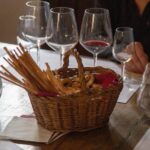
You begin with a warm welcome that includes a small appetizer and an aperitivo. This matters more than it sounds, because it sets the pace for a class where you’ll be physically working and tasting as you go.
Then comes the wine part. You’ll raise a glass during the meal, and the wine is included with a clear structure: one bottle per three guests. For me, that’s a better deal than the typical add-on model, because the pairing feels planned, not optional.
In several cases, hosts also add something sweet at the end of the meal. Dessert isn’t guaranteed in every session from the basic summary, but it’s part of the experience as some hosts share it after you finish eating.
Make Fresh Pasta By Hand: What You’ll Do With Your Own Dough
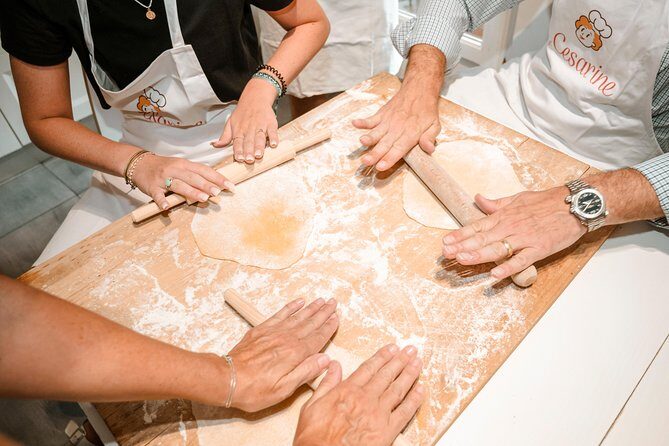
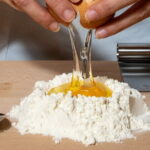
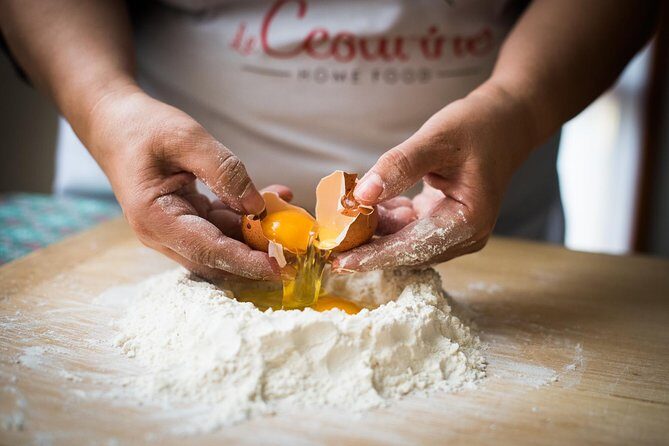
This is the core of the class, and it’s designed for real beginners as well as people who already cook. You’ll mix, knead, and shape fresh pasta under the host’s guidance.
Here’s what you should expect in plain terms:
- You’ll work the dough until it feels right, not just until it looks right.
- You’ll learn what “proper” thickness looks like when you’re aiming for a specific pasta shape.
- You’ll handle shaping steps that make a difference when you finally cook and eat it.
The teaching style is the secret sauce. People who felt successful in this class weren’t just lucky with ingredients—they were guided patiently through the parts that usually frustrate first-timers. In other words, the host watches your technique and helps you adjust in the moment.
If you’ve ever tried pasta at home and had it turn out too soft, too stiff, or uneven, you’ll understand why this method works: you get corrections based on what the dough is doing in your hands.
The Pasta Types You’ll Learn (and Why It’s Not Just One Dish)
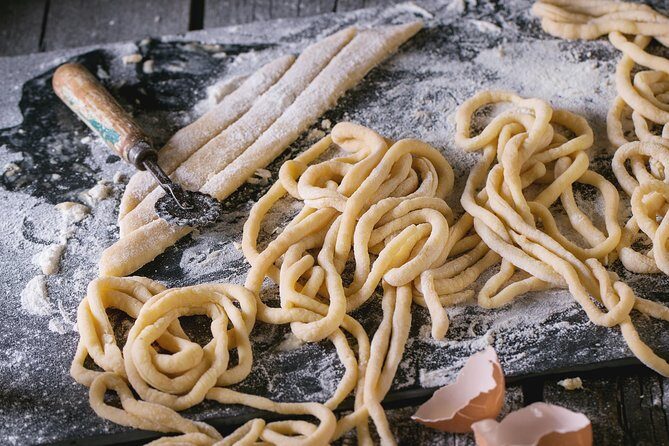
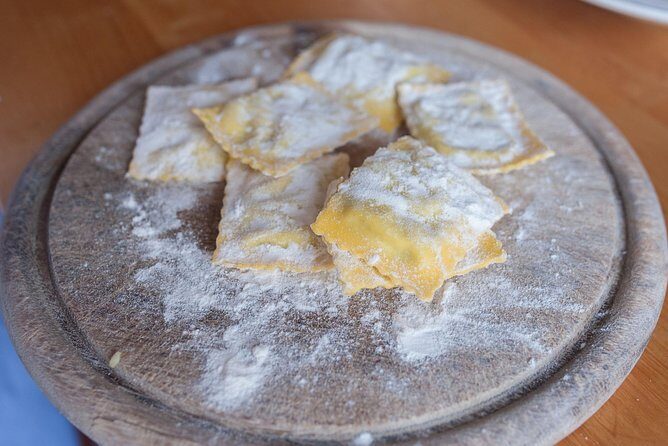
The class focuses on classic Italian fresh pasta. Depending on what your session covers, you may work with styles like pappardelle, tagliatelle, or ravioli.
You’ll also see regional Tuscan options tied to the experience, including sample regional pasta such as pici, tortelli, and pappardelle. Those names aren’t random labels. They represent different shapes and textures, and each one demands a slightly different feel from the dough.
If you’re picturing a single “cookie-cutter” outcome, plan for variety. One of the most praised elements is that you can leave with a real sense of how multiple shapes behave, not just one finished plate.
And even when you end up making the same style as everyone else, you’ll still get the practical takeaway: the technique transfers. Once you understand how to knead for elasticity and how to shape with consistent thickness, you can repeat the process back home with fewer mistakes.
- Tuscany Day Trip from Florence: Siena, San Gimignano, Pisa and Lunch at a Winery
★ 5.0 · 21,634 reviews

Dinner at the Table: Eating Your Pasta With Local Wine
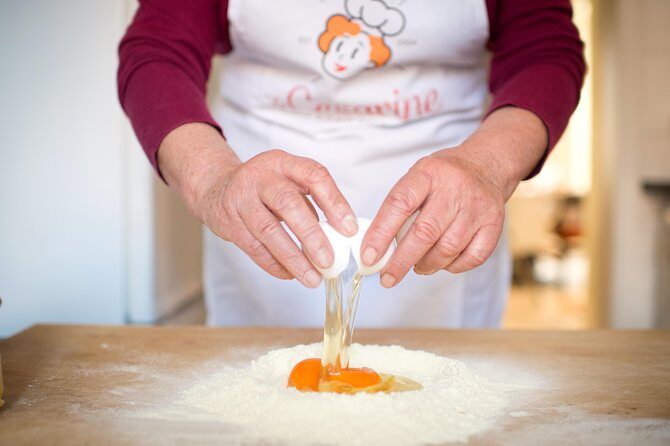
After the work comes the best part: you sit down and eat. You’ll gather around the table in a cozy home setting and enjoy what you created.
This meal setup is where the value shows. You’re not paying for ingredients and then eating something separate. You’re cooking, then consuming the result immediately, with wine included as part of the experience.
The pacing is also easier than you might expect. After shaping and prepping, your brain shifts from technique to taste. That’s when you notice what you did right—texture, bite, how the shape holds up, and how the dish pairs with wine.
If you like sharing food with people, this format is also social in a gentle way. You’re grouped with up to 20 people, and you’ll mingle before eating. It’s structured, but it still feels like a home meal rather than a formal event.
Hosts Who Teach With Patience (and Actually Keep It Fun)
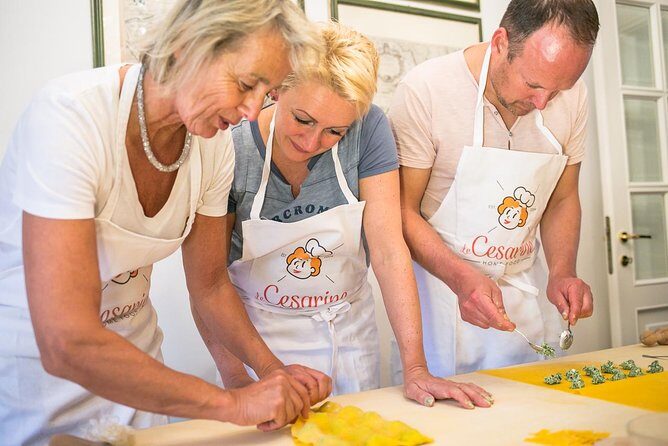
A big reason this class earns such high marks is the host-led teaching style. Names that have come up as standouts include Donatella and Ivana, each described as kind, patient, and good at explaining pasta steps clearly.
You’ll want that kind of temperament because pasta can be fiddly. Dough can stick, stretch, or resist depending on humidity and how it’s handled. A patient instructor makes corrections without making you feel rushed.
One of the best signals from past sessions is that hosts don’t just focus on technique—they also bring conversation. If you’re traveling with a partner or a small group, this matters because the class becomes a real experience, not a chore with a meal at the end.
And if you’re going solo, a good host balances the group dynamic so you still feel included. The class format is designed for mingling, and it helps when the teacher keeps the energy steady.
Timing, Language, and Group Size: When This Fits Best
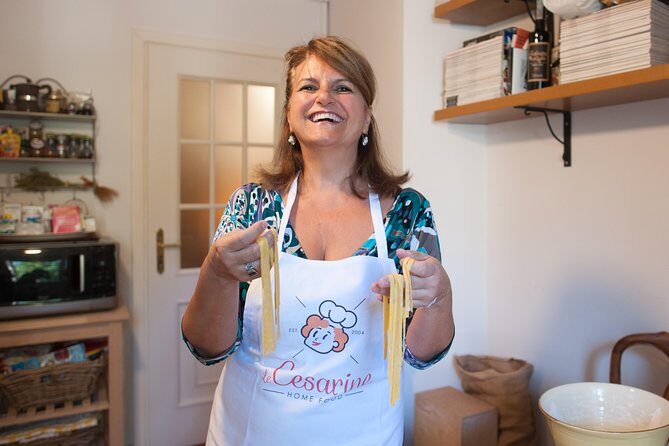
Plan for about 90 minutes total. That’s long enough to learn and make pasta, but short enough that it doesn’t swallow your whole day.
The language factor is straightforward: the experience is offered in English. That reduces confusion around technique cues, especially when you’re learning kneading and shaping steps where tiny details matter.
Group size is capped at 20 travelers. In practical terms, that means you’ll likely have enough space to work, and the host can still see what’s happening across the room.
If your Florence day is packed with big-ticket attractions, this class is the right kind of counterbalance. Instead of queueing and walking, you’re doing something physical and satisfying indoors—then eating in the same space.
If you prefer long, slow meals or want a full restaurant experience, you might feel the time is brief. But for a hands-on intro to fresh pasta, this length is a sweet spot.
Price and Value: What $70.89 Gets You (Really)
At $70.89 per person, this isn’t a budget activity—but it also isn’t a “just watch and snack” class. You’re paying for instruction, workspace in a home kitchen, ingredients, and the full meal you make.
What makes it feel like good value is the bundle:
- You get hands-on teaching for fresh pasta techniques.
- You get an aperitivo start, not just a drink on arrival.
- You get wine included with a set portion plan.
- You get to eat the pasta you created, right after making it.
In Florence, cooking classes that stay superficial can cost a similar amount without giving you much you can repeat later. This one is built around technique you can carry home, which is why it tends to feel worth it even to people who say it was their first class.
Also, the experience is often booked ahead—on average, it’s reserved about 24 days in advance. That’s a helpful clue. If you’re traveling in high season, booking sooner is smart.
Who Should Book This Pasta Love Class?
This class fits best if you:
- want a hands-on food experience instead of a passive tour
- enjoy small-group settings and real conversation at the table
- like learning cooking skills you’ll actually use later
- want a Florence activity that feels local, not “staged for photos”
It’s also a strong match for couples. Several accounts highlight how naturally couples connect through the shared work of shaping dough and then eating together with wine.
Families can also like it, especially when teenagers are old enough to stay engaged with hands-on instructions. The activity is centered on making pasta and eating it, so it has built-in structure.
If your main goal is landmark sightseeing, this might feel like a side quest. It’s not designed to replace museum time. It’s designed to give you a home-kitchen Florence moment.
Should You Book This Florence Pasta Experience?
If you want a memorable Florence meal with skills attached, I’d say yes, book it. This is one of those rare activities where the learning and the eating are the same event, and where the home setting makes the whole thing feel warmer than a standard class.
Book it especially if you care about doing the work yourself—kneading, shaping, tasting—and you’re happy trading a little sightseeing time for a hands-on story you’ll remember on the plane home.
Just go in knowing what it is: a short cooking class in a private kitchen. If you’re looking for a full-day tour or a quiet, solo wandering experience, you may be happier elsewhere. But if you want pasta love in real hands, this one is worth your time.
FAQ
How long is the Florence pasta-making experience?
It lasts about 1 hour 30 minutes.
What is the price per person?
The price is $70.89 per person.
Is the class in English?
Yes, it’s offered in English.
How many people are in the group?
There is a maximum of 20 travelers.
Where does the experience start?
It starts at Via Quintino Sella, Firenze FI, Italy.
Does the experience include wine?
Yes. There is an aperitivo and local wines, with wine provided as one bottle per three guests.
What kind of pasta will we make?
You’ll make fresh pasta by hand, with examples that can include pici, tortelli, pappardelle, and classic shapes like pappardelle, tagliatelle, and ravioli.
Is there a mobile ticket?
Yes, it includes a mobile ticket.
What is the cancellation policy?
You can cancel for a full refund up to 24 hours before the experience starts.
Are service animals allowed?
Yes, service animals are allowed.
You Might Also Enjoy

More Cooking Classes in Florence
- Cooking Class and Lunch at a Tuscan Farmhouse with Local Market Tour from Florence
★ 5.0 · 4,831 reviews
More Tour Reviews in Florence
- Tuscany Day Trip from Florence: Siena, San Gimignano, Pisa and Lunch at a Winery
★ 5.0 · 21,634 reviews - The Best tour in Florence: Renaissance & Medici Tales – guided by a STORYTELLER
★ 5.0 · 12,316 reviews